
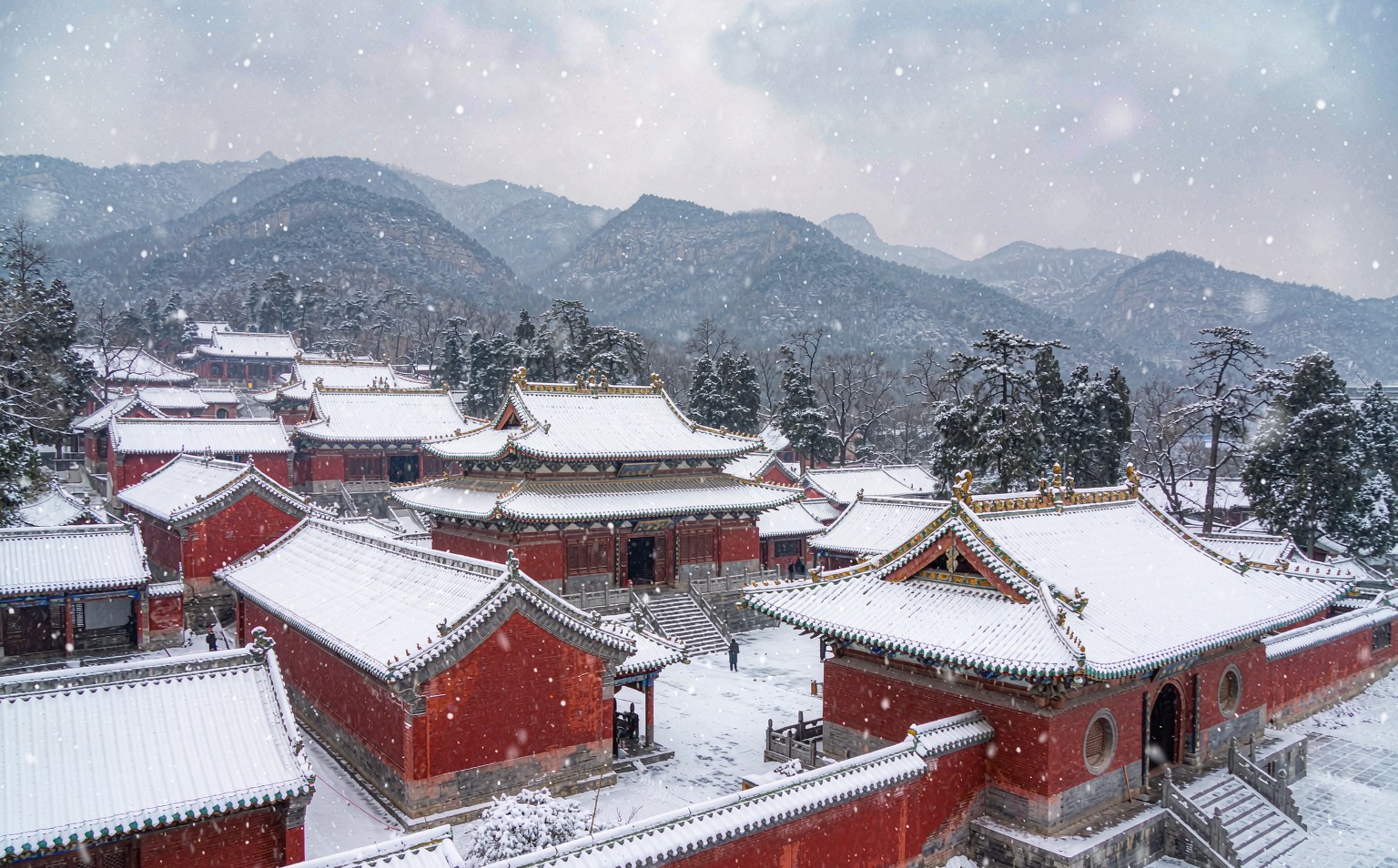
Kaifeng 4-Day Tour: White Horse Temple & Red Flag Canal
Kaifeng 4-day tour covering White Horse Temple and Red Flag Canal and Yin Xu. Sightseeing tickets and shuttle bus included.
Highlights
Day 1: White Horse Temple
Assemble in the morning and set off for White Horse Temple, follow the tour guide to visit the main attractions, leaving ample time for photography and rest; enjoy a local specialty meal at noon, check into the hotel in the evening, and recharge for the next day's itinerary.
Attraction Introduction: A highlight arranged in the itinerary is White Horse Temple. White Horse Temple is located in the eastern part of Luoyang city and was first built during the Yongping era of the Eastern Han Dynasty. It was constructed to commemorate the White Horse carrying scriptures and the initial transmission of Buddhism to the Central Plains, and is honored as "China's First Ancient Temple," being the first state-built temple established after Buddhism was introduced to China. Inside the temple, Qi Yun Tower Courtyard, the Great Buddha Hall, and the Hall of Heavenly Kings are laid out along the central axis, with incense burning continuously among the red walls and green cypresses for over two thousand years. It is worth mentioning that the temple also features exotic-style halls donated by Myanmar, Thailand, India, and other countries, presenting a unique view of the eastward transmission and return flow of Buddhist culture. My understanding is that when entering the temple, first visit the main halls along the central axis, then walk around Qi Yun Tower Courtyard, and finally go to the exotic Buddhist halls on the sides to experience cultural integration; coming early in the morning when there are fewer people, with the morning light shining on red walls and ancient cypresses, is the most picturesque and helps avoid peak tour group crowds.
Tips: The temple has many stone steps and thresholds, so do not step on the thresholds. When worshipping, line up in order and avoid pushing. Tourists generally give feedback that the exotic-style halls (Thai/Burmese/Indian) are highly photogenic and feel more spacious than expected; note that the international temple area requires a fair amount of walking, so save some energy. Based on actual circumstances, be punctual, arrive five to ten minutes early for group gatherings, and remember that it’s better for the group to wait for you than for you to hold up the group.
Day 2: Red Flag Canal
Gather in the morning and depart for Red Flag Canal, follow the tour guide to visit the main attractions, leaving plenty of time for photos and rest; enjoy local specialty dishes at noon, and check into the hotel in the evening to recharge for the next day's itinerary.
Attraction introduction: This stop is Red Flag Canal. Red Flag Canal is the 'Artificial Heavenly River' carved by the people of Linzhou on the cliffs of the Taihang Mountains in the 1960s. It spans over 1,500 kilometers in total, with 1,250 mountain peaks leveled, more than 150 aqueducts built, and over 200 tunnels excavated, taking nearly ten years to complete. It stands as a monument to the indomitable spirit of the Chinese nation. The Youth Cave is the most dangerous section, carved out by 300 young volunteers on the cliff's edge; the Fen Shui Garden and Red Flag Canal Memorial Hall provide a complete account of the arduous process of building the canal. This place combines red education with the magnificent scenery of the Taihang Mountains, and today it is also an awe-inspiring cultural attraction. My understanding is that visiting the Memorial Hall first to learn about the canal background and then walking through the Youth Cave allows one to truly grasp the significance of this canal; hike along the canal according to your ability, wear non-slip shoes, and watch your step.
Tips: Mountain paths are often slippery, especially downhill; keep your center of gravity back and slow your pace, and it’s advisable to bring knee pads. Visitors generally feel that the 'Artificial Heavenly River' is a spiritual landmark, with middle-aged tourists resonating more deeply. The guide’s explanations in the exhibition hall are worth listening to for understanding that period of history. In practice, when taking photos, don’t just focus on getting the shot—pay attention to your surroundings and footing. Always stand firmly on the edges of viewing platforms and plank paths.
Day 3: Yin Ruins
Gather in the morning and depart for Yin Ruins, following the guide to visit the main attractions, allowing ample time for photos and rest; at noon, enjoy local specialty meals, and in the evening check into the hotel to recharge for the next day’s itinerary.
Sightseeing introduction: At this stop, we arrive at Yin Ruins. Yin Ruins is the late Shang Dynasty capital site, located in Anyang. It is the birthplace of oracle bone script and also the place where the Houmuwu Ding (formerly known as Simuwu Ding) was found. In 2006, it was listed as a World Cultural Heritage site. This was once the capital of the Shang Dynasty after King Pan Geng moved the capital to Yin, lasting for over 270 years. The remains of palaces and ancestral temples, royal tombs, and chariot pits are clearly visible. Oracle bones were first discovered here, extending China's recorded history back to the Shang Dynasty. The new Yin Ruins Museum systematically displays bronzes, jades, oracle bones, and other cultural relics, making it the most direct way to understand Shang civilization. My understanding is to first look at the palace and ancestral temple ruins and the chariot pits to establish a spatial concept, then go into the museum to carefully appreciate the artifacts. Combining the two gives a complete picture; the oracle bones and large bronze artifacts are the highlights, and following the guide is far more enriching than just a superficial visit.
Tips: The mountain trail has many steps and a steep incline, so be sure to wear non-slip sports shoes. Those with mobility difficulties are advised to take the cable car. Visitors generally report that the oracle bones and the Simuwu Ding make history come alive, and many say the new museum building is more worthwhile than the open-air ruins; note that the explanation is necessary to fully understand the exhibits. Based on actual conditions, to get good photos, go early in the morning or late in the afternoon—the light is soft and there are fewer people in the early morning, and the golden glow at dusk is perfect for photos. Midday has harsh overhead light and crowds, so it’s better for resting.
Related Tours
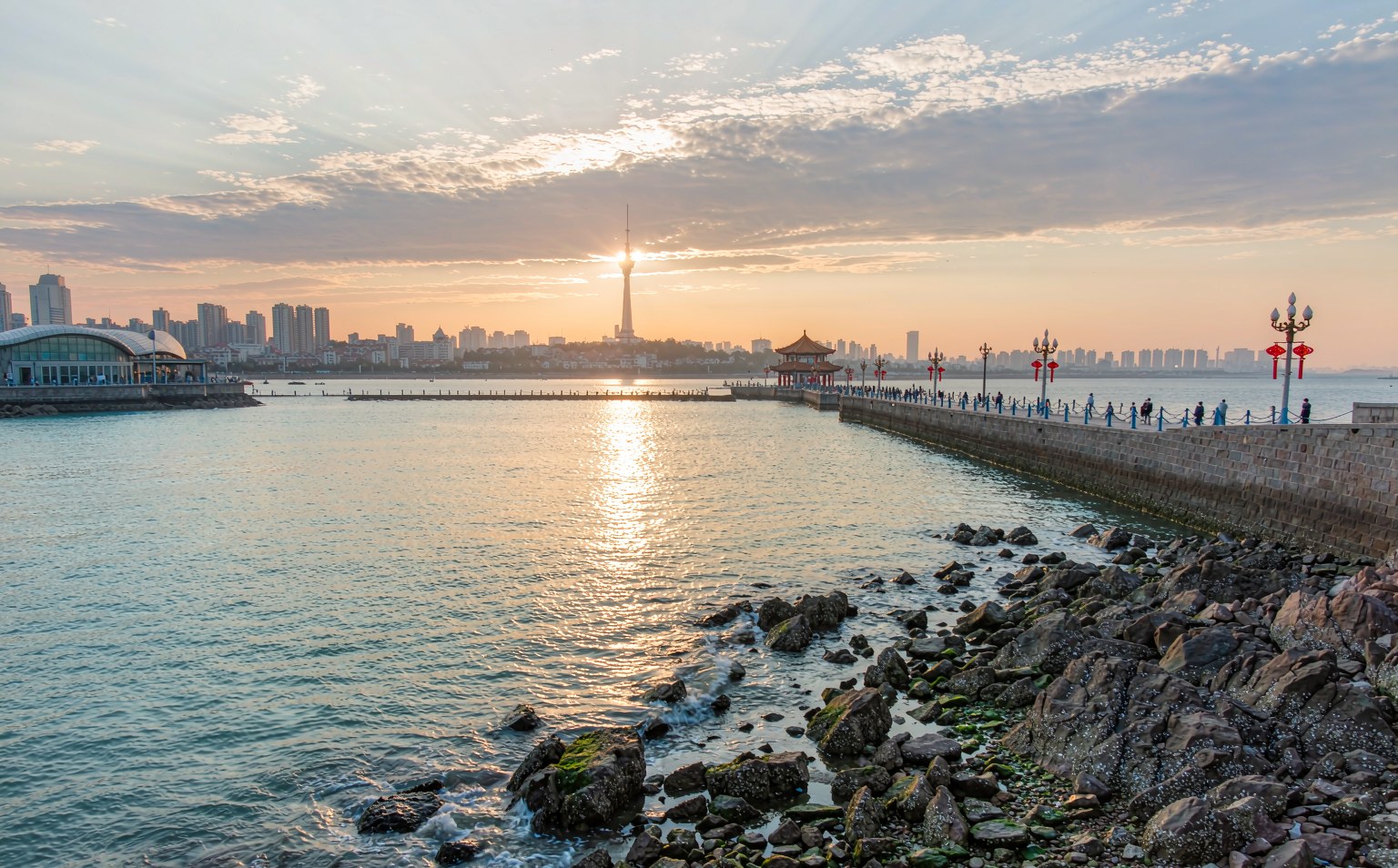
Anyang 4-Day Tour: Scenic Area
Anyang 4-day tour covering Scenic Area. Sightseeing tickets and shuttle bus included.
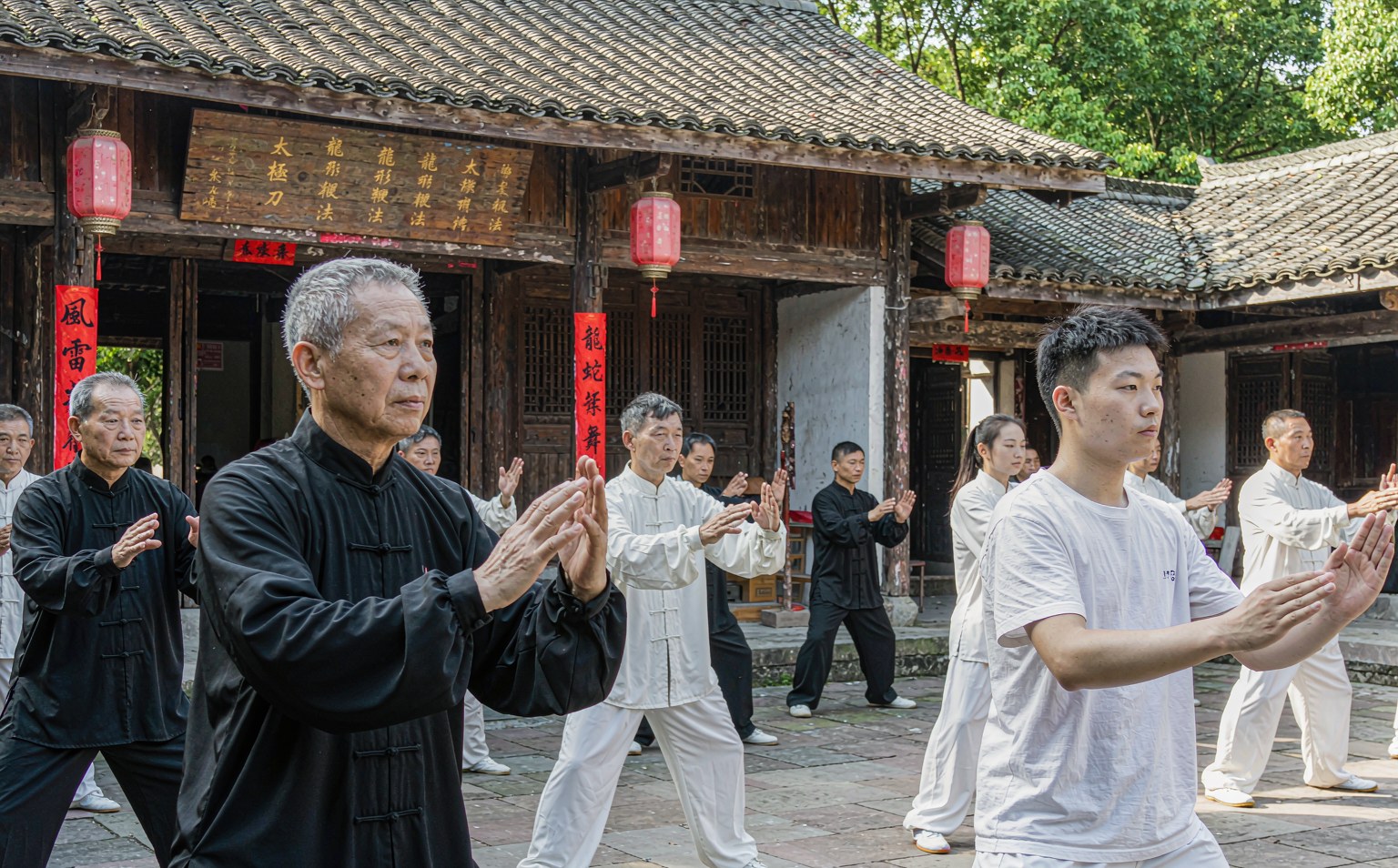
Zhengzhou 5-Day Tour: Longmen Grottoes & White Horse Temple
Zhengzhou 5-day tour covering Longmen Grottoes and White Horse Temple and Laojun Mountain. Sightseeing tickets and shuttle bus included.
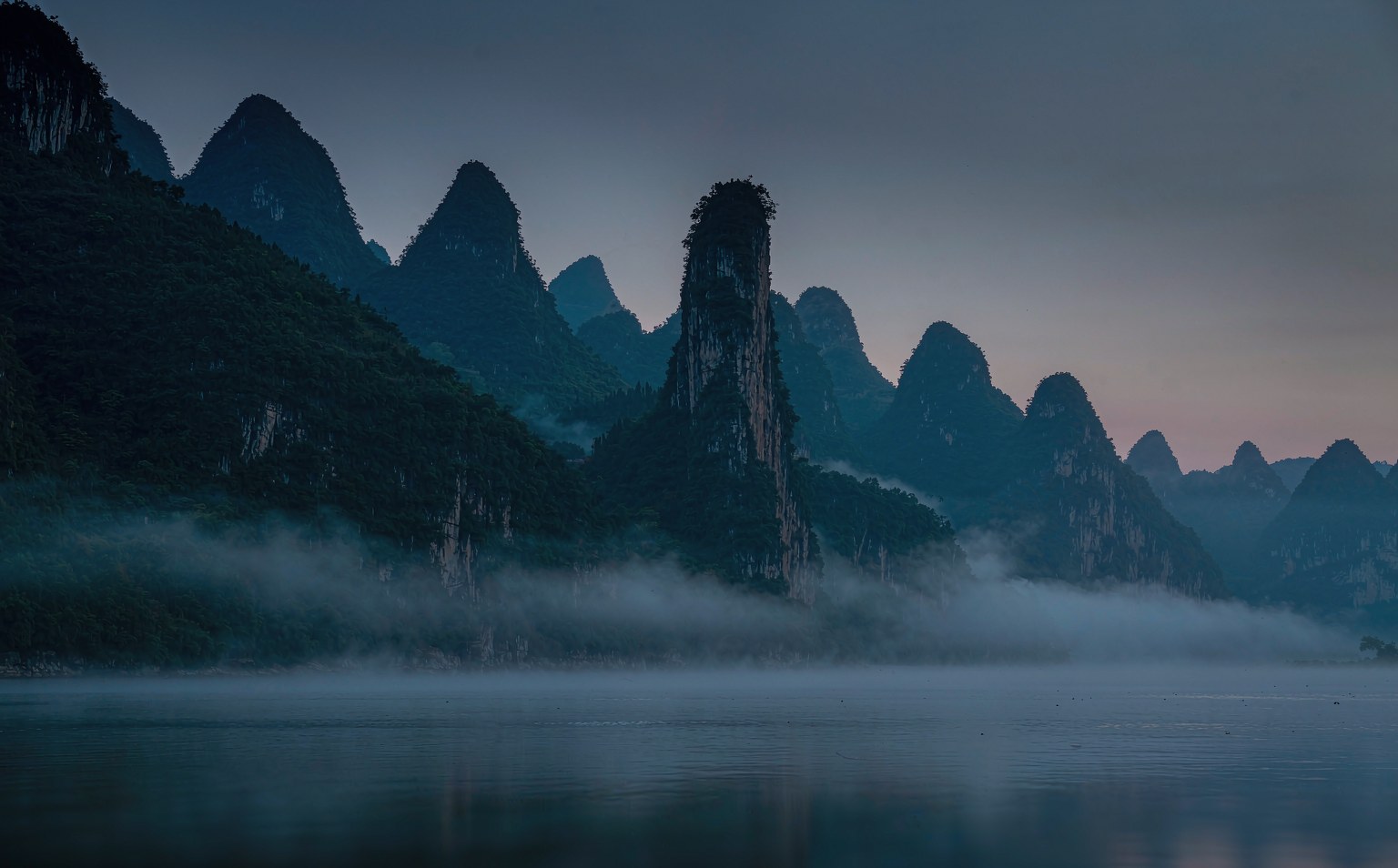
Luoyang 3-Day Tour: Luoyi Ancient City & Shaolin Temple
Luoyang 3-day tour covering Luoyi Ancient City and Shaolin Temple. Sightseeing tickets and shuttle bus included.
Luoyang 3-Day Tour: Longmen Grottoes & White Horse Temple
Luoyang 3-day tour covering Longmen Grottoes and White Horse Temple and Wangcheng Park. Sightseeing tickets and shuttle bus included.