
Luoyang 8-Day Tour: Wangcheng Park & White Horse Temple
Luoyang 8-day tour covering Wangcheng Park and White Horse Temple and Longtan Grand Canyon. Sightseeing tickets and shuttle bus included.
Highlights
Day 1: Wangcheng Park
Gather in the morning and depart for Wangcheng Park, follow the guide to visit the core attractions, and allow plenty of time for photos and rest; Enjoy local specialties at noon, then check into the hotel in the evening to recharge and prepare for the next day's itinerary.
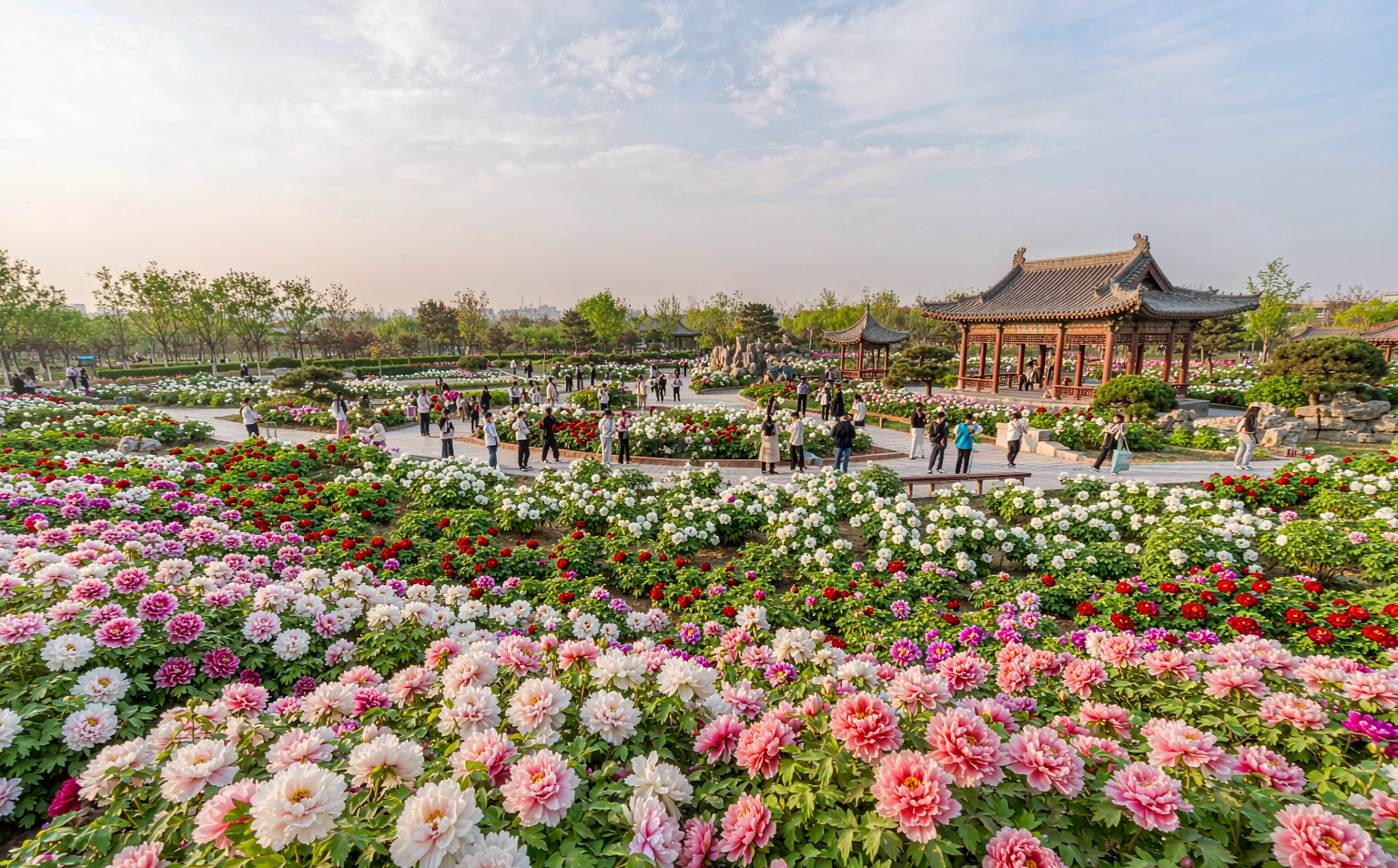
Attraction introduction: A highlight of the itinerary is Wangcheng Park. Wangcheng Park is located on Luoyang, named for its location atop the ruins of the Eastern Zhou royal city. It has been one of the main venues for the China Luoyang Peony Culture Festival and is the most familiar city park to Luoyang residents. Every April, famous peonies such as Yao Huang, Wei Purple, and Zhao Pink bloom in a dazzling display of vibrant colors; The park also preserves the ruins of Zhou King's City and a zoo, combining historical heritage with leisure functions, making it a classic spot for visitors to check in at the "Peony Flower City." My understanding is that if you visit during peony season (April), you must make this a must-visit spot. Early mornings with fewer people and peonies with dew are most vibrant; Outside the flowering season, it's more suitable for leisurely walks.
Friendly reminder: Popular attractions have long queues. Get a map and performance schedule before entering to prioritize must-see attractions. Visitors generally agree that Wangcheng Park is worth a special trip. It's recommended to slow down, follow the guide to the explanations, and save time for the most impressive details and the best camera angles. Based on actual conditions, the biggest concern on long trips is dehydration: carry a water bottle and drink water in small amounts multiple times; On the first night in plateau or mountainous areas, avoid washing your hair or bathing too long, giving your body some room to adjust.
Day 2: White Horse Temple
Gather in the morning and depart for White Horse Temple, follow the guide to visit core attractions, and allow enough time for photos and rest; Enjoy local specialties at noon, check into the hotel in the evening, and recharge for the next day's itinerary.
Attraction introduction: One highlight of the itinerary is White Horse Temple, located east of Luoyang city. It was first built during the Yongping era of the Eastern Han Dynasty to commemorate the White Horse Carrying Scriptures and the early introduction of Buddhism to the Central Plains. It is honored as "China's First Ancient Temple" and the first government-run temple built after Buddhism was introduced to China. Inside the temple, the Qiyun Pagoda Courtyard, the Great Buddha Hall, and the Heavenly King Hall are arranged along the central axis, with red walls and green cypress trees where incense offerings have continued for over two thousand years. It is worth mentioning that the temple also features exotic-style Buddhist halls donated by countries such as Myanmar, Thailand, and India, showcasing the unique landscape of Buddhist culture flowing eastward and backward. My understanding is that when entering the temple, first see the main hall along the central axis, then circle around to the Qiyun Pagoda Courtyard, and finally visit the foreign Buddhist halls on both sides to experience cultural fusion; Come early in the morning when there are fewer people; the sunlight shining on the red walls and ancient cypress trees creates the most poetic atmosphere, and you can also avoid the peak of tour groups.
Friendly reminder: The temple has many stone steps and thresholds; do not step on the threshold. Arrange your steps in order during worship without pushing. Visitors generally report that the international-style Buddha halls (Thai/Burmese/Seal Temple) have a high photo rate and feel they are more spacious than expected; Reminder: The International Temple Area is quite far to walk, so leave some footwork. Based on actual circumstances, be punctual. Gather five to ten minutes early. Better to wait for the bus than for the car; don't make everyone wait for you.
Day 3: Longtan Grand Canyon
Gather in the morning and depart for Longtan Grand Canyon, follow the guide to visit core attractions, allowing enough time for photos and rest; Enjoy local specialties at noon, check into the hotel in the evening, and recharge for the next day's itinerary.
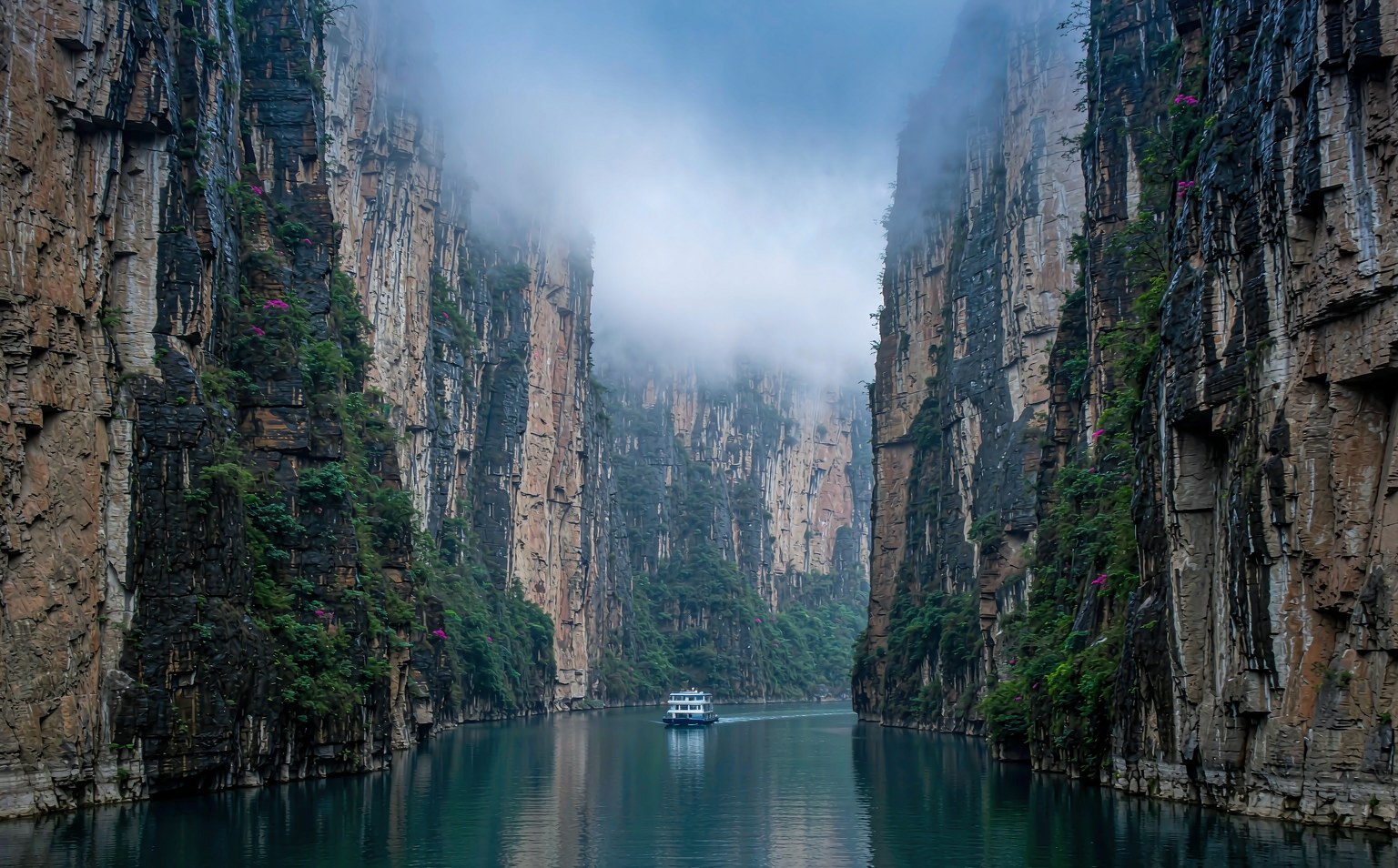
Attraction introduction: This stop is Longtan Grand Canyon. Located in Xin'an, it is a canyon famous for its Hongyan Valley and water flowing upward, earning it the reputation of a "canyon masterpiece" and an "ancient marine natural museum." Trails like Liubutan and Yixiantian are highly water-friendly, with the Hongyan cliffs and clear waters complementing each other. In summer, it is especially cool and refreshing, making it a family waterside destination not far from Luoyang city. The canyon stretches for several kilometers, with waterfalls, deep pools, and strange rocks along the way, offering a new view at every step. My understanding is that wearing a pair of non-slip river trekking shoes or sneakers is ideal, and valuables like phones should be waterproofed; Families with children should slow down the pace and choose gentle boardwalks without rushing to finish the entire route.
Friendly reminder: Signal inside the canyon may be poor. Arrange a meeting point with the guide in advance and do not act alone. Visitors generally report that most believe Longtan Grand Canyon is worth a special trip. It is recommended to slow down and follow the guide to listen to the explanations, saving time for the most impressive details and the best camera angles. Based on the actual situation, don't just focus on taking photos when taking photos; pay attention to your footing and surrounding environment. Be sure to stand firmly on the viewing platform and the edges of the boardwalk.
Day 4: Jiguan Cave
Gather in the morning and depart for Jiguan Cave, follow the guide to visit core attractions, allowing enough time for photos and rest; Enjoy local specialties at noon, check into the hotel in the evening, and recharge for the next day's itinerary.
Attraction introduction: This stop is Jiguan Cave. Jiguan Cave is the karst cave in Luanchuan. Inside, stalactites are varied in countless shapes, with stalagmites, pillars, and flowers illuminating the lights to create stunning colors. The temperature remains pleasant year-round, and the weather is warm in winter and cool in summer. The cave is densely packed with scenic spots, with changing views as you walk. With explanations, you can understand the wonders of geological changes over hundreds of millions of years. It complements Longtan Grand Canyon with a cave and a gorge, making it a classic geological wonder route in western Henan. My understanding is that when entering the cave, remember to follow the guide. The formation and naming of stalactites are quite interesting, and it's easy to miss the highlights when you look at them yourself; The cave floor is slippery and some areas are low, so wear non-slip shoes and watch your head.
Friendly reminder: The climbing section has many steps and steep slopes, so be sure to wear non-slip sports shoes. Those with mobility difficulties are advised to take the cable car up and down. Visitors generally report that Jiguan Cave is worth a special trip. It's recommended to slow down and follow the guide to listen to the explanations, saving time for the most impressive details and the best camera angles. Depending on the situation, it's best to shoot early or late—the morning is quiet and the dusk is the most photogenic, and the noon peak is cramped and flat, so it's more cost-effective to rest.
Related Tours
Anyang 4-Day Tour: Scenic Area
Anyang 4-day tour covering Scenic Area. Sightseeing tickets and shuttle bus included.
Zhengzhou 5-Day Tour: Longmen Grottoes & White Horse Temple
Zhengzhou 5-day tour covering Longmen Grottoes and White Horse Temple and Laojun Mountain. Sightseeing tickets and shuttle bus included.
Luoyang 3-Day Tour: Luoyi Ancient City & Shaolin Temple
Luoyang 3-day tour covering Luoyi Ancient City and Shaolin Temple. Sightseeing tickets and shuttle bus included.
Luoyang 3-Day Tour: Longmen Grottoes & White Horse Temple
Luoyang 3-day tour covering Longmen Grottoes and White Horse Temple and Wangcheng Park. Sightseeing tickets and shuttle bus included.