
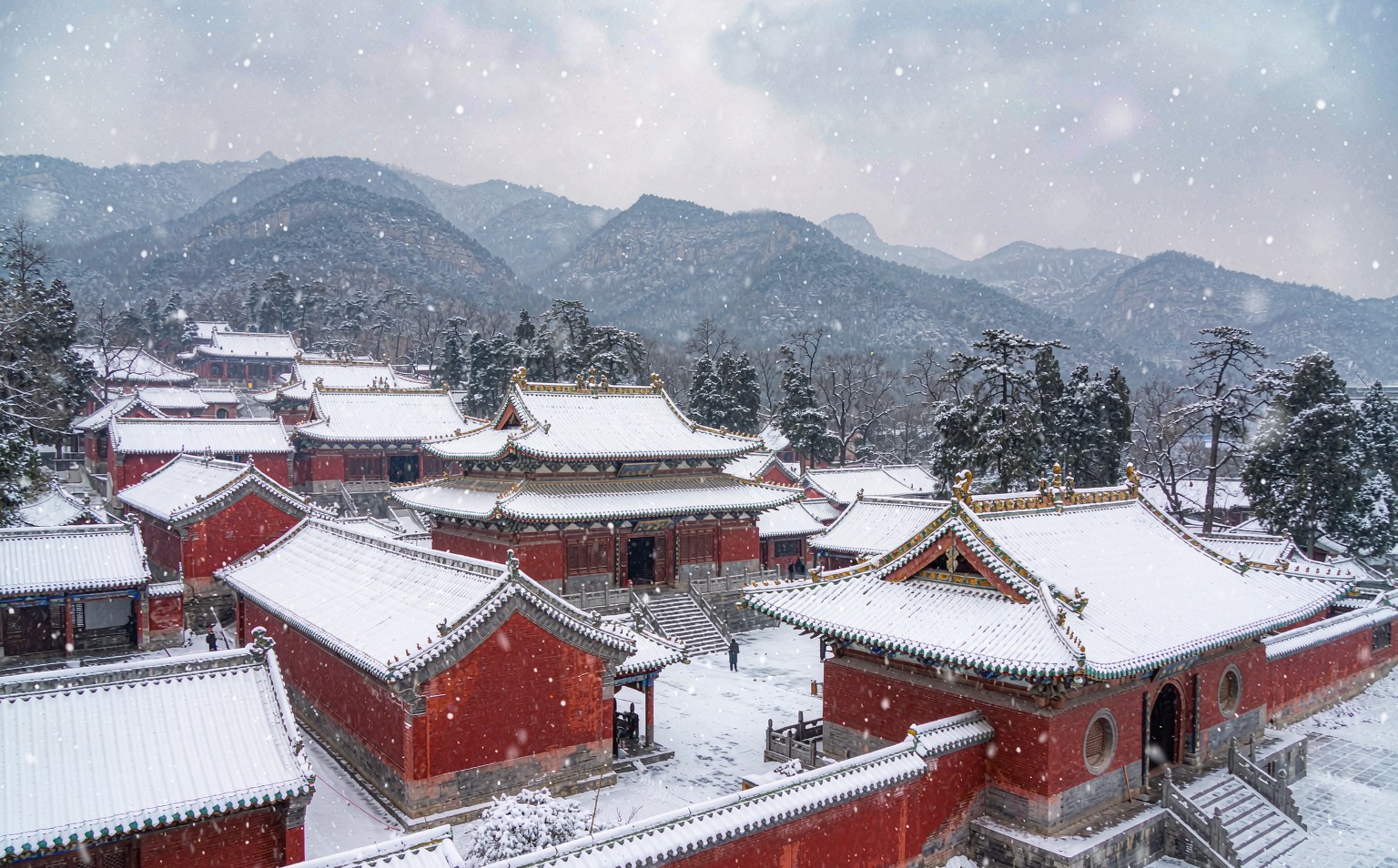
Anyang 4-Day Tour: Shaolin Temple & Red Flag Canal
Anyang 4-day tour covering Shaolin Temple and Red Flag Canal and Yin Xu. Sightseeing tickets and shuttle bus included.
Highlights
Day 1: Shaolin Temple
Gather in the morning and set off for Shaolin Temple. Follow the tour guide to visit the main attractions, leaving plenty of time for photos and rest. At noon, enjoy a local specialty meal, and in the evening, check into the hotel to recharge for the next day’s itinerary.
Attraction Introduction: One of the highlights of the itinerary is Shaolin Temple. Shaolin Temple is located at the foot of Wuru Peak on Shaoshi Mountain in Dengfeng. It was first established in the 19th year of the Taihe era of the Northern Wei Dynasty (AD 495). It is both the ancestral home of Zen Buddhism and the birthplace of Shaolin martial arts, with a history of over 1,500 years. The main points of interest are concentrated in three areas: The Changzhu Courtyard along the central axis sequentially includes the Shanmen (Mountain Gate), the Hall of Heavenly Kings, the Mahavira Hall, the Sutra Repository, and the Lixue Pavilion, with halls and ancient steles laid out along the way. The Pagoda Forest is the largest existing ancient pagoda complex in China, with over 200 brick-and-stone tomb pagodas from the Tang, Song, and Qing Dynasties, each corresponding to a renowned monk. The Bodhidharma Cave on Wuru Peak is said to be the place where Bodhidharma meditated facing the wall for nine years. The Martial Arts Hall features regular Shaolin martial arts performances daily, showing authentic skill in fist techniques, weapons, and qigong. My understanding is that when entering the temple, first walk the central axis with the guide and then explore freely; maintain silence and walk around the pagodas in the Pagoda Forest; for the martial arts performance, arrive 15 minutes early to get good seats.
Tips: There are many incense stalls around the temple, so purchase incense as needed and consume rationally. Visitors generally report that the martial arts performance is most popular with families, while the Pagoda Forest and First Patriarch Hall are often overlooked. Note that the scenic area is fairly commercialized, so check prices for vegetarian meals and surrounding services in advance. Depending on the situation, carry some small change and packaged snacks as the signal may be weak or for emergency needs; don’t wait until you are hungry to look for food.
Day 2: Red Flag Canal
Assemble in the morning and depart for Red Flag Canal. Follow the tour guide to visit the main attractions, allowing plenty of time for taking photos and resting. Enjoy a local specialty meal at noon, and in the evening check into the hotel to recharge for the next day's itinerary.
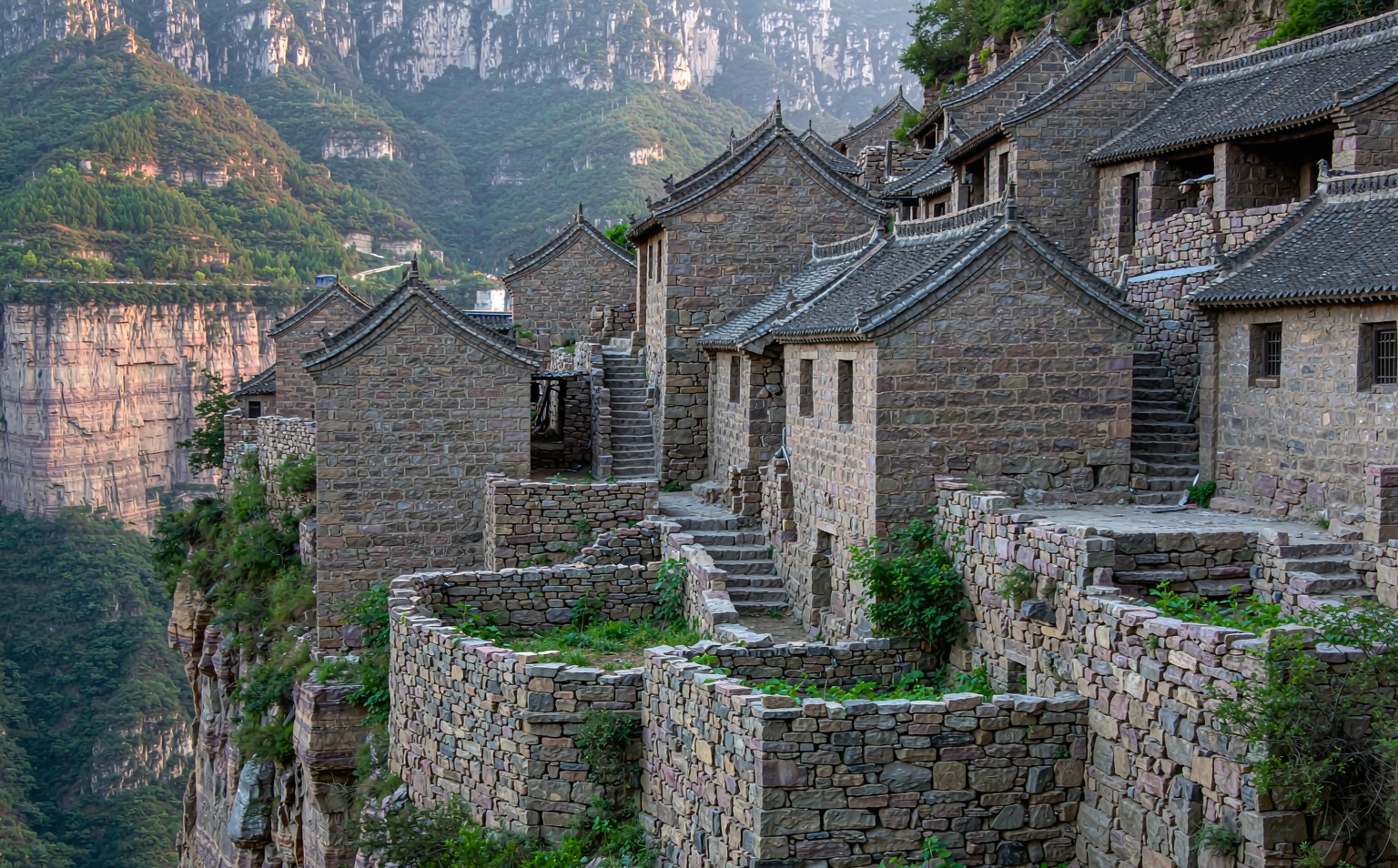
Attraction Introduction: This stop is Red Flag Canal. Red Flag Canal is an 'artificial river in the sky' carved into the cliffs of the Taihang Mountains by the people of Linzhou in the 1960s. It stretches over 1,500 kilometers, leveling 1,250 mountain peaks, building more than 150 aqueducts, and tunneling through over 200 tunnels, taking nearly ten years to complete. It stands as a monument to the Chinese nation's spirit of self-improvement. The Youth Tunnel is the most dangerous section, carved by 300 young volunteers on cliffside rocks. The Fen Shui Yuan and Red Flag Canal Memorial Hall fully depict the hardships of constructing the canal. This location combines red-themed education with the majestic Taihang scenery and is now an awe-inspiring cultural attraction. My understanding is that visiting the Memorial Hall first to learn about the canal background and then walking through the Youth Tunnel helps one truly appreciate the significance of this canal. Hike along the canal according to your ability, wear non-slip shoes, and watch your step.
Warm Tips: Stairways and steep slopes are common along the hiking sections, so be sure to wear non-slip sports shoes. Those with mobility issues are advised to use the cable car. Visitors generally find that the spiritual landmark aspect of the 'artificial river in the sky' resonates more with middle-aged tourists. The explanation in the exhibition hall is worth listening to for understanding that period of history. Given the unpredictable mountain weather, a windproof jacket is essential. Choose comfortable non-slip shoes—better to take fewer photos than to twist an ankle.
Day 3: Yin Ruins
Gather in the morning and depart for Yin Ruins, follow the tour guide to visit the main attractions, allowing ample time for taking photos and resting; enjoy a local specialty meal at noon, check in to the hotel in the evening, and recharge for the next day's itinerary.
Attraction Introduction: This stop is Yin Ruins. Yin Ruins is the site of the late Shang Dynasty capital, located in Anyang. It is the birthplace of oracle bones and also the origin site of the Houmuwu Ding (originally called Simuwu Ding), which was listed as a World Cultural Heritage site in 2006. This was once the capital after King Pan Geng of the Shang Dynasty moved to Yin, lasting more than 270 years. The remains of palaces and ancestral temples, royal tombs, and chariot and horse pits are clearly visible. Oracle bones were first discovered here, bringing the era of Chinese recorded history back to the Shang Dynasty. The new museum at Yin Ruins displays bronzes, jade artifacts, oracle bones, and other cultural relics in a systematic way, making it the most intuitive classroom for understanding Shang civilization. My understanding is that seeing the palace and temple remains and chariot pits first helps establish a spatial concept, then going into the museum to study the artifacts in detail connects the two perspectives completely; oracle bones and large bronze items are the essence, and following the guide is much better than a superficial visit.
Tips: The temperature in mountainous areas varies greatly between morning and evening, and the mountaintop wind is strong, so a windproof jacket and warm inner layers are very necessary. Visitors commonly report that the oracle bones and the Simuwu Ding make history come alive, and they say the new museum is more worthwhile than the open archaeological site; it is advisable to follow the explanation to fully understand. Based on actual circumstances, do not shop impulsively; when you see a 'limited-time offer,' pause for three minutes. If you really want to buy souvenirs, make sure to choose reputable stores and keep the receipts for peace of mind.
Related Tours
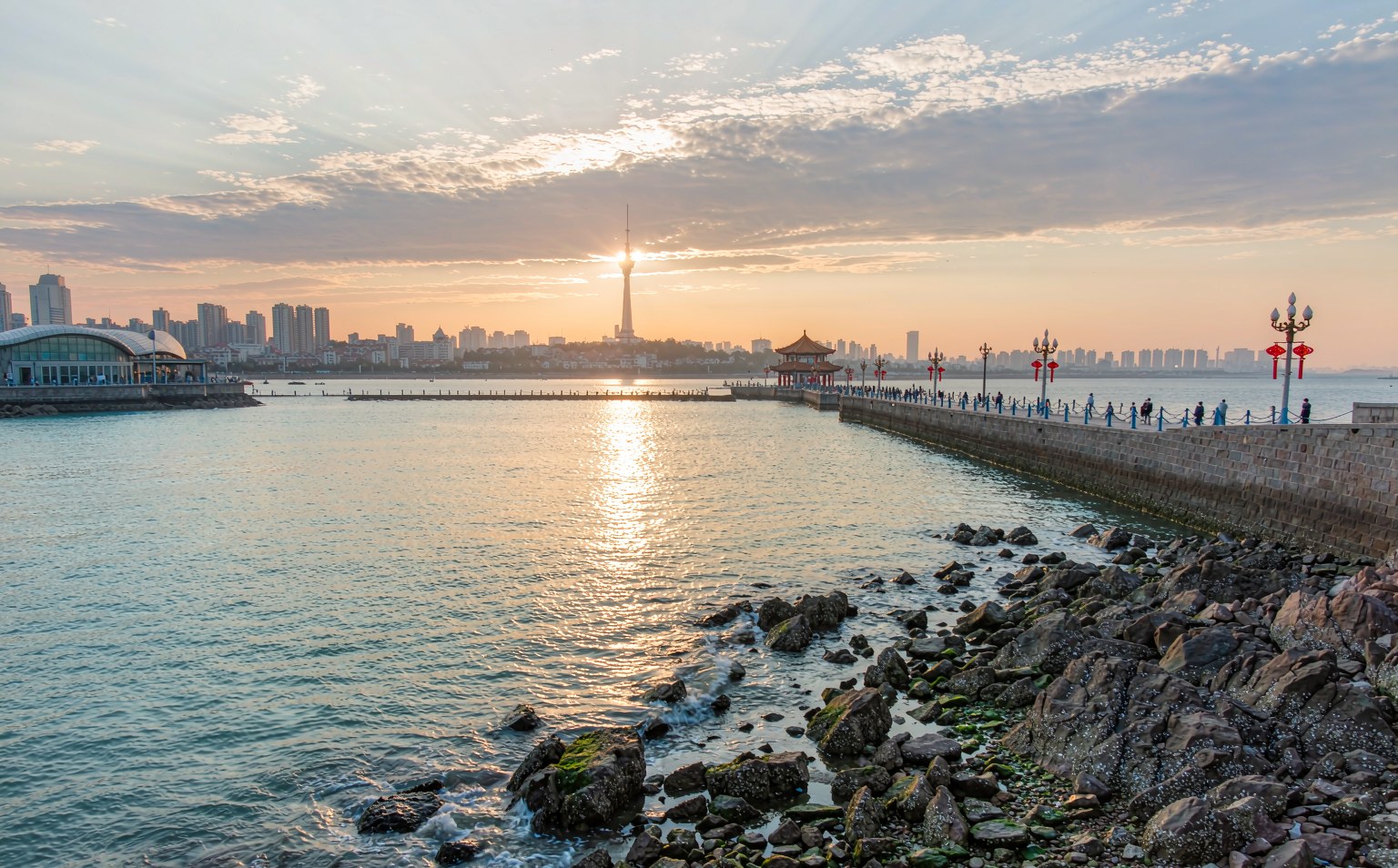
Anyang 4-Day Tour: Scenic Area
Anyang 4-day tour covering Scenic Area. Sightseeing tickets and shuttle bus included.
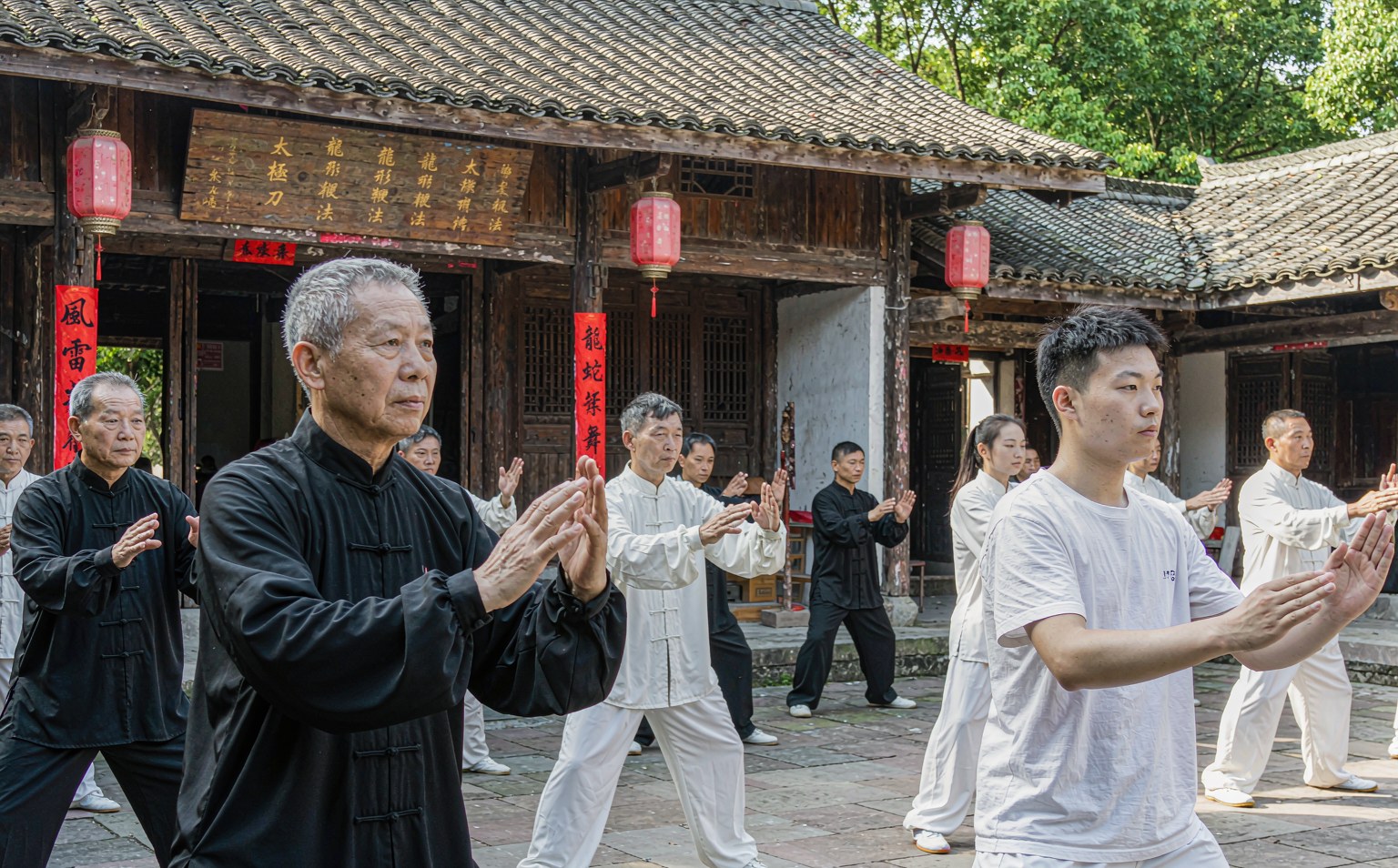
Zhengzhou 5-Day Tour: Longmen Grottoes & White Horse Temple
Zhengzhou 5-day tour covering Longmen Grottoes and White Horse Temple and Laojun Mountain. Sightseeing tickets and shuttle bus included.
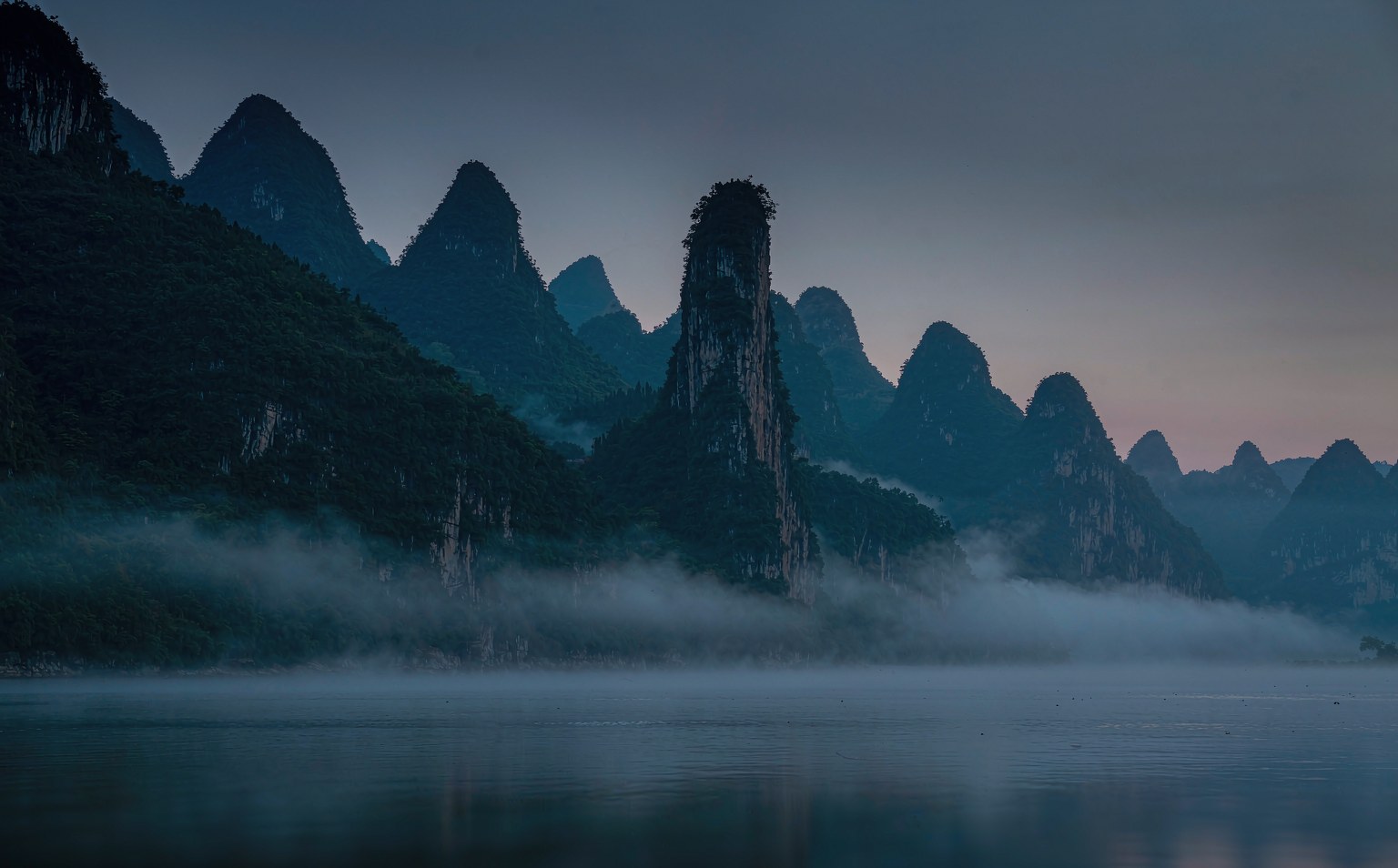
Luoyang 3-Day Tour: Luoyi Ancient City & Shaolin Temple
Luoyang 3-day tour covering Luoyi Ancient City and Shaolin Temple. Sightseeing tickets and shuttle bus included.
Zhengzhou 3-Day Tour: Longmen Grottoes & Laojun Mountain
Zhengzhou 3-day tour covering Longmen Grottoes and Laojun Mountain and White Horse Temple. Sightseeing tickets and shuttle bus included.