
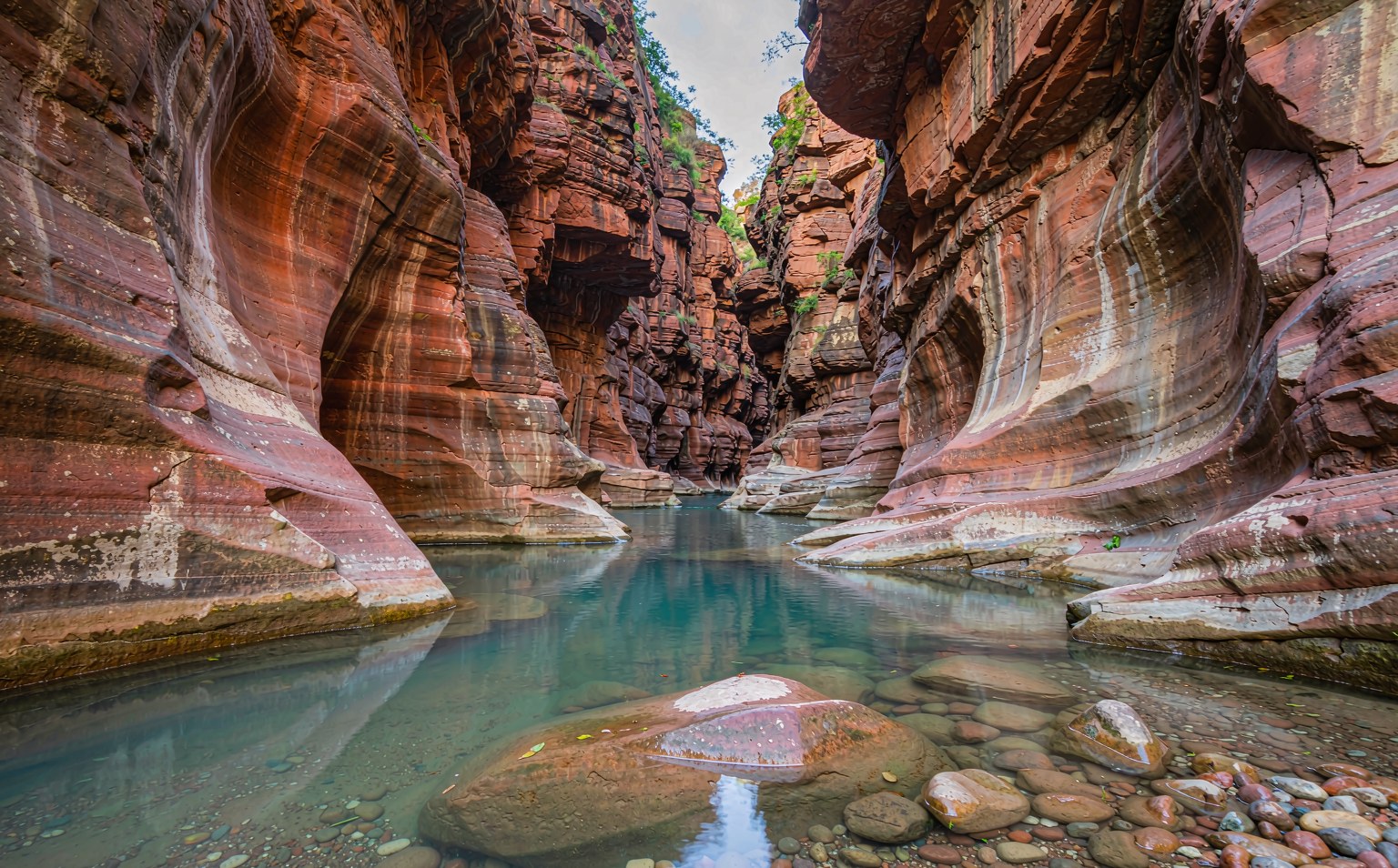
Anyang 6-Day Tour: Longtan Grand Canyon & Baiyun Mountain
Anyang 6-day tour covering Longtan Grand Canyon and Baiyun Mountain and Longmen Grottoes. Sightseeing tickets and shuttle bus included.
Highlights
Day 1: Longtan Grand Canyon
Gather in the morning and depart for Longtan Grand Canyon, follow the tour guide to visit the main attractions, allowing plenty of time for photos and rest; enjoy a local specialty meal at noon, and check into the hotel in the evening to recharge for the next day's itinerary.
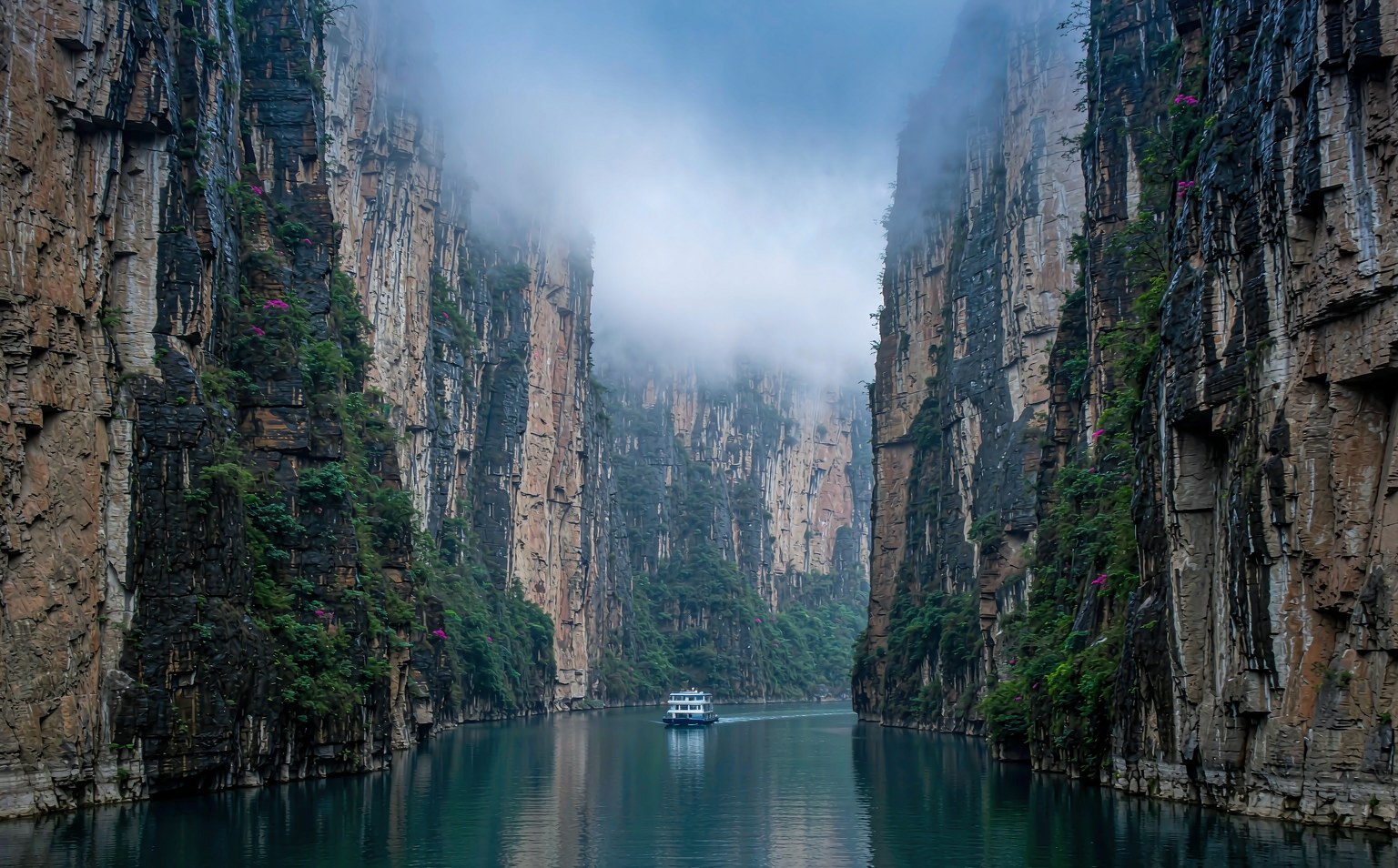
Attraction Introduction: This stop is Longtan Grand Canyon. Located in Xin'an, Longtan Grand Canyon is a canyon famous for spectacular red rock cliffs and water flowing uphill, earning the titles "Canyon Gem" and "Natural Museum of Ancient Oceans." Trails such as Liubutan and Yixiantian offer strong opportunities for water fun. The red cliffs and clear pools reflect each other beautifully, especially cool in summer, making it a family-friendly water destination not far from Luoyang city center. The canyon spans several kilometers, with waterfalls, deep pools, and unique stones along the way—beautiful views at every step. In my opinion, wearing anti-slip creek shoes or sports shoes is most suitable, and keep valuables like phones waterproofed; families with children should take a slower pace, choose flatter trail sections, and not rush to complete the entire route.
Warm Tips: The canyon trails are close to water and cliffs. Do not climb over railings or play in dangerous areas, and watch your children. Generally, visitors report that most believe Longtan Grand Canyon is worth a dedicated visit. It is recommended to slow down, listen to the guide's explanations, and leave time for the details that move you most and the best photo spots. Based on your actual situation, reserve your energy—tackle the main highlights in the morning when your spirit is high, and slow down in the afternoon. Don't exhaust yourself on the first day, or you won't have energy for the following days.
Day 2: Baiyun Mountain
Gather in the morning and depart for Baiyun Mountain, follow the tour guide to visit the main attractions, and allow plenty of time for photography and rest; at noon, enjoy local specialty meals, and in the evening, check into the hotel to recharge for the next day's itinerary.
Attraction Introduction: Today's itinerary includes Baiyun Mountain attractions. Baiyun Mountain is located in the heart of Funiu Mountain in Song County. From Yuhuang Peak, you can view the sea of clouds at sunrise. With a high forest coverage and abundant negative oxygen ions, it is a natural oxygen bar. Within the scenic area, Jiulong Waterfall and the Alpine Peony Garden each have unique features. It is ideal for summer cooling and autumn leaf viewing, being one of the few high-altitude resort-type scenic areas in Henan. You can connect various points via cable car or scenic shuttle bus. The mountaintop offers expansive views, shrouded in mist, resembling a fairyland. My understanding is that visiting in summer for cool weather is most worthwhile, as the mountain’s coolness sharply contrasts with the city’s heat; waking up early to climb Yuhuang Peak for the sunrise over the sea of clouds requires some luck, but even if you miss the sunrise, the mountains in the morning mist are beautiful enough.
Warm Tips: Mountain roads can be slippery, especially when going downhill; pay attention to shifting your center of gravity backwards and slowing your pace, and you may want to bring knee protectors. Visitors generally feedback that most think Baiyun Mountain is worth a special trip. It is recommended to slow down, follow the guide’s commentary, and reserve time for the details that move you the most and the best spots for photos. According to the actual situation, respect local customs; dress appropriately when entering religious sites, do not point casually, and a simple greeting can be met with kindness.
Day 3: Longmen Grottoes
Assemble in the morning and depart for Longmen Grottoes. Follow the tour guide to visit the main attractions, leaving plenty of time for photos and rest; enjoy a local specialty lunch at noon, check in to the hotel in the evening, and recharge for the next day's itinerary.
Attraction Introduction: Today's itinerary includes Longmen Grottoes attractions. Longmen Grottoes was carved on the cliff walls along both sides of the Yi River in the southern part of Luoyang. Its construction continued from the time Emperor Xiaowen of the Northern Wei moved the capital to Luoyang and spanned multiple dynasties including the Eastern Wei, Western Wei, Northern Qi, Sui, and Tang. Currently, there are more than 2,300 niches, over 100,000 statues, and more than 2,800 engraved epitaphs. The most striking is the Leshan Giant Buddha in the Fengxian Temple, which is over 17 meters tall, with a full face and eyes full of kindness. It is said to have been carved to resemble Empress Wu Zetian and represents the pinnacle of Tang Dynasty stone carving art. Along with Dunhuang Mogao Caves and Datong's Yungang Grottoes, it is known as one of China's three major grottoes and is also a World Cultural Heritage site. During the visit, walk south along the Yi River path from the West Mountain Grottoes; Binyang Three Caves, Wanfo Cave, and Lotus Cave each have interesting features. After crossing the bridge to the East Mountain Worship Terrace, you can overlook the full panorama. My suggestion is to first visit the main caves of West Mountain in the morning to enjoy the Giant Buddha when it is less crowded, and in the afternoon, go to East Mountain for a distant view, where the lighting and angles are best for photos; walking along both sides of the Yi River involves some backtracking, so comfortable shoes will save a lot of effort.
Tips: Visiting the grottoes mainly involves walking and stairs, so it is recommended to wear non-slip, comfortable shoes and travel light. Be mindful of your footing along the Yi River. Most visitors find the Leshan Giant Buddha the most impressive, and the sunset at West Mountain provides the best photo lighting. Walking along both sides of the Yi River involves backtracking, so wearing comfortable shoes and allowing half a day is suggested. Practically speaking, the biggest risk in a group tour is rushing; listening to the guide is the essence. The cultural stories behind each attraction are often more memorable than photos, so ask the guide on the spot if something is unclear.
Day 4: Yin Ruins
Gather in the morning and depart for Yin Ruins. Follow the tour guide to visit the main attractions, leaving plenty of time for taking photos and resting; enjoy a local specialty meal at noon, and check into the hotel in the evening to recharge for the next day's itinerary.
Attraction introduction: This stop brings us to Yin Ruins. Yin Ruins is the site of the late Shang Dynasty capital, located in Anyang. It is the birthplace of oracle bone script and also the place where the Houmuwu Ding (formerly known as Simuwu Ding) was found. In 2006, it was listed as a World Cultural Heritage site. This was once the capital of the Shang Dynasty after King Pan Geng moved the capital to Yin, lasting for over 270 years. The remains of palaces and ancestral temples, royal tombs, and chariot pits are clearly visible. Oracle bones were first discovered here, extending China's recorded history back to the Shang Dynasty. The new Yin Ruins Museum systematically displays bronze, jade, and oracle bone artifacts, making it the most straightforward way to understand Shang civilization. My understanding is that first viewing the palace and ancestral temple remains and the chariot pits helps establish a spatial concept, and then entering the museum for the artifacts allows for detailed appreciation. The two approaches combined provide a complete experience. Oracle bone inscriptions and large bronzes are the highlights; following the guide through them is much more meaningful than just glancing around.
Tips: The temperature in the mountains varies greatly between morning and evening, and it is windy at the peaks, so a windproof jacket and warm inner layers are necessary. Visitors generally comment that the oracle bones and Houmuwu Ding bring history to life, and that the new museum building is more worthwhile than the open-air ruins; it is advised to combine the visit with the guide's explanations to understand properly. For authentic food, go deeper into the alleys; queues at the main gate are long and the taste is average. For souvenirs, always ask for prices and compare; local supermarkets often provide more genuine items.
Related Tours
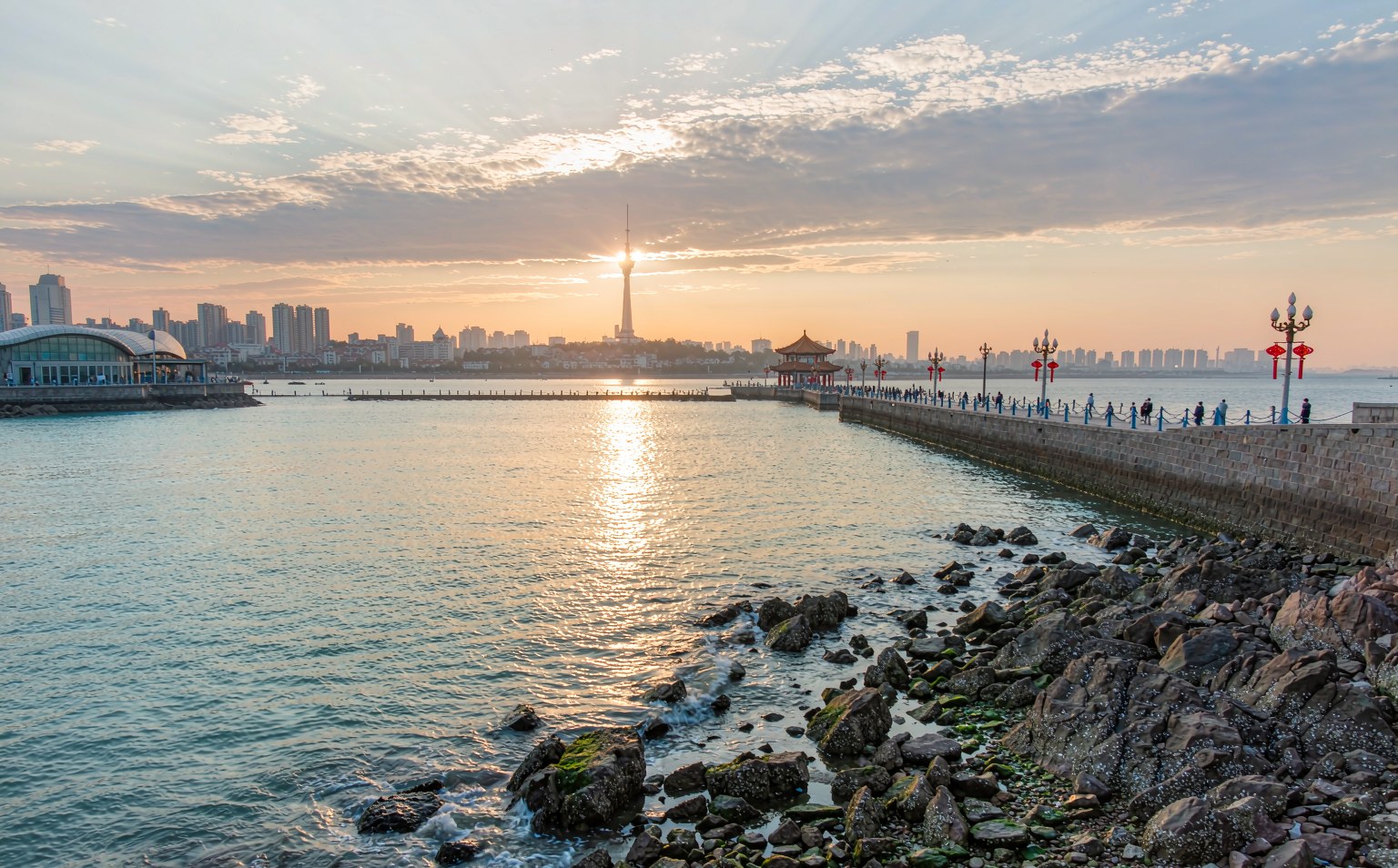
Anyang 4-Day Tour: Scenic Area
Anyang 4-day tour covering Scenic Area. Sightseeing tickets and shuttle bus included.
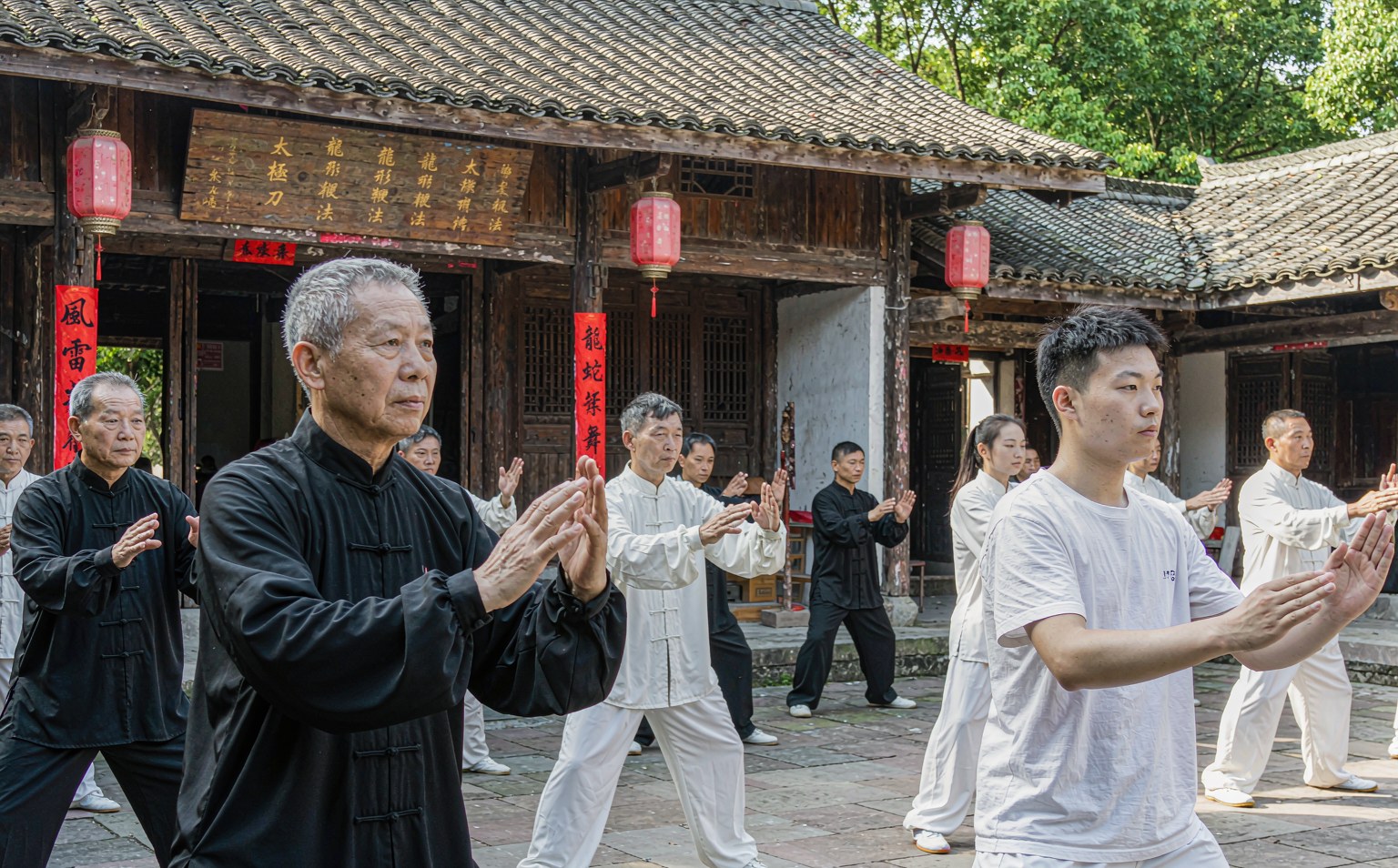
Zhengzhou 5-Day Tour: Longmen Grottoes & White Horse Temple
Zhengzhou 5-day tour covering Longmen Grottoes and White Horse Temple and Laojun Mountain. Sightseeing tickets and shuttle bus included.
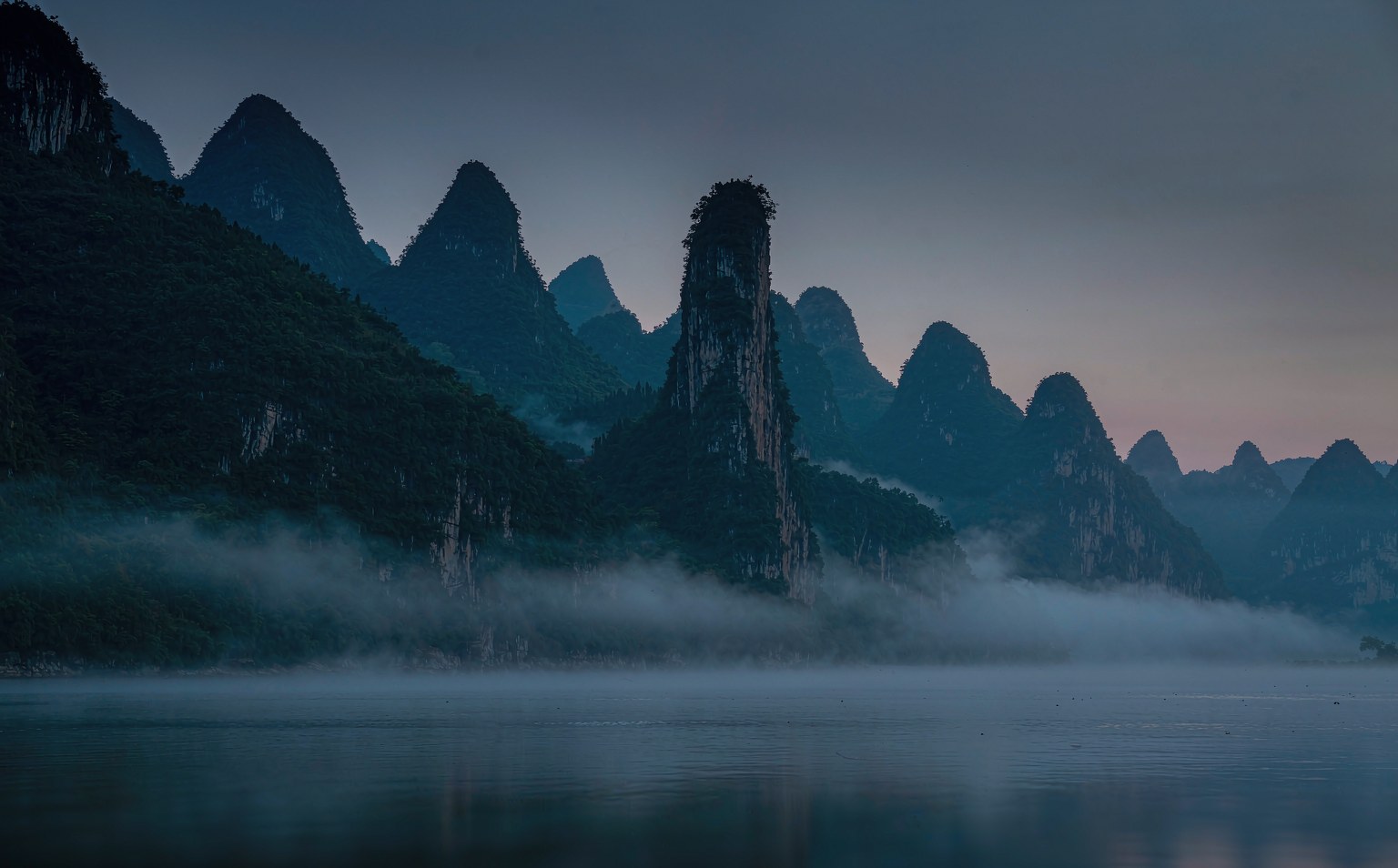
Luoyang 3-Day Tour: Luoyi Ancient City & Shaolin Temple
Luoyang 3-day tour covering Luoyi Ancient City and Shaolin Temple. Sightseeing tickets and shuttle bus included.
Luoyang 3-Day Tour: Longmen Grottoes & White Horse Temple
Luoyang 3-day tour covering Longmen Grottoes and White Horse Temple and Wangcheng Park. Sightseeing tickets and shuttle bus included.