
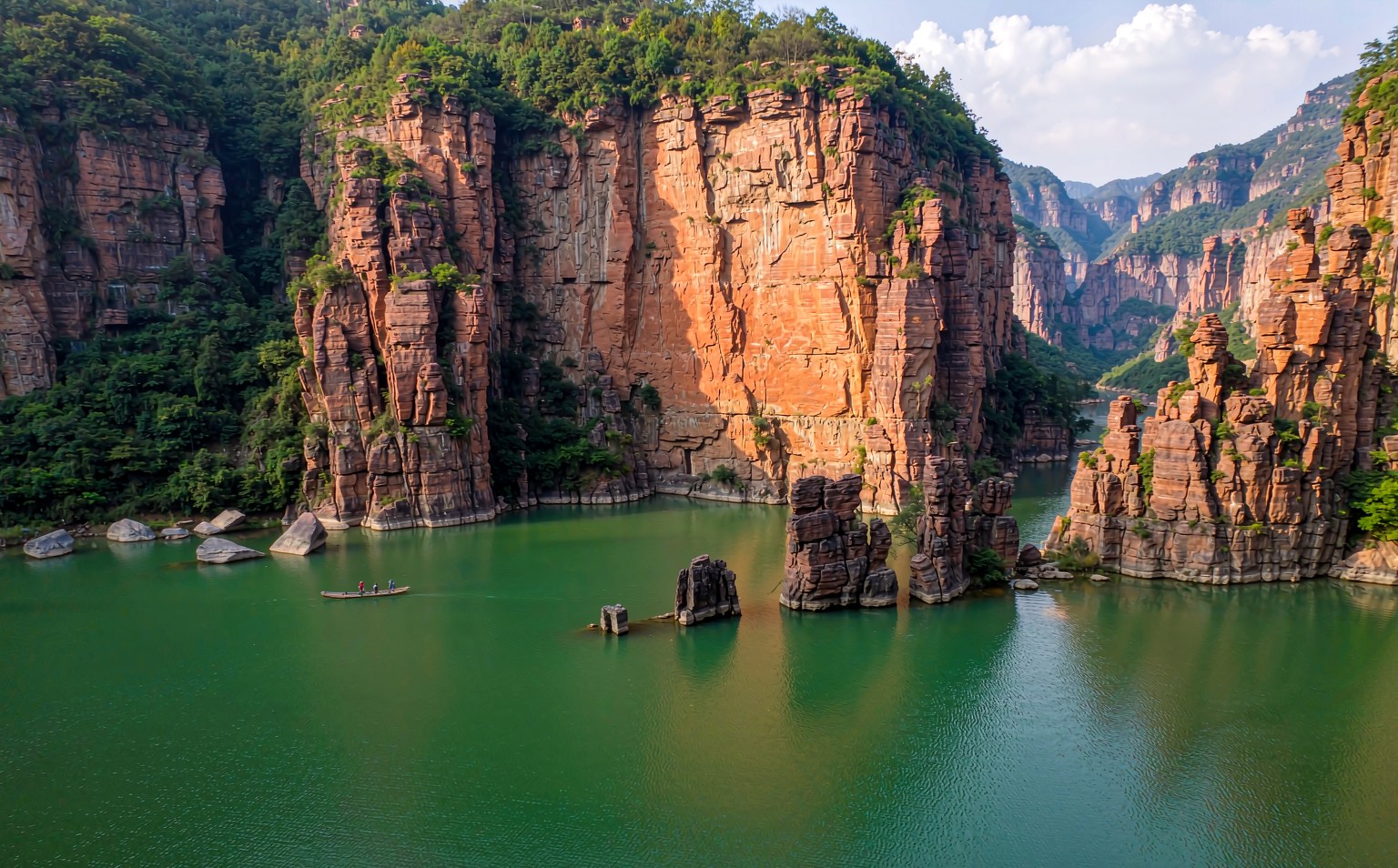
Anyang 7-Day Tour: Longtan Grand Canyon & White Horse Temple
Anyang 7-day tour covering Longtan Grand Canyon and White Horse Temple and Guoliang Village. Sightseeing tickets and shuttle bus included.
Highlights
Day 1: Longtan Grand Canyon
Gather in the morning and depart for Longtan Grand Canyon, follow the guide to visit core attractions, and allow plenty of time for photos and rest; Enjoy local specialties at noon, check in at the hotel in the evening, and recharge for the next day's itinerary.
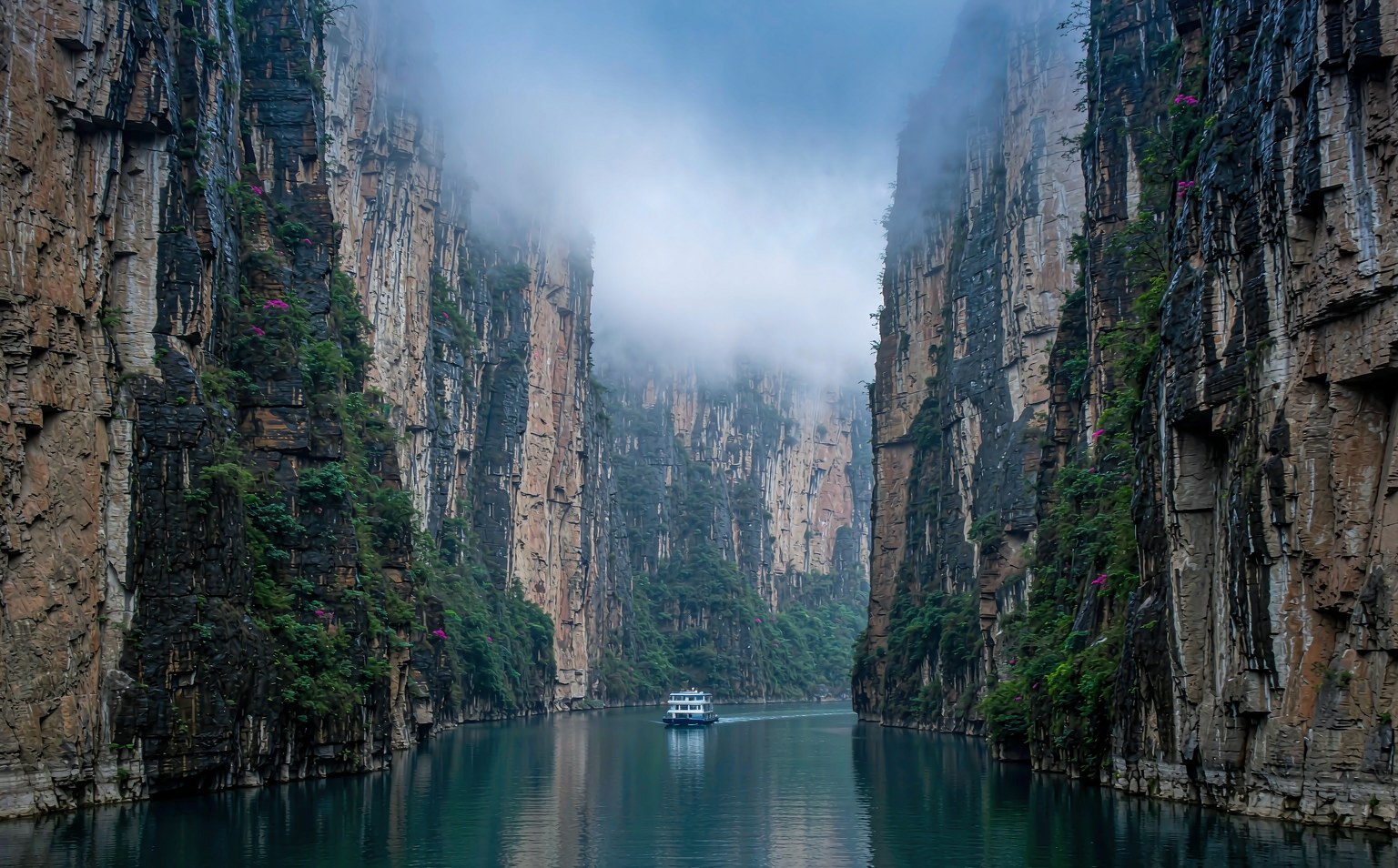
Attraction introduction: This stop is Longtan Grand Canyon. Located in Xin'an, it is a canyon famous for its Hongyan Valley and water flowing upward, earning it the reputation of a "canyon masterpiece" and an "ancient marine natural museum." Trails like Liubutan and Yixiantian are highly water-friendly, with the Hongyan cliffs and clear waters complementing each other. In summer, it is especially cool and refreshing, making it a family waterside destination not far from Luoyang city. The canyon stretches for several kilometers, with waterfalls, deep pools, and strange rocks along the way, offering a new view at every step. My understanding is that wearing a pair of non-slip river trekking shoes or sneakers is ideal, and valuables like phones should be waterproofed; Families with children should slow down the pace and choose gentle boardwalks without rushing to finish the entire route.
Friendly reminder: Signal inside the canyon may be poor. Agree on a meeting point with the guide in advance and don't go alone. Visitors generally report that most think Longtan Grand Canyon is worth a special trip. It's recommended to slow down and follow the guide to the explanation, saving time for the most impressive details and the best camera angles. Considering actual conditions, mountain weather can change quickly, so a windbreaker jacket is more practical than anything; Choose shoes that are non-slip and comfortable, and avoid spraining your ankle if you take fewer photos.
Day 2: White Horse Temple
Gather in the morning and depart for White Horse Temple, follow the guide to visit core attractions, and allow plenty of time for photos and rest; Enjoy local specialties at noon, check into the hotel in the evening, and recharge for the next day's itinerary.
Attraction introduction: One highlight of the itinerary is White Horse Temple, located east of Luoyang city. It was first built during the Yongping era of the Eastern Han Dynasty to commemorate the White Horse Carrying Scriptures and the early introduction of Buddhism to the Central Plains. It is honored as "China's First Ancient Temple" and the first government-run temple built after Buddhism was introduced to China. Inside the temple, the Qiyun Pagoda Courtyard, the Great Buddha Hall, and the Heavenly King Hall are arranged along the central axis, with red walls and green cypress trees where incense offerings have continued for over two thousand years. It is worth mentioning that the temple also features exotic-style Buddhist halls donated by countries such as Myanmar, Thailand, and India, showcasing the unique landscape of Buddhist culture flowing eastward and backward. My understanding is that when entering the temple, first see the main hall along the central axis, then circle around to the Qiyun Pagoda Courtyard, and finally visit the foreign Buddhist halls on both sides to experience cultural fusion; Come early in the morning when there are fewer people; the sunlight shining on the red walls and ancient cypress trees creates the most poetic atmosphere, and you can also avoid the peak of tour groups.
Friendly reminder: Please keep quiet and dress neatly when entering the temple. Generally, no photography or touching ritual objects inside the hall is allowed; please enjoy the merit. Visitors generally report that the international-style Buddha halls (Thai/Burmese/Yin Temple) have a high photo rate and feel they are more spacious than expected; Reminder: The international temple area is quite far to walk and should be kept in mind. Based on actual circumstances, don't shop impulsively; if you see a "limited-time offer," calm down for three minutes; If you really want to bring souvenirs, make sure to visit reputable stores and keep your receipts for peace of mind.
Day 3: Guoliang Village
Gather and depart for Guoliang Village in the morning, follow the guide to visit core attractions, and allow enough time for photos and rest; Enjoy local specialties at noon, check into the hotel in the evening to recharge and prepare for the next day's itinerary.
Attraction introduction: Today's itinerary includes Guoliang Village attractions. Guoliang Village is hidden deep within the sheer cliffs of the Taihang Mountains and is famous worldwide for its "Cliffside Road"—in the 1970s, villagers worked to open a passage with the outside world without any large machinery, spending over five years chiseling a tunnel about 1,300 meters long on the cliff face, a miracle known as the "Modern Foolish Old Man." This cliff-hanging road is now the most hardcore check-in spot in the Taihang Mountains, offering views of deep abysses and canyon villages along the way. Guoliang Village It is also called the "Chinese Film Village" because many TV dramas have been filmed here. My understanding is that when walking the wall-hanging road, you should allow enough time to watch and take photos while watching, paying attention to your steps and passing vehicles; Early morning or evening is best for lighting; midday is rather plain. Wear non-slip shoes and avoid getting too close to the cliff.
Friendly reminder: The ancient town is crisscrossed with streets and alleys, making it easy to get lost. Remember the meeting time and clear landmarks. Visitors generally report that the cliff-top stone village is connected to the Hanging Wall Road, making the filming location a story with its own story. Reminder: Accommodation and food in the village are simple, so lower expectations and enjoy more. Based on actual circumstances, documents and wallets are kept separately. Important documents can be taken and stored on your phone for backup. If lost, you can quickly reissue them without delaying your trip.
Day 4: Yin Ruins
Gather in the morning and depart for Yin Ruins, follow the guide to visit core attractions, and allow plenty of time for photos and rest; Enjoy local specialties at noon, check into the hotel at dusk, and recharge for the next day's journey.
Attraction introduction: This stop is Yin Ruins, which is the ruins of the late Shang capital located at Anyang. It is the hometown of oracle bone script and the excavation site of the Houmuwu Ding (formerly called the Simuwu Ding). It was listed as a World Cultural Heritage site in 2006. This was once the capital after Pan Geng moved to Yin during the Shang Dynasty, lasting over 270 years. Palace and ancestral temple ruins, royal tombs, and chariot pits are clearly visible. Oracle bone script was first discovered here, tracing China's trusted history era back to the Shang dynasty; The new building of the Yin Ruins Museum systematically displays bronzes, jade, oracle bones, and other artifacts, serving as the most direct classroom for understanding Shang civilization. My understanding is that first visit palaces, ancestral temple sites, and chariot pits to establish spatial concepts, then visit museums to appreciate artifacts in detail; only when these two lines connect is it complete; Oracle bone script and bronze artifacts are the essence; walking through the explanation is far better than just skimming through.
Friendly reminder: The mountain roads are slippery, so be sure to shift your center of gravity and slow down when going downhill. A pair of knee pads is recommended. Visitors generally report that oracle bone script and Simuwu cauldrons bring history to life, and visitors say the new museum is more valuable than the open-air site; Reminders are only understood when combined with explanations. Bring some change and small packs of snacks according to your situation; they are useful when signal is poor or when supplies are needed. Don't wait until you're hungry to find them.
Day 5: Red Flag Canal
Gather and depart for Red Flag Canal in the morning, follow the guide to visit core attractions, and allow enough time for photos and rest; Enjoy local specialties at noon, check into the hotel in the evening, and recharge for the next day's itinerary.
Attraction introduction: This stop is Red Flag Canal,Red Flag Canal is the "artificial Heavenly River" carved by the people of Linzhou on the sheer cliffs of the Taihang Mountains in the 1960s. It is over 1,500 kilometers long, leveling 1,250 mountain peaks, installing more than 150 aqueducts, and drilling more than 200 tunnels. It took nearly ten years to complete and is a monument to the Chinese nation's spirit of self-improvement. Youth Cave is the most dangerous section of the entire route, carved by 300 young commandos from the cliff face; Fenshuiyuan and Red Flag Canal Memorial Hall fully recount the arduous process of canal construction. This is a combination of red education and the magnificent scenery of Taihang, and today it is also a breathtaking cultural landmark. My understanding is that you should first visit the memorial hall to understand the canal construction background, then walk through Youth Cave to truly understand the canal's significance; Walk along the canal within your means, wear non-slip shoes, and watch your step.
Friendly reminder: The climbing route has many steps and steep slopes, so be sure to wear non-slip sports shoes. Those with mobility difficulties are advised to take the cable car up and down. Visitors generally report that the "Artificial Heavenly River" has strong spiritual landmark attributes, making it relatable to middle-aged visitors; The exhibition hall's explanations are worth listening to, allowing you to understand that history. Considering actual conditions, mountain weather can change quickly; a windbreaker jacket is more practical than anything; Always choose shoes that are non-slip and comfortable; if you take fewer photos, don't twist your ankle.
Related Tours
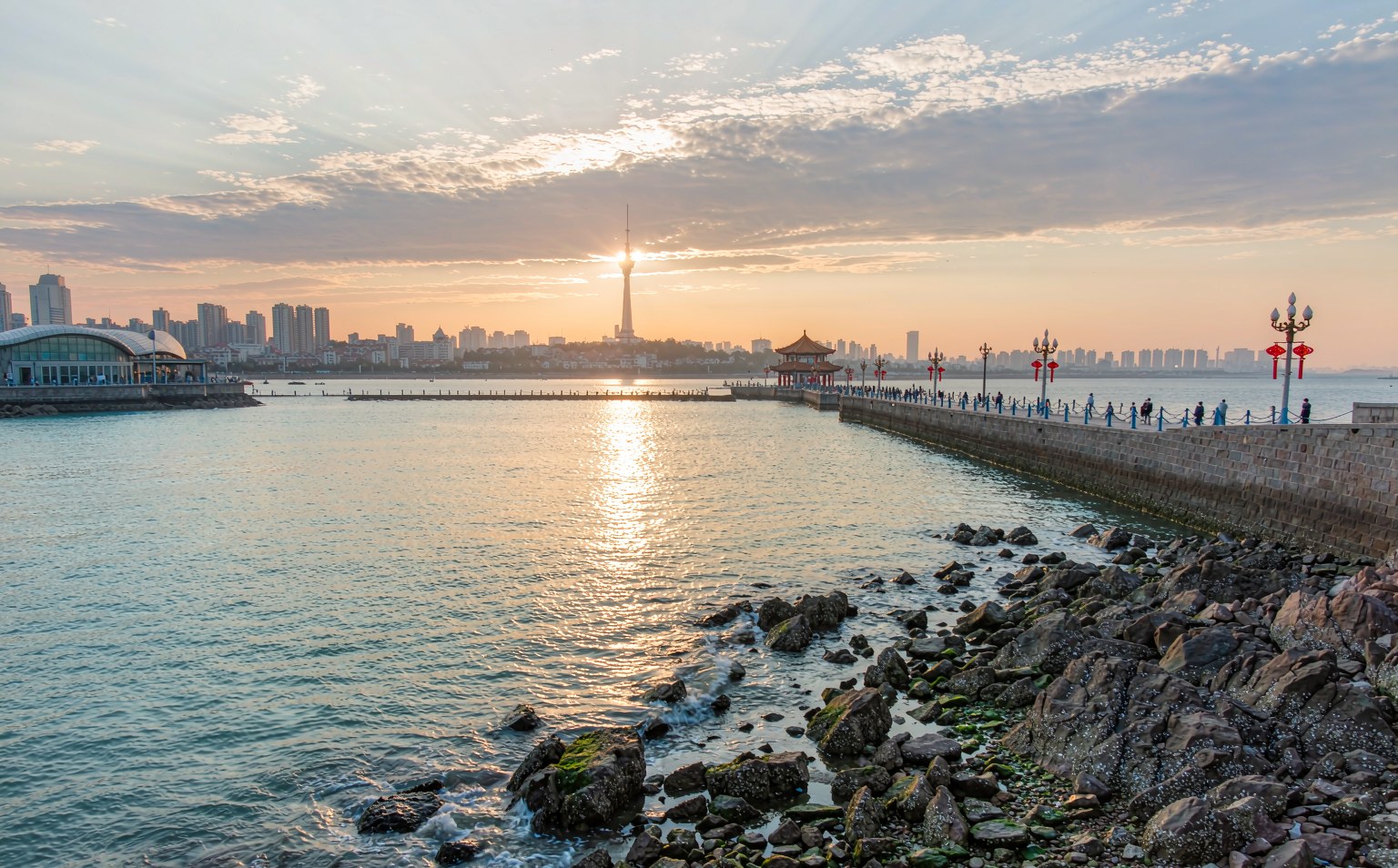
Anyang 4-Day Tour: Scenic Area
Anyang 4-day tour covering Scenic Area. Sightseeing tickets and shuttle bus included.
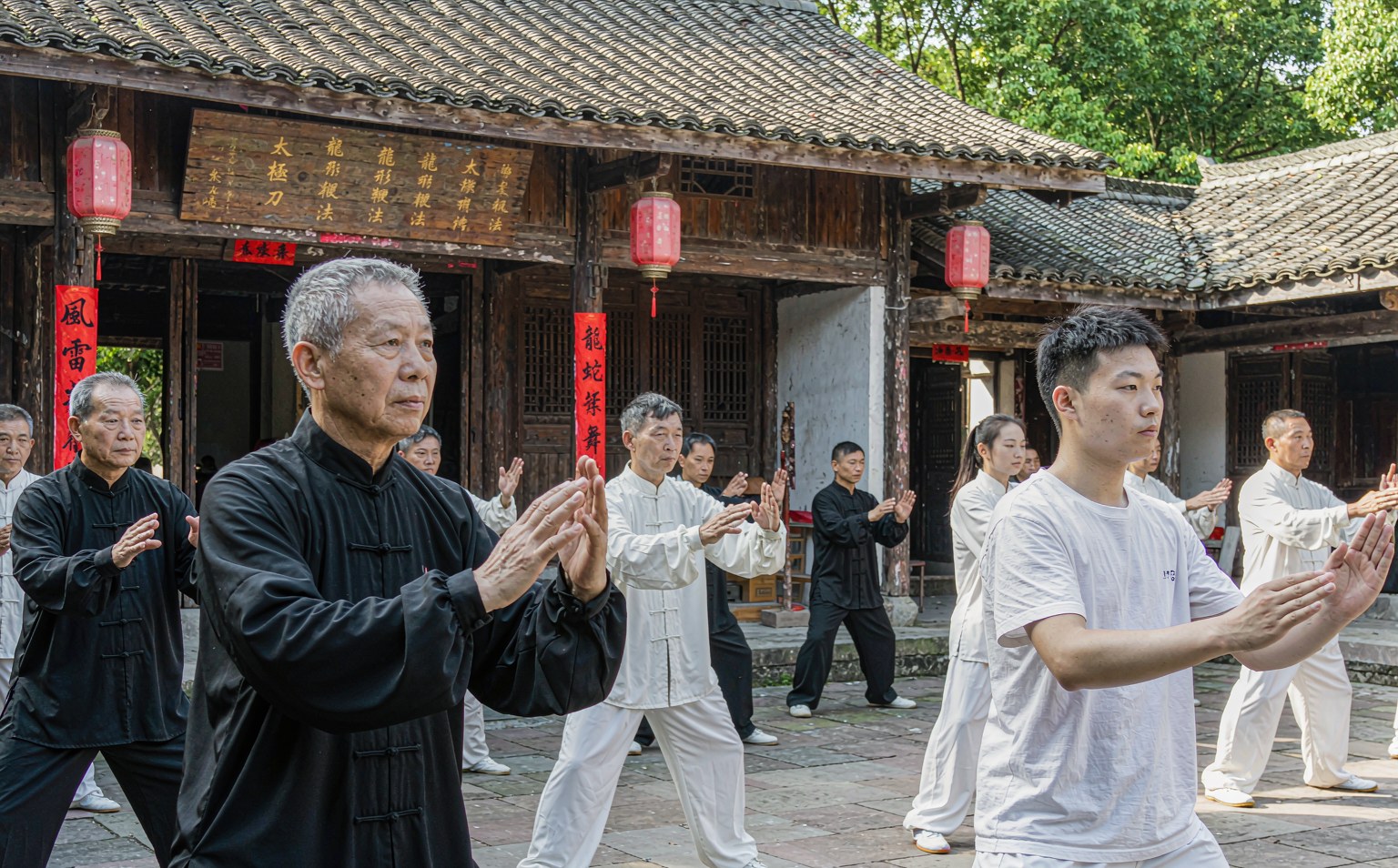
Zhengzhou 5-Day Tour: Longmen Grottoes & White Horse Temple
Zhengzhou 5-day tour covering Longmen Grottoes and White Horse Temple and Laojun Mountain. Sightseeing tickets and shuttle bus included.
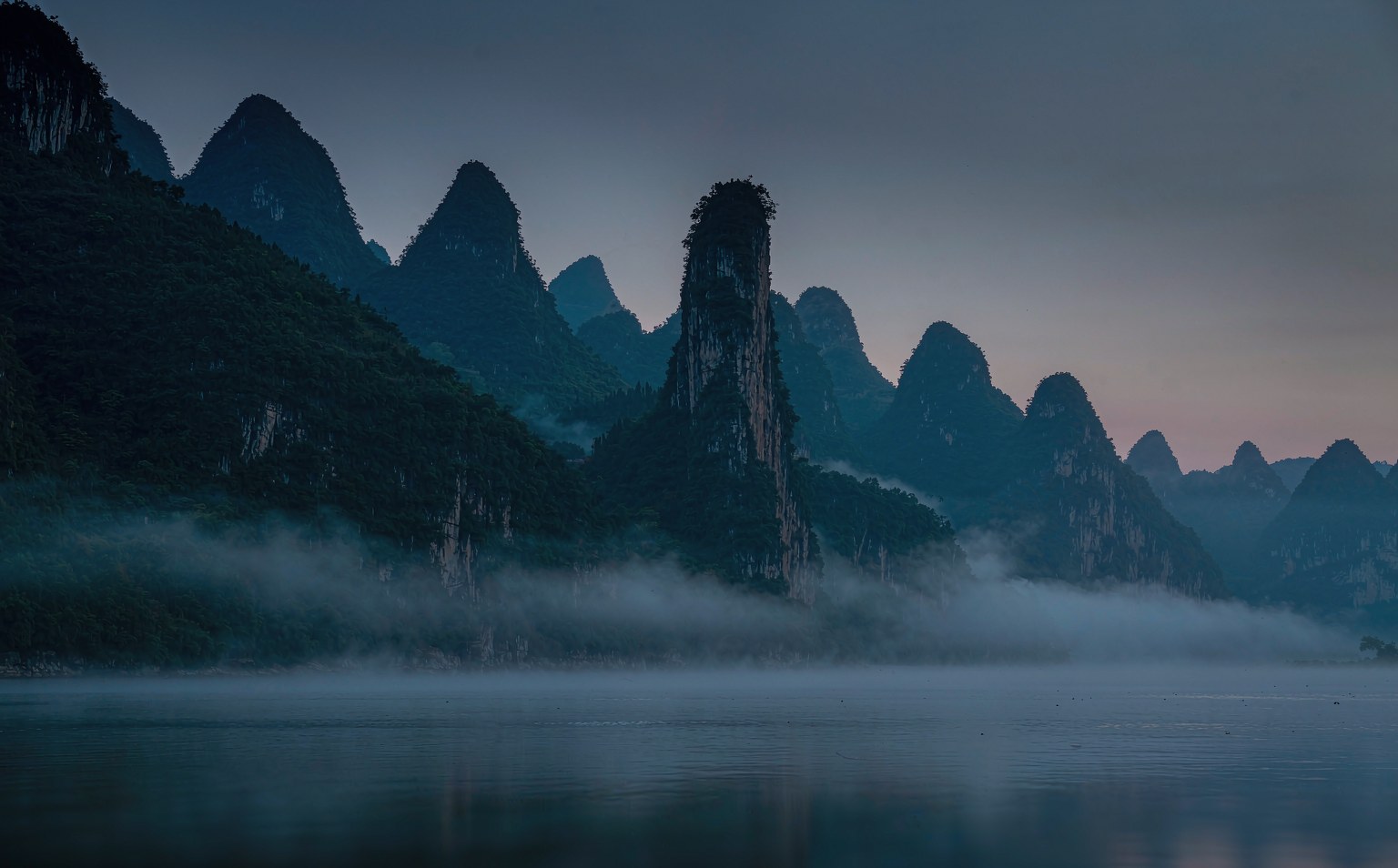
Luoyang 3-Day Tour: Luoyi Ancient City & Shaolin Temple
Luoyang 3-day tour covering Luoyi Ancient City and Shaolin Temple. Sightseeing tickets and shuttle bus included.
Luoyang 3-Day Tour: Longmen Grottoes & White Horse Temple
Luoyang 3-day tour covering Longmen Grottoes and White Horse Temple and Wangcheng Park. Sightseeing tickets and shuttle bus included.