
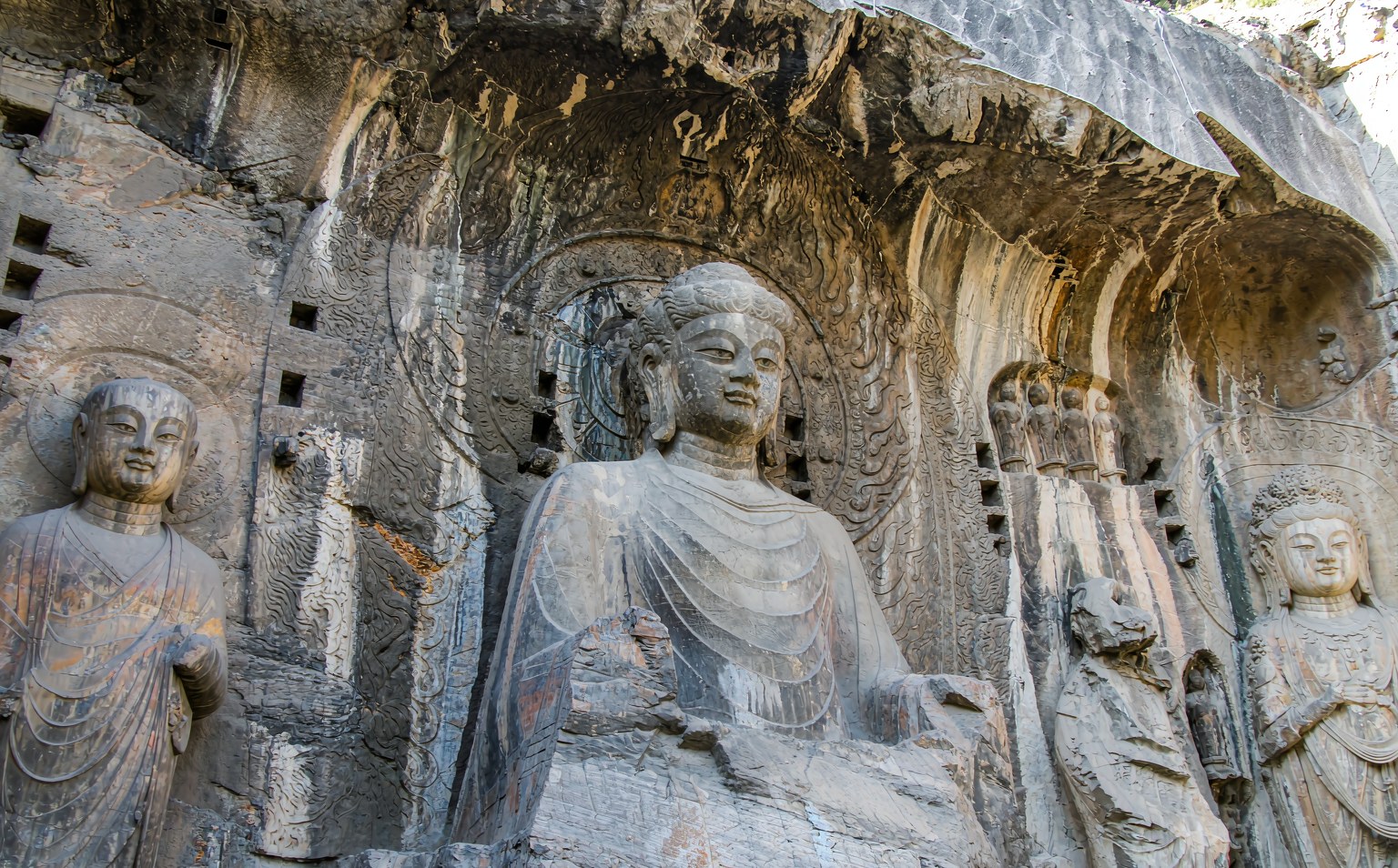
Kaifeng 7-Day Tour: Longmen Grottoes & White Horse Temple
Kaifeng 7-day tour covering Longmen Grottoes and White Horse Temple and Jiguan Cave. Sightseeing tickets and shuttle bus included.
Highlights
Day 1: Longmen Grottoes
Gather in the morning and set off for Longmen Grottoes, following the guide to visit the main attractions, leaving ample time for photos and rest; at noon, enjoy local specialty meals, and in the evening, check in at the hotel to replenish energy for the next day's itinerary.
Attraction Introduction: Today's itinerary includes Longmen Grottoes attractions. Longmen Grottoes was carved on the cliff walls along both sides of the Yi River in the southern part of Luoyang. Since Emperor Xiaowen of the Northern Wei moved the capital to Luoyang, its construction continued through the Eastern Wei, Western Wei, Northern Qi, Sui, Tang, and other dynasties. There are currently over 2,300 cave shrines, more than 100,000 statues, and over 2,800 engraved inscriptions and steles. The most astonishing is the Vairocana Buddha of the Fengxian Temple, which is over 17 meters tall, with a plump face and compassionate eyes, said to be modeled after Empress Wu Zetian, representing the pinnacle of Tang dynasty stone carving art. Together with the Dunhuang Mogao Caves and Datong Yungang Grottoes, it is one of China's three major grottoes and a UNESCO World Cultural Heritage site. During the visit, walk south along the Yi River from the Western Hills Grottoes; each of the Binyang Three Caves, Ten Thousand Buddha Cave, and Lotus Cave offers highlights. Cross the bridge to the Eastern Hills Worship Terrace for a panoramic view. My understanding is to first see the main cave in the Western Hills in the morning and enjoy the Buddha when it’s less crowded, then in the afternoon go to the Eastern Hills terrace for a distant view, as the light and angles are perfect for photos; keep in mind that walking along both sides of the Yi River requires backtracking, so a pair of comfortable shoes saves a lot of effort.
Friendly Tips: Most grottoes are built on cliffs, so maintain a safe distance and hold the railings while viewing, and take care of the elderly and children. Tourists generally report that most find the Vairocana Buddha the most impressive, and the Western Hills at sunset provides the best light for photos; walking along both sides of the Yi River requires backtracking, so comfortable shoes and half a day of time are recommended. Considering actual conditions, mountain weather can change suddenly, so a windproof jacket is invaluable; shoes must be comfortable and non-slip. It's better to take fewer photos than risk spraining your ankle.
Day 2: White Horse Temple
Gather in the morning and depart for White Horse Temple, following the guide to visit the key attractions, allowing ample time for photos and rest; enjoy a local specialty meal at noon, check into the hotel in the evening, and recharge for the next day's itinerary.
Attraction Introduction: A highlight arranged in the itinerary is White Horse Temple. White Horse Temple is located in the eastern part of Luoyang City and was first built during the Yongping period of the Eastern Han Dynasty. It was constructed to commemorate the carrying of Buddhist scriptures on white horses and the early introduction of Buddhism to the Central Plains, and it is revered as 'China's First Ancient Temple,' being the first government-established temple built after the introduction of Buddhism to China. Inside the temple, the Qiyun Pagoda Courtyard, the Great Buddha Hall, and the Hall of Heavenly Kings are laid out along the central axis, with incense burning continuously among the red walls and green cypresses for over two thousand years. It is worth mentioning that the temple also has Buddhist halls built in foreign styles from Myanmar, Thailand, India, and other countries, presenting a unique view of the spread and return of Buddhist culture. My understanding is to first see the main hall along the central axis, then walk around to the Qiyun Pagoda Courtyard, and finally visit the side exotic Buddhist halls to experience the cultural fusion; coming in the early morning with fewer people, when the morning light falls on the red walls and ancient cypresses, provides the most poetic atmosphere and also helps avoid the peak of tour groups.
Warm Tips: Please maintain quiet and dress neatly when entering the temple, generally refrain from taking photos or touching ritual objects inside the halls, and offer voluntary donations if desired. Visitors generally find that the foreign-style Buddhist halls (Thai/Myanmar/Indian Courtyards) are very photogenic and appear more spacious than expected; note that the international temple area requires a fair amount of walking, so save some energy. In terms of shopping, do not rush; if you see 'limited-time offers,' pause for three minutes before deciding. If you really want to buy souvenirs, choose official shops and keep receipts for peace of mind.
Day 3: Jiguan Cave
In the morning, gather and depart for Jiguan Cave, follow the tour guide to visit the main attractions, allowing plenty of time for taking photos and resting; have a local specialty meal at noon, and check into the hotel in the evening to recharge for the next day's itinerary.
Attraction Introduction: This stop is Jiguan Cave. Jiguan Cave is a karst cave in Luanchuan. Inside the cave, stalactites come in all shapes and sizes, while stalagmites, stone pillars, and stone flowers transform into stunning colors under the lights. The temperature inside remains constant throughout the year, cool in summer and warm in winter. The cave has densely packed attractions, changing scenes as you move, and with explanations, you can understand the amazing geological changes over hundreds of millions of years. Together with Longtan Grand Canyon, it forms a one-cave-one-gorge complementary experience, a classic geological wonder route in western Henan. My understanding is that when entering the cave, remember to follow the guide. The formation and naming of the stalactites are very interesting, and if you look by yourself, you may miss the highlights; the cave floor is wet, and some areas are low, so wear non-slip shoes and watch your head.
Tips: The mountains have a large temperature difference between morning and evening, and the wind is strong at the summit, so a windproof jacket and warm inner layers are necessary. Visitors generally report that most people think Jiguan Cave is worth a special trip. It is recommended to slow down, follow the guide's explanation, and leave time for the details that move you the most and the best photo spots. Based on the actual situation, keep your documents and wallet separate, and photograph important documents for backup on your phone. In case of loss, you can quickly reissue them without delaying your trip.
Related Tours
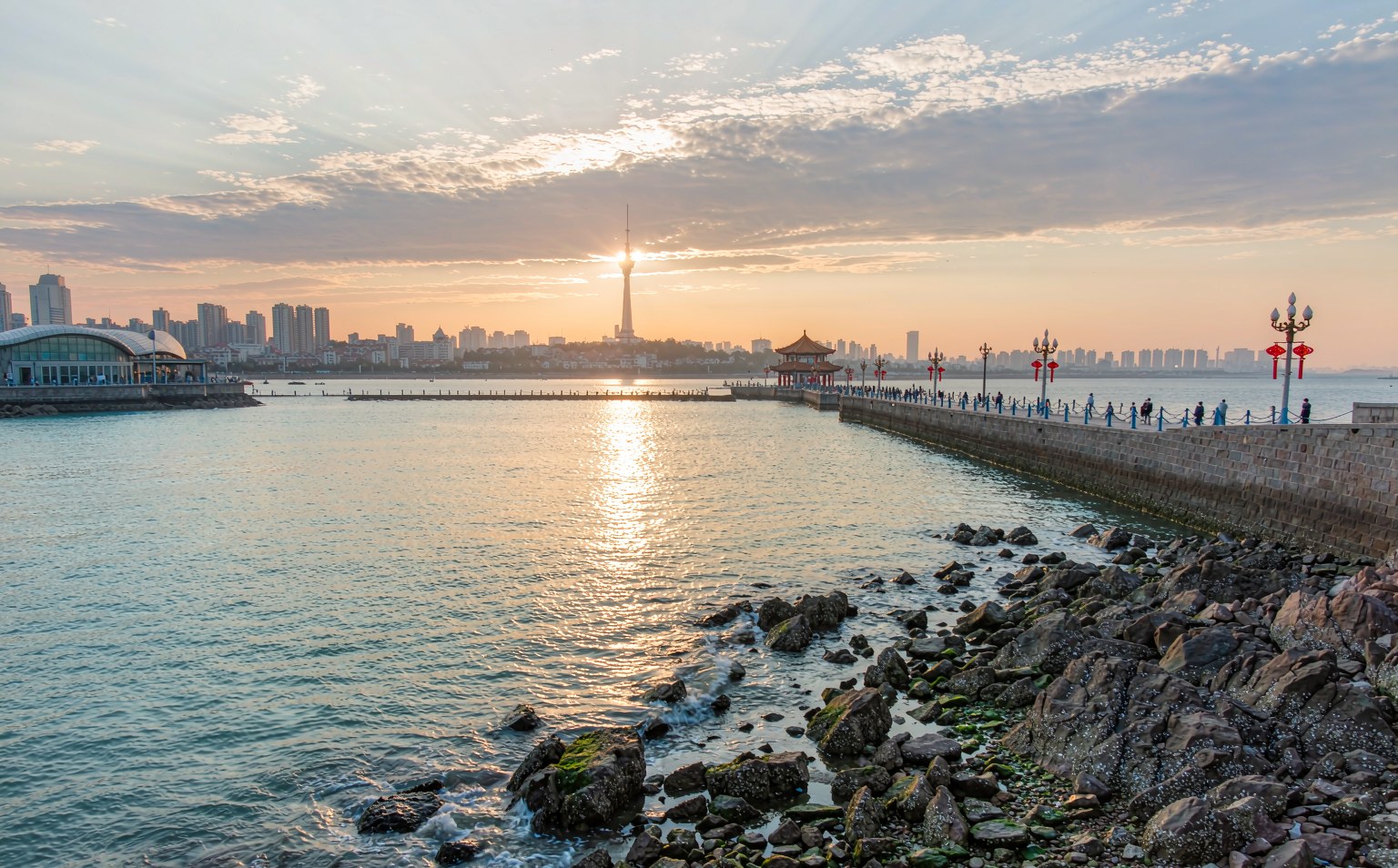
Anyang 4-Day Tour: Scenic Area
Anyang 4-day tour covering Scenic Area. Sightseeing tickets and shuttle bus included.
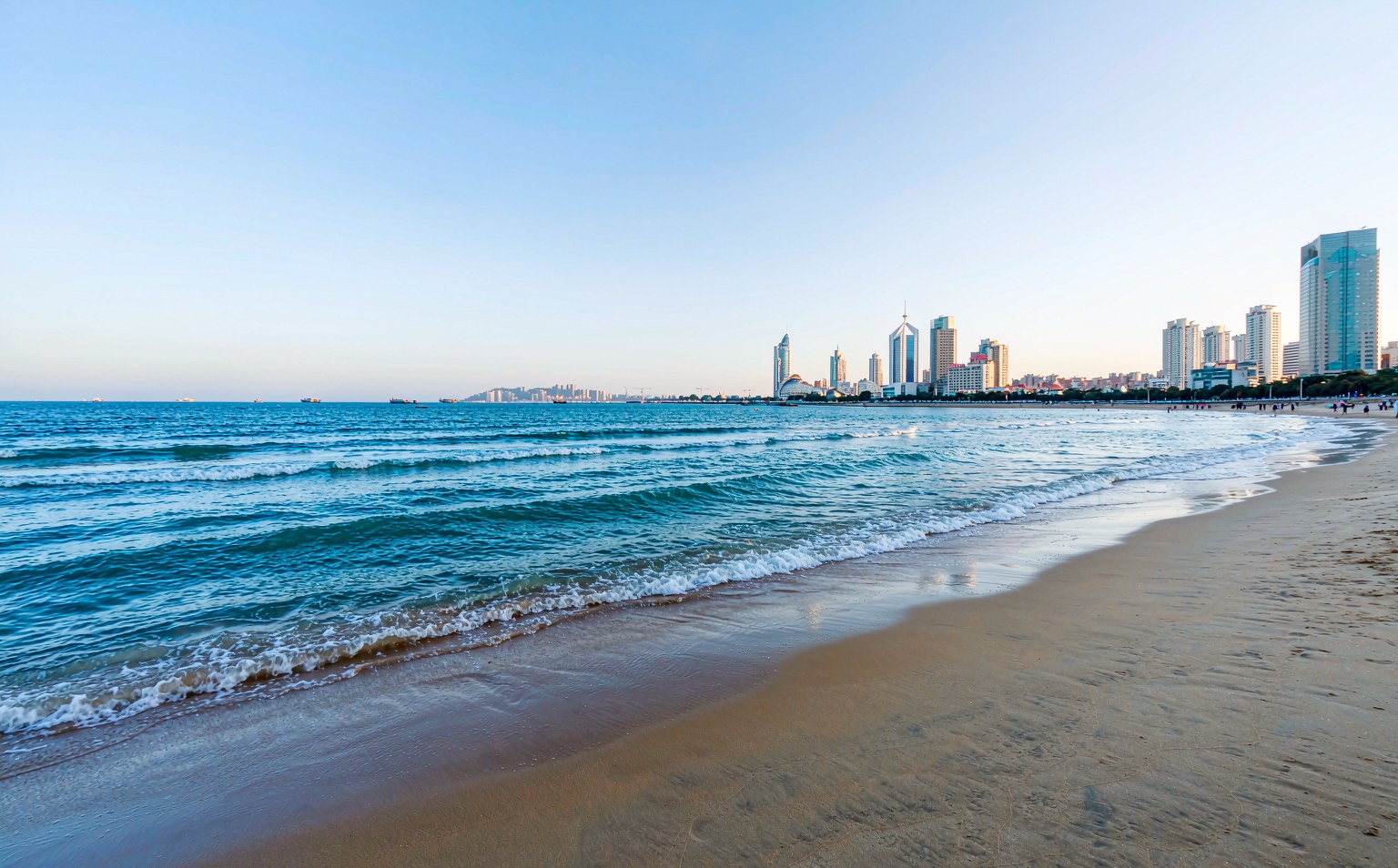
Kaifeng 3-Day Tour: Millennium City Park & Scenic Area
Kaifeng 3-day tour covering Millennium City Park and Scenic Area. Sightseeing tickets and shuttle bus included.
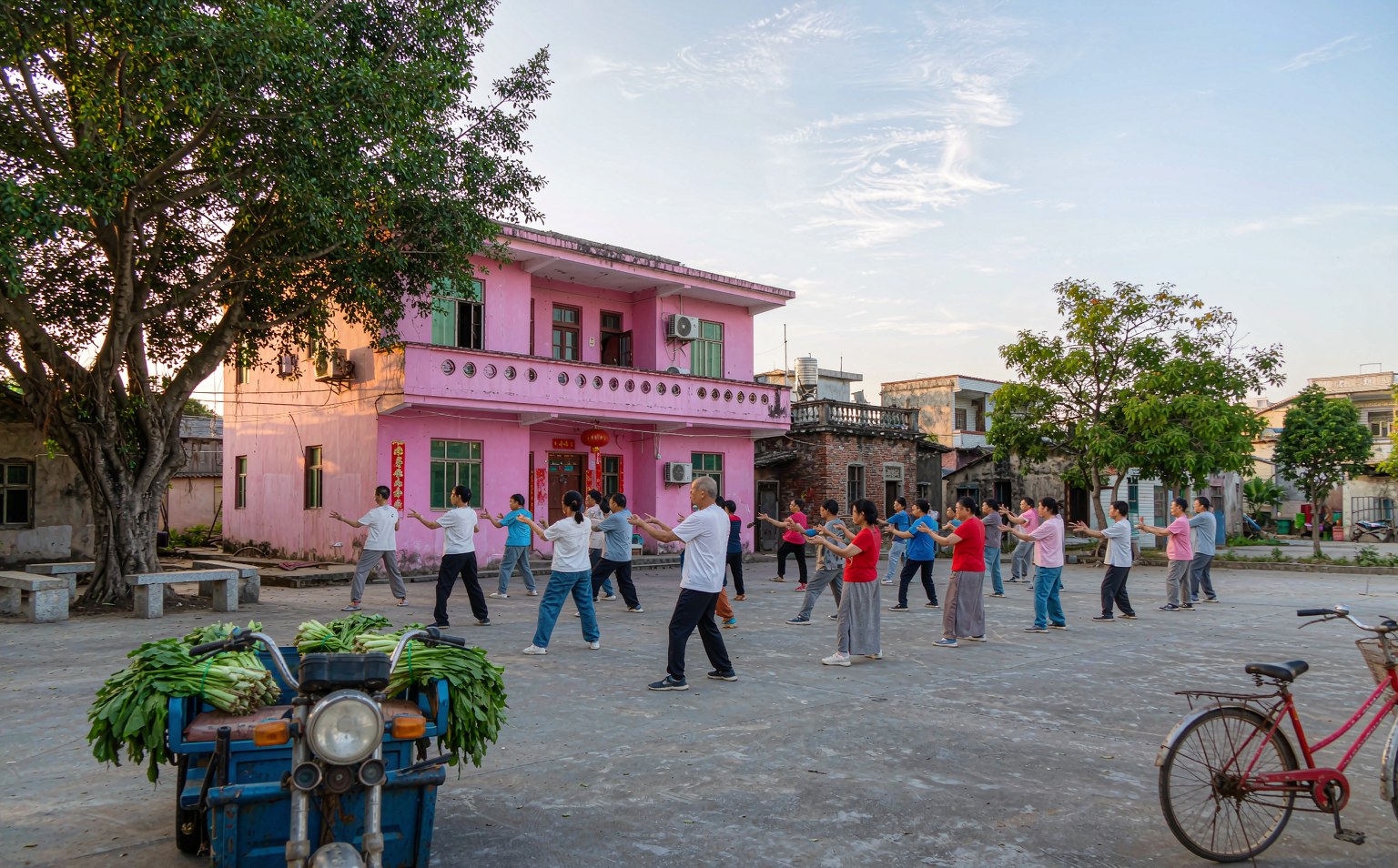
Kaifeng 3-Day Tour: Scenic Area & Millennium City Park
Kaifeng 3-day tour covering Scenic Area and Millennium City Park. Sightseeing tickets and shuttle bus included.
Zhengzhou 5-Day Tour: Longmen Grottoes & White Horse Temple
Zhengzhou 5-day tour covering Longmen Grottoes and White Horse Temple and Laojun Mountain. Sightseeing tickets and shuttle bus included.