
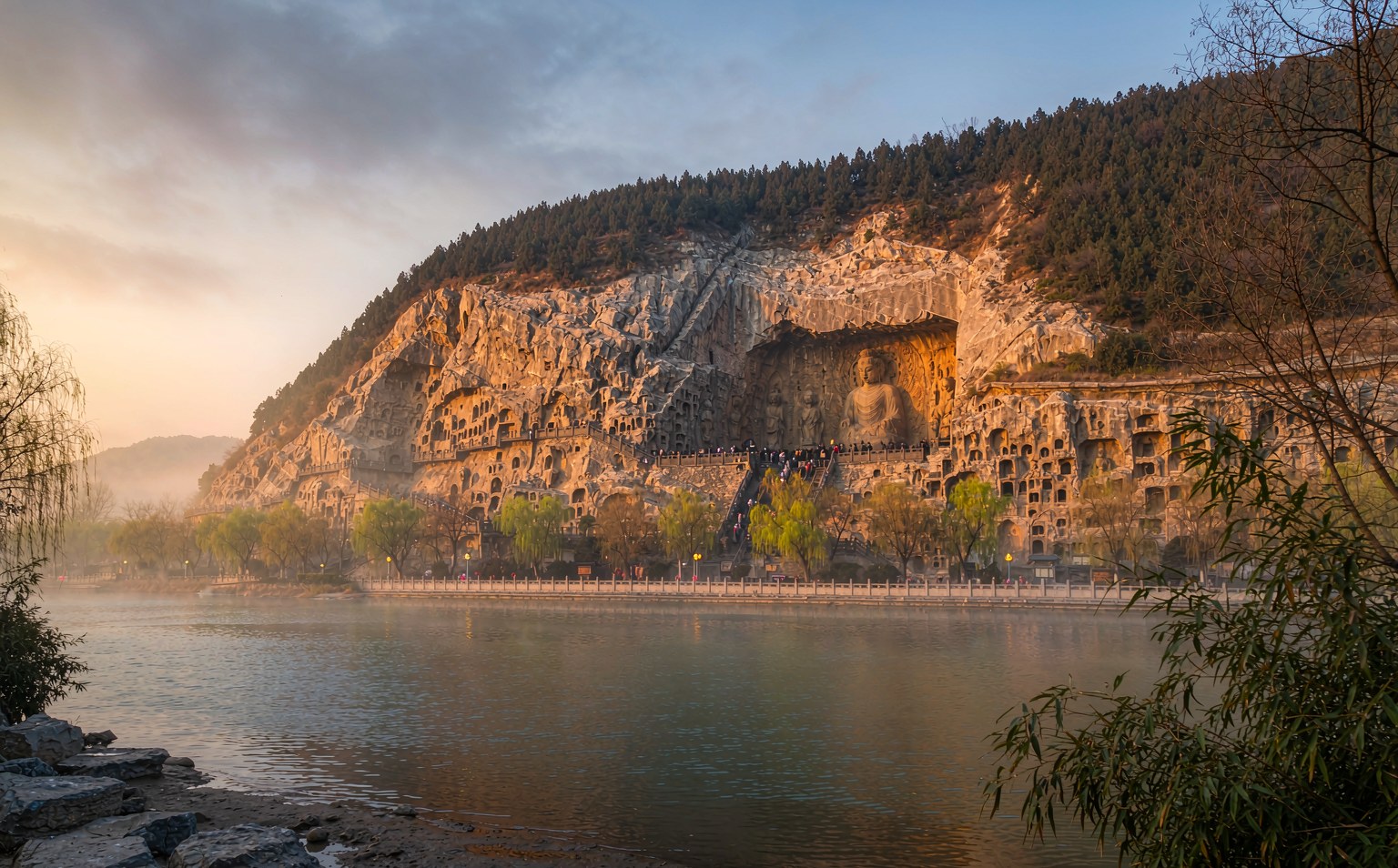
Luoyang 4-Day Tour: Longmen Grottoes & Red Flag Canal
Luoyang 4-day tour covering Longmen Grottoes and Red Flag Canal and Yin Xu. Sightseeing tickets and shuttle bus included.
Highlights
Day 1: Longmen Grottoes
Gather in the morning and depart for Longmen Grottoes, follow the guide to visit key attractions, and allow plenty of time for photos and rest; Enjoy local specialties at noon, check in at the hotel in the evening, and recharge for the next day's itinerary.
Attraction introduction: Today's itinerary includes Longmen Grottoes attractions, carved into the cliffs on both banks of the Yi River south of Luoyang city. Since Emperor Xiaowen of Northern Wei moved the capital to Luoyang, construction has continued through the Eastern Wei, Western Wei, Northern Qi, Sui, and Tang dynasties. Currently, there are over 2,300 cave niches, over 100,000 statues, and more than 2,800 inscriptions and inscriptions. The most impressive is the Vairocana Buddha at Fengxian Temple, standing over 17 meters tall, with a plump face and kind-looking eyes. Legend has it that it was carved after the likeness of Empress Wu Zetian and represents the pinnacle of Tang dynasty stone carving art. Along with Dunhuang Mogao Caves and Datong Yungang, it is known as one of China's three great grottoes and a UNESCO World Cultural Heritage site. When touring, head south along the Yi River trail from the Xishan Grottoes, where Binyang Three Caves, Ten Thousand Buddha Caves, and Lotus Cave each have highlights. Cross the bridge to the Dongshan Buddha Worship Platform for a panoramic view. My understanding is that in the morning, first visit the main cave of Xishan and admire the Big Buddha while there are fewer people; in the afternoon, go to the Dongshan Viewing Platform for the best lighting and angle; If you need to walk backward along both banks of the Yi River, a pair of comfortable shoes can save you a lot of effort.
Friendly reminder: UV rays in the grotto scenic area are strong. On sunny days, bring a sun hat and sunscreen, and remember to stay hydrated since the route is long. Visitors generally report that most find the Vairocana Buddha the most breathtaking, and the best light at sunset on the Western Hills; If you need to walk back along both banks of the Yi River, it's recommended to wear comfortable shoes and allow half a day. Based on the actual situation, don't just focus on taking photos—pay attention to your steps and the surrounding environment, and be sure to stand firmly at the edge of the viewing platform and boardwalk.
Day 2: Red Flag Canal
Gather and depart for Red Flag Canal in the morning, follow the guide to visit core attractions, and allow plenty of time for photos and rest; Enjoy local specialties at noon, check in at the hotel in the evening, and recharge for the next day's itinerary.
Attraction introduction: This stop is Red Flag Canal,Red Flag Canal is the "artificial Heavenly River" carved by the people of Linzhou on the sheer cliffs of the Taihang Mountains in the 1960s. It is over 1,500 kilometers long, leveling 1,250 mountain peaks, installing more than 150 aqueducts, and drilling more than 200 tunnels. It took nearly ten years to complete and is a monument to the Chinese nation's spirit of self-improvement. Youth Cave is the most dangerous section of the entire route, carved by 300 young commandos from the cliff face; Fenshuiyuan and Red Flag Canal Memorial Hall fully recount the arduous process of canal construction. This is a combination of red education and the magnificent scenery of Taihang, and today it is also a breathtaking cultural landmark. My understanding is that you should first visit the memorial hall to understand the canal construction background, then walk through Youth Cave to truly understand the canal's significance; Walk along the canal within your means, wear non-slip shoes, and watch your step.
Friendly reminder: The mountain roads are quite slippery, so especially when going downhill, pay attention to shifting your weight back and slowing down. A pair of knee pads is recommended. Visitors generally report that the "Artificial Heavenly River" has strong spiritual landmark attributes, making it resonate more with middle-aged visitors; Reminder: The exhibition hall's explanations are worth listening to, helping you understand that period of history. Depending on the actual situation, it's best to take photos early or late—the best photos are taken when there are fewer people in the morning, and the golden glow at dusk is best; at noon, the top lights are cramped and flat, so it's more cost-effective to rest.
Day 3: Yin Ruins
Gather in the morning and depart for Yin Ruins, follow the guide to visit core attractions, allowing ample time for photos and rest; Enjoy local specialties at noon, check into the hotel in the evening, and recharge for the next day's itinerary.
Attraction introduction: This stop is Yin Ruins, which is the ruins of the late Shang capital located at Anyang. It is the hometown of oracle bone script and the excavation site of the Houmuwu Ding (formerly called the Simuwu Ding). It was listed as a World Cultural Heritage site in 2006. This was once the capital after Pan Geng moved to Yin during the Shang Dynasty, lasting over 270 years. Palace and ancestral temple ruins, royal tombs, and chariot pits are clearly visible. Oracle bone script was first discovered here, tracing China's trusted history era back to the Shang dynasty; The new building of the Yin Ruins Museum systematically displays bronzes, jade, oracle bones, and other artifacts, serving as the most direct classroom for understanding Shang civilization. My understanding is that first visit palaces, ancestral temple sites, and chariot pits to establish spatial concepts, then visit museums to appreciate artifacts in detail; only when these two lines connect is it complete; Oracle bone script and bronze artifacts are the essence; walking through the explanation is far better than just skimming through.
Friendly reminder: The climbing section has many steps and steep slopes, so be sure to wear non-slip sports shoes. Those with mobility difficulties are advised to take the cable car up and down. Visitors generally report that oracle bone script and Simuwu Ding bring history to life, and visitors say the new museum is more valuable than the open-air site; Reminders are best understood when combined with explanations. Considering actual conditions, dehydration is the worst thing on long trips; carry a water bottle and drink water in small amounts frequently; On the first night on plateaus or mountains, don't wash your hair or shower too long, giving your body some room to adjust.
Related Tours
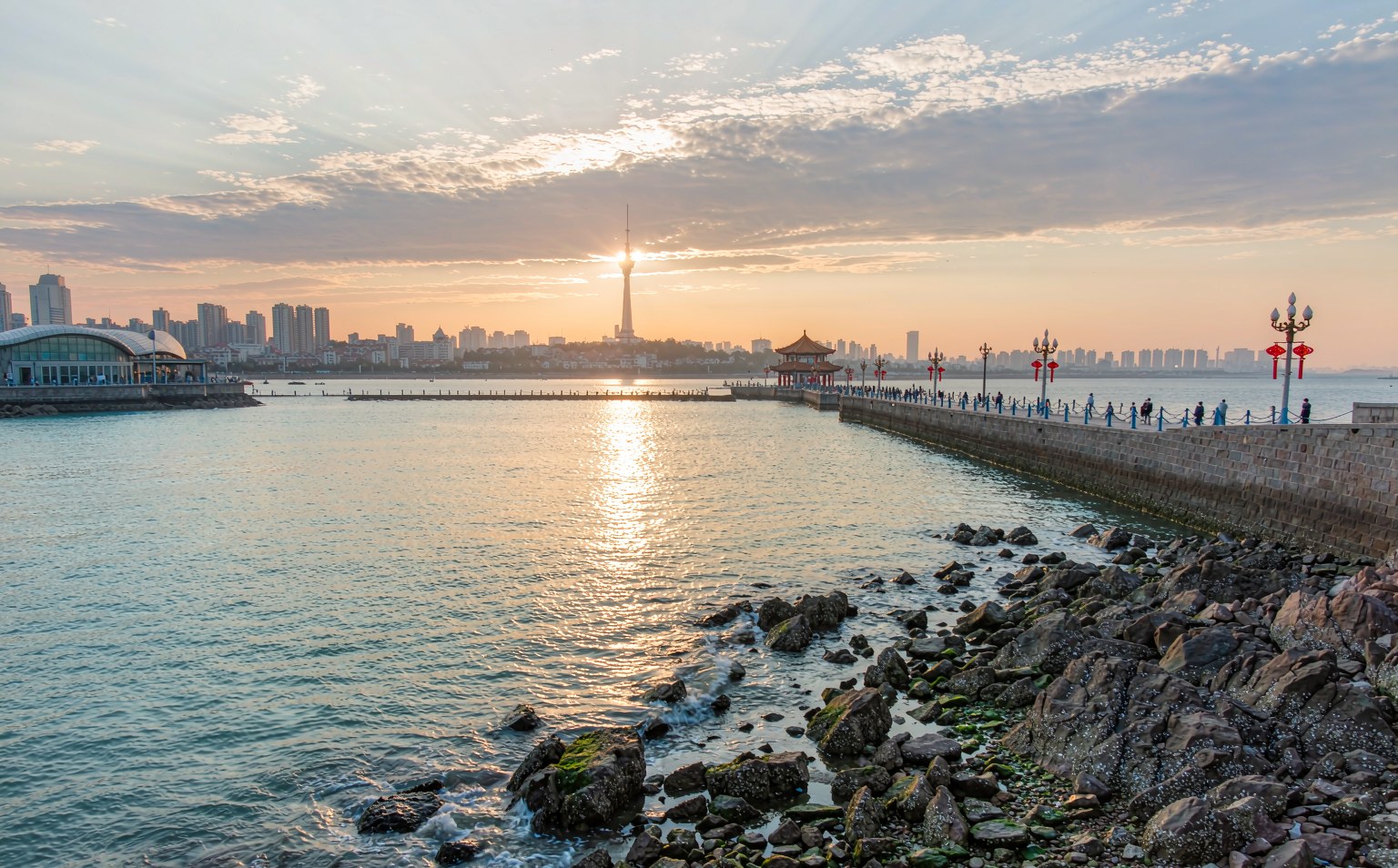
Anyang 4-Day Tour: Scenic Area
Anyang 4-day tour covering Scenic Area. Sightseeing tickets and shuttle bus included.
Zhengzhou 5-Day Tour: Longmen Grottoes & White Horse Temple
Zhengzhou 5-day tour covering Longmen Grottoes and White Horse Temple and Laojun Mountain. Sightseeing tickets and shuttle bus included.
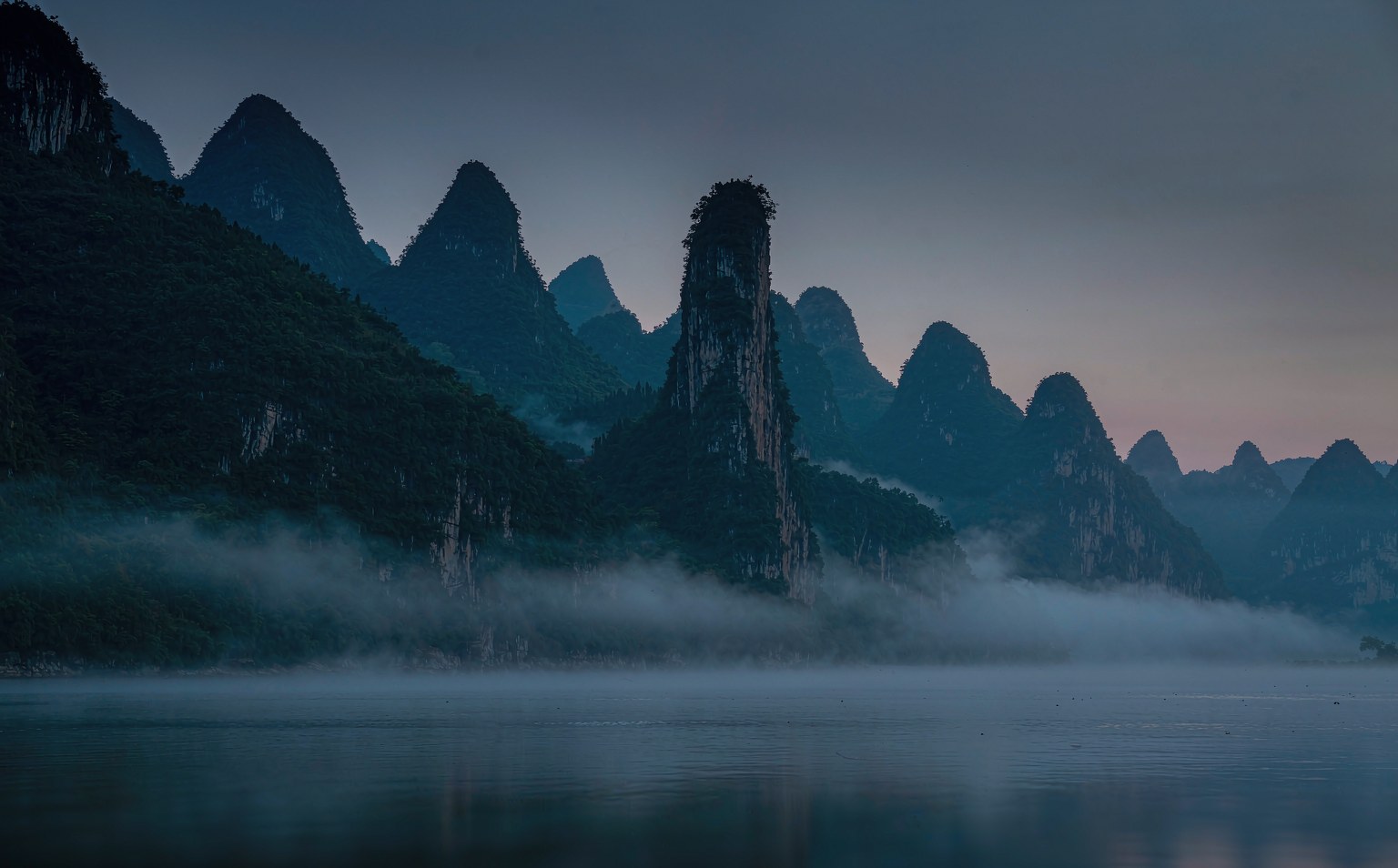
Luoyang 3-Day Tour: Luoyi Ancient City & Shaolin Temple
Luoyang 3-day tour covering Luoyi Ancient City and Shaolin Temple. Sightseeing tickets and shuttle bus included.
Luoyang 3-Day Tour: Longmen Grottoes & White Horse Temple
Luoyang 3-day tour covering Longmen Grottoes and White Horse Temple and Wangcheng Park. Sightseeing tickets and shuttle bus included.