
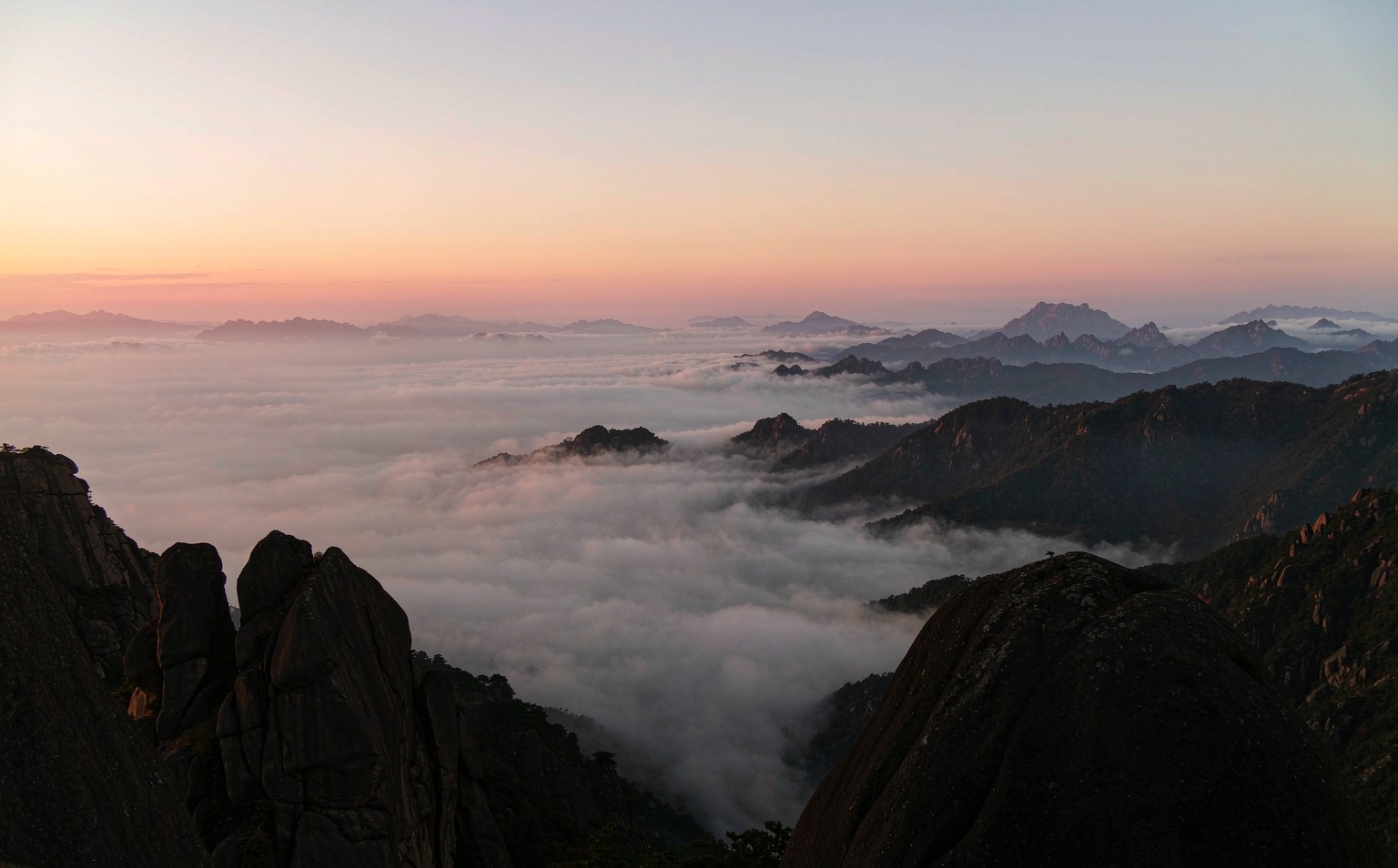
Zhengzhou 5-Day Tour: Scenic Area & Shaolin Temple
Zhengzhou 5-day tour covering Scenic Area and Shaolin Temple and Yin Xu. Sightseeing tickets and shuttle bus included.
Highlights
Day 1: Mount Song
Gather in the morning and set off for Mount Song, following the guide to visit the main attractions, leaving ample time for photos and rest; at noon, enjoy local specialty meals, and in the evening, check in at the hotel to replenish energy for the next day's itinerary.
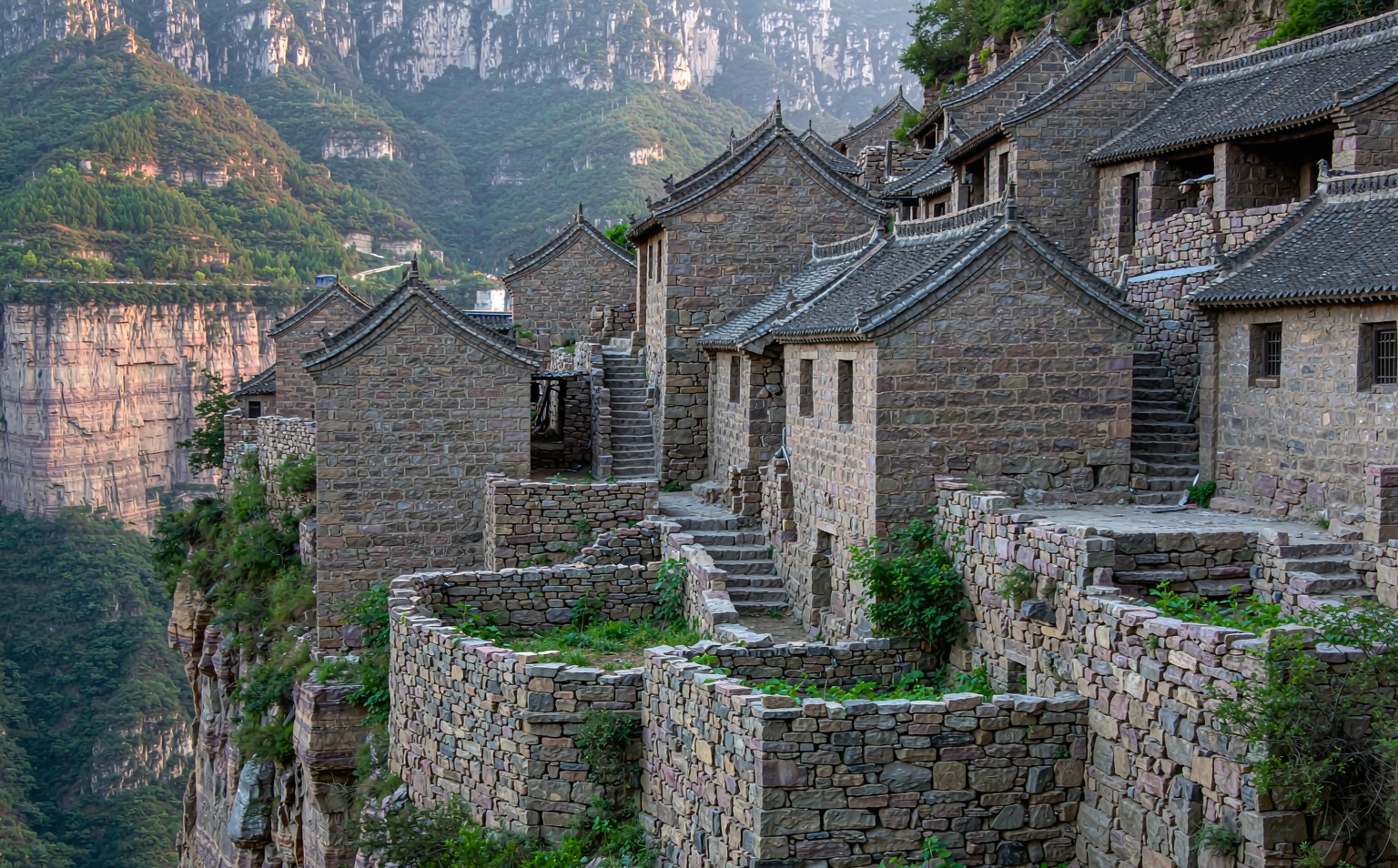
Attraction Introduction: Today's itinerary includes Mount Song. Mount Song is the Central Peak of the Five Great Mountains, mainly located in Dengfeng City, divided into Taishi and Shaoshi Mountains, with the main peak Junji Peak reaching an elevation of about 1,492 meters. Its most special feature is the coexistence of Confucianism, Buddhism, and Taoism on the same mountain for a thousand years: Songyang Academy was a center of Neo-Confucianism during the Song dynasty, and the famous story of "Standing in the Snow at Cheng's Gate" is said to have occurred here; Zhongyue Temple is one of the largest and best-preserved temple complexes among the Five Great Mountains; and the Guo Xing Observatory in Gaocheng Town, built under the supervision of Guo Shoujing during the Yuan dynasty, is one of the oldest existing astronomical observation buildings. In 2010, the historical complex "Center of Heaven and Earth," represented by Songyang Academy, Zhongyue Temple, the Songyue Pagoda, Shaolin Temple Permanent Residence, the Pagoda Forest, Chuzu Ancestral Hall, and the Guo Xing Observatory, was listed as a World Heritage Site. In my understanding, there is no need to rush on the first day — first visit the academy and Zhongyue Temple to understand the ceremonial context of the "Center of Heaven and Earth," saving energy for the mountain climb later. If time allows, watching the sunset from the plank road of Sanhuang Village on Shaoshi Mountain in the evening offers the most photogenic part of the trip.
Friendly Tips: The mountain route has many steps and steep slopes, so be sure to wear non-slip athletic shoes; those with mobility issues are advised to take the cable car. According to general tourist feedback, most visitors think Mount Song is worth a special trip, so it is recommended to slow down, follow the guide's explanation, and leave time for the details that move you the most and the most photogenic spots. Depending on the situation, the best time for photos is early morning or late afternoon — mornings have fewer people and softer light, while golden hour at dusk is the most photogenic; midday has harsh overhead light and crowded spots, so resting then can be more worthwhile.
Day 2: Shaolin Temple
Gather in the morning and set off for Shaolin Temple. Follow the tour guide to visit the main attractions, leaving plenty of time for photos and rest. Enjoy the local specialty lunch at noon and check into the hotel in the evening to recharge for the next day's itinerary.
Attraction Introduction: A highlight of the itinerary is Shaolin Temple, located at the base of Shaoshi Mountain's Five-Ridge Peak in Dengfeng Mount Song. It was first built in the 19th year of the Taihe era of the Northern Wei Dynasty (495 AD). It is both the ancestral temple of Zen Buddhism and the birthplace of Shaolin martial arts, with a history of over 1,500 years. The main points of interest are concentrated in three areas: Changzhu Courtyard along the central axis includes the Shanmen, Hall of Heavenly Kings, Mahavira Hall, Sutra Library, and Lixue Pavilion, with halls and ancient steles laid out along the way; the Pagoda Forest is the largest ancient pagoda complex in China, with over 200 brick-and-stone tomb pagodas from the Tang, Song, and Qing Dynasties, each corresponding to a renowned monk; and the Bodhidharma Cave on the Five-Ridge Peak is said to be the place where Bodhidharma meditated facing the wall for nine years. The Martial Arts Hall presents scheduled Shaolin martial arts performances every day, showcasing true skill in empty-hand forms, weapon routines, and iron body techniques. My suggestion is to walk the central axis with the guide first and then explore freely; maintain quiet and walk around the pagodas in the Pagoda Forest; arrive 15 minutes early for the martial arts performance to get good seats.
Tips: The temple has many steps and thresholds, so do not step on them; follow the sequence when praying and do not push. Visitors generally report that martial arts performances are especially popular with families, while the Pagoda Forest and the Ancestral Temple are often overlooked. Note that the scenic area is obviously commercialized, so check prices for vegetarian meals and surrounding purchases in advance. Considering the actual situation, long trips risk dehydration—carry a water bottle and drink small amounts frequently; at high altitudes or mountainous areas, avoid washing your hair or taking long baths on the first night, giving your body time to adjust.
Day 3: Yin Ruins
In the morning, gather and depart for Yin Ruins, follow the tour guide to visit the main attractions, allowing plenty of time for taking photos and resting; at noon, enjoy local specialty cuisine, and in the evening, check into the hotel to recharge for the next day's itinerary.
Attraction Introduction: This stop is Yin Ruins. Yin Ruins is the site of the late Shang Dynasty capital, located in Anyang. It is the birthplace of oracle bones and also the origin site of the Houmuwu Ding (originally called Simuwu Ding), which was listed as a World Cultural Heritage site in 2006. This was once the capital after King Pan Geng of the Shang Dynasty moved to Yin, lasting more than 270 years. The remains of palaces and ancestral temples, royal tombs, and chariot and horse pits are clearly visible. Oracle bones were first discovered here, bringing the era of Chinese recorded history back to the Shang Dynasty. The new museum at Yin Ruins displays bronzes, jade artifacts, oracle bones, and other cultural relics in a systematic way, making it the most intuitive classroom for understanding Shang civilization. My understanding is that seeing the palace and temple remains and chariot pits first helps establish a spatial concept, then going into the museum to study the artifacts in detail; combining the two gives a complete experience. Oracle bones and large bronze vessels are the highlights; following the guide thoroughly is much better than just a cursory glance.
Tips: Many mountain paths are slippery, especially downhill, so pay attention to shifting your center of gravity backward and slow your pace; bringing a knee brace is recommended. Visitors generally feedback that oracle bones and the Simuwu Ding make history come alive, with many saying that the new museum is more worthwhile than the open-air ruins; remember to follow the guide to truly understand. Based on the actual situation, manage your time well and arrive 5 to 10 minutes early for gatherings—it is better for people to wait for the vehicle than for the vehicle to wait for people, so don’t make everyone wait for you.
Related Tours
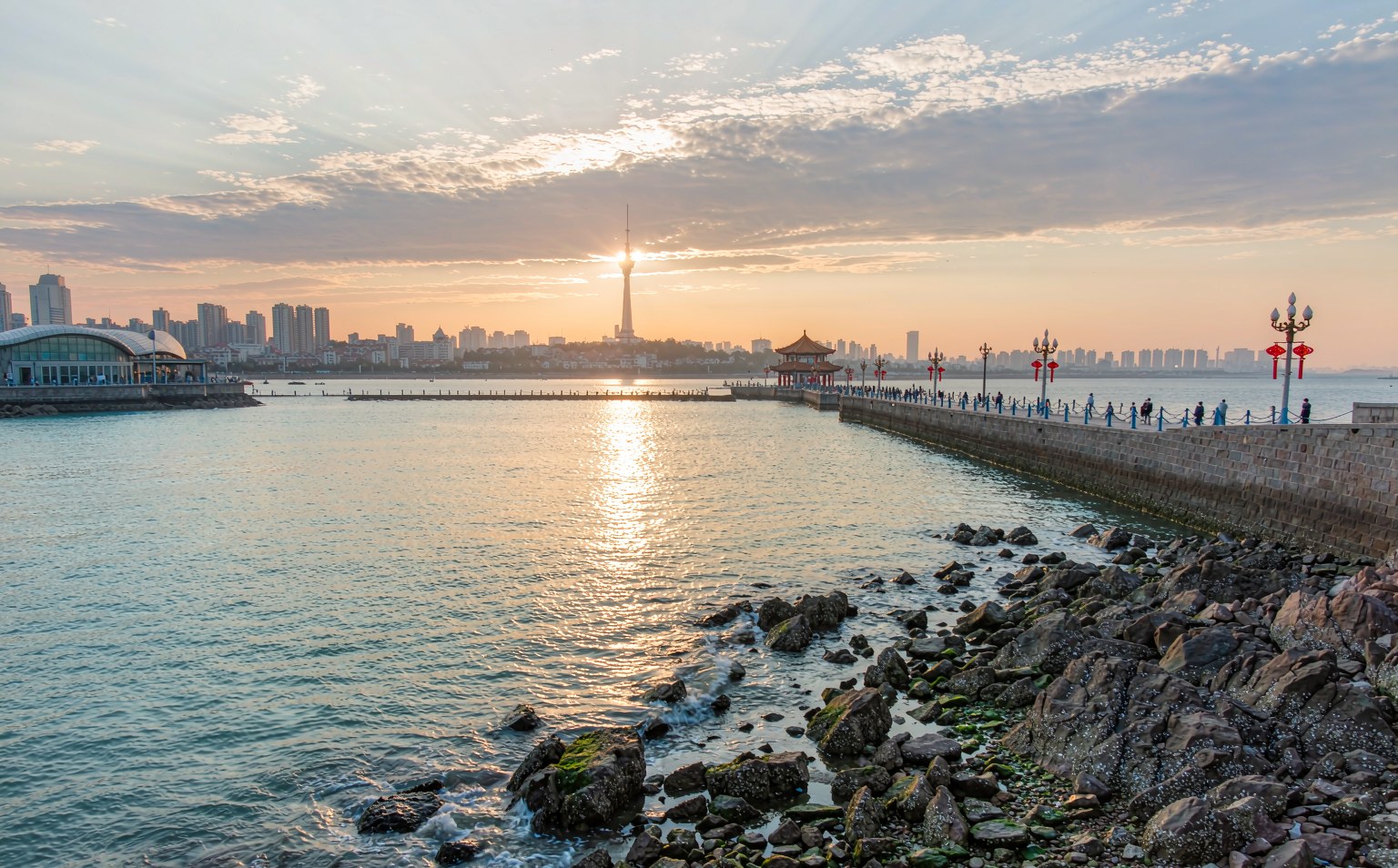
Anyang 4-Day Tour: Scenic Area
Anyang 4-day tour covering Scenic Area. Sightseeing tickets and shuttle bus included.
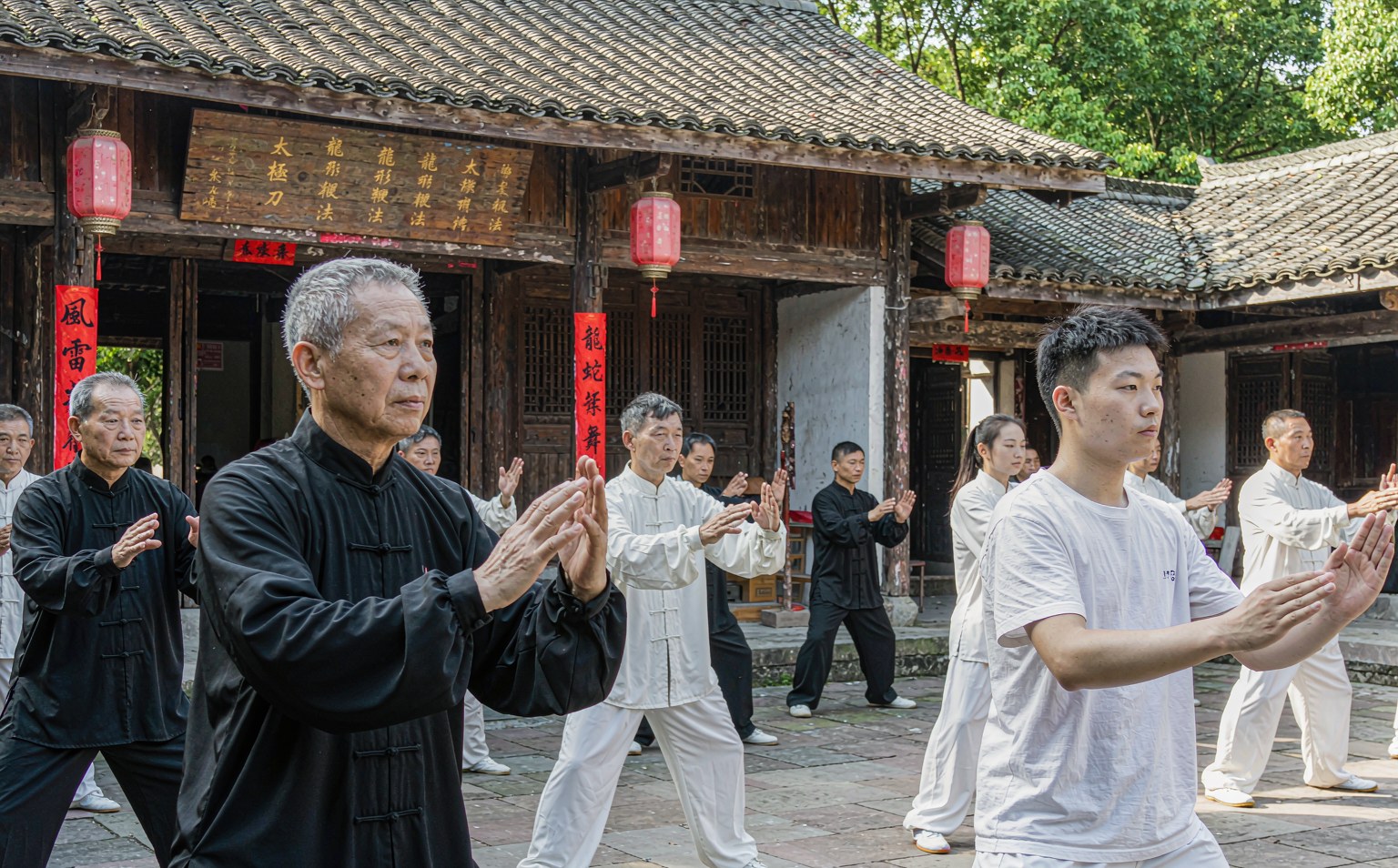
Zhengzhou 5-Day Tour: Longmen Grottoes & White Horse Temple
Zhengzhou 5-day tour covering Longmen Grottoes and White Horse Temple and Laojun Mountain. Sightseeing tickets and shuttle bus included.
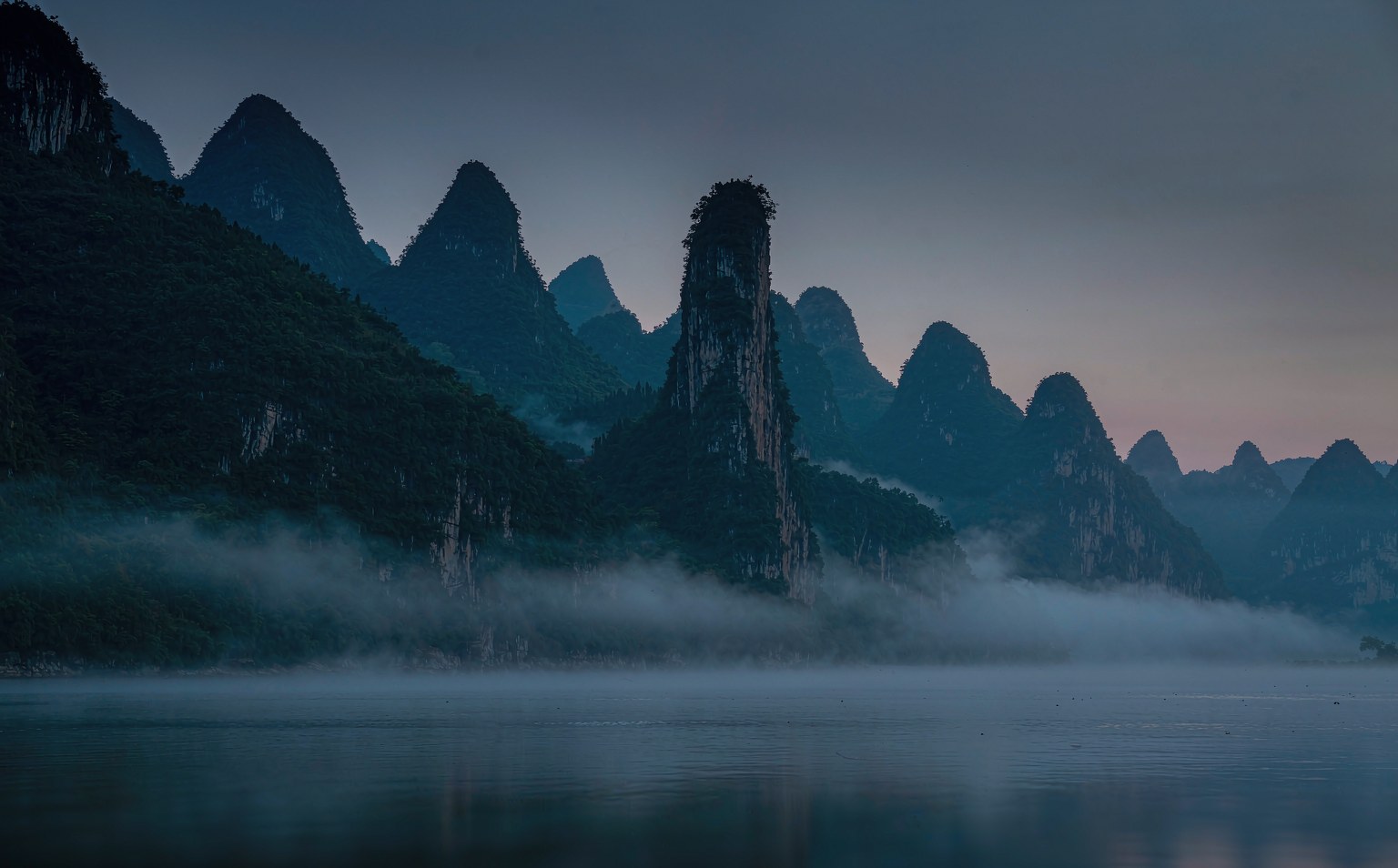
Luoyang 3-Day Tour: Luoyi Ancient City & Shaolin Temple
Luoyang 3-day tour covering Luoyi Ancient City and Shaolin Temple. Sightseeing tickets and shuttle bus included.
Zhengzhou 3-Day Tour: Longmen Grottoes & Laojun Mountain
Zhengzhou 3-day tour covering Longmen Grottoes and Laojun Mountain and White Horse Temple. Sightseeing tickets and shuttle bus included.