
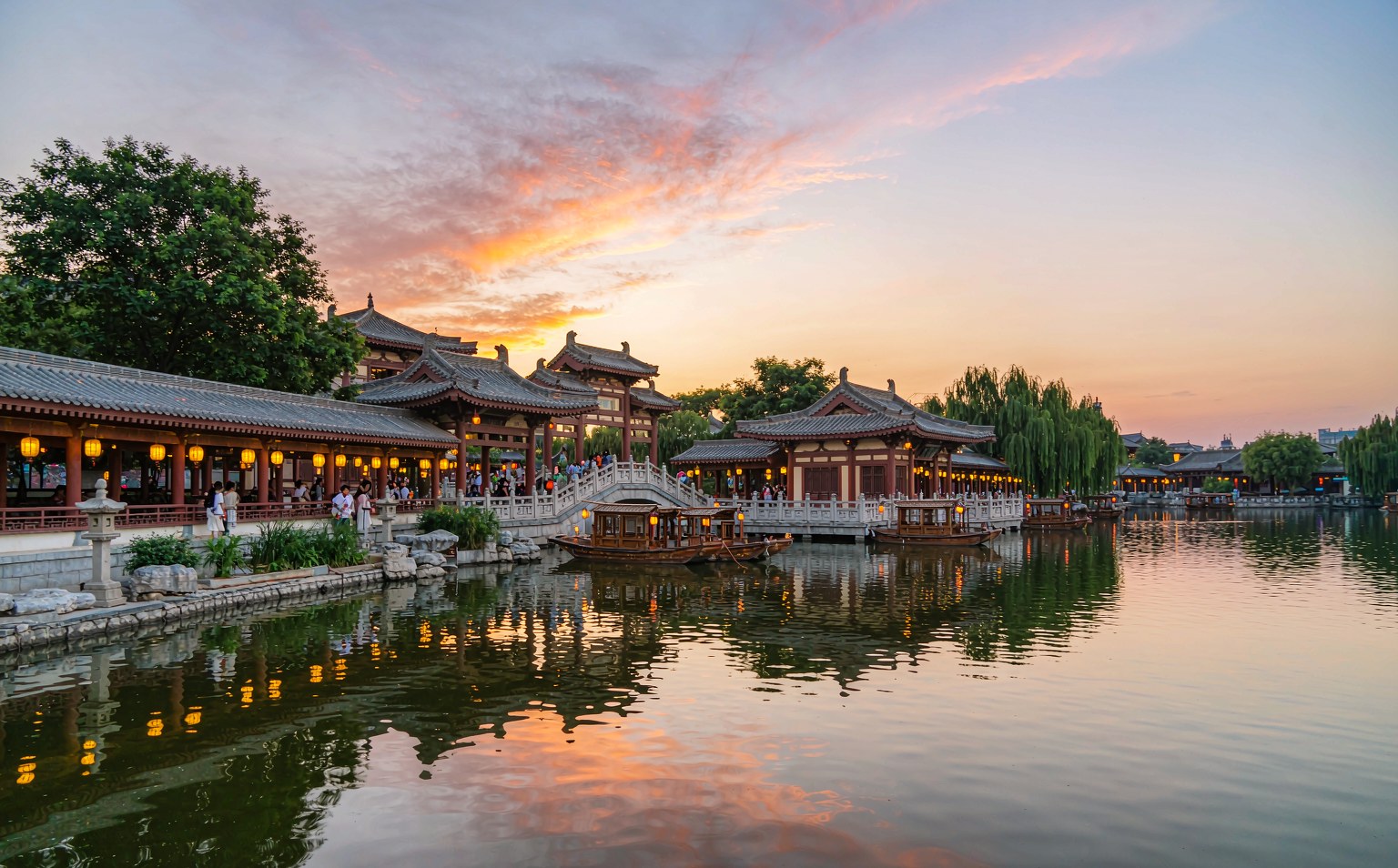
Kaifeng 5-Day Tour: Millennium City Park & Shaolin Temple
Kaifeng 5-day tour covering Millennium City Park and Shaolin Temple and Henan Museum. Sightseeing tickets and shuttle bus included.
Highlights
Day 1: Qingming Riverside Landscape Garden
Gather in the morning and depart for Qingming Riverside Landscape Garden, following the tour guide to visit the main attractions, with plenty of time reserved for taking photos and resting; at noon, enjoy local specialty meals, and in the evening check into the hotel to rest and recharge for the next day’s itinerary.
Attraction introduction: One of the highlights of the itinerary is Qingming Riverside Landscape Garden. Qingming Riverside Landscape Garden is located in Kaifeng and is a Song Dynasty cultural theme park built based on Zhang Zeduan’s 'Along the River During the Qingming Festival' from the Northern Song Dynasty. It reproduces the Rainbow Bridge, Bian River, markets, and restaurants from the painting, recreating the bustling urban life of Bianliang in the capital. The park features live performances and folk parades throughout the day, with the most famous being the night-time water show 'The Grand Song: Dreaming of the Capital,' which uses light and shadow to recreate the splendor of the Northern Song capital. During the day, you can watch immersive folk performances such as the opening ceremony, Judge Bao welcoming guests, and Mr. Wang proposing marriage. This is also a paradise for Hanfu enthusiasts; wearing a Song-style Hanfu and walking between the Rainbow Bridge and Bian River makes every photo look like a historical masterpiece. My understanding is to first pick up the performance schedule upon entering the park, plan the must-see shows and night performances, and then casually explore and eat; walking through the market during the day gives the most immersive experience, while the night show is a visual and auditory feast and is worth seeing if the budget allows.
Tips: The park’s popular attractions have long queues, so pick up a map and performance schedule first and prioritize must-visit attractions. Visitors generally feel that the daytime market stroll is the most immersive, while opinions on the night show 'The Grand Song: Dreaming of the Capital' are mixed; note that tickets for performances tend to be expensive, so plan according to your budget. Consider practical circumstances, be punctual, and arrive five to ten minutes early for gatherings. Better for others to wait for the bus than for the bus to wait for you—don’t make everyone wait for one person.
Day 2: Shaolin Temple
Assemble in the morning and set off for Shaolin Temple, follow the guide to visit the main attractions, and allow ample time for photos and rest; enjoy local specialty meals at noon, and check into the hotel in the evening to recharge for the next day's itinerary.
Attraction Introduction: A highlight arranged in the itinerary is Shaolin Temple. Shaolin Temple is located at the foot of Wuru Peak of Shaoshi Mountain in Dengfeng, originally built in the 19th year of the Taihe era of the Northern Wei Dynasty (AD 495). It is both the ancestral home of Zen Buddhism and the birthplace of Shaolin martial arts, with a history of over 1,500 years. The main points of interest are concentrated in three areas: The Changzhu Courtyard along the central axis sequentially includes the Shanmen (Mountain Gate), the Hall of Heavenly Kings, the Mahavira Hall, the Sutra Repository, and the Lixue Pavilion, with halls and ancient steles laid out along the way; the Pagoda Forest is the largest existing ancient pagoda complex in China, with over 200 brick-and-stone tomb pagodas from the Tang, Song, and Qing Dynasties, each corresponding to a high monk; the Bodhidharma Cave on Wuru Peak is said to be the place where Bodhidharma meditated facing the wall for nine years. The Martial Arts Hall performs Shaolin martial arts demonstrations daily at fixed times, showcasing authentic skills in fist techniques, weapons, and hard qigong. My understanding is: first walk through the central axis with the guide, then explore in detail on your own; please stay quiet and walk around the pagodas when visiting the Pagoda Forest; arrive at least fifteen minutes early for the martial arts performance to get a good seat.
Tips: The temple has many stone steps and thresholds, do not step on the thresholds, and line up in order when paying respects without pushing. Visitors generally report that the martial arts performance is most popular with families with children, while the Pagoda Forest and the Initial Patriarch Hall are often overlooked on the way; note that the scenic spot is quite commercialized, so check prices for vegetarian meals and nearby spending in advance. Depending on the actual situation, when taking photos, don’t just focus on getting the shot, pay attention to your feet and surroundings, and make sure to stand firmly on observation decks and trail edges.
Day 3: Henan Museum
Gather in the morning and depart for Henan Museum, follow the tour guide to visit the main attractions, allowing ample time for photos and rest; at noon, enjoy local specialty meals, and in the evening check into the hotel to recharge for the next day’s itinerary.
Attraction introduction: This stop brings us to Henan Museum. Henan Museum is the focal point of Central Plains civilization, with over 170,000 cultural relics in its collection, systematically presenting "Early China" under the main theme of "Vast China, Chosen for Capital." Among the treasures, the Jiahu bone flute is the earliest playable musical instrument discovered to date, rewriting Chinese music history; the Duling Fangding and Cloud-patterned bronze food vessel represent the pinnacle of Shang and Zhou bronze casting; the Lady Hao owl-shaped zun is majestic in form, telling the legendary story of Fu Hao, the wife of King Wu Ding of Shang; in addition, there are national treasures such as the Lotus Crane square pot and Tang dynasty empress Wu Zetian’s gold slips. It is recommended to follow the guide or rent an audio guide; in two hours you can get a comprehensive view of the main line of Chinese civilization. My understanding is to first head straight to a few key treasures to enjoy them, then visit the rest according to the timeline—this is the most efficient way to grasp the main line. It is common to find crowds at the national treasure display cases, so knowing the display locations of the key treasures in advance and going straight to them saves time.
Tips: The museum is quite large, so it is recommended to wear comfortable shoes, and you can take a short break in the rest areas. Tourists generally feedback that most people think Henan Museum is worth visiting specifically. It is suggested to slow down, follow the guide for explanations, and reserve time for the details that move you most and the photo spots that are most photogenic. Depending on the situation, the best times for photos are early morning or late afternoon—few people and soft light in the morning, golden glow at dusk. At noon, the light is harsh and crowds are heavy, so it is better to rest during that time.
Related Tours
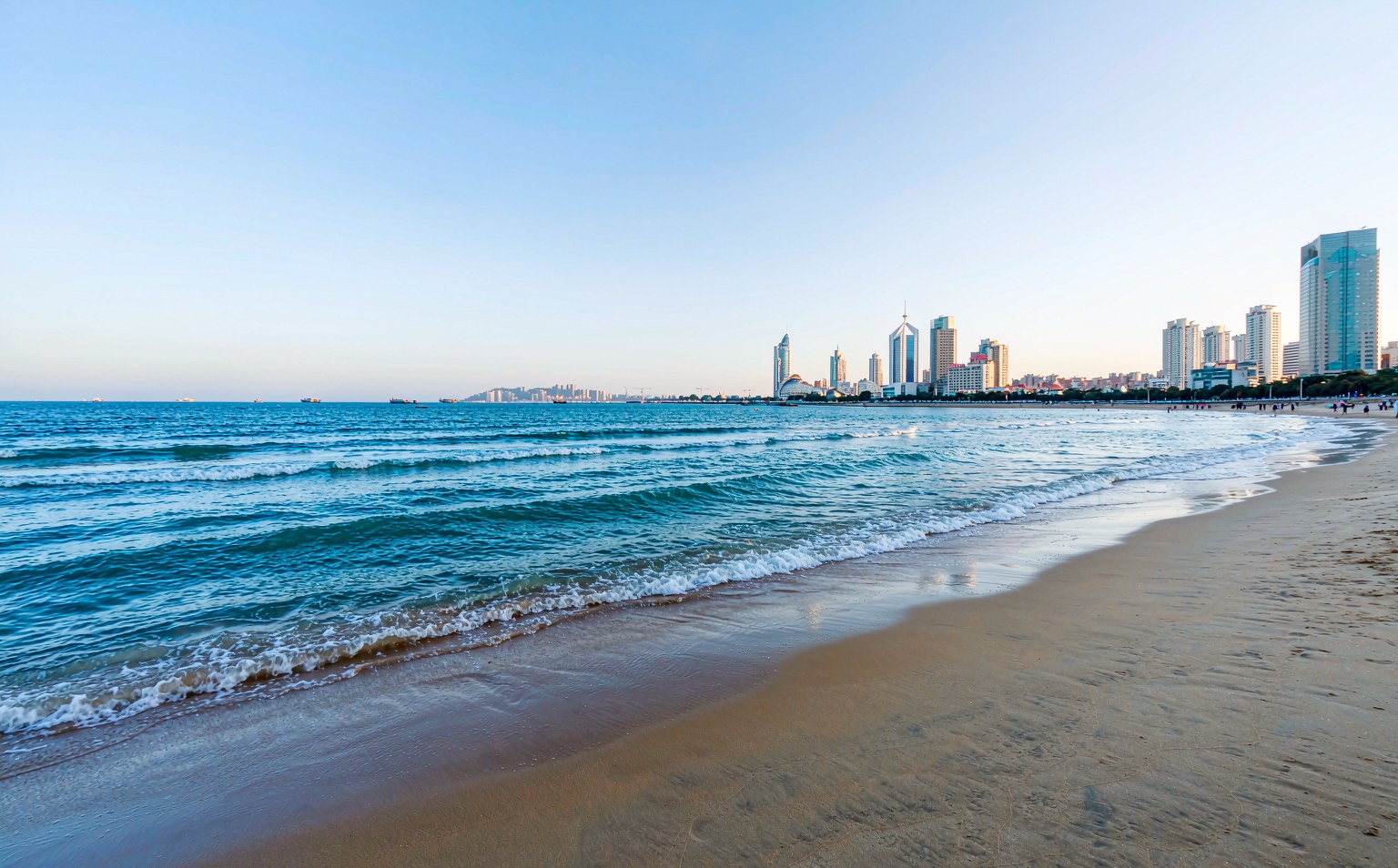
Kaifeng 3-Day Tour: Millennium City Park & Scenic Area
Kaifeng 3-day tour covering Millennium City Park and Scenic Area. Sightseeing tickets and shuttle bus included.
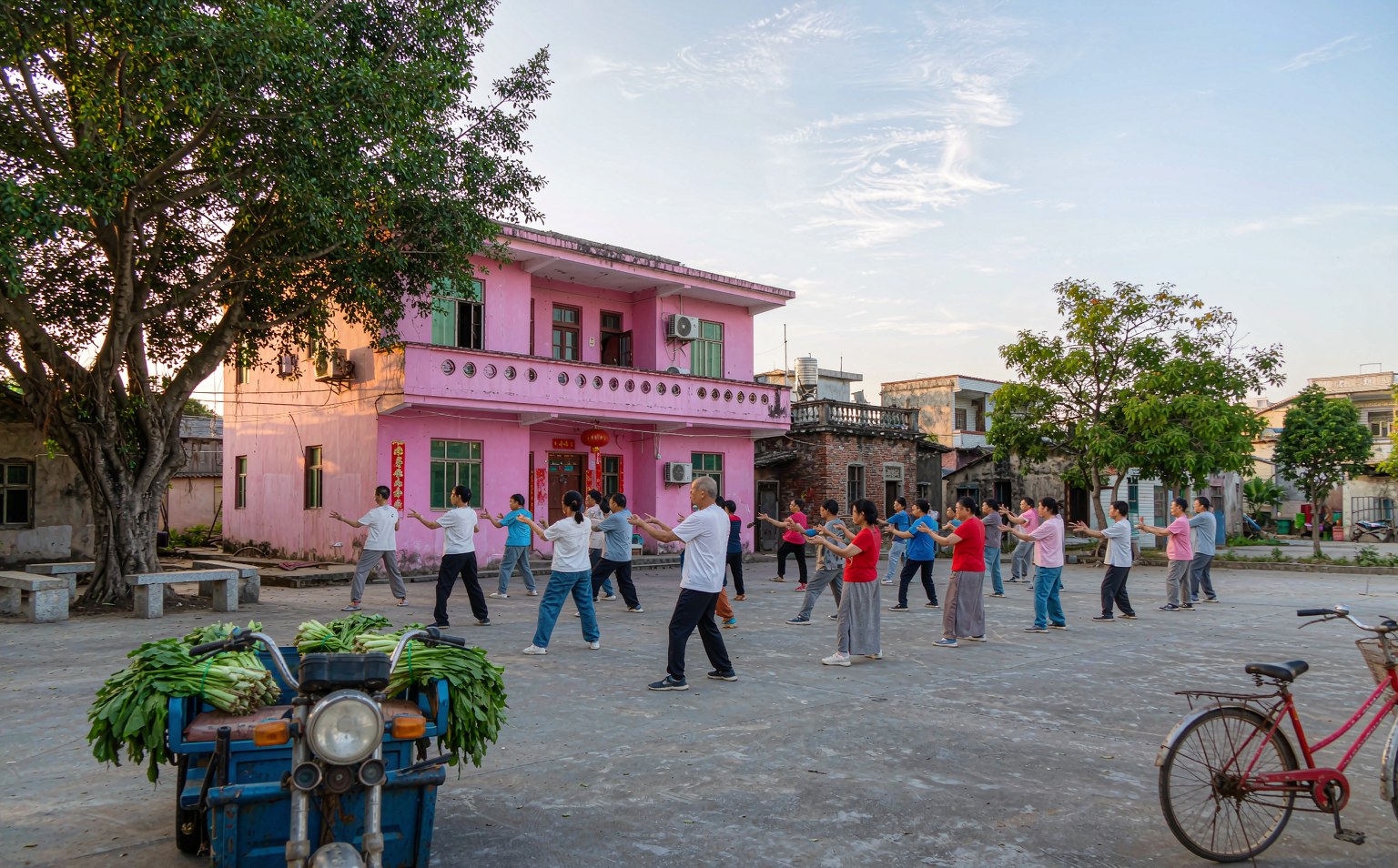
Kaifeng 3-Day Tour: Scenic Area & Millennium City Park
Kaifeng 3-day tour covering Scenic Area and Millennium City Park. Sightseeing tickets and shuttle bus included.
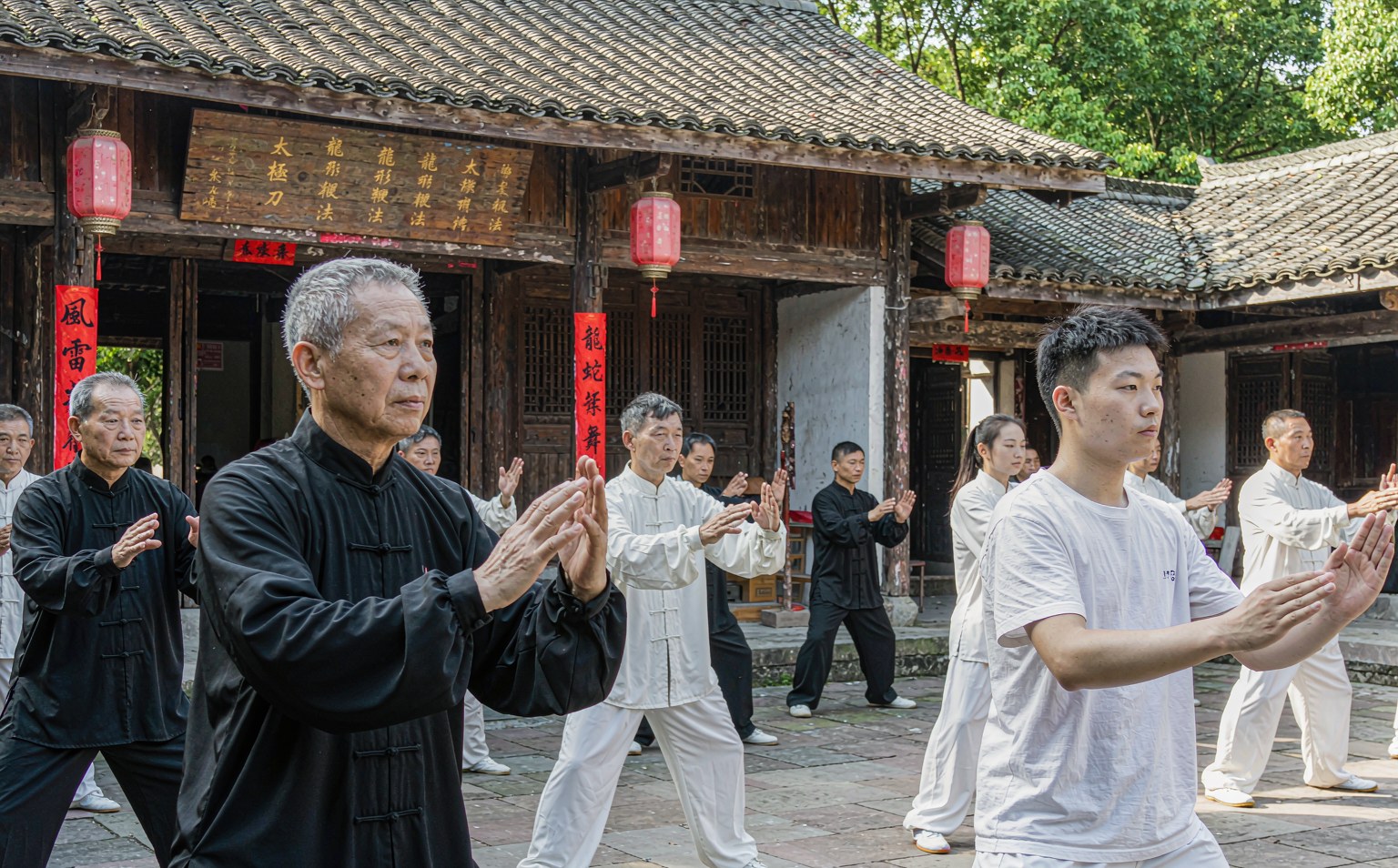
Zhengzhou 5-Day Tour: Longmen Grottoes & White Horse Temple
Zhengzhou 5-day tour covering Longmen Grottoes and White Horse Temple and Laojun Mountain. Sightseeing tickets and shuttle bus included.
Kaifeng 2-Day Tour: Millennium City Park
Kaifeng 2-day tour covering Millennium City Park. Sightseeing tickets and shuttle bus included.