
Jiaozuo 4-Day Tour: Longmen Grottoes & Sui-Tang Luoyang City
Jiaozuo 4-day tour covering Longmen Grottoes and Sui-Tang Luoyang City and White Horse Temple. Sightseeing tickets and shuttle bus included.
Highlights
Day 1: Longmen Grottoes
Gather in the morning and depart for Longmen Grottoes, follow the tour guide to visit the main attractions, and allow ample time for taking photos and resting; have a local specialty lunch at noon, check into the hotel in the evening, and recharge for the next day's itinerary.
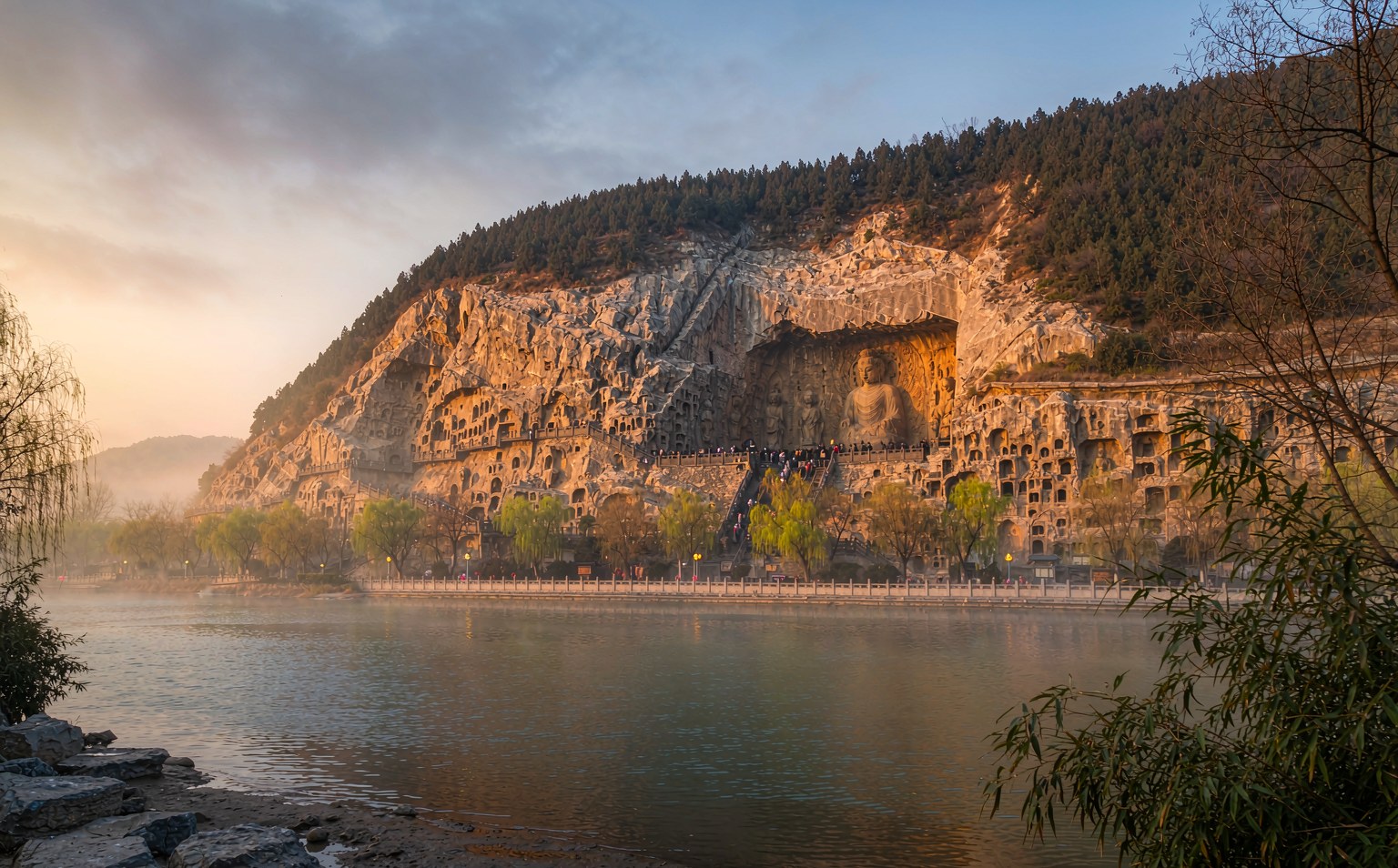
Attraction Introduction: Today's itinerary includes Longmen Grottoes attractions. Longmen Grottoes was carved on the cliff walls along both sides of the Yi River in the southern part of Luoyang city. Construction continued from the time Emperor Xiaowen of the Northern Wei moved the capital to Luoyang and spanned multiple dynasties including the Eastern Wei, Western Wei, Northern Qi, Sui, and Tang. Currently, there are more than 2,300 existing caves, over 100,000 statues, and more than 2,800 inscribed steles. The most striking is the Vairocana Buddha of Fengxian Temple, which is over seventeen meters in height, with a full face and benevolent eyes, said to be modeled after Empress Wu Zetian, representing the pinnacle of Tang dynasty stone carving art. Together with Dunhuang Mogao Caves and Datong Yungang, it is known as one of China’s three great grottoes and is also a UNESCO World Heritage Site. During the visit, walk south along the Yi River trail from the West Mountain Grotto to see Binyang Three Caves, Ten Thousand Buddha Cave, and Lotus Cave, each with its own highlights; cross the bridge to the East Mountain Worship Terrace for a panoramic view. My recommendation is to visit the main caves on the West Mountain in the morning to enjoy the Buddha statue while it’s less crowded, and in the afternoon head to the East Mountain terrace for a long-distance view, which offers the best lighting and angles for photos; walking along both sides of the Yi River requires retracing your steps, so a pair of comfortable shoes will save a lot of effort.
Friendly Tips: Ultraviolet rays are strong in the grotto area, so bring a sun hat and sunscreen on sunny days. The visiting route is long, so remember to stay hydrated. Tourists generally report that most find the Vairocana Buddha the most impressive, the West Mountain has the best lighting for photos at sunset; walking along both sides of the Yi River requires retracing your steps, so wear comfortable shoes and reserve half a day. Practically speaking, dehydration is the biggest concern on long trips, so carry a water bottle and drink small amounts frequently; on the first night in highlands or mountainous areas, avoid washing hair or bathing for too long to give your body time to adjust.
Day 2: Sui-Tang Luoyang City
Gather in the morning and depart for Sui-Tang Luoyang City, follow the tour guide to visit the main attractions, leaving ample time for photos and rest; enjoy a local specialty meal at noon, and check into a hotel in the evening to recharge for the next day's itinerary.
Attraction Introduction: Today's itinerary includes Sui-Tang Luoyang City attractions. The Sui-Tang Luoyang City National Heritage Park centers around Yingtian Gate, Mingtang, and Tiantang, reconstructing the grandeur of the palace complex of the Tang Dynasty's "Divine Capital" Luoyang. Yingtian Gate is the south gate of Sui-Tang Luoyang City, imposing in scale; you can overlook the central axis from the top of the gate, and there is a spectacular nighttime light show. Mingtang was the "Palace of Ten Thousand Wonders" during Wu Zetian's period, while Tiantang is the tall tower for Buddhist ceremonies. The interiors of these two buildings restore the luxurious furnishings of the Tang court. It is also pleasant to stroll along Jiuzhou Pool and imagine the grandeur of the royal gardens back then. This site is closely associated with TV dramas such as "Wu Zetian" and "The Rise of Luoyang" and has become one of Luoyang’s most popular Tang culture check-in spots in recent years. My suggestion is to definitely visit at night—when the lights come on, the illumination of Yingtian Gate, Mingtang, and Tiantang reflects what the "Divine Capital" should look like. You can experience the palace interiors in the daytime and the light show at night, offering two experiences in one day.
Tips: There are various ancient city night tours, so dress warmly at night and remember the meeting point. Tourists generally give feedback that most of them believe Sui-Tang Luoyang City is worth a special trip. It's recommended to slow down, follow the guide's explanation, and leave time for the details that impress you most and the best spots for photos. Depending on your situation, be punctual, arriving five to ten minutes early for gatherings—it's better for people to wait for the vehicle than for the vehicle to wait for you, so as not to hold up the group.
Day 3: White Horse Temple
Assemble in the morning and depart for White Horse Temple, following the guide to visit the main attractions, leaving ample time for photography and rest; enjoy a local specialty meal at noon, and check into the hotel in the evening to recharge for the next day's itinerary.
Attraction Introduction: A highlight of the itinerary is White Horse Temple. White Horse Temple is located in the eastern part of Luoyang city. It was first built during the Yongping era of the Eastern Han Dynasty, in commemoration of the White Horse carrying Buddhist scriptures and the initial transmission of Buddhism to the Central Plains. It is revered as the 'First Ancient Temple in China' and is the first state-sponsored temple built after Buddhism entered China. Inside the temple, the Qiyun Pagoda Courtyard, Grand Buddha Hall, and Heavenly King Hall are arranged along the central axis, with incense burning continuously among the red walls and cypress trees for over two thousand years. Notably, the temple also features foreign-style halls donated by countries such as Myanmar, Thailand, and India, presenting a unique landscape of the eastward spread and return flow of Buddhist culture. My understanding is that one should first view the main halls along the central axis, then circle to the Qiyun Pagoda Courtyard, and finally visit the side foreign-style halls to experience the cultural blend. Visiting in the early morning when fewer people are around, the sunlight on the red walls and ancient cypresses creates a poetic ambiance and also helps avoid the peak travel group crowds.
Tips: Please remain quiet and dress neatly when entering the temple. Generally, photography and touching ritual objects inside the halls are not allowed, and offerings can be made as you wish. Tourists generally report that the foreign-style halls (Thai/Myanmar/Indian courtyards) are photogenic and often feel more spacious than expected. Please note that walking distances in the international temple area can be long, so conserve your energy. In practice, when taking photos, don’t just focus on getting shots, also pay attention to the ground and surrounding environment, and make sure to stand securely at observation decks or trail edges.
Related Tours
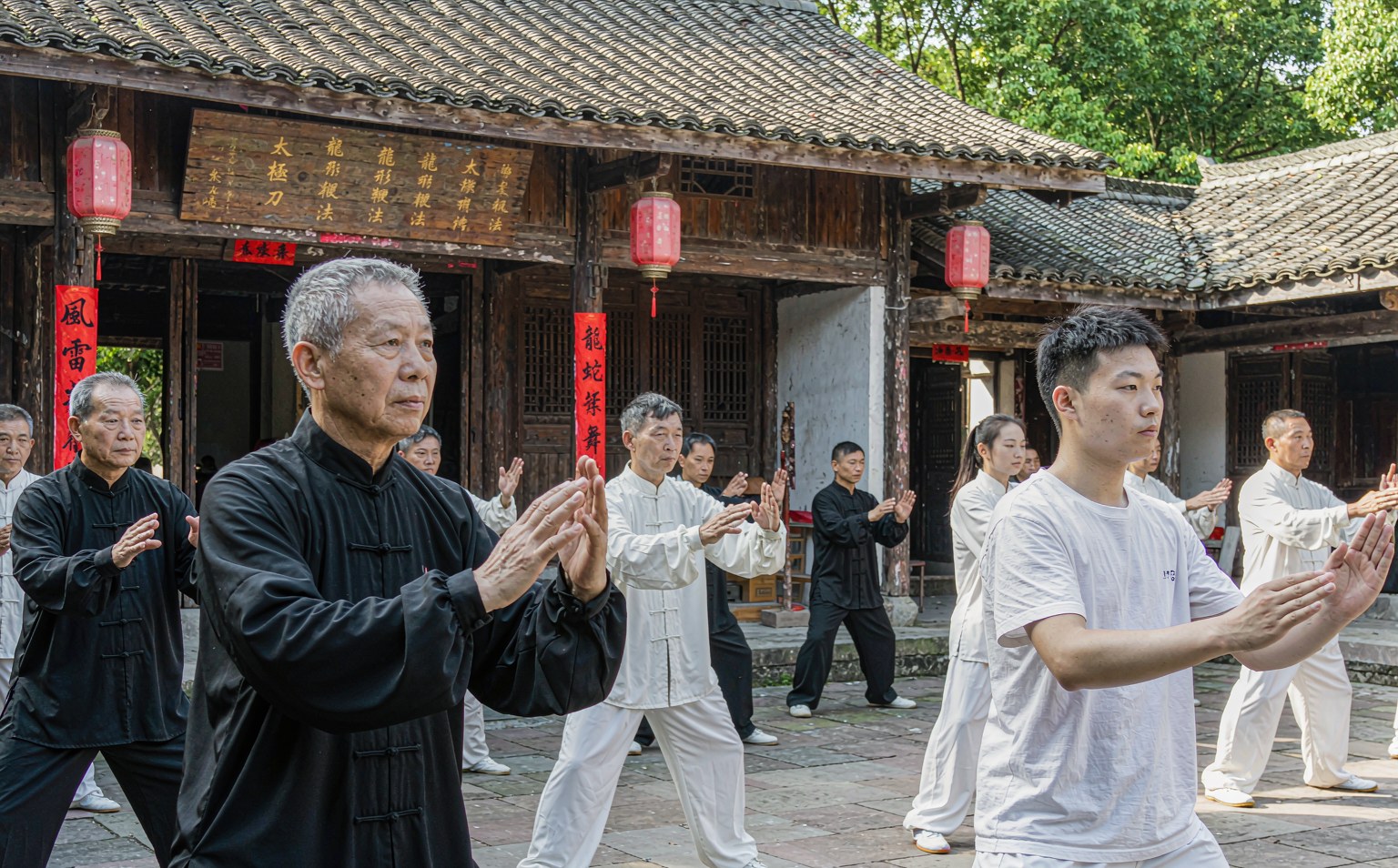
Zhengzhou 5-Day Tour: Longmen Grottoes & White Horse Temple
Zhengzhou 5-day tour covering Longmen Grottoes and White Horse Temple and Laojun Mountain. Sightseeing tickets and shuttle bus included.
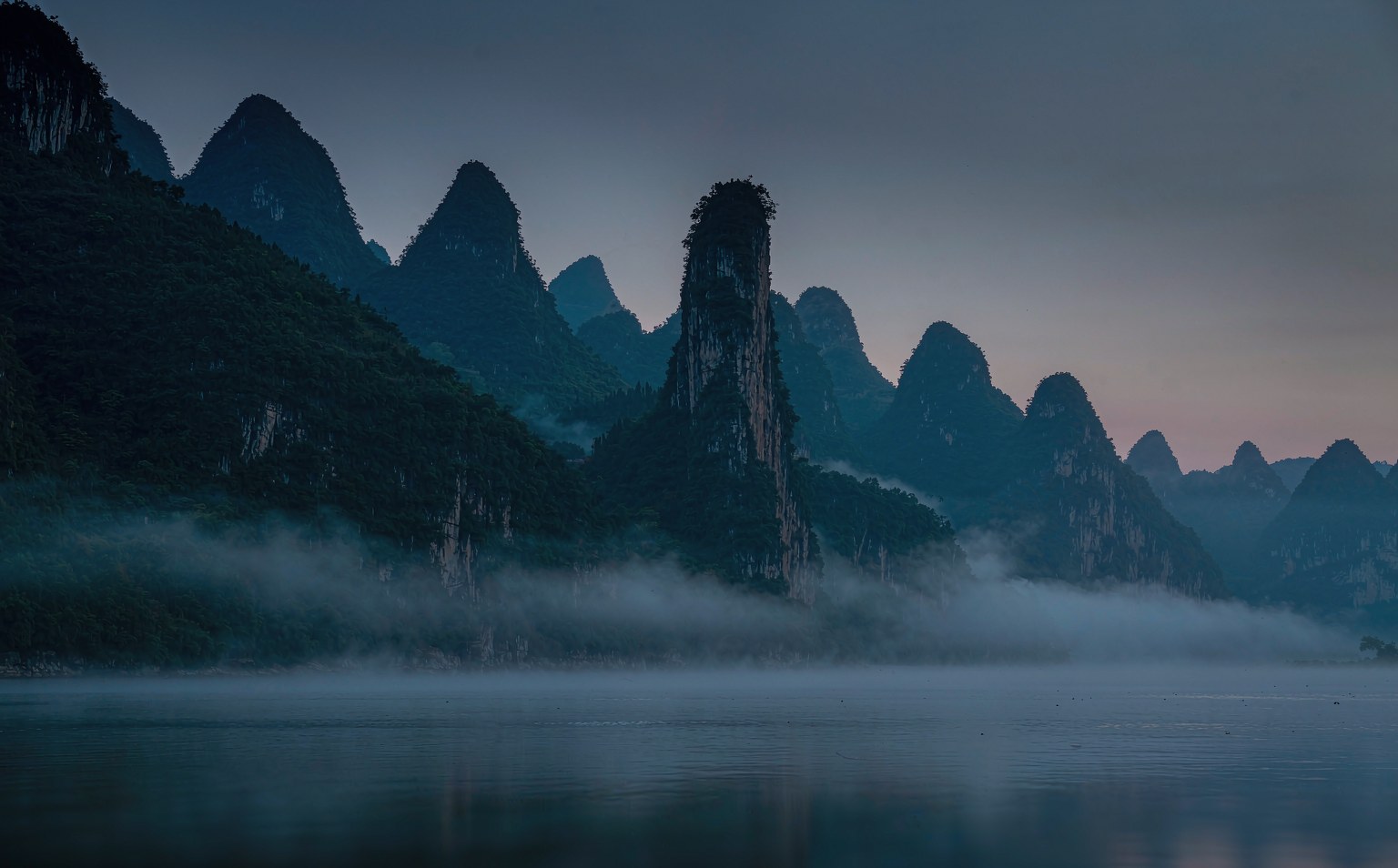
Luoyang 3-Day Tour: Luoyi Ancient City & Shaolin Temple
Luoyang 3-day tour covering Luoyi Ancient City and Shaolin Temple. Sightseeing tickets and shuttle bus included.
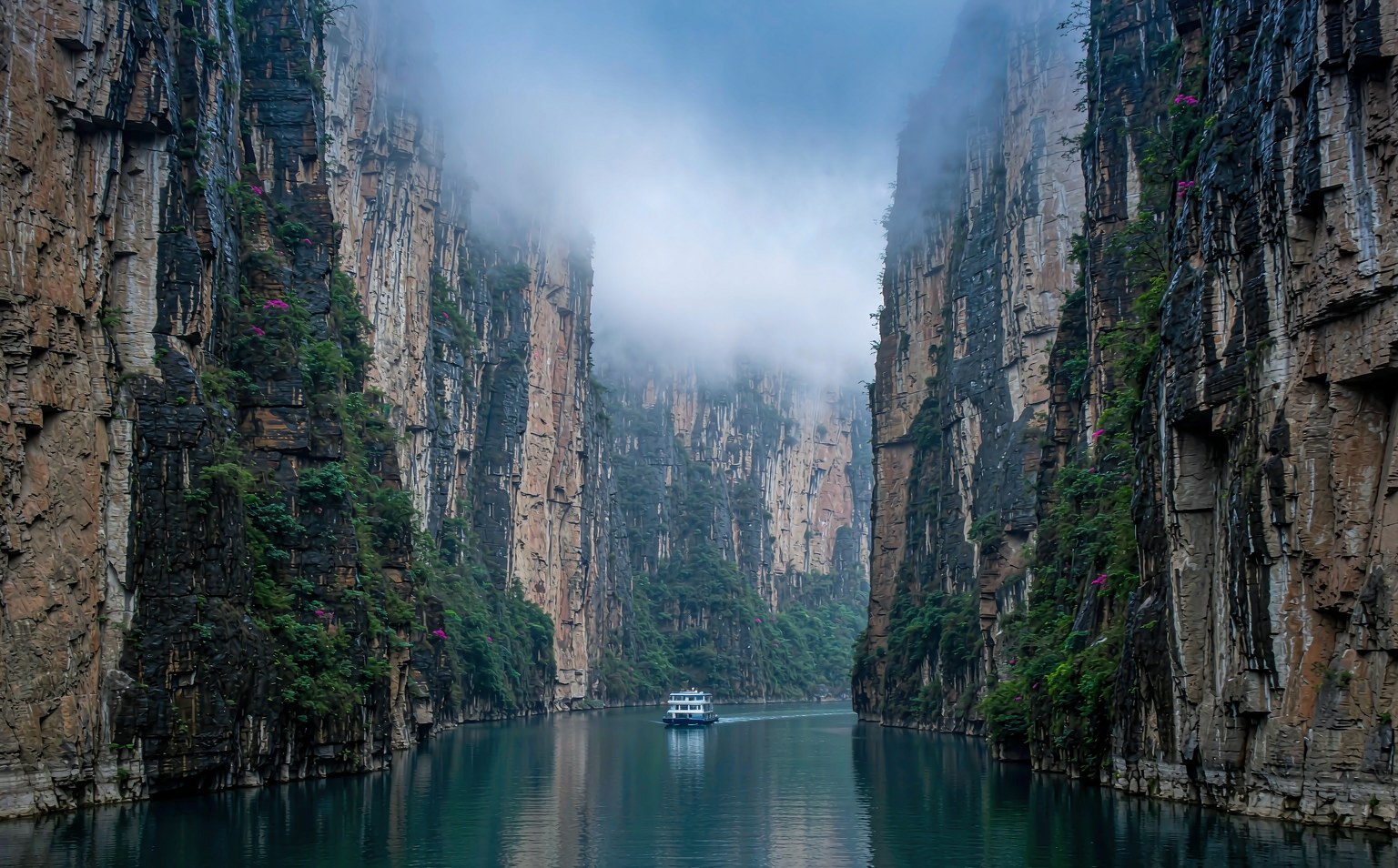
Luoyang 3-Day Tour: Longmen Grottoes & White Horse Temple
Luoyang 3-day tour covering Longmen Grottoes and White Horse Temple and Wangcheng Park. Sightseeing tickets and shuttle bus included.
Xinxiang 4-Day Tour: White Horse Temple & Longmen Grottoes
Xinxiang 4-day tour covering White Horse Temple and Longmen Grottoes and Laojun Mountain. Sightseeing tickets and shuttle bus included.