
Anyang 5-Day Tour: Scenic Area & Shaolin Temple
Anyang 5-day tour covering Scenic Area and Shaolin Temple and Yuntai Mountain. Sightseeing tickets and shuttle bus included.
Highlights
Day 1: Mount Song
Today the theme is Mount Song. Avoid peak hours and enter the park during off-peak times, following the recommended route for an in-depth tour; have lunch nearby to enjoy local flavors, spend the afternoon on free activities or follow the guide for extra sightseeing, and stay at a hotel to rest in the evening.
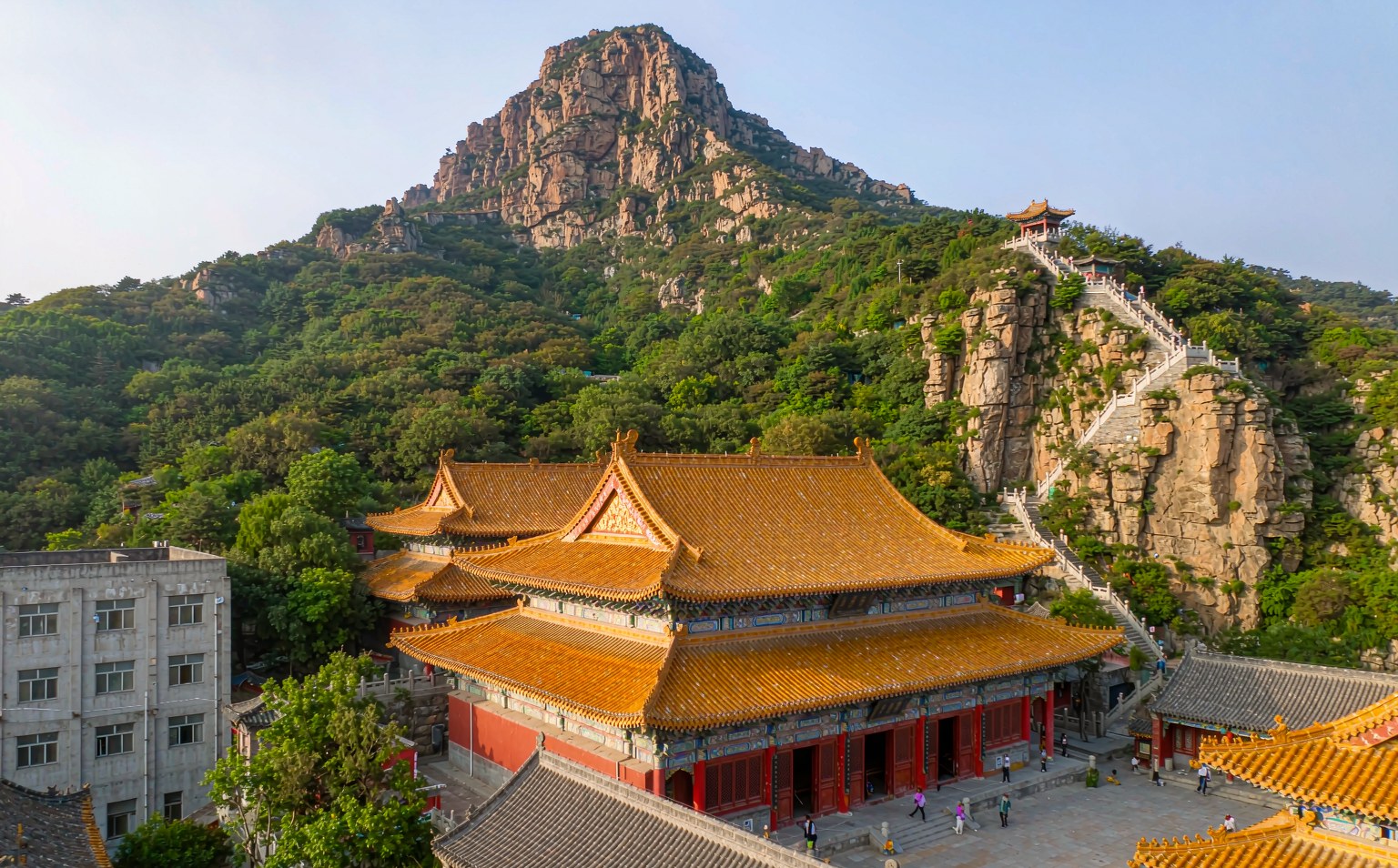
Attraction Introduction: One of the highlights arranged in the itinerary is Mount Song. Mount Song is the central peak among the Five Great Mountains, mainly located in Dengfeng City, divided into the Taishi and Shaoshi mountains, with the main peak, Junji Peak, reaching about 1492 meters. Its uniqueness lies in the coexistence of Confucianism, Buddhism, and Taoism on the same mountain for a thousand years: Songyang Academy was a significant center of Neo-Confucianism during the Song dynasty, where the famous story of 'Standing in the snow at Cheng's gate' took place; Zhongyue Temple is one of the largest and best-preserved temple complexes among the Five Great Mountains; the Guoxing Pavilion in Gaocheng Town, built under the supervision of Guo Shoujing in the Yuan dynasty, is one of the oldest surviving astronomical observation structures. In 2010, the 'Center of Heaven and Earth' historical architectural complex, represented by Songyang Academy, Zhongyue Temple, Songyue Pagoda, Shaolin Temple Permanent Residence, Pagoda Forest, Chuzu Temple, and Guoxing Pavilion, was listed as a World Heritage Site. My understanding is that on the first day, there’s no need to rush—first visit the academy and Zhongyue Temple to understand the ceremonial structure of the 'Center of Heaven and Earth' and save energy for hiking later; if time permits, go to the plank road at Sanhuang Village on Shaoshi Mountain in the evening to watch the sunset, which is the most photogenic moment of the trip.
Tips: The mountain trail has many steps and steep slopes, so be sure to wear non-slip sports shoes. Those with mobility issues are advised to use the cable car. Visitors generally report that most believe Mount Song is worth a special trip. It is recommended to slow down, listen to the guide’s explanations, and leave time for the details that move you most and the most photogenic spots. Be mindful of the real situation: on long trips, the biggest concern is dehydration, so carry a water bottle and take small sips frequently; on the first night in a plateau or mountainous area, avoid long showers or hair washing, giving your body some time to adjust.
Day 2: Shaolin Temple
Morning: Visit the Main Monastery and Pagoda Forest in sequence, watching the Shaolin martial arts performance according to the scheduled time; at noon, try local cuisine in Dengfeng; in the afternoon, you may also visit Songyang Academy or Chuzu Temple, experiencing a full day of Zen and martial arts culture.
Attraction Introduction: Today's itinerary includes several attractions. The Main Monastery is located at the foot of Wuru Peak of Shaoshi Mountain in Dengfeng, founded in the 19th year of the Northern Wei Taihe period (495 AD). It is both the ancestral temple of Chan Buddhism and the birthplace of Shaolin martial arts, with a history of more than 1,500 years. The main highlights are concentrated in three areas: the Main Monastery’s central axis includes the Shanmen (Mountain Gate), Hall of Heavenly Kings, Mahavira Hall, Sutra Repository, and Standing Snow Pavilion, with halls and ancient steles laid out in sequence; the Pagoda Forest is the largest ancient pagoda complex in China, containing over 200 brick and stone tomb pagodas from the Tang, Song, to Qing dynasties, each corresponding to a high-ranking monk; the Dharma Cave on Wuru Peak is traditionally believed to be where Bodhidharma meditated facing a wall for nine years. The martial arts hall performs Shaolin martial arts daily at set times, showcasing punches, weapons, and hard Qigong skills. My advice is to first follow the guide along the central axis and then explore in detail on your own; visit the Pagoda Forest quietly and walk around the pagodas; for the martial arts performance, arrive 15 minutes early to get a good seat.
Tips: The temple has many stone steps and thresholds; do not step on thresholds when crossing doors. Follow the order when worshipping and do not push. Visitors generally find the martial arts performance most popular with families with children, while the Pagoda Forest and Chuzu Temple are often overlooked. Note that commercial activities in the scenic area are obvious; check prices for vegetarian meals and nearby consumables in advance. Based on the actual situation, keep track of time, arrive 5 to 10 minutes early for gatherings; it is better to let people wait for the vehicle than the vehicle wait for a person, so as not to keep everyone waiting for you.
Day 3: Yuntai Mountain
Early in the morning, take advantage of the cool weather to first visit Hongshi Gorge and Tanpu Gorge to experience the wonder of water flowing uphill; in the afternoon, you can take the cable car up to Zhuyu Peak to overlook the Taihang Mountains and descend in the evening.
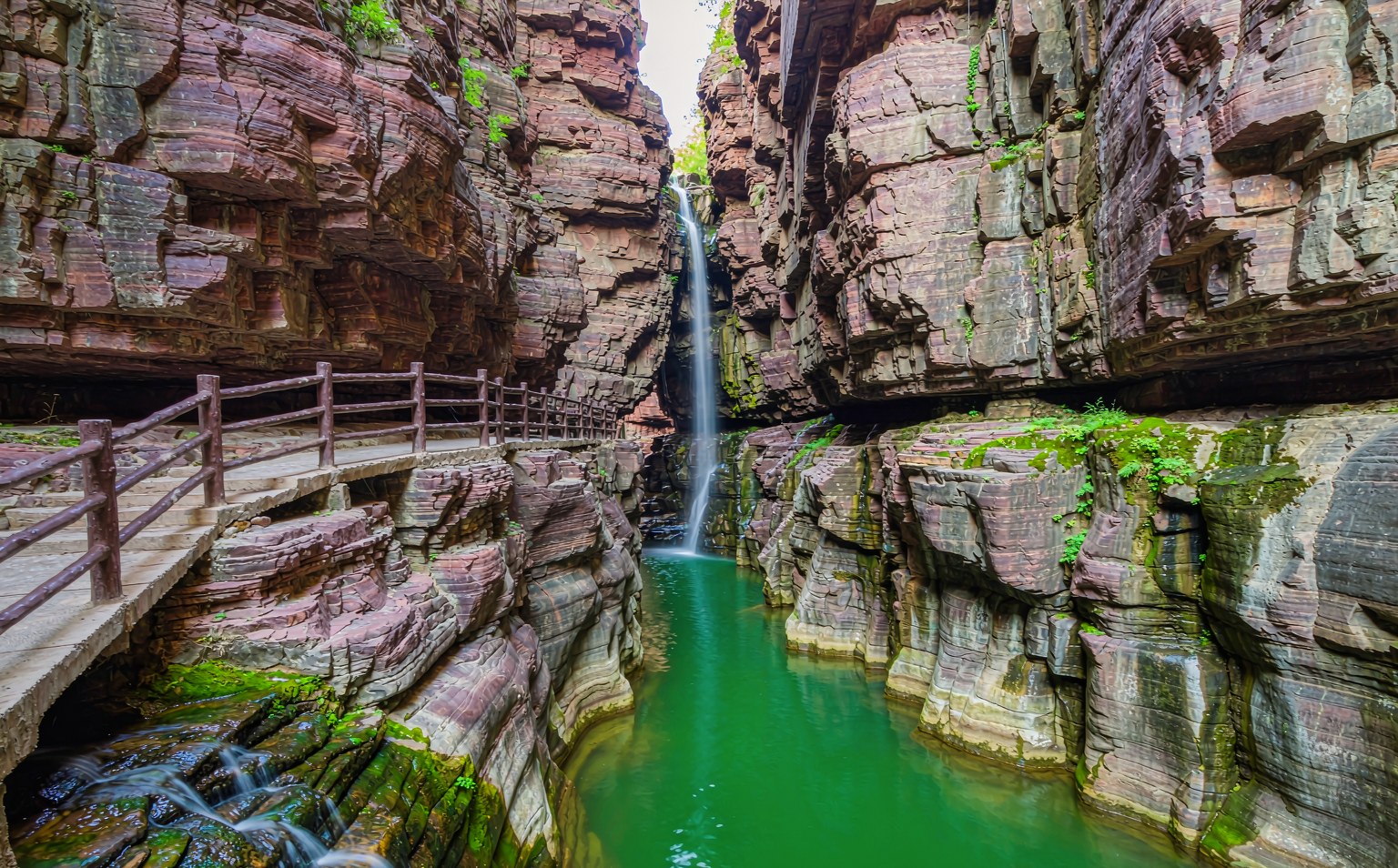
Attractions Introduction: Today's itinerary includes attractions, located in Xiuwu. It is one of the first batch of World Geoparks, famous for the red cliffs and clear waters of Hongshi Gorge, the waterfalls and streams of Tanpu Gorge, the 'Asia's tallest waterfall' Yuntai Tian Waterfall in Quanpu Gorge, and the sunrise over the sea of clouds at Zhuyu Peak. It is the most representative landscape of the southern Taihang Mountains. Hongshi Gorge is the essence of the essence, a red quartz sandstone canyon about two kilometers long, with winding clear water at the bottom and cliffs as red as sunset; Zhuyu Peak is famous because of the poem by Tang Dynasty poet Wang Wei, 'Everyone plants Zhuyu except one person'. Taking the cable car to the top provides a panoramic view of the Taihang peaks. Shuttle buses connect various points within the scenic area, and the trails are gentle, suitable for family outings. In my understanding, one day is not enough to cover everything, so first focus on the core attractions: Hongshi Gorge and Monkey Valley. Allow plenty of time for shuttle bus queues; swimming and water activities are refreshing in summer, while in autumn, the forests are rich with color—each season has its own attractions.
Tips: Many mountain paths are slippery, especially when going downhill, so shift your center of gravity backward and slow your steps; a pair of knee pads can be prepared. Visitors generally report that the most photogenic section is Hongshi Gorge, and the sea of clouds at Zhuyu Peak is also worth seeing. Be reminded that the shuttle bus queues are long, so if you don't have time for the whole day, prioritize Hongshi Gorge and Monkey Valley. In practice, when taking photos, don't just focus on capturing shots; pay attention to your footing and surroundings, and make sure to stand firmly when on viewing platforms or the edges of walkways.
Related Tours
Luoyang to Wanxian Mountain, Guoliang and Baoquan, 4 days
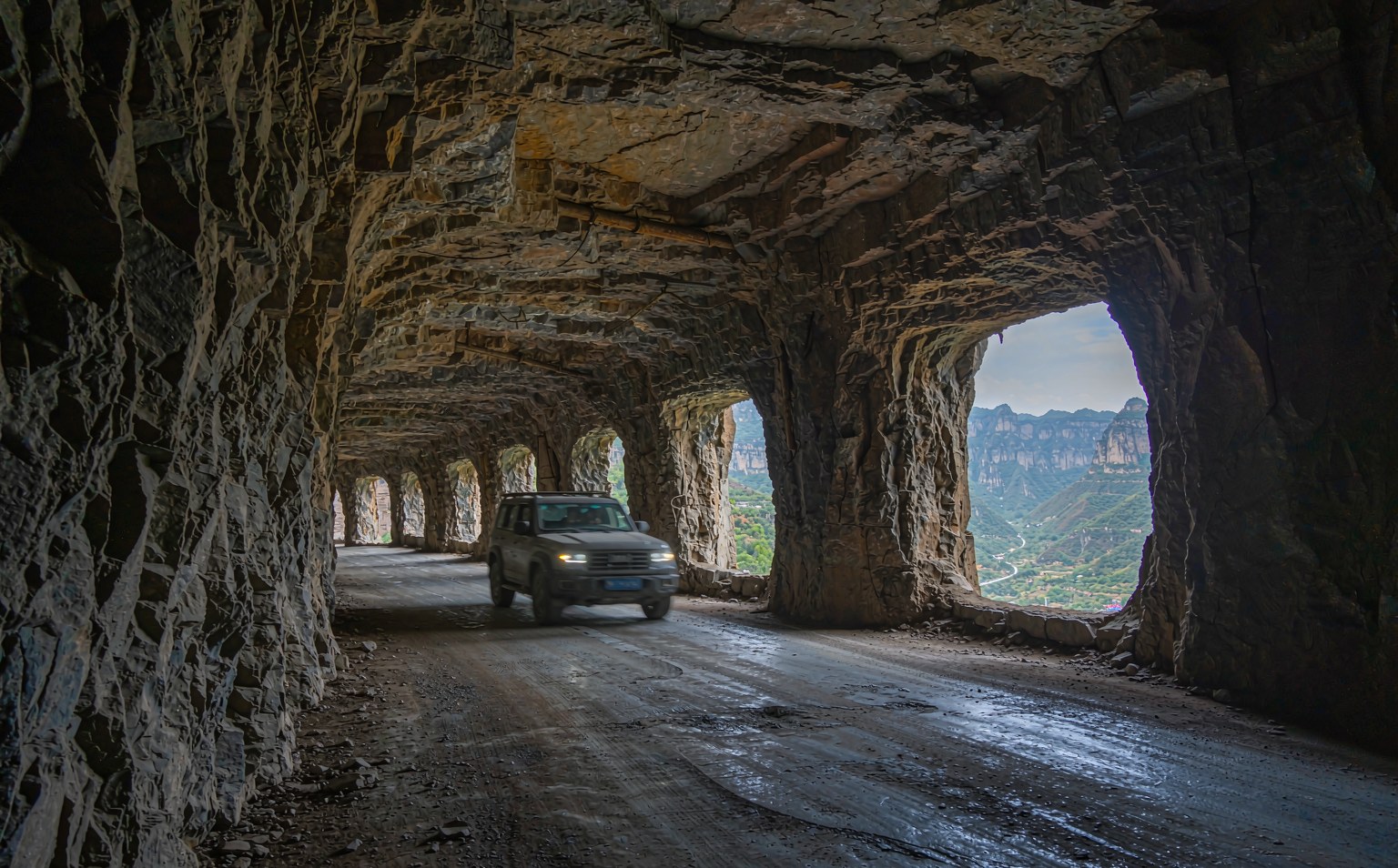
Four days from Luoyang. First up to Guoliang village and the road cut through the cliff, with thirty-five windows letting light through in bars. Then Baoquan: cable car to the cliff top, cave lift down to the gorge, walking downhill the whole way.
Luoyang to Yuntai Mountain, Fenglin Gorge and Chenjiagou, 5 days
Five days from Luoyang. In November the crowds thin out, the water in Red Stone Gorge keeps its dark green, and the single-file walk of about 1.5 km never doubles back. Two days later you take a boat across Emerald Lake and watch a village practise taiji.
Luoyang Departure Yuntai Mountain, Qingtianhe and Shennong 4 Days
Four days from Luoyang linking three waters of the southern Taihang: the one way walkway of Red Stone Gorge, the lake and boats of Qingtianhe, and the ridge under a metre wide on Shennong Mountain. Nights stay in the village by the shuttle stop.
Luoyang to Wanxianshan, Guoliang Village and Baligou 6 Days
Six days from Luoyang. The Baligou ticket at 120 yuan covers Baligou, Jiulianshan and Tianjieshan for three days. Then the trip moves to Wanxianshan, where the Guoliang cliff road runs 1,250 metres with 35 windows, begun in 1972 and opened in 1977.