
Jiaozuo 4-Day Tour: Guoliang Village & Yin Xu
Jiaozuo 4-day tour covering Guoliang Village and Yin Xu and Taihang Grand Canyon. Sightseeing tickets and shuttle bus included.
Highlights
Day 1: Guoliang Village
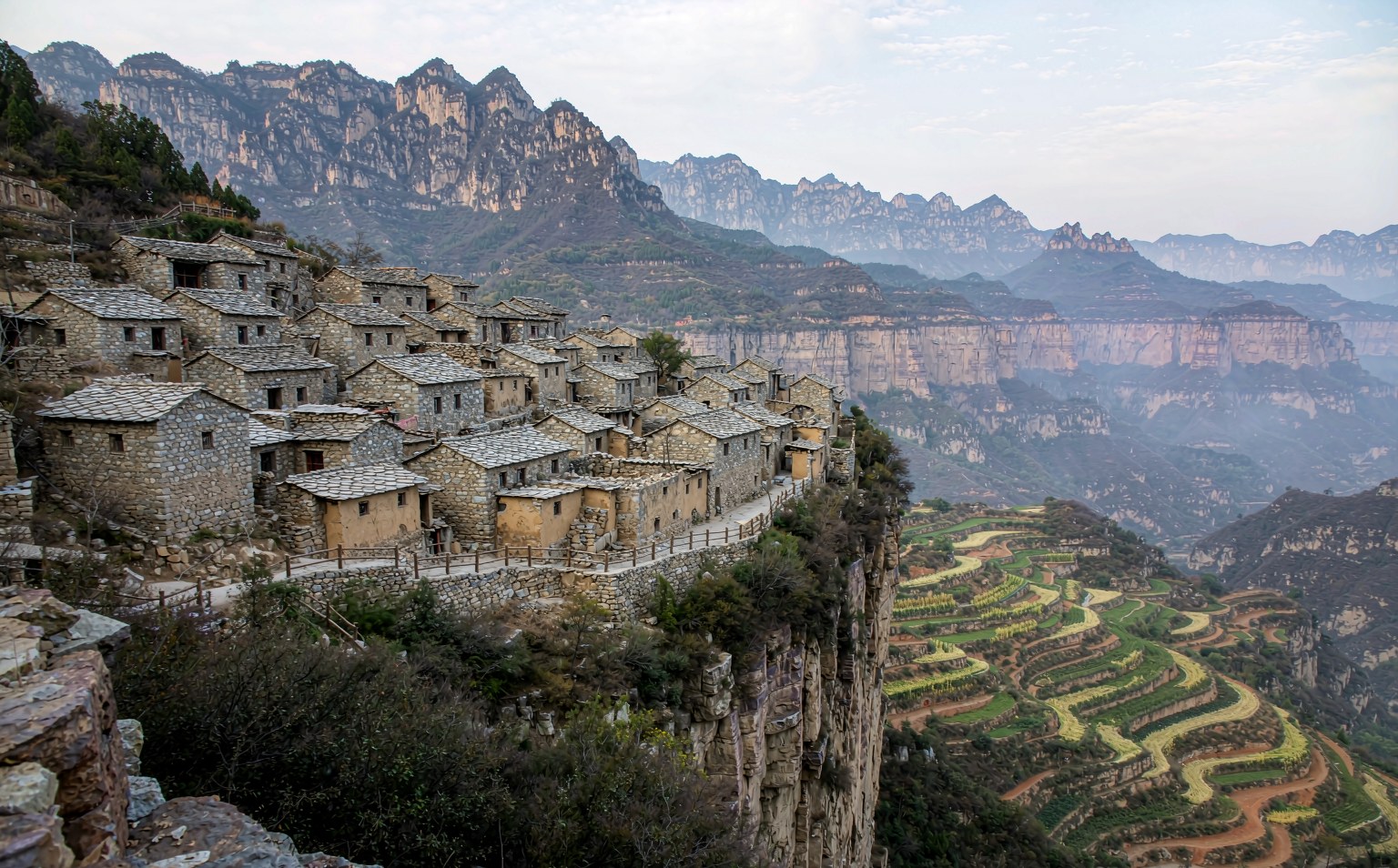
In the morning, head to Guoliang Village, hike along the cliff-hanging highway, and overlook the endless abyss; Have a farmhouse meal in the village at noon, visit the film village and the Sky Ladder in the afternoon, and descend the mountain to check in in at dusk.
Attraction introduction: One of the highlights of the itinerary is Guoliang Village. Guoliang Village is hidden deep within the sheer cliffs of the Taihang Mountains and is famous worldwide for its 'Cliff-Hanging Road.' In the 1970s, villagers worked to open a passage to the outside world, and without any large machinery, spent over five years carving a tunnel about 1,300 meters long into the cliff face—a miracle known as the 'Modern Foolish Old Man.' Today, this cliff-hanging road is the most must-see photo spot in the Taihang Mountains, offering views of the deep abyss and canyon villages along the way. Guoliang Village It is also called the 'Chinese Film Village' because many TV dramas have filmed here. My understanding is that when walking the wall-hanging road, you should allow plenty of time to watch and take photos, and pay attention to your steps and passing vehicles; Early morning or evening is best for lighting; midday is rather plain. Wear non-slip shoes and avoid getting too close to the cliff.
Friendly reminder: The ancient town is full of local specialties—try before you buy, compare prices, and shop rationally. Visitors generally report that the cliffside stone village is connected to the cliffside road, making it a filming location with a unique story. Reminder: Village food and accommodation are simple, so lower expectations and enjoy more. Considering actual conditions, mountain weather can change quickly—a windproof jacket is more practical than anything; Always choose shoes that are non-slip and comfortable, and avoid spraining your ankle if you take fewer photos.
Day 2: Yin Ruins
Early in the morning, enter Yin Ruins, first visit the palace area and the carriage pit, then visit the royal tomb area, followed and explained to understand the opening chapter of the historical records; Visit the new museum in the afternoon, return in the evening.
Attraction introduction: Today's itinerary includes Yin Ruins attractions. Yin Ruins is the ruins of the late Shang capital located at Anyang, the hometown of oracle bone inscriptions, and the excavation site of the Houmuwu Ding (originally called Simuwu Ding). It was listed as a World Cultural Heritage site in 2006. This was once the capital of the Shang Dynasty after Pan Geng moved to Yin, lasting over 270 years. Palace and ancestral temple ruins, royal tombs, and chariot pits are clearly visible. Oracle bone script was first discovered here, tracing China's trusted history back to the Shang dynasty; The new building of the Yin Ruins Museum systematically displays bronzes, jade, oracle bones, and other artifacts, serving as the most direct classroom for understanding Shang civilization. My understanding is that first visit palaces, ancestral temple sites, and chariot pits to establish spatial concepts, then visit museums to appreciate artifacts in detail; only when these two lines connect is it complete; Oracle bone script and bronze artifacts are the essence; walking through the explanation is far better than just skimming through.
Friendly reminder: The hiking section has many steps and steep slopes, so be sure to wear non-slip sports shoes. Those with mobility difficulties are advised to take the cable car up and down. Visitors generally report that oracle bone script and Simuwu Ding bring history to life, and visitors say the new museum is more valuable than the open-air site; Reminders are best understood by combining explanations. Combine your actual situation with impulsive shopping; calm down for three minutes when you see "limited-time offers"; If you really want to bring souvenirs, make sure to buy reputable stores and keep your receipts for peace of mind.
Day 3: Taihang Grand Canyon
Today's theme is Taihang Grand Canyon, avoiding peak crowds and staggering visits, in-depth tours along recommended routes; Enjoy local flavors nearby at noon, free time or guided tours in the afternoon, and stay at the hotel to rest in the evening.
Attraction introduction: A highlight of the itinerary is Taihang Grand Canyon,Taihang Grand Canyon stretches across the border of Jin-Ji-Henan, and Red Flag Canal passes through the mountains. Peach Blossom Valley, Wangxiang Rock, and the Taihang Sky Road connect majestic and beautiful scenery, representing a concentrated showcase of Taihang's scenery. Peach Blossom Valley is famous for its waterfalls and flowing springs, Wangxiang Rock is famous for its sheer cliff walkways, and the Taihang Sky Road offers scenic views and panoramic canyon views. In spring, the mountains are in full bloom; in autumn, the forests are colorful—each season has its own highlights. My understanding is that the scenic area is large and the attractions are scattered, so it's essential to plan the routes well and prioritize core attractions; Hold up the railings on the steep boardwalks, and those who fear heights should walk within their means.
Friendly reminder: The canyon trail is adjacent to water and cliffs. Do not climb over guardrails or play in dangerous areas, and watch out for accompanying children. Visitors generally report that Peach Blossom Valley has a tranquil water scene and the Taihang Heavenly Road is steep, with visitors saying every step reveals a new view; A reminder: passengers must ride in the bus during the scenic spot, as weather greatly affects the experience. Based on actual circumstances, documents and wallets are kept separately. Important documents can be taken and stored on your phone for backup. If lost, you can quickly reissue them without delaying your trip.
Day 4: Departure
Transfer to the station/airport per your departure, ending a pleasant journey.
Friendly tips: Pack the night before and keep ID, power bank and souvenirs together; allow extra time for the station/airport; bring your ID and stay with your guide, noting the meeting time and place. Traveler feedback — Return-day travelers remind: pack ID and souvenirs the night before; allow extra time. Practical note — Return-day tip: pack ID, power bank and souvenirs the night before; allow extra time—mountain roads are unpredictable.
Related Tours
Luoyang to Wanxianshan, Guoliang Village and Baligou 6 Days
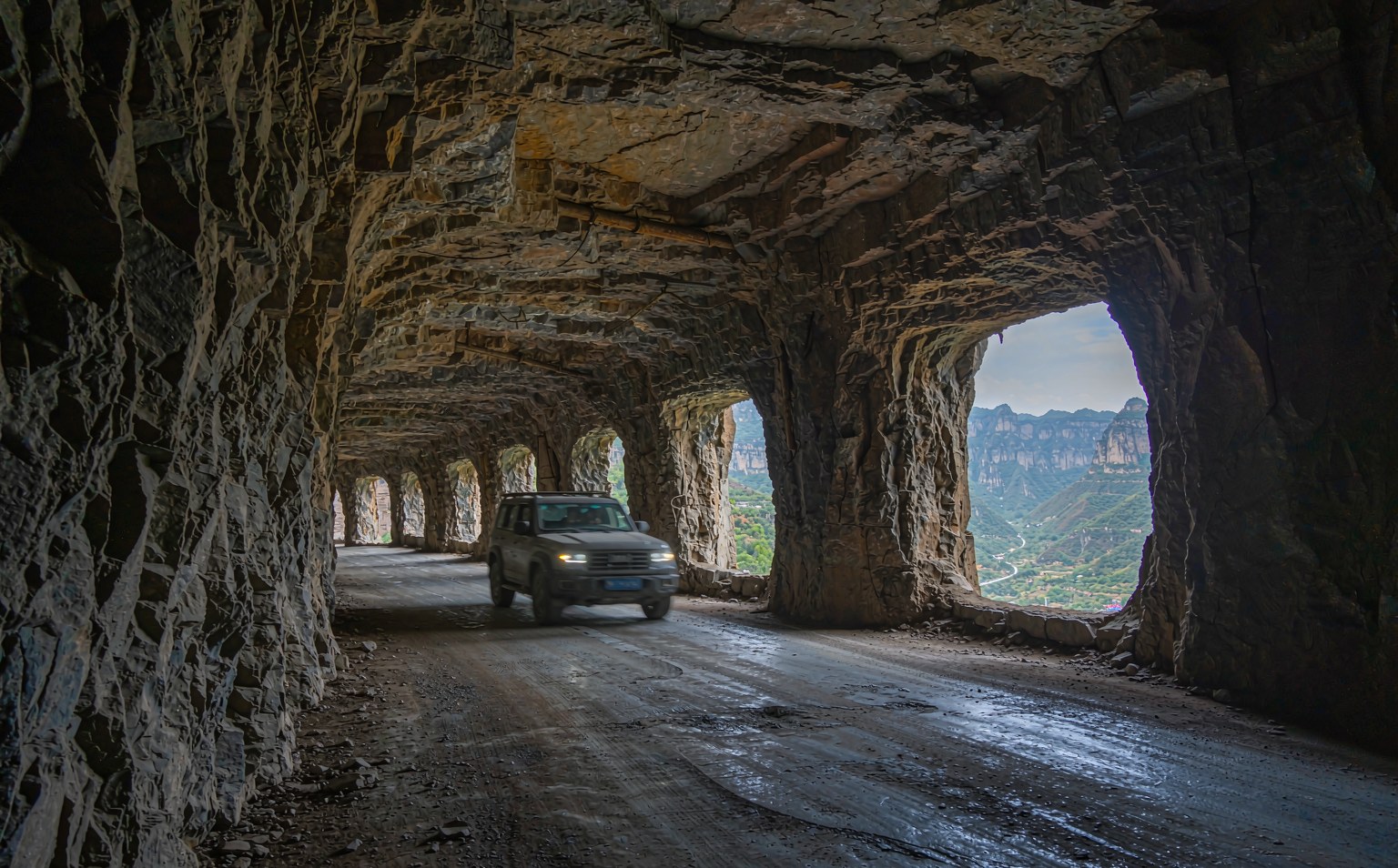
Six days from Luoyang. The Baligou ticket at 120 yuan covers Baligou, Jiulianshan and Tianjieshan for three days. Then the trip moves to Wanxianshan, where the Guoliang cliff road runs 1,250 metres with 35 windows, begun in 1972 and opened in 1977.
Luoyang to Yuntai Mountain, Hongshi Gorge and Chenjiagou 5 Days
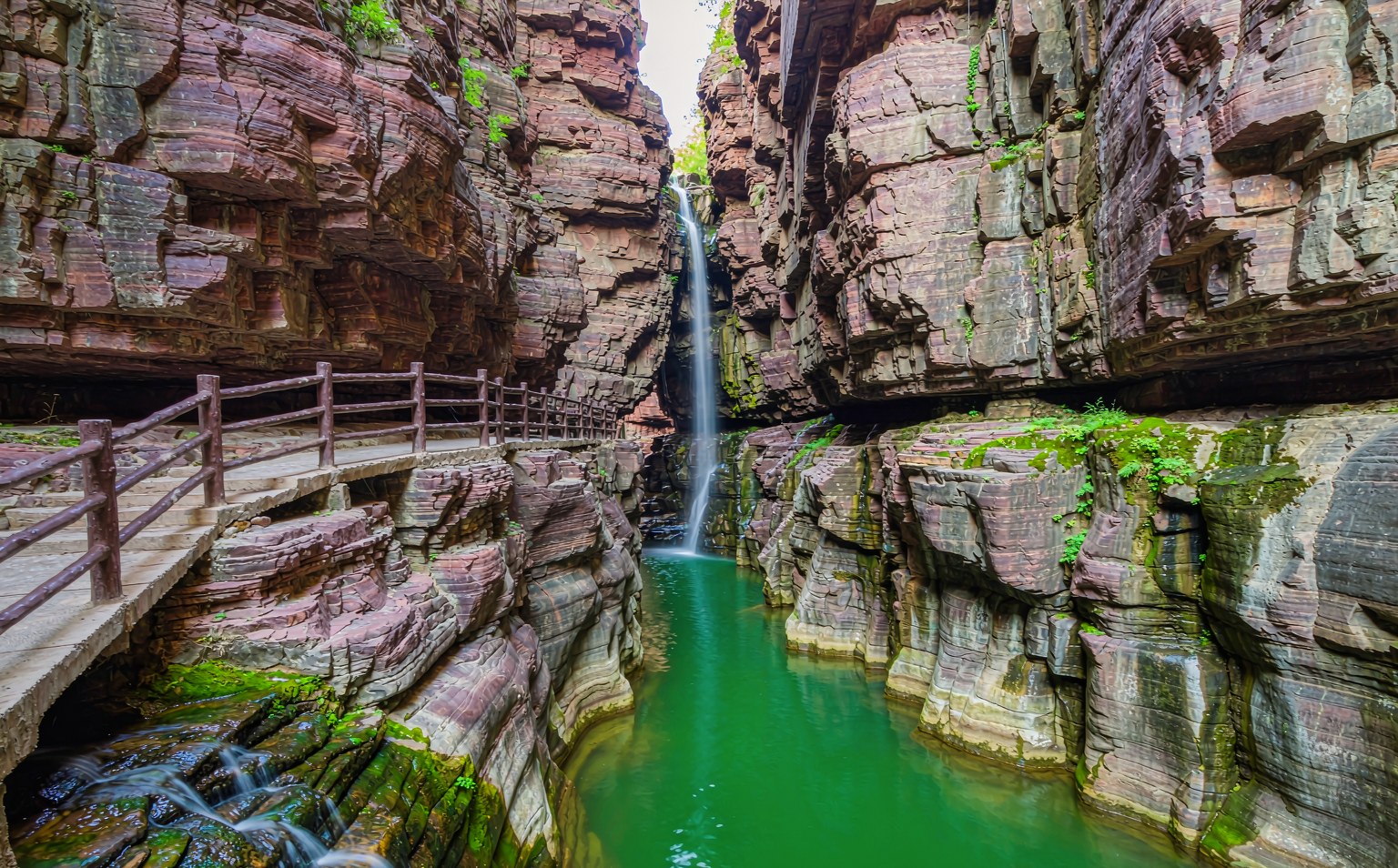
Five days from Luoyang. The Yuntai ticket at 120 yuan plus a 60 yuan shuttle pass stays valid for three days, enough for Hongshi Gorge, Tanpu Gorge and Zhuyu Peak. The fourth day turns south to Chenjiagou, the village where tai chi began.
Luoyang Departure: Wanxian Mountain, Guoliang Village and Baligou, 3 Days 2 Nights
Three days from Luoyang. Guoliang sits on top of the cliff, and the only road in is a 1,250-metre tunnel carved through the rock with thirty-five openings to the outside. Sleep in the village, then move south to Baligou, where the water drops straight off the cliff edge.
Luoyang Departure: Yuntai Mountain, Hongshi Gorge and Zhuyu Peak, 4 Days 3 Nights
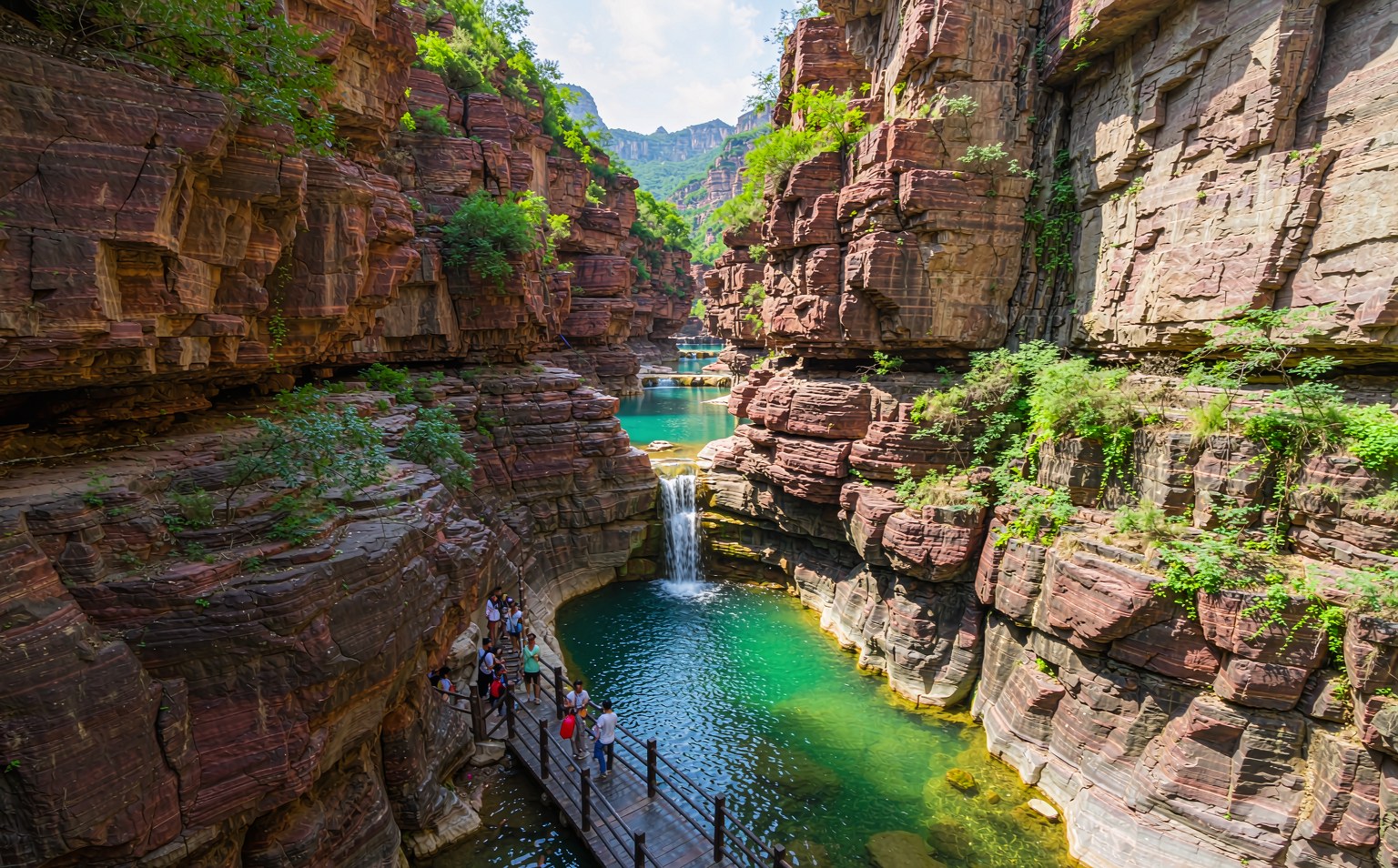
Four days from Luoyang. Hongshi Gorge runs one way, a slot of red rock that lets you walk forward only. The ticket and shuttle pass last three days, so nothing is rushed: one day for the gorge, one for the waterfalls, and the last morning up the spiral tunnels to Zhuyu Peak at 1,308 metres.