
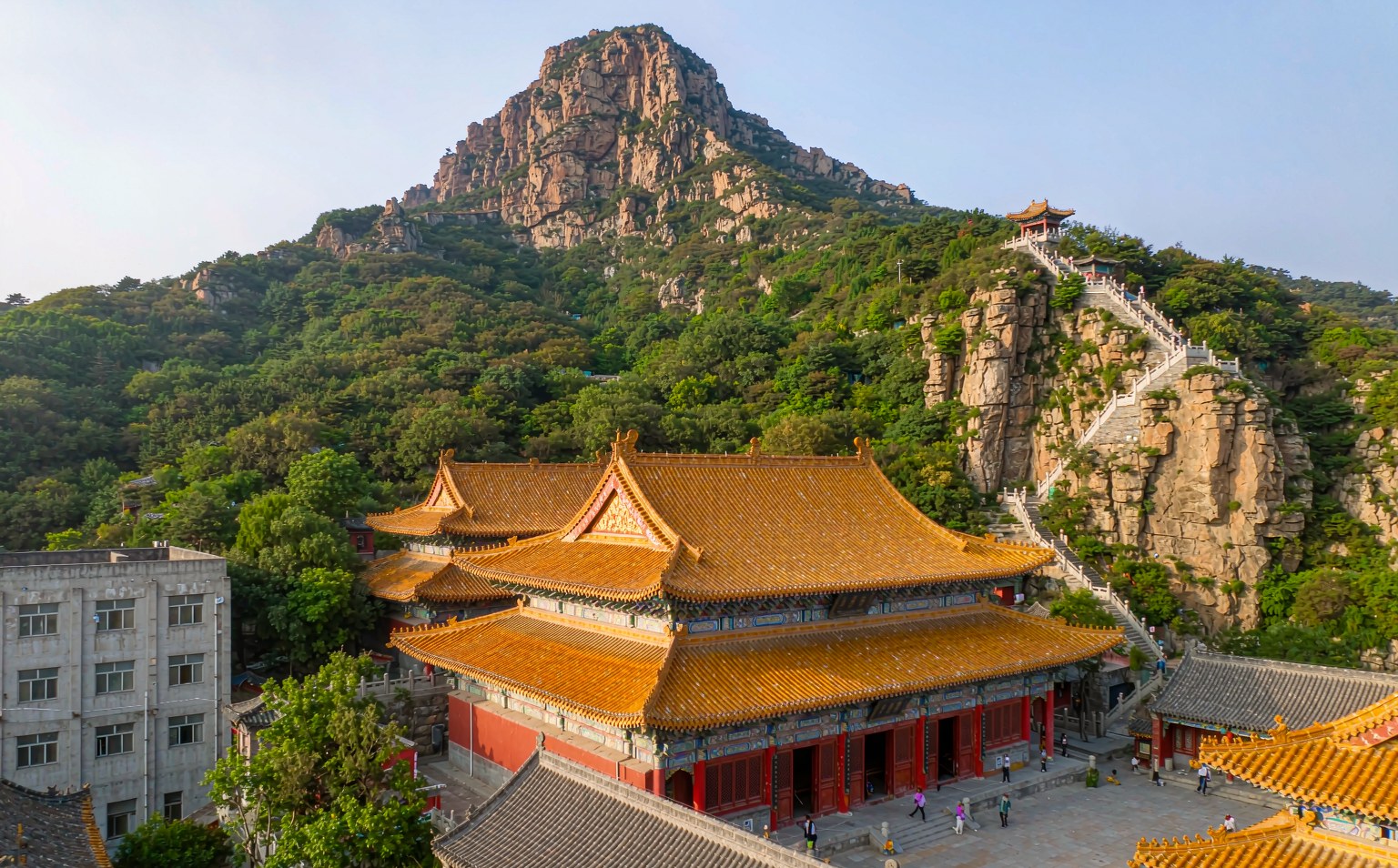
Luoyang Departure: Shaolin Temple, Songyang Academy and Zhongyue Temple, 3 Days 2 Nights
Three days from Luoyang. The Dengfeng plain is called the centre of heaven and earth, and the name only makes sense once you have seen the three together: the pagoda forest at Shaolin, the two Han cypresses at Songyang Academy, the eleven courtyards on the axis of Zhongyue Temple.
Highlights
Day 1: Luoyang to Dengfeng, Shaolin in the afternoon
Leave Luoyang after breakfast and reach Dengfeng in ninety minutes. Drop the bags at the hotel first. Lunch on a Dengfeng shaobing split and filled with braised pork, which only works if the flatbread is straight out of the oven. In the afternoon enter Shaolin Temple: through the mountain gate, past the Hall of Heavenly Kings and the Mahavira Hall, on to the Abbot Hall and the Pavilion of Standing in Snow. The martial arts show at four runs half an hour, and the children in the audience enjoy it most. When it ends, walk west to the Pagoda Forest, where the light comes through the brick and the place empties out.
Attraction introduction: Shaolin Temple stands below the Wuru Peak of Mount Song, northwest of Dengfeng, and was founded in the nineteenth year of the Taihe era of the Northern Wei by the Indian monk Batuo. Bodhidharma sat in meditation here for nine years and is honoured as the first patriarch of Chan Buddhism; Shaolin martial arts grew from the same root. The Pagoda Forest west of the temple holds the burial pagodas of successive abbots, one for nearly every generation since the Tang.
Tips: Keep voices down inside the temple, and note that halls where the monks are chanting stay closed to visitors. Guests generally find that arriving twenty minutes before the martial arts show gets a front-row seat. In practice, the Pagoda Forest is quietest in the last hour before closing.
Day 2: Songyang Academy and Zhongyue Temple
Morning at Songyang Academy. Through the gate is a large courtyard with two cypresses flanking the path, bark split like the back of an old hand; one is called the Great General and the other the Second General. The lecture hall still holds its long tables, and it was in rooms like this that Song dynasty neo-Confucianism was taught. Behind the hall stands a Tang stele with calligraphy by Xu Hao. Lunch nearby, then Zhongyue Temple in the afternoon: in through the China Gate and straight down the axis, eleven courtyards deep, ending at the Imperial Library.
Attraction introduction: Songyang Academy sits on the southern slope of Mount Song, a temple in the Northern Wei, converted to an academy in the Song and counted among the four great academies alongside Yingtian, Yuelu and Bailudong. The two cypresses in the courtyard are traditionally said to have been named by Emperor Wu of Han and are over four thousand years old. Zhongyue Temple was founded in the Qin, rebuilt in the Ming and Qing, and holds the largest and best-preserved Taoist complex of the five sacred mountains.
Tips: The academy is a working heritage site, so do not lean on the stele or touch the carvings. Guests generally find the axis of Zhongyue Temple hot and shadeless at midday. In practice, reverse the order in summer and take the temple in the morning instead.
Day 3: Observatory or Sanhuangzhai, then back
Two options this morning. For astronomy, drive to the Gaocheng observatory, built under Guo Shoujing in the Yuan dynasty: the tower is not tall, and the gnomon scale lies on the ground below it, which is how the solstices were measured. For walking, Sanhuangzhai instead, cable car up and then the cliff walkway, where Mount Song shows its steepest face. Lunch back in town and return to Luoyang in the afternoon.
Attraction introduction: The Gaocheng observatory stands in Gaocheng town, Dengfeng, built in the Zhiyuan era of the Yuan under Guo Shoujing, and is the oldest surviving astronomical observatory in China; it measured shadow length to fix the solar terms. Sanhuangzhai is on the west side of Shaoshi Mountain, its walkway following the ridge with views across the Shaoshi peaks.
Tips: The observatory draws few visitors and guided talks need booking ahead. Guests generally find Sanhuangzhai takes more than half a day if you walk the whole ridge. In practice, take the observatory with older parents or small children, and the ridge walk with anyone who actually wants the climb.
Related Tours

Luoyang Departure: Shaolin Temple and Sanhuangzhai Cliff Walk, 3 Days 2 Nights
Three days from Luoyang. One for the halls and the pagoda forest, one for the plank walk pinned to the cliff at Sanhuangzhai where the rock stands in shelves like books, one for the quiet hermitage above.
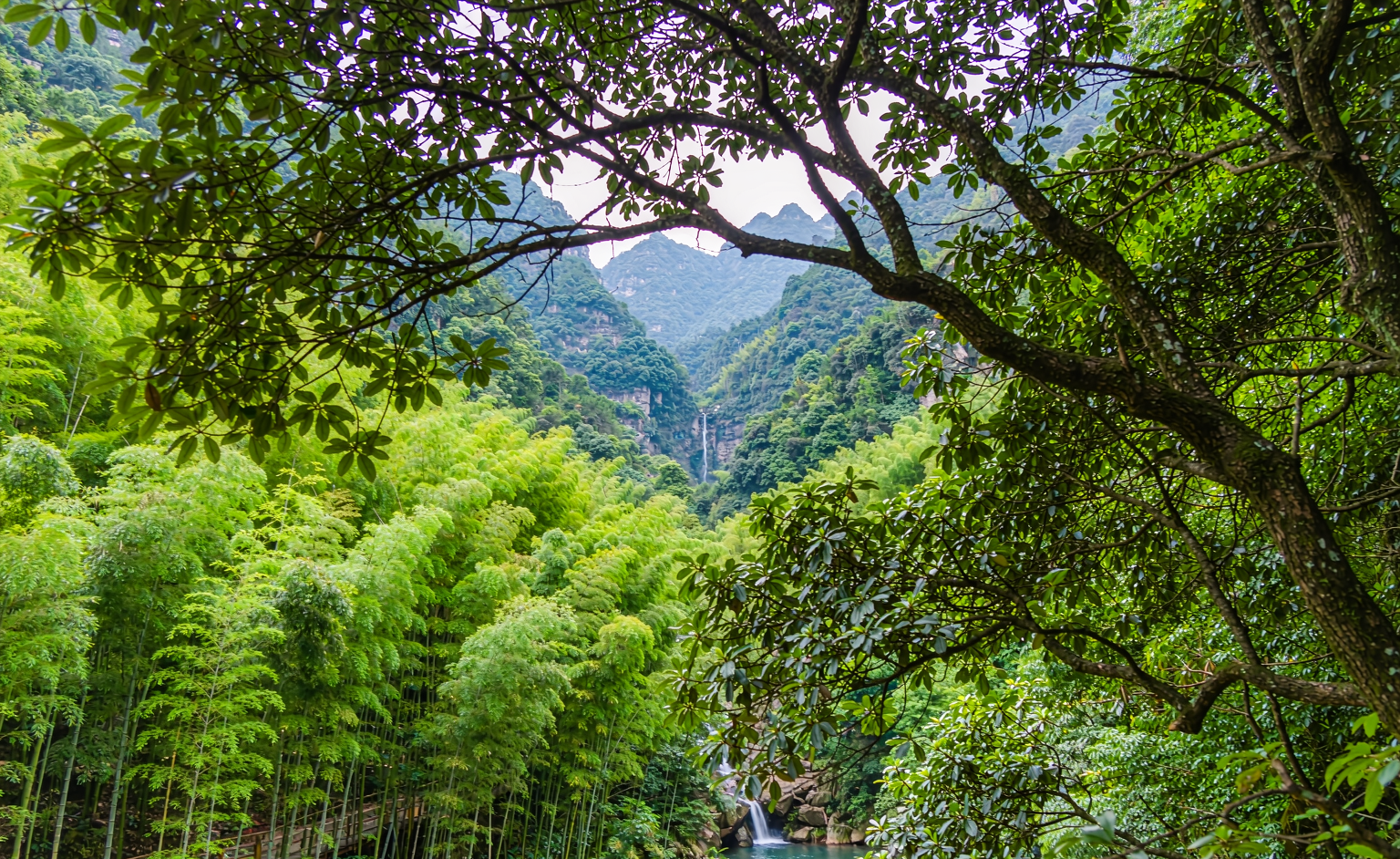
Luoyang Departure: Chongdugou Bamboo Valley and Jiguan Cave, 4 Days 3 Nights
Four slow days from Luoyang. In Chongdugou the two valleys are taken on separate days, one for waterfalls and one for bamboo, sleeping in a farmhouse inside the gorge; then Jiguan Cave, eighteen degrees all year round.
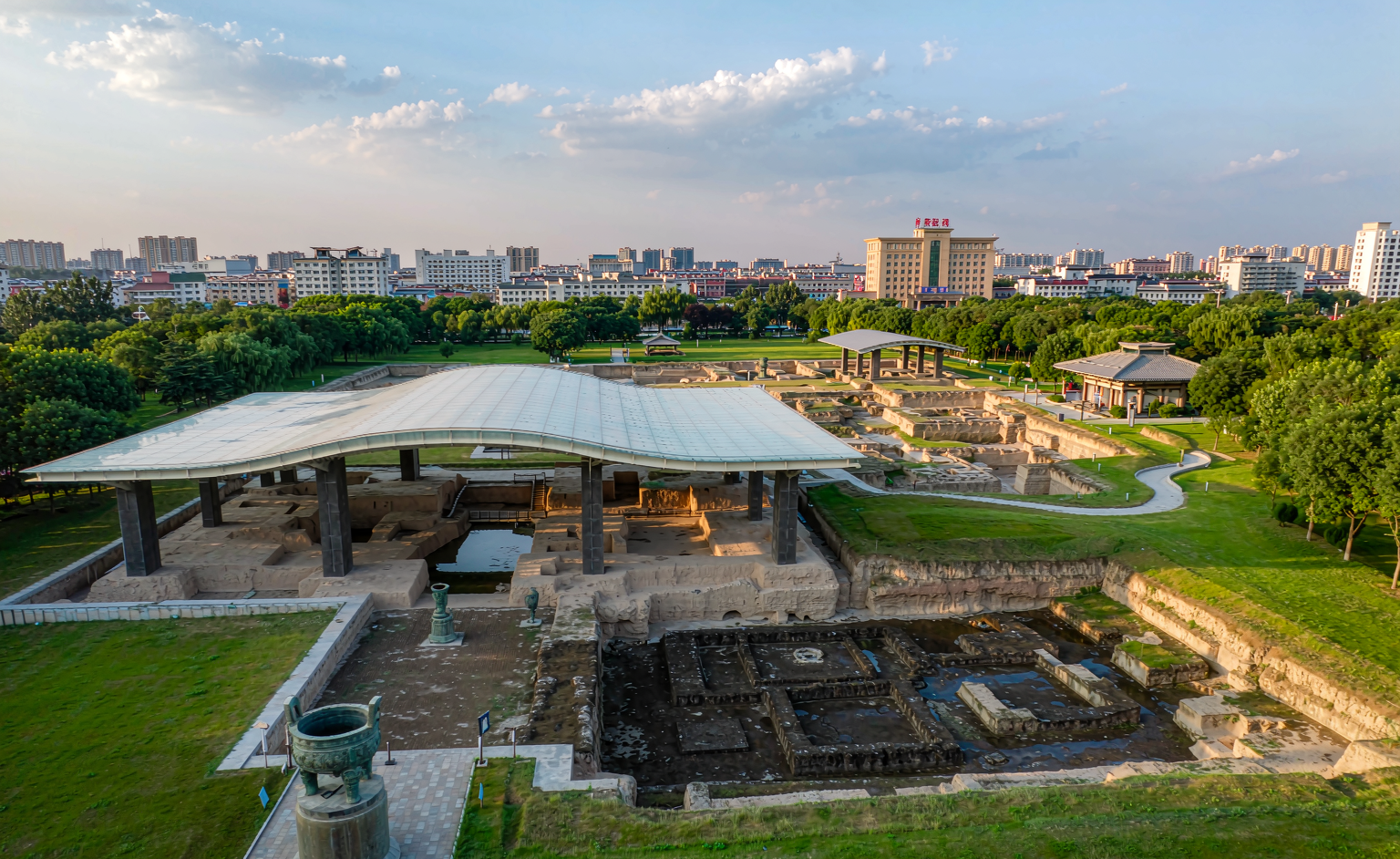
Luoyang Departure: Yin Ruins, Chinese Character Museum and Youli City, 3 Days 2 Nights
Three days from Luoyang into the Shang world: oracle bones scratched with questions, a museum that follows those marks into modern characters, and the earth platform where King Wen worked out the hexagrams.
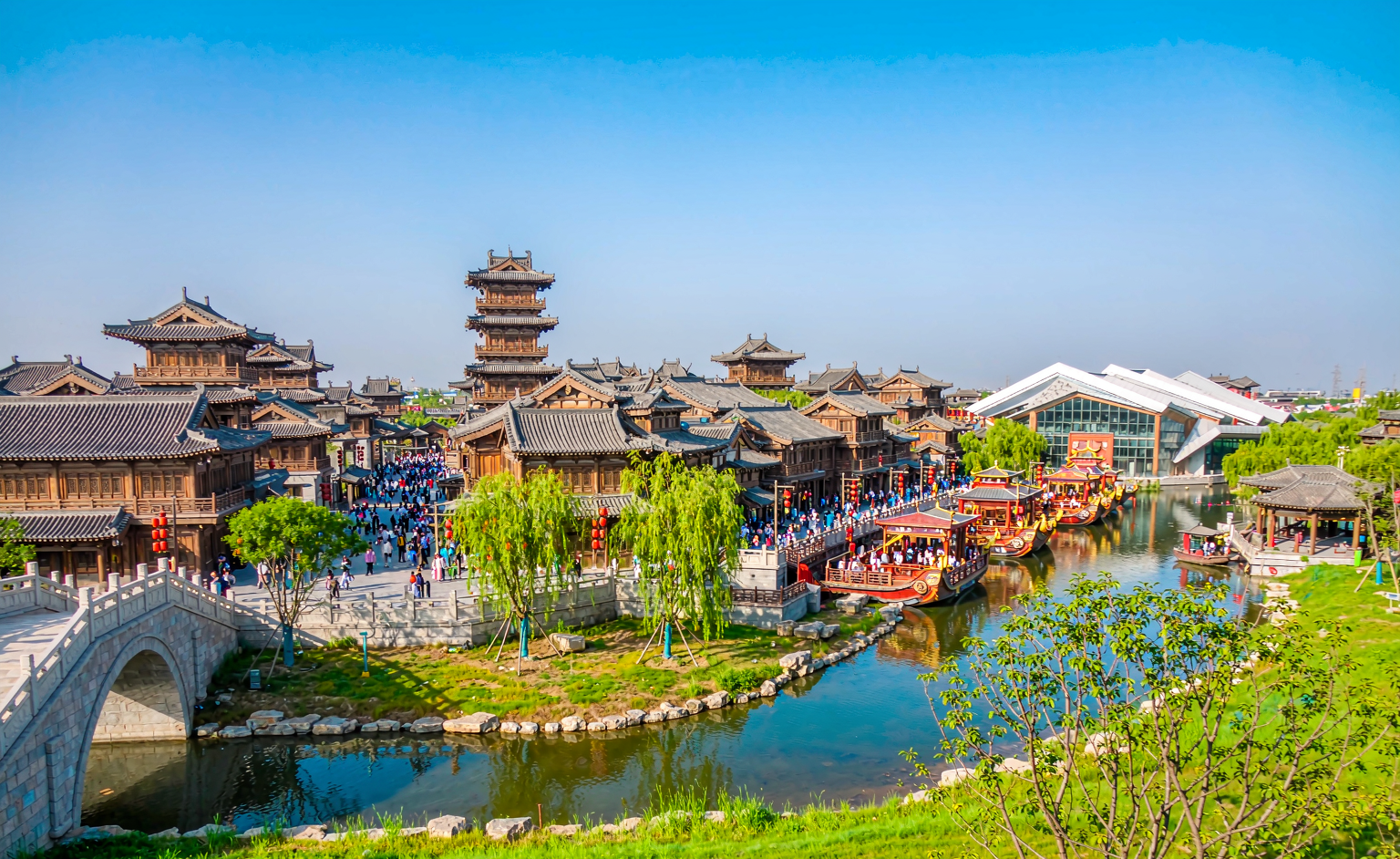
Luoyang Departure: Qingming Riverside Garden, Kaifeng Prefecture and Daxiangguo Temple, 4 Days 3 Nights
Four days from Luoyang to Kaifeng in chrysanthemum season. Days for the water streets and the Rainbow Bridge inside the garden, an evening for the lanterns, a morning for the drum at the old prefecture yamen.