
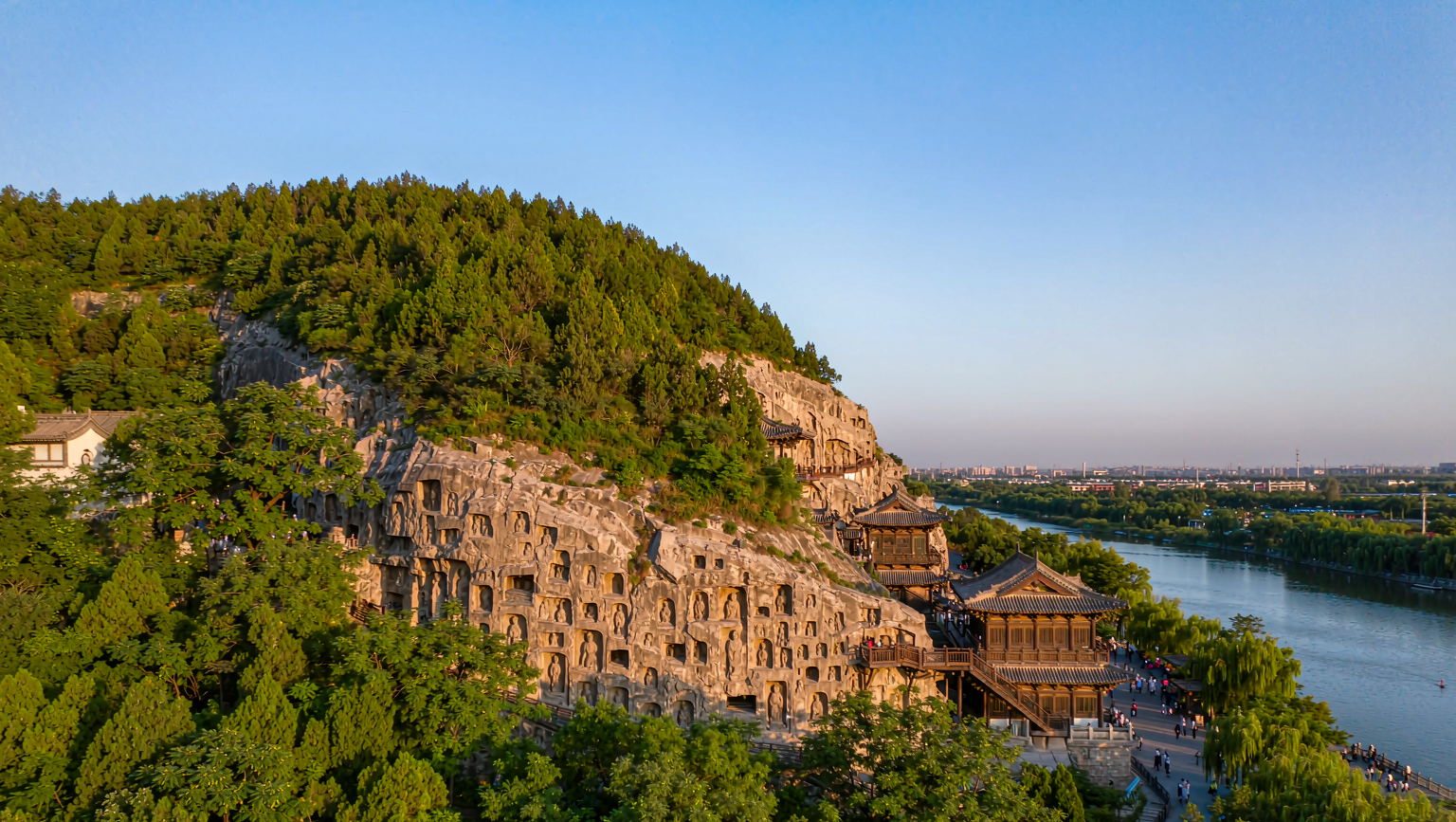
Luoyang Departure: Longmen Grottoes, White Horse Temple and Luoyang Museum, 3 Days 2 Nights
Three days in Luoyang itself. The Vairocana Buddha at Longmen stands seventeen metres high, and from the floor the ears alone are longer than a person. The White Horse Temple is the first state-founded monastery in China, and the museum on the last day ties the other two together.
Highlights
Day 1: Four sections of Longmen
In at eight. Start on the west bank at Qianxi Temple and work south past niche after niche to Fengxian Temple, where the Vairocana Buddha sits seventeen metres high; from the floor, the ears alone are longer than a person. The three Binyang caves are next door, and the figures still in the rough show how the carving was organised. Lunch by the Yi River. Cross the bridge in the afternoon for the east bank, where the west cliff reads as a single carved wall; the light comes in low and sideways and every niche shows. Finish at Xiangshan Temple and the Bai Garden.
Attraction introduction: The Longmen Grottoes run for about a kilometre along both banks of the Yi River south of Luoyang, with 2,345 surviving niches and more than 2,800 inscriptions. Fengxian Temple is the largest cave chapel cut in the Tang, and its Vairocana Buddha is the emblem of Longmen. Xiangshan Temple was first built in the Northern Wei, and Bai Juyi lived here in his last years; the Bai Garden holds his tomb.
Tips: The site is long and mostly unshaded, so a hat and water matter more than a lens. Guests generally find the west bank crowded before eleven and the east bank empty by comparison. In practice, cross to the east side first if you want the west cliff without people in the frame, then come back for the close work.
Day 2: White Horse Temple, the three national halls included
Morning at the White Horse Temple. Inside the gate are the tombs of Shemoteng and Zhu Falan, the two monks who brought Buddhism into China, which is where the story starts. Through the Hall of Heavenly Kings and the Mahavira Hall to the Cool Terrace, said to be where the sutras were translated. East of the compound stands the Qiyun Pagoda, thirteen storeys, built in the Jin. West is the Buddhist cultural area, with halls in Indian, Thai and Burmese styles: the Indian one round above and square below, the Thai one gilded. Lunch outside the temple on water banquet dishes, quick-boiled pork slices in broth and a radish cut to look like a peony. The afternoon is free in the old town, and Lijing Gate is an easy walk.
Attraction introduction: The White Horse Temple lies east of Luoyang and was founded in the eleventh year of the Yongping era of the Eastern Han, named for the white horse that carried the sutras from the western regions; it is regarded as the birthplace of Chinese Buddhism. The Qiyun Pagoda was built in the Dading era of the Jin and is among the oldest standing structures in Luoyang.
Tips: The three national halls sit inside the same ticket and are often skipped. Guests generally find the Indian hall, square below and round above, photographs best in the morning. In practice, allow three hours for the whole compound, more if you read the inscriptions.
Day 3: Luoyang Museum, then home
Morning at the Luoyang Museum. Begin with the Heluo civilisation gallery, which runs from the palaeolithic through to the Ming and Qing: Tang sancai, Han and Wei stone carving and a Cao Wei white jade cup are all on that floor. The treasures gallery upstairs needs finding, and the jade cup is worth the search, thin enough to see light through. Coming out, the two previous days join up: which dynasty cut the grottoes, which dynasty translated the sutras, and the sequence finally makes sense. Lunch, then the tour ends.
Attraction introduction: The Luoyang Museum on Naitai Road is a national first-class museum with a collection of about twenty thousand objects, strongest in bronze of the Xia, Shang and Zhou, Han and Wei stone carving, Tang sancai and ceramics of successive dynasties.
Tips: Entry is free but needs a booking on the museum account, and daily numbers are capped. Guests generally find the treasures gallery on the second floor west side is easy to walk past. In practice, two hours is the minimum, and the train home should not be booked too tight.
Related Tours

Luoyang Departure: Shaolin Temple and Sanhuangzhai Cliff Walk, 3 Days 2 Nights
Three days from Luoyang. One for the halls and the pagoda forest, one for the plank walk pinned to the cliff at Sanhuangzhai where the rock stands in shelves like books, one for the quiet hermitage above.
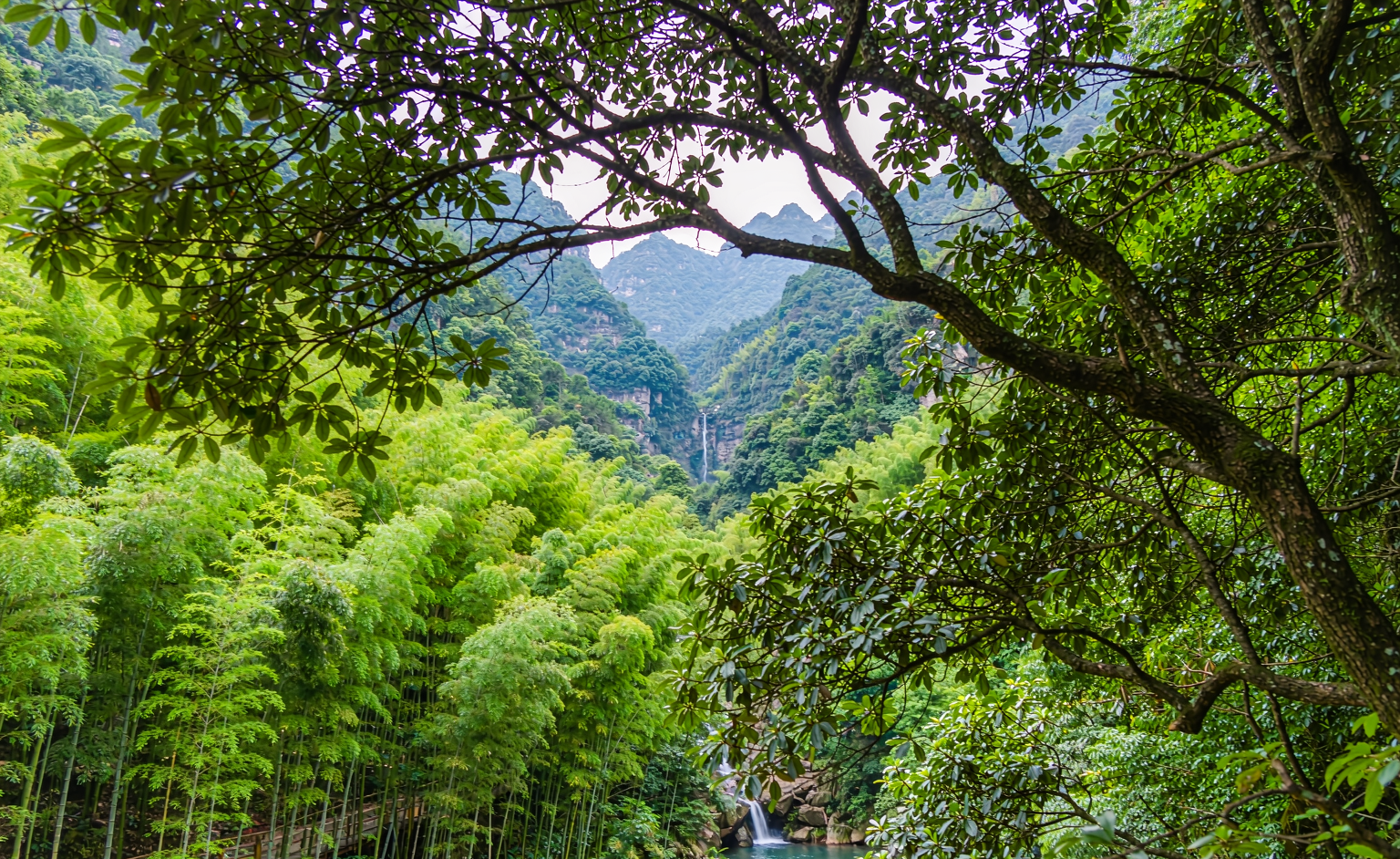
Luoyang Departure: Chongdugou Bamboo Valley and Jiguan Cave, 4 Days 3 Nights
Four slow days from Luoyang. In Chongdugou the two valleys are taken on separate days, one for waterfalls and one for bamboo, sleeping in a farmhouse inside the gorge; then Jiguan Cave, eighteen degrees all year round.
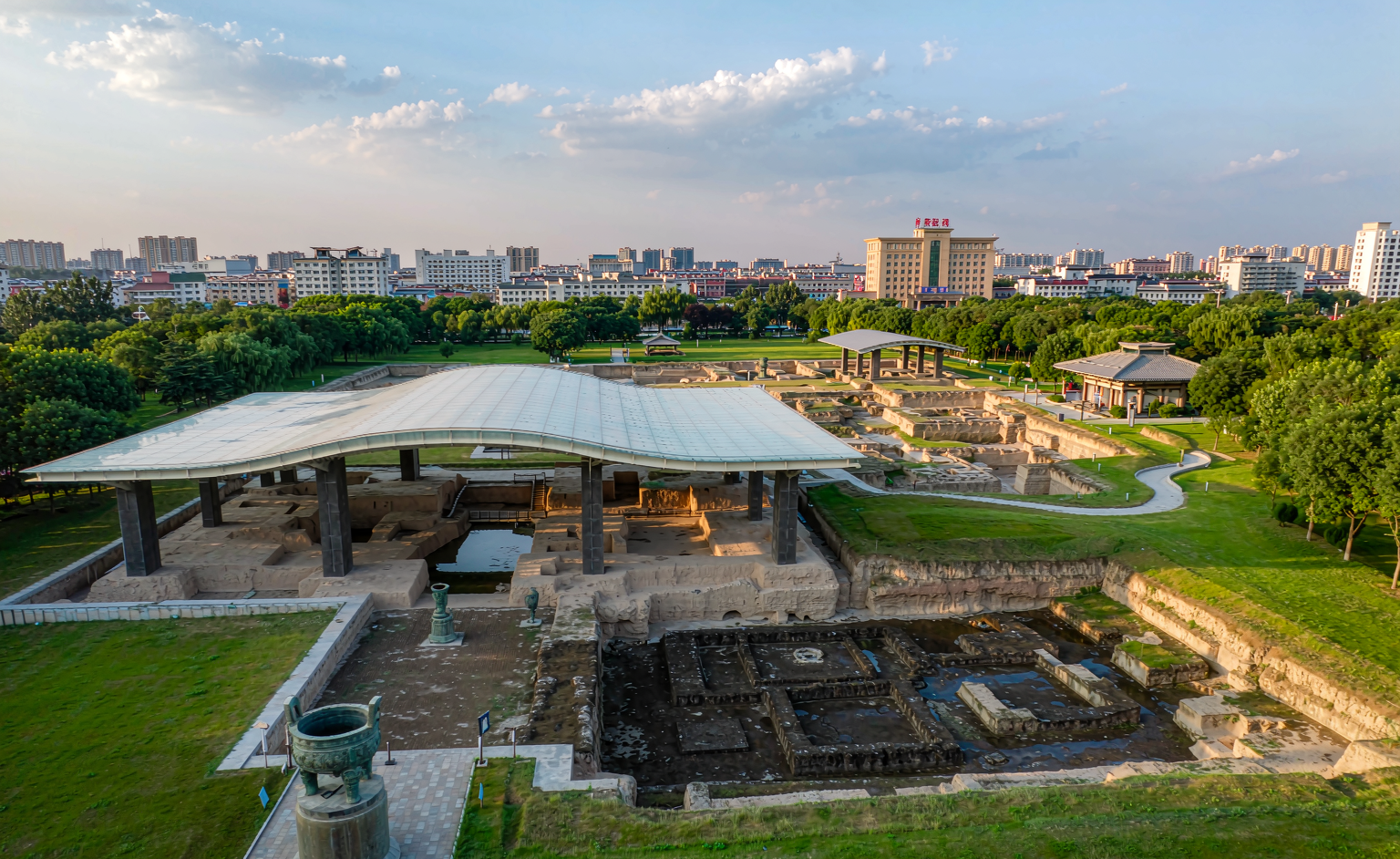
Luoyang Departure: Yin Ruins, Chinese Character Museum and Youli City, 3 Days 2 Nights
Three days from Luoyang into the Shang world: oracle bones scratched with questions, a museum that follows those marks into modern characters, and the earth platform where King Wen worked out the hexagrams.
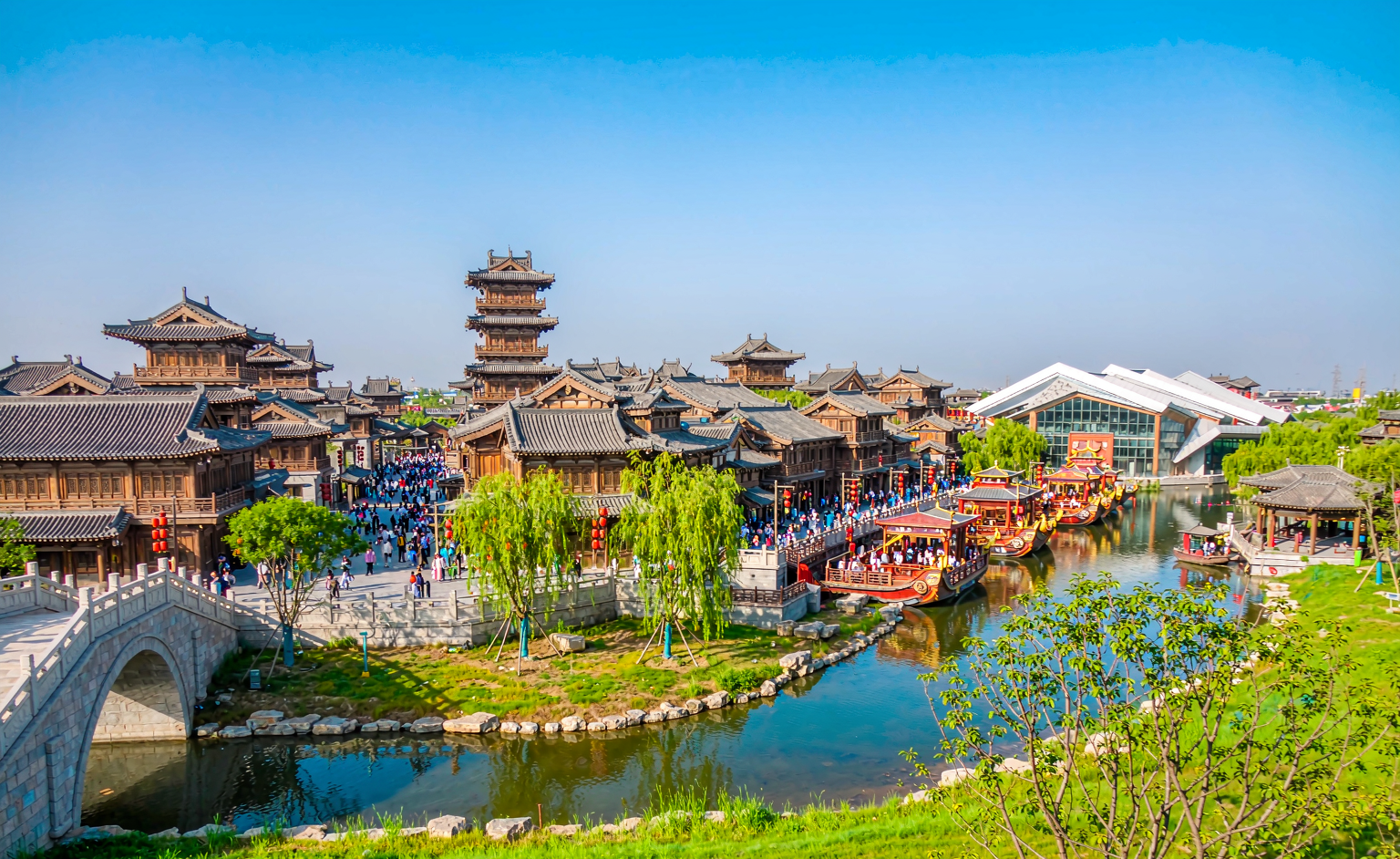
Luoyang Departure: Qingming Riverside Garden, Kaifeng Prefecture and Daxiangguo Temple, 4 Days 3 Nights
Four days from Luoyang to Kaifeng in chrysanthemum season. Days for the water streets and the Rainbow Bridge inside the garden, an evening for the lanterns, a morning for the drum at the old prefecture yamen.