
Luoyang Departure: Xijiang Miao Village, Zhenyuan and Libo, 5 Days 4 Nights
Five days from Luoyang. November is the quiet season in southeast Guizhou. Mist still hangs in the valley at dawn, the wooden houses of Xijiang stack roof over roof, the lanes of Zhenyuan are empty of tour groups, and the water at Libo stays green.
Highlights
Day 1: Land in Guiyang, reach Xijiang by late afternoon
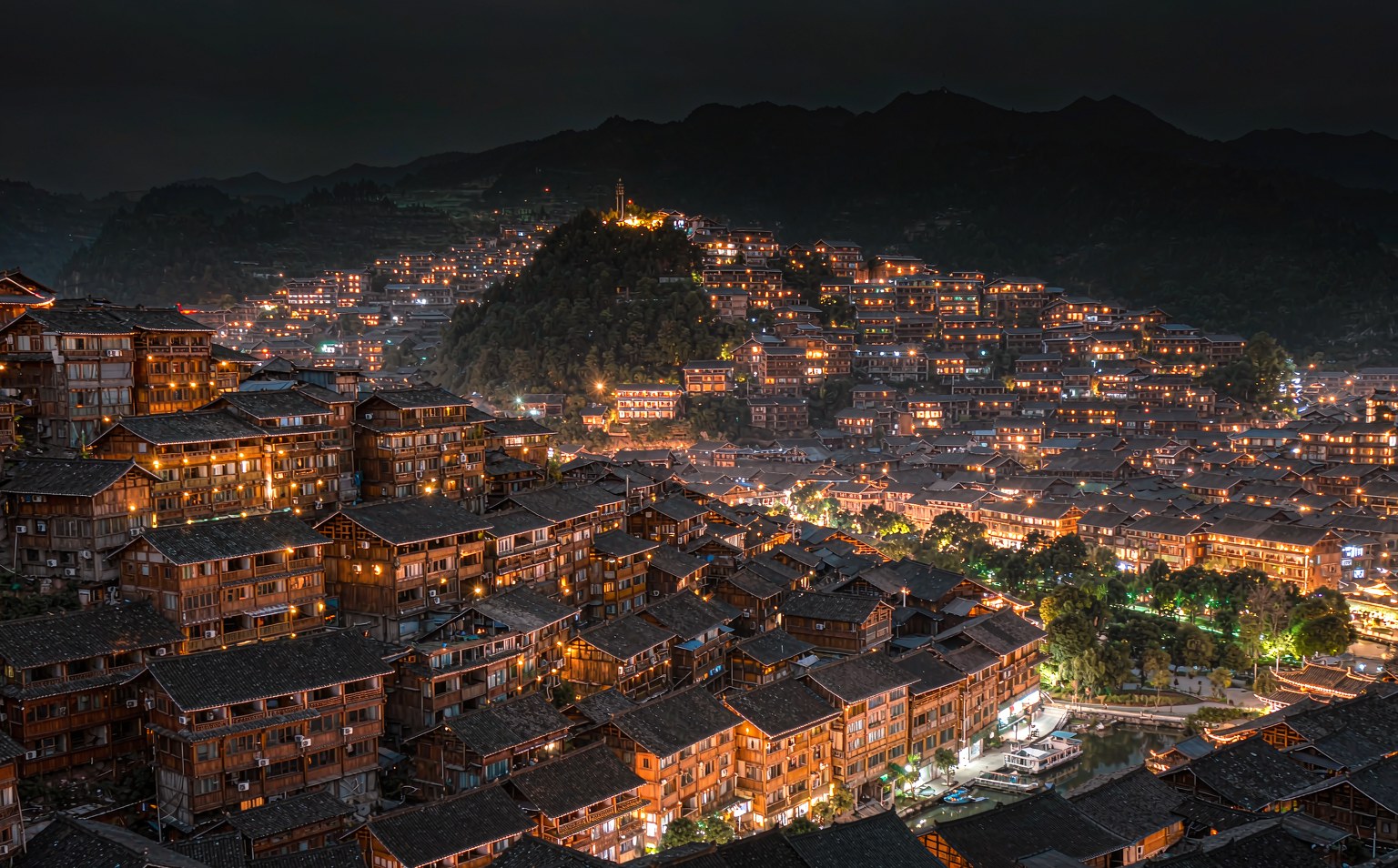
The plane puts down at Longdongbao and by the time the bags are out it is past noon. The road runs southeast, past Kaili, and the hills begin to stack up, slope after slope of fir and bamboo. You reach the village around four, drop bags at the guesthouse and walk down along the Baishui River. The timber posts of the wind and rain bridge are polished by feet, and old women sit on the rail embroidering. Near dusk a shuttle carries you to the viewpoint and you wait for dark. The lights come on house by house, from the foot of the hill to the ridge.
Attraction introduction: Xijiang Qianhu Miao Village sits in Leishan County, a cluster of more than a dozen hamlets where over a thousand Miao households are built along the northern slope of Leigong Mountain. The stilt houses usually have three levels: animals or firewood below, living rooms in the middle, grain stored under the roof.
Tips: The village shuttle runs in sections, and the stretch from the first bridge up to the viewpoint is worth riding rather than walking for half an hour. Guests generally find the lights are fullest between half past seven and eight, and that the wind at the viewpoint is sharp. In practice, seeing the lights on the arrival evening keeps the rest of the trip free.
Day 2: Morning in Xijiang, then on to Zhenyuan
At six the village is still asleep and mist rises from the valley floor, turning the half-built slopes grey. Climb the stone steps toward Yedong and meet a woman carrying turnips down in a bamboo basket. Back for breakfast at nine, then wander the old street and the Gage lanes. After lunch the bags go into the car and two hours north bring you to Zhenyuan, where the room faces the river. Before dark you climb Shiping Hill and look down at the Wuyang River bending through the town in a long S.
Attraction introduction: Zhenyuan sits astride the Wuyang River, which divides the town into two halves and curves like a taiji symbol. It was a river-and-road relay station on the route from Hunan into Guizhou, and wharves, guild halls and ancestral temples line the water. The Qinglong Cave complex is pinned to the cliff of Zhonghe Mountain.
Tips: The climb up Shiping Hill is a stretch of stone steps, about an hour round trip, and there are no lamps coming down, so bring a torch. Guests generally find Zhenyuan is better after dark, when the riverside lamps double themselves in the water. In practice, booking a room on the river saves a taxi each evening.
Day 3: Lanes of Zhenyuan, south to Libo
An early walk through the old town before the visitors appear. The Sifang Well lane is so narrow two people have to turn sideways, and someone is washing vegetables at the well head. Half an hour in Qinglong Cave, where half the timber pavilions hang free and rest on posts wedged into cracks in the rock. At half past ten the road turns south, crosses Rongjiang on the expressway, and four hours later you are in Libo. Dinner is sour soup fish, the broth fermented from tomato, scattered with litsea seeds.
Attraction introduction: The Qinglong Cave complex dates from the Ming dynasty. Its thirty-odd structures, including Zhusheng Bridge and Wanshou Palace, are built against the cliff, the highest more than sixty metres above the river. Libo sits in Qiannan Prefecture where the Zhangjiang River runs through the county town.
Tips: This is the longest drive of the trip, with two service-area stops, so do not push straight through. Guests generally find the sour soup fish in the county town is better value than at the gate of the scenic area. In practice, an early night pays off, because tomorrow involves real walking.
Day 4: A full day at Xiaoqikong, in and out by the east gate
At the east gate by eight, before the crowd. A shuttle takes you to Wolong Pool at the far end, where the water is a blue-green and the reflections do not move. Then walk back stage by stage: Cugu waterfall drops over several ledges, Laya waterfall stands right beside the path and sprays your face as you pass. The water forest is the best stretch, trees growing on stones that sit in the river, and you cross on stepping blocks with a hand on the rail. Finish at the seven-arch bridge.
Attraction introduction: The Xiaoqikong scenic area runs for over ten kilometres along the Xiangshui River and takes its name from a seven-arch stone bridge built in the Daoguang period of the Qing dynasty. Wolong Pool, Yuanyang Lake, Cugu, the water forest and Laya waterfall follow the valley in order.
Tips: The shuttle is boarded in sections and the ticket has to be kept, not stuffed away. Guests generally find entering from the east gate is easier because the route runs downhill, and that the water forest closes when the river is high. In practice, grippy shoes help more than an umbrella.
Day 5: Back to Guiyang, chilli powder on the way
A slow start, then the road back to Guiyang, three and a half hours. At a service area you buy two jars of fermented chilli, and the vendor says it came out of her own crock. Lunch in the city is sisijia, a dozen vegetables rolled into a thin wrapper and dipped. If the flight is late there is time for the foot of Qianling Hill; if not, straight to the airport.
Attraction introduction: Guiyang takes its name from its position south of Gui Mountain, with Qianling Hill and Dongshan closing in on the city at around 1,100 metres. The climate has no severe heat in summer and no hard frost in winter, and it rains on close to half the days of the year.
Tips: The expressway from Libo jams on public holidays, so leave four hours of margin before a flight. Guests generally find snacks around Erqi Road and Qingyun Market cost half what the airport charges. In practice, buy local produce in the city rather than at departures.
Related Tours
Luoyang Departure: Shanghai Disneyland, the Bund and Zhujiajiao, 5 Days 4 Nights
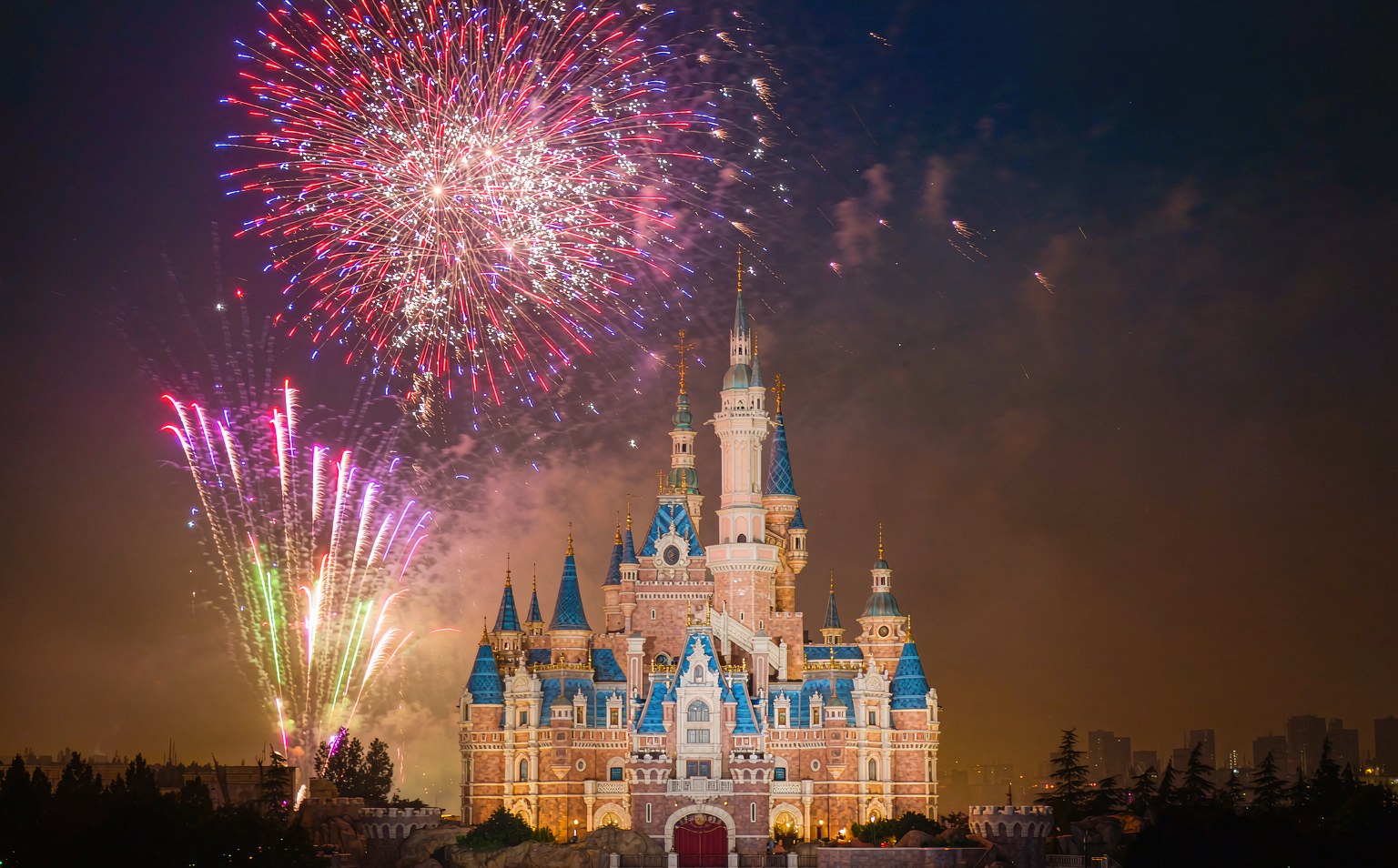
Five days from Luoyang. November is the quiet season at the park and queues for the big rides are half as long, so a two-day ticket covers everything. The Bund lights up at six, and at dawn nobody is on the Zhujiajiao bridge but the boats.
Luoyang Departure: Shangri-La and Meili Snow Mountain, 5 Days 4 Nights
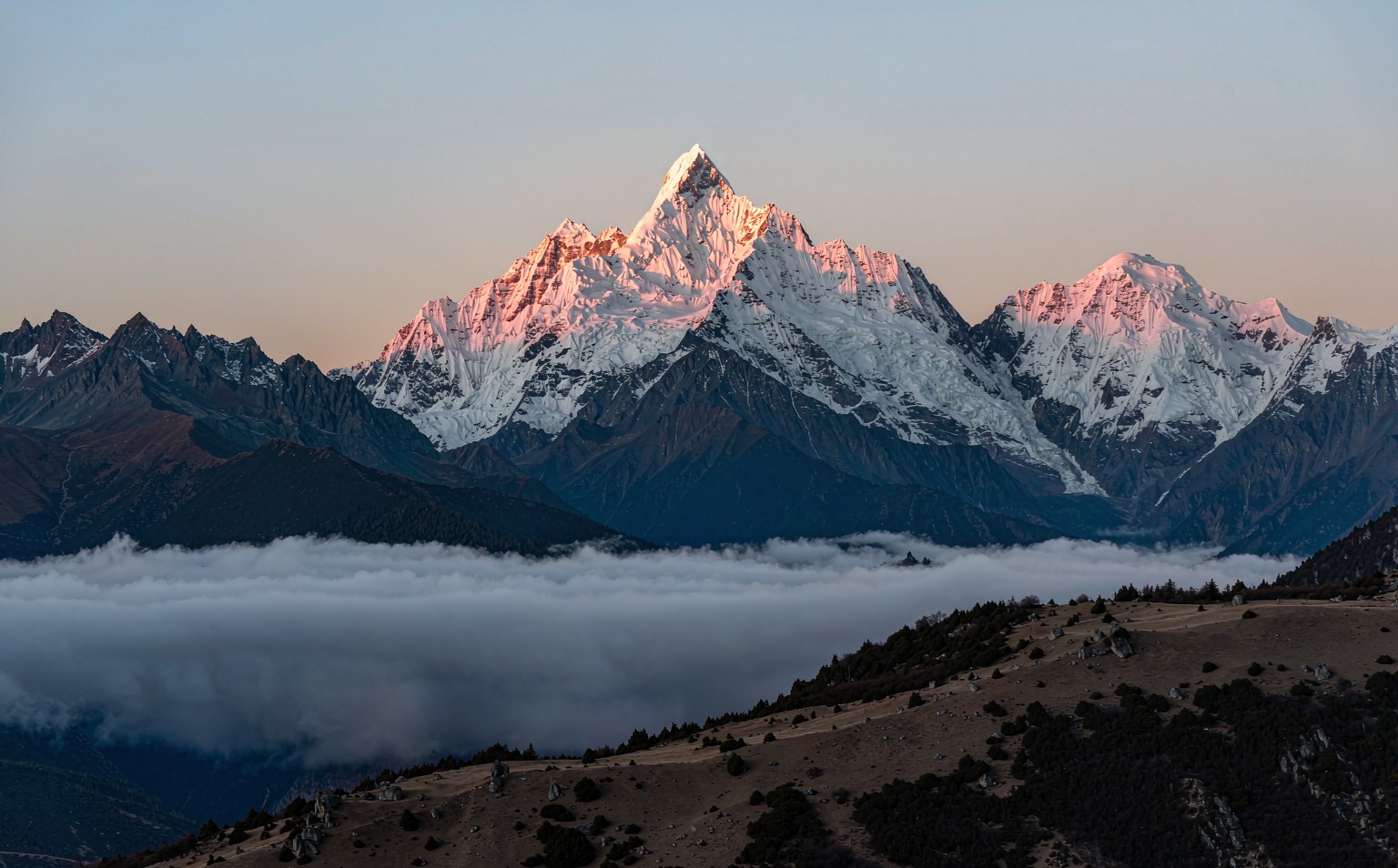
Five days from Luoyang. November is the dry season in northwest Yunnan. Just before sunrise the summit of Kawagarbo turns red, then gold, then white. The meadows at Pudacuo have gone yellow, the lake stays clear, and the great prayer wheel needs ten people to turn.
Luoyang Departure: Sanqingshan, Wangxiangu and Huangling, 4 Days 3 Nights
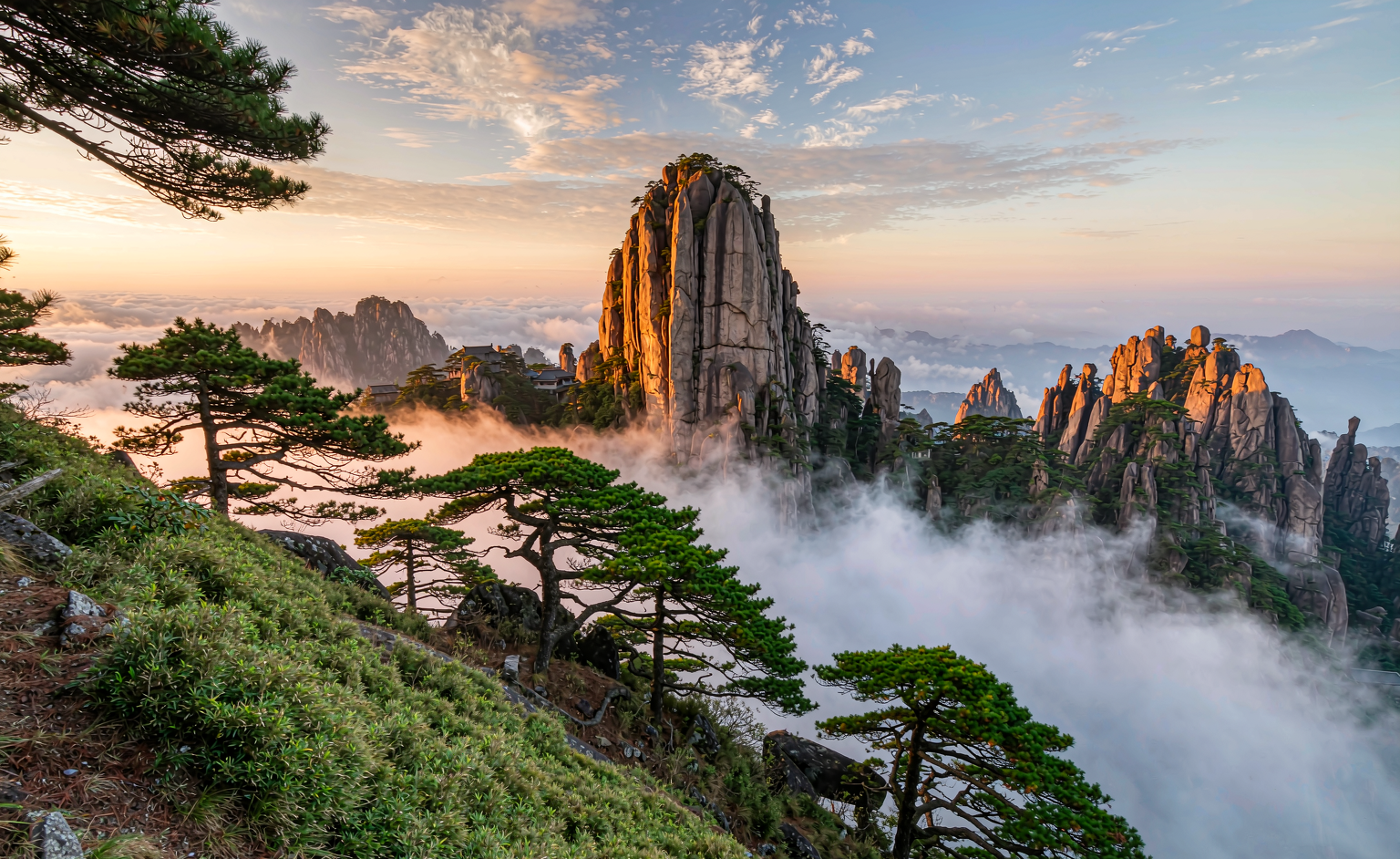
Four days from Luoyang. In November every household in Huangling is still drying chillies and chrysanthemums on bamboo trays across the roofs, the granite pillars of Sanqingshan push up through cloud, and Wangxiangu lights up at half past six, the whole slope at once.
Luoyang Departure: Fenghuang, Furong Town and Aizhai Bridge, 4 Days 3 Nights
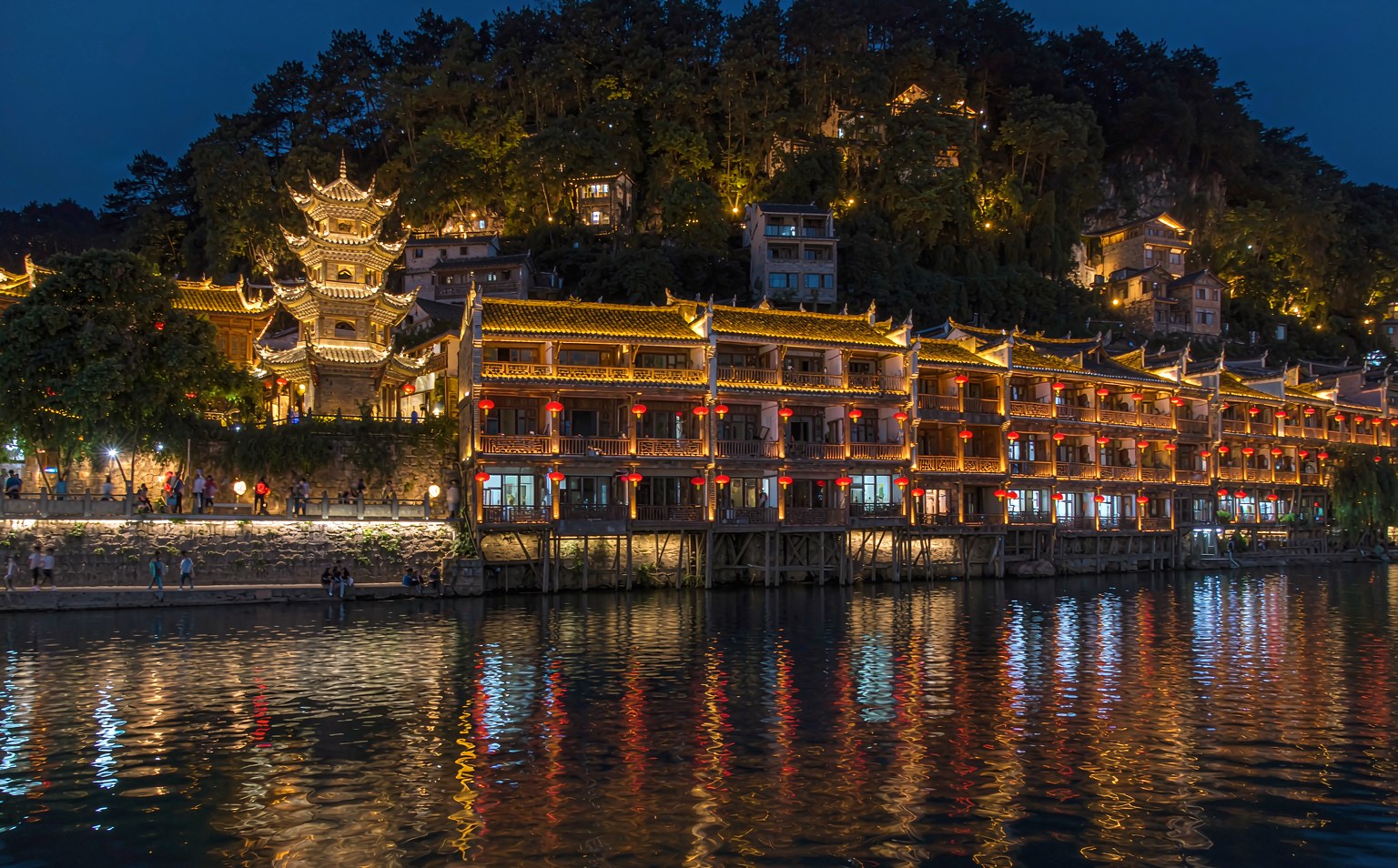
Four days from Luoyang. The mist on the Tuo River lifts only after seven, stilt houses stand in the water with a boat sliding past, the Furong waterfall drops through the middle of the town and is lit at night, and Aizhai bridge hangs over the gorge with cloud moving below it.