
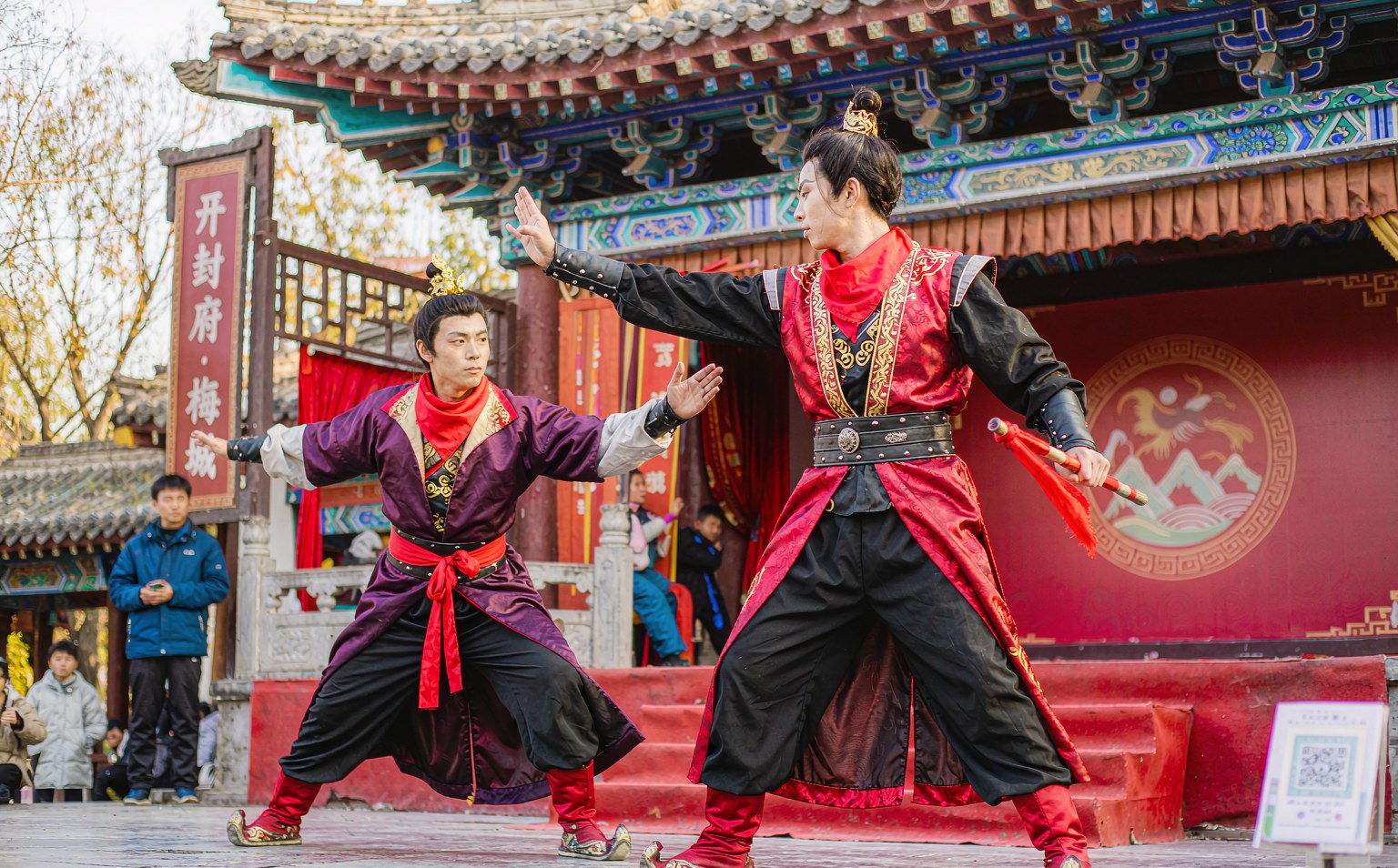
Luoyang 4-Day Tour: Wudang Mountain
In November the lower slopes still hold autumn colour while frost reaches the golden summit.
Highlights
Day 1: Rail to Shiyan, then the Yuxu Palace ruins
Leave Luoyang Longmen in the morning, change at Zhengzhou East and reach Wudang just after noon. Bags go to the hotel below the gate and the afternoon stays off the mountain, starting at Yuxu Palace. This was the first site begun when the Ming court built up Wudang, and what remains is wall, hall foundations and stretches of stone processional way with grass in the joints, more convincing than a rebuilt complex. Eat sanhetang soup with a griddle cake on the street outside the gate.
Attraction introduction: Yuxu Palace stands on the northern slope of Wudang, begun in 1412 as the principal works of the Ming campaign and the largest of the mountain complexes before fire destroyed it. The perimeter wall, the Longhu Hall and the Fumu Hall survive, along with stele pavilions along the approach.
Tips: The ruins are open ground with uneven paving, so watch your feet. Guests generally find it quiet and calmer than the halls uphill, which suits a first day. In practice the summit waits for tomorrow morning and tonight ends at the gate.
Day 2: Cable car up, walk down to Nanyan
Enter at half past seven, take the shuttle to Qiongtai and switch to the cable car. As it climbs the forest turns from broadleaf to conifer and stone peaks begin to stand up in layers. Steps continue from the upper station to the Taihe Palace gate, where the bronze hall sits in a small court, its surface polished by hands and the railings tied with red cloth. Start down at half past ten through Chaotian Palace and the Three Gates to Nanyan, all stone steps, harder on the knees going down than up.
Attraction introduction: The golden summit crowns Tianzhu Peak at 1,612 metres. The hall of Taihe is a gilded bronze structure cast in Beijing, carried up in pieces and assembled on site, and it still stands where it was placed centuries ago. Nanyan Palace above Zixiao dates from the Yuan and follows the cliff line, its best known feature a carved dragon head projecting over the drop where pilgrims once burned incense.
Tips: The descending steps stay wet, and a walking pole helps more than a camera. Guests generally find the summit crowded after nine and photographs need waiting. In practice we take the first cable car up and walk down toward Nanyan, which folds both routes into one day.
Day 3: Morning chanting at Zixiao, then Taizipo and the lake
Reach Zixiao Palace at eight. The terrace in front faces several peaks and the mist lifts slowly, cloud climbing out of the valleys. Chanting is under way inside, wooden fish and voices together, so stand outside and listen before going in. At half past ten move to Taizipo, where the Nine Bends Wall is the draw: a red wall following the slope through nine turns, so that walking inside it you never see the end. Down the mountain by two and out to Taiji Lake, wide and lined with young trees.
Attraction introduction: Zixiao Palace sits below Zhanqi Peak, built by imperial order in the Yongle reign and the best preserved complex on the mountain, its axis running through the Longhu Hall, the Shifang Hall, the main hall and the Fumu Hall, with bronze figures and ritual vessels inside. Taizipo was originally Fuzhen Abbey, named for the tradition that the young Zhenwu studied here, and the Nine Bends Wall is a blind wall built to the contour.
Tips: These are working religious buildings, so step over and not on the threshold and keep your voice down. Guests generally find the morning chanting worth hearing from outside rather than crowding in. In practice Taizipo has many steps, so we allow forty minutes and skip whatever does not fit.
Day 4: A morning by the lake, home in the afternoon
Nothing scheduled. Walk a stretch of the Taiji Lake shore, where the path is level and runners and cyclists are out, mist sitting on the water with the far ridge reduced to an outline. Breakfast at the hotel, pack, check out at half past ten. Eat Danjiangkou fish in town at noon, steamed whitefish that flakes into cloves. The one o clock train goes back through Zhengzhou East and reaches Luoyang before dinner.
Attraction introduction: Taiji Lake is the sheet of water the Danjiangkou reservoir forms below Wudang, part of the source area for the south-to-north water diversion. The reservoir was begun in 1958 on the Han River, its shoreline folded and its water quality held at class two or better, and whitefish and yellowcheek from it are staples of local tables.
Tips: The lakeshore is windier than town and November calls for a jacket. Guests generally find the morning mist thickest before ten. In practice departure is set for one, leaving time for breakfast and packing.
Related Tours
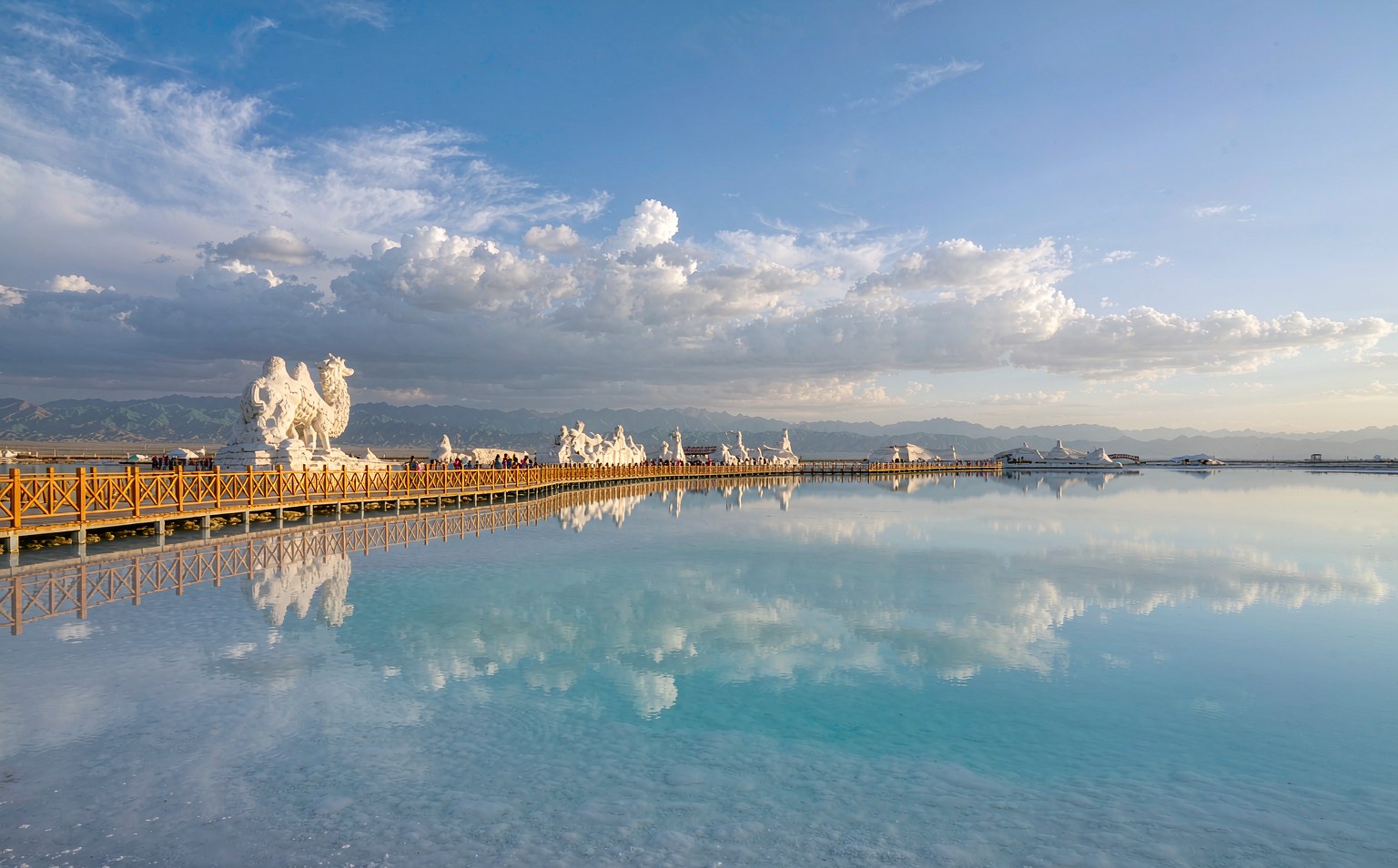
Chaka Salt Lake, Qinghai Lake and Kumbum in Five Days from Luoyang
From the first of November Chaka Salt Lake waives its entry ticket until the end of February, scanned in on an ID card. Five days linking the salt flats, Qinghai Lake and Kumbum, with winter emptiness and salt crystals on the shore.
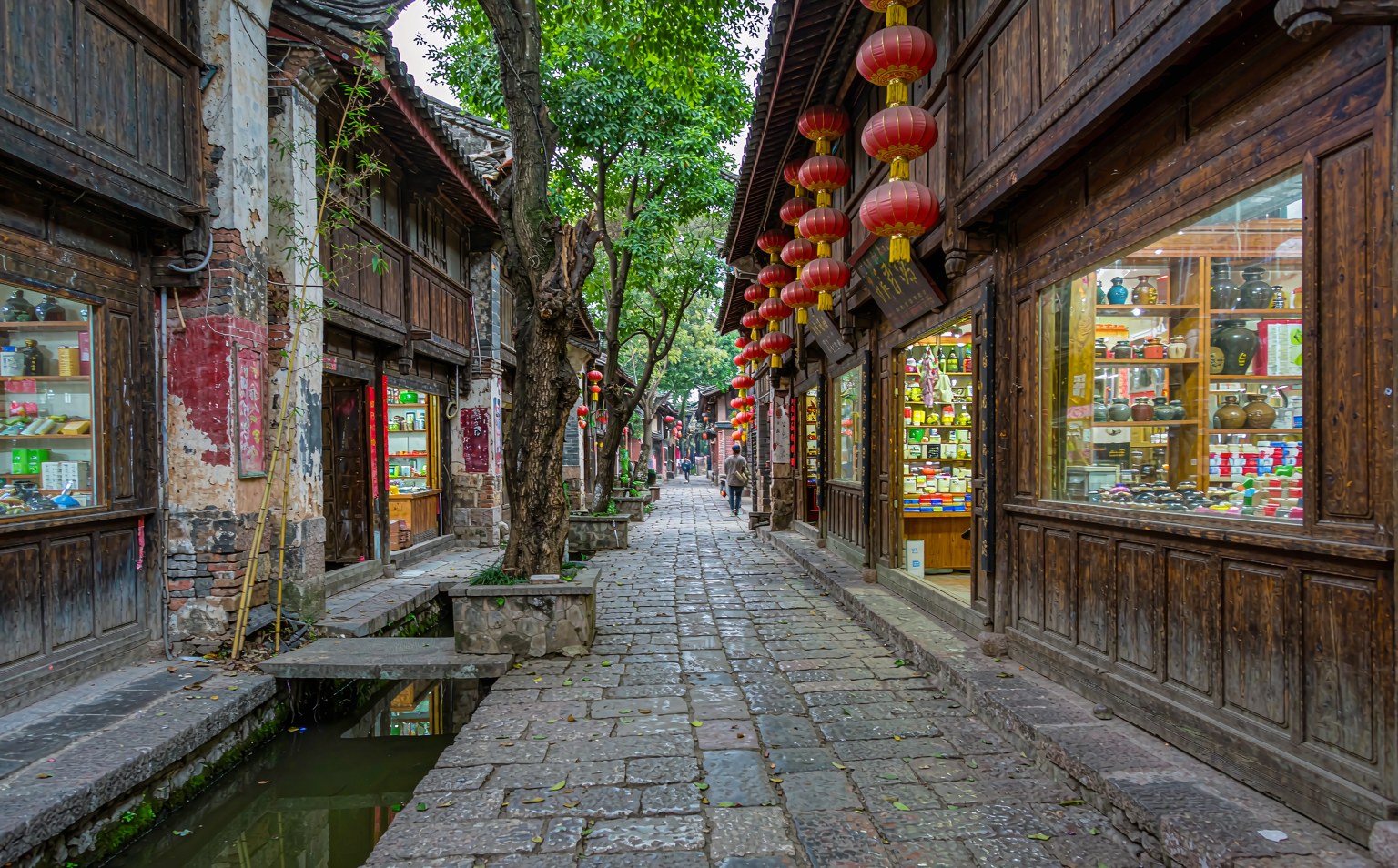
Lijiang Old Town, Jade Dragon Snow Mountain and Blue Moon Valley, Four Days from Luoyang
November brings clear skies to Lijiang and pulls the snowline down the mountain, so the peak shows above the old town roofs. Four unhurried days taking in the glacier, the blue-green river terraces and the lanes, gaining height a step at a time.
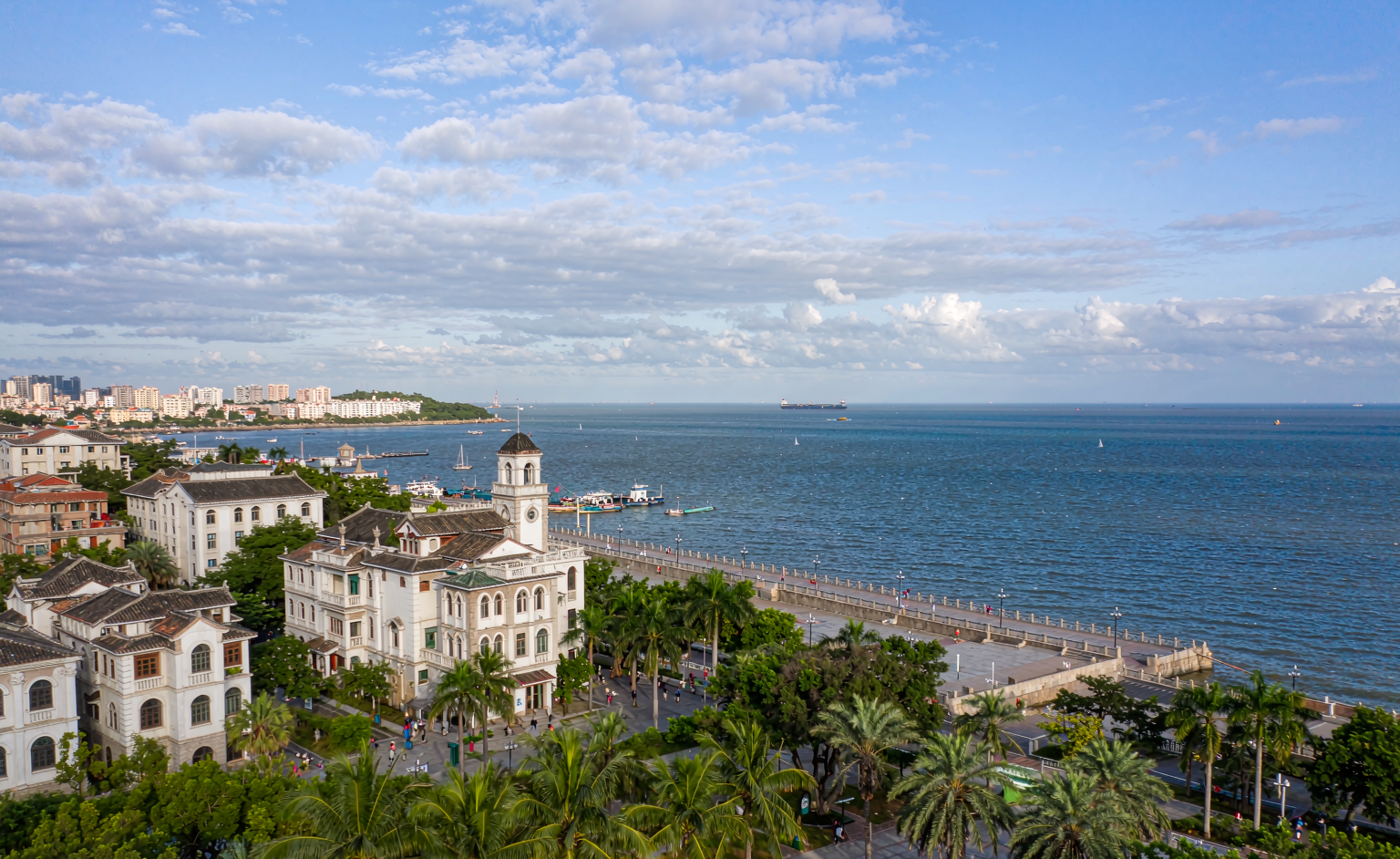
Xiamen, Gulangyu and Jimei in Five Days from Luoyang
In November Xiamen holds a mild twenty-odd degrees and the sea wind stays warm. Five days linking the old villas of Gulangyu, the boardwalk along the island road and the red-brick arcades of Jimei, with plenty of walking but nothing steep.
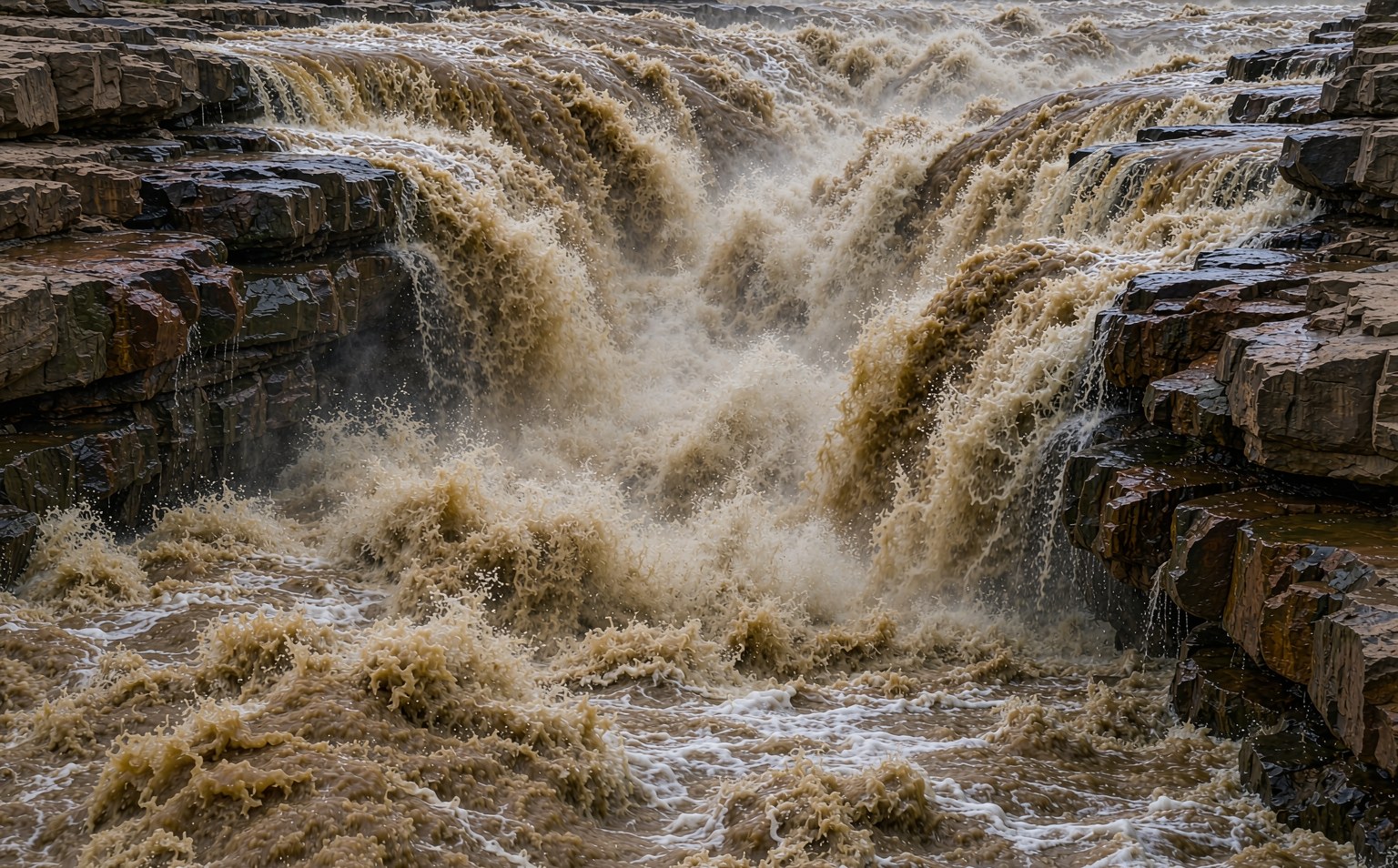
Hukou Falls, Qiankun Bend and Yan'an in Five Days from Luoyang
By November the Yellow River has dropped a notch, and the spray at Hukou comes closer instead of hanging in a cloud. Five days from Jixian up to Yanchuan for two different bends of the same river, then into the cave courtyards of Yan'an.