
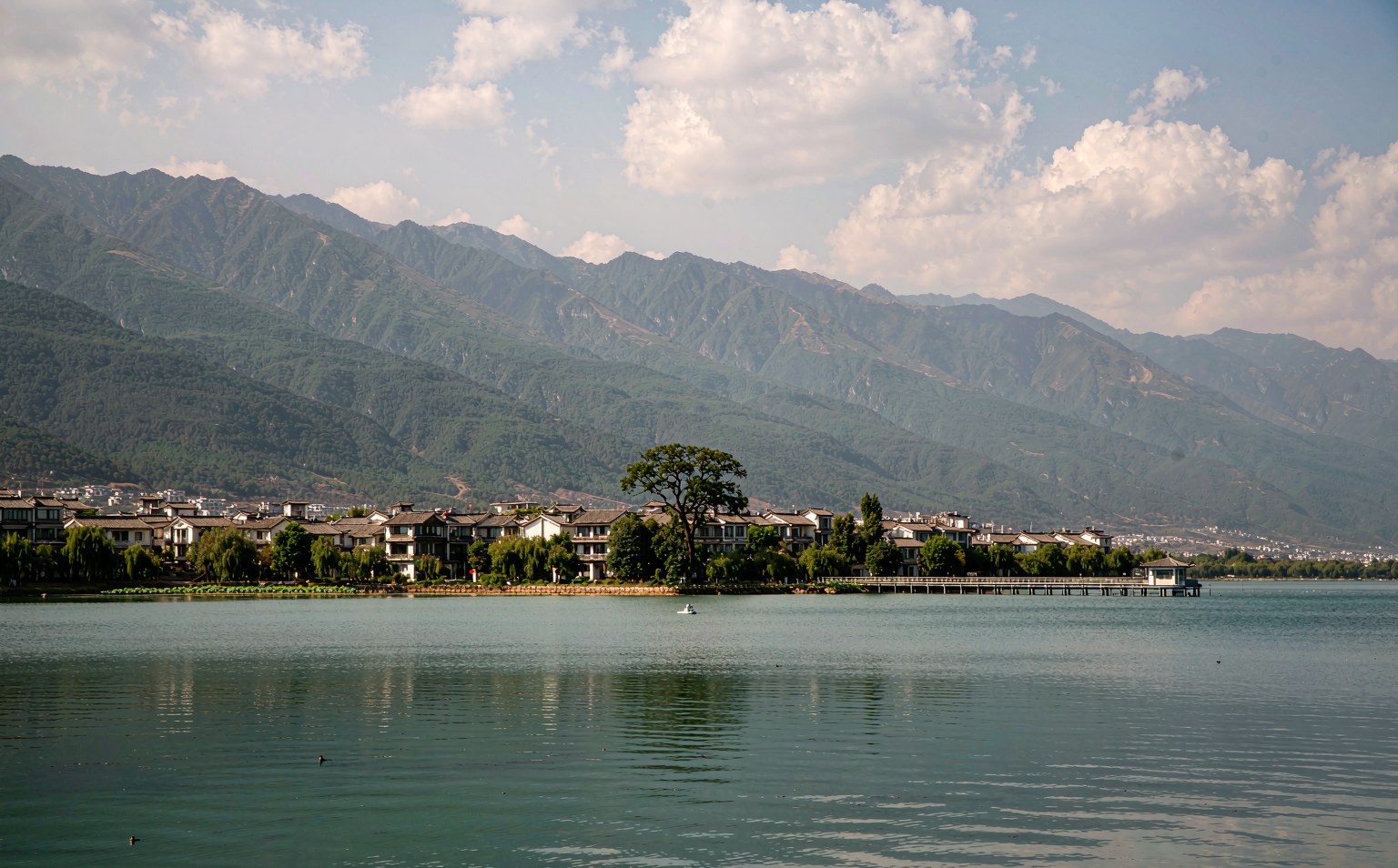
Luoyang 5-Day Tour: Dali & Erhai Lake
Cangshan has its first snow line in November while Erhai is still warm.
Highlights
Day 1: Land in Dali and learn the old town
Take the morning train from Luoyang Longmen to Zhengzhou East, switch to the airport shuttle and fly to Kunming in the afternoon, then change to a train for Dali. Two hours later you are outside the station, the air is cool and the sun still hangs above the pass. Drop the bags at a guesthouse inside the south gate and walk north along Fuxing Road, where the lights on Wuhua Tower are already on. Renmin Road is lined with stalls selling hand drums, woodblock prints and grilled milk fan; the far end is the old Foreigner Street, too crowded to move, while the side lanes stay quiet.
Attraction introduction: Dali old town sits on the plain between Cangshan and Erhai, walled in the Ming Hongwu years with four gates and towers; the south tower standing today is a later rebuild. Streets follow a grid, Fuxing Road being the main axis. Bai houses follow the three-wing-and-one-screen-wall plan, with the screen wall facing the main hall to block the wind coming down the mountain.
Tips: The first day is mostly transport, so keep the evening free. Guests generally find the old town busier at night than by day and the stalls open until eleven. In practice we book inside the south gate, five minutes back from the main street after the walk.
Day 2: A bike stretch on the west shore and a bun in Xizhou
Leave at half past eight for Caicun. The corridor entrance sits at the edge of the village; rent a bicycle and ride north with the lake on your left and fields on the right, no cars on this lane, so the riding is steady. Panxi is about ninety minutes away, with two stops on the way, one for water birds and one under a tree. Turn inland to Xizhou at noon, where a shop off the main square bakes flaky buns, one sweet and one savoury, best eaten hot with crumbs falling. In the afternoon go out to Haishi, a spit pushing into the lake with water on both sides and the reflection of Cangshan at the tip.
Attraction introduction: The Erhai corridor runs along the west shore from Xiaguan to Xizhou, over a hundred kilometres of path shared by walkers and cyclists with motor traffic kept out. Xizhou is an old Bai market town, its square the historic trading ground, and the Yan family courtyard nearby is the best preserved, three connected yards with late Qing lattice doors.
Tips: There is no shade on the corridor, so bring a hat and water. Guests generally find the midday sun stronger than expected and the arms red within half an hour. In practice the ride goes in the morning, with lunch and shade in Xizhou at noon.
Day 3: Across to Shuanglang for the sun behind Cangshan
Leave Xizhou in the morning and drive round the north end to the east shore, reaching Shuanglang in a little over an hour. The town is built against the water, lanes narrow, many courtyards opening straight onto the lake. Drop the bags and walk to Yuji Island, where a small temple platform shows the whole curve of the eastern shore. Nothing is planned for the afternoon: find a waterside yard and sit, watching boats come and go. Toward six walk south in the direction of Wase as the sun drops behind Cangshan, the lake going dark first and the ridge holding its light, an order you only see from this side.
Attraction introduction: Shuanglang occupies a peninsula on the east shore in Shuanglang township, its villages split between Dajianpang and Yuji Island. Erhai is a down-faulted lake over forty kilometres from north to south; the eastern hills are steep, so villages cling to the narrow strip at the water. Xiaoputuo is a tiny temple on a reef in the lake, and black-headed gulls gather here after the cold sets in.
Tips: The lanes are too narrow for cars, so pack a backpack rather than a suitcase. Guests generally find waterside yards quiet at night but woken by fishing boats at dawn. In practice we book the south end of town, ten minutes from the main street.
Day 4: The Three Pagodas early, then a stream on Cangshan
Reach the Three Pagodas at half past seven as the gate opens, before the tour groups. Inside, go first to the reflection pool: on still water the three towers line up, and few people are there yet. Climb to Chongsheng Temple, each hall higher than the last, the main hall at the top reached by a flight of steps. Out by half past ten and on to the Gantong cableway, a ride of some ten minutes over pine forest and tea terraces. From the upper station walk the Qingbi stream, its water coming off the snow line, the boulders scoured pale, and twenty minutes on reach Jizhao Nunnery, its yard full of succulents.
Attraction introduction: Qianxun Pagoda is square, sixteen storeys of close-set eaves, built in the Nanzhao period of the Tang; the two smaller octagonal pagodas of ten storeys came later, and the three stand in a triangle. Cangshan has nineteen peaks, and the Gantong cableway faces Shengying Peak, with the Qingbi stream cutting a gorge below it.
Tips: There is a climb inside the pagoda park and the shuttle is twenty yuan one way, worth it for anyone with bad knees. Guests generally find the reflection pool needs dead calm and breaks up with the first breeze. In practice we enter in the first hour, when the light is low and the water still.
Day 5: Morning market, then the journey home
Nothing rushed today. Sleep in, then walk the market outside the north gate, where milk fan hangs from bamboo poles in translucent sheets; buy two packets wrapped in oil paper, or eat it straight from the pan with sugar. There are plum preserves too, sour-sweet and easy to suck on the road. Check out at eleven and head for the station, with one last look at the water along the southern shore. The afternoon train runs to Kunming for the evening flight to Zhengzhou.
Attraction introduction: Milk fan is a Bai technique: milk is boiled, curdled with sour water, the skin stretched over a bamboo frame and dried. The morning market follows the lunar cycle and runs daily outside the north gate, vegetables, flowers and pickles mixed together, with few visitors about.
Tips: Milk fan bruises and hates heat, so pack it on top. Guests generally find the market busiest before eight and thinning after nine. In practice checkout is at eleven, leaving room for the station, and a missed train can be rebooked.
Related Tours
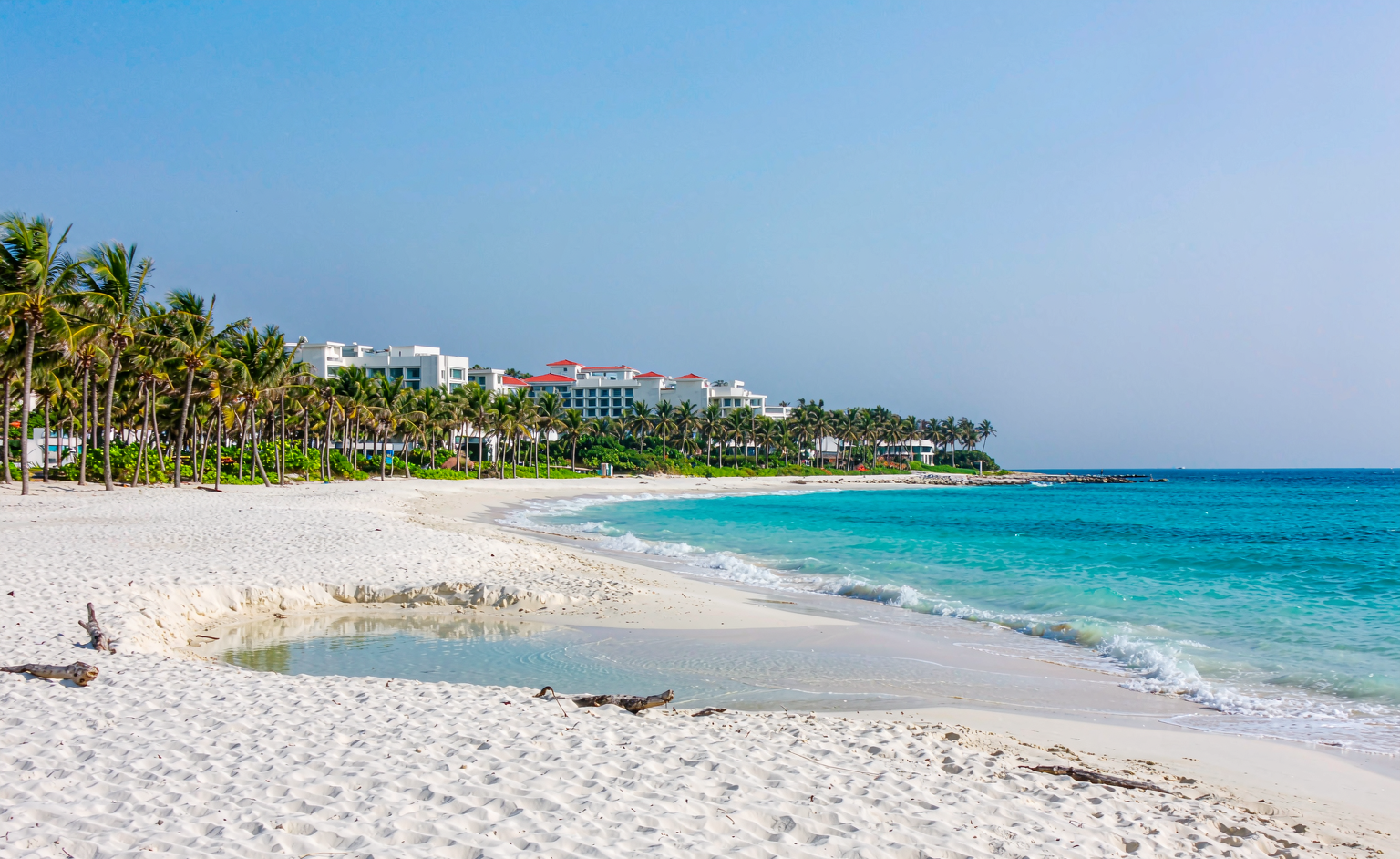
Luoyang 6-Day Tour: Wuzhizhou Island & Fenjiezhou Island
Six days splitting the Sanya coast into sections: Wuzhizhou with water clear enough to see sand ripples, Fenjiezhou in Lingshui on the tropical line, and the sea Guanyin at.
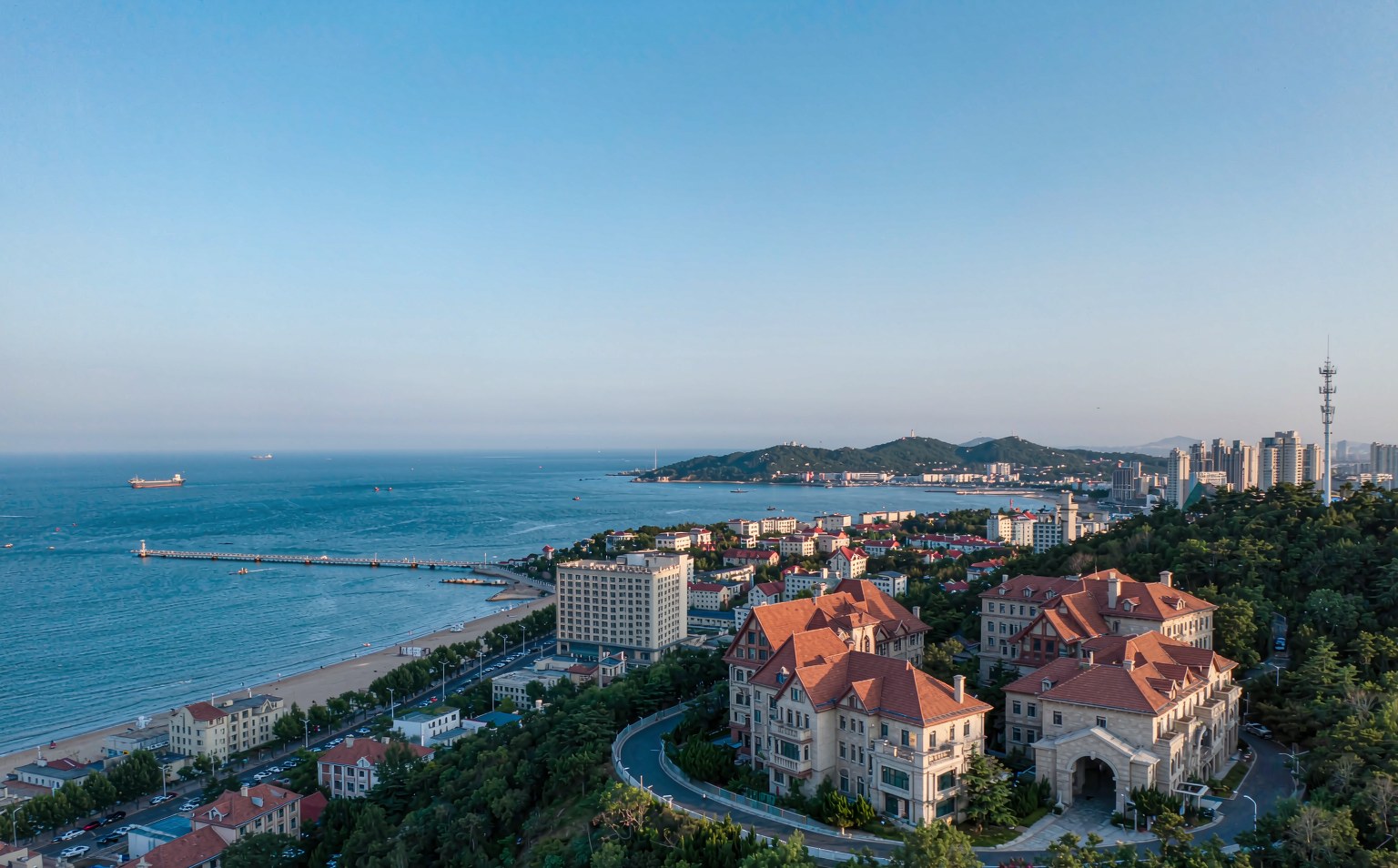
Luoyang 6-Day Tour: Laoshan & Penglai Pavilion
Six days around the Jiaodong peninsula: Qingdao red roofs seen whole from Signal Hill, the Taoist temple at Laoshan built against the sea, Penglai Pavilion on its red cliff.
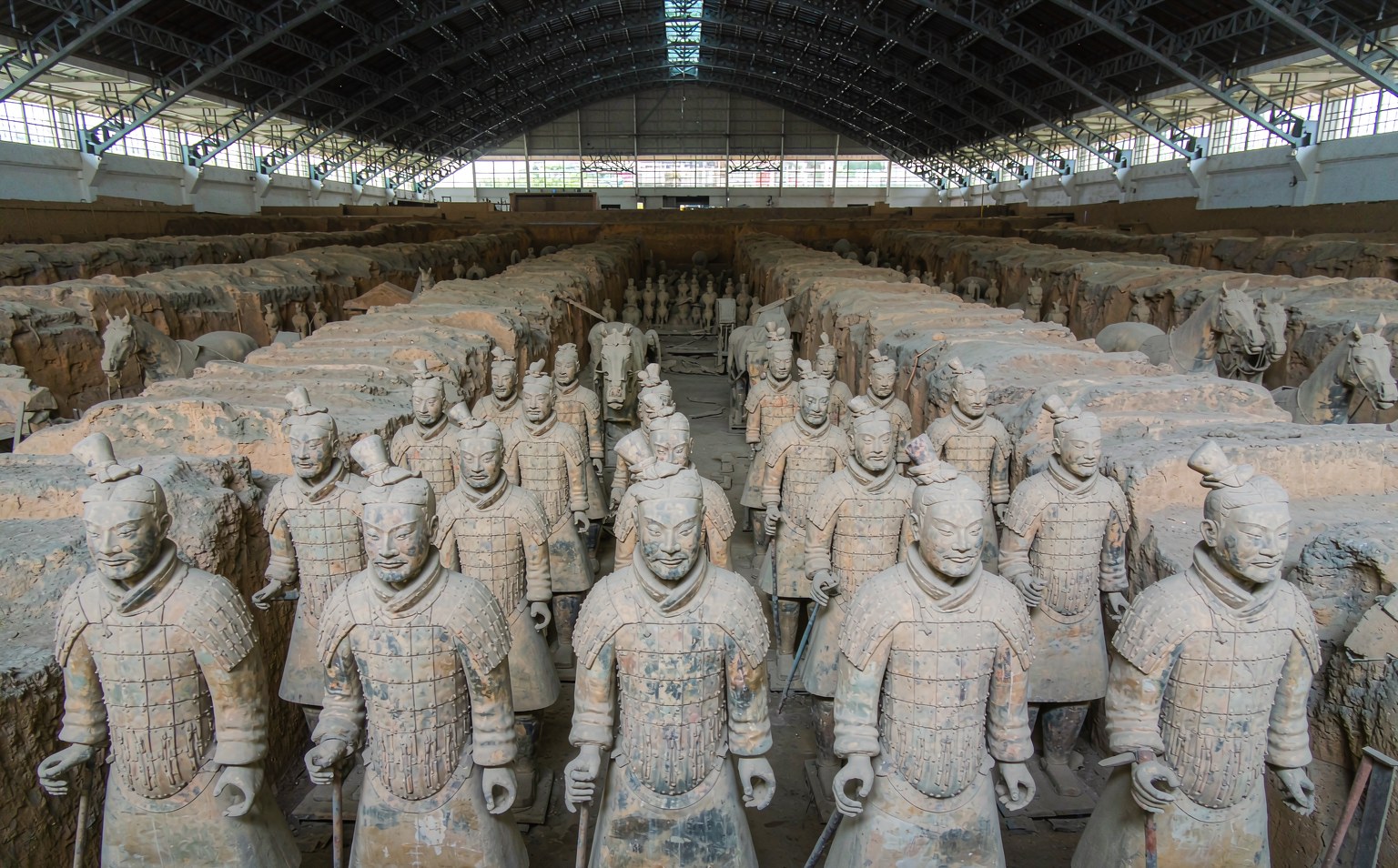
Luoyang 5-Day Tour: Xi'an Terracotta Army & Huaqing Palace
Five days from Luoyang, just over an hour by rail to Xian. At Pit One you look down from the railing at six hundred figures drawn up in formation, and at Qianling the spirit.
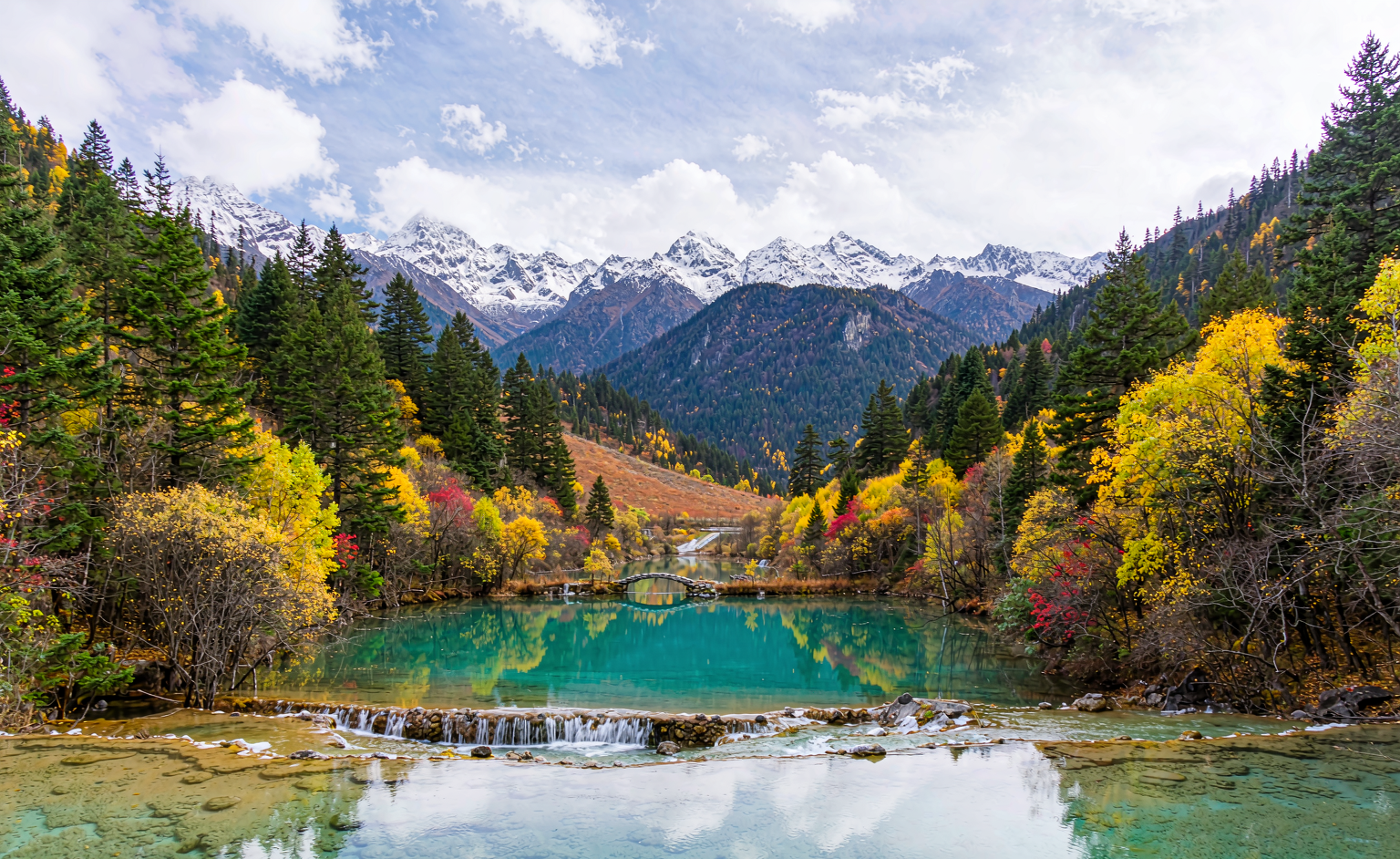
Luoyang to Jiuzhaigou, Huanglong and Zoige 7 Days 6 Nights
Seven days from Luoyang by rail into Sichuan: three valleys of Jiuzhaigou in one day, the travertine terraces of Huanglong, then a sunset over the Zoige grassland.