
Luoyang 6-Day Tour: Hongya Cave & Ciqikou
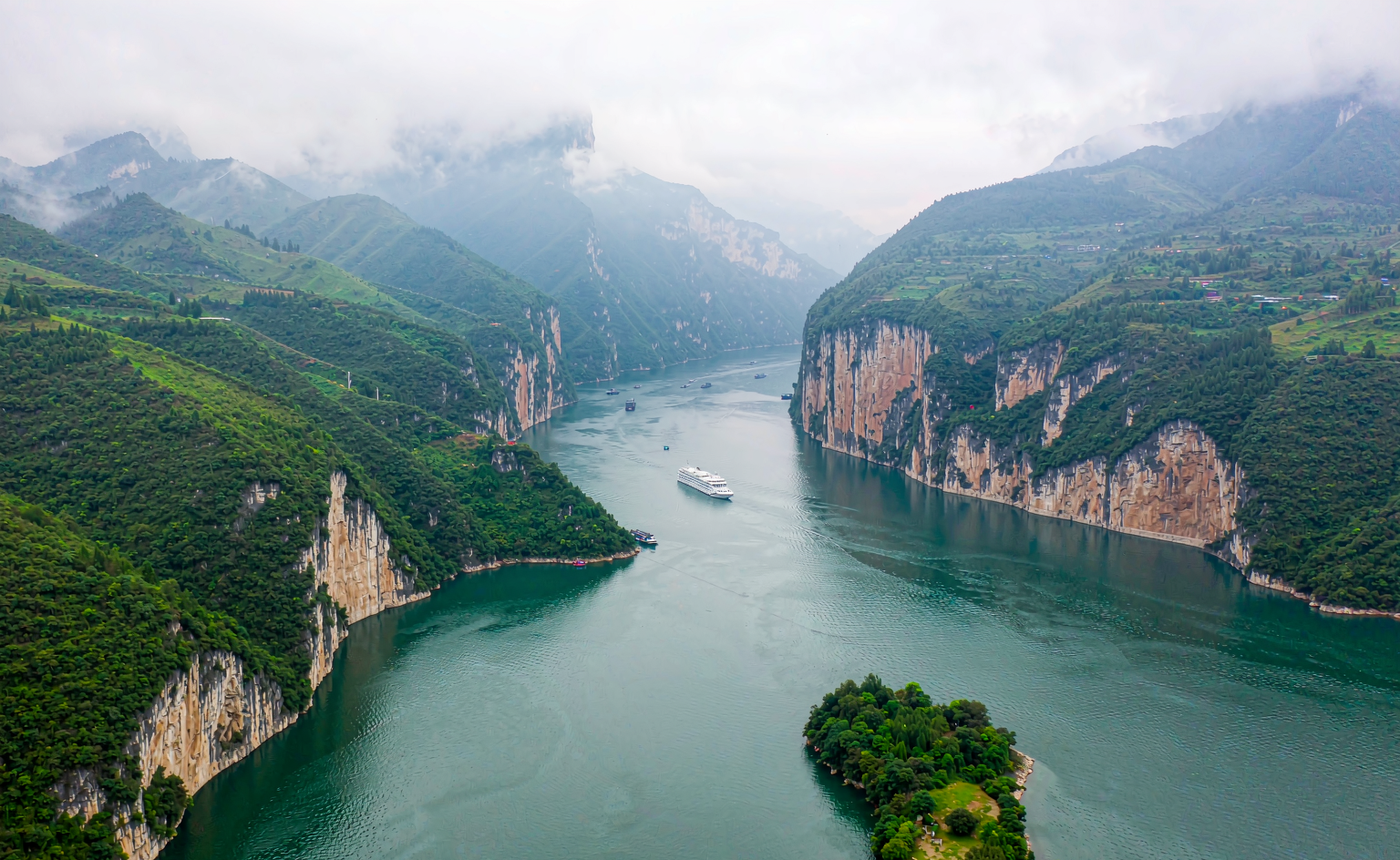
Six days from Luoyang: two nights in Chongqing for the Hongyadong lights, then board at Chaotianmen, pass Kuimen and the Wu Gorge, and step off in Yichang to see the dam.
Highlights
Day 1: Board in Luoyang, reach Chongqing at dusk, Hongyadong by night
We leave Luoyang Longmen Station in the morning and pull into Chongqing West after dark. Bags dropped, we walk straight to Hongyadong and take the stairs down from the top terrace, eleven storeys of stilted houses dropping away one level at a time while river wind comes up through the gaps. Dinner is a bowl of xiaomian downstairs, with a fried egg on top.
Attraction introduction: Hongyadong began as Hongya Gate, one of the old city gates of Chongqing and a busy wharf through the Ming and Qing dynasties. The present cluster of stilted buildings is stacked eleven levels down the cliff from Cangbai Road to the Jialing riverbank, filled with shops and teahouses that light up after dark.
Tips: Fog is common here in November, and it actually makes the lights read better. Guests generally find the site crowded, and walking down from the top saves half the pushing. In practice we put the night view on arrival day and take photos in daylight later, when both light and crowds are kinder.
Day 2: Old lanes of Ciqikou, the monorail at Liziba, two rivers from Nanshan
Morning in Ciqikou, turning off the main street into side lanes where the flagstones are worn smooth and teahouses occupy converted stilt houses. Back in the city we watch the monorail pass through a residential tower at Liziba, waiting for three trains to go by. Toward evening we cross the Yangtze by cable car and finish on Nanshan watching the two rivers light up.
Attraction introduction: Ciqikou sits on the Jialing and served as a river port in the Ming and Qing, where porcelain, salt and mountain goods came ashore. The main street is commercial now, but the lanes toward Baolun Temple keep the old courtyard houses. Liziba is an elevated station on Line 2, where trains run through the middle of a nineteen-storey block.
Tips: Queues at the Yangtze cable car swing a lot. Guests generally find four to six in the afternoon the worst window. In practice we go just before dusk and ride both ways rather than one way. Nanshan is windy in November, so bring a jacket, and the viewing terrace has many steps.
Day 3: Board at Chaotianmen where two rivers meet
We check out in the morning and walk a stretch of the old stone stairs at Shibati, past air raid shelters cut into the cliff and houses clinging to the bank. At noon we reach Chaotianmen pier, complete boarding and settle into the cabin, then stand at the bow where the clear Jialing meets the silty Yangtze and the dividing line runs hundreds of metres before blending. The ship passes Changshou in the evening and berths at Fengdu overnight.
Attraction introduction: Chaotianmen is the easternmost of Chongqing seventeen old city gates, named in the early Ming for facing the emperor. The Jialing runs clear and the Yangtze runs muddy, and their meeting point keeps a visible seam well downstream even after the Three Gorges reservoir raised the water level.
Tips: Check the cabin before unpacking. Guests generally find berths at the pier end rock more. In practice we keep Shibati in the morning because those stairs have no shade. Mobile signal fades once the ship leaves, so settle anything you need while still ashore.
Day 4: Baidicheng above Kuimen, then Qutang and Wu gorges
The ship berths at Fengjie early and we climb to Baidicheng, where the terrace in front of the Tuogu Hall frames Kuimen, two cliffs squeezing the river into a slit. Back on board we run Qutang Gorge, eight kilometres in under half an hour, everyone packed at the bow. The Wu Gorge follows in the afternoon, forty-six kilometres with Goddess Peak on the north bank, called out twenty minutes ahead.
Attraction introduction: Baidicheng stands on White Emperor Hill east of Fengjie, fortified by Gongsun Shu at the end of the Western Han and made famous by the tale of Liu Bei entrusting his son here. Kuimen is the western mouth of Qutang Gorge, where the river narrows to under a hundred metres and appears on the back of the ten-yuan note.
Tips: The climb to Baidicheng is over three hundred steps. Guests generally find the gentler ramp or a sedan chair easier. In practice we land before eight, while the stairs are still empty, and are back on board for departure. Gorge wind is cold, so gloves help if you plan to stand at the rail.
Day 5: Wushan to Yichang, Xiling Gorge and the dam
In the morning you may switch to a small boat into Shennü Stream, where the water narrows to a seam and vines hang off both walls. Those who stay aboard watch the Wu Gorge fall away eastward. We run Xiling Gorge at midday and dock at Maoping in the afternoon, transferring by coach to the dam: the Tanziling overlook for the five-step lock, the 185 platform level with the crest. Night in Yichang.
Attraction introduction: Xiling is the longest of the three gorges, running from Xiangxi mouth at Zigui to Nanjinguan at Yichang, historically the most feared stretch of the upper Yangtze. The dam stands at Sandouping, and Tanziling is the highest point in the dam area, looking down on ships climbing the two-way five-step lock like a staircase.
Tips: The dam tour uses shuttle buses across three stops. Guests generally find the twenty-minute walk from Tanziling to the 185 platform faster than waiting. In practice we go Tanziling, 185, then the closure memorial park, exiting without backtracking. Wind on the dam crest takes hats.
Day 6: Gezhouba from the far bank, train home from Yichang East
A morning walk along the riverside park, looking across at the gates of Gezhouba where ships queue into the lock, several at a time. Lunch is Qingjiang fish in sour broth, sliced thin. In the afternoon we reach Yichang East and head north, back in Luoyang before dark.
Attraction introduction: Gezhouba sits just upstream of Yichang city and was the first large hydropower station on the main stem of the Yangtze, with its first unit generating in 1981. Its lock lifts and lowers passing freighters by chamber, and in winter the receded river exposes a shingle beach below the dam.
Tips: The riverside park runs two or three degrees cooler than downtown. Guests generally find a thicker layer helps in the morning. In practice we book the return train after three in the afternoon so the morning stays unhurried. Fish restaurants price by weight, so confirm before ordering.
Related Tours
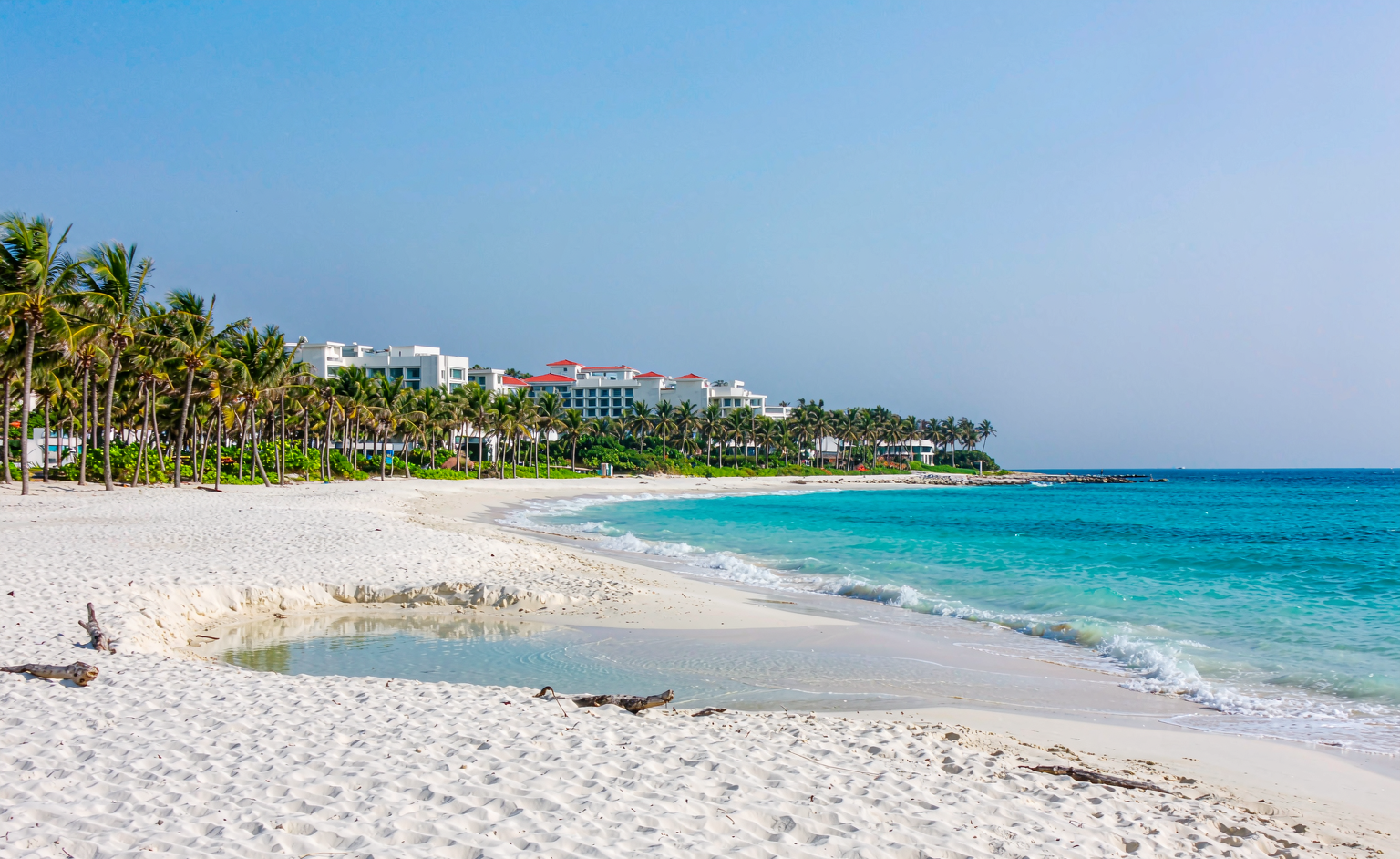
Luoyang 6-Day Tour: Wuzhizhou Island & Fenjiezhou Island
Six days splitting the Sanya coast into sections: Wuzhizhou with water clear enough to see sand ripples, Fenjiezhou in Lingshui on the tropical line, and the sea Guanyin at.
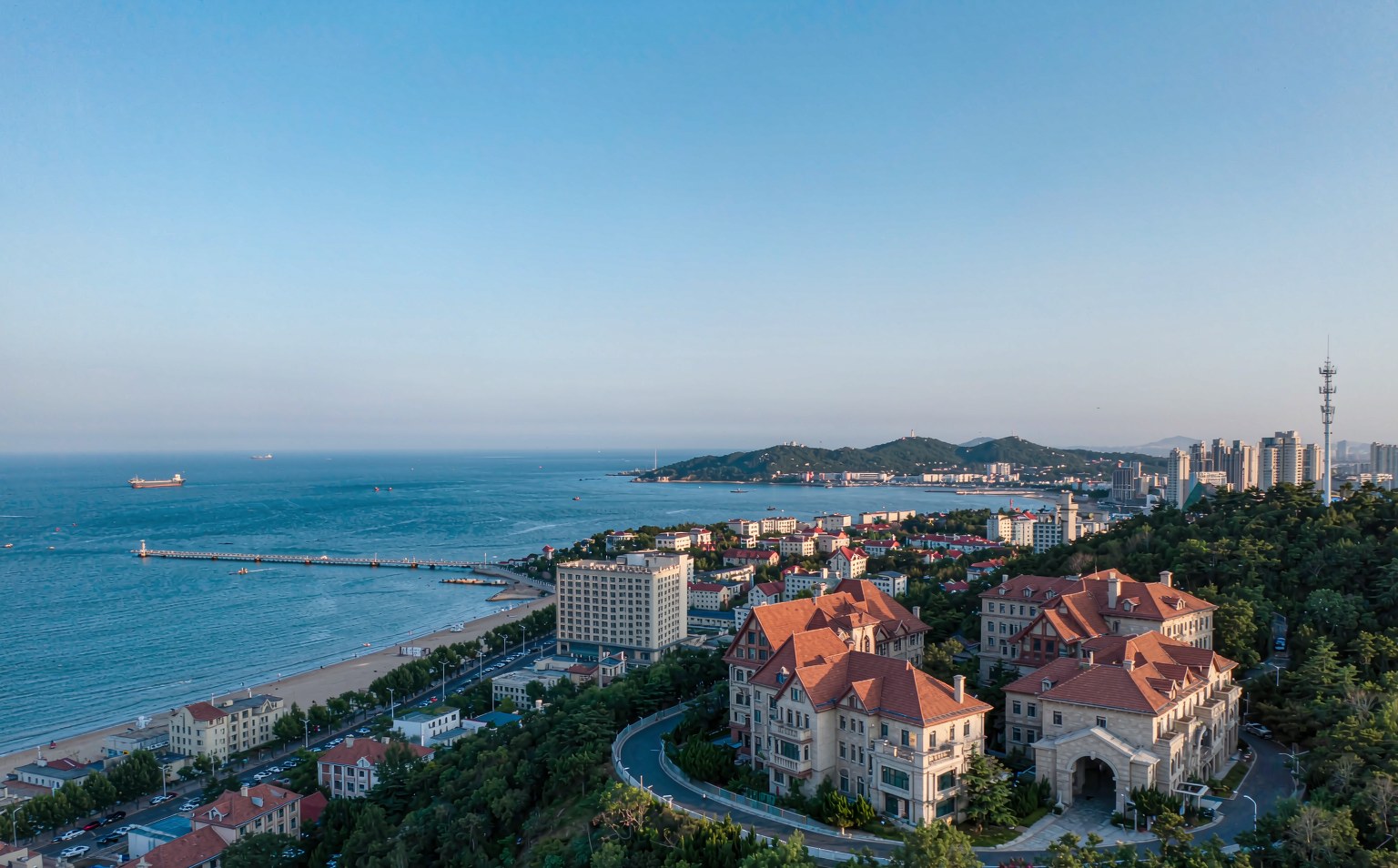
Luoyang 6-Day Tour: Laoshan & Penglai Pavilion
Six days around the Jiaodong peninsula: Qingdao red roofs seen whole from Signal Hill, the Taoist temple at Laoshan built against the sea, Penglai Pavilion on its red cliff.
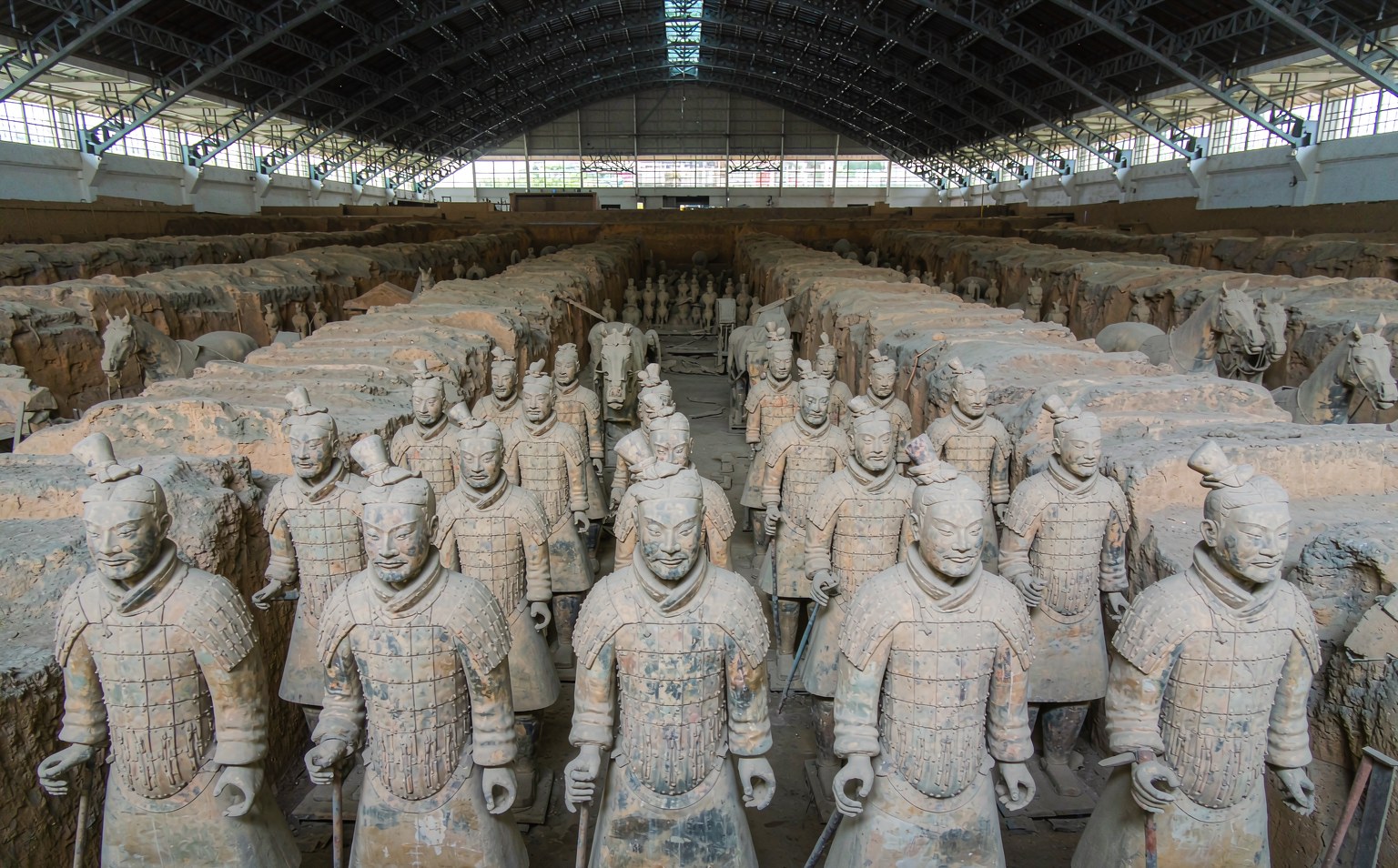
Luoyang 5-Day Tour: Xi'an Terracotta Army & Huaqing Palace
Five days from Luoyang, just over an hour by rail to Xian. At Pit One you look down from the railing at six hundred figures drawn up in formation, and at Qianling the spirit.
Luoyang to Jiuzhaigou, Huanglong and Zoige 7 Days 6 Nights
Seven days from Luoyang by rail into Sichuan: three valleys of Jiuzhaigou in one day, the travertine terraces of Huanglong, then a sunset over the Zoige grassland.