
Huangshan from Luoyang: Tachuan Autumn, Hongcun and the Yellow Mountains, 5 Days
Autumn at Tachuan is not one sheet of red. It is red, orange, yellow and green crowding the same tallow branch, and mist lifting off the rice fields at dawn while the gable walls surface one by one.
Highlights
Day 1: Rail to Huangshan North, an evening on Tunxi Old Street
Leave Luoyang in the morning and reach Huangshan North in the afternoon, where the air smells of damp timber and runs three or four degrees colder than the plain. Drop the bags and walk Tunxi Old Street end to end, a flagstone lane of brick and timber shopfronts selling ink, inkstones and sesame cakes. At the far end the Xin-an River runs wide, hills fading in layers on the far bank. Lanterns come on after dark; buy a crab-shell pastry and eat it hot. Sleep early, tomorrow starts before dawn.
Attraction introduction: Tunxi Old Street began as a Song dynasty river wharf, its roadway laid in reddish stone and its shops built front-of-house, workshop-behind in Ming and Qing style. Hui ink, She inkstone and brick carving all keep old names along this lane. The Xin-an River at the street end is the mother river of the Huangshan country, running down to Thousand Island Lake.
Tips: Inkstones and ink sticks are a market where knowledge pays, so look and ask before buying. Guests generally find the pastries only crisp straight from the oven and chewy once cold. In practice, keep day one to arriving and walking, and let the rail journey settle.
Day 2: Tachuan at dawn, then into Hongcun
Up at six and at the Tachuan viewpoint by twenty to seven. The mist has not lifted; the rice fields are wet and a few dozen gable walls show only their tops, with tallow red standing behind them. Once the sun is up the mist climbs and by eight the whole valley is plain. Walk down the field paths in the morning, past a grove of old trees at the water mouth and a stretch of flagstone. Enter Hongcun at midday, go round the South Lake first, then through the lanes to the Moon Pond. Chengzhi Hall in the afternoon, its beams carved layer over layer. Back to the lake at dusk, when the houses stand upside down in still water.
Attraction introduction: Tachuan lies in Hongcun township of Yixian county, its slope thick with tallow trees whose leaves turn red, orange and yellow on the same branch, so the hill reads as a fire rather than a wash of red. The village viewpoint faces the rice fields and the gable walls. Hongcun is laid out as an ox, the South Lake its belly and the Moon Pond its stomach, with water channels running past every door.
Tips: The Tachuan ticket is 35 yuan, while the fields and trees outside the village are free and often quieter. Guests generally find the viewpoint crowded, so arrive before half past six to hold a place. In practice, Tachuan is barely two kilometres from Hongcun and the lane jams in leaf season, so walking or a scooter beats a taxi.
Day 3: Up the mountain, from Shixin Peak to Bright Summit
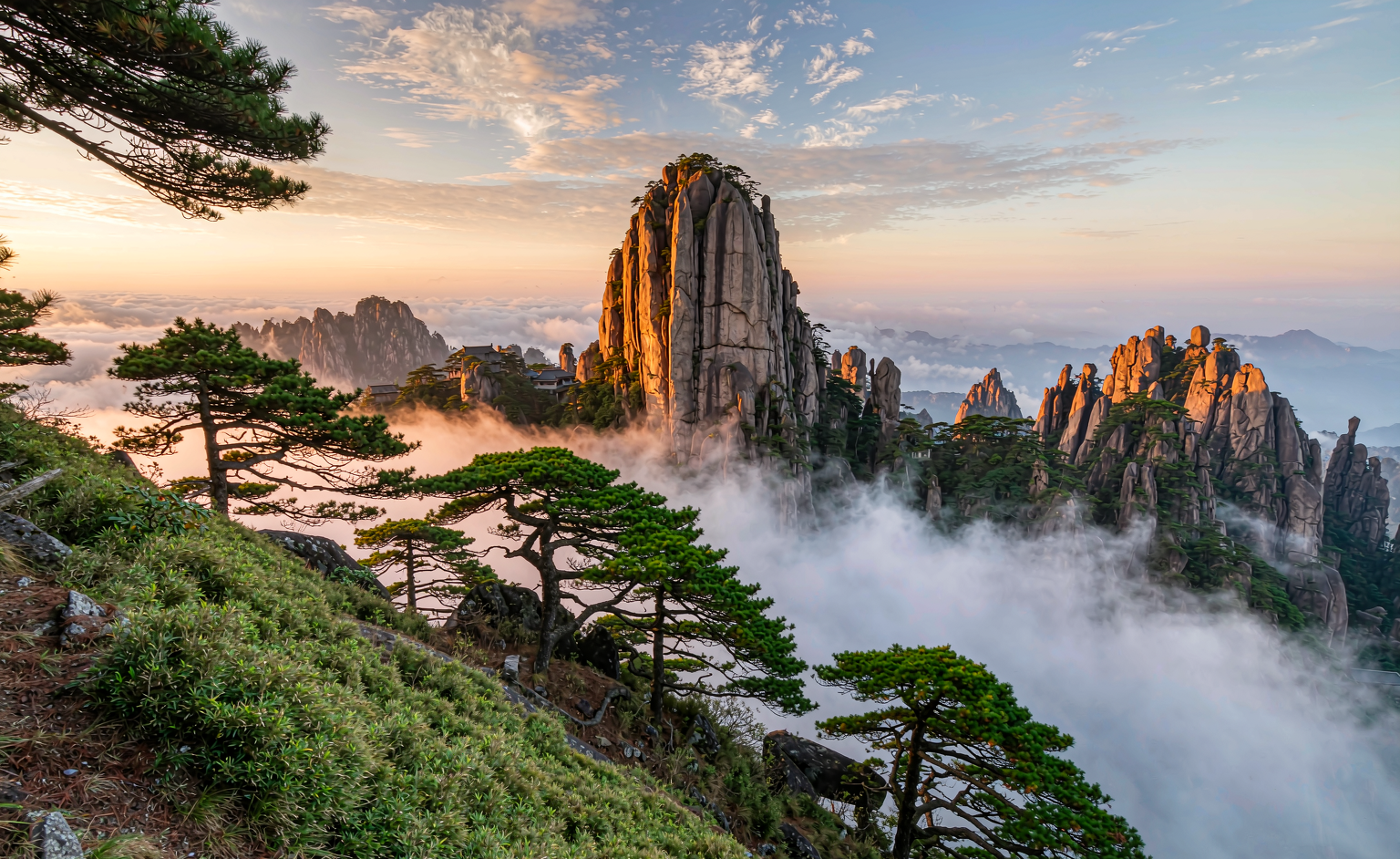
Take the cable car up from Cloud Valley Temple in the morning, one queue and then fifteen minutes into the cloud. Step off at Shixin Peak, where pines lean out over the cliff and the needles hiss against the rock when the wind comes. Follow the ridge west, the path threading between boulders with a drop on one side. A hot lunch on the mountain, then up to Bright Summit, where the cloud turns over below your feet. At dusk go to Paiyun Pavilion for sunset; when the sun drops into the cloud the whole western sea goes orange. Sleep on the mountain.
Attraction introduction: Huangshan is known for its pines, its strange rocks, its cloud sea and its hot springs. The granite has been cut by frost into columns, and the pines grow out of the cracks. Shixin Peak stands above drops on three sides and takes its name from the phrase that only here does one believe the mountain is good. Bright Summit is the second highest point, open in every direction. The western sea holds the densest forest of peaks.
Tips: Rooms on the mountain are small and hot water runs on a schedule, so keep expectations low. Guests generally find food up here expensive and limited, and carrying some of your own is wiser. In practice, November days swing hard between noon and night, so pack fleece and a shell, and expect the wind at sunset.
Day 4: Sunrise, the long way down, and Qishu Lake
Up at half past five and out to the nearest platform for sunrise. The sky is blue-grey, then a thread of orange, and the cloud sea in the valley slowly lights. After breakfast start down past Turtle Fish Peak and the Hundred Step Ladder to Jade Screen Pavilion, where the Greeting Pine holds one arm out as if offering a hand. Reach the valley floor around noon with legs like rope. Do not rush back; detour to Qishu Lake, where the metasequoia along the bank have turned rust and stand upside down in the water when the wind drops. Sleep outside Hongcun.
Attraction introduction: The Greeting Pine stands east of Jade Screen Pavilion, roughly eight hundred years old, one limb reaching out sideways, and is the most photographed tree on the mountain. Turtle Fish Peak and the Hundred Step Ladder are the necessary passage between front and back, the steps cut into the rock face. Qishu Lake lies about three kilometres southwest of Hongcun, lined with a row of metasequoia that colour from late November.
Tips: The descent is one long run of steep steps, and knee supports and a stick earn their place here. Guests generally find the front mountain more exposed than the back, so drink more around midday. In practice, Qishu Lake has no gate and no ticket, its shore open, so keep off the slick mud flats.
Day 5: The carved houses of Lucun, then home
No mountain on the last day; go five kilometres to Lucun instead. The viewpoint at the village mouth takes in the whole rice field and several dozen old roofs, best when there is mist. Inside, visit Zhicheng Hall, where every door and window in the first courtyard is carved with figures, birds, flowers and pavilions, and the light coming through the lattice lands on the floor in small pieces. A bowl of bamboo shoot noodles at the village gate, then back to Huangshan North for the train.
Attraction introduction: Lucun sits against the hill in Hongcun township, the rice field in front of it the place people come to photograph mist. Zhicheng Hall is a Qing merchant house whose finest carving is on the door panels and the brackets under the eaves, with scenes from opera and from farm work, which is why the village is called the woodcarving house of Huizhou. The lanes are narrow and the flagstones carry grooves worn by barrows.
Tips: The Lucun ticket is 45 yuan and the outside of the village is free. Guests generally find that families still live in these courtyards, so ask before stepping in with a camera. In practice, leave the last day loose and keep two hours for Huangshan North, because the train will not wait.
Related Tours
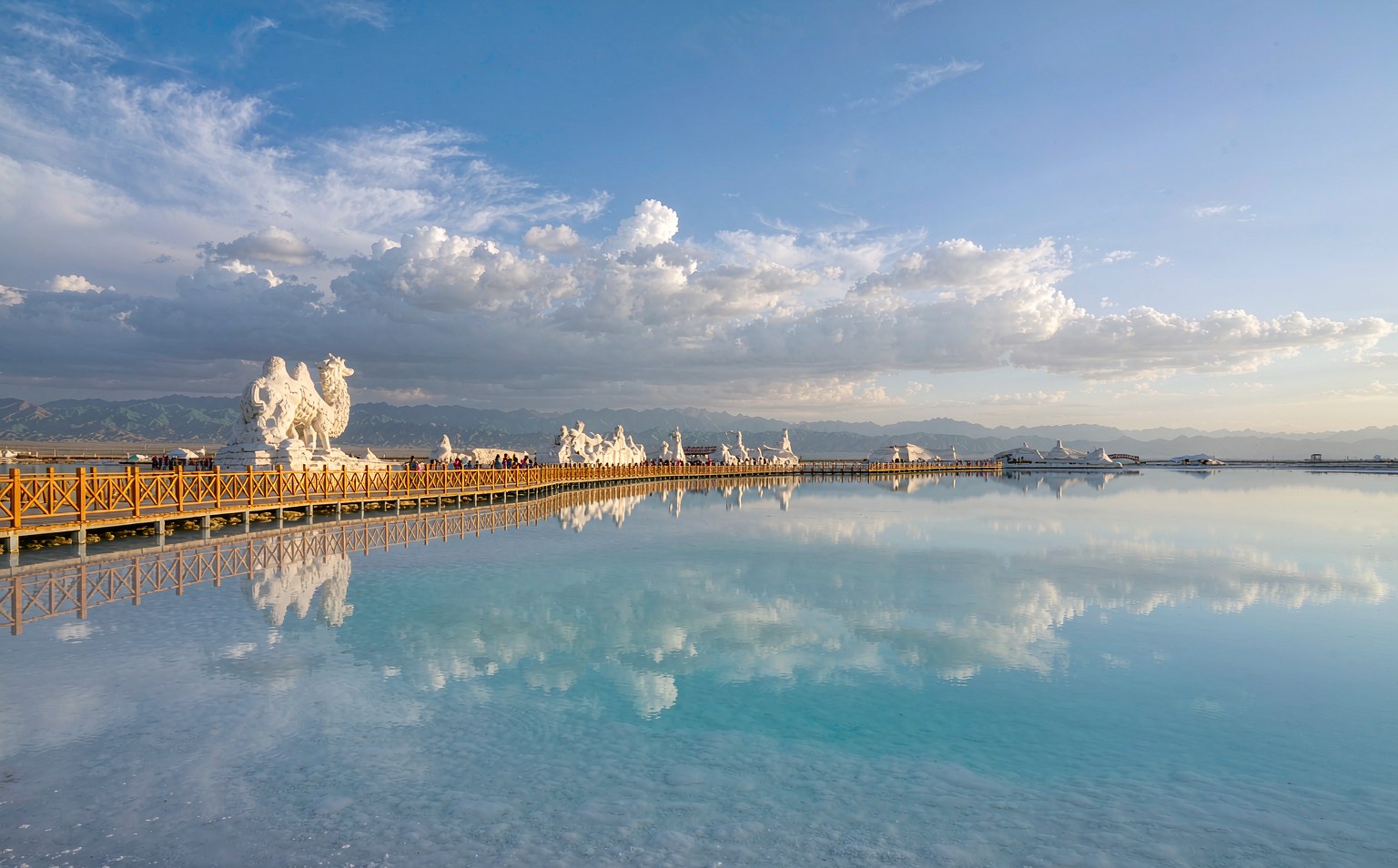
Chaka Salt Lake, Qinghai Lake and Kumbum in Five Days from Luoyang
From the first of November Chaka Salt Lake waives its entry ticket until the end of February, scanned in on an ID card. Five days linking the salt flats, Qinghai Lake and Kumbum, with winter emptiness and salt crystals on the shore.
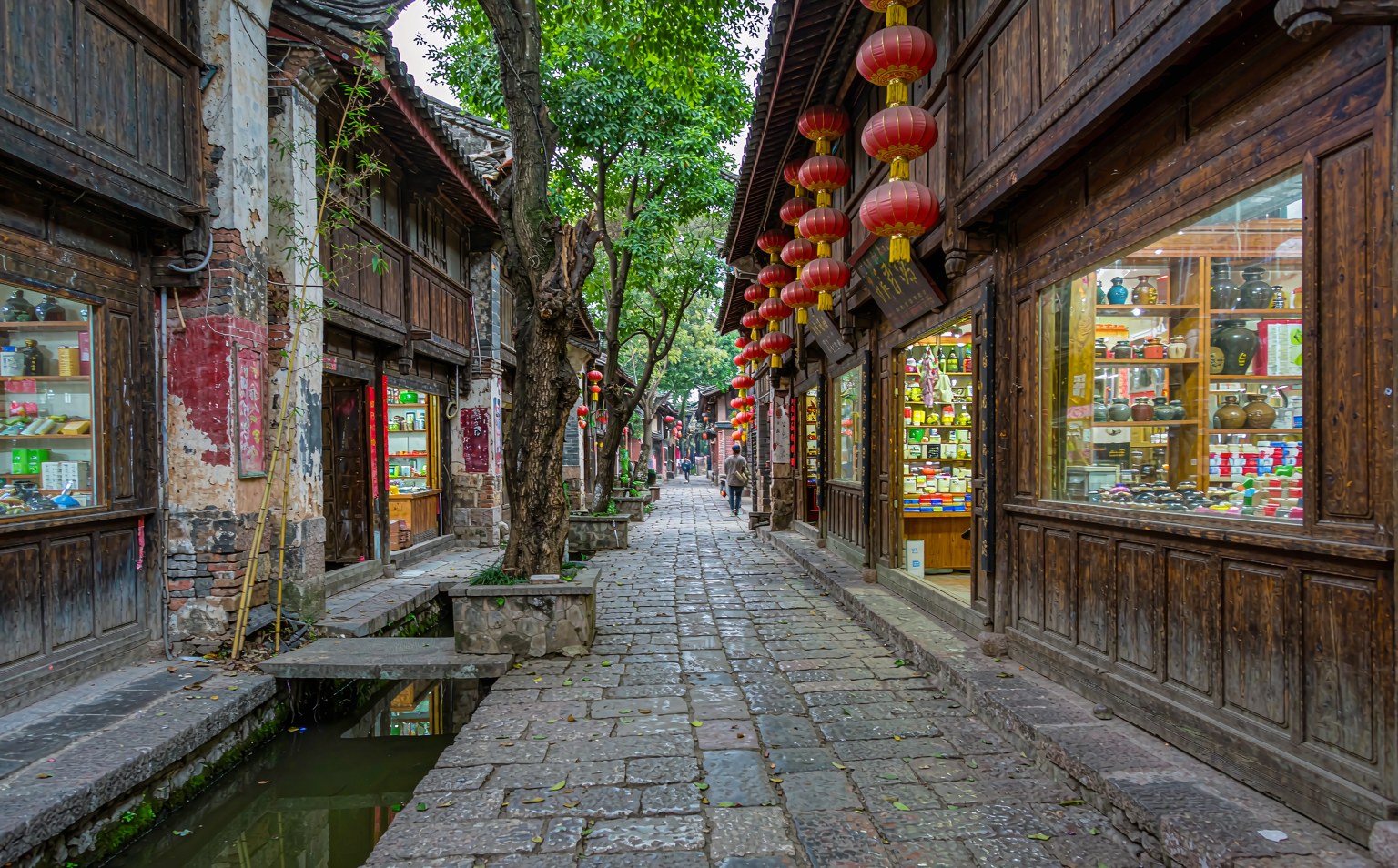
Lijiang Old Town, Jade Dragon Snow Mountain and Blue Moon Valley, Four Days from Luoyang
November brings clear skies to Lijiang and pulls the snowline down the mountain, so the peak shows above the old town roofs. Four unhurried days taking in the glacier, the blue-green river terraces and the lanes, gaining height a step at a time.
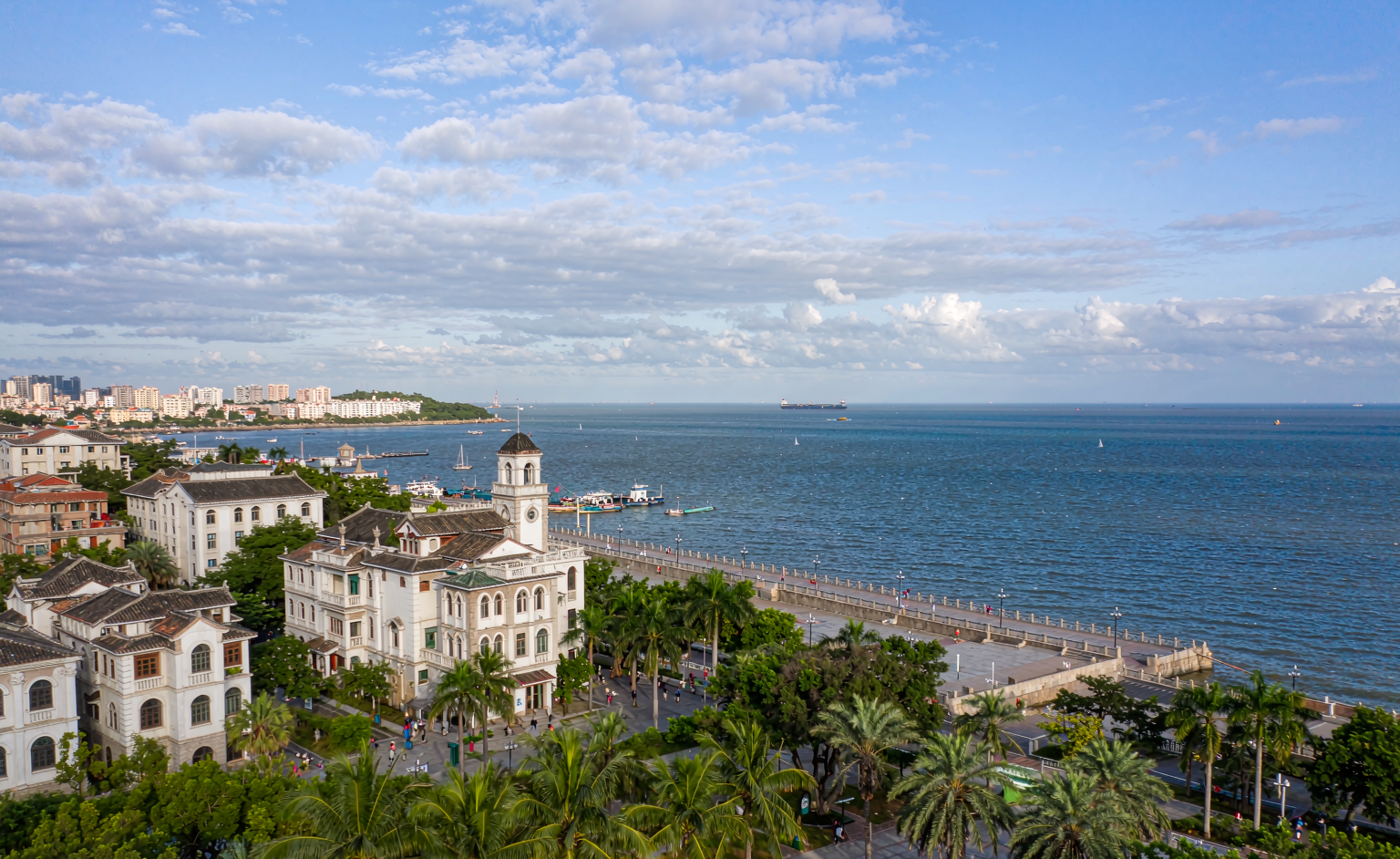
Xiamen, Gulangyu and Jimei in Five Days from Luoyang
In November Xiamen holds a mild twenty-odd degrees and the sea wind stays warm. Five days linking the old villas of Gulangyu, the boardwalk along the island road and the red-brick arcades of Jimei, with plenty of walking but nothing steep.
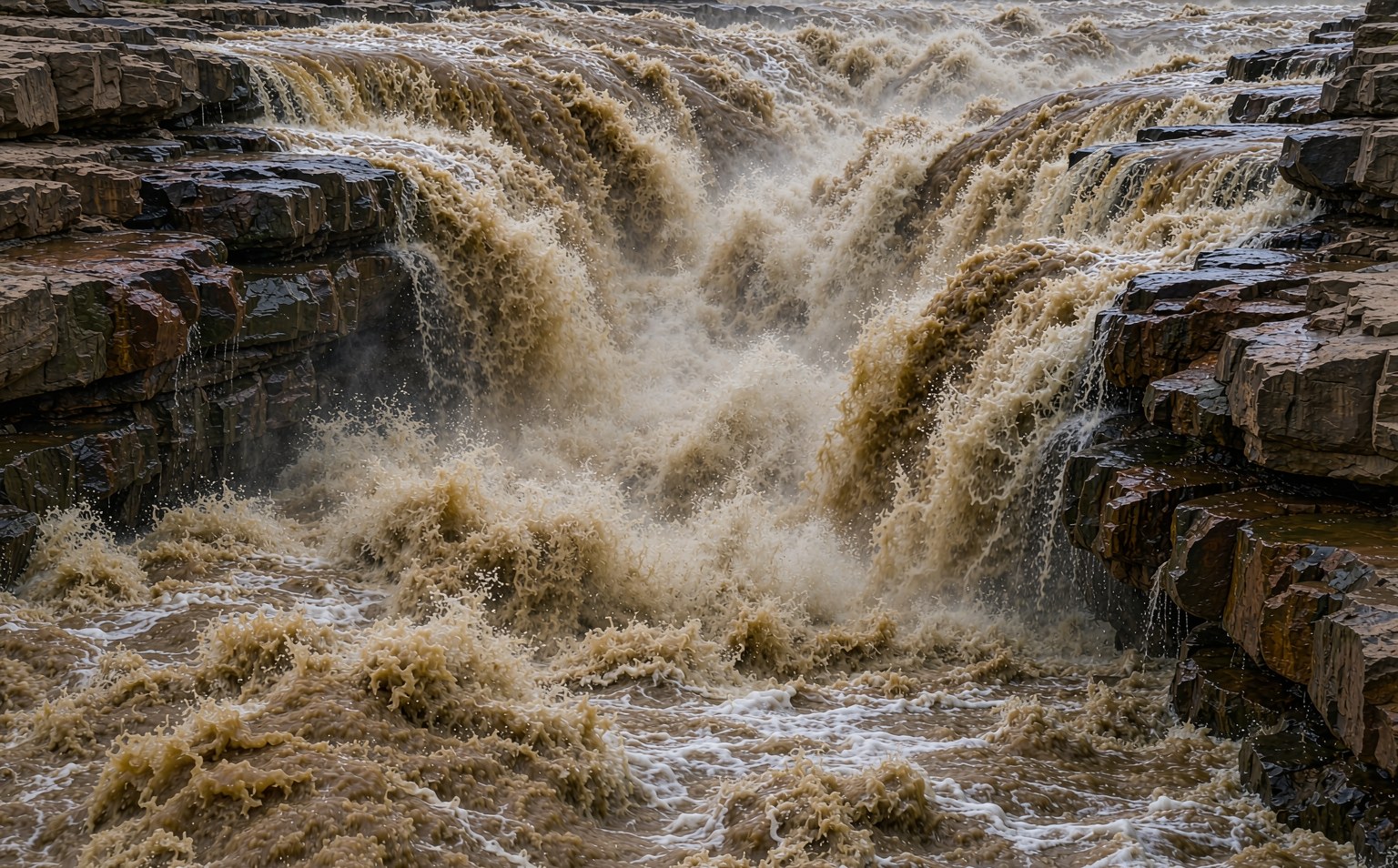
Hukou Falls, Qiankun Bend and Yan'an in Five Days from Luoyang
By November the Yellow River has dropped a notch, and the spray at Hukou comes closer instead of hanging in a cloud. Five days from Jixian up to Yanchuan for two different bends of the same river, then into the cave courtyards of Yan'an.