
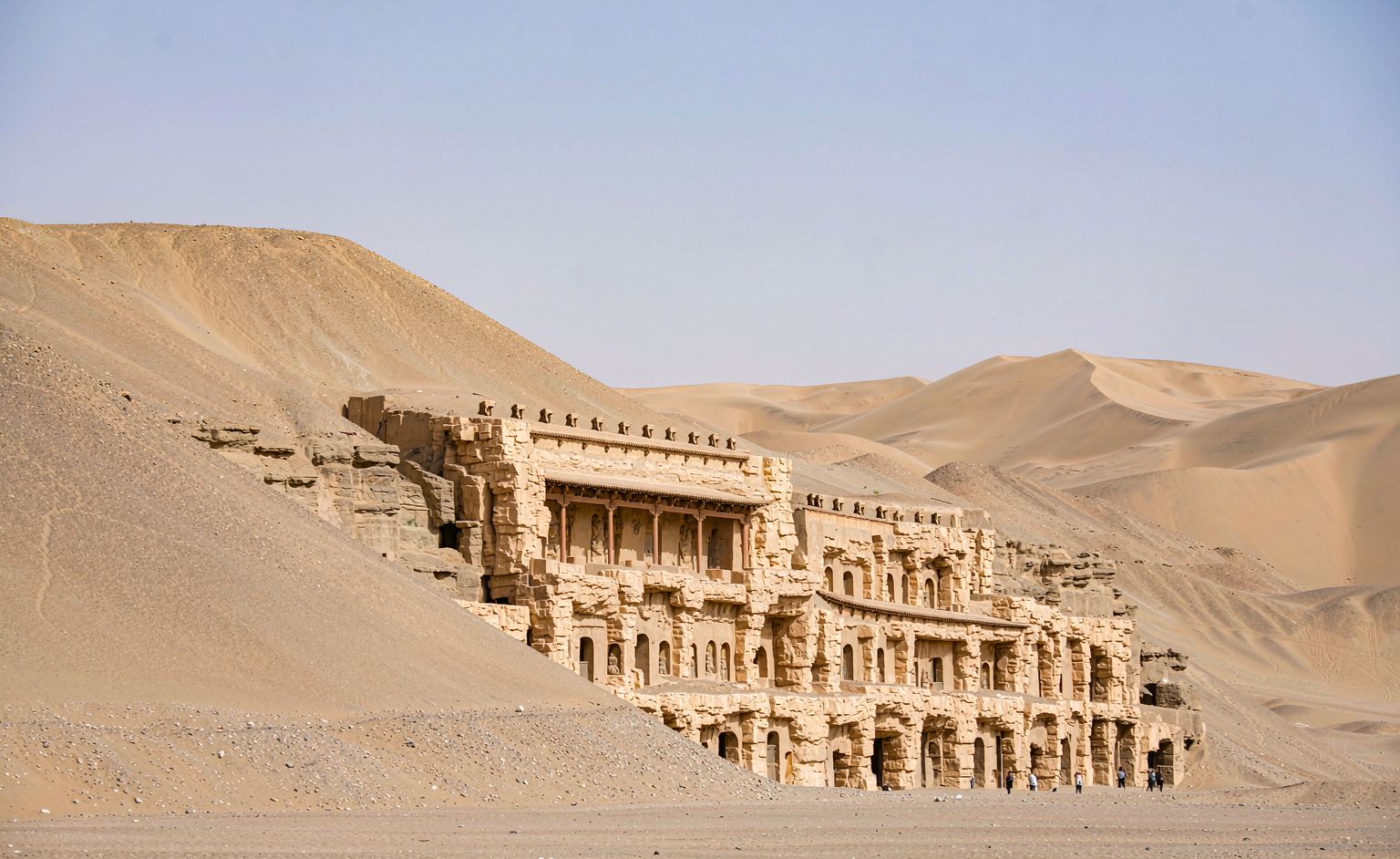
Dunhuang from Luoyang: Mogao Caves, Crescent Lake, Yumen Pass and Yardang, 6 Days
November empties Dunhuang out. There is room to stand on the sand ridge and the docent at Mogao is in no hurry. The price is cold: a mild afternoon, a night well below zero, one down jacket for the quiet.
Highlights
Day 1: Fly in, and a bowl at the night market
Leave Luoyang in the morning, change planes once, and land at Dunhuang in the afternoon. The wind hits first, dry and cold, with the sun still high. Drop the bags, drink a cup of hot jujube tea and change into the heavy coat. At dusk go to the Shazhou night market, one long street of smoke and grills, lamb ribs, apricot juice and donkey meat noodles side by side. Take a low table, eat slowly, do not rush back. Sleep early; the ticket is booked for the morning.
Attraction introduction: Shazhou is the old name of Dunhuang, and the night market runs along Yangguan East Road, an ordinary street by day that fills with stalls after dark. Donkey meat with yellow noodles is a local dish, the dough made with a plant ash water that gives it bite. Apricot juice is boiled from dried fruit and cuts through the fat. The gap between day and night here is wide, an inland desert pattern.
Tips: Stall prices vary a lot, so check the scale before ordering and buy ribs by weight. Guests generally find apricot juice more refreshing than soft drinks, though iced is best avoided. In practice, keep day one empty and let the dry air and the time change settle.
Day 2: Mogao in the morning, films first, then the caves
The ticket is for the morning, and the first stop is not the cliff but the digital centre, where two dome-screen films lay out what is painted inside before a shuttle takes you up the valley. No photography in the caves; the light is a cold beam in the docent hand, and only what it touches is lit. Eight to a group, up and down several levels, flying figures, sutra scenes and donor portraits passing one after another. Cave 17 is the library cave, its door very small, and people stop when they reach it. Back to town for lunch, the afternoon free.
Attraction introduction: Mogao was begun in the period of the Sixteen Kingdoms and continued through ten dynasties, leaving more than seven hundred caves, some forty-five thousand square metres of wall painting and over two thousand painted sculptures. Cave 17, the library cave, was opened in 1900 and yielded more than fifty thousand documents now scattered across several countries. Temperature and humidity inside are tightly controlled, which is why groups enter in batches and stay briefly.
Tips: No tickets are sold on site; book in advance, up to thirty days ahead. Guests generally find the caves colder than the yard outside, so bring long sleeves. In practice, do not go straight from the caves into the dunes; return to town and leave the sand for tomorrow.
Day 3: Crescent Lake, from late afternoon until sunset
The morning is yours: sleep in, or walk the city museum for its Silk Road map. Enter the dunes at four, when the sun has slanted and the sand turns warm. From the east gate, climb the nearest ridge, each step sinking halfway and sliding back. On the crest the lake lies below, a crescent held inside the sand, a few old willows at its edge. Camel trains file along the ridge as a string of dark dots for anyone who wants to queue. Before sunset, find the lee side and sit, watching shadows cut the dunes in two.
Attraction introduction: The Mingsha dunes are built of moving sand, their ridges travelling with the wind, and sliding down them produces a low hum that gives the place its name. Crescent Lake sits in a hollow ringed by dunes, its water shaped like a crescent, never buried because groundwater feeds it. The buildings around the shore are later reconstructions; old photographs show only a few earthen rooms.
Tips: From the first of November the ticket is half price at 55 yuan with unlimited re-entry over three days, so a morning scouting trip and an evening shoot need only one ticket. Guests generally find the sand fine enough to fill a low shoe, and shoe covers or sandals save trouble. In practice, the wind turns the moment the sun is gone, so have the down jacket ready.
Day 4: The western line, Yumen Pass, the Han wall and Yardang
Leave at half past eight and head northwest. First gravel desert, then even that thins to stone and sky. Yumen Pass is a ring of rammed earth wall, the small square fort standing alone on the flat, its base eaten inward by wind. Twenty kilometres west runs the Han wall, lengths of rammed earth with reed and sand pressed into the layers, still standing after two thousand years. Lunch is what you carried. In the afternoon enter the Yardang, where the shuttle stops platform by platform and the wind has carved the clay into ships, peacocks and sphinxes, all of it red at sunset. Back in town by ten at night.
Attraction introduction: Yumen Pass was the Han gateway to the western regions, and the small square fort is the pass itself, rammed earth roughly ten metres high. The Han wall was built by pressing reed and sand in layers and is the oldest surviving stretch of the Great Wall. Yardang is lake sediment cut by wind over a long period into ridges and platforms; locals call it the city of demons for the sound the wind makes in the gullies at night.
Tips: There is no supply point in the hundred kilometres between Yumen Pass and Yardang, so carry water and a windproof layer. Guests generally find this line windy, with visibility dropping fast when sand lifts. In practice, the deep-Yardang vehicles are optional, and on a windy day the platforms are enough rather than arguing with the weather.
Day 5: Yang Pass and the museum, closing the loop
Morning at Yang Pass, walking a stretch of the old post road with desert on both sides and vines on trellises, the grapes long picked and only dry stems left. The beacon tower stands on a low rise and the wind goes through the crenellations. There is a rebuilt gate compound that looks new, but from the platform the west is genuinely empty, and the old line about no old friend beyond Yang Pass suddenly makes sense. Back to town in the afternoon for the Dunhuang Museum, which sorts the last few days into centuries. The night market again in the evening.
Attraction introduction: Yang Pass lies seventy kilometres southwest of Dunhuang and was the Han gate on the southern road west, paired with Yumen Pass to the north. The surviving beacon is rammed earth, the ground around it gravel desert. The Dunhuang Museum holds Han slips, sutra manuscripts and Silk Road finds, arranged chronologically from the Han commandery to the Yuan. Entry is free and it usually closes on Mondays.
Tips: The wind at Yang Pass is strong, so a hat needs a chin strap. Guests generally find the museum better than expected and an hour and a half barely enough. In practice, leave the last full day loose, with time to pack and to buy dried apricots and local wine.
Day 6: A morning flight home
No sightseeing today; breakfast, then the airport. Dunhuang airport is small and check-in is quick, and the waiting hall looks out at dunes. Once airborne, the oasis shows as a small green patch with yellow on every side. One change, and Luoyang by evening. Six days leave a film of sand on the face, a few bags of dried apricots in the case, and the memory of that cold beam of light inside a cave.
Attraction introduction: The Dunhuang oasis is irrigated by the Dang River and surrounded by gravel desert, a small green area with a very clear edge from the air. The airport is thirteen kilometres from the city and most flights leave in the morning, many of them connecting through Xian or Lanzhou.
Tips: Dry cold air hits the throat first, so drink more water and keep lip balm in the bag you carry. Guests generally find dried fruit better value than souvenirs at the sites, and the city market cheaper still. In practice, allow two hours for the connection; winter flights do delay.
Related Tours
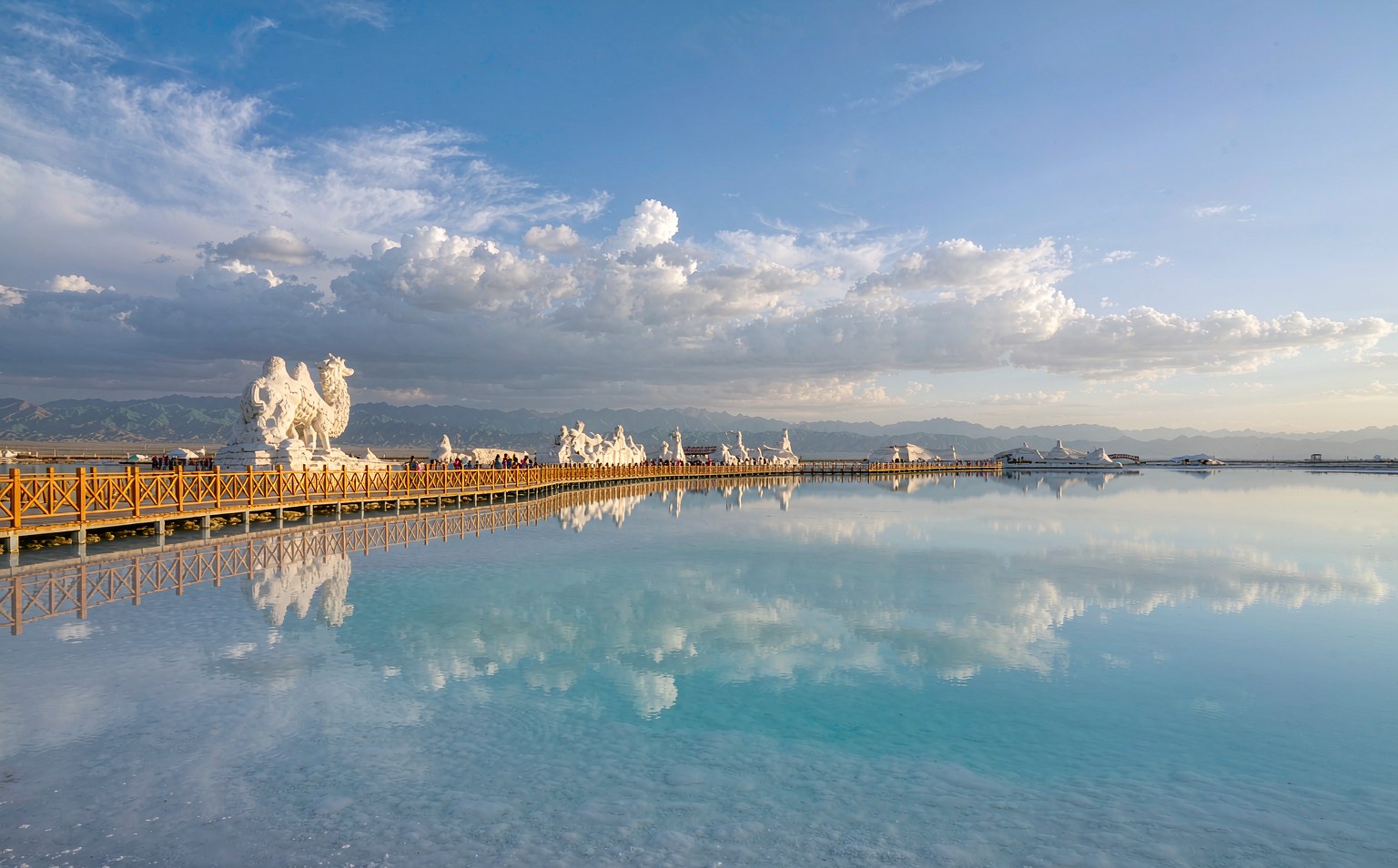
Chaka Salt Lake, Qinghai Lake and Kumbum in Five Days from Luoyang
From the first of November Chaka Salt Lake waives its entry ticket until the end of February, scanned in on an ID card. Five days linking the salt flats, Qinghai Lake and Kumbum, with winter emptiness and salt crystals on the shore.
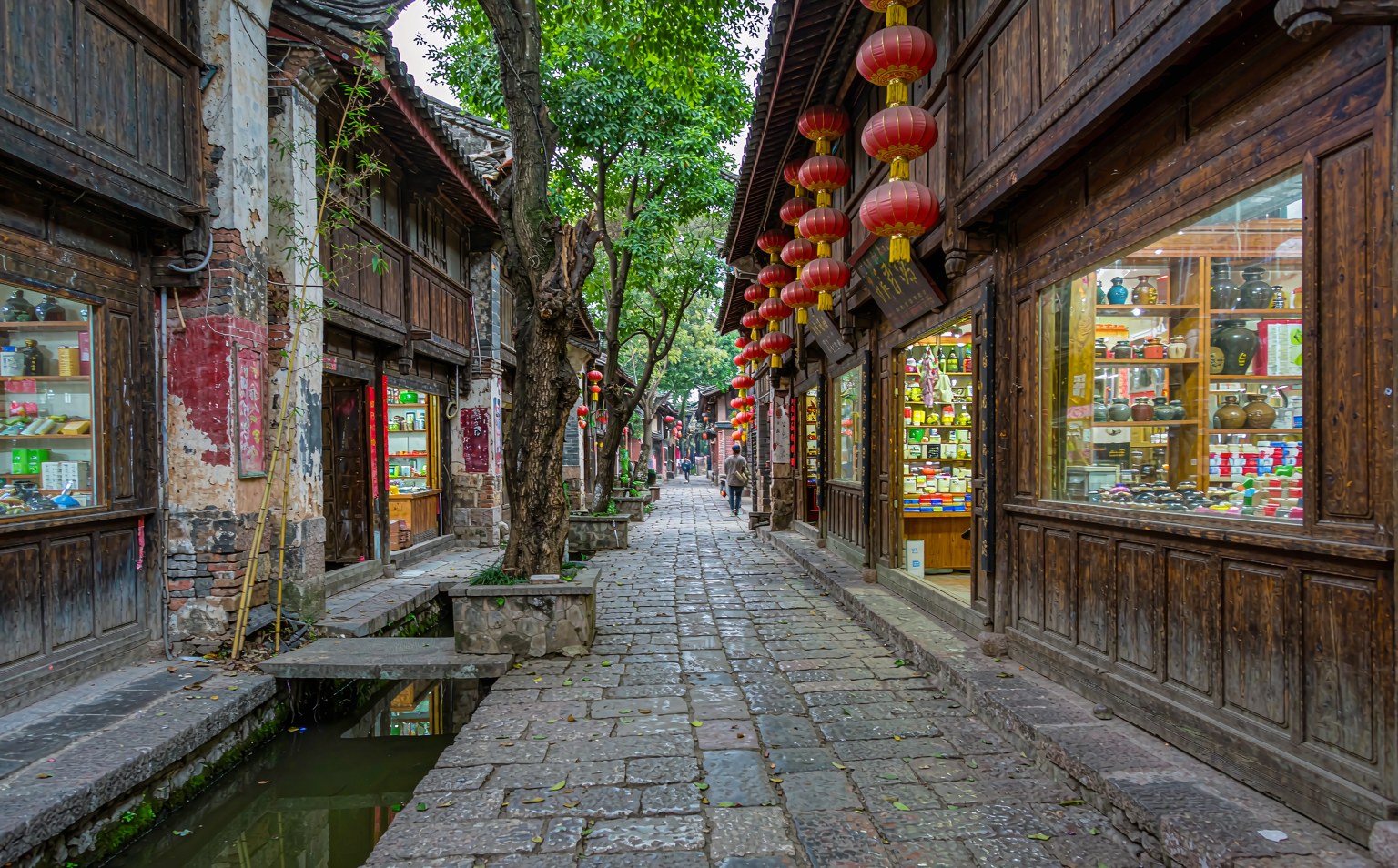
Lijiang Old Town, Jade Dragon Snow Mountain and Blue Moon Valley, Four Days from Luoyang
November brings clear skies to Lijiang and pulls the snowline down the mountain, so the peak shows above the old town roofs. Four unhurried days taking in the glacier, the blue-green river terraces and the lanes, gaining height a step at a time.
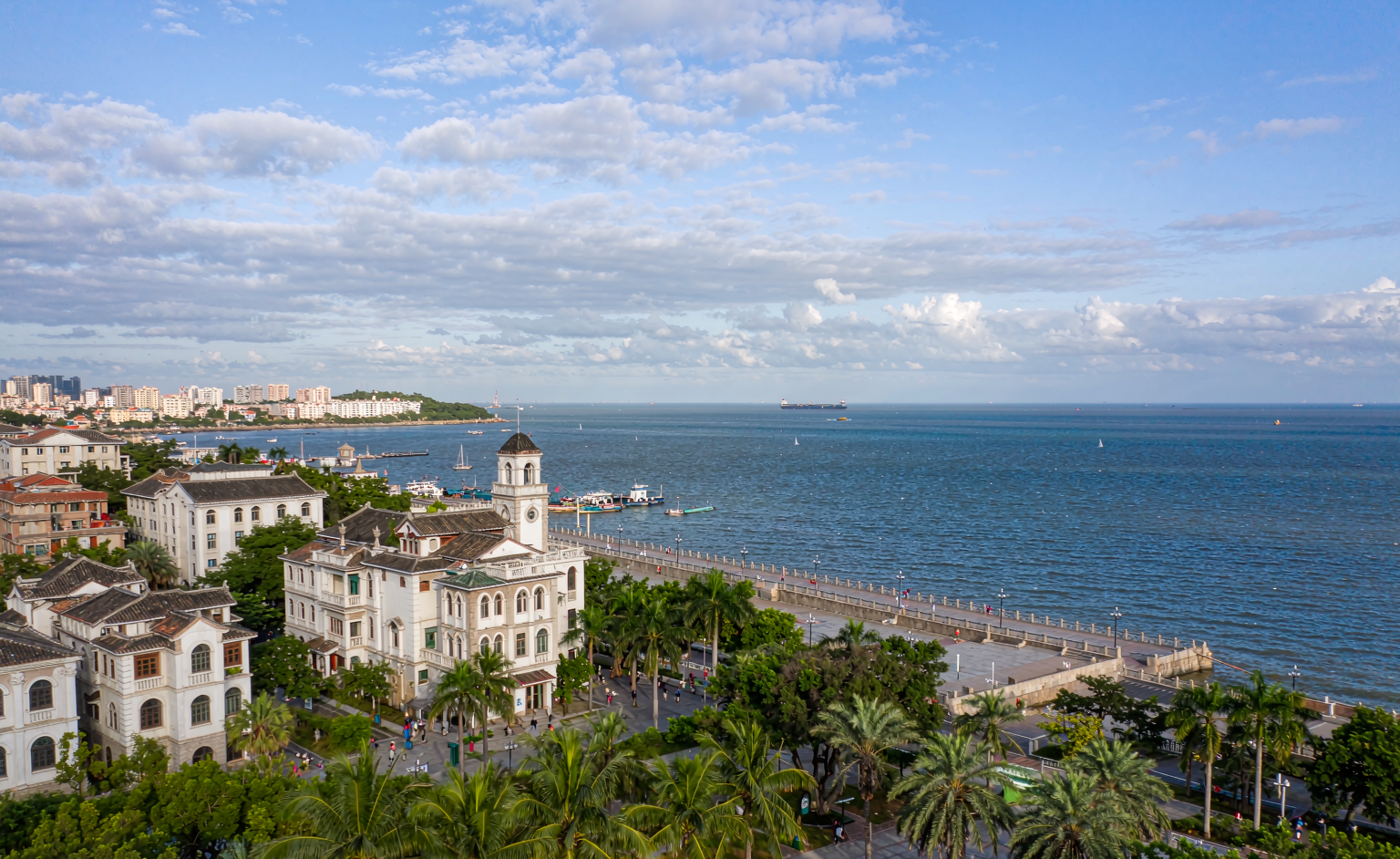
Xiamen, Gulangyu and Jimei in Five Days from Luoyang
In November Xiamen holds a mild twenty-odd degrees and the sea wind stays warm. Five days linking the old villas of Gulangyu, the boardwalk along the island road and the red-brick arcades of Jimei, with plenty of walking but nothing steep.
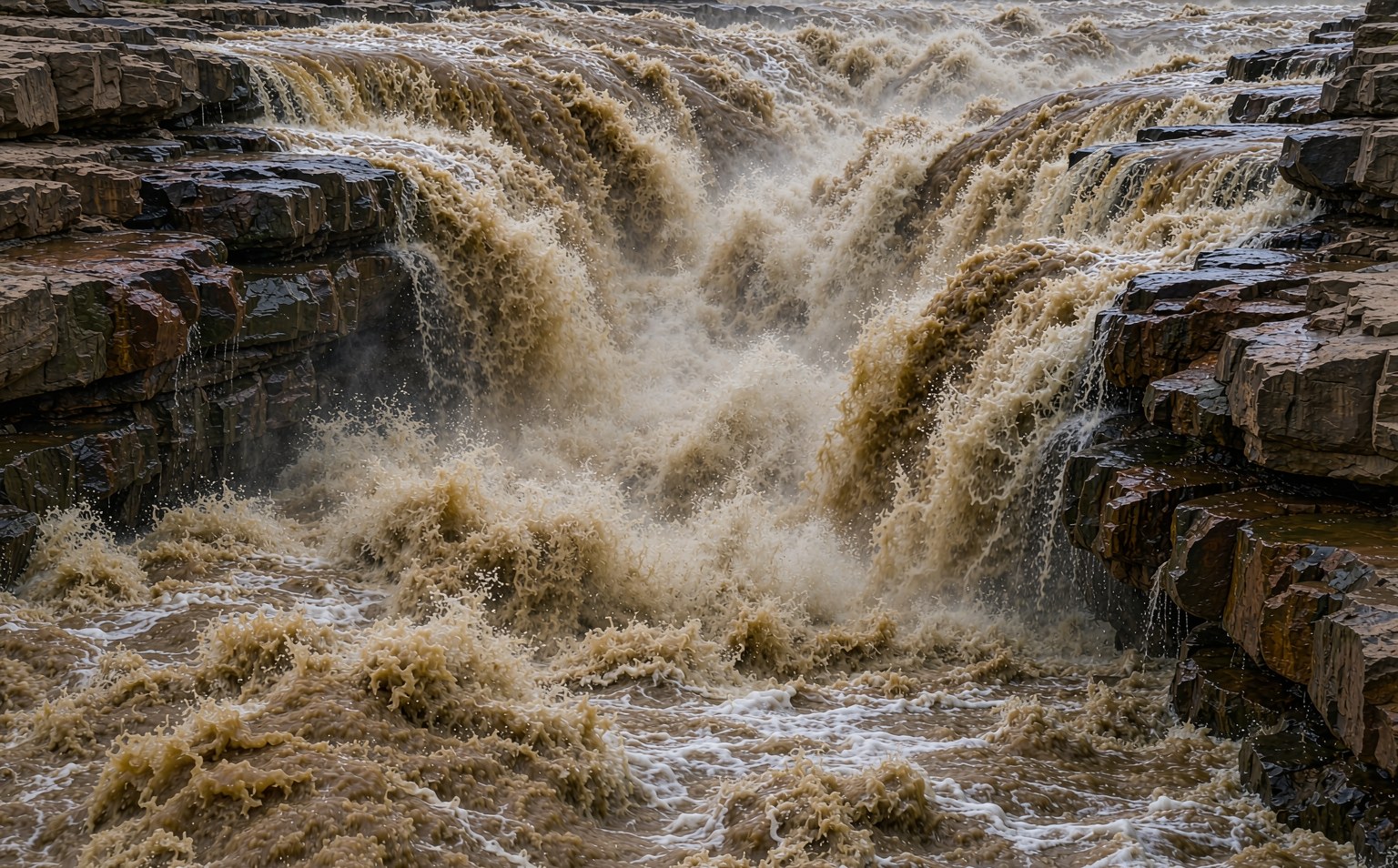
Hukou Falls, Qiankun Bend and Yan'an in Five Days from Luoyang
By November the Yellow River has dropped a notch, and the spray at Hukou comes closer instead of hanging in a cloud. Five days from Jixian up to Yanchuan for two different bends of the same river, then into the cave courtyards of Yan'an.