
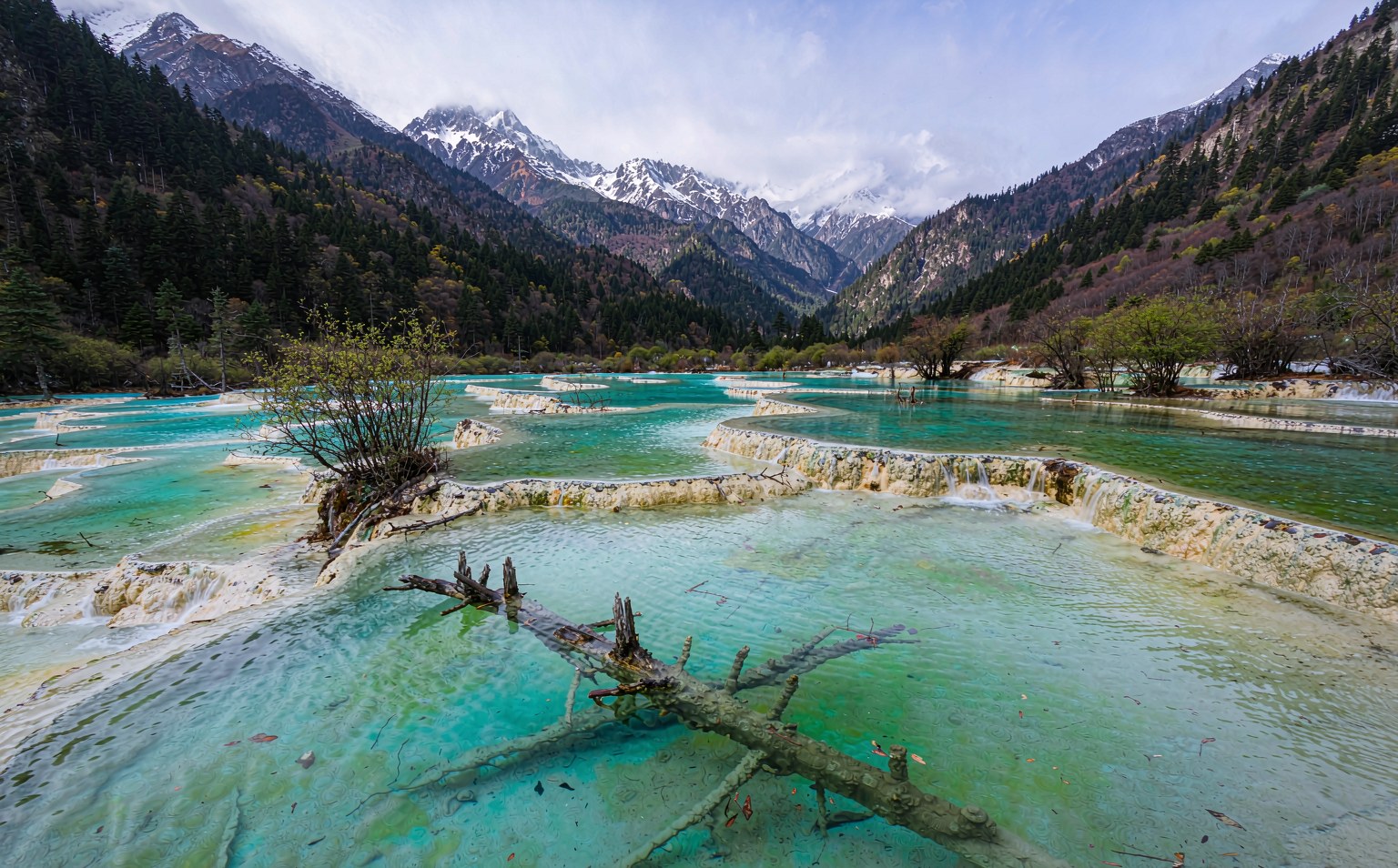
Jiuzhaigou, Huanglong and Munigou in Six Days from Luoyang, Off-Season
Enter the valley after November 16 and the ticket drops from 190 to 80 yuan, with the shuttle bus down to 80 as well. Six days linking Jiuzhaigou, Huanglong and Munigou, with the last of the autumn colour still on the slopes and half the crowd gone.
Highlights
Day 1: West from Luoyang to Chengdu by rail
A morning departure from Luoyang Longmen, one change at Xi'an North, and Chengdu East by nightfall. Metro to the Chunxi Road area, bags down, then out to eat. The damp cold of the basin is not the dry cold of the north; the wind is soft and you only feel the chill deep inside the lanes.
Attraction introduction: Chengdu East is one of the largest rail hubs in southwest China, where the Xi'an-Chengdu, Chengdu-Guiyang and Chengdu-Chongqing lines meet, so almost every route from the Central Plains changes trains here or in Xi'an. Chunxi Road is the old commercial heart of the city, and the alleys behind it are dense with small kitchens serving wontons in chilli oil, cold skewers and sweet water noodles; the tables full of locals are usually the safe bet.
Tips: Guests generally find that the first night goes wrong when they decide a trip to Chengdu requires hotpot at midnight, and the stomach pays for it at altitude the next day. In practice we keep this evening light, eat by seven and are back in the room by nine, saving the energy for the high ground later in the week.
Day 2: By train into the mountains, a slow afternoon at Zhangzha
An early train north from Chengdu East, through tunnel after tunnel, reaching Huanglong Jiuzhai station in a little over an hour. A shuttle from the forecourt runs to the valley mouth, the road following a tributary of the Min River while the ridgelines close in and the altitude creeps up. No fixed sightseeing this afternoon, just a walk around Zhangzha.
Attraction introduction: Huanglong Jiuzhai is a stop on the Sichuan-Qinghai railway, still a drive away from the gate of Jiuzhaigou, passing through the Chuanzhusi area. Zhangzha is the small town at the valley entrance, split by the Baishui River whose bed is pale grey travertine and whose water runs a cold jade green. The town sits at roughly 2,000 metres and is the first place to acclimatise; walking quickly leaves you short of breath, which is normal here.
Tips: Guests generally find the second afternoon is when people overreach, convinced there is still half a day to fill with a hike or a hot spring. In practice every extra step at 2,000 metres is charged to you later, so we leave the afternoon empty: tea, laundry, an early night, and legs that still work for the full day in the valley.
Day 3: A full day inside, three valleys from the top down
Through the gate at half past eight and straight onto the shuttle to the far end of the park, then working back stop by stop. First the long Zechawa valley with Long Lake and the Five-Colour Pool below it, then back to Nuorilang to change for Rize valley, taking in Five-Flower Lake, Pearl Shoal and Mirror Lake, finishing in Shuzheng valley.
Attraction introduction: Jiuzhaigou is a Y-shaped system of three valleys meeting at Nuorilang. Zechawa is the longest; Long Lake is the biggest body of water in the park at around 3,100 metres and skins over with thin ice in winter, while the small Five-Colour Pool just below it holds the deepest colour, its water divided into cells by travertine deposits. In Rize valley, Five-Flower Lake gets its patches of colour from sunken logs and mineral crust, four or five distinct tones in one sheet of water. Pearl Shoal is a wide, gently sloping travertine fan where the stream spreads thin and tumbles over the lip, bright as scattered glass in sunlight.
Tips: Guests generally find that doing all three valleys in one day destroys the legs, especially the walk from Five-Flower Lake to Pearl Shoal, which looks short and winds on far longer than it appears. In practice we put Long Lake and the Five-Colour Pool in the quieter morning, then take the shuttle for two hops in the afternoon; better to skip one lake than to wreck a knee.
Day 4: A second entry on the same ticket, then on to Songpan
Back at the ticket office in the morning to register the second entry: twenty yuan for the handling fee and the gate ticket is waived, with a fresh shuttle ticket bought separately. No rushing today, only the places that were not seen long enough yesterday, and the light on Shuzheng and Rhinoceros lakes is best before noon. Out of the valley at midday and north towards Songpan.
Attraction introduction: The second-entry rule exists only in the off-season at Jiuzhaigou; in peak season it does not apply, and you need the first day ticket plus ID to register. Shuzheng is a chain of lakes of different sizes divided by travertine bars, the water spilling over each bar as a low step of falls. Rhinoceros Lake is darker, holding a complete reflection of the ridge when the wind drops. The road to Songpan climbs beside the Min River; past Chuanzhusi the altitude jumps and yaks and prayer flags begin to appear outside the window.
Tips: Guests generally find the second entry the best value on this route, precisely because there is nothing to chase and you can sit on a boardwalk waiting for the light. In practice, pick two or three spots and stay with them rather than collecting six and photographing the same thing twice. Allow time after leaving the valley for lunch and checkout; do not squeeze the afternoon drive.
Day 5: Huanglong by cable car, Zhaga falls at Munigou after lunch
Out of Songpan in the morning, an hour or so to Huanglong. Up by cable car, then a stretch of boardwalk to the Five-Colour Pool, and from there downhill along the whole travertine sequence: Welcome Pool, Contending Beauty Pool, Golden Sand Pavement. Back to Songpan for lunch, then out to the Zhaga sector of Munigou in the afternoon.
Attraction introduction: Huanglong is a travertine flow about 3.6 kilometres long, running from the Five-Colour Pool at roughly 3,500 metres down to the Welcome Pool at the foot of the valley, water sliding over a crust of calcium carbonate that builds itself into shallow terraces. The pool rims are deposits, so the colour shifts with depth, yellow where it is thin, blue where it deepens. Zhaga falls at Munigou drops about 93 metres, not in one plunge but in a staircase over travertine ledges; with less water in winter the mineral texture on the rock face reads more clearly.
Tips: Guests generally find the hard part of Huanglong is not the walking but the thin air, and the stretch around the Five-Colour Pool at 3,500 metres needs a pause every ten steps. In practice we take the cable car up and walk down, three hours or so in total, and if a headache sets in at the top station we turn around there instead of pushing on to the pool.
Day 6: A circuit of Songpan's walls, then rail back to Luoyang
The morning inside Songpan. The walls sit on a Ming foundation and still carry several gates, of which Jinyang is the best preserved, framing a distant snowline through its arch. At the centre stands the statue of Princess Wencheng and Songtsen Gampo, surrounded by stalls selling dried yak and butter.
Attraction introduction: Songpan, once called Songzhou, was the gateway to northwestern Sichuan and the seat of a Tang-era commandery; Princess Wencheng's journey to Tibet passed through here. The surviving wall runs about 6.2 kilometres, built of local slab stone with earth fill and external buttresses, one of the more complete old town walls in the region. A mosque stands one street from the wall, a reminder that this was long a multi-ethnic trading town on the tea-horse road.
Tips: Guests generally find the last day is where the schedule gets tight, since the station is an hour from town and the trains leave on time. In practice we cap the old town at two hours and start moving towards the station by half past eleven; buy dried yak in town rather than at the station, where it costs noticeably more.
Related Tours
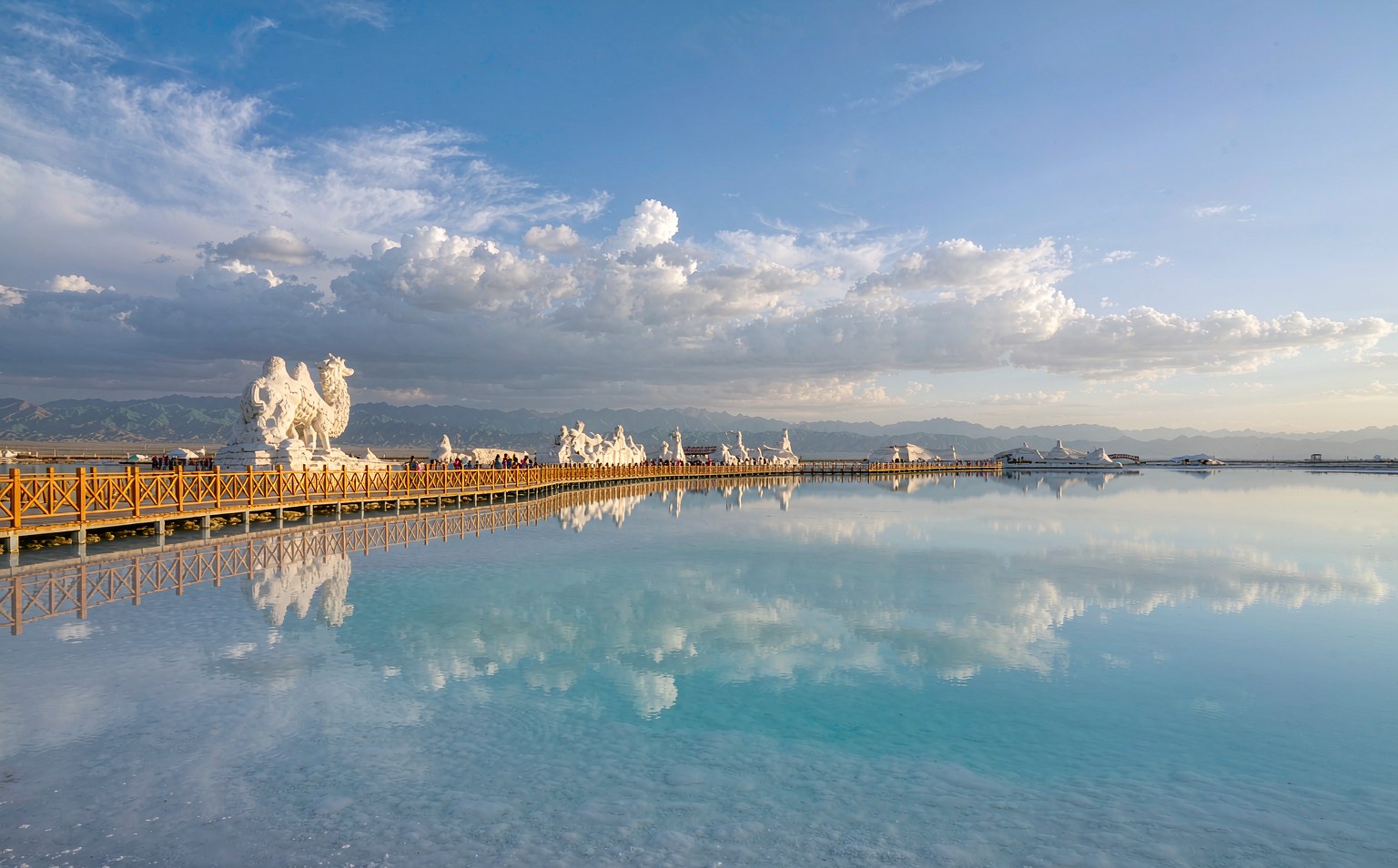
Chaka Salt Lake, Qinghai Lake and Kumbum in Five Days from Luoyang
From the first of November Chaka Salt Lake waives its entry ticket until the end of February, scanned in on an ID card. Five days linking the salt flats, Qinghai Lake and Kumbum, with winter emptiness and salt crystals on the shore.
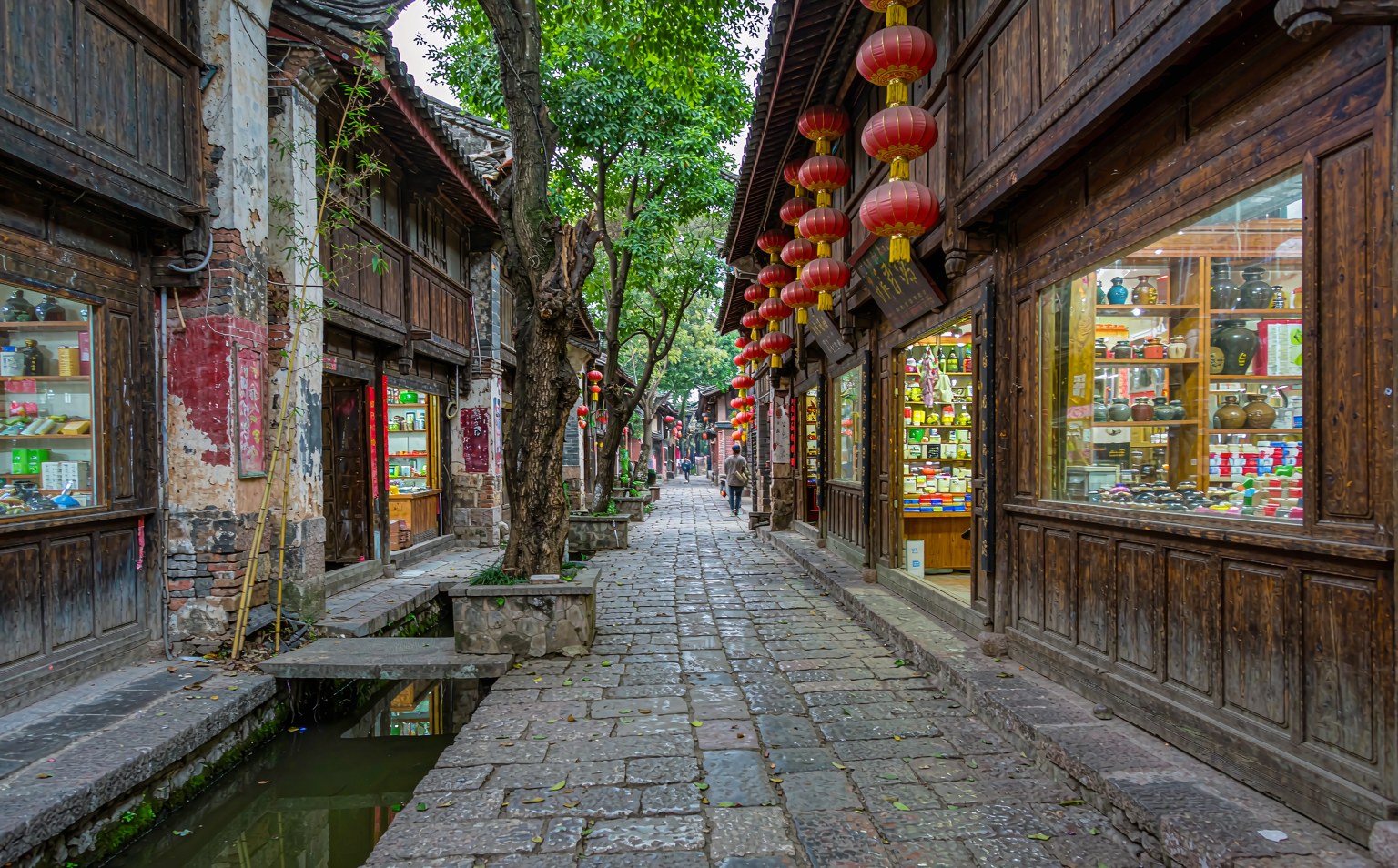
Lijiang Old Town, Jade Dragon Snow Mountain and Blue Moon Valley, Four Days from Luoyang
November brings clear skies to Lijiang and pulls the snowline down the mountain, so the peak shows above the old town roofs. Four unhurried days taking in the glacier, the blue-green river terraces and the lanes, gaining height a step at a time.
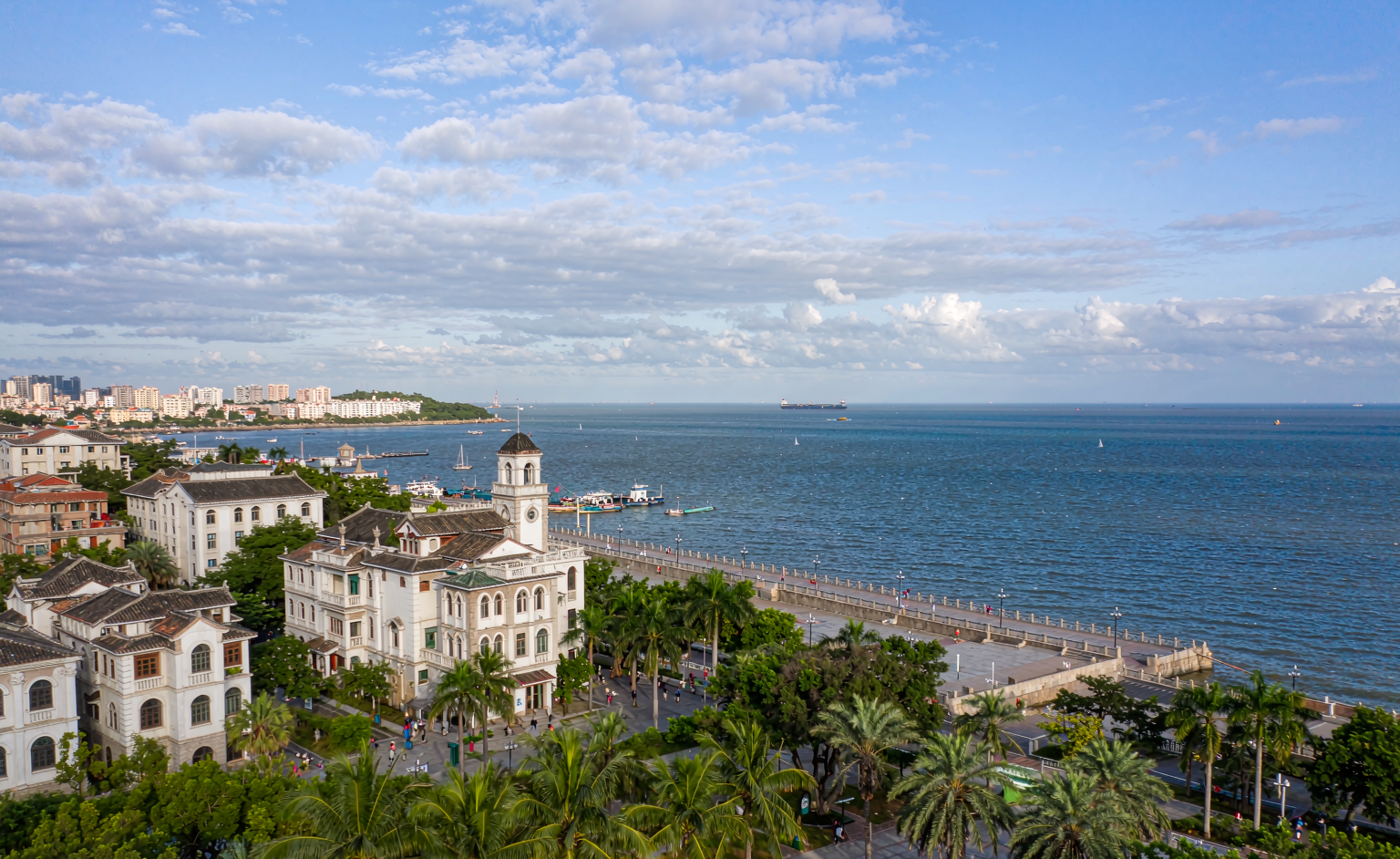
Xiamen, Gulangyu and Jimei in Five Days from Luoyang
In November Xiamen holds a mild twenty-odd degrees and the sea wind stays warm. Five days linking the old villas of Gulangyu, the boardwalk along the island road and the red-brick arcades of Jimei, with plenty of walking but nothing steep.
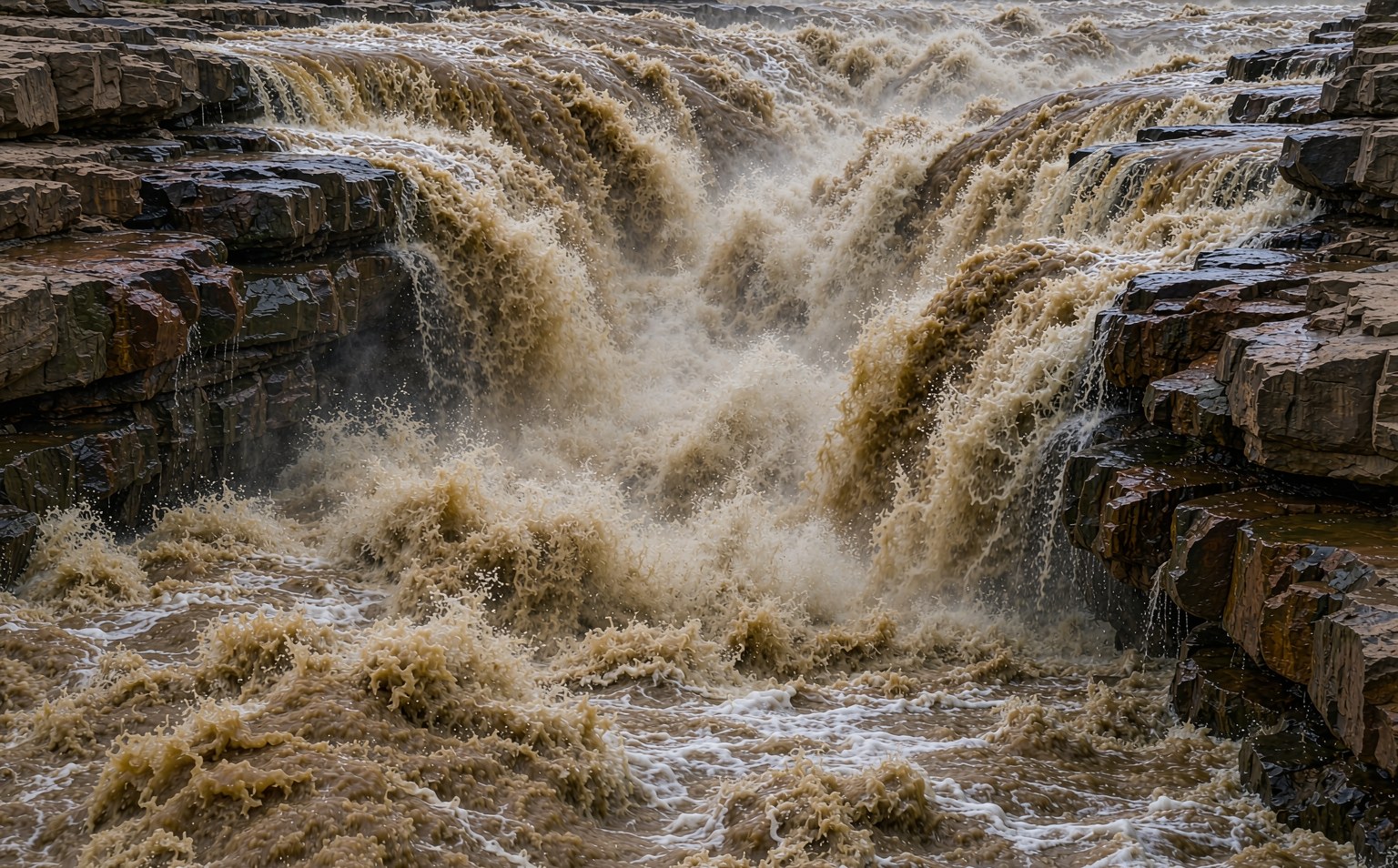
Hukou Falls, Qiankun Bend and Yan'an in Five Days from Luoyang
By November the Yellow River has dropped a notch, and the spray at Hukou comes closer instead of hanging in a cloud. Five days from Jixian up to Yanchuan for two different bends of the same river, then into the cave courtyards of Yan'an.