
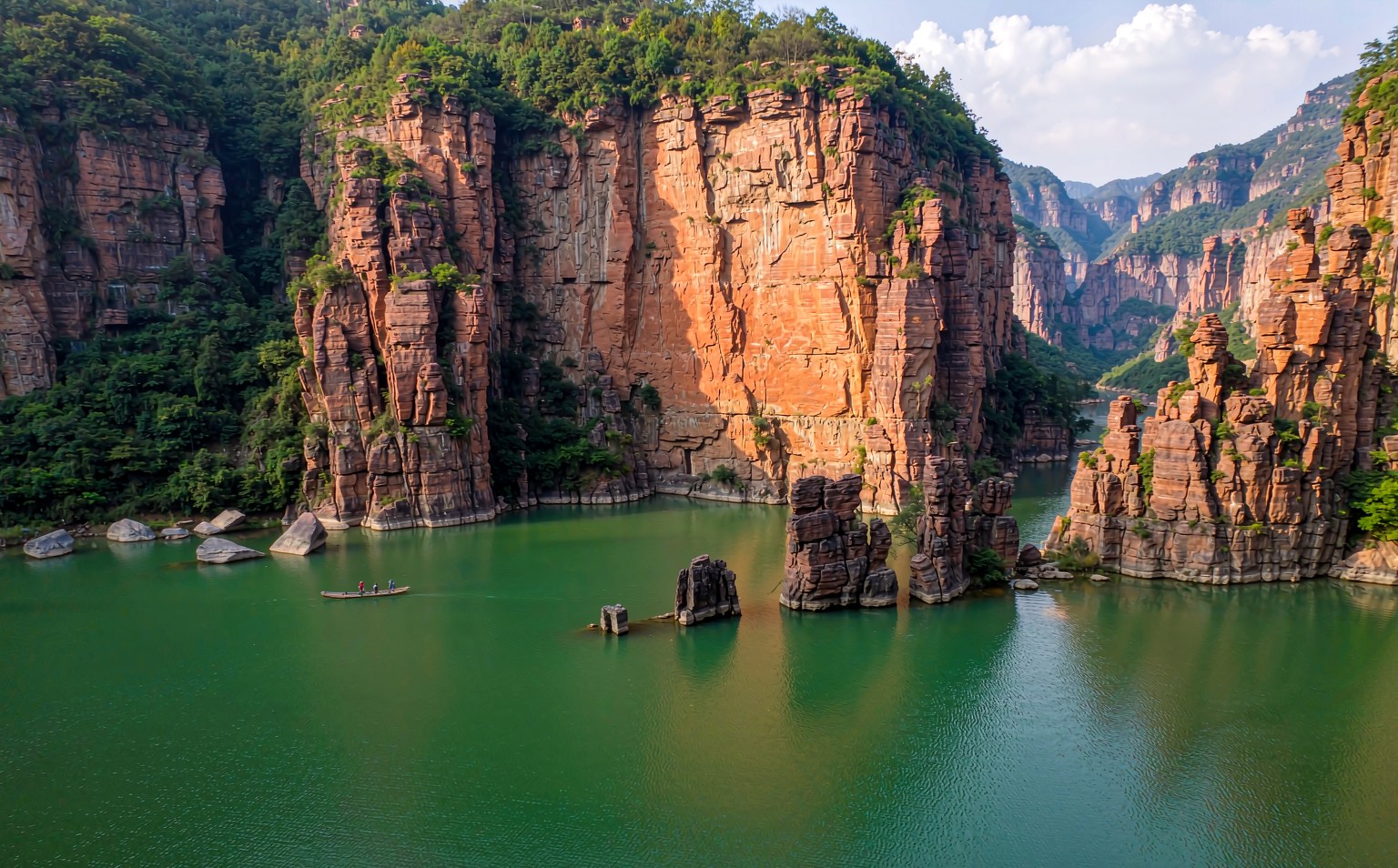
Luoyang 6-Day Tour: Longtan Grand Canyon & Longmen Grottoes
Luoyang 6-day tour covering Longtan Grand Canyon and Longmen Grottoes and Sui-Tang Luoyang City. Sightseeing tickets and shuttle bus included.
Highlights
Day 1: Longtan Grand Canyon
Gather in the morning and depart for Longtan Grand Canyon, follow the guide to visit core attractions, and allow plenty of time for photos and rest; Enjoy local specialties at noon, check into the hotel in the evening, and recharge for the next day's itinerary.
Attraction introduction: This stop is Longtan Grand Canyon. Located in Xin'an, it is a canyon famous for its Hongyan Valley and water flowing upward, earning it the reputation of a "canyon masterpiece" and an "ancient marine natural museum." Trails like Liubutan and Yixiantian are highly water-friendly, with the Hongyan cliffs and clear waters complementing each other. In summer, it is especially cool and refreshing, making it a family waterside destination not far from Luoyang city. The canyon stretches for several kilometers, with waterfalls, deep pools, and strange rocks along the way, offering a new view at every step. My understanding is that wearing a pair of non-slip river trekking shoes or sneakers is ideal, and valuables like phones should be waterproofed; Families with children should slow down the pace and choose gentle boardwalks without rushing to finish the entire route.
Friendly reminder: The canyon trail is adjacent to water and cliffs. Do not climb over guardrails or play in dangerous areas, and watch out for accompanying children. Visitors generally report that most think Longtan Grand Canyon is worth a special trip. It is recommended to slow down and follow the guide to listen to the explanations, saving time for the most impressive details and the best camera angles. Considering the actual situation, respect local customs, dress appropriately at religious sites, avoid casual advice, and a simple greeting can earn goodwill.
Day 2: Longmen Grottoes
Gather in the morning and depart for Longmen Grottoes, follow the guide to visit core attractions, and allow ample time for photos and rest; Enjoy local specialties at noon, check into the hotel in the evening, and recharge for the next day's itinerary.
Attraction introduction: A highlight of the itinerary is Longmen Grottoes, carved into the cliffs on both banks of the Yi River south of Luoyang city. Since Emperor Xiaowen of Northern Wei moved the capital to Luoyang, construction has continued through Eastern Wei, Western Wei, Northern Qi, Sui, Tang, and other dynasties. There are over 2,300 cave niches, over 100,000 statues, and more than 2,800 inscriptions and inscriptions preserved. The most impressive is the Vairocana Buddha at Fengxian Temple, standing over 17 meters tall, with a plump face and benevolent eyes. Legend has it that it was carved after Wu Zetian's likeness, marking the pinnacle of Tang dynasty stone carving art. Along with Dunhuang Mogao Caves and Datong Yungang, it is one of China's three great grottoes and a World Cultural Heritage site. When touring, head south along the Yi River trail from the Xishan Grottoes, where Binyang Three Caves, Ten Thousand Buddha Caves, and Lotus Cave each have highlights. Cross the bridge to the Dongshan Buddha Worship Platform for a panoramic view. My understanding is that in the morning, first visit the main cave of Xishan and admire the Big Buddha while there are fewer people; in the afternoon, go to the Dongshan Viewing Platform for the best lighting and angle; If you need to walk backward along both banks of the Yi River, a pair of comfortable shoes can save you a lot of effort.
Friendly reminder: Grottoes are mostly built along cliffs. When viewing, keep a distance from the cliff walls, hold the railings properly, and take care of the elderly and children. Visitors generally report that most find the Vairocana Buddha the most breathtaking, and the sunset on the western hills is the most photogenic; If you need to walk back along both banks of the Yi River, it is recommended to wear comfortable shoes and reserve half a day. Based on actual circumstances, the biggest fear of joining a tour is skimming the sights; listening to the explanation is the essence. The cultural stories behind each attraction are often more unforgettable than photos. If you encounter something unclear, ask the guide on the spot.
Day 3: Sui-Tang Luoyang City
Gather in the morning and depart for Sui-Tang Luoyang City, follow the guide to visit key attractions, allowing ample time for photos and rest; Enjoy local specialties at noon, check into the hotel in the evening, and recharge for the next day's itinerary.
Attraction introduction: This stop is Sui-Tang Luoyang City. Sui-Tang Luoyang City National Heritage Park centers around Yingtian Gate, Ming Hall, and Tiantang, recreating the grandeur of the grand palaces of the flourishing Tang Dynasty's "Divine Capital"Luoyang. Yingtian Gate is the south gate of Sui-Tang Luoyang City, grand and imposing. Climbing the tower overlooks the central axis and features a stunning light show at night; Ming Hall is the "Palace of Myriad Phenomena" from Empress Wu Zetian's era, while Tiantang is a tall pagoda for worshipping Buddha. Both buildings recreate the magnificent decorations of the flourishing Tang court. Strolling along Jiuzhou Pool is also a great way to imagine the grandeur of the imperial gardens of the past. This place is closely linked to TV dramas such as "Wu Zetian" and "The Wind RisesLuoyang," making it one of the most popular Tang culture check-in spots in recent years. My understanding is that you must tour at night—when the city lights come on, the lights of Yingtian Gate and Mingtang Heaven are what the 'Divine Capital' should look like; By day, you can admire the palace decorations; at night, watch the light show—two experiences in one day.
Friendly reminder: The ancient capital's attractions are scattered and involve many walking and transfers. It is recommended to wear comfortable flat shoes and plan your route well. Visitors generally report that Sui-Tang Luoyang City is worth a special trip. It is recommended to slow down and follow the guide to listen to the explanations, saving time for the most moving details and the best camera angles. Based on the actual situation, if you want authentic food, head deeper into the alleys. The main entrance has long lines and average taste; Ask about prices for specialties before comparing; local supermarkets tend to be more authentic.
Day 4: Mount Song
Gather in the morning and depart for Mount Song, follow the guide to visit core attractions, allowing enough time for photos and rest; Enjoy local specialties at noon, check into the hotel in the evening, and recharge for the next day's itinerary.
Attraction introduction: One highlight of the itinerary is Mount Song. Mount Song is the Central Mountain among the Five Great Mountains, mainly located in Dengfeng City, divided into Taishi and Shaoshi Mountains. The main peak, Junji Peak, rises to about 1492 meters. Its most special feature is that Confucianism, Buddhism, and Taoism have been adjacent to each other for thousands of years on the same mountain: Songyang Academy was a major center for Neo-Confucianism in the Song Dynasty, and the famous story 'Standing in Snow at Chengmen' is said to have happened here; Zhongyue Temple is one of the largest and best-preserved temple complexes among the Five Great Mountains; The Star Observatory in Gaocheng Town was built under the supervision of Guo Shoujing during the Yuan Dynasty and is one of the oldest existing astronomical observation buildings. In 2010, the "Center of Heaven and Earth" historical architectural complex, represented by Songyang Academy, Zhongyue Temple, Songyue Temple Pagoda, Shaolin Temple Regular Residence, Pagoda Forest, First Patriarch's Hermitage, and Star Observation Platform, was inscribed on the World Heritage List. My understanding is that on the first day, there's no need to overindulge—first visit the academy and Zhongyue Temple to understand the ritual system of "Heaven and Earth in the Center," saving the energy for hiking later; If you have extra time, going to the Sanhuangzhai plank road on Shaoshi Mountain in the evening to watch the sunset is the most photogenic part of the entire trip.
Friendly reminder: The mountain area has large temperature differences between morning and evening, and the wind at the summit is strong. A windproof jacket and warm inner layer are very necessary. Visitors generally report that Mount Song is worth a special trip. It is recommended to slow down and follow the guide to listen to the explanations, saving time for the most impressive details and the best camera angles. Based on the actual situation, leave some room for physical activity. Focus on the main activities in the morning and slow down in the afternoon to avoid overexertion on the first day and fatigue in the following days.
Related Tours
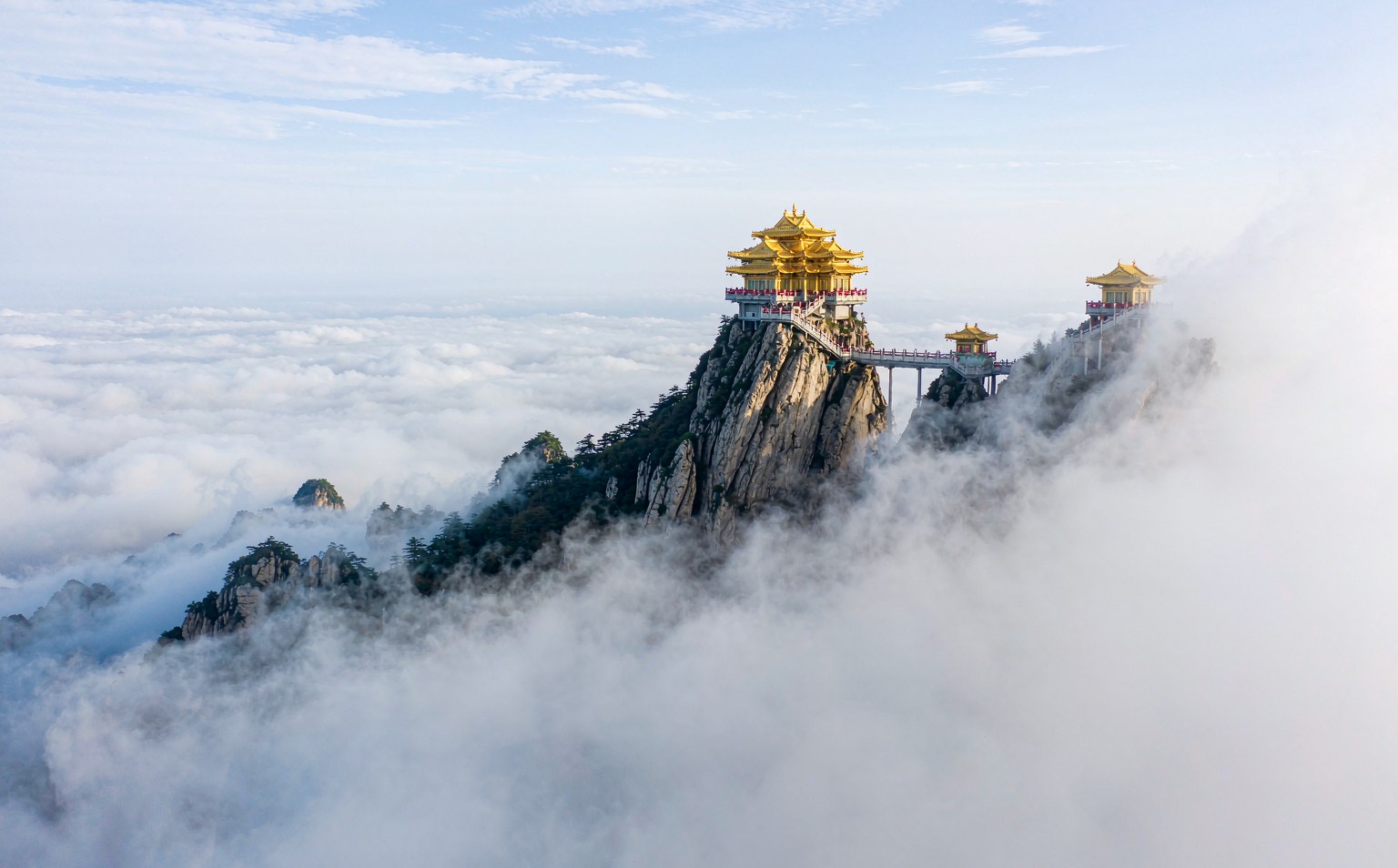
Luoyang Departure Laojun Mountain and Longywan 3 Days
Three days from Luoyang: the first evening waiting below the golden summit for the lamps, the second climbing early for cloud, then a slow afternoon along the nine bends of Longywan. The ticket holds two days, so the mountain is never rushed.
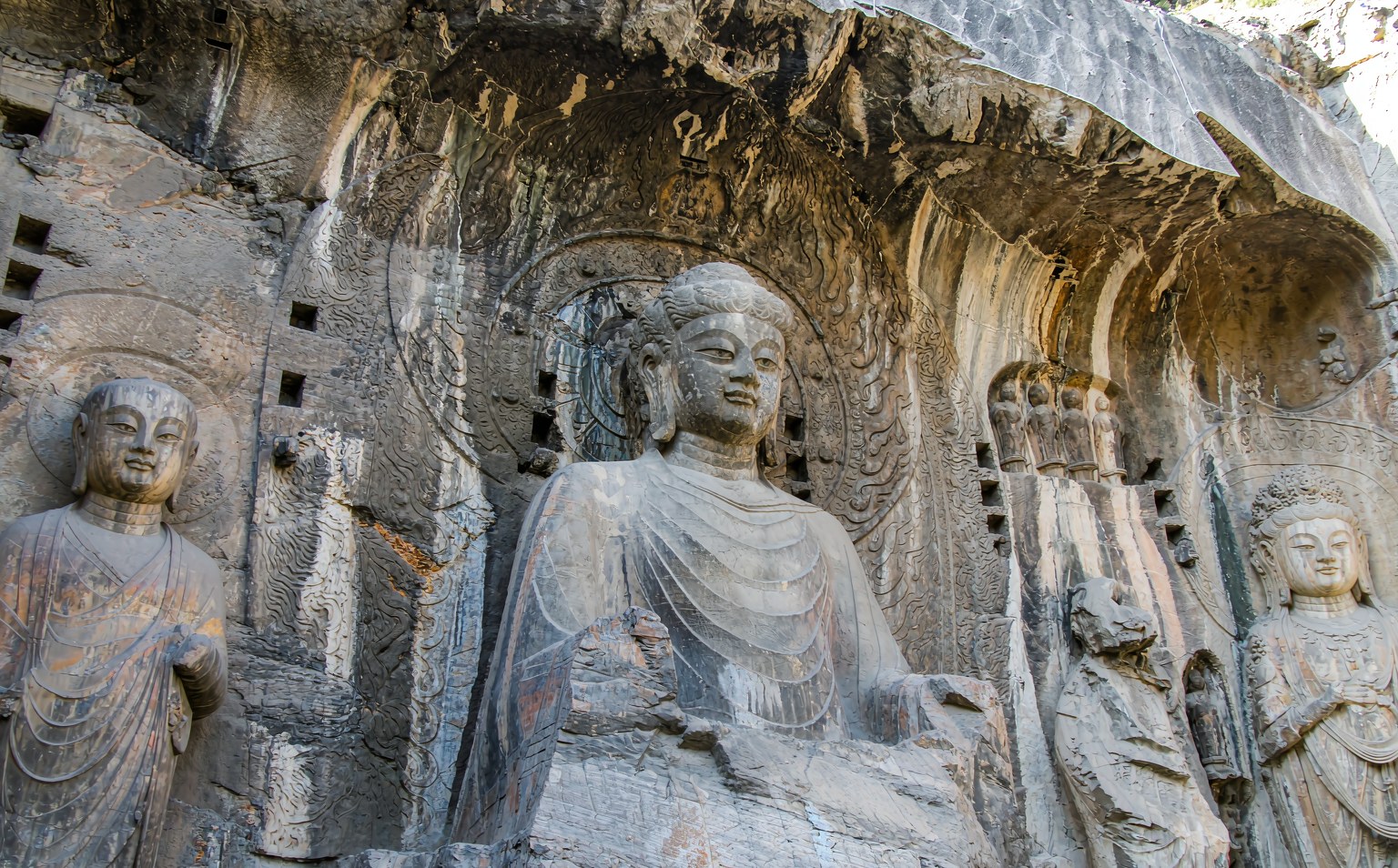
Luoyang Departure Longmen Grottoes and White Horse Temple 3 Days
Three days from Luoyang: the carved cliff of the west bank first, then the oldest official Buddhist temple in China, then the Ming and Qing halls of Guanlin. Both nights stay inside the old city, so the lantern street is a walk away.
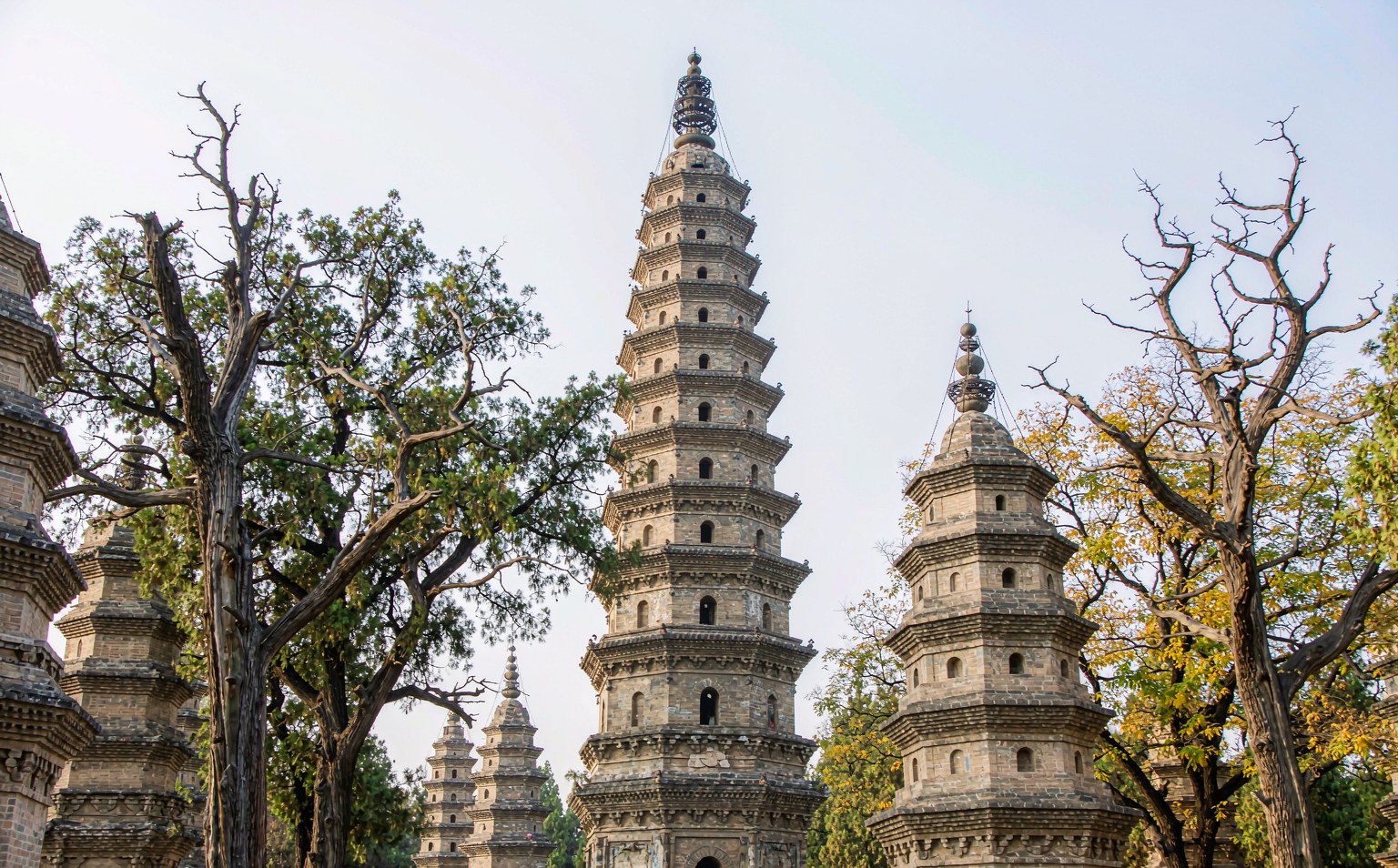
Luoyang to Shaolin Temple, Sanhuangzhai and Songyang Academy 5 Days
Five days from Luoyang. Songshan has two massifs, Taishi and Shaoshi: the Shaolin Temple and Sanhuangzhai sit on one, the Songyang Academy and Zhongyue Temple on the other. The 80 yuan Shaolin ticket already covers Sanhuangzhai.
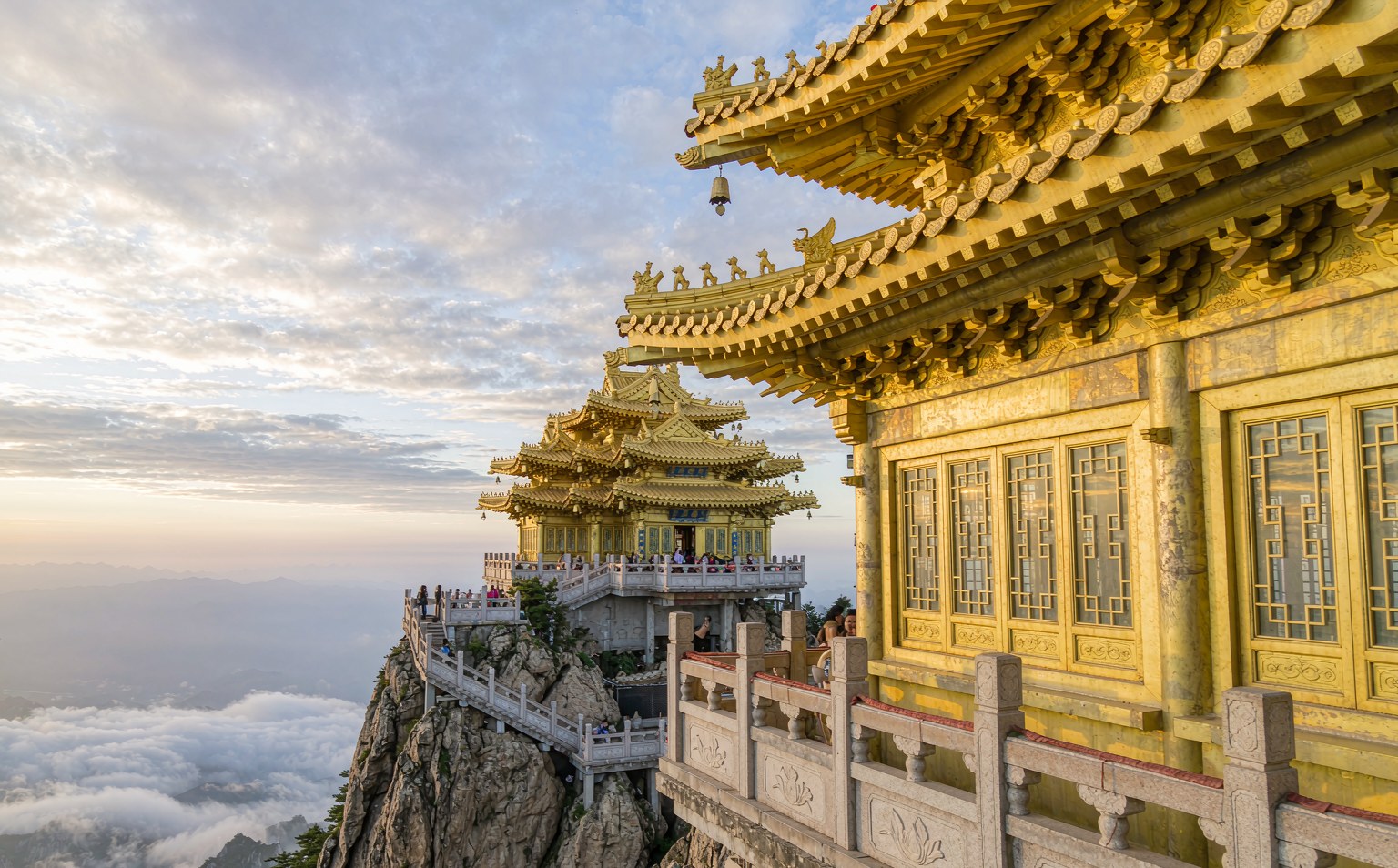
Luoyang to Laojunshan, Chongdugou, Jiguan Cave and Yangzigou 6 Days
Six days from Luoyang. The Laojunshan ticket stays valid for two days, so the golden summit comes first and a second climb chases the morning cloud sea. Jiguan Cave runs 1,800 metres at a constant 18 degrees, and Chongdugou still has green bamboo in November.