
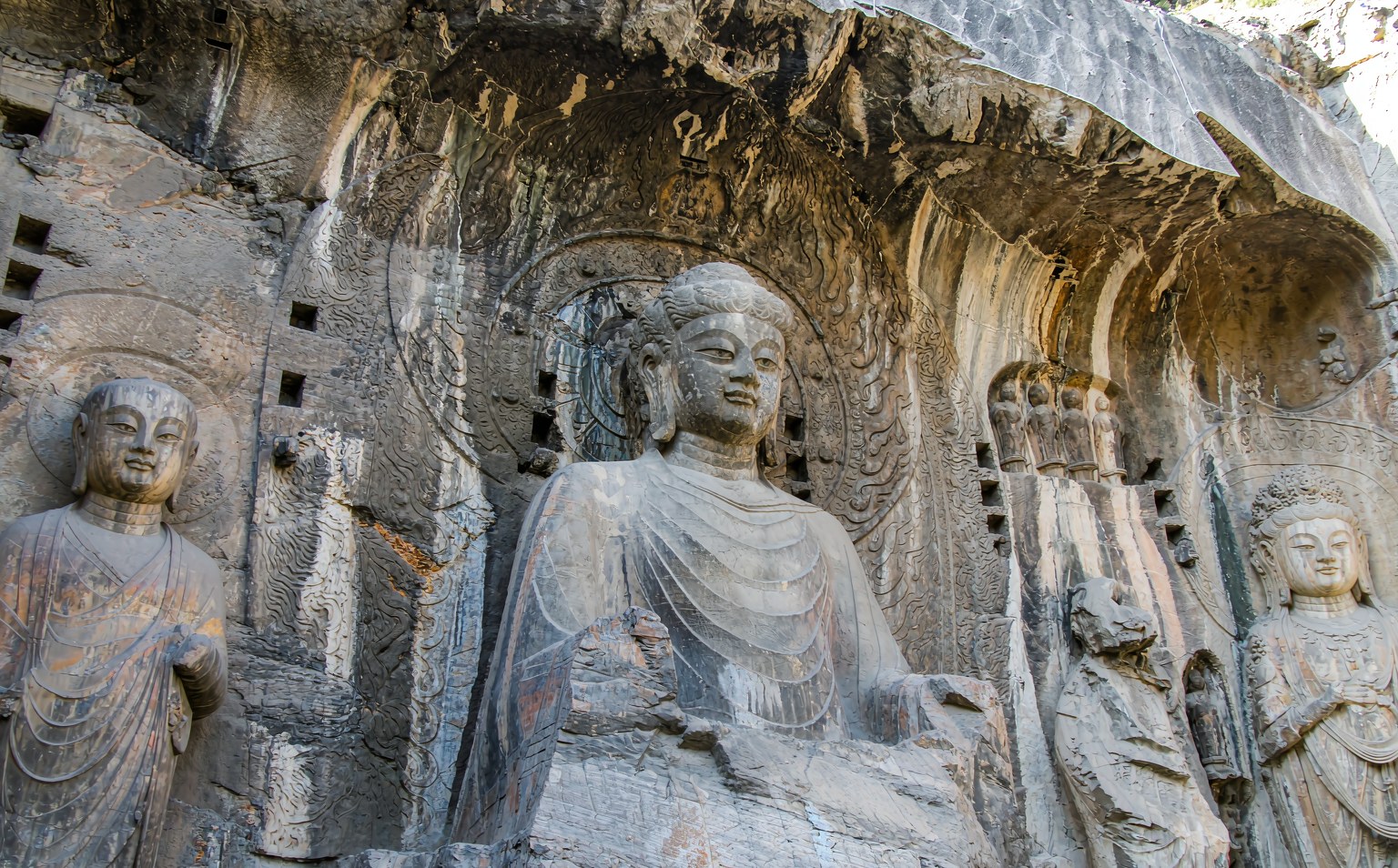
Luoyang Departure Longmen Grottoes and White Horse Temple 3 Days
Three days from Luoyang: the carved cliff of the west bank first, then the oldest official Buddhist temple in China, then the Ming and Qing halls of Guanlin. Both nights stay inside the old city, so the lantern street is a walk away.
Highlights
Day 1 Luoyang to Longmen Grottoes and Xiangshan
Pick up at Luoyang Longmen station at half past eight, send the bags to the hotel and walk in with free hands. Enter the grottoes from the northwest service gate and cross the Yi river to the west bank first. The walkway is pinned to the cliff, and for two kilometres every few steps brings another niche cut into the rock, with staircases in between. The Vairocana terrace opens up suddenly: the great Buddha seated in the middle, heavenly kings and guardians standing to either side, the stone steps in front polished by centuries of feet. Cross the bridge to the east bank and look back, because the whole west cliff reads as one carved wall from there, an angle that beats standing at the statue feet. In the afternoon climb to Xiangshan temple, with the Bai garden next door.
Attraction introduction: The carving at Longmen began around the time the Northern Wei moved its capital to Luoyang, and continued through the Eastern Wei, Western Wei, Northern Qi, Sui, Tang and Song. Some 2,345 niches and more than one hundred thousand figures survive. The Vairocana Buddha of the Fengxian terrace stands 17.14 metres tall and belongs to a group of nine, made for the Tang royal house. The Yi river splits the site into two cliffs, with Northern Wei work mostly on the west bank.
Tips: The west bank is all steps and little shade, so walking it in the morning costs less than in the afternoon heat. Guests generally find the Vairocana terrace permanently crowded and wait for a gap to photograph the whole group. In practice we keep the grottoes for the first morning and leave the east bank and Xiangshan for after lunch, with the Bai garden for anyone still standing.
Day 2 White Horse Temple, Guanlin and the lantern street
Drive twelve kilometres east of the city to White Horse Temple. Two stone horses outside the gate date from the Song dynasty; inside, the route runs through the Heavenly King hall to the Qingliang terrace and the Qiyun pagoda. East of the main courtyards sits a separate international zone where India, Myanmar and Thailand each built a hall in their own style, brick red, white pagoda and gilded roof standing within a few steps of each other. Lunch is a bowl of vegetarian noodles outside the temple. In the afternoon turn south to Guanlin, where the stone lions line the processional way one after another, Guan Yu sits in the main hall, and an octagonal pavilion stands over the tomb mound behind a grove of old cypress. Back in the old town before dark, the free night quarter needs a reservation booked a day ahead.
Attraction introduction: White Horse Temple was founded in the eleventh year of the Yongping era of the Eastern Han, in 68 AD, as the first monastery built by the government after Buddhism reached China, and it is known as the first ancient temple of the country. Guanlin is traditionally the burial place of the head of Guan Yu; the present halls were rebuilt in the Ming and Qing, running from the opera tower to the octagonal pavilion, with more than a hundred old cypress in the grounds.
Tips: The temple opens at eight and the tour groups arrive after nine, so the first half hour is the quiet one. Guests generally find the international zone on the east side is empty and well lit, and most visitors miss it entirely. In practice the whole morning belongs to the temple here, with Guanlin pushed to mid afternoon when the light comes in at the hall doors.
Day 3 Guanlin market and departure
The last day keeps only Guanlin. Enter through the ceremonial gate and take the lions one by one along the processional way, where hardly two are alike. The devotional hall, the main hall and the second hall follow north, ending at the stone archway and the octagonal pavilion, its mound covered in moss. Outside the gate the Guanlin market sells incense, cloth tigers and paper cuts, and half an hour there shows how the city lives on an ordinary morning. Lunch back in the centre, then the two o clock transfer to Longmen station and the three o clock one to Luoyang station, with bags collected from the hotel desk on the way.
Attraction introduction: Guanlin is one of the better preserved Ming and Qing complexes in Luoyang, its axis running from the opera tower through the gate, the ceremonial gate, the processional way, the devotional hall, the main hall, the second and third halls, the stone archway and the octagonal pavilion. The tradition that the head of Guan Yu lies here appears in local gazetteers from the Ming and Qing onward, and a folk ceremony is still held every autumn.
Tips: The ticket is forty yuan, the gate opens at half past eight and stops admitting at five, so do not plan it against the habits of other sites. Guests generally find the lions along the way more rewarding than the statues inside the halls. In practice the last day carries only this one stop, leaving two hours for packing and no risk of missing a train.
Related Tours
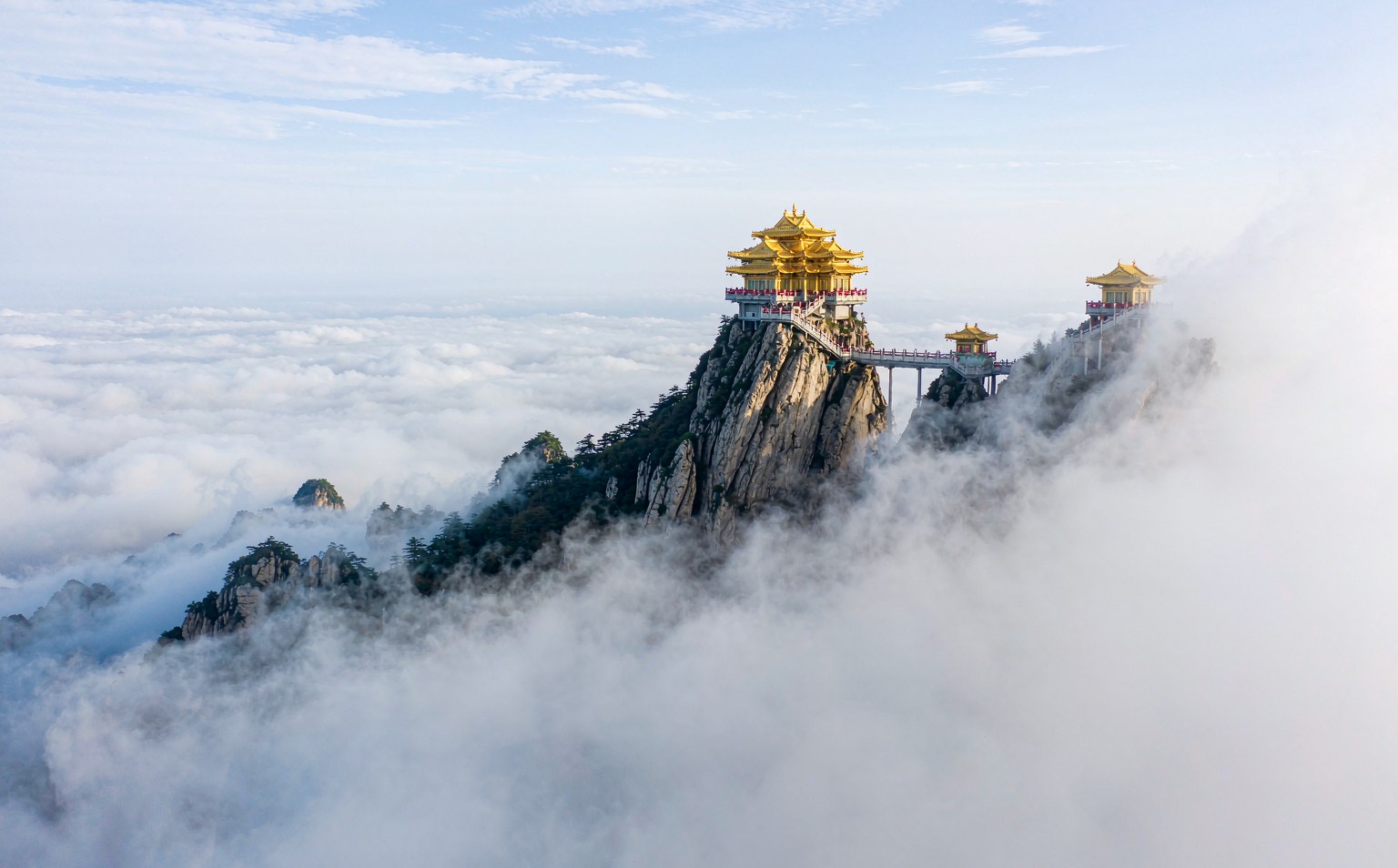
Luoyang Departure Laojun Mountain and Longywan 3 Days
Three days from Luoyang: the first evening waiting below the golden summit for the lamps, the second climbing early for cloud, then a slow afternoon along the nine bends of Longywan. The ticket holds two days, so the mountain is never rushed.
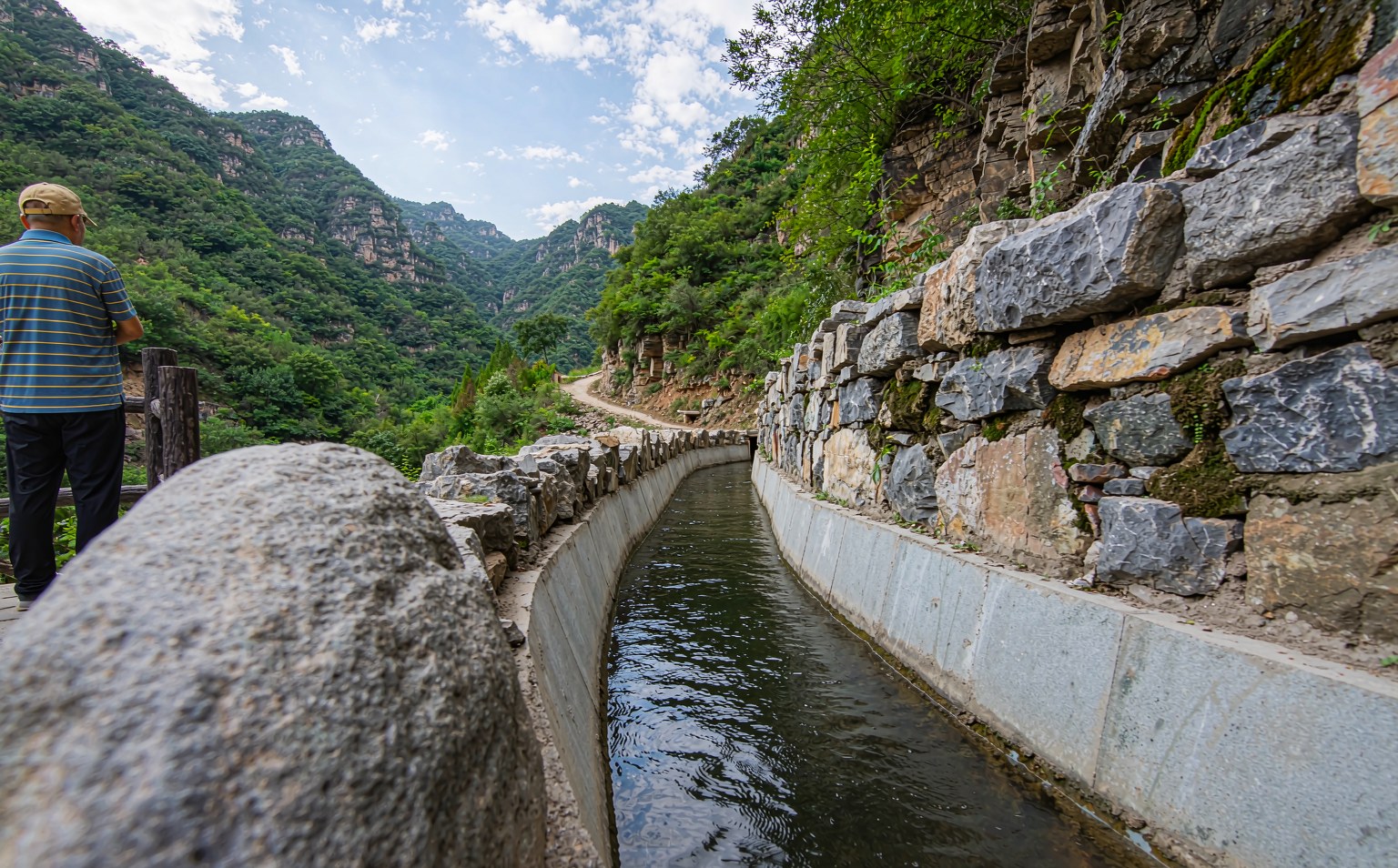
Luoyang Departure Red Flag Canal and Taihang Cliffs 5 Days
Five days along the eastern foot of the Taihang range: the canal bank and the Youth Tunnel, the ridge road and the cliff stair at Shibanyan, and the 1,250 metre tunnel road carved by hand above Guoliang village.
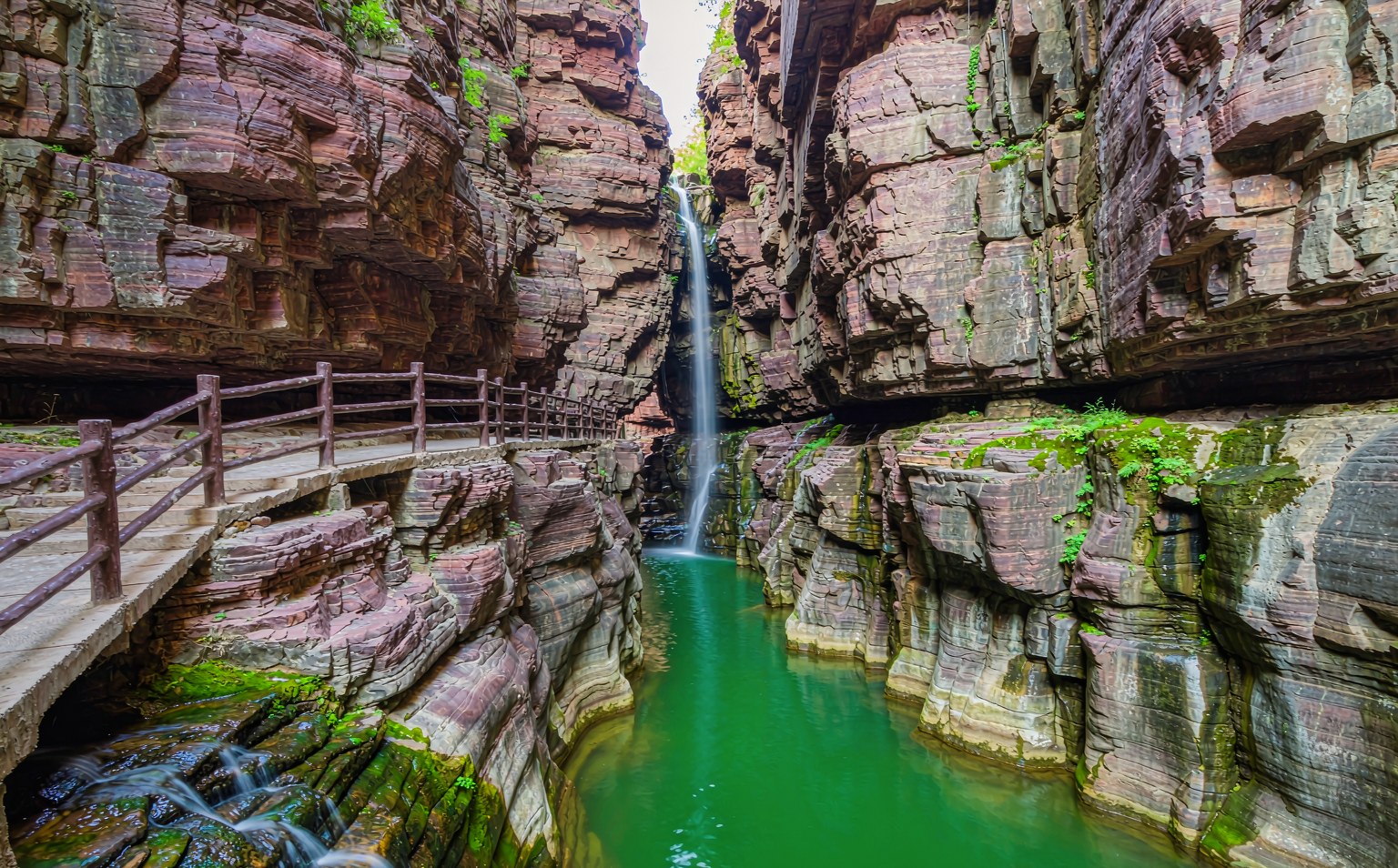
Luoyang Departure Yuntai Mountain, Qingtianhe and Shennong 4 Days
Four days from Luoyang linking three waters of the southern Taihang: the one way walkway of Red Stone Gorge, the lake and boats of Qingtianhe, and the ridge under a metre wide on Shennong Mountain. Nights stay in the village by the shuttle stop.
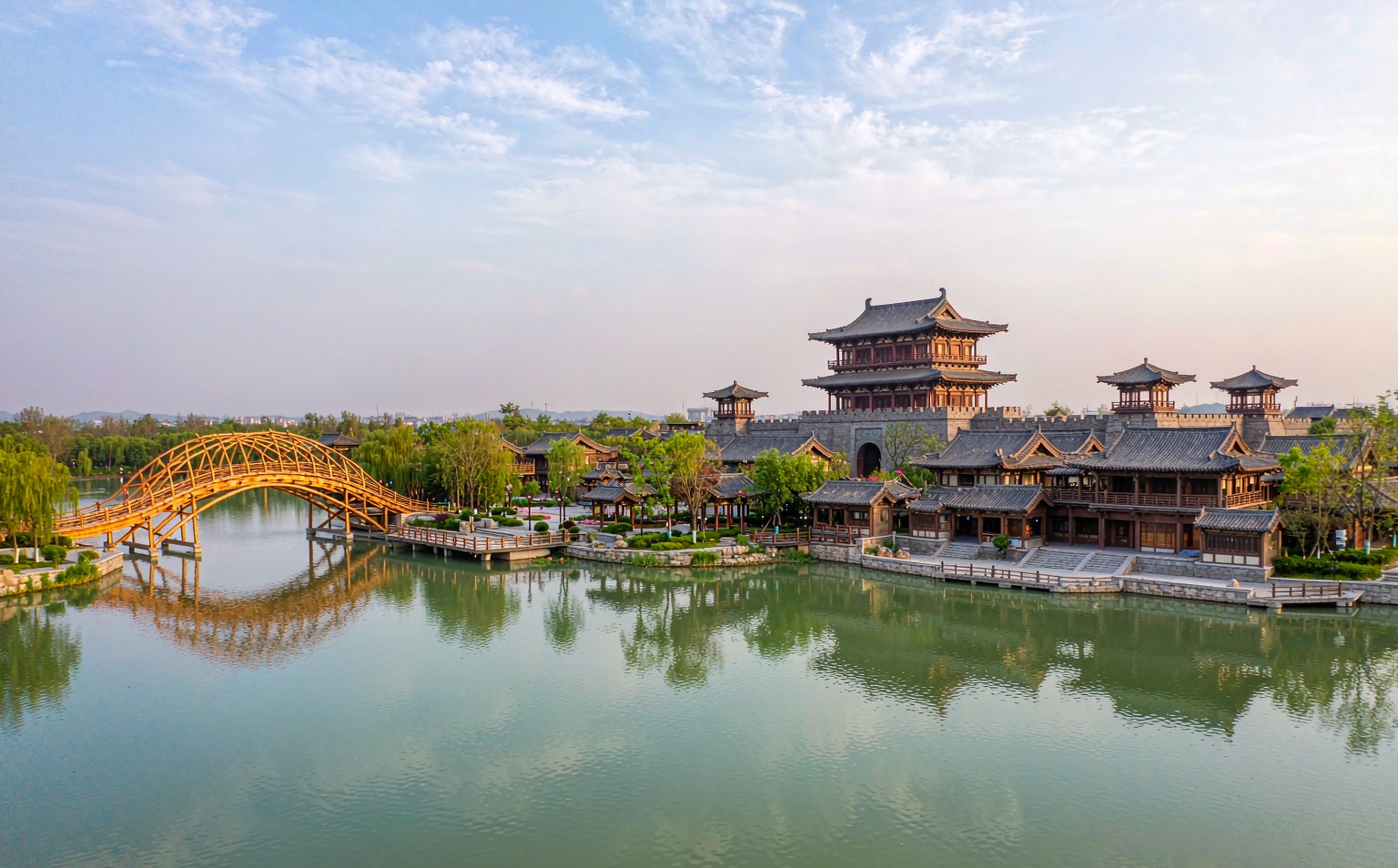
Luoyang Departure Kaifeng Chrysanthemum Show 4 Days
Four days from Luoyang timed to the Kaifeng chrysanthemum festival. The painted river park by day and its lanterns by night, the prefect office with its courtroom plays, and the iron coloured pagoda above a city of grey roofs.