
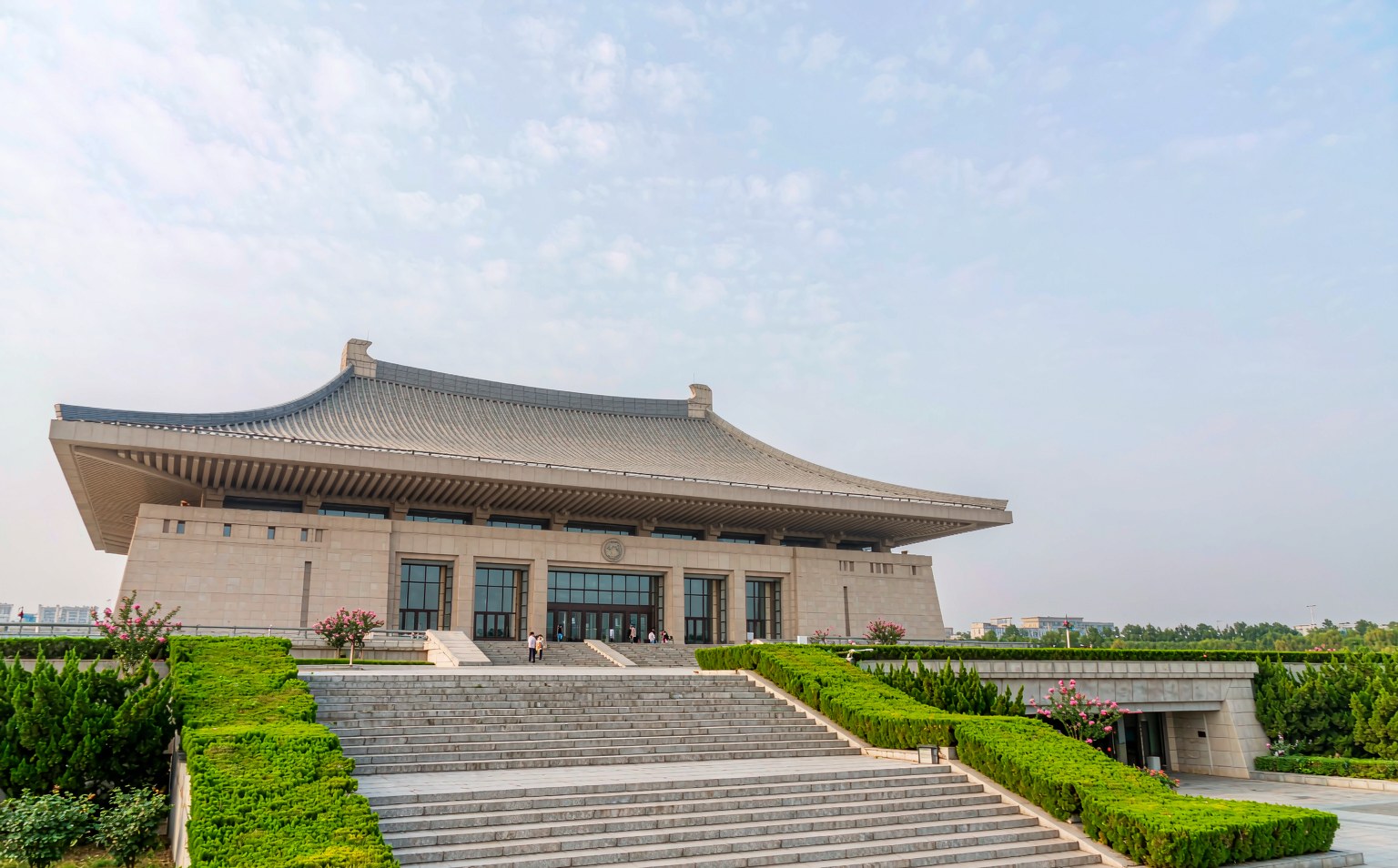
Xinxiang 4-Day Tour: Sui-Tang Luoyang City & Chongdu Valley
Xinxiang 4-day tour covering Sui-Tang Luoyang City and Chongdu Valley and Yin Xu. Sightseeing tickets and shuttle bus included.
Highlights
Day 1: Sui-Tang Luoyang City
Gather in the morning and depart for Sui-Tang Luoyang City, follow the tour guide to visit the core attractions, allowing ample time for taking photos and resting; enjoy a local specialty meal at noon, check into the hotel in the evening, and recharge to prepare for the next day's itinerary.
Attraction Introduction: This stop is Sui-Tang Luoyang City. Sui-Tang Luoyang City National Heritage Park centers around Ying Tian Gate, Ming Tang, and Tian Tang, restoring the palace grandeur of the prosperous Tang Dynasty "Divine Capital" Luoyang. Ying Tian Gate is the main southern gate of Sui-Tang Luoyang City, majestic in scale, and from the tower you can overlook the central axis; at night, there is a stunning light show. Ming Tang was the "Palace of All Phenomena" during the Wu Zetian period, while Tian Tang is a high tower for Buddhist rituals. The interiors of both buildings have been restored to reflect the luxurious furnishings of the Tang Dynasty court. The area around Jiuzhou Pool is also suitable for a leisurely stroll, letting one imagine the grandeur of the ancient royal gardens. This site is closely related to TV dramas such as "Wu Zetian" and "The Rise of Luoyang," making it one of Luoyang's most popular Tang culture attractions in recent years. In my understanding, it is essential to visit at night — the lights at Ying Tian Gate, Ming Tang, and Tian Tang at dusk truly reflect the appearance of the "Divine Capital." Experiencing the palace interiors during the day and the light show at night offers two distinct experiences in one day.
Tips: The ancient capital offers abundant night tour programs. When going out at night, keep warm and remember the meeting point. Visitors generally feedback that most believe Sui-Tang Luoyang City is worth making a special trip for; it is recommended to slow down, follow the guide for explanations, and dedicate time to the details that move you most and the best photo spots. Depending on the situation, keep ID cards and wallets separate, and back up important documents by photographing them and storing them on your phone, so that in case of loss, replacements can be quickly arranged without affecting your itinerary.
Day 2: Chongdugou
Gather in the morning and set off for Chongdugou, follow the tour guide to visit the main attractions, allowing plenty of time for taking photos and resting; enjoy local specialty dishes at noon, check in at the hotel in the evening, and recharge for the next day's itinerary.
Attraction Introduction: This stop is Chongdugou, located in Luanchuan, known for its vast bamboo forests, cascading waterfalls, and the farming scenery of western Henan. It is one of the few "Jiangnan-style" summer resorts in western Henan. The scenic area is divided into two sections: Jinji River and Dicui River. Jinji River is famous for its waterfalls, with splashing water and a refreshing atmosphere; Dicui River is a continuous bamboo forest, where walking through it is a feast of green. Here, visitors can stay in farmhouse accommodations, try wild mountain vegetables, and experience authentic village life in western Henan, with a slow pace, making it ideal for family leisure and summer vacations. My understanding is to slow down the rhythm and not rush through the attractions—walking in the bamboo forest and sitting by the stream is the right way to enjoy Chongdugou; visiting in summer is most comfortable, so cool that you won’t want to leave.
Tips: The water sections in the canyon are slippery, so be sure to wear anti-slip creek shoes or sports shoes, and keep phones and other valuables waterproof. Feedback from visitors generally indicates that most believe Chongdugou is worth a special visit. It is recommended to slow down, listen to the guide’s explanation, and leave time for the details that touch you most and the best photo spots. Depending on the situation, bring some small change and packaged snacks, which will be useful when the cellular signal is poor or for temporary supplies—don’t wait until you’re hungry to look for food.
Day 3: Yin Ruins
Assemble in the morning and depart for Yin Ruins. Follow the guide to visit the main attractions, leaving plenty of time for photos and rest; enjoy local specialty dishes for lunch, and check into the hotel in the evening to recharge for the next day's itinerary.
Attraction Introduction: Today's itinerary includes Yin Ruins attractions. Yin Ruins is the late Shang Dynasty capital site, located in Anyang. It is the birthplace of oracle bone script and the site where the Houmuwu Ding (formerly known as Simuwu Ding) was discovered. In 2006, it was listed as a World Cultural Heritage site. This was once the capital city after King Pan Geng of the Shang Dynasty moved to Yin, lasting over 270 years. The foundations of palaces and ancestral temples, royal tombs, and chariot pits are clearly visible. Oracle bones were first discovered here, pushing the start of recorded Chinese history back to the Shang Dynasty. The new museum of Yin Ruins systematically displays bronzes, jades, oracle bones, and other cultural relics, making it the most straightforward way to understand Shang civilization. My understanding is that first viewing the palace and ancestral temple ruins and the chariot pits helps establish a spatial concept, and then entering the museum for the artifacts allows for detailed appreciation. The oracle bones and large bronzes are the highlights; following the guide here is far more rewarding than a cursory glance.
Tips: There is a large temperature difference between morning and evening in mountainous areas, and it is windy at the summit, so a windproof jacket and warm inner layers are necessary. Visitors generally report that the oracle bones and the Simuwu Ding make history 'come alive,' and that the new museum is more worthwhile than the open-air ruins; remember to follow the guide to truly understand. In practice, mountain weather can change suddenly, so a windproof jacket is more reliable than anything else; choose shoes that are non-slip and comfortable, and it's better to take a few fewer photos than to twist your ankle.
Day 4: Return
Transfer to the departure terminal per your booked train or flight; keep travel documents and tickets in your carry-on.
Related Tours
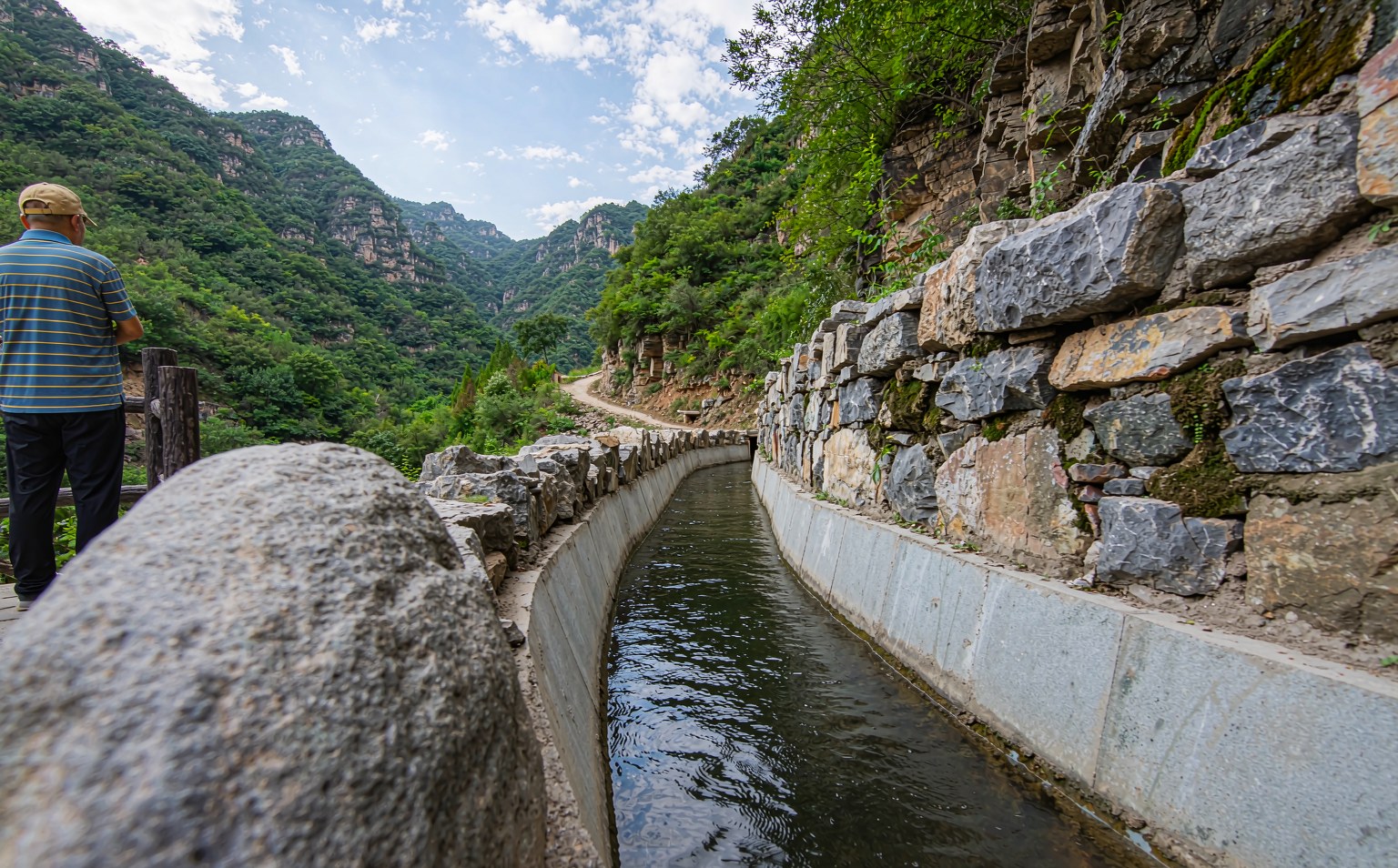
Luoyang Departure: Red Flag Canal, 6 Days 5 Nights
Six days on the eastern flank of the Taihang range. The Red Flag Canal takes two, with the memorial hall and Qingnian Tunnel twenty-five kilometres apart; Taohua Valley and Wangxiang Rock get a day each; the ridge road comes last.
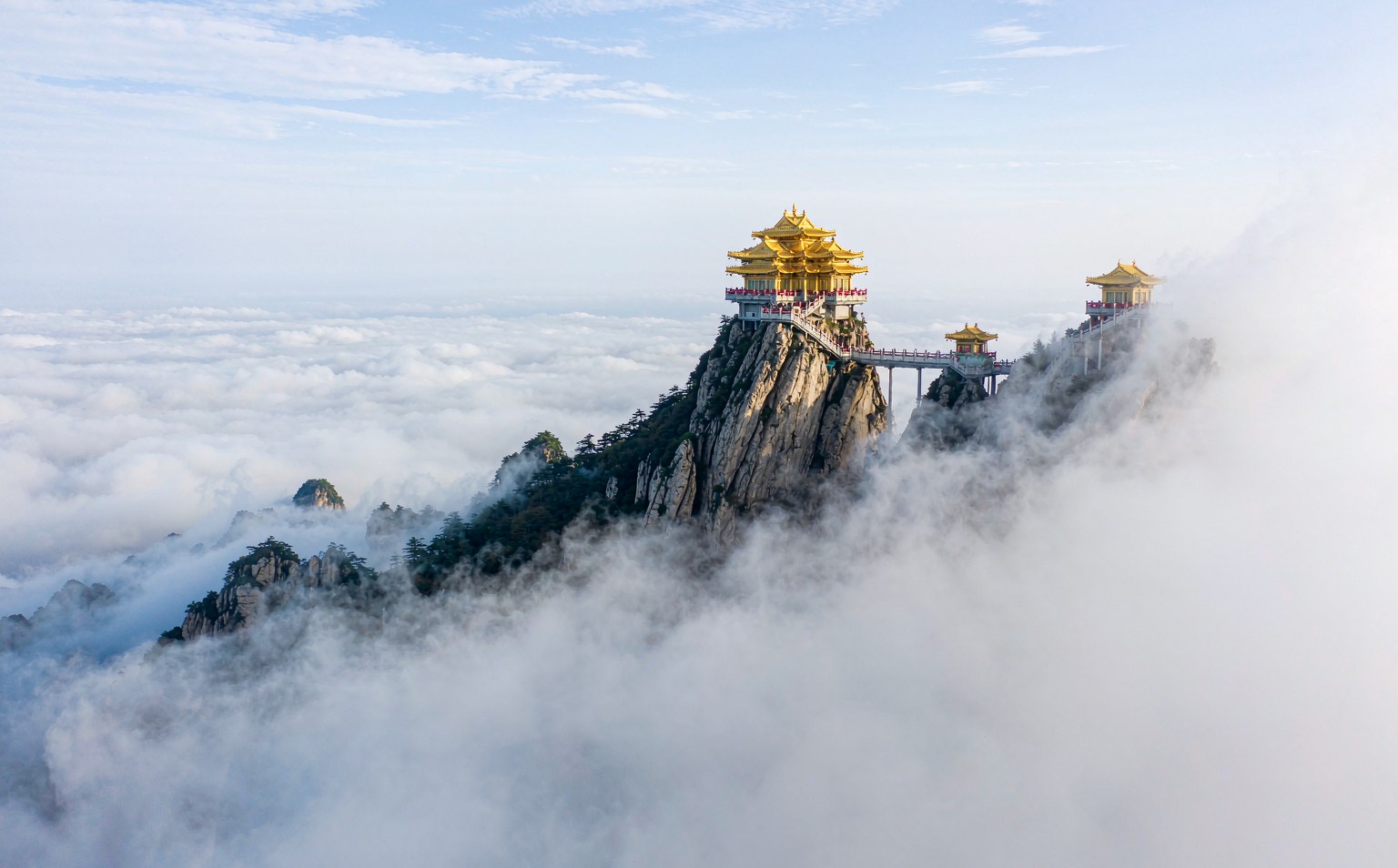
Luoyang Departure: Laojun Mountain, 4 Days 3 Nights
Four days in the Luanchuan hills: a limestone cave first, then a whole day on Laojun Mountain waiting for the golden summit to light up after dusk, and a slow morning among fallen leaves at Longyuwan. The upper cable car stops at half past three.
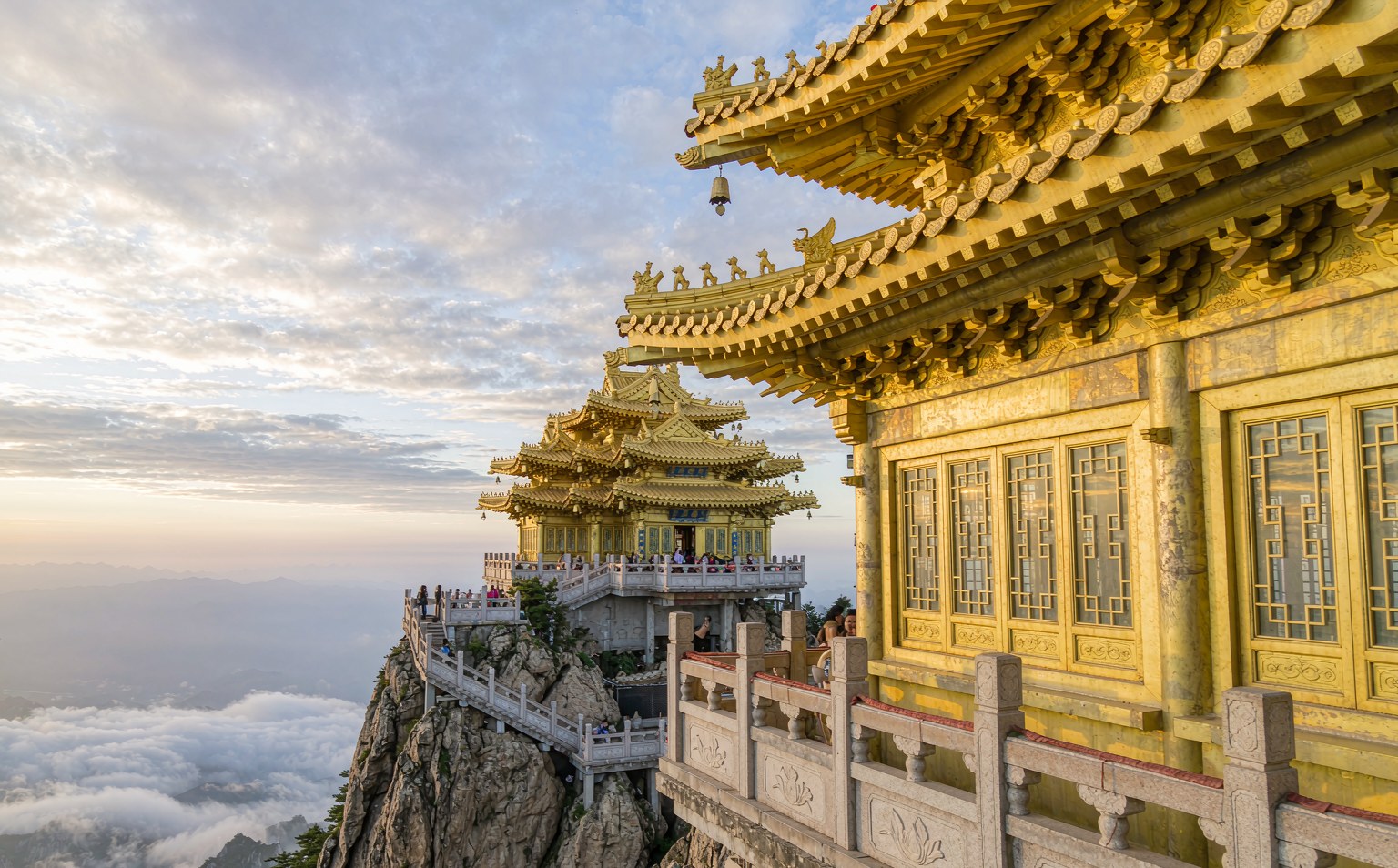
Luoyang 4-Day Tour: Laojun Mountain & Chongdu Valley
The Laojun Mountain ticket holds for two days, so this route splits the climb in half: the cliff walkway on the first afternoon, the summit and its cloud early the next.
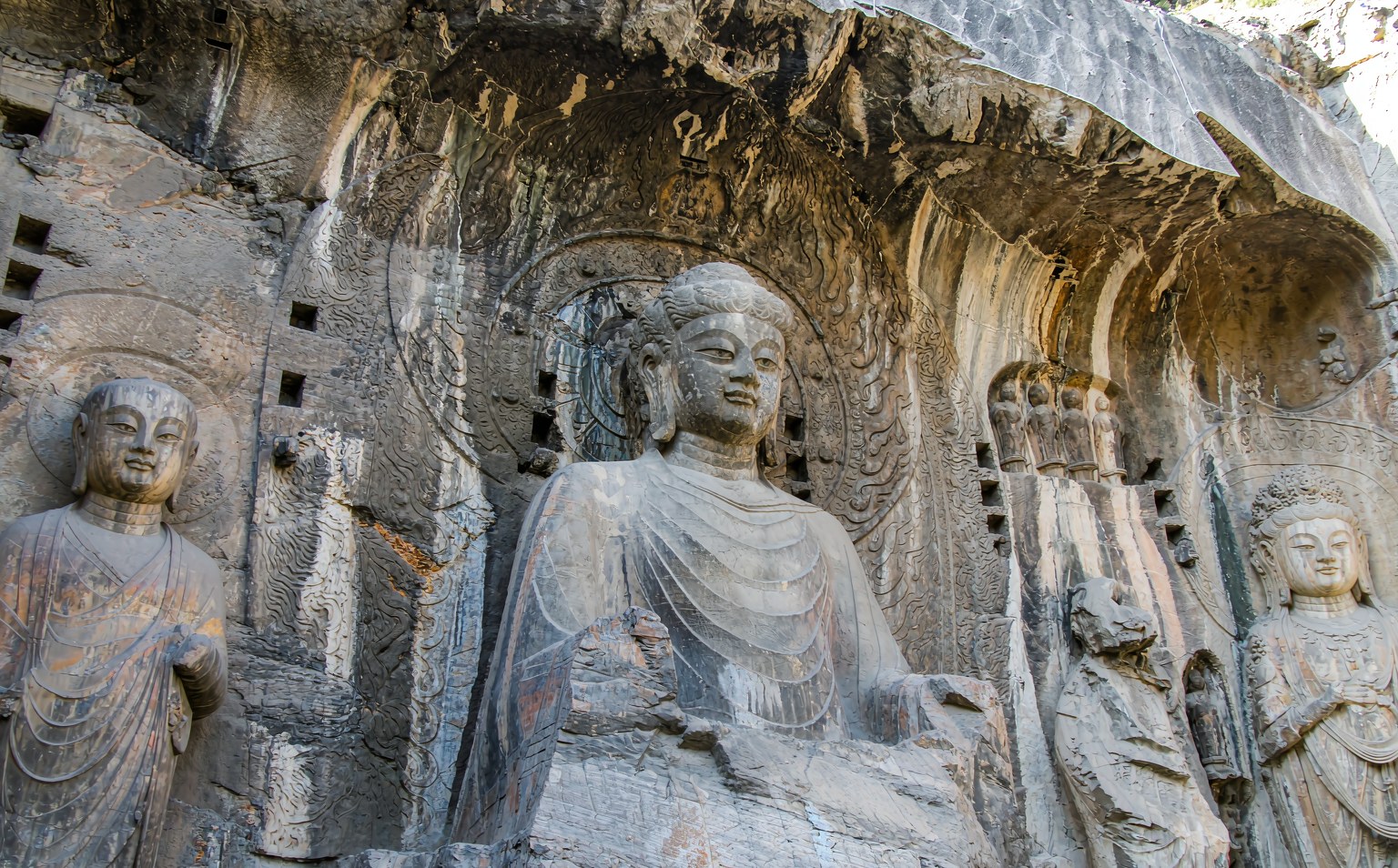
Luoyang 4-Day Tour: Longmen Grottoes & Erlitou Site
Four days spent inside Luoyang itself. Longmen in the afternoon, when the low sun reaches the face of the Vairocana Buddha; Erlitou the next morning, a Bronze Age capital.