
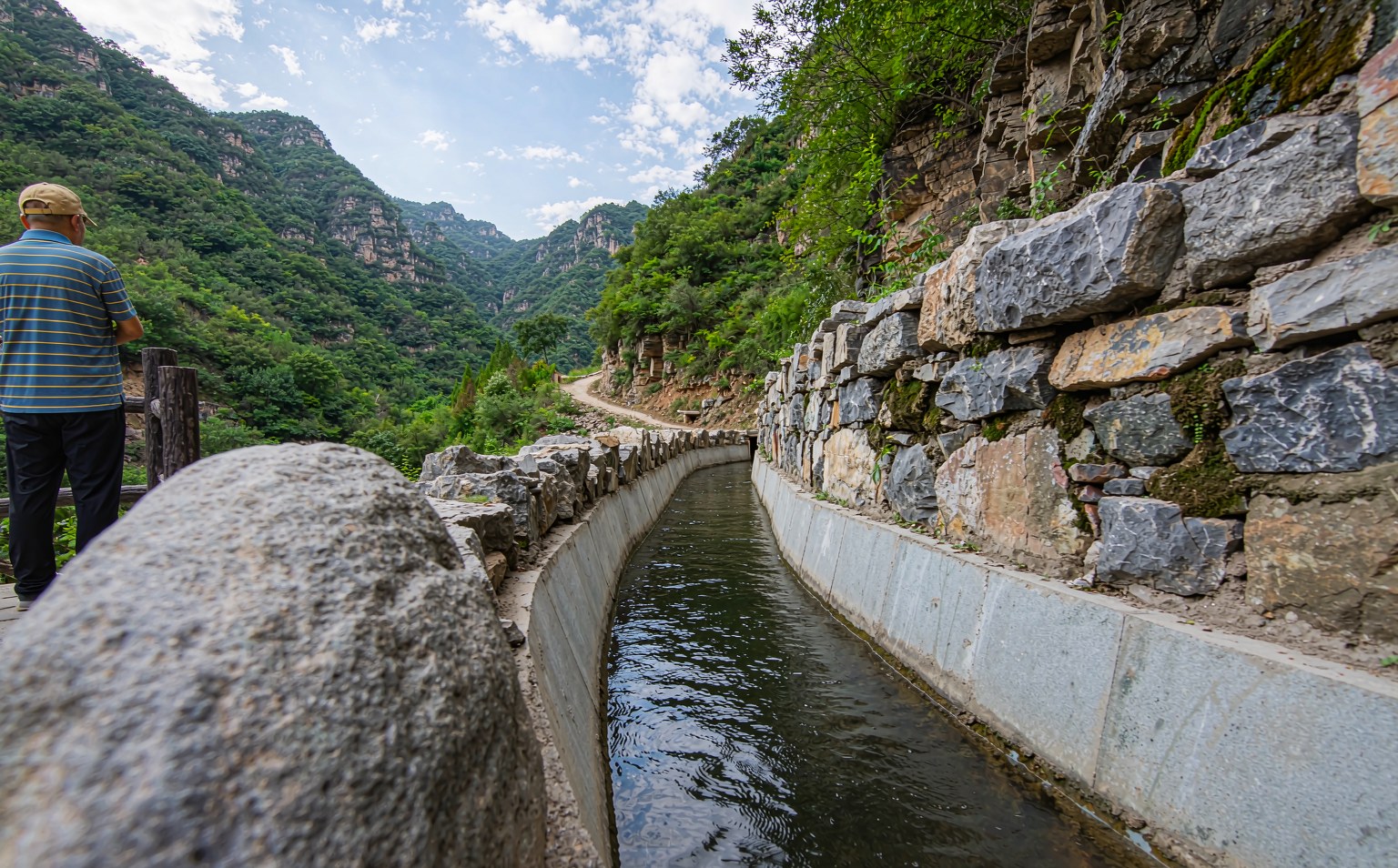
Luoyang Departure: Red Flag Canal, 6 Days 5 Nights
Six days on the eastern flank of the Taihang range. The Red Flag Canal takes two, with the memorial hall and Qingnian Tunnel twenty-five kilometres apart; Taohua Valley and Wangxiang Rock get a day each; the ridge road comes last.
Highlights
Day 1: Into Linzhou, memorial hall first
Luoyang to Linzhou takes three and a half hours. The afternoon belongs to the memorial hall, where the photographs, drawings, steel chisels and helmets of the canal years sit in cases with very little commentary around them, which suits reading rather than listening. Then the diversion garden, where the main channel splits into branches, the water flat and quiet until you stand close enough to hear it behind the gates. Dinner in town, a bowl of braised everything, and an early night.
Attraction introduction: The Red Flag Canal memorial hall in Linzhou city presents the digging years from 1960 to 1969 through objects, photographs and reconstructed scenes. The diversion garden is the point where the main channel divides into distribution canals, with a monument and a scale model of the route. Both sit close to the city centre.
Tips: The hall rewards reading and punishes hurrying, so half an hour covers the floor and two hours covers the story. Guests generally find the display lighting dim and the glass reflective, which makes photographing labels a waste of time. In practice day one stays inside the city, and the mountains wait until tomorrow.
Day 2: Twenty-five kilometres north to the tunnel
North on day two, twenty-five kilometres to Qingnian Tunnel, with the pass covering the shuttle so nobody has to navigate. The tunnel was cut through solid cliff by hand, several hundred metres of it, and the canal runs inside the mountain while you stand at the mouth listening to water move through stone. The channel wall continues uphill from there, water pressed against the cliff and a drop of tens of metres on the outside. An hour on the viewing platform at the end, wind coming up the gorge.
Attraction introduction: Qingnian Tunnel is the longest tunnel on the main channel of the Red Flag Canal, driven through sheer cliff by a brigade of three hundred young workers over more than a year, and runs several hundred metres. The channel wall continues along the mountainside with a deep ravine outside, the most recognisable stretch of the whole project. A short boat ride inside the tunnel is ticketed separately.
Tips: Long stretches of the channel wall have no high railing on the outer side, so children stay within reach. Guests generally find the tunnel cool and the floor wet, which makes an extra layer worth carrying. In practice the twenty-yuan shuttle is a judgement call, since the climb is short but the steps are dense.
Day 3: Into the canyon, water first
Day three enters the Taihang Grand Canyon through Taohua Valley. The route climbs beside water the whole way, pool into waterfall into pool, each drop larger than the last, until the walls close to a strip of sky at the far end. Stone steps are laid properly, so legs are not punished, though passing people takes patience at busy hours. Lunch at the mouth of the valley, then back to Shibanyan to settle into the guesthouse.
Attraction introduction: Taohua Valley is the water section of the Taihang Grand Canyon, where the stream drops in a series of falls and pools between near-vertical walls that narrow to a slot of daylight overhead. The path follows the water at a gentle grade and is the least demanding stretch on the canyon pass.
Tips: Humidity keeps the rock permanently wet, so grip matters more than anything else in the bag. Guests generally find Taohua Valley far easier than Wangxiang Rock and well placed as a warm-up on the first day inside. In practice nothing else is added, and the afternoon goes to resting in the village.
Day 4: Wangxiang Rock, a day of steps
Wangxiang Rock reverses yesterday completely: the trail starts climbing at the gate and does not stop. Stone steps spiral up against the cliff, some flights nearly vertical, handrails cold to the touch. Platforms halfway give a reason to stop and the far wall of the valley appears behind you. Near the top a walkway traces the rock face with nothing underneath, wind loud enough to swallow speech. The descent takes the other side, and by then the knees have opinions.
Attraction introduction: Wangxiang Rock is the steep district of the Taihang Grand Canyon, its trails pinned to the cliff and climbing in spirals, with a boardwalk bolted directly to the wall. Tradition links the name to King Wu Ding of Shang and his minister Fu Yue, who are said to have withdrawn here. It shares the same canyon pass as Taohua Valley and sits close by.
Tips: This day carries more steps than any other on the route, so the knee braces go on before breakfast. Guests generally find the descent harder than the climb, and the boardwalk unsettles anyone uneasy with height, so eyes stay on the planks. In practice the afternoon holds nothing, and the legs get to lie flat.
Day 5: The ridge road, then back among easels
Day five climbs the Taihang ridge road, built along the crest with cliff on one side and slope on the other, so corners come constantly and speed stays low. Several viewpoints are worth stopping at, ridges folding away behind ridges, and on a clear day the far ones still read. Back in Shibanyan by midday, then the afternoon on foot through the village, where easels stand everywhere and students sit for hours painting the roofs and the wall behind them.
Attraction introduction: The Taihang ridge road is part of the canyon pass, a road along the crest with viewing platforms looking over the gorge and the layered ridges beyond. Shibanyan village is the base for the canyon, named for the slate it quarries, with roofs laid in stone slabs, and has long served as a base for art schools on painting trips.
Tips: The road turns constantly, so anyone prone to motion sickness takes tablets early and the front seat goes to the worst sufferer. Guests generally find the afternoon light better than the morning, which is when the students appear. In practice this day runs on slow driving and scattered stops rather than a timetable.
Day 6: Village market, Luoyang by mid afternoon
The last morning stays in the village. A market sets up early with pepper, walnuts and dried persimmon laid on cloths, and the local pepper is strong enough that a small bag lasts a year. Millet porridge and a fried pancake for breakfast, on the road by nine. Four hours back to Luoyang with a stop at a service area for lunch.
Attraction introduction: Shibanyan sits deep in the Taihang Grand Canyon, houses roofed in slate and lanes running beside the stream. Local produce means pepper, walnuts and dried persimmon, the mountain pepper carrying a heavier scent than lowland varieties. The resident population is small, and the village swells abruptly when the painting season opens.
Tips: Smell the pepper rather than look at it, since the sharp bag is the fresh one. Guests generally find village prices below those at the canyon gates, but stalls close early in the day. In practice four hours of driving does not allow for traffic, so an early start pays for itself.
Related Tours
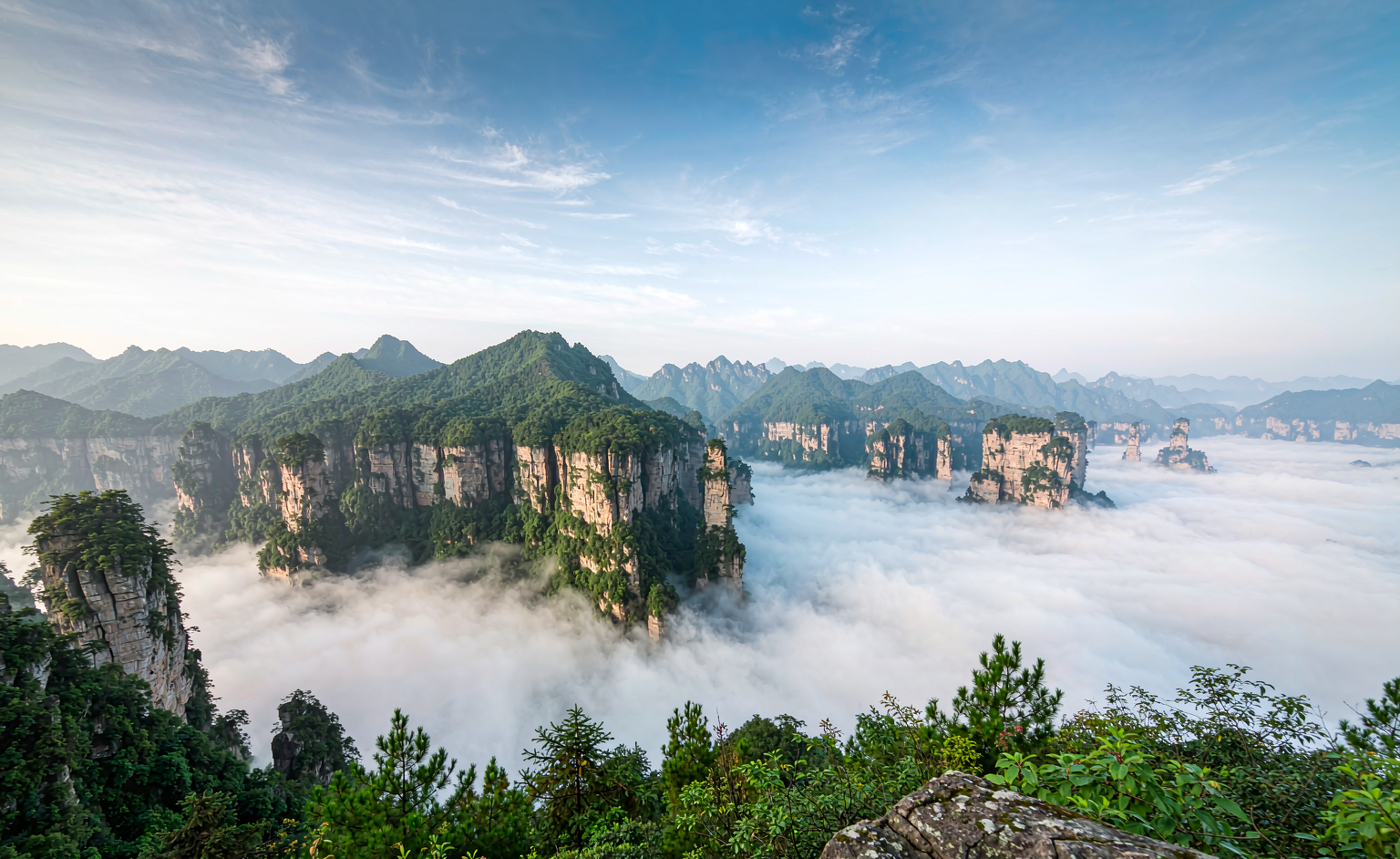
Zhangjiajie from Luoyang: Wulingyuan, Tianmen Mountain and Fenghuang, 7 Days
Seven days give Zhangjiajie four, and Fenghuang a day and a half. November mist lifts slowly, so the stone pillars at Tianzi and Yuanjiajie sit half buried in cloud until the wind moves, and that is better than a clear blue sky.
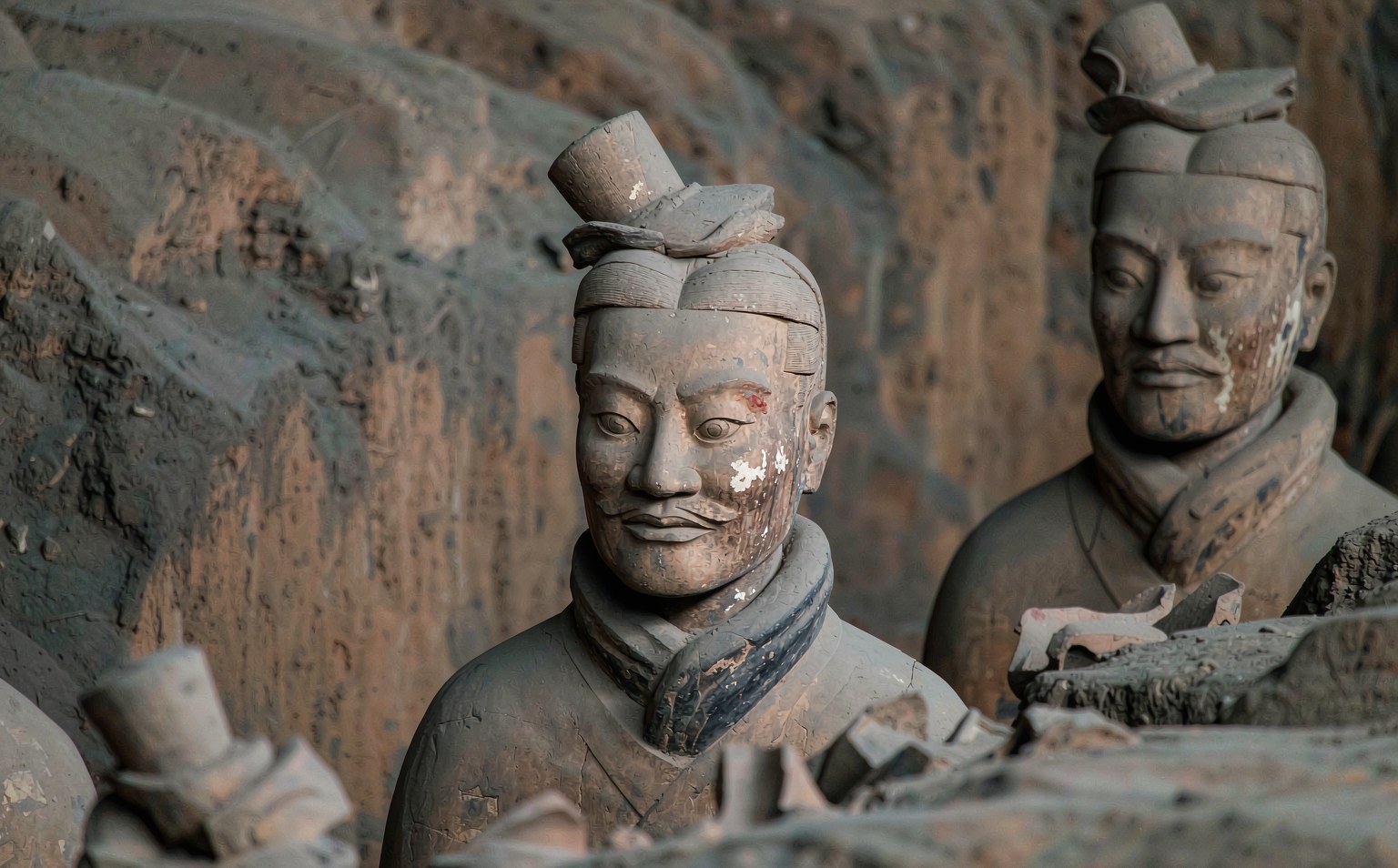
Xian from Luoyang: Terracotta Warriors, Famen Temple, Qianling and the City Wall, 6 Days
Six days split Xian into three parts: the east for Qin and Tang, the west for imperial tombs and a Buddha relic, and the old city for museums, the wall and steles. Ninety minutes by rail from Luoyang, no airport involved.
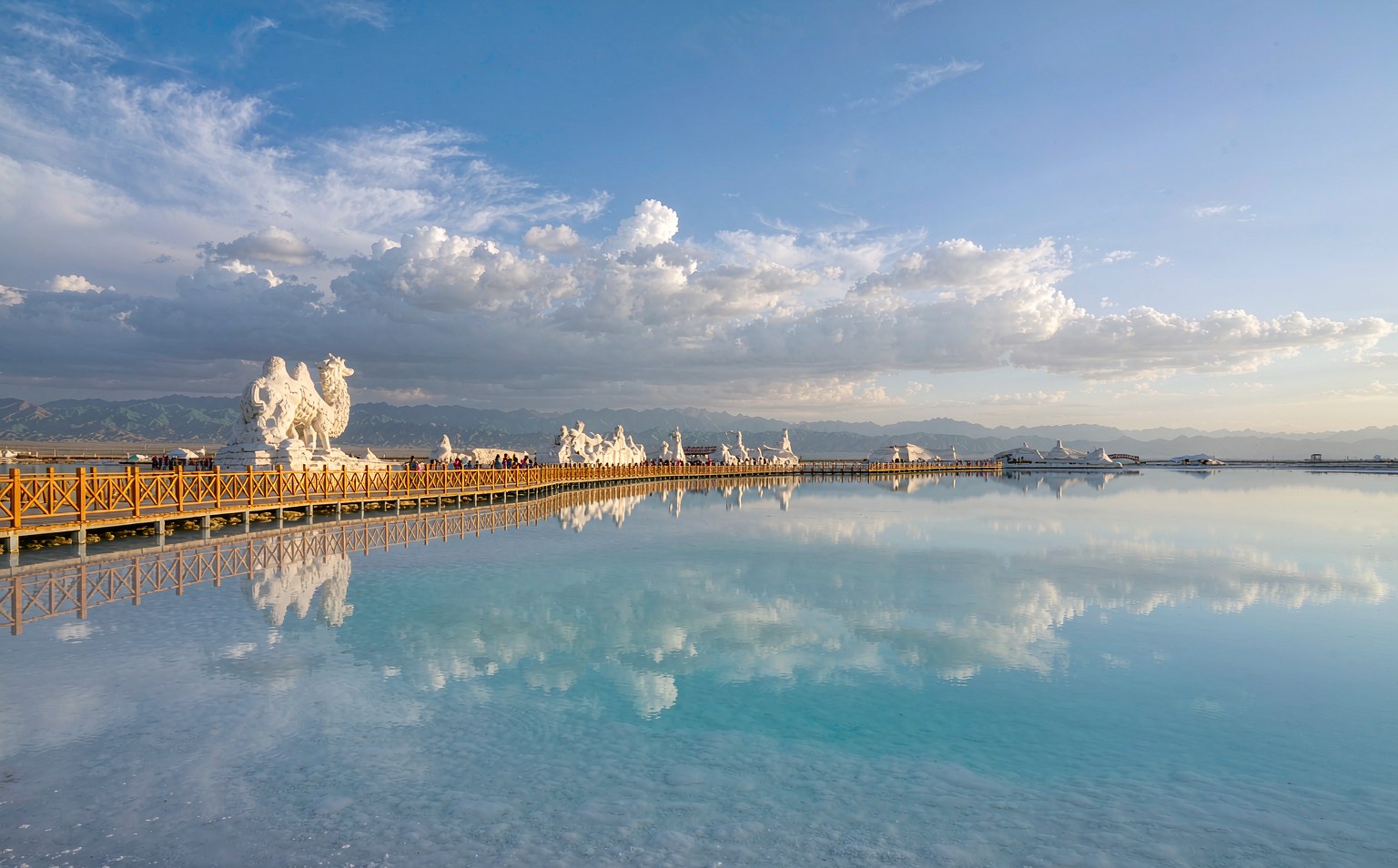
Qinghai from Luoyang: Qinghai Lake, Chaka, Guide and Kumbum, 6 Days
November is the quietest month in Qinghai. The butter sculptures still glow at Kumbum Monastery, the Yellow River runs clear at Guide, the lake shore is empty, and the little train at Chaka carries only a handful of people.
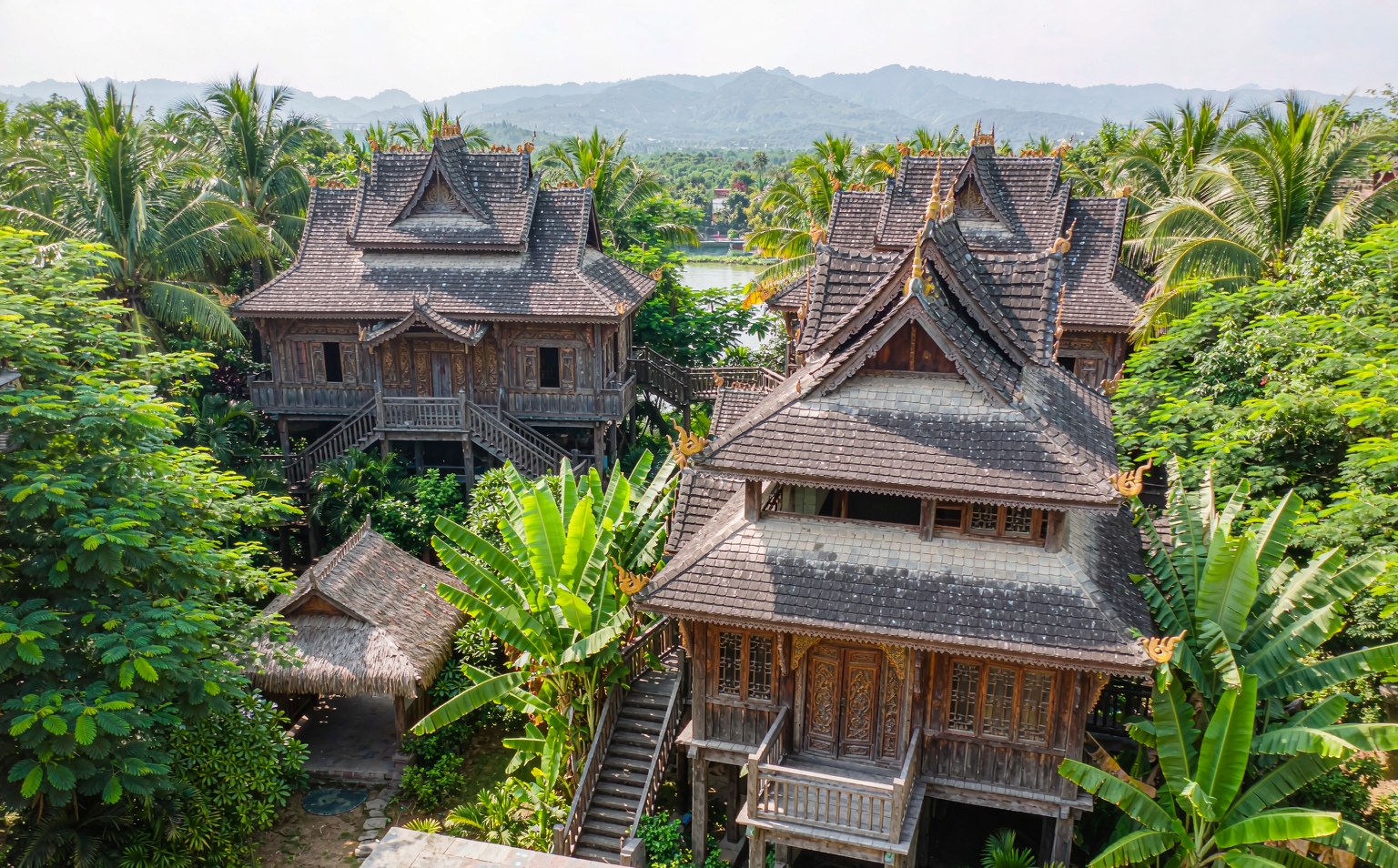
Xishuangbanna from Luoyang: Botanical Garden, Dai Villages and Gaozhuang, 5 Days
While the north is already in padded coats, Xishuangbanna still sits above twenty degrees by day. Five days give two to rainforest and botanical garden, one to the canopy walkway at Wild Elephant Valley, and the rest to Dai villages and the night market at Gaozhuang.