
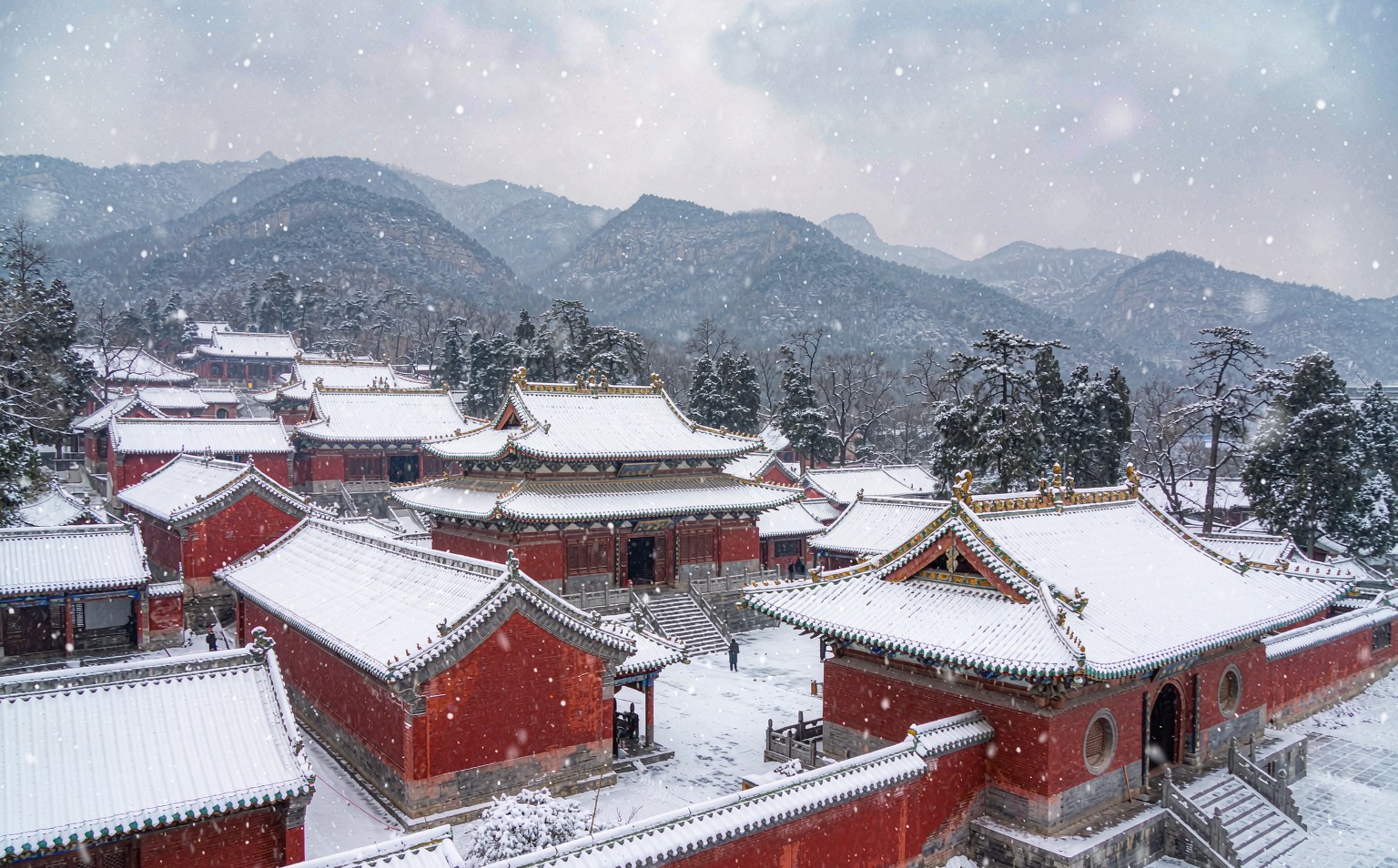
Zhengzhou 7-Day Tour: White Horse Temple & Erlitou Site
Zhengzhou 7-day tour covering White Horse Temple and Erlitou Site and Longmen Grottoes. Sightseeing tickets and shuttle bus included.
Highlights
Day 1: White Horse Temple
Enter White Horse Temple early and enjoy the morning light among the red walls and green cypresses, focusing on the Qiyun Pagoda and two exotic Buddhist halls; In the afternoon, have free time, and you can take photos of the central axis camera before returning to the hotel in the evening.
Attraction introduction: One highlight of the itinerary is White Horse Temple, located east of Luoyang city. It was first built during the Yongping era of the Eastern Han Dynasty to commemorate the White Horse Carrying Scriptures and the early introduction of Buddhism to the Central Plains. It is honored as "China's First Ancient Temple" and the first government-run temple built after Buddhism was introduced to China. Inside the temple, the Qiyun Pagoda Courtyard, the Great Buddha Hall, and the Heavenly King Hall are arranged along the central axis, with red walls and green cypress trees where incense offerings have continued for over two thousand years. It is worth mentioning that the temple also features exotic-style Buddhist halls donated by countries such as Myanmar, Thailand, and India, showcasing the unique landscape of Buddhist culture flowing eastward and backward. My understanding is that when entering the temple, first see the main hall along the central axis, then circle around to the Qiyun Pagoda Courtyard, and finally visit the foreign Buddhist halls on both sides to experience cultural fusion; Come early in the morning when there are fewer people; the sunlight shining on the red walls and ancient cypress trees creates the most poetic atmosphere, and you can also avoid the peak of tour groups.
Friendly reminder: Please keep quiet and dress neatly when entering the temple. Generally, no photography or touching ritual objects inside the hall is allowed; please enjoy the merit. Visitors generally report that the foreign style Buddha halls (Thai/Burmese/Seal Temple) have a high rate of photo shoots, and visitors generally feel they are more spacious than expected; Reminder: The international temple area is quite far to walk and leave some footlight. Based on actual conditions, if you want authentic food, head deeper into the alleys; the main entrance has long lines and average taste; Ask about prices before comparing local specialties; local supermarkets tend to be more authentic.
Day 2: Erlitou
Today's theme is Erlitou, avoiding peak crowds and staggering visits, in-depth tours along recommended routes; Enjoy local flavors nearby at noon, free time or guided tours in the afternoon, and stay at a hotel to rest in the evening.
Attraction introduction: Today's itinerary includes Erlitou attractions. The Erlitou site is located in Luoyang Yanshi, praised by scholars as the "Earliest China." It is a large capital site from the mid to late Xia Dynasty, unearthing turquoise dragon-shaped artifacts, bronze jue, bronze tripods, and other heavy artifacts, revealing the appearance of China's first royal capital. The turquoise dragon-shaped artifact is made from over 2,000 turquoise fragments inlaid and is known as "China's First Dragon," serving as important evidence of Chinese dragon worship. Erlitou The site museum presents the site with an archaeological sense and is an unmissable stop for studying the origins of Chinese civilization. My understanding is that before visiting, one should first understand the academic controversy surrounding the "Xia Capital," then look at the exhibits for a deeper understanding; The museum's exhibits are carefully crafted and worth taking your time.
Friendly reminder: The mountain area has large temperature differences between morning and evening, and the wind at the summit is strong. A windproof jacket and warm inner layer are very necessary. Visitors generally report that most believe Erlitou is worth a special trip. It is recommended to slow down and follow the guide to listen to the explanations, saving time for the most impressive details and the best camera angles. Based on the actual situation, leave some energy allowance: focus on the main event in the morning and slow down in the afternoon to avoid overexertion on the first day and the rest of the days feeling exhausted.
Day 3: Longmen Grottoes
In the morning, head to Longmen Grottoes, follow the Yihe trail from the Xishan Grottoes to closely admire the Fengxian Temple Vairocana Buddha, then cross the bridge to the Dongshan Buddha Platform for panoramic views; At noon, enjoy Luoyang water feasts; in the afternoon, visit Xiangshan Temple and Baiyuan; return to the hotel in the evening.
Attraction introduction: A highlight of the itinerary is Longmen Grottoes, carved into the cliffs on both banks of the Yi River south of Luoyang city. Since Emperor Xiaowen of Northern Wei moved the capital to Luoyang, construction has continued through Eastern Wei, Western Wei, Northern Qi, Sui, Tang, and other dynasties. There are over 2,300 cave niches, over 100,000 statues, and more than 2,800 inscriptions and inscriptions preserved. The most impressive is the Vairocana Buddha at Fengxian Temple, standing over 17 meters tall, with a plump face and benevolent eyes. Legend has it that it was carved after Wu Zetian's likeness, marking the pinnacle of Tang dynasty stone carving art. Along with Dunhuang Mogao Caves and Datong Yungang, it is one of China's three great grottoes and a World Cultural Heritage site. When touring, head south along the Yi River trail from the Xishan Grottoes, where Binyang Three Caves, Ten Thousand Buddha Caves, and Lotus Cave each have highlights. Cross the bridge to the Dongshan Buddha Worship Platform for a panoramic view. My understanding is that in the morning, first visit the main cave of Xishan and admire the Big Buddha while there are fewer people; in the afternoon, go to the Dongshan Viewing Platform for the best lighting and angle; If you need to walk backward along both banks of the Yi River, a pair of comfortable shoes can save you a lot of effort.
Friendly reminder: Grottoes are mostly built along cliffs. When viewing, keep a distance from the cliff face, hold the railings properly, and take care of the elderly and children. Visitors generally report that most find the Vairocana Buddha the most breathtaking, and the best sunlight at sunset on the Western Hills; If you need to walk back along both banks of the Yi River, it is recommended to wear comfortable shoes and allow half a day. Based on actual conditions, respect local customs, dress appropriately when entering religious sites, avoid random advice, and a simple greeting can earn goodwill.
Related Tours
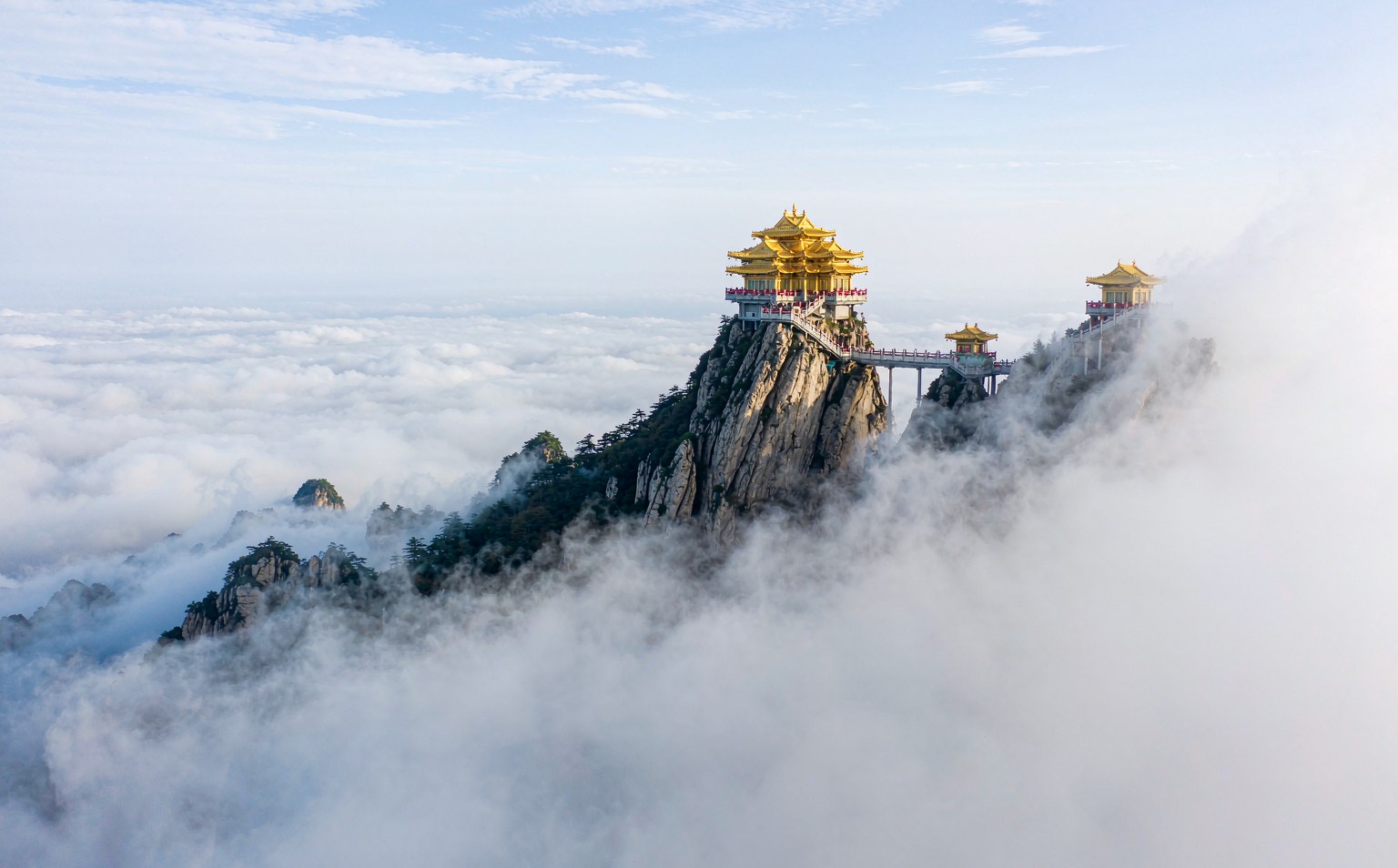
Luoyang Departure Laojun Mountain and Longywan 3 Days
Three days from Luoyang: the first evening waiting below the golden summit for the lamps, the second climbing early for cloud, then a slow afternoon along the nine bends of Longywan. The ticket holds two days, so the mountain is never rushed.
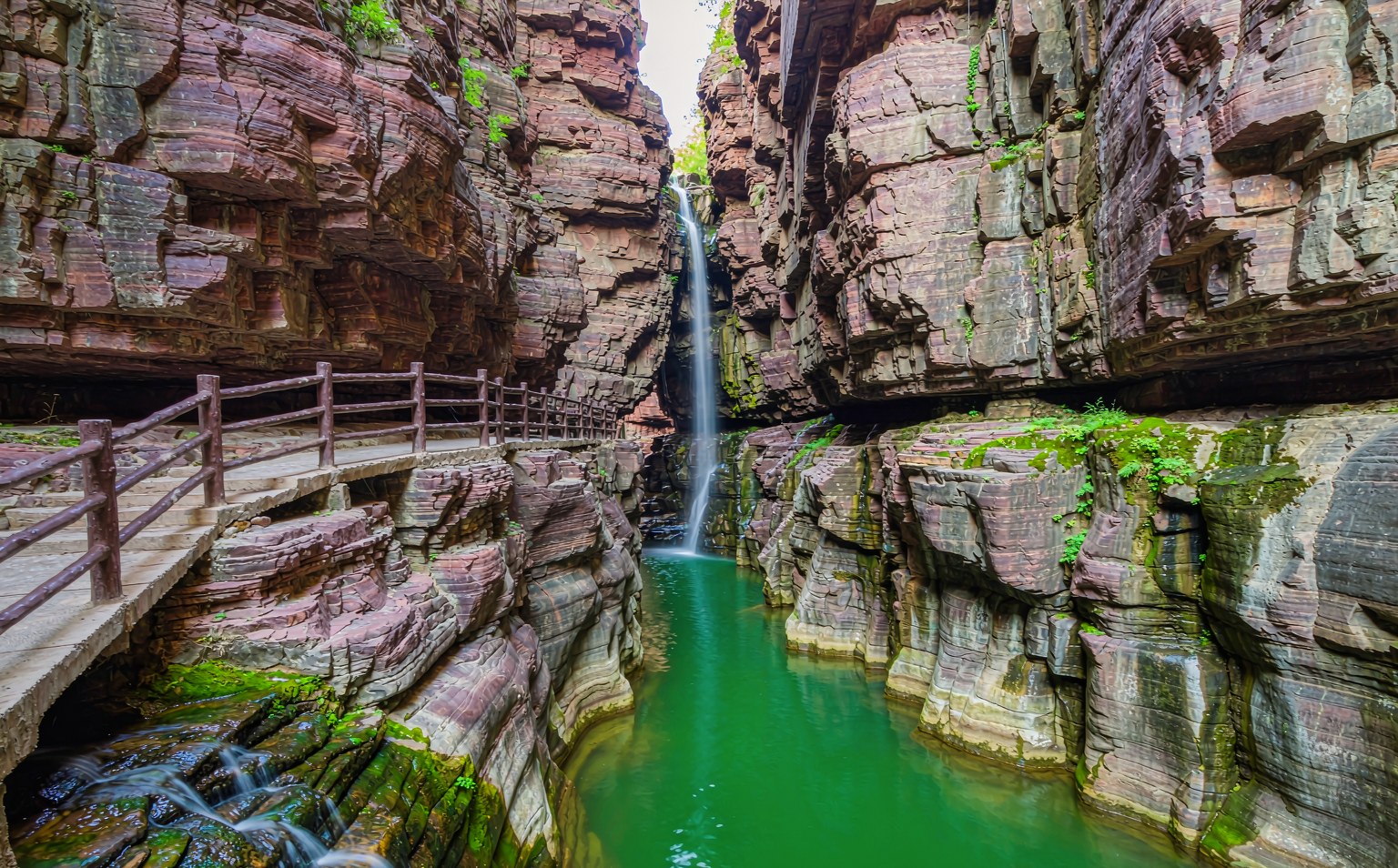
Luoyang Departure Yuntai Mountain, Qingtianhe and Shennong 4 Days
Four days from Luoyang linking three waters of the southern Taihang: the one way walkway of Red Stone Gorge, the lake and boats of Qingtianhe, and the ridge under a metre wide on Shennong Mountain. Nights stay in the village by the shuttle stop.
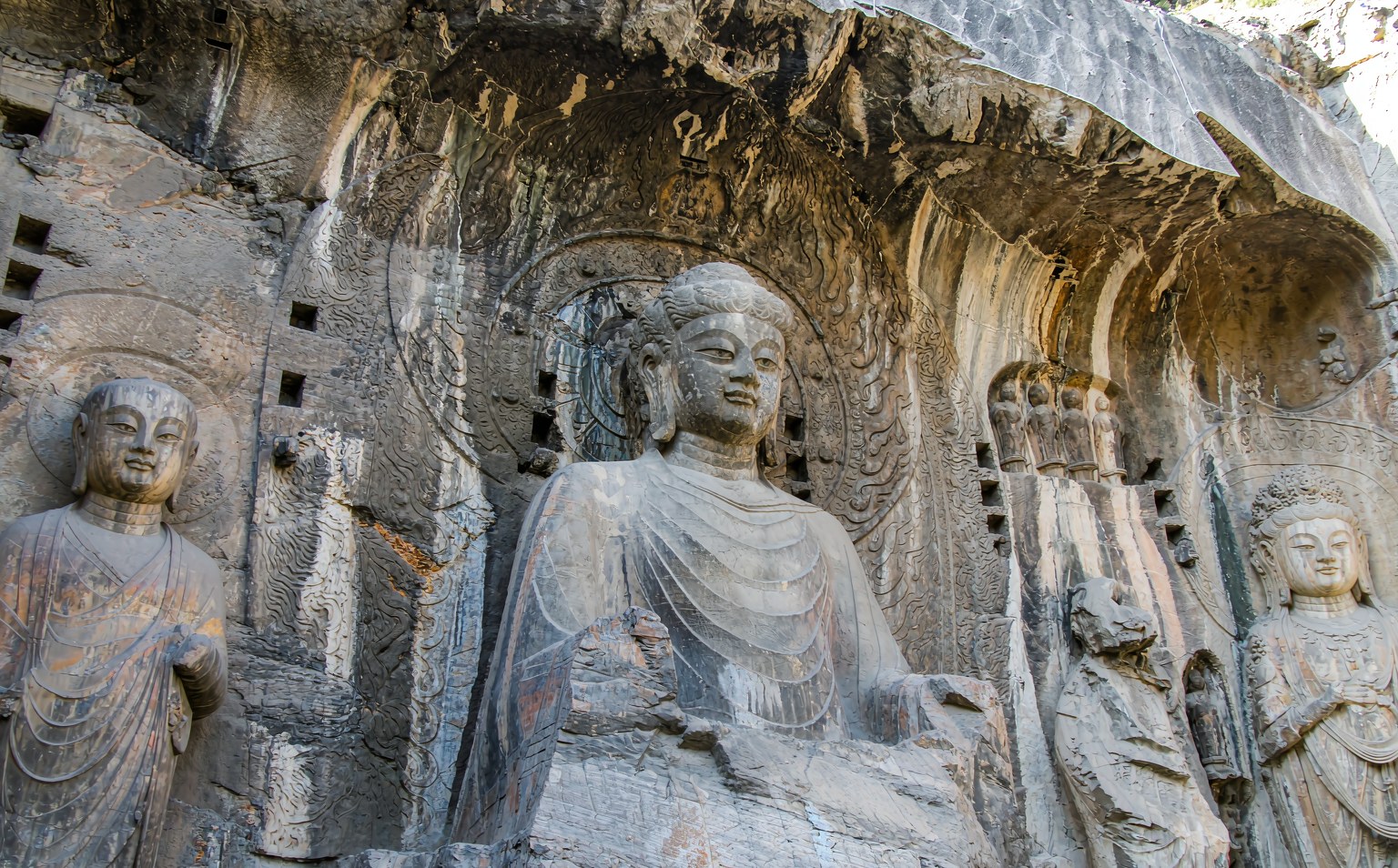
Luoyang Departure Longmen Grottoes and White Horse Temple 3 Days
Three days from Luoyang: the carved cliff of the west bank first, then the oldest official Buddhist temple in China, then the Ming and Qing halls of Guanlin. Both nights stay inside the old city, so the lantern street is a walk away.
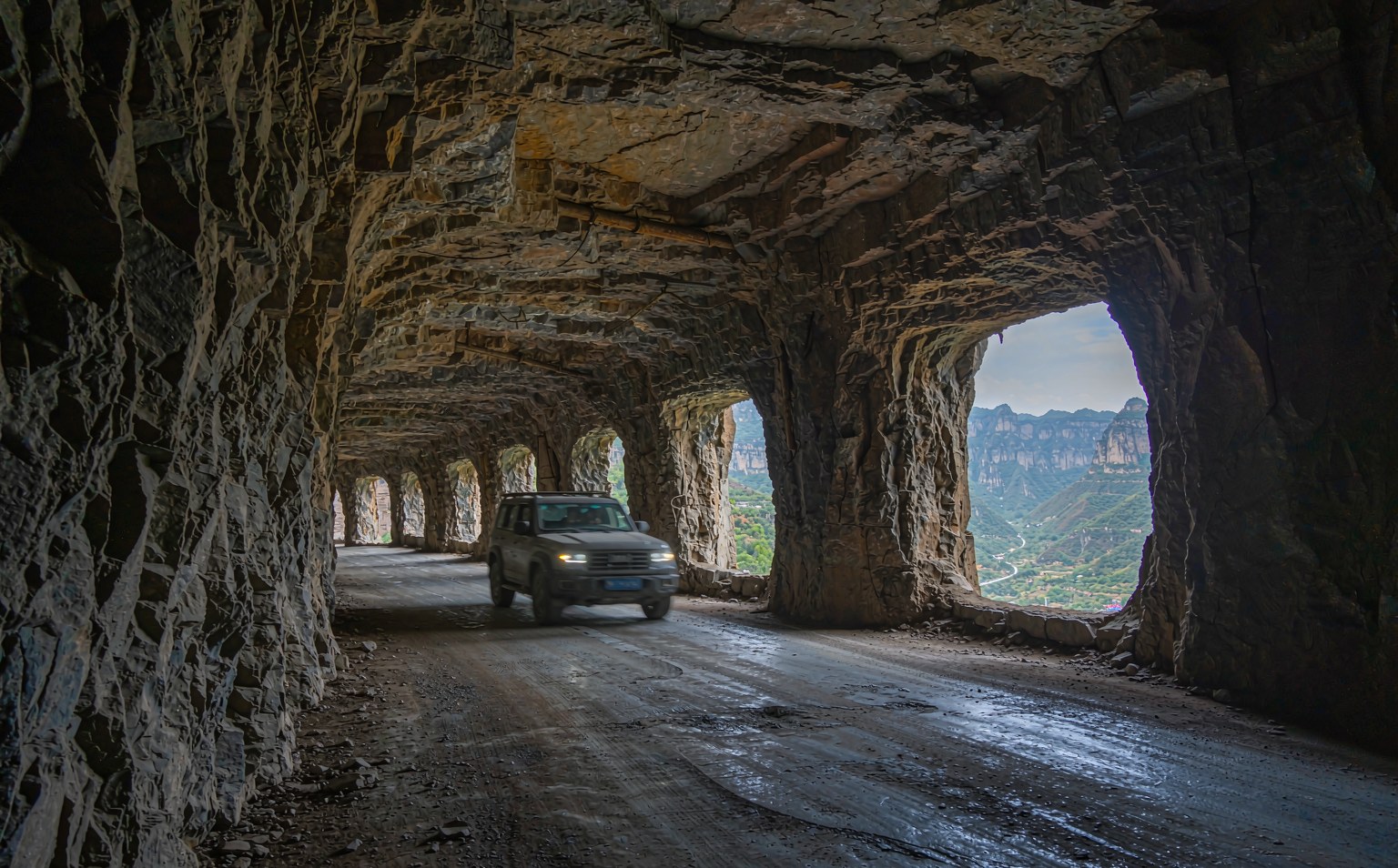
Luoyang to Wanxianshan, Guoliang Village and Baligou 6 Days
Six days from Luoyang. The Baligou ticket at 120 yuan covers Baligou, Jiulianshan and Tianjieshan for three days. Then the trip moves to Wanxianshan, where the Guoliang cliff road runs 1,250 metres with 35 windows, begun in 1972 and opened in 1977.