
Zhengzhou 4-Day Tour: Henan Museum & Taihang Grand Canyon
Zhengzhou 4-day tour covering Henan Museum and Taihang Grand Canyon and Yin Xu. Sightseeing tickets and shuttle bus included.
Highlights
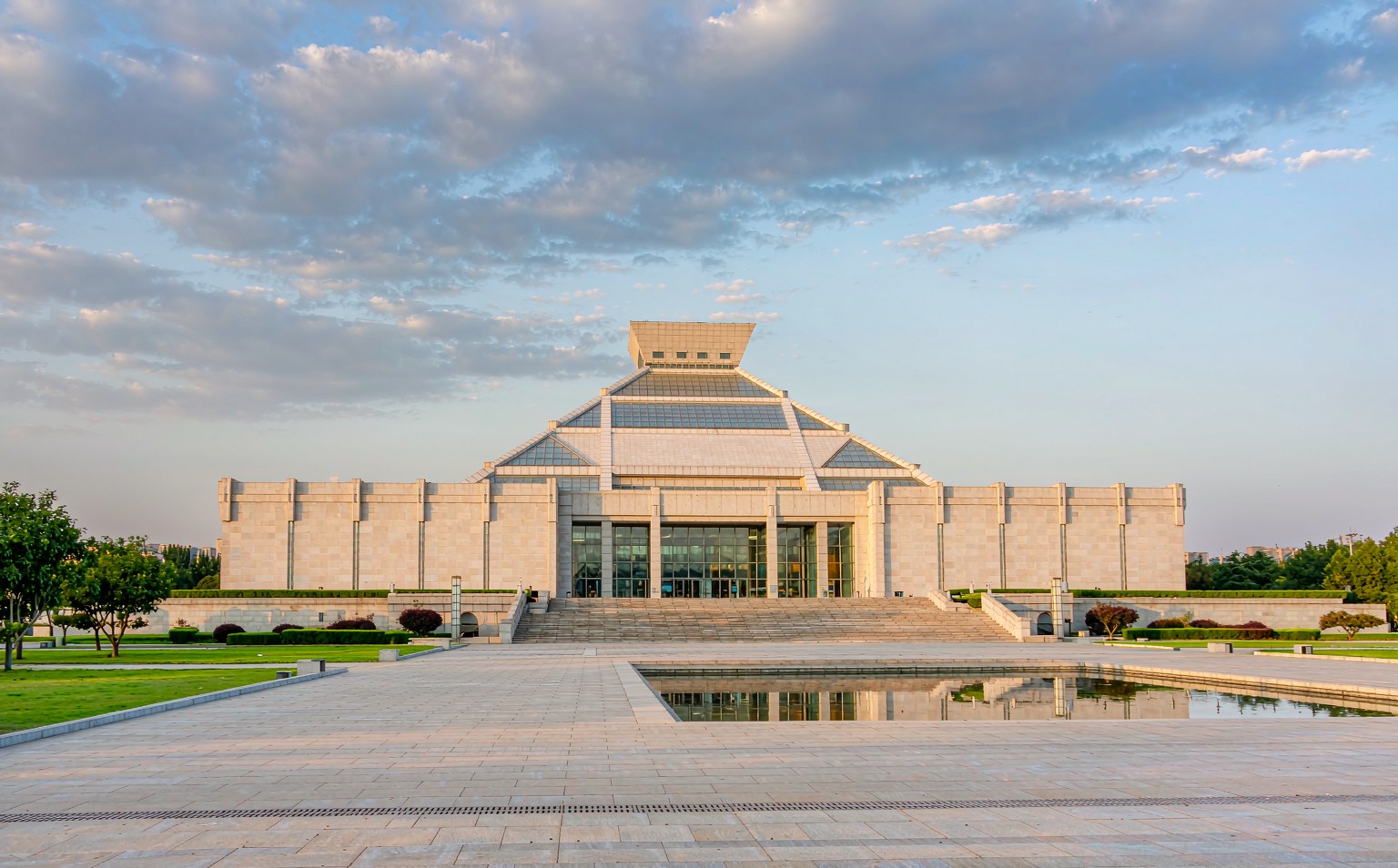
Day 1: Henan Museum
Today's cultural tour: A two-hour overview of the main strands of Chinese civilization, focusing on national treasures such as the Jiahu bone flute and the cloud-patterned bronze ritual vessel; the afternoon is free for personal arrangements, with rest in the evening.
Attraction introduction: One highlight on the itinerary is Henan Museum, which serves as a landmark of Central Plains civilization. The museum houses over 170,000 cultural relics and presents 'Early China' along the main line of 'Vast China, choosing the central as the capital.' Among the museum's treasures, the Jiahu bone flute is the earliest playable musical instrument discovered so far, rewriting Chinese music history; the Duling square cauldron and cloud-patterned bronze ritual vessel are pinnacles of Shang and Zhou dynasty bronze casting; the Fuhao owl-shaped zun has a majestic shape, telling the legendary story of Fuhao, the wife of King Wu Ding of Shang; in addition, there are other national treasures such as the lotus and crane square vessel and Emperor Wu Zetian's gold slips. It is recommended to follow a guide or rent an audio guide; two hours is enough to overview the main strands of Chinese civilization. My suggestion is to first head straight to several key treasures for a quick thrill, then follow the chronological line to explore systematically—grasping the main storyline is most efficient; it is normal for there to be crowds in front of the national treasure displays, so knowing the location of key treasures in advance and heading directly to them will save the most time.
Tips: Flash photography is prohibited, do not touch the exhibits, and keep quiet while following the guide. Visitors generally report that most feel Henan Museum is worth a special visit. It is recommended to slow down, listen to the guide, and spend time on the details that move you most and the best spots for photos. Based on actual conditions, the best times for photography are early morning or late afternoon—the morning has fewer people and soft light, the golden glow at sunset is ideal; midday light is harsh and crowded, better used for rest.
Day 2: Taihang Grand Canyon
Gather in the morning and set off for Taihang Grand Canyon. Follow the guide along the main route, visiting each key spot, allowing plenty of time for photos and rest. At noon, enjoy a local specialty meal, then continue exploring in the afternoon. Check into the hotel in the evening to rest and recharge for the next day's itinerary.
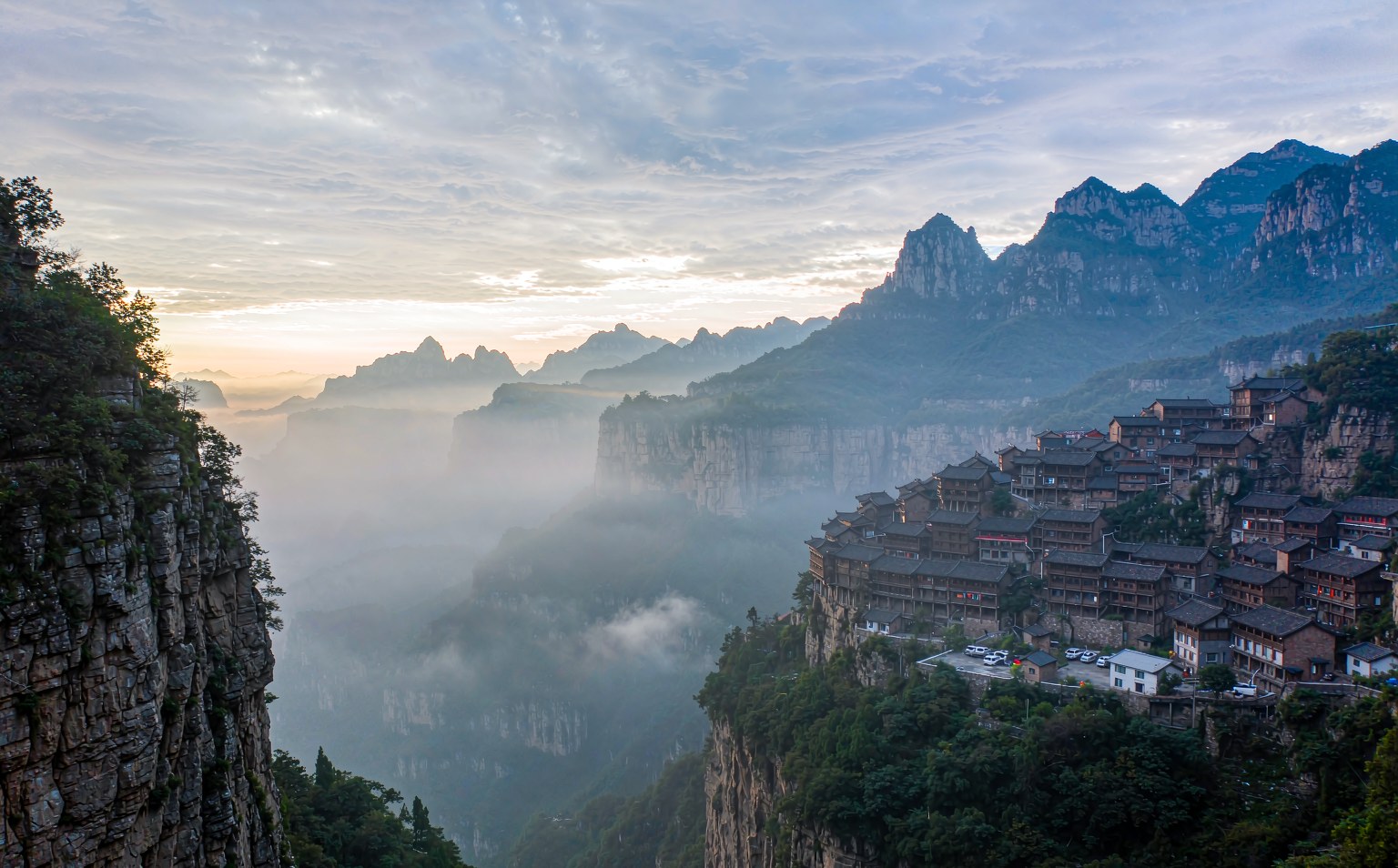
Attraction Introduction: One highlight of the trip is Taihang Grand Canyon. Taihang Grand Canyon spans the junction of Shanxi, Hebei, and Henan provinces, while Red Flag Canal passes through the mountains. Peach Blossom Valley, Wang Xiang Rock, and Taihang Sky Road connect grandeur with beauty, showcasing the essence of Taihang scenery. Peach Blossom Valley is famous for its cascading waterfalls and flowing springs, Wang Xiang Rock for its cliffside plank paths, and Taihang Sky Road offers scenic buses for a panoramic view of the canyon. In spring, mountains are full of blossoms; in autumn, forests are painted in layers. Each season has its own highlights. My understanding is that the area is large and the attractions are scattered, so it’s important to plan your route and prioritize the core spots. Hold onto the railings at steep plank paths, and those afraid of heights should proceed according to their limits.
Tips: Signal may be poor inside the canyon, so arrange meeting points with the guide in advance and do not act alone. Visitors generally comment that Peach Blossom Valley is serene with water scenery, and Taihang Sky Road is perilous, with scenic spots at every step. Remember to take the scenic shuttle bus, as weather greatly affects the experience. Considering actual conditions, long trips require careful hydration — carry a water bottle and drink in small amounts frequently. On the first night in highlands or mountainous areas, do not spend too long washing your hair or bathing, leaving your body some time to adjust.
Day 3: Yin Ruins
Early in the morning, enter Yin Ruins, first visit the palace area and the chariot and horse pits, then visit the royal tomb area, and follow the guide to understand the beginning of Chinese recorded history; in the afternoon, visit the new museum, and return in the evening.
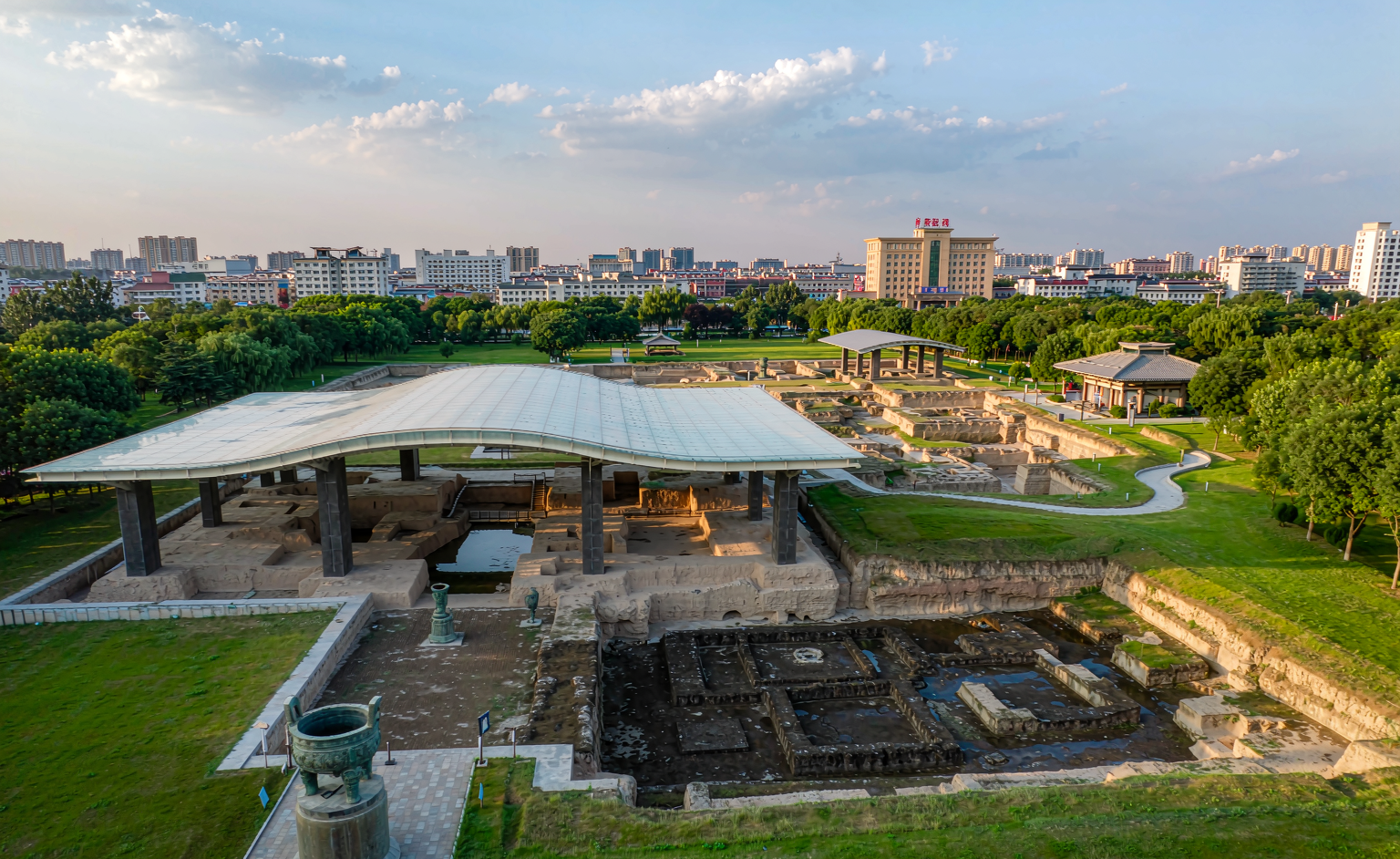
Attractions introduction: Today's itinerary includes Yin Ruins attractions. Yin Ruins is the site of the late Shang Dynasty capital, located in Anyang. It is the birthplace of oracle bones and also the excavation site of the Houmuwu Ding (originally called Simuwu Ding), which was listed as a World Cultural Heritage site in 2006. It was once the capital after King Pan Geng of the Shang Dynasty moved to Yin, lasting more than 270 years. The remains of palace temples, the royal tomb area, and the chariot and horse pits can be clearly seen. Oracle bones were first discovered here, which pushed the chronological record of Chinese history back to the Shang Dynasty. The new hall of the Yin Ruins Museum displays bronzes, jade artifacts, oracle bones, and other cultural relics in a systematic way, making it the most intuitive classroom for understanding Shang civilization. My understanding is that first visiting the palace temple remains and chariot and horse pits helps establish a spatial concept, then entering the museum to study the artifacts in detail; the two lines together give a complete picture. Oracle bones and large bronze artifacts are the essence, and following the guide is far better than a cursory glance.
Tips: The mountain trail has many steps and steep slopes, so be sure to wear non-slip sports shoes. Those with mobility issues are advised to use the cableway. Visitors generally feedback that oracle bones and the Houmuwu Ding make history 'come alive.' Visitors say the new museum hall is more worthwhile than the open-air ruins; note that to understand it, you need to follow the guide. Based on actual circumstances, be punctual, arrive five to ten minutes early for gatherings; it is better for others to wait for you than for the vehicle to wait for people, so don’t make everyone wait for you.
Day 4: Return
Transfer to the departure terminal per your booked train or flight; keep travel documents and tickets in your carry-on.
Related Tours

Luoyang Departure: Shaolin Temple, Songyang Academy, Zhongyue Temple and Gaocheng Observatory, 4 Days 3 Nights
Four days from Luoyang. One 80-yuan Shaolin ticket covers the temple compound, the pagoda forest and Sanhuangzhai with its cliff walkway. The rest goes to the foot of Taishi Mountain: Han-dynasty cypresses, Song iron figures, and an observatory in Gaocheng town.
Luoyang Departure: Shaolin Temple and Sanhuangzhai Cliff Walk, 3 Days 2 Nights
Three days from Luoyang. One for the halls and the pagoda forest, one for the plank walk pinned to the cliff at Sanhuangzhai where the rock stands in shelves like books, one for the quiet hermitage above.
Luoyang Departure: Yin Ruins, Chinese Character Museum and Youli City, 3 Days 2 Nights
Three days from Luoyang into the Shang world: oracle bones scratched with questions, a museum that follows those marks into modern characters, and the earth platform where King Wen worked out the hexagrams.
Luoyang Departure: Red Flag Canal and Taihang Grand Canyon, 4 Days 3 Nights in Autumn
Four days from Luoyang to Linzhou: one for the canal cut into the cliff by hand, one for the water of Taohua Valley, one for the ladders of Wangxiangyan. In November the sumac along the channel turns first, and the crowds are gone.