

Luoyang Departure: Shaolin Temple, Songyang Academy, Zhongyue Temple and Gaocheng Observatory, 4 Days 3 Nights
Four days from Luoyang. One 80-yuan Shaolin ticket covers the temple compound, the pagoda forest and Sanhuangzhai with its cliff walkway. The rest goes to the foot of Taishi Mountain: Han-dynasty cypresses, Song iron figures, and an observatory in Gaocheng town.
Highlights
Day 1: Luoyang to Dengfeng, an afternoon in the academy
Leave Luoyang at nine and take the expressway south, an hour and a half to Dengfeng. Lunch is the local braised mutton, red broth with a sesame flatbread torn into it. The afternoon belongs to Songyang Academy, a small walled yard where the first thing you see is a pair of cypresses leaning at an angle, trunks too thick for one pair of arms. Portraits of the Cheng brothers hang in the lecture hall, and a Tang stele stands to one side, its characters worn shallow.
Attraction introduction: Songyang Academy sits on the southern slope of Taishi Mountain. It began as a Buddhist monastery in the Northern Wei, became a Confucian academy in the Song, and hosted the lectures of Cheng Hao and Cheng Yi, ranking with Yuelu, Bailudong and Suiyang as one of the four great academies. Two of its cypresses were granted military titles in the Han dynasty and are still called the General Cypresses.
Tips: The yard is shaded and cool in summer, while the flagstones throw cold in winter, so wear thick soles. Guests generally find the academy emptiest in the late afternoon, when you can sit in front of the lecture hall. In practice, day one holds only the academy, with no climbing after the drive.
Day 2: Shaolin, the pagoda forest, and Sanhuangzhai by cable car
Into the Shaolin gate at eight. The main compound runs along its axis, Hall of Heavenly Kings, Mahavira Hall, Library, with a ginkgo in front thick enough to need two people. Behind it lies the pagoda forest, more than two hundred brick and stone towers scattered up the slope at different heights, each carrying a date and a monk name. Lunch inside the park, then the cable car to Sanhuangzhai, where the walkway follows the cliff and narrows until you turn sideways, layered rock standing up ahead.
Attraction introduction: Shaolin was founded in the Northern Wei under Emperor Xiaowen and is the ancestral temple of Chan Buddhism as well as the home of Shaolin martial arts. The pagoda forest west of the compound holds more than 240 tomb pagodas from the Tang to the Qing, no two alike. Sanhuangzhai sits on the west flank of Shaoshi Mountain, its walkway cut along the cliff below a wall of rock that reads like upright book pages.
Tips: The Sanhuangzhai circuit takes four to five hours on foot, so anyone with bad knees should turn back at the suspension bridge. Guests generally find the compound best lit in the morning and the cable car queue shorter after lunch. In practice, the cable car stops at four, so be at the lower station by two thirty.
Day 3: Iron figures at Zhongyue, the observatory at Gaocheng
The morning goes to Zhongyue Temple. From the gate to the main hall runs a single straight axis, lined with old cypresses whose bark splits like rope. Four iron figures stand on brick platforms beside the hall, cast in the Northern Song, rusted, hands resting on weapons. Lunch back in town. In the afternoon head south-east twelve kilometres to Gaocheng, where the observatory stands at the edge of the village: a brick tower with a slot cut down its face, so the noon shadow falls through it onto a stone scale.
Attraction introduction: Zhongyue Temple was first built in the Qin and is the largest and best preserved Taoist complex of the five sacred mountains, its main hall rebuilt in the Qing, with four iron figures cast in the Zhiping era of the Northern Song. The Gaocheng observatory was built under the Yuan astronomer Guo Shoujing, a tower and stone scale used to measure the sun shadow and fix the solar terms; it is among the oldest surviving observatories in China.
Tips: The observatory sits inside a village, so parking means a loop through narrow lanes and the group vehicle handles it better than a self-drive. Guests generally find the shadow clearest around midday. In practice, aim for two to three in the afternoon and head back into town afterwards.
Day 4: Songyue pagoda, home to Luoyang after lunch
The last morning is for the Songyue pagoda, up a side lane inside the Songyang area where few people go. A twelve-sided brick tower stands on the slope, eaves stepping inward tier by tier, not a stick of timber in the whole structure. From the clearing below you can see the ridge of Taishi Mountain. Then the drive to Luoyang, lunch on the road, and the city by about three.
Attraction introduction: Built in the Zhengguang era of the Northern Wei, the Songyue pagoda is the oldest surviving brick pagoda in China and the only twelve-sided multi-eaved one, laid entirely in grey brick across fifteen centuries. The temple around it began as a Northern Wei imperial retreat before becoming a monastery.
Tips: There are steps up to the yard, and the interior is closed, so the visit is a slow circuit outside. Guests generally find it far quieter than Shaolin. In practice, the last day adds nothing new, which leaves room for the drive home before dark.
Related Tours
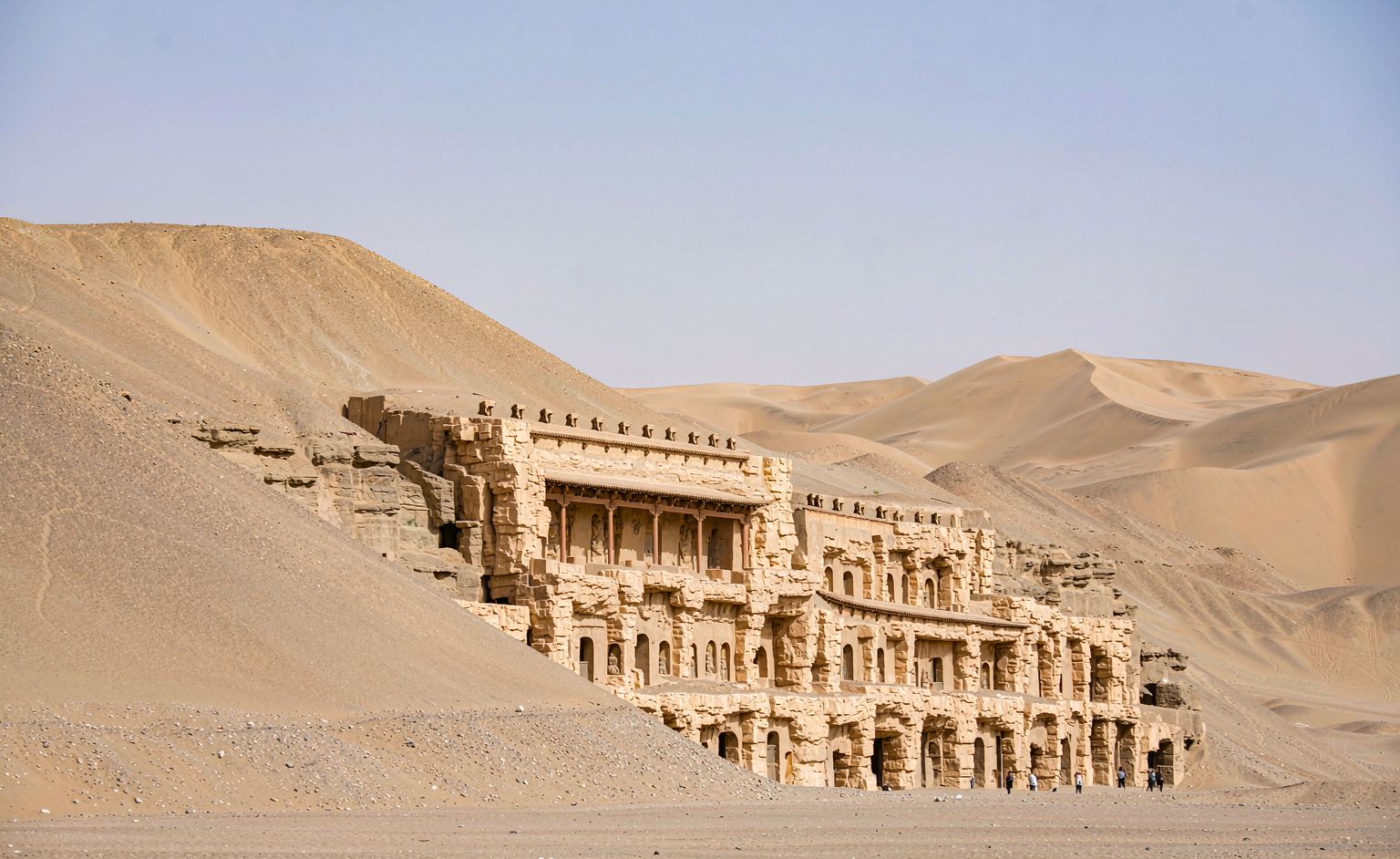
Luoyang Departure: Jiayuguan, Mogao Caves and Crescent Spring, 7 Days 6 Nights
Seven days from Luoyang. On the Hexi Corridor the riding matters more than the rushing: a while under the gate tower at Jiayuguan, the flying figures inside the Mogao caves, and one sunset waited out on the Singing Sand Dunes. November is low season, so the caves are quiet.
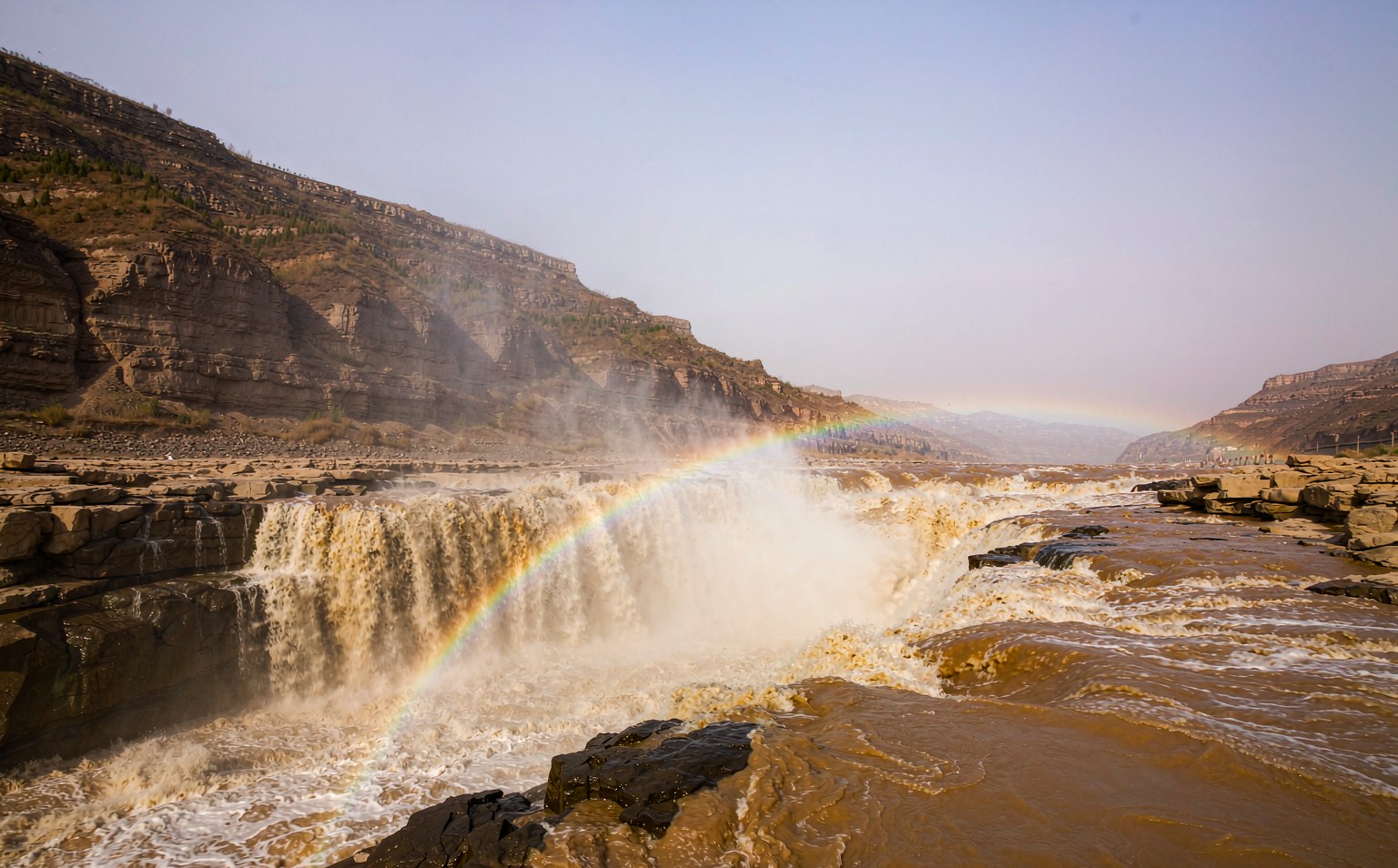
Luoyang Departure: Hukou Waterfall, Yanan and the Yellow Emperor Tomb, 6 Days 5 Nights
Six days from Luoyang. West first, where the Yellow River squeezes into a narrow gap at Hukou and the roar carries for miles, then north to Yanan with its cave dwellings and the pagoda hill, and south at the end to Huangling for a cypress said to be planted by the Yellow Emperor himself.
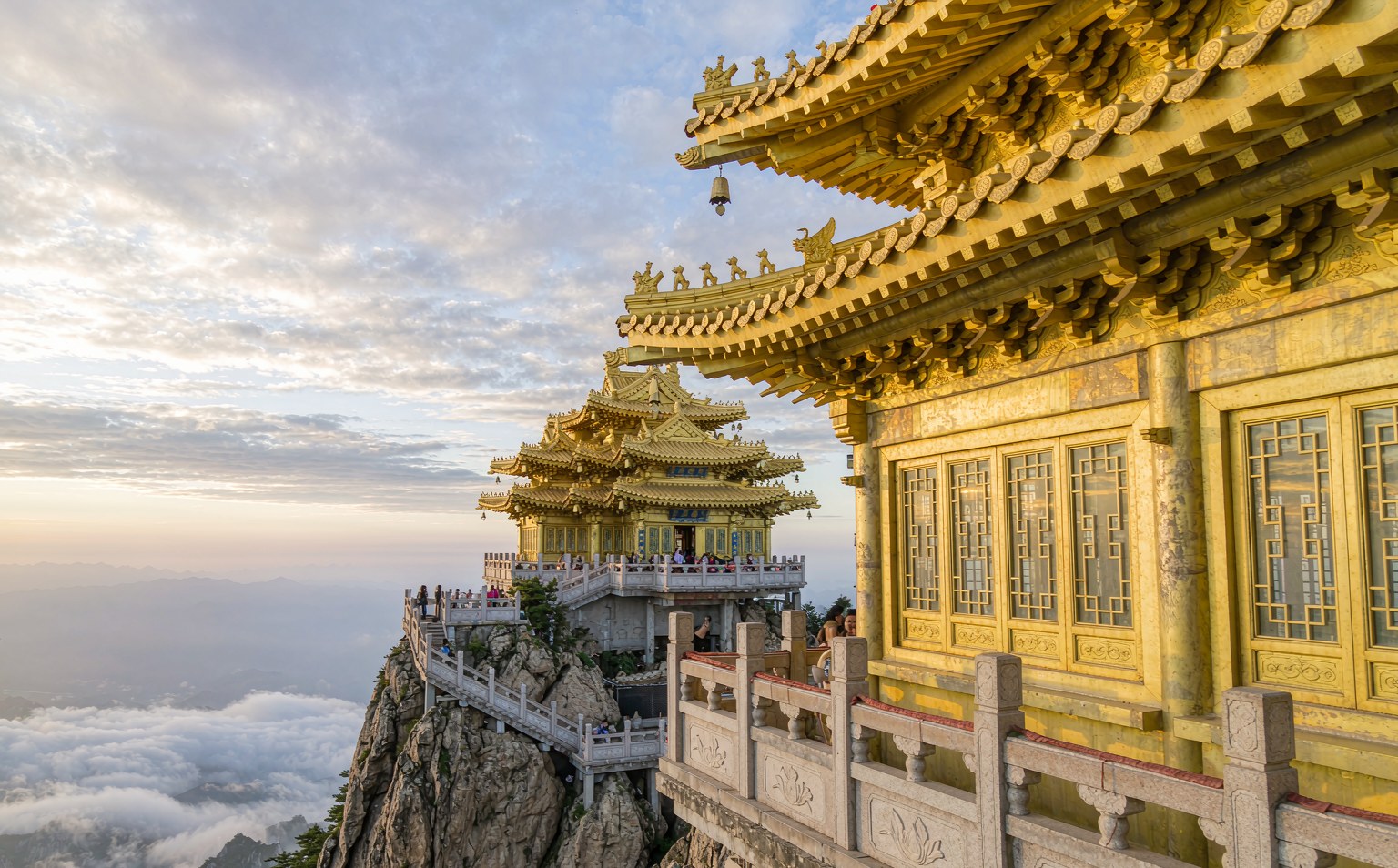
Luoyang Departure: Emei Summit, Leshan Buddha and Qingyin Pavilion, 5 Days 4 Nights
Five days from Luoyang. A night in Chengdu first, then the Leshan Buddha, then Emei Mountain. The summit sits above the cloud and the cable car takes minutes. The lower slopes are a different matter: the brick vault of Wannian Temple and the twin bridges at Qingyin.
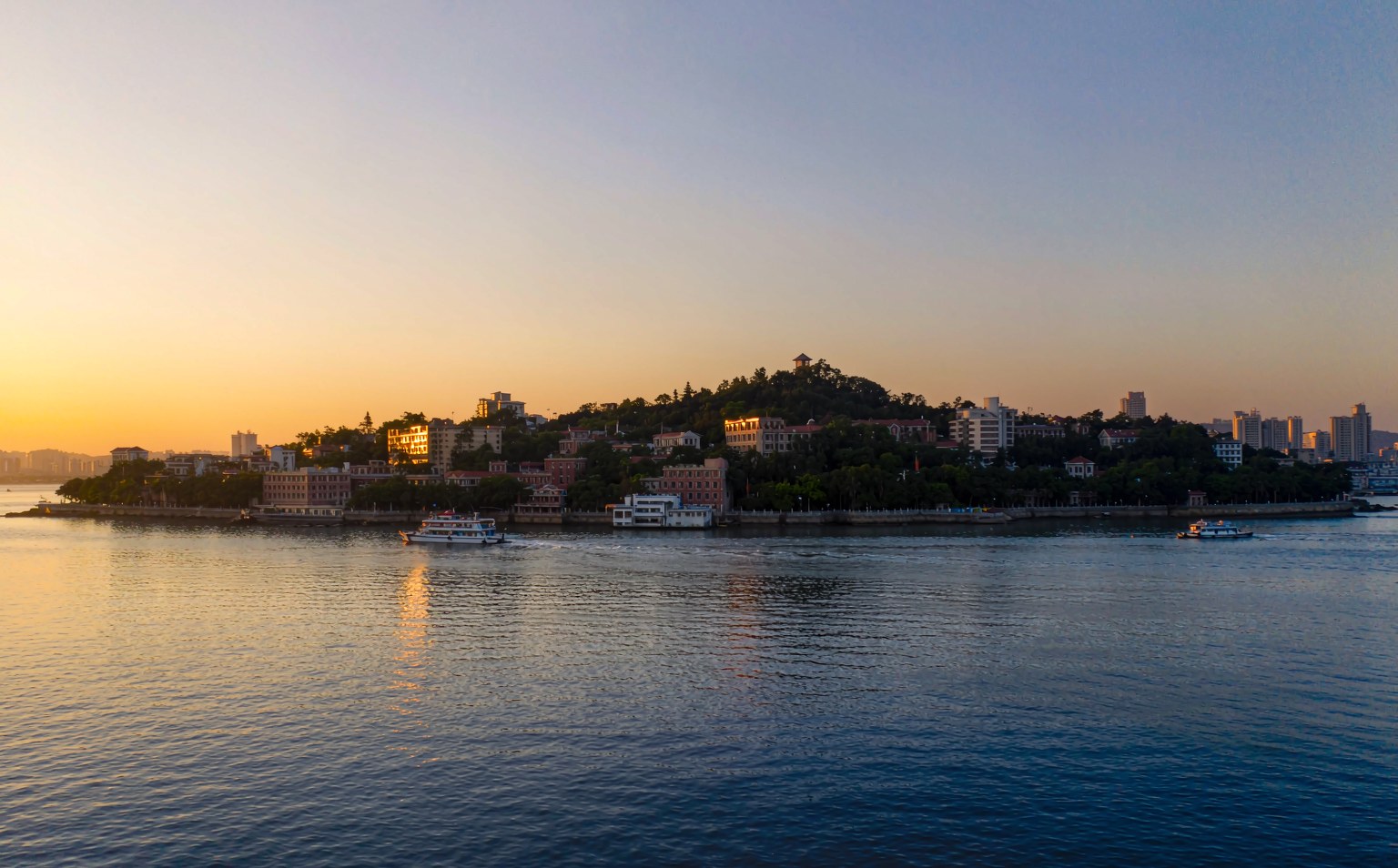
Luoyang Departure: Gulangyu, Sunlight Rock and Shuzhuang Garden, 5 Days 4 Nights
Five days from Luoyang. November is the good window: the sea wind is dry and the bougainvillea still out. The ferry is 35 yuan return and stays valid for 20 days, so nothing is rushed. One full day on the island, one for the temples and the coast, and a slow last morning in Jimei.