
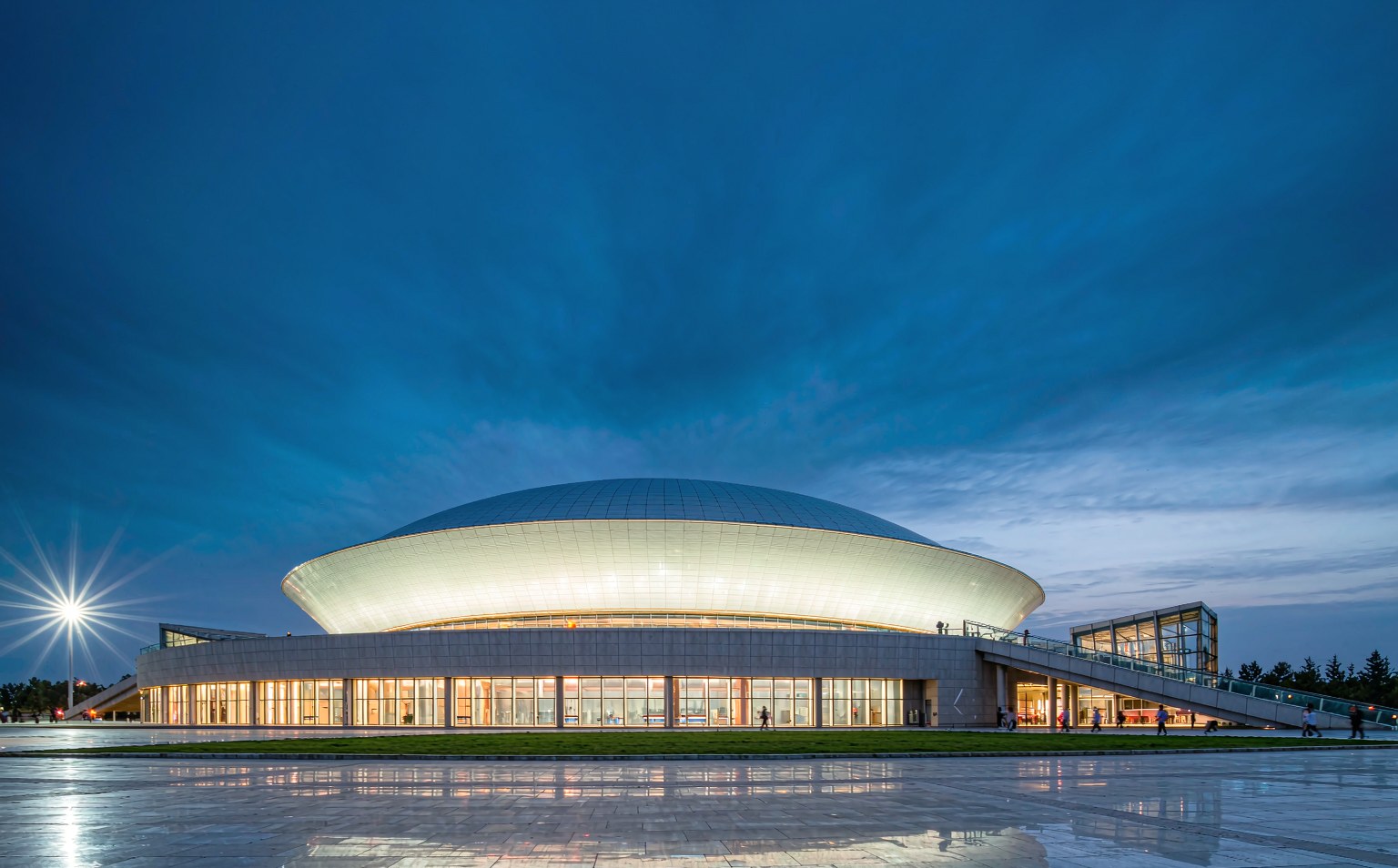
Zhengzhou 5-Day Tour: Erlitou Site & Longmen Grottoes
Zhengzhou 5-day tour covering Erlitou Site and Longmen Grottoes and White Horse Temple. Sightseeing tickets and shuttle bus included.
Highlights
Day 1: Erlitou
Depart from the hotel early in the morning and head straight to Erlitou. First, listen to the guide's explanation of the background and highlights, then enjoy a leisurely tour and take photos based on your interests. After lunch, take a short rest, then return to the hotel in the evening to recharge for the next day.
Attraction introduction: Today's itinerary includes Erlitou attractions. The Erlitou site is located in Luoyang Yanshi, praised by scholars as the "Earliest China." It is a large capital site from the mid to late Xia Dynasty, unearthing turquoise dragon-shaped artifacts, bronze jue, bronze tripods, and other heavy artifacts, revealing the appearance of China's first royal capital. The turquoise dragon-shaped artifact is made from over 2,000 turquoise fragments inlaid and is known as "China's First Dragon," serving as important evidence of Chinese dragon worship. Erlitou The site museum presents the site with an archaeological sense and is an unmissable stop for studying the origins of Chinese civilization. My understanding is that before visiting, one should first understand the academic controversy surrounding the "Xia Capital," then look at the exhibits for a deeper understanding; The museum's exhibits are carefully crafted and worth taking your time.
Friendly reminder: The mountain area has large temperature differences between morning and evening, and the winds at the summit are strong, so a windproof jacket and warm inner layer are very necessary. Visitors generally report that most think Erlitou is worth a special trip. It's recommended to slow down and follow the guide to listen to the explanation, saving time for the most touching details and the best camera angles. Considering actual conditions, mountain weather can change quickly, and a windbreaker jacket is more practical than anything; Always choose non-slip and comfortable shoes, and avoid taking a few photos to avoid twisting your ankle.
Day 2: Longmen Grottoes
Today's tour Longmen Grottoes suggests leaving half a day: the main cave of Xishan Cave, the Dongshan Viewing Platform, and Baiyuan of Xiangshan Temple are all connected, followed by explanations to understand the stories behind the stone carvings of the Northern Wei and Tang dynasties; Return in the evening to rest.
Attraction introduction: A highlight of the itinerary is Longmen Grottoes, carved into the cliffs on both banks of the Yi River south of Luoyang city. Since Emperor Xiaowen of Northern Wei moved the capital to Luoyang, construction has continued through Eastern Wei, Western Wei, Northern Qi, Sui, Tang, and other dynasties. There are over 2,300 cave niches, over 100,000 statues, and more than 2,800 inscriptions and inscriptions preserved. The most impressive is the Vairocana Buddha at Fengxian Temple, standing over 17 meters tall, with a plump face and benevolent eyes. Legend has it that it was carved after Wu Zetian's likeness, marking the pinnacle of Tang dynasty stone carving art. Along with Dunhuang Mogao Caves and Datong Yungang, it is one of China's three great grottoes and a World Cultural Heritage site. When touring, head south along the Yi River trail from the Xishan Grottoes, where Binyang Three Caves, Ten Thousand Buddha Caves, and Lotus Cave each have highlights. Cross the bridge to the Dongshan Buddha Worship Platform for a panoramic view. My understanding is that in the morning, first visit the main cave of Xishan and admire the Big Buddha while there are fewer people; in the afternoon, go to the Dongshan Viewing Platform for the best lighting and angle; If you need to walk backward along both banks of the Yi River, a pair of comfortable shoes can save you a lot of effort.
Friendly reminder: Grottoes are mostly built along cliffs. When viewing, keep a distance from the cliff face, hold the railings properly, and take care of the elderly and children. Visitors generally report that most find the Vairocana Buddha the most breathtaking, and the best sunlight at sunset on the Western Hills; If you need to walk back along both banks of the Yi River, it's recommended to wear comfortable shoes and allow half a day. Based on actual circumstances, don't shop impulsively. If you see a "limited-time offer," take a calm wait for three minutes; If you really want to bring souvenirs, make sure to buy a reputable store and keep your receipts for peace of mind.
Day 3: White Horse Temple
Morning tourWhite Horse Temple, from the mountain gate and the Hall of Heavenly Kings to the Great Buddha Hall, carefully follow the central axis, then visit the Qiyun Pagoda Courtyard; At noon, try Luoyang local cuisine; in the afternoon, visit Burmese and Indian-style Buddhist temples to experience the exotic charm of this thousand-year-old temple.
Attraction introduction: One highlight of the itinerary is White Horse Temple, located east of Luoyang city. It was first built during the Yongping era of the Eastern Han Dynasty to commemorate the White Horse Carrying Scriptures and the early introduction of Buddhism to the Central Plains. It is honored as "China's First Ancient Temple" and the first government-run temple built after Buddhism was introduced to China. Inside the temple, the Qiyun Pagoda Courtyard, the Great Buddha Hall, and the Heavenly King Hall are arranged along the central axis, with red walls and green cypress trees where incense offerings have continued for over two thousand years. It is worth mentioning that the temple also features exotic-style Buddhist halls donated by countries such as Myanmar, Thailand, and India, showcasing the unique landscape of Buddhist culture flowing eastward and backward. My understanding is that when entering the temple, first see the main hall along the central axis, then circle around to the Qiyun Pagoda Courtyard, and finally visit the foreign Buddhist halls on both sides to experience cultural fusion; Come early in the morning when there are fewer people; the sunlight shining on the red walls and ancient cypress trees creates the most poetic atmosphere, and you can also avoid the peak of tour groups.
Friendly reminder: Please keep quiet and dress neatly when entering the temple. Generally, no photography or touching ritual objects inside the halls; please do good deeds. Visitors generally report that exotic-style Buddhist halls (Thai/Burmese/Seal Halls) have a high rate of photo shoots, and visitors generally feel they are more spacious than expected; Reminder: The International Temple Area is quite far to walk, so leave some footwork. Based on actual circumstances, documents and wallets are kept separately. Important documents can be taken and stored as backups on your phone so that if lost, you can quickly reissue them without delaying your trip.
Related Tours
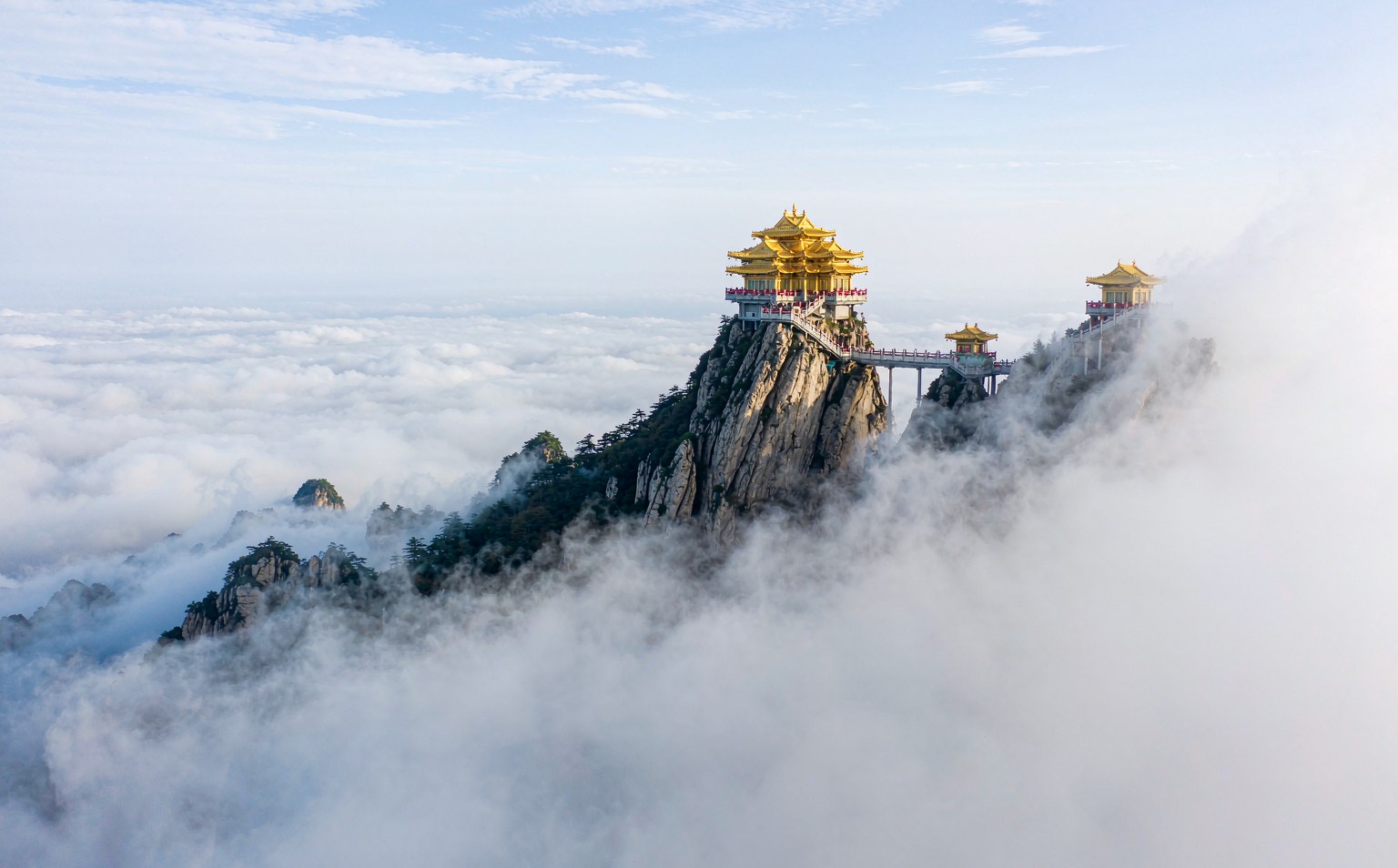
Luoyang Departure Laojun Mountain and Longywan 3 Days
Three days from Luoyang: the first evening waiting below the golden summit for the lamps, the second climbing early for cloud, then a slow afternoon along the nine bends of Longywan. The ticket holds two days, so the mountain is never rushed.
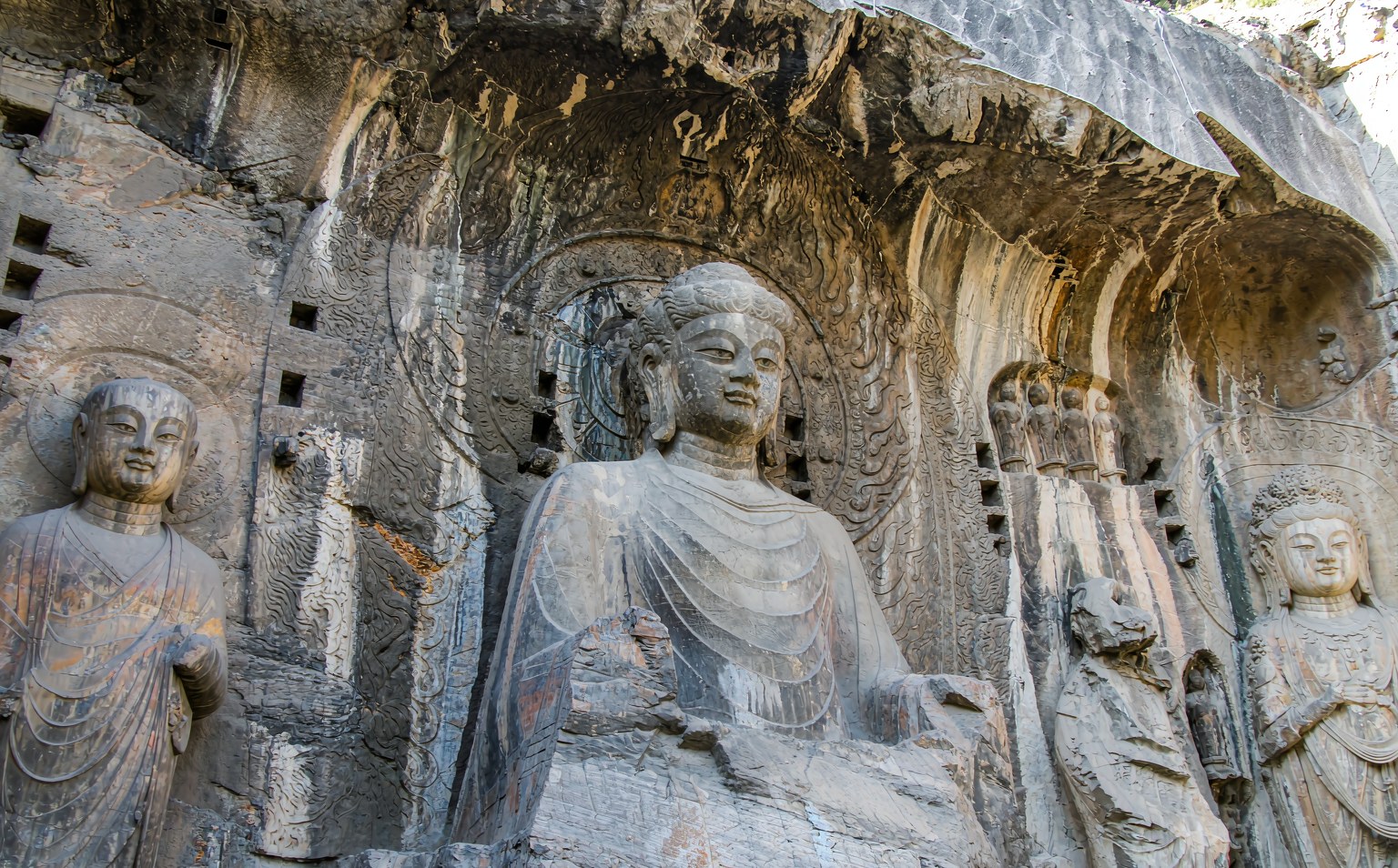
Luoyang Departure Longmen Grottoes and White Horse Temple 3 Days
Three days from Luoyang: the carved cliff of the west bank first, then the oldest official Buddhist temple in China, then the Ming and Qing halls of Guanlin. Both nights stay inside the old city, so the lantern street is a walk away.
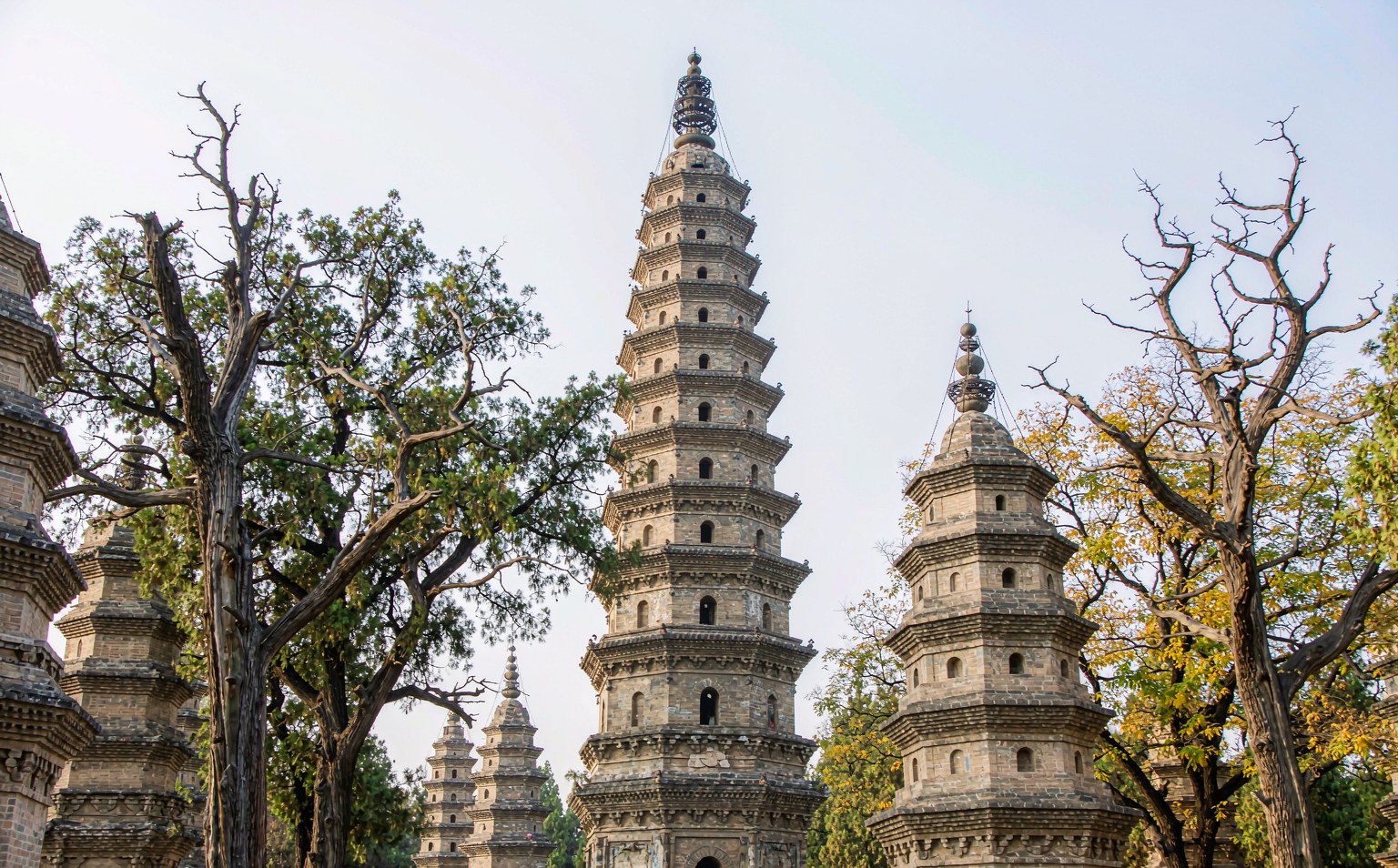
Luoyang to Shaolin Temple, Sanhuangzhai and Songyang Academy 5 Days
Five days from Luoyang. Songshan has two massifs, Taishi and Shaoshi: the Shaolin Temple and Sanhuangzhai sit on one, the Songyang Academy and Zhongyue Temple on the other. The 80 yuan Shaolin ticket already covers Sanhuangzhai.
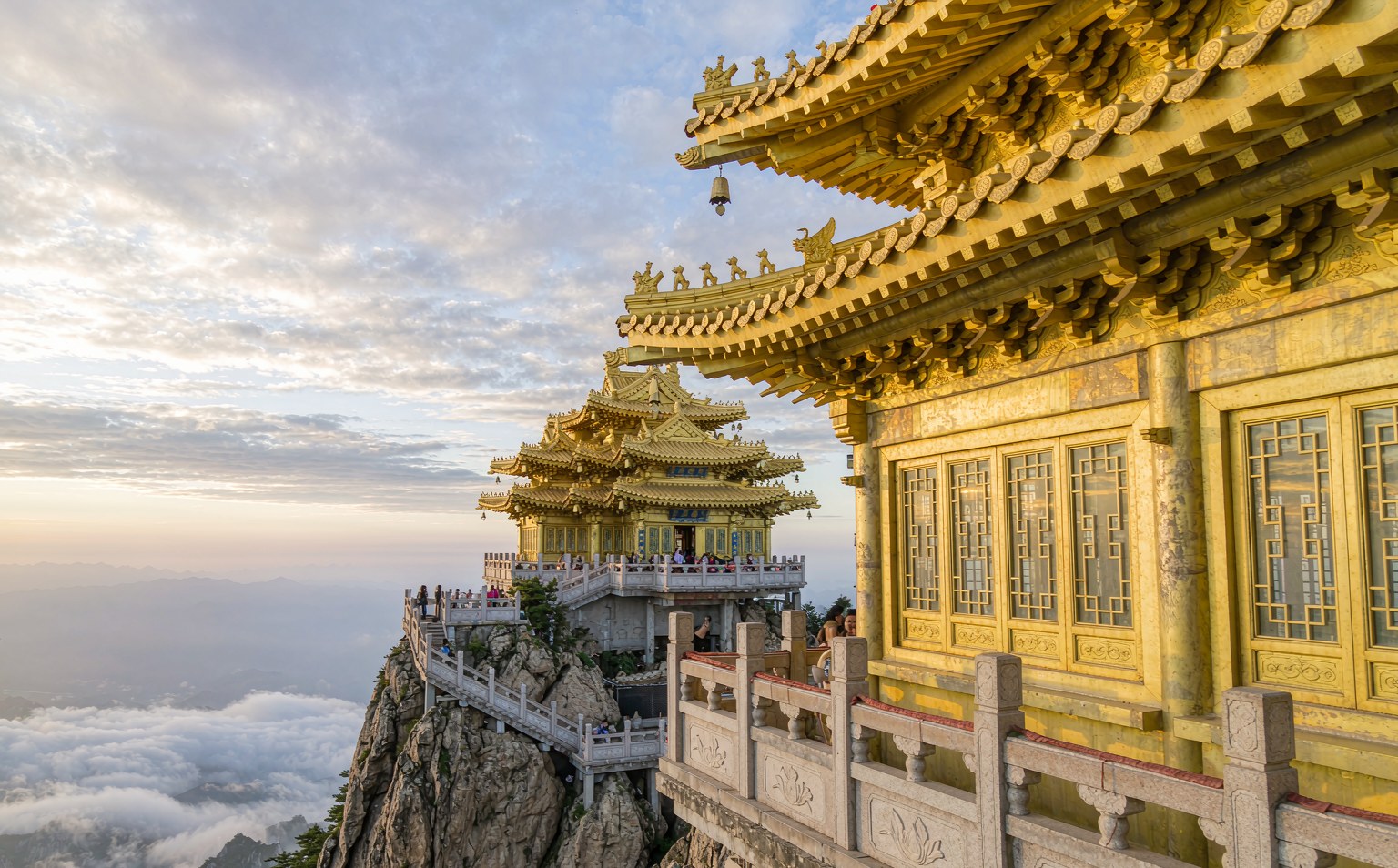
Luoyang to Laojunshan, Chongdugou, Jiguan Cave and Yangzigou 6 Days
Six days from Luoyang. The Laojunshan ticket stays valid for two days, so the golden summit comes first and a second climb chases the morning cloud sea. Jiguan Cave runs 1,800 metres at a constant 18 degrees, and Chongdugou still has green bamboo in November.