
Luoyang 8-Day Tour: White Horse Temple & Laojun Mountain
Luoyang 8-day tour covering White Horse Temple and Laojun Mountain and Guoliang Village. Sightseeing tickets and shuttle bus included.
Highlights
Day 1: White Horse Temple
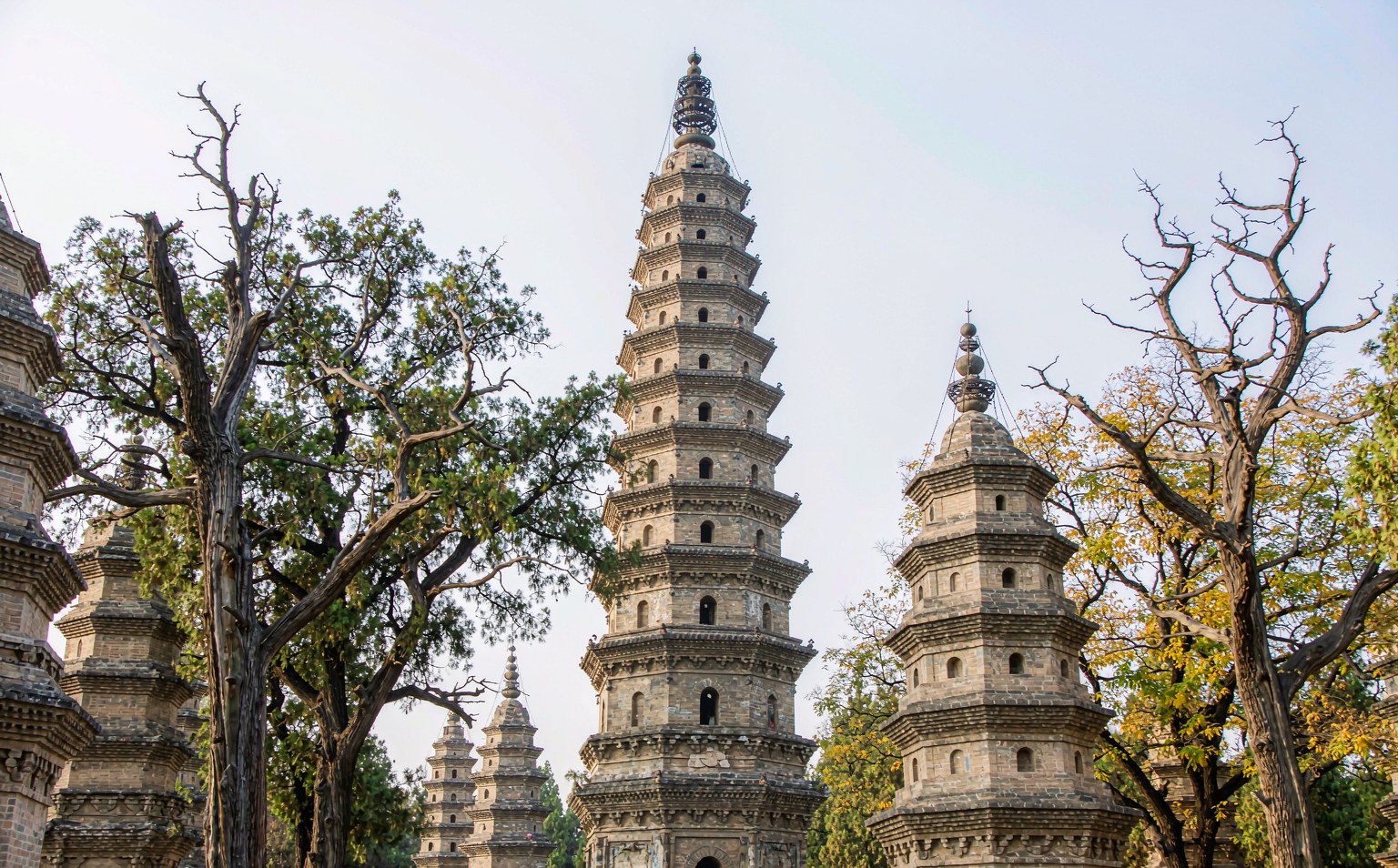
Morning tour: start from the Mountain Gate and the Hall of Heavenly Kings to the Great Buddha Hall along the central axis for a detailed view, then proceed to the Qiyun Pagoda Courtyard; at noon, try the local cuisine, and in the afternoon visit Buddhist halls with Burmese and Indian styles to experience the exotic charm of the thousand-year-old temple.
Attraction introduction: One of the highlights arranged in the itinerary is White Horse Temple, which is located in the east of Luoyang city. It was originally built during the Yongping period of the Eastern Han Dynasty to commemorate the white horse carrying the scriptures and the early spread of Buddhism in China. It is honored as "China's First Ancient Temple" and is the first official Buddhist temple built after Buddhism was introduced to China. Inside the temple, the Qiyun Pagoda Courtyard, the Great Buddha Hall, and the Hall of Heavenly Kings are laid out along the central axis, with red walls and green cypresses, and incense burning continuously for over two thousand years. It is worth mentioning that there are also Buddhist halls donated by countries such as Myanmar, Thailand, and India, featuring exotic architectural styles, presenting a unique scene of Buddhism's eastward transmission and return flow. My understanding is that visitors should first see the main halls along the central axis, then walk to the Qiyun Pagoda Courtyard, and finally visit the side halls with exotic styles to feel the cultural integration; coming early in the morning when there are fewer people, with the morning light shining on the red walls and ancient cypresses, is most atmospheric and can also help avoid peak times of tour groups.
Warm tips: Please keep quiet and dress neatly while entering the temple. Generally, do not take photos or touch ritual objects inside the halls; offer merit happily. Visitors generally find that the exotic-style halls (Thai, Burmese, Indian) are highly photo-worthy and more spacious than expected; note that the international temple area requires considerable walking, so save your energy. When taking photos, don’t just focus on capturing shots; also pay attention to your feet and surroundings. Always stand securely at observation decks and trail edges.
Day 2: Laojun Mountain
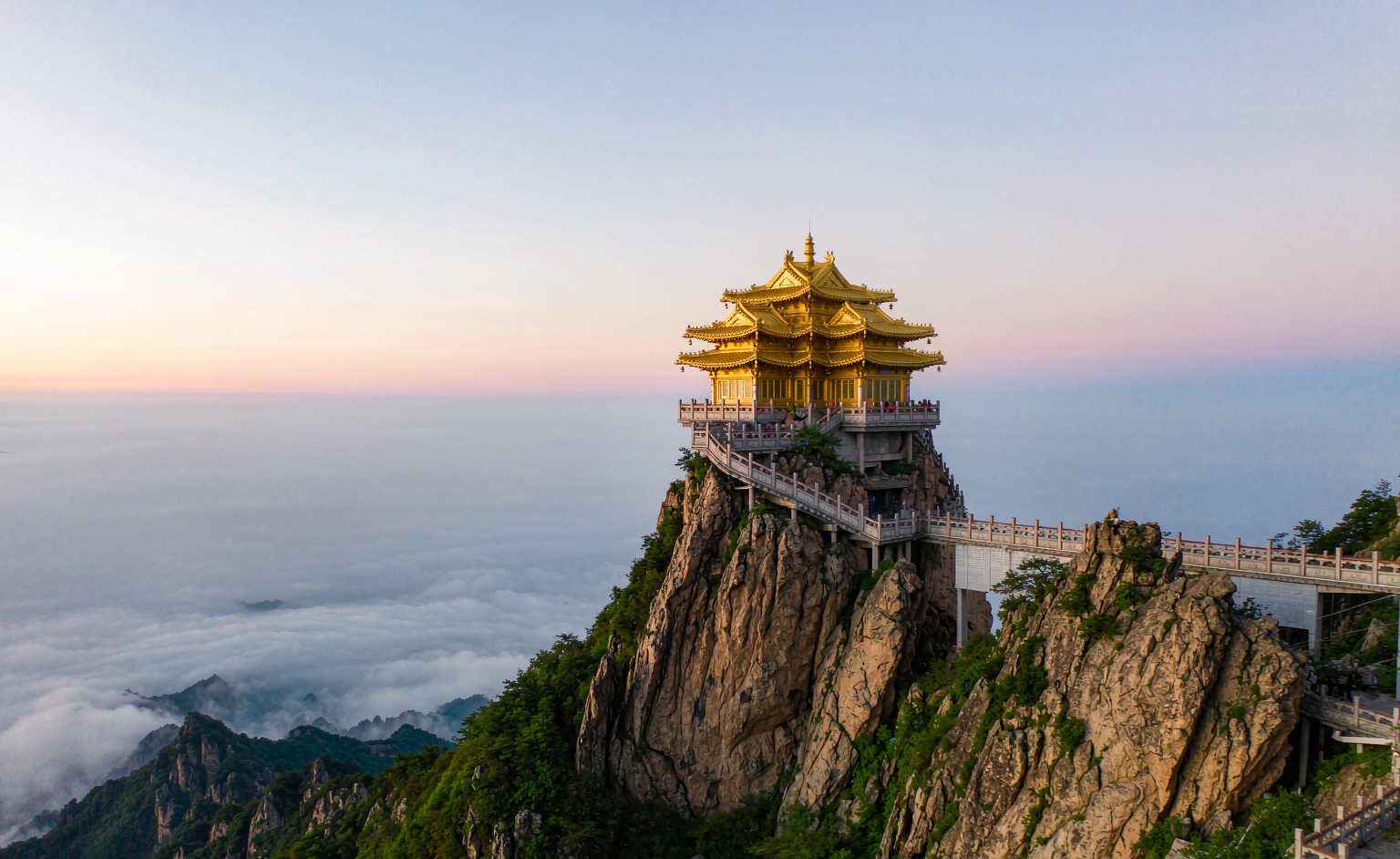
Early in the morning, take the two-stage cable car to reach the Golden Summit, checking in at the temple complex and enjoying the sea of clouds at sunrise; in the afternoon, slowly descend along the Ten-Mile Painted Screen, changing your view step by step, and return in the evening.
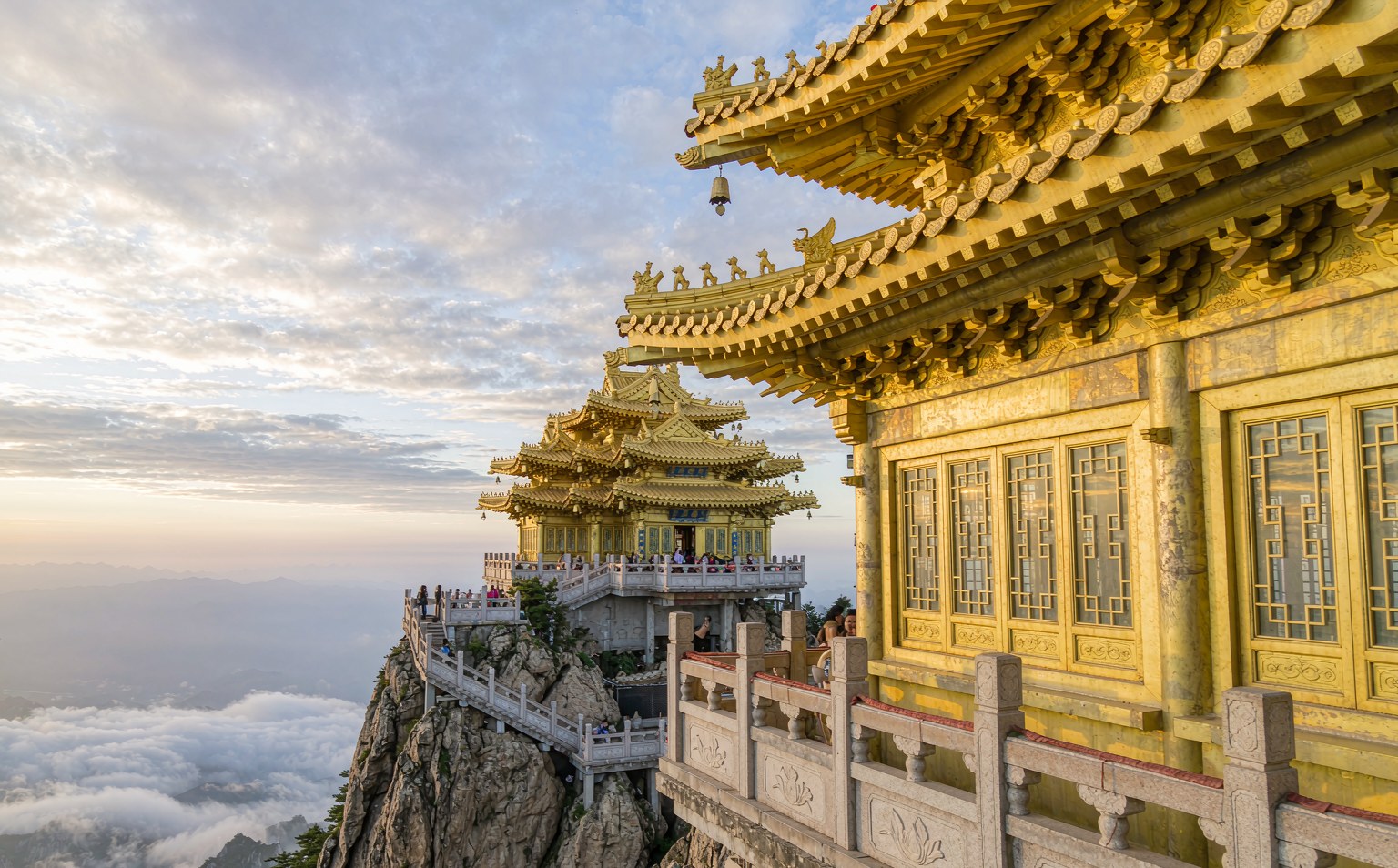
Attraction Introduction: One of the highlights arranged in the itinerary is the Golden Summit. The Golden Summit is located in Luanchuan County, in the Funiu Mountains, and is both the main peak of Funiu Mountain and a famous Taoist mountain. It is said to be the place where the founder of Taoism, Laozi, once secluded himself to cultivate. The temple complex on the Golden Summit stands atop a peak over 2,000 meters above sea level, with golden-tiled temples and red walls amidst surging clouds, earning a reputation of "a breathtaking feast on Earth, a glimpse of the world's grandeur." The Ten-Mile Painted Screen is the essence of the trip, a high-altitude plank road on the cliff where each step offers a changing scenery, capturing the peaks, sea of clouds, and sunrise. Visitors can take a two-stage cable car up the mountain; on clear days, you can enjoy the sunrise over the sea of clouds, while in winter, it is a highly popular spot for snow viewing in Central China. My advice is to get an early start to take the cable car up the mountain to catch the best light on the Golden Summit and the Ten-Mile Painted Screen; the summit is windy and cold, so a windbreaker and thermos are essential, and those afraid of heights should not force themselves to stand on the glass observation deck.
Tips: There is a large temperature difference between morning and evening in the mountains, and the summit is windy, so a windproof jacket and warm layers are necessary. Tourists generally report that the sea of clouds and sunrise at the Golden Summit are the main attractions, with many people staying at the summit specifically to wait for dawn. Keep in mind the large temperature difference and long cable car queues on the summit; during peak season, it is essential to start early. Depending on the situation, the best photo opportunities are early in the morning or late in the evening—the morning offers fewer people and soft light, the evening provides golden light, while noon has harsh light and crowds, so it's better to rest during that time.
Day 3: Guoliang Village
Today's Taihang trip focuses on traveling the cliff-hanging road and film village, with a view of the canyon village; in the afternoon, additional shooting, and in the evening, rest.
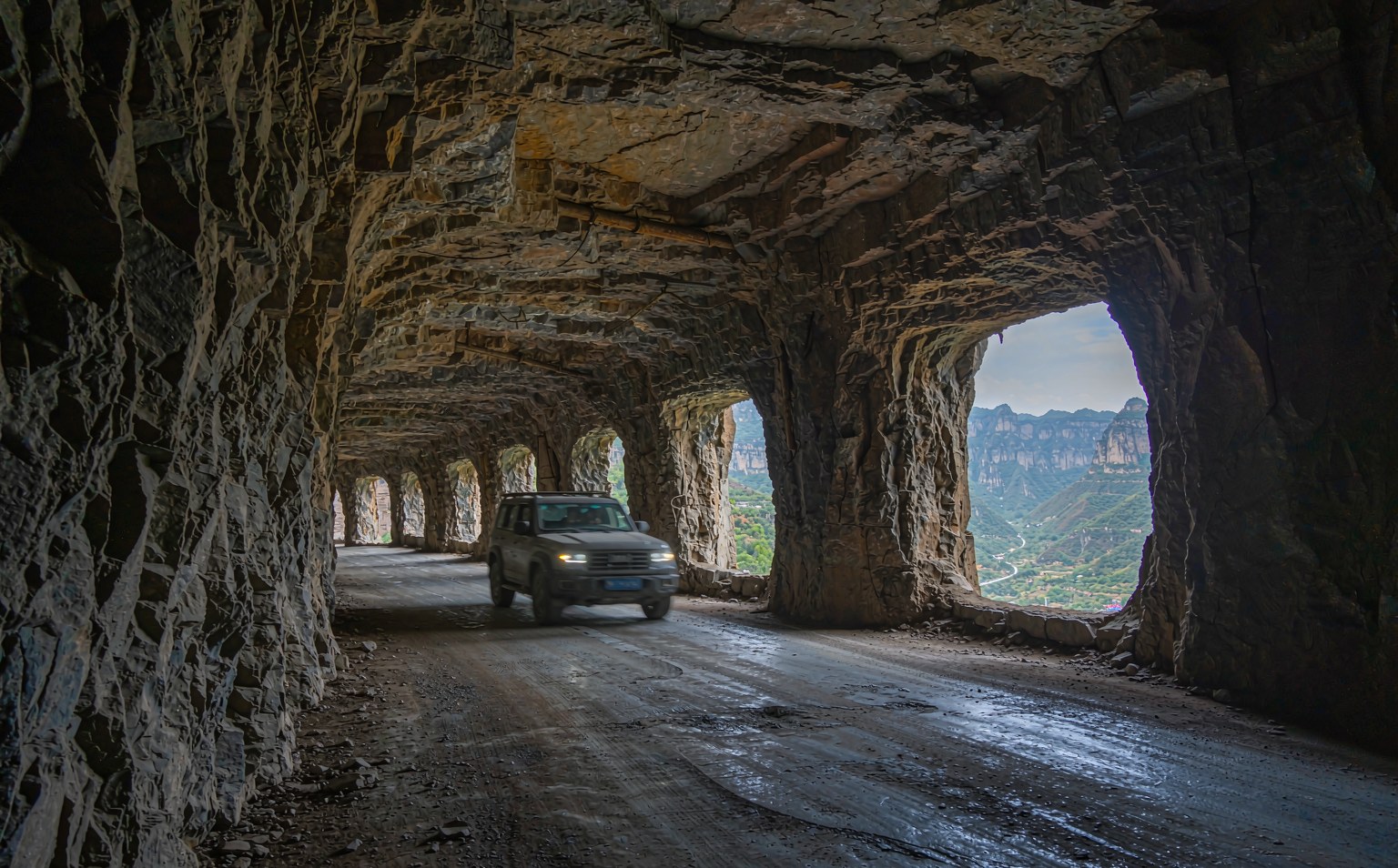
Attraction Introduction: One of the highlights of the itinerary is Guoliang Village. Guoliang Village is hidden deep in the Taihang Mountains on a sheer cliff and is famous for its 'cliff-hanging road.' In the 1970s, villagers, in order to open a passage to the outside world and without any large machinery, spent more than five years chiseling and hammering a tunnel about 1,300 meters long into the cliff, which is considered a 'modern-day Yu Gong' miracle. This cliff-hanging road is now the most hardcore check-in spot in the Taihang Mountains, where walking along it allows you to overlook the deep abyss and canyon villages. Guoliang Village is also called the 'Chinese Film Village' because several films and TV dramas have been shot here. My understanding is that when walking the cliff-hanging road, allow enough time, watch and photograph along the way, pay attention to your footing and oncoming vehicles; the best light is in the early morning or late afternoon, while noon tends to be plain, wear non-slip shoes, and don’t get too close to the cliff edge.
Tips: The specialties of the ancient town are dazzling, so taste before buying, compare prices, and spend rationally. Tourists generally report that the cliff-side stone village connects to the cliff-hanging road and that the filming locations come with a sense of story; be reminded that accommodations and food in the village are simple, so lower expectations to enjoy more. Considering the actual situation, dehydration is the biggest concern on long trips, so carry a water bottle and drink in small amounts frequently; on the first night in the plateau or mountains, don’t wash your hair or take a bath for too long, giving your body some time to adapt.
Day 4: Red Flag Canal
Morning tour: visit Youth Cave and see the Divider Garden, experiencing the 'Artificial Heavenly River' on the cliffs of the Taihang Mountains; have lunch nearby at noon, and in the afternoon, you can visit Shunyou or Wang Xiangyan, returning in the evening.
Attraction introduction: A highlight arranged in the itinerary is the 'Artificial Heavenly River'. The 'Artificial Heavenly River' was dug by the people of Linzhou on the cliffs of the Taihang Mountains in the 1960s. It has a total length of over 1,500 kilometers, involved flattening 1,250 mountain tops, building more than 150 aqueducts, and digging over 200 tunnels, taking nearly ten years to complete. It stands as a monument to the Chinese nation's spirit of self-improvement. Youth Cave is the most dangerous section of the route, dug by 300 youth team members on the cliff; the Divider Garden and the 'Artificial Heavenly River' Memorial Hall comprehensively illustrate the arduous process of building the canal. This place combines red education with the grandeur of the Taihang Mountains and now serves as a breathtaking cultural attraction. My understanding is that you should first visit the Memorial Hall to learn the background of the canal, then go through Youth Cave to truly grasp the significance of the canal; hike along the canal according to your ability, wear non-slip shoes, and watch your step.
Tips: The mountain paths have many steps and steep slopes, so be sure to wear non-slip sports shoes. Those with mobility issues are recommended to use the cable car. Visitors generally feel that the 'Artificial Heavenly River' has a strong spiritual landmark effect, resonating more with middle-aged tourists; the exhibition explanations are worth listening to in order to understand that period of history. Considering the practical situation, be punctual, arrive five to ten minutes early for gatherings; better for people to wait for the vehicle than the vehicle to wait for someone—don’t make everyone wait for you.
Related Tours
Luoyang to Wanxianshan, Guoliang Village and Baligou 6 Days
Six days from Luoyang. The Baligou ticket at 120 yuan covers Baligou, Jiulianshan and Tianjieshan for three days. Then the trip moves to Wanxianshan, where the Guoliang cliff road runs 1,250 metres with 35 windows, begun in 1972 and opened in 1977.
Luoyang to Yuntai Mountain, Hongshi Gorge and Chenjiagou 5 Days
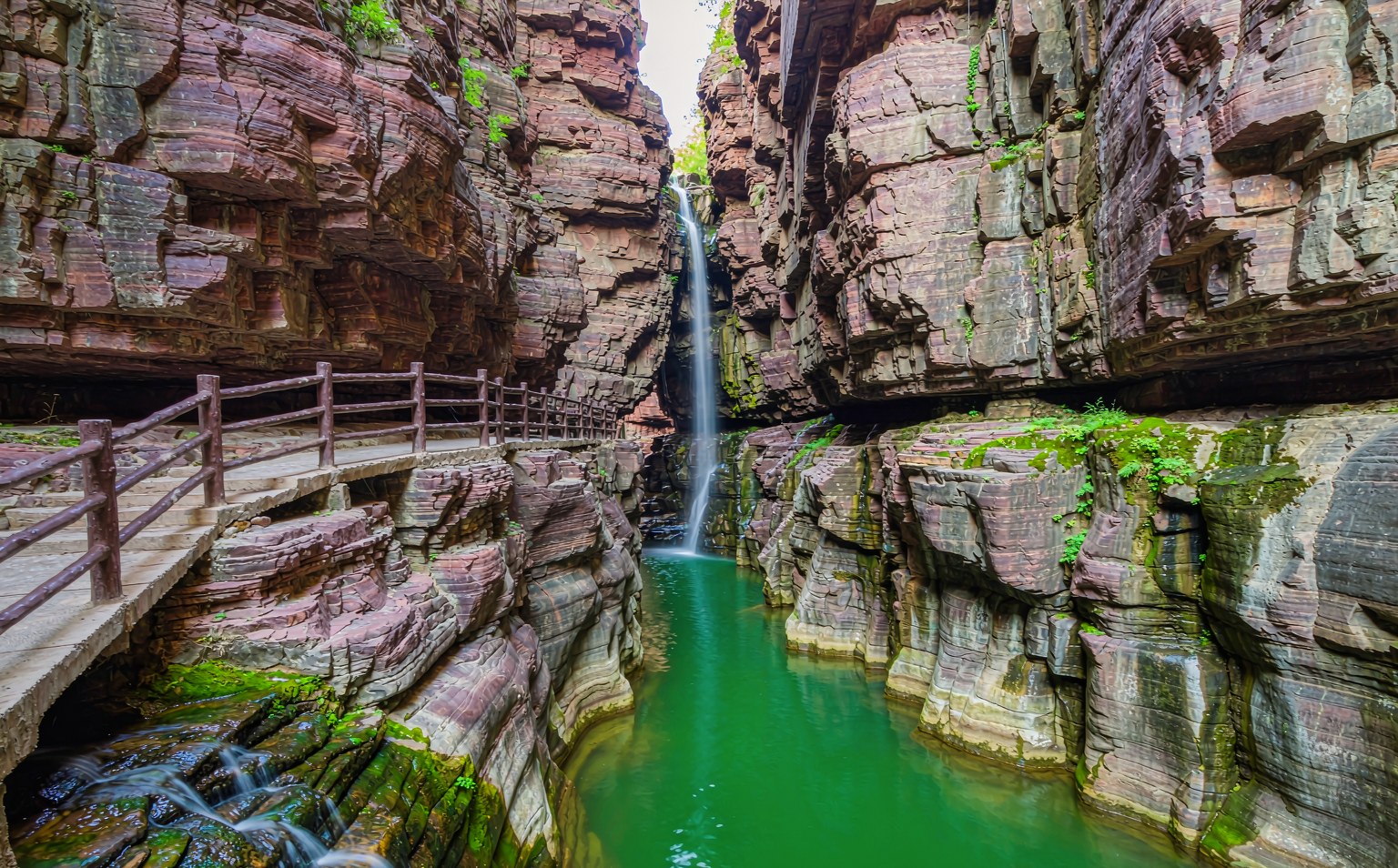
Five days from Luoyang. The Yuntai ticket at 120 yuan plus a 60 yuan shuttle pass stays valid for three days, enough for Hongshi Gorge, Tanpu Gorge and Zhuyu Peak. The fourth day turns south to Chenjiagou, the village where tai chi began.
Luoyang to Laojunshan, Chongdugou, Jiguan Cave and Yangzigou 6 Days
Six days from Luoyang. The Laojunshan ticket stays valid for two days, so the golden summit comes first and a second climb chases the morning cloud sea. Jiguan Cave runs 1,800 metres at a constant 18 degrees, and Chongdugou still has green bamboo in November.
Luoyang Departure: Laojun Mountain, Jiguan Cave and Longtan Canyon, 5 Days 4 Nights
Five days from Luoyang. The Laojun Mountain ticket holds for two days, so the mountain is climbed twice: the painted rock forest first, then the summit to wait for the lamps. The second half runs west to Xinan, through a cave that stays at 18 degrees and a red gorge cut by water.