
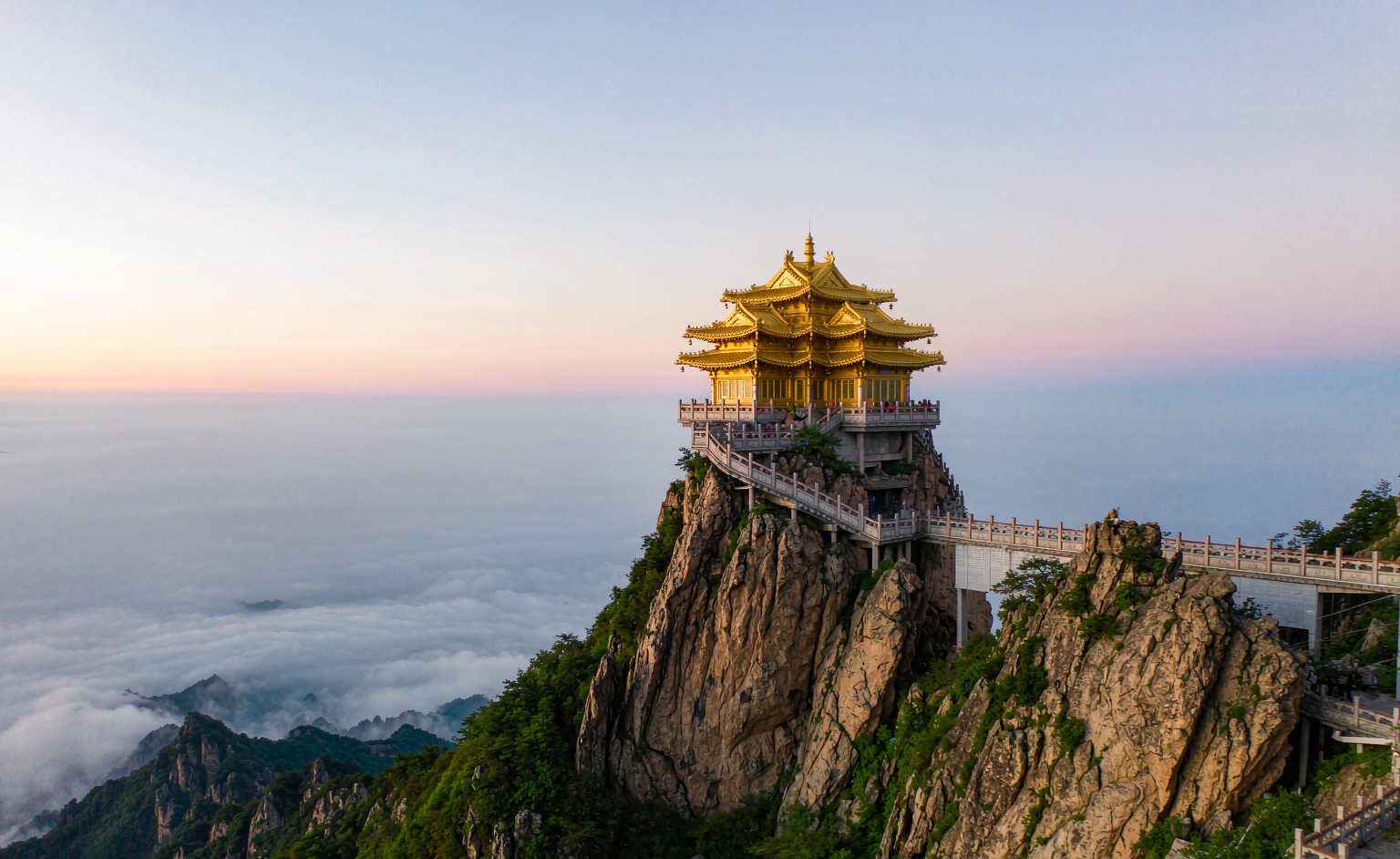
Luoyang Departure: Laojun Mountain, Jiguan Cave and Longtan Canyon, 5 Days 4 Nights
Five days from Luoyang. The Laojun Mountain ticket holds for two days, so the mountain is climbed twice: the painted rock forest first, then the summit to wait for the lamps. The second half runs west to Xinan, through a cave that stays at 18 degrees and a red gorge cut by water.
Highlights
Day 1: Luoyang to Luanchuan, a night below the mountain
The Luanchuan expressway takes an hour and a half out of Luoyang, tunnels and viaducts most of the way. Lunch is acorn jelly, cut cold and dressed with garlic and persimmon vinegar, sharp enough to wake you up, with a bowl of pepper noodles beside it. In the afternoon walk down to the park gate and find the cable car station, so tomorrow starts without guesswork. Back at the guesthouse by dark, bags packed for an early start.
Attraction introduction: Luanchuan lies south-west of Luoyang in the Funiu range, its average elevation above a thousand metres, and is the main mountain county of Henan. Laojun Mountain is the highest point of the Funiu, built of granite with a rock forest unusual this far north, and its summit temples were first raised in the Northern Wei.
Tips: The valley is six or seven degrees cooler than Luoyang, so a heavy jacket is needed after October. Guests generally find the guesthouses below the gate cheaper than those on the mountain, with steadier hot water. In practice, no climbing is scheduled today, which keeps the next two days whole.
Day 2: The painted rock forest along the cliff path
Into the park at eight. Shuttle to the cable car base, up on the first line, then transfer to the peak-line car that lands at the entrance to the painted rock forest. Today covers only that stretch: the walkway runs along the cliff, wall on one side and air on the other, rows of stone columns standing beyond, pines wedged in the cracks. Turn back at the end and be at the station before four.
Attraction introduction: The Ten-Li Painted Screen is the densest stretch of granite pillars on Laojun Mountain, the path traversing the cliff face for several kilometres. The pillars rise along vertical joints in the granite, standing in rows, a formation rarely seen in northern China.
Tips: Wind funnels across the walkway just below the upper cable car, so hold on to your hat. Guests generally find the pillars read best in the morning, when light comes in from the east and picks out the layers. In practice, the summit is left for tomorrow, and the legs are saved for it.
Day 3: Up to the Golden Summit and the evening lamps
The ticket bought yesterday still covers today, so the gate reads the ID card and lets you through. Take the cable cars again and skip the painted screen this time, following the ridge line that leads to the summit. Below the southern gate a flight of steps climbs steeply; twenty minutes with a pause will do it. The golden hall is roofed in bronze tiles that look dull from a distance and only catch fire when the sun comes in low. By early afternoon reach the Ma Zong ridge, a narrow spine with a deep valley on either hand. Be back on the terrace below the hall by four thirty, and around six, as the light goes, the lamps come on one by one.
Attraction introduction: The summit line begins at the southern gate and runs through the old shrine, the Jade Emperor peak, the Liangbao terrace and the golden hall. The hall is a double-eaved structure under bronze tiles, and from its steps the Funiu ridges stack away in layers. The Ma Zong ridge is the narrowest point, steep on both sides, and gives the widest view.
Tips: The summit runs seven or eight degrees colder than the valley, and wind pours over the ridge from both sides, so a scarf does more than a hat. Guests generally find that everyone heads for the cable car the moment the lamps are lit, with queues curling twice around. In practice, sit another twenty minutes and let the crowd drain first.
Day 4: Jiguan Cave, then west to Xinan
Morning at Jiguan Cave, its entrance set into the hillside. A long corridor leads in, stalactites hanging from the roof, the lamps turning the stone amber. Deeper in, sheets of flowstone hang like cloth, and stalagmites have risen several metres from the floor. A pool sits in one chamber with a flat surface that doubles the ceiling above it. The circuit takes a little over an hour, and you come out with your clothes still warm. Lunch at the cave mouth, farm cooking, then a drive of just over two hours west to Shijing town for the night.
Attraction introduction: Jiguan is a limestone cave with 1,800 metres developed across several levels, its stalagmites, columns and flowstone in good condition, the air at about 18 degrees all year. Western Luanchuan and neighbouring Xinan, where Longtan Canyon lies, belong to the same upland country of western Henan.
Tips: Humidity inside is high and every step is wet, so grip matters more than pace. Guests generally find a lens fogs on entry and clears in a few minutes if you wait at the mouth. In practice, the afternoon is a transfer only, with nothing added after arrival.
Day 5: Longtan Canyon, home to Luoyang
Into Longtan Canyon after breakfast. The shuttle climbs to the upper end, and from there the path follows the stream downhill, purple-red walls closing in on both sides, the rock scoured into curves. One stretch appears to run uphill, an illusion made by a very gentle gradient. Out at the lower gate, shuttle back for lunch, then the drive to Luoyang, an hour and a half to the city.
Attraction introduction: Longtan Canyon in Shijing township is the core of Daimei Mountain Geopark, its walls of purple-red quartz sandstone laid down 1.2 billion years ago and cut by water into narrow gorges and potholes, sometimes called the finest slot gorge in China. The trail runs gently downhill throughout.
Tips: The gorge is cooler than the plateau, so a thin jacket helps even in summer, and the water-polished stone is slippery on the steps. Guests generally find riding up and walking down the least tiring arrangement. In practice, day five covers the main line only, one way, so the drive home is in daylight.
Related Tours
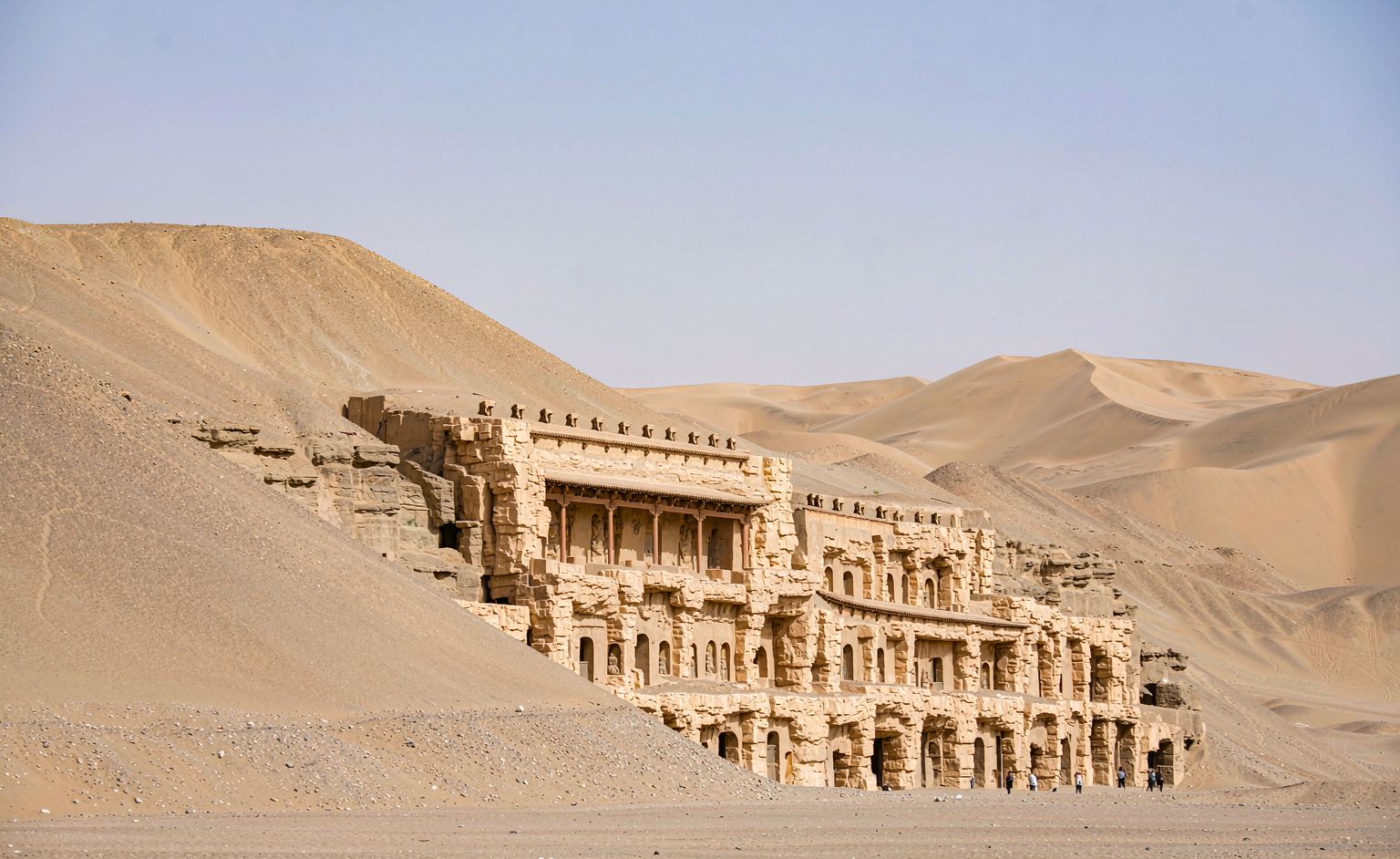
Luoyang Departure: Jiayuguan, Mogao Caves and Crescent Spring, 7 Days 6 Nights
Seven days from Luoyang. On the Hexi Corridor the riding matters more than the rushing: a while under the gate tower at Jiayuguan, the flying figures inside the Mogao caves, and one sunset waited out on the Singing Sand Dunes. November is low season, so the caves are quiet.
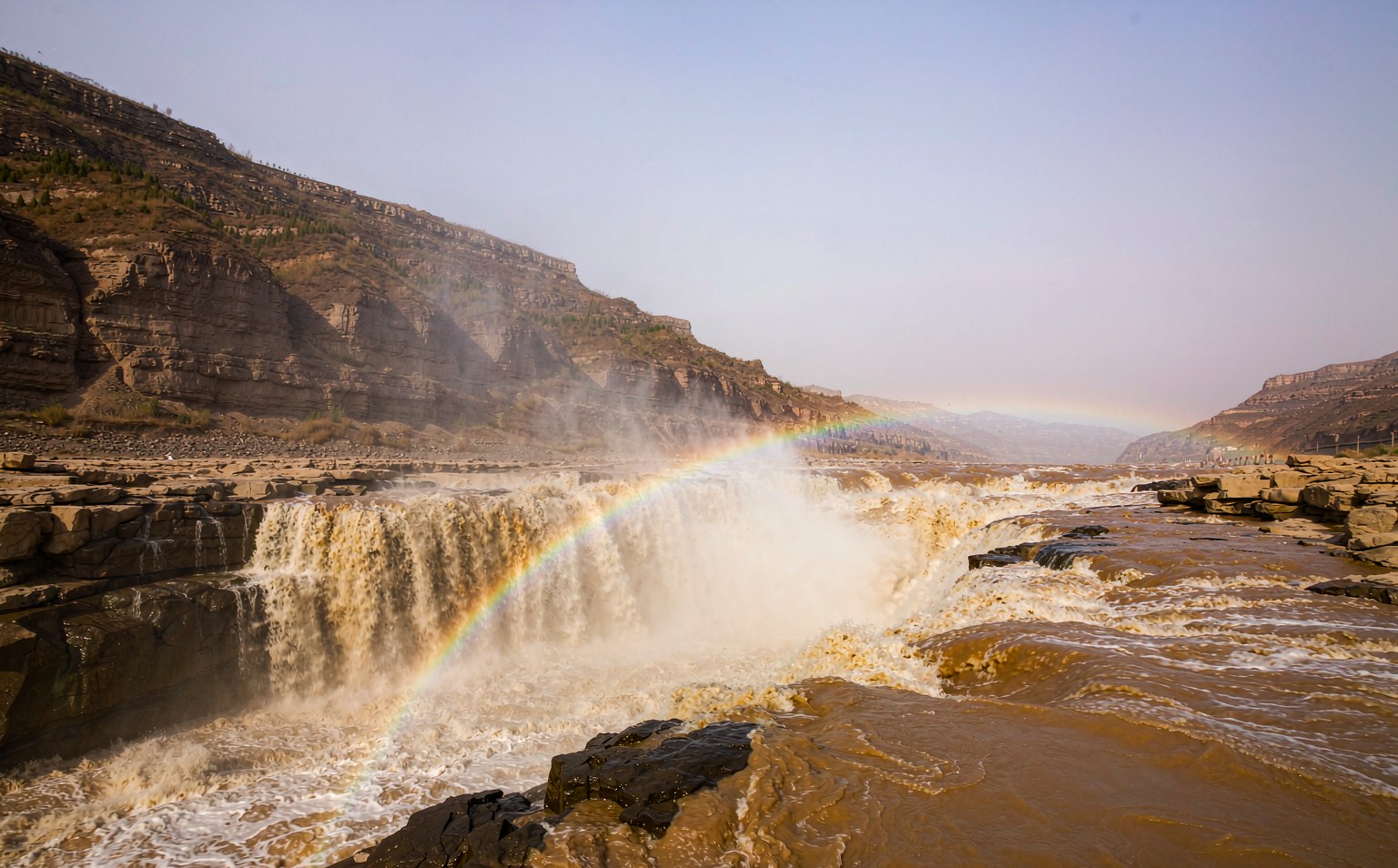
Luoyang Departure: Hukou Waterfall, Yanan and the Yellow Emperor Tomb, 6 Days 5 Nights
Six days from Luoyang. West first, where the Yellow River squeezes into a narrow gap at Hukou and the roar carries for miles, then north to Yanan with its cave dwellings and the pagoda hill, and south at the end to Huangling for a cypress said to be planted by the Yellow Emperor himself.
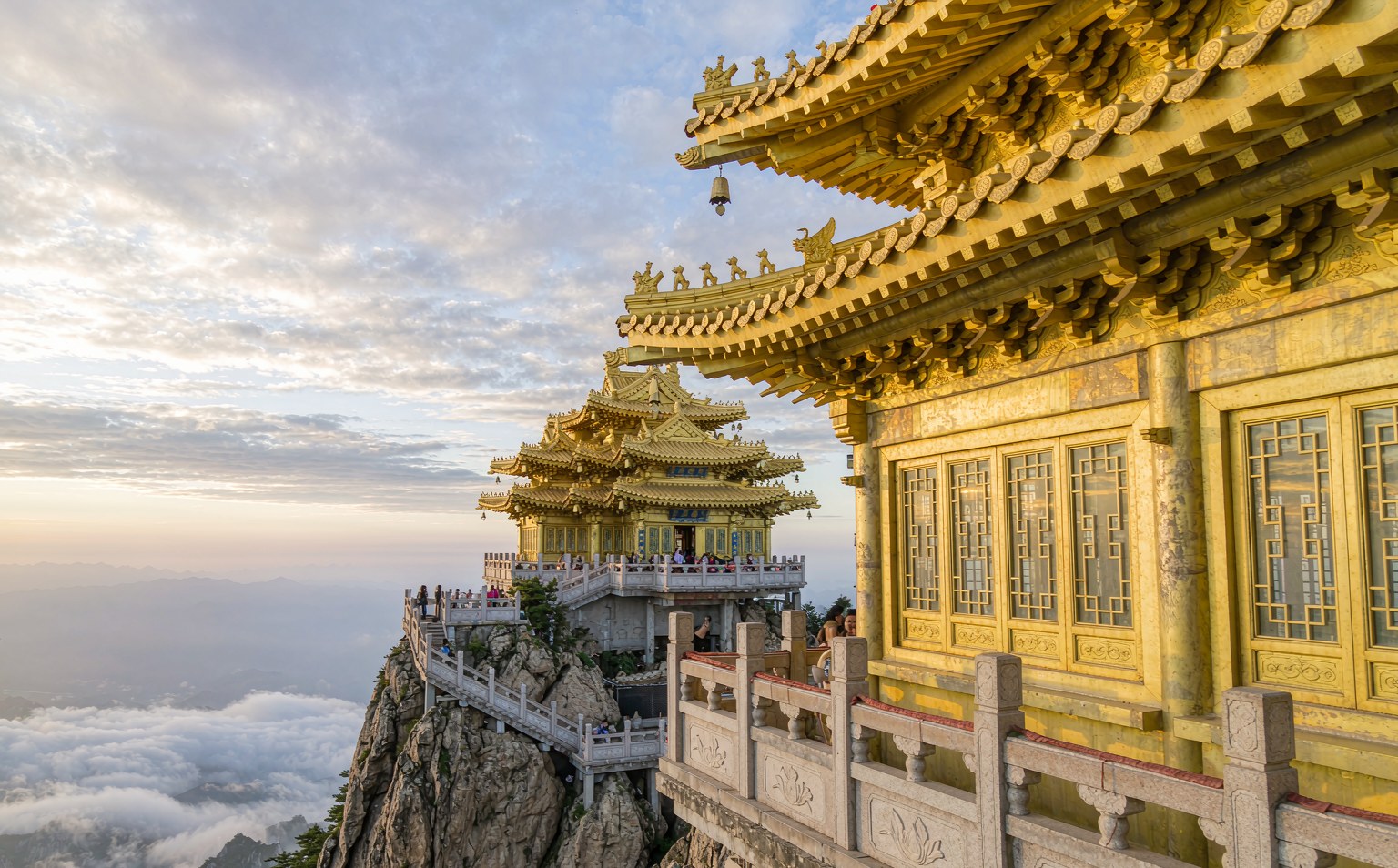
Luoyang Departure: Emei Summit, Leshan Buddha and Qingyin Pavilion, 5 Days 4 Nights
Five days from Luoyang. A night in Chengdu first, then the Leshan Buddha, then Emei Mountain. The summit sits above the cloud and the cable car takes minutes. The lower slopes are a different matter: the brick vault of Wannian Temple and the twin bridges at Qingyin.
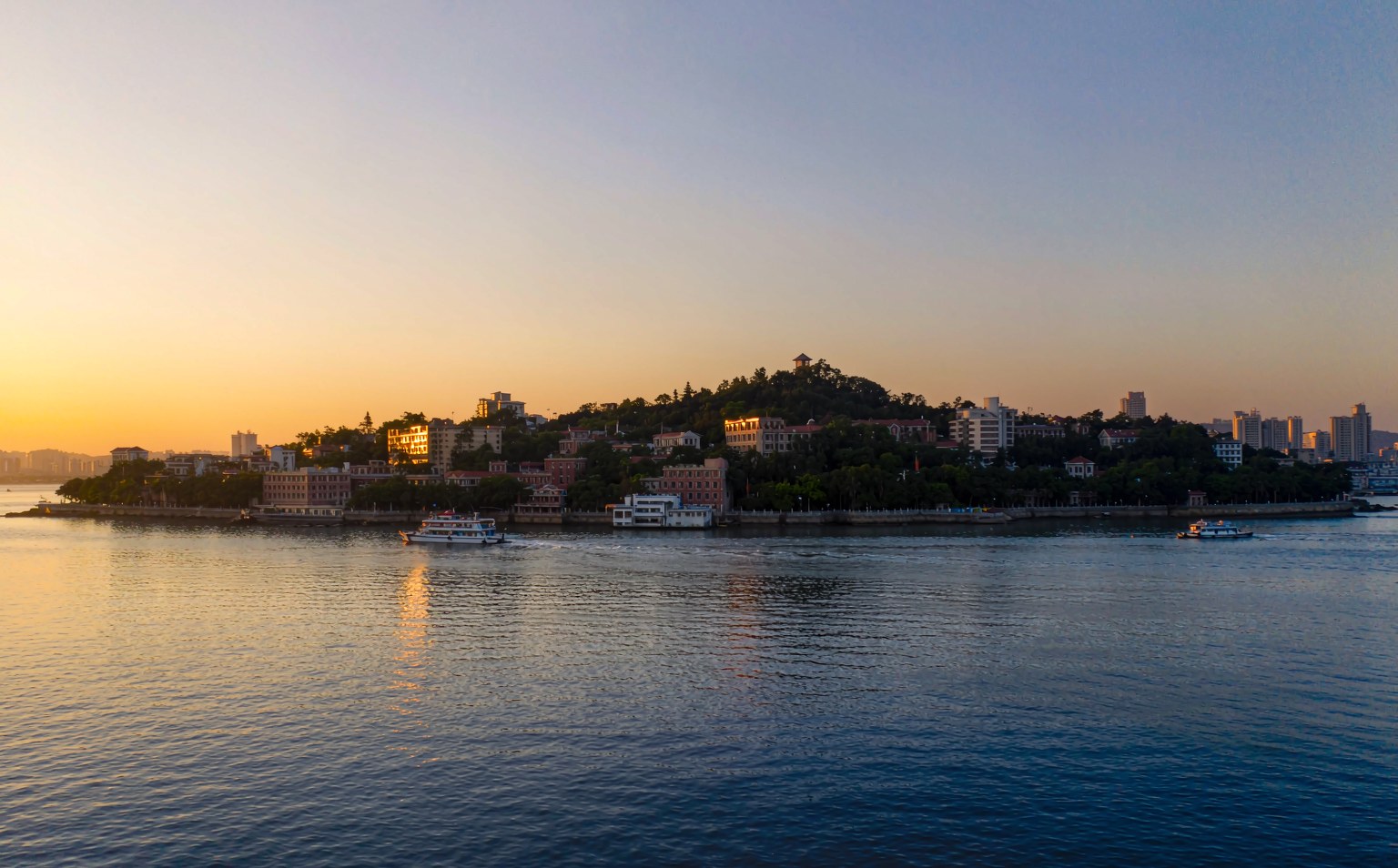
Luoyang Departure: Gulangyu, Sunlight Rock and Shuzhuang Garden, 5 Days 4 Nights
Five days from Luoyang. November is the good window: the sea wind is dry and the bougainvillea still out. The ferry is 35 yuan return and stays valid for 20 days, so nothing is rushed. One full day on the island, one for the temples and the coast, and a slow last morning in Jimei.