
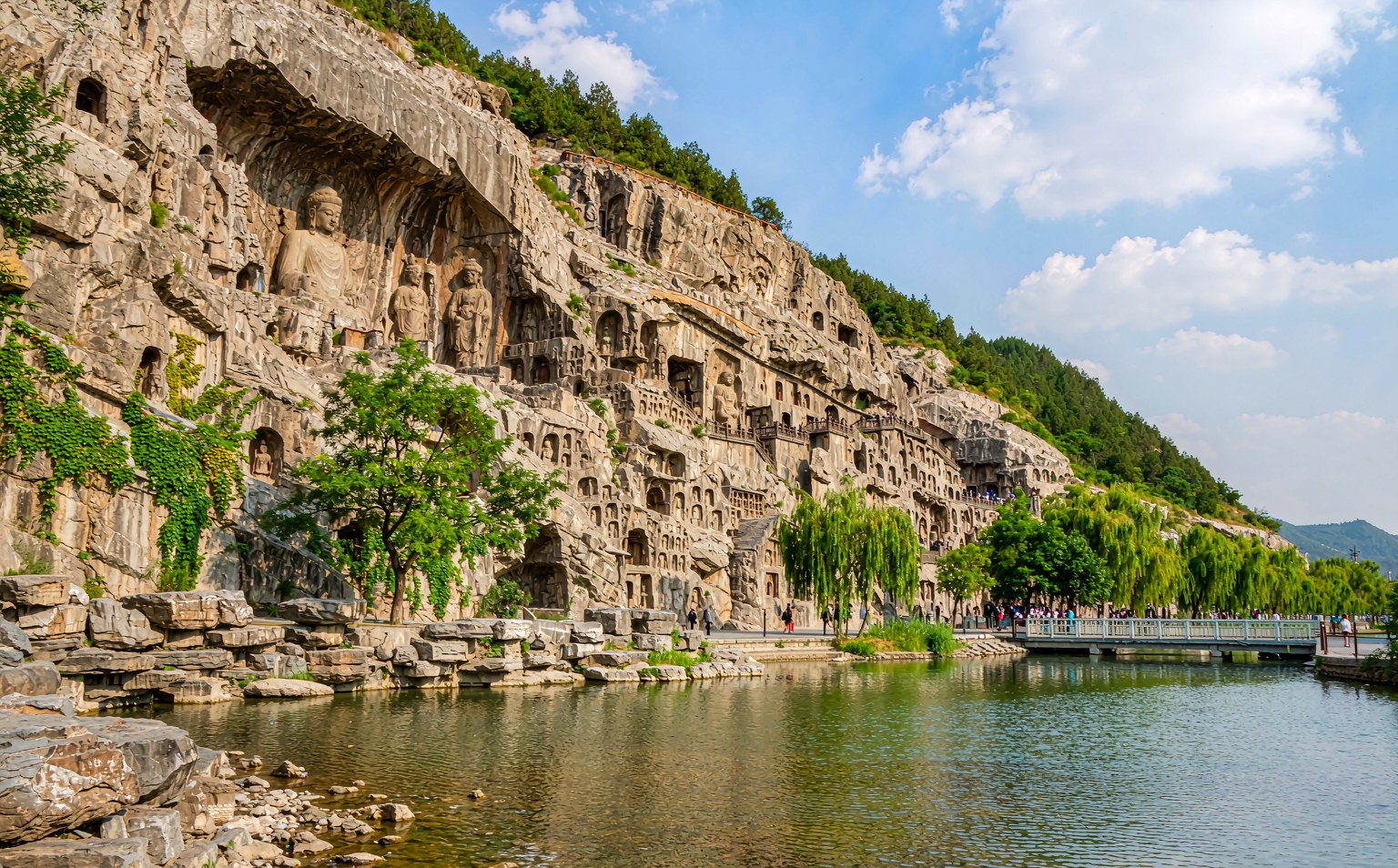
Anyang 5-Day Tour: Longmen Grottoes & Laojun Mountain
Anyang 5-day tour covering Longmen Grottoes and Laojun Mountain and Yin Xu. Sightseeing tickets and shuttle bus included.
Highlights
Day 1: Longmen Grottoes
Today's visit is to Longmen Grottoes. It's recommended to allow at least half a day: the main cave of the West Mountain, the viewing platform of the East Mountain, and a line connecting Xiangshan Temple and Bai Garden. Follow the guide to understand the stories behind the stone carvings from the Northern Wei and High Tang periods; return in the evening to rest and recover.
Attraction introduction: One of the highlights arranged in the itinerary is Longmen Grottoes. Longmen Grottoes was carved on the cliffs along both banks of the Yi River south of Luoyang city. Construction continued from the time of Emperor Xiaowen of Northern Wei when the capital moved to Luoyang, spanning multiple dynasties including Eastern Wei, Western Wei, Northern Qi, Sui, and Tang. Currently, there are over 2,300 cave niches, more than 100,000 statues, and over 2,800 engraved inscriptions. The most striking is the Vairocana Buddha of Fengxian Temple, which is more than 17 meters tall, with a plump face and kind eyes, said to be carved in the likeness of Empress Wu Zetian, representing the peak of High Tang stone carving art. Along with the Dunhuang Mogao Caves and Datong Yungang Grottoes, it is considered one of China's three major grottoes and a World Cultural Heritage site. When visiting, walk south along the Yi River trail from the West Mountain Grotto; the Binyang Three Caves, Ten Thousand Buddha Cave, and Lotus Cave each have highlights. Crossing the bridge to the East Mountain Worship Platform offers a panoramic view. My understanding is to first visit the main cave of the West Mountain in the morning, enjoy the Buddha while there are fewer people, then go to the East Mountain viewing platform in the afternoon for distant views—the light and angles are best for photos then. Walking along both banks of the Yi River requires retracing steps, so comfortable shoes will save a lot of effort.
Tips: Visiting the grottoes mainly involves walking and climbing stairs; it is recommended to wear non-slip, comfortable shoes and travel light. Pay attention to your footing along both banks of the Yi River. Most visitors find the Vairocana Buddha the most impressive, and the light is best for photos at the West Mountain during sunset. Walking along both banks requires retracing steps, so comfortable shoes and reserving half a day are recommended. Depending on the situation, for the best photos it’s better to go early or late—in the early morning there are fewer people and soft light, and at dusk the golden glow is ideal; at noon the top light is harsh and crowded, so it’s more worthwhile to rest then.
Day 2: Laojun Mountain
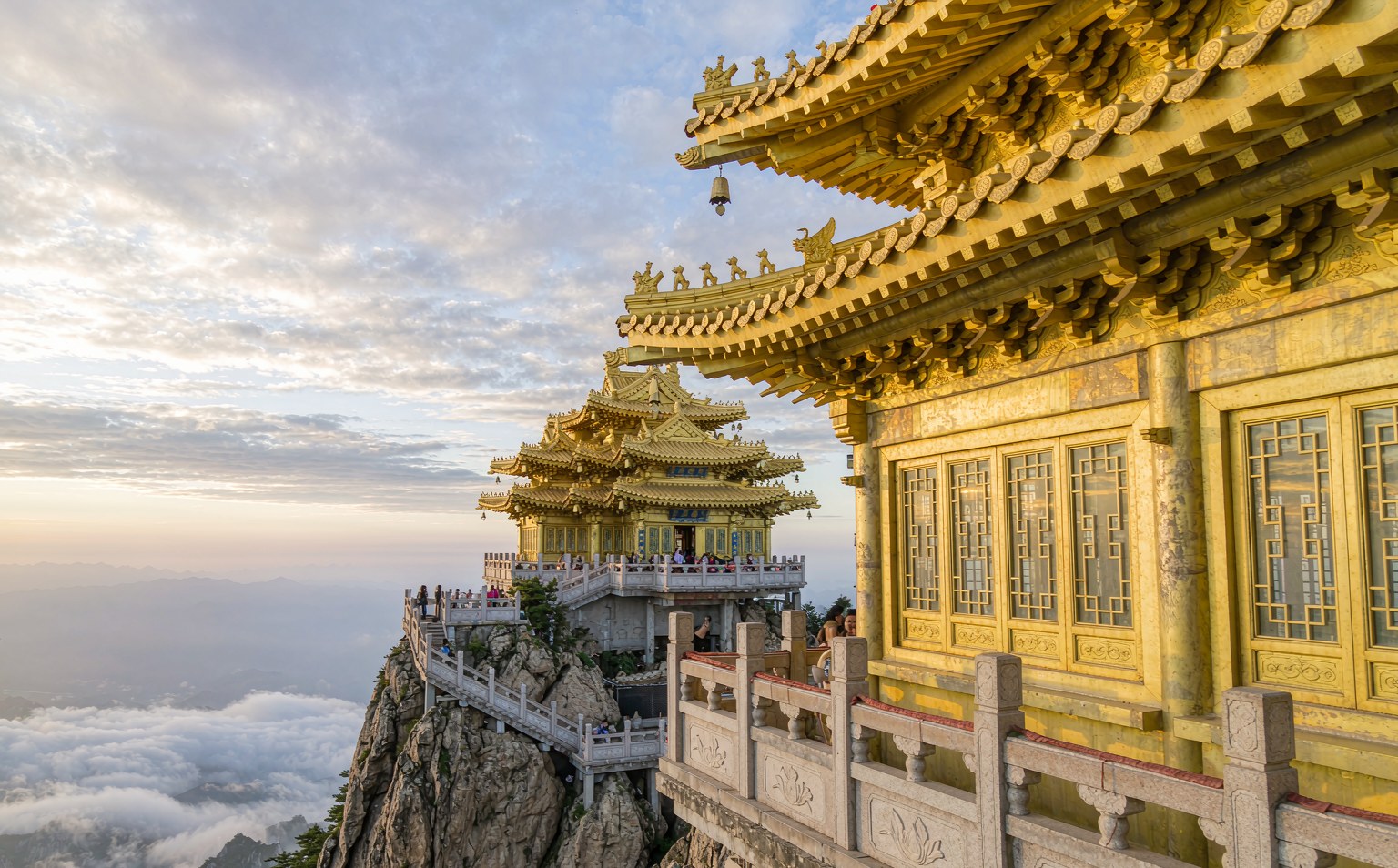
In the morning, take the cable car up Laojun Mountain and visit the Jinding Taoist Temple Complex. If the weather is clear, you can encounter a sea of clouds. Have a light meal at the mountain top at noon, then in the afternoon, walk along the Ten-Mile Painted Screen Trail, overlook the mountains from the Glass Viewing Platform, and in the evening, descend the mountain and check in to the hotel.
Attraction Introduction: One of the highlights arranged in the itinerary is Laojun Mountain, Laojun Mountain, located in Luoyang Luanchuan County, the main peak of the Funiu Mountains and a famous Taoist mountain. It is said to be the place where the Taoist ancestor Laozi retired for cultivation. The Jinding Taoist Temple Complex stands at the peak over 2,000 meters above sea level, with golden roofs and red walls of the temples, surrounded by a sea of clouds, and is reputed as "traveling far to witness a fleeting human banquet, a sight of worldly prosperity." The Ten-Mile Painted Screen Trail is the essence of the journey, a high-altitude walkway suspended along a cliff that changes the scenery with each step, allowing for the full view of the peaks, sea of clouds, and sunrise. You can take a two-stage cable car up the mountain; on clear days, you can watch the sea of clouds and sunrise from the summit, and in winter, it is a very popular snow-viewing spot in the Central Plains. My understanding is that it is essential to take the cable car up early to secure the best light at Jinding and the Ten-Mile Painted Screen; the mountain top is windy and cold, so a windbreaker and thermos are standard, and the Glass Viewing Platform is not for the faint-hearted.
Tips: The temperature difference in the mountainous area is large between morning and evening, and the wind is strong at the peak, so a windproof jacket and warm inner layer are necessary. Visitors generally report that the sea of clouds and sunrise at Jinding are the main highlights, with many people staying on the mountain specifically to watch the dawn; be reminded that the temperature difference at the peak is large and cable car queues are long, so during peak season it is essential to go early. Considering practical situations, during long trips dehydration is a concern, so carry a water bottle and drink in small amounts frequently; on the first night in the plateau or mountains, do not spend too long washing your hair or bathing to give your body some time to adapt.
Day 3: Yin Ruins
Start early in the morning, first visit the palace area and the chariot and horse pits, then visit the royal tomb area, and follow the guide to understand the opening of verified history; in the afternoon, visit the new museum hall, and return in the evening.
Attraction Introduction: Today's itinerary includes Yin Ruins attractions. Yin Ruins is the site of the late Shang Dynasty capital, located in Anyang. It is the hometown of oracle bones and also the place where the Houmuwu Ding (originally called Simuwu Ding) was discovered. In 2006, it was listed as a World Cultural Heritage site. This was once the capital after King Pan Geng of the Shang Dynasty moved to Yin, lasting more than 270 years, with clear remnants of palace and ancestral temple sites, royal tomb areas, and chariot and horse pits. Oracle bones were first discovered here, extending China’s verified history back to the Shang Dynasty. The new Yin Ruins museum systematically displays bronze ware, jade, oracle bones, and other cultural relics, serving as the most intuitive classroom for understanding Shang civilization. My understanding is that first looking at the palace and ancestral temple sites and the chariot and horse pits helps establish a spatial concept, and then entering the museum to examine the artifacts in detail; connecting these two lines provides completeness. Oracle bones and heavy bronze wares are the essence—following the guide to go through them is much better than a cursory glance.
Tips: There are many slippery sections on the mountain paths, so pay special attention to shifting your weight backward and slowing your pace when going downhill, and you may bring a pair of knee pads. Visitors generally feedback that the oracle bones and the Simuwu Ding bring history to life, and they say the new museum hall is more worthwhile than the open-air ruins; remember that it can only be understood in combination with the guide. According to the actual situation, be time-conscious, arrive five to ten minutes early for gatherings; it’s better for people to wait for the vehicle than for the vehicle to wait for a person, don’t make everyone wait for you.
Related Tours
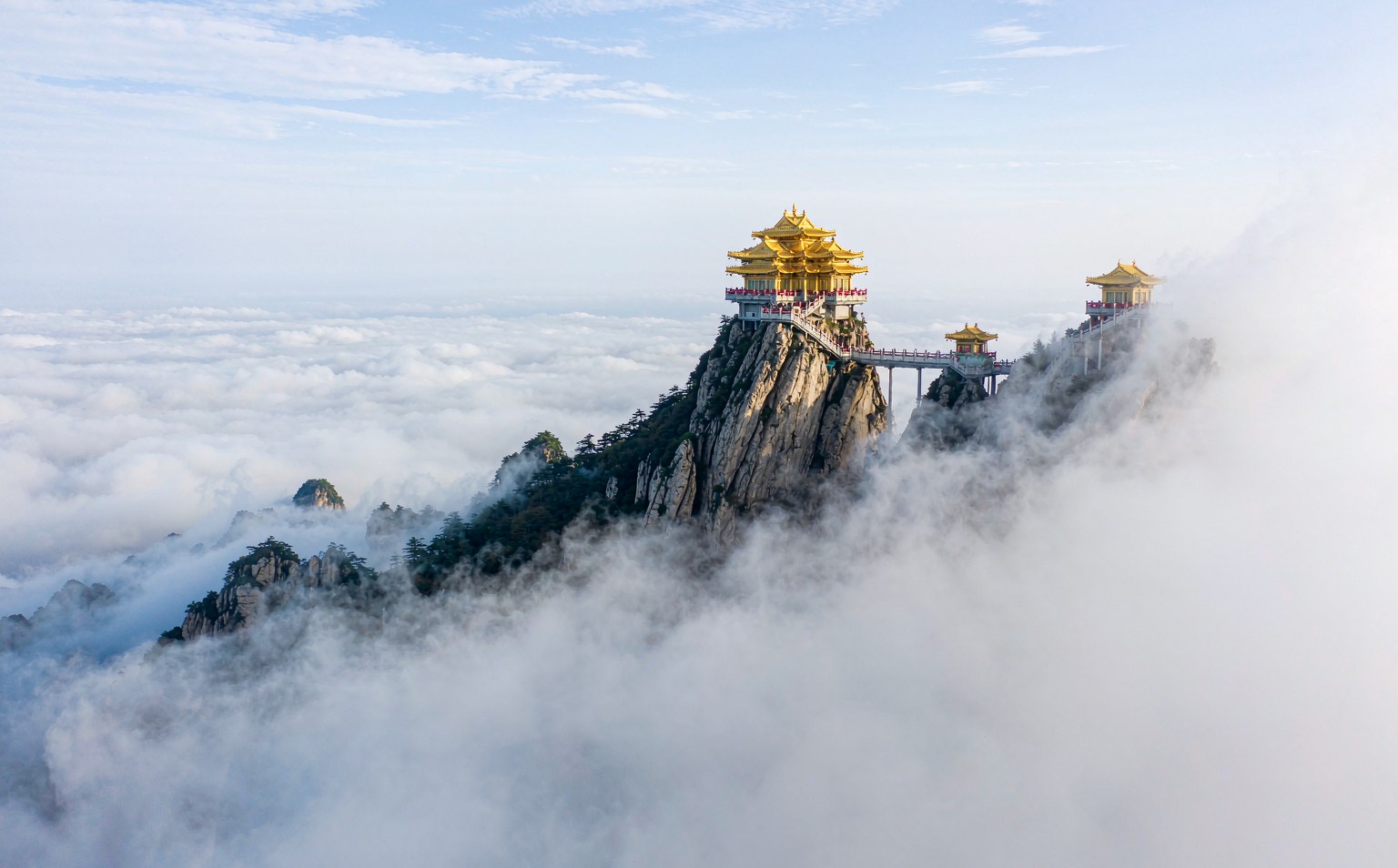
Luoyang Departure Laojun Mountain and Longywan 3 Days
Three days from Luoyang: the first evening waiting below the golden summit for the lamps, the second climbing early for cloud, then a slow afternoon along the nine bends of Longywan. The ticket holds two days, so the mountain is never rushed.
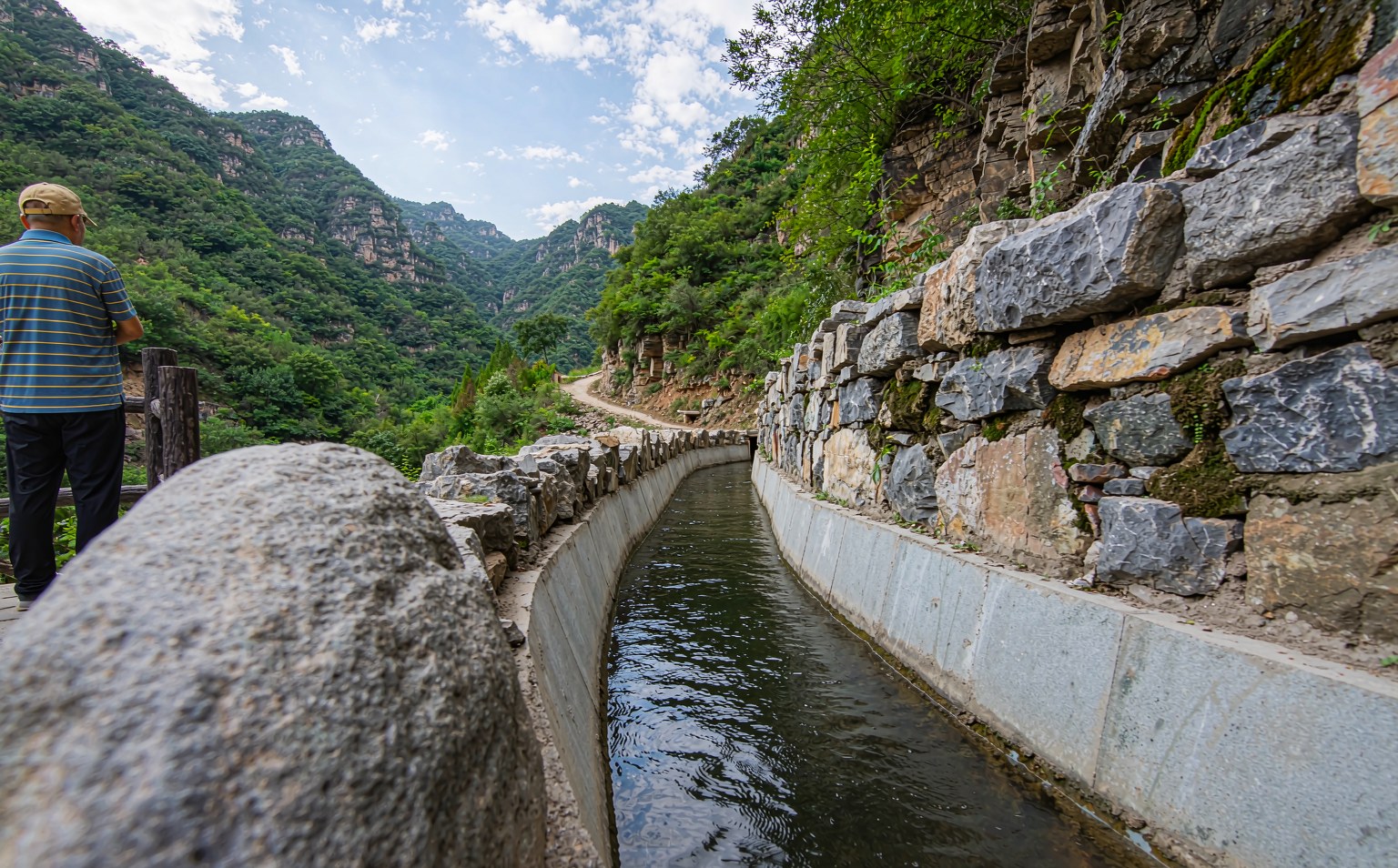
Luoyang Departure Red Flag Canal and Taihang Cliffs 5 Days
Five days along the eastern foot of the Taihang range: the canal bank and the Youth Tunnel, the ridge road and the cliff stair at Shibanyan, and the 1,250 metre tunnel road carved by hand above Guoliang village.
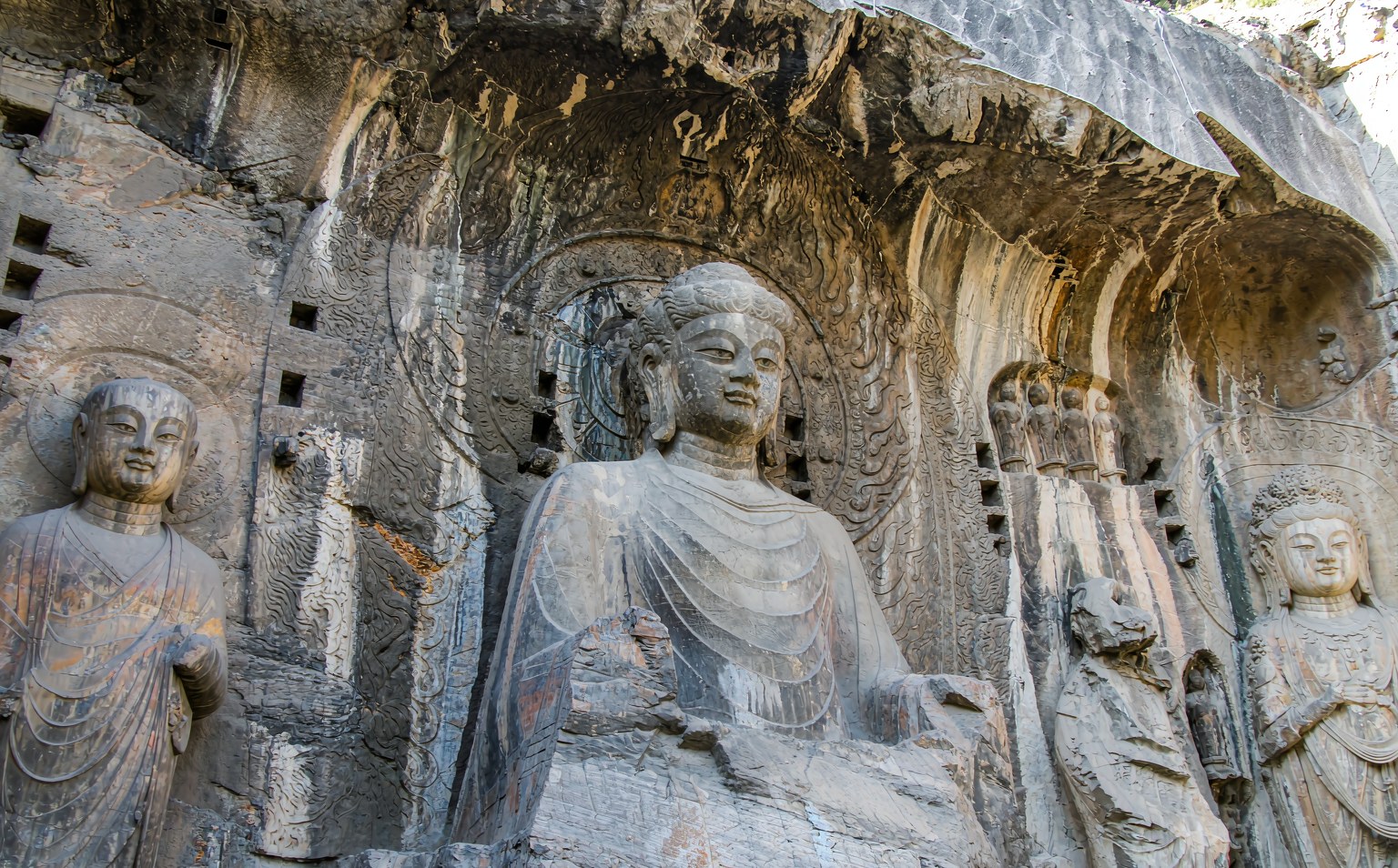
Luoyang Departure Longmen Grottoes and White Horse Temple 3 Days
Three days from Luoyang: the carved cliff of the west bank first, then the oldest official Buddhist temple in China, then the Ming and Qing halls of Guanlin. Both nights stay inside the old city, so the lantern street is a walk away.
Luoyang to Laojunshan, Chongdugou, Jiguan Cave and Yangzigou 6 Days
Six days from Luoyang. The Laojunshan ticket stays valid for two days, so the golden summit comes first and a second climb chases the morning cloud sea. Jiguan Cave runs 1,800 metres at a constant 18 degrees, and Chongdugou still has green bamboo in November.