
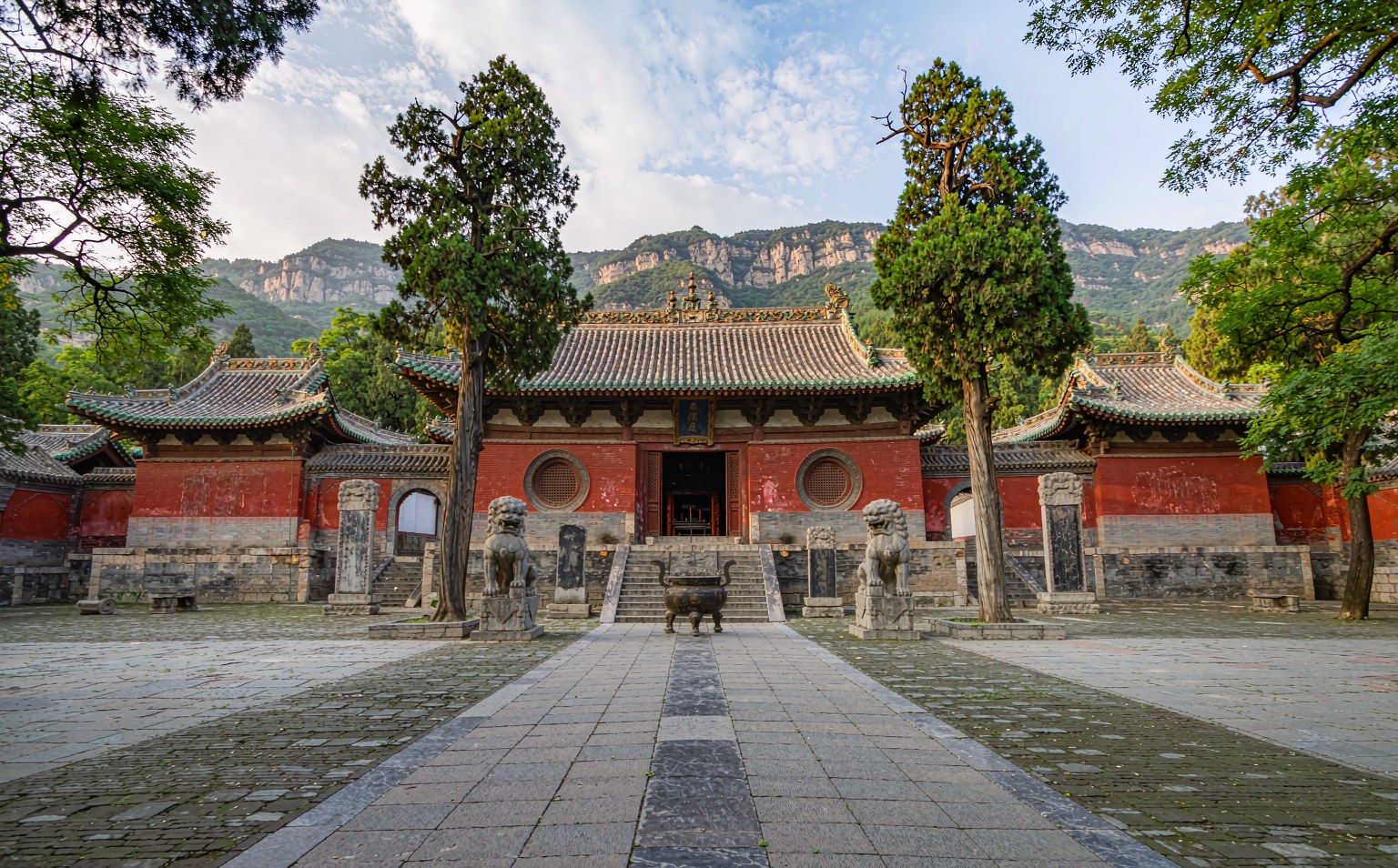
Luoyang 7-Day Tour: White Horse Temple & Wangcheng Park
Luoyang 7-day tour covering White Horse Temple and Wangcheng Park and Yuntai Mountain. Sightseeing tickets and shuttle bus included.
Highlights
Day 1: White Horse Temple
Today's Buddhist pilgrimage journey involves following the guide from Qiyun Pagoda to the Sutra Library, listening to explanations along the way, and understanding the two thousand years of incense offerings at China's first ancient temple. In the afternoon, take a leisurely walk around the temple, and rest in the evening.
Scenic Spot Introduction: One of the highlights arranged in the itinerary is White Horse Temple, located in the east of Luoyang city. It was first built during the Yongping years of the Eastern Han Dynasty to commemorate the White Horse carrying the scriptures and the initial spread of Buddhism to the Central Plains. It is revered as 'China's First Ancient Temple' and is the first government-established Buddhist temple built after Buddhism was introduced to China. Within the temple, Qiyun Pagoda Courtyard, the Great Buddha Hall, and the Hall of Heavenly Kings are laid out along the central axis, with red walls and green cypresses hosting continuous incense offerings for more than two thousand years. Notably, the temple also has exotic-style halls donated by countries like Myanmar, Thailand, and India, presenting a unique scene of the spread and return of Buddhist culture. My understanding is to first visit the main halls along the central axis, then circle to the Qiyun Pagoda Courtyard, and finally go to the exotic halls on either side to experience cultural integration. Visiting in the early morning when there are fewer people is best; the morning light on the red walls and ancient cypresses is most picturesque, and it also avoids the peak times of tour groups.
Tips: There are many incense stalls around the temple, so purchase incense as needed and consume reasonably. Visitors generally report that the exotic-style halls (Thai/Myanmar/Indian courtyards) are highly photogenic and feel more spacious than expected. Note that walking around the international temple area requires some stamina. Depending on your situation, carry some small change and snack-sized food packages; they can be useful when signal is poor or for temporary needs, so don't wait until you're hungry to look for them.
Day 2: Wangcheng Park
In the morning, gather and depart for Wangcheng Park. Follow the tour guide along the main route, visiting all the key highlights one by one, leaving ample time for photos and rest. At noon, enjoy a meal featuring local specialties. In the afternoon, continue exploring in depth. In the evening, check into the hotel to recharge for the next day's itinerary.
Attraction Introduction: One of the highlights arranged in the itinerary is Wangcheng Park. Wangcheng Park is located in Luoyang and is named because it sits atop the ruins of the Eastern Zhou royal city. It has been one of the main venues of the annual Chinese Luoyang Peony Culture Festival and is also the city park most familiar to the citizens of Luoyang. Every April, famous peonies such as Yao Huang, Wei Zi, and Zhao Fen bloom competitively, creating a magnificent display of vibrant colors. The garden also preserves the Zhou royal city ruins and a zoo, combining historical significance with recreational functions. It is a classic destination for tourists visiting the 'Peony Flower City.' My understanding is that if you come during peony season (April), you must consider this a must-visit place; early in the morning, there are fewer people, and the peonies are most beautiful with the morning dew. Outside the flowering season, it is better suited for a leisurely walk.
Tips: Popular attractions in the park may have long queues. Upon entering, get a map and performance schedule, and prioritize must-visit spots. Visitors generally feel that Wangcheng Park is worth a special trip. It is recommended to slow down, follow the guide for explanations, and leave time for the details that touch you most and for the best photo spots. Depending on actual circumstances, mountain weather can change quickly, so a windproof jacket is indispensable. Make sure to choose non-slip, comfortable shoes. It's better to take fewer photos than risk twisting an ankle.
Day 3: Yuntai Mountain
Early in the morning, take advantage of the cool weather to first visit Hongshi Gorge and Tanpu Gorge, experiencing the spectacular phenomenon of water flowing uphill; in the afternoon, you can take the cable car up to Zhuyu Peak to overlook the Taihang Mountains, and descend in the evening.
Attraction Introduction: Today's itinerary includes several attractions. One of them is located in Xiuwu and is one of the first World Geoparks, known for the red cliffs and green waters of Hongshi Gorge, the cascading waterfalls and streams of Tanpu Gorge, the 'tallest waterfall in Asia' Yuntai Tian Waterfall in Quanpu Gorge, and the sunrise sea of clouds at Zhuyu Peak. It is the most representative scenic area of the southern Taihang Mountains. Hongshi Gorge is the essence among the essence, a red quartz sandstone gorge about two kilometers long, with winding green waters at the valley floor and red cliffs like rosy clouds; Zhuyu Peak is famous because of the Tang dynasty poet Wang Wei's line 'Planting zhuyu everywhere, yet a person is missing.' Taking the cable car to the top offers a panoramic view of the Taihang peaks. Shuttle buses connect various points within the scenic area, and the paths are gentle, suitable for family trips. In my opinion, if one day is not enough to see everything, it is best to prioritize Hongshi Gorge and Monkey Valley, and allow ample time for the long queues for the shuttle buses; visiting in summer offers cool waterside experiences, while autumn displays colorful forests—each season has its charm.
Tips: The mountain area has a large temperature difference between morning and evening, and it is windy at the summit, so a windproof jacket and warm layers are necessary. Visitors generally agree that Hongshi Gorge is the most photogenic section, and the sea of clouds at Zhuyu Peak is also worth seeing; note that shuttle buses have long queues, so if one day is not enough, prioritize Hongshi Gorge and Monkey Valley. Based on actual conditions, avoid impulsive shopping; if you see 'limited-time offers,' wait three minutes before deciding. If you really want to buy souvenirs, choose a regular store and keep the receipt for security.
Related Tours
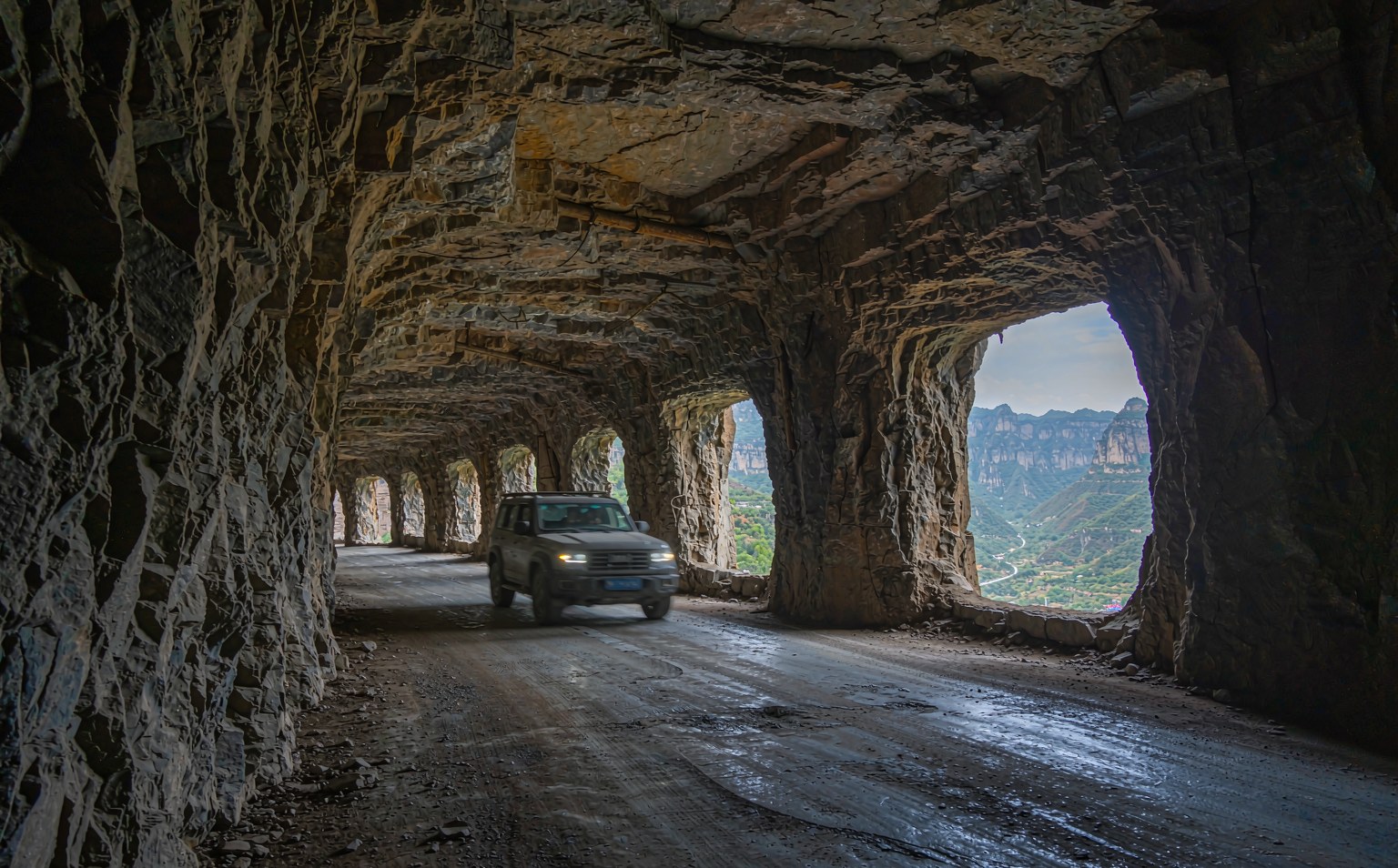
Luoyang to Wanxianshan, Guoliang Village and Baligou 6 Days
Six days from Luoyang. The Baligou ticket at 120 yuan covers Baligou, Jiulianshan and Tianjieshan for three days. Then the trip moves to Wanxianshan, where the Guoliang cliff road runs 1,250 metres with 35 windows, begun in 1972 and opened in 1977.
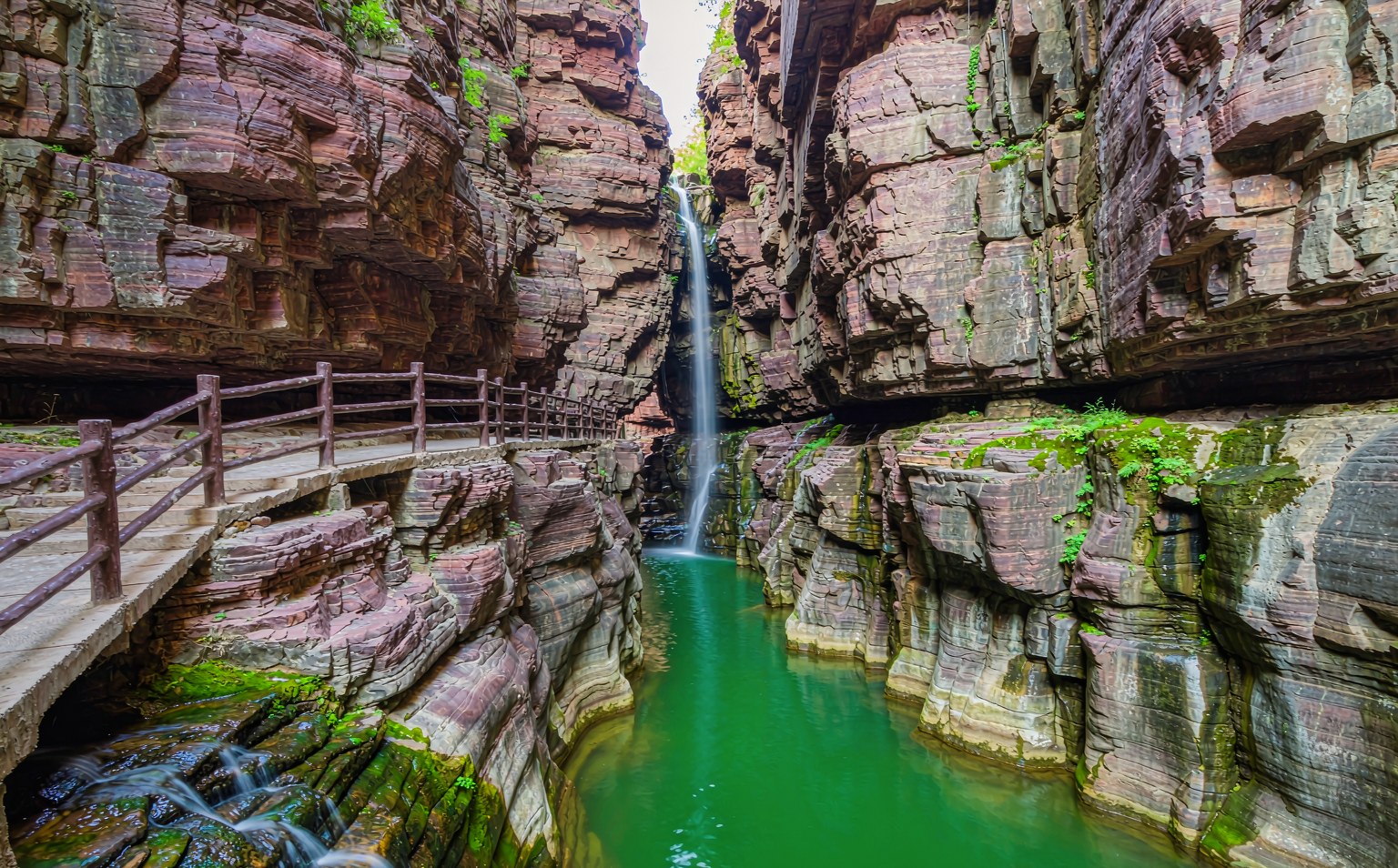
Luoyang to Yuntai Mountain, Hongshi Gorge and Chenjiagou 5 Days
Five days from Luoyang. The Yuntai ticket at 120 yuan plus a 60 yuan shuttle pass stays valid for three days, enough for Hongshi Gorge, Tanpu Gorge and Zhuyu Peak. The fourth day turns south to Chenjiagou, the village where tai chi began.
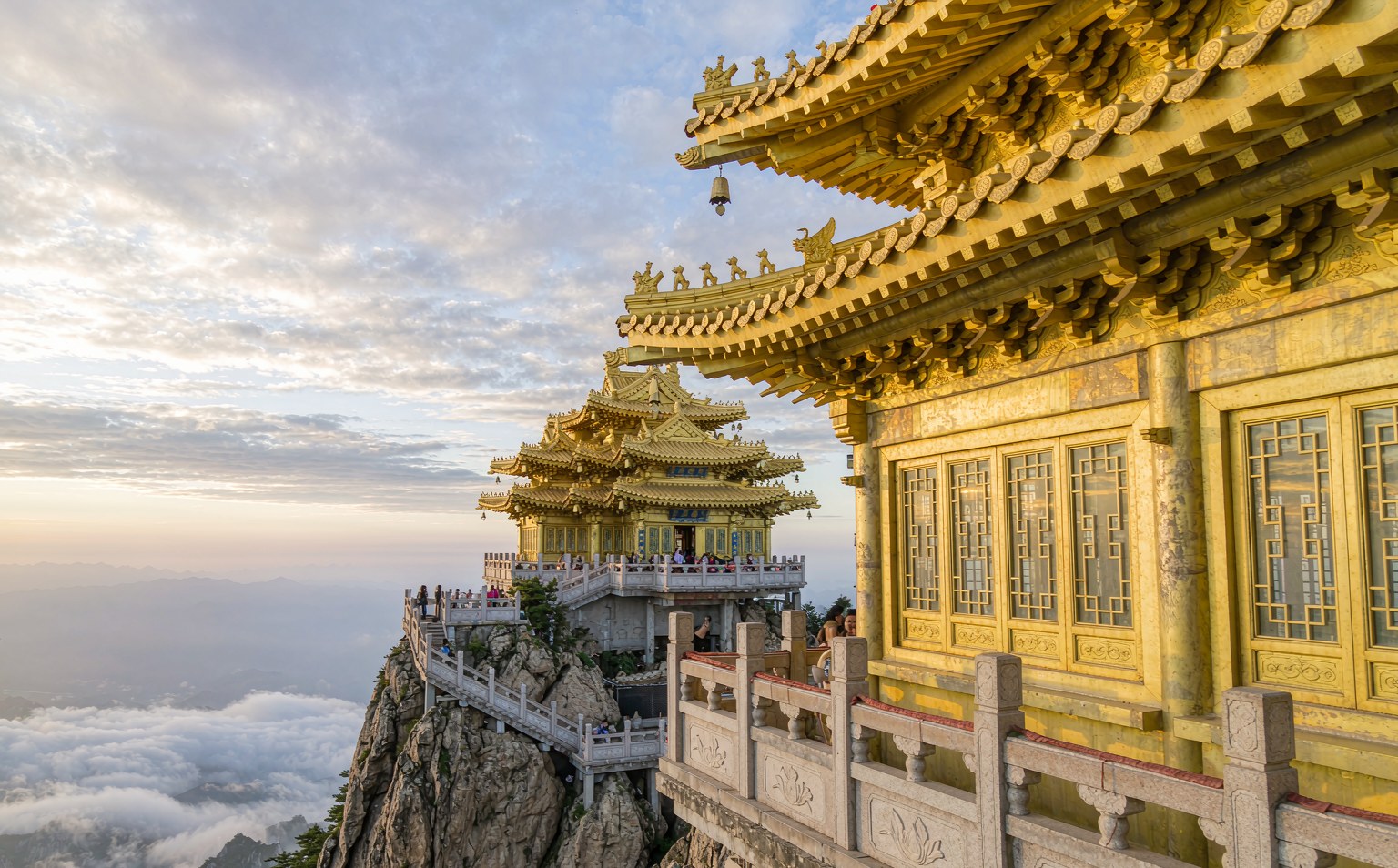
Luoyang to Laojunshan, Chongdugou, Jiguan Cave and Yangzigou 6 Days
Six days from Luoyang. The Laojunshan ticket stays valid for two days, so the golden summit comes first and a second climb chases the morning cloud sea. Jiguan Cave runs 1,800 metres at a constant 18 degrees, and Chongdugou still has green bamboo in November.
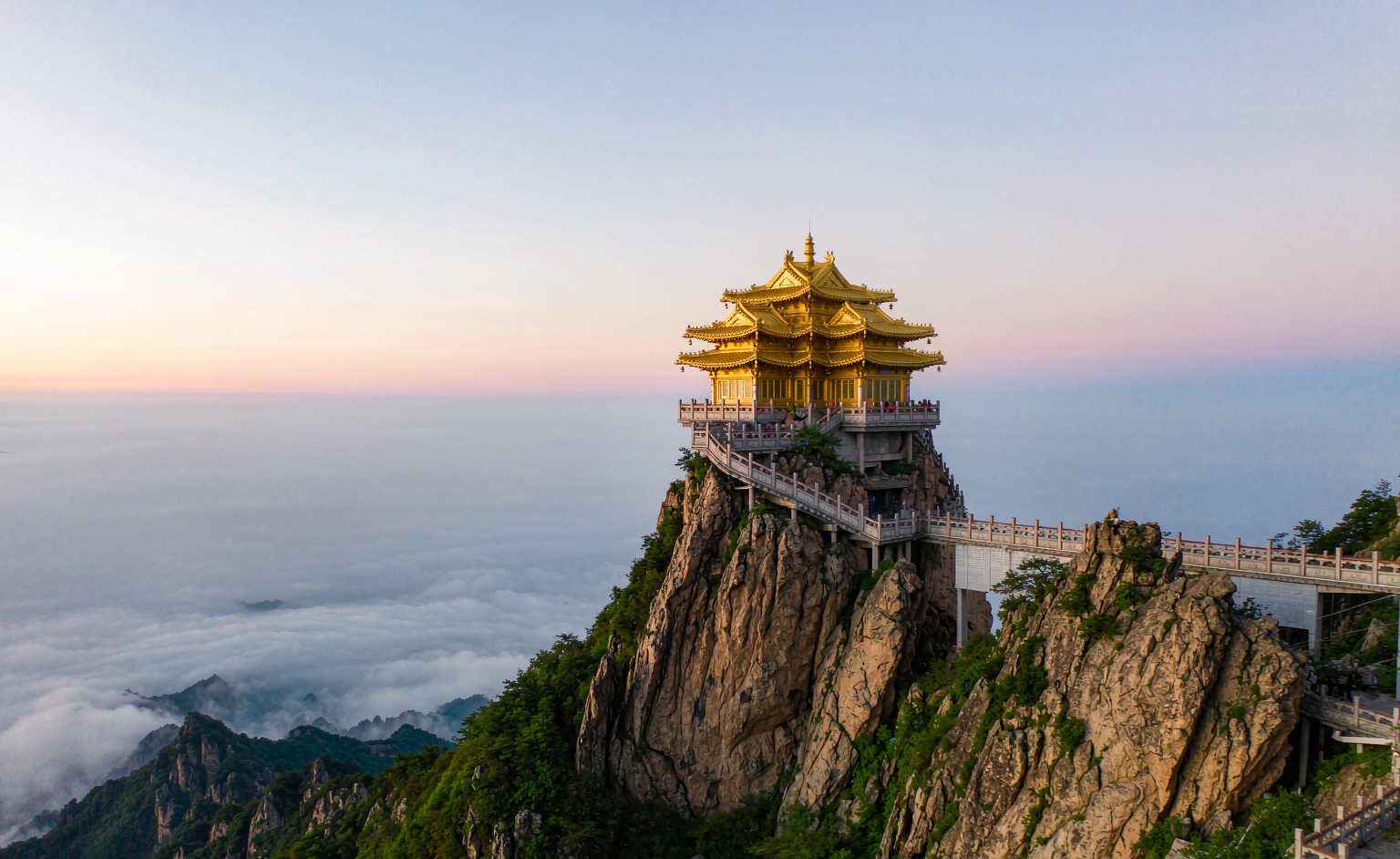
Luoyang Departure: Laojun Mountain, Jiguan Cave and Longtan Canyon, 5 Days 4 Nights
Five days from Luoyang. The Laojun Mountain ticket holds for two days, so the mountain is climbed twice: the painted rock forest first, then the summit to wait for the lamps. The second half runs west to Xinan, through a cave that stays at 18 degrees and a red gorge cut by water.