
Luoyang 6-Day Tour: Longmen Grottoes & Chongdu Valley
Luoyang 6-day tour covering Longmen Grottoes and Chongdu Valley and White Horse Temple. Sightseeing tickets and shuttle bus included.
Highlights
Day 1: Longmen Grottoes
Arrive early in the morning, visit Binyang Three Caves and Lotus Cave first while there are fewer people, then climb Fengxian Temple to admire the Great Buddha; have a nearby lunch at noon, in the afternoon visit Dongshan Grottoes and Xiangshan Temple, and at dusk take photos along the Yi River, concluding a fulfilling day.
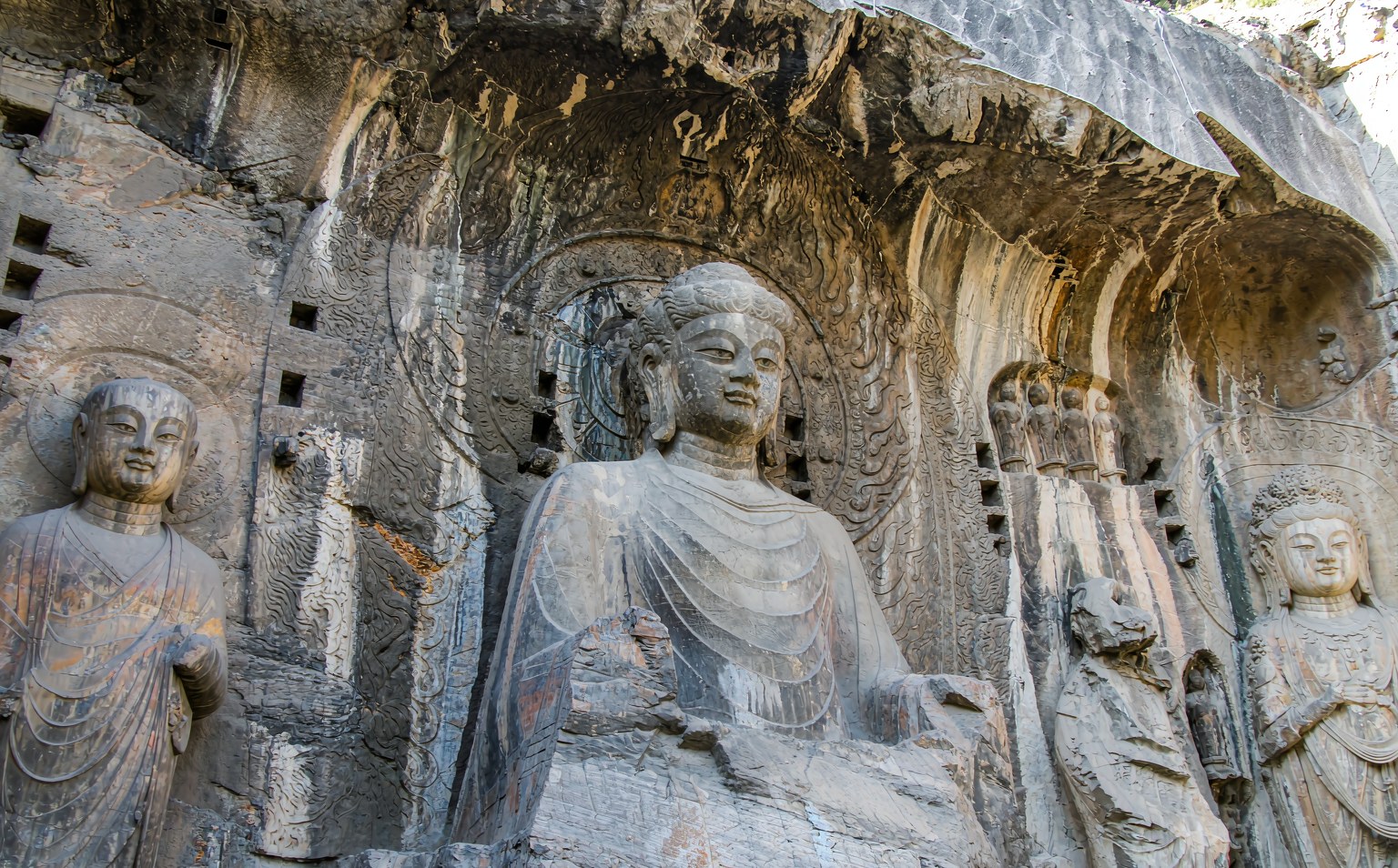
Attraction Introduction: One of the highlights arranged in the itinerary is the Grottoes. The grottoes were carved on the cliffs along both banks of the Yi River south of the city and have been continuously constructed since Emperor Xiaowen of Northern Wei moved the capital to the city, spanning multiple dynasties including Eastern Wei, Western Wei, Northern Qi, Sui, and Tang. Currently, they have more than 2,300 niches, over 100,000 statues, and more than 2,800 inscriptions. The most impressive is the Vairocana Buddha at Fengxian Temple, which stands more than 17 meters tall, has a full and graceful face with kind eyes, and is said to be carved based on the likeness of Empress Wu Zetian, representing the pinnacle of stone carving art in the High Tang period. Together with Dunhuang Mogao Caves and Datong Yungang Grottoes, it is known as one of China's three major grottoes and is also a World Cultural Heritage site. When touring, proceed from the West Mountain Grottoes along the Yi River trail southward, with Binyang Three Caves, Ten Thousand Buddhas Cave, and Lotus Cave each having their own highlights; crossing the bridge to Dongshan Worship Platform offers a panoramic view. My understanding is that in the morning it’s best to visit the main grottoes of the West Mountain and appreciate the Great Buddha when there are fewer people, and in the afternoon visit the Dongshan platform for distant views, which offer the best light and angles for photography; walking along both banks of the Yi River requires backtracking, so a pair of comfortable shoes can save a lot of effort.
Tips: Many of the grottoes are built against cliffs, so keep a distance from the cliffs, hold the railings securely, and take care of the elderly and children. Visitors generally report that most find the Vairocana Buddha the most spectacular, and the evening light at West Mountain is the best for photos; as walking along both banks of the Yi River requires backtracking, it is recommended to wear comfortable shoes and set aside half a day. Considering practical situations, dehydration is the biggest concern for long journeys, so carry a water bottle and drink small amounts frequently; on the first night at plateaus or mountainous areas, avoid washing hair or bathing too long, giving your body some time to adjust.
Day 2: Chongdugou
Today's summer getaway has a relaxed pace, focusing on viewing the vast bamboo forests and cascading waterfalls; the afternoon is free for your own arrangements, and in the evening, you will stay at a farmhouse to rest.
Attraction Introduction: This stop is at Chongdugou, located in Luanchuan. It is famous for its vast bamboo forests, waterfalls, streams, and the farming culture of western Henan. It is one of the few 'Jiangnan water town' style summer retreat destinations in the area. The scenic area is divided into two sections: Jinji River and Dicui River. Jinji River is known for its waterfalls, with splashing water that is refreshing and pleasant; Dicui River features continuous bamboo forests, creating a sea of greenery as you stroll through. Here, you can stay at farmhouses, taste wild mountain vegetables, and experience authentic rural life in western Henan. The pace is slow, making it particularly suitable for family leisure trips and summer vacations. My understanding is to slow down the pace and not rush to see the spots—walking in the bamboo forest and sitting by the stream is the proper way to enjoy Chongdugou; visiting in summer is most comfortable, with such coolness you won’t want to leave.
Tips: The water sections in the canyon are slippery, so be sure to wear anti-slip creek shoes or sports shoes, and protect valuables like phones from water. Tourists generally feedback that most visitors consider Chongdugou worth a special trip. It is recommended to slow down, listen to the guide’s explanations, and give time to the details and photo spots that move you the most. Considering the actual situation, be time-conscious, arrive five to ten minutes early for assembly, as it’s better for people to wait for the vehicle than the vehicle to wait for someone. Don’t make everyone wait for you.
Day 3: White Horse Temple
Morning tour: start from the mountain gate and the Hall of Heavenly Kings to the Great Buddha Hall along the central axis for a detailed view, then proceed to the Qiyun Pagoda Courtyard; at noon, try the local cuisine, and in the afternoon visit Buddhist halls with Burmese and Indian styles to experience the exotic charm of the thousand-year-old temple.
Attraction introduction: One of the highlights arranged in the itinerary is White Horse Temple, which is located in the east of Luoyang city. It was originally built during the Yongping period of the Eastern Han Dynasty to commemorate the white horse carrying the scriptures and the early spread of Buddhism in China. It is honored as the 'Oldest Temple in China' and was the first government-sponsored temple built after Buddhism was introduced to China. Inside the temple, the Qiyun Pagoda Courtyard, Great Buddha Hall, and Hall of Heavenly Kings are laid out along the central axis, with incense burning continuously for over two thousand years amidst red walls and green cypress trees. Notably, there are also Buddhist halls built in foreign styles by donations from Myanmar, Thailand, India, and other countries, presenting a unique scene of the spread and return of Buddhist culture. My understanding is that visitors should first see the main halls along the central axis, then walk around to the Qiyun Pagoda Courtyard, and finally visit the exotic-style halls on both sides to experience cultural integration; arriving early in the morning when it is less crowded allows the sunlight on the red walls and ancient cypresses to create the most aesthetic atmosphere and helps avoid peak times of tour groups.
Tips: There are many steps and thresholds in the temple, so avoid stepping on them incorrectly. When worshiping, follow the order and do not push. Visitors generally find that the foreign-style Buddhist halls (Thai, Burmese, Indian courtyards) are highly photogenic and feel more spacious than expected; note that walking in the international temple area requires stamina. Based on actual conditions, when taking photos, don’t just focus on aesthetics—pay attention to your footing and surroundings; always stand firm on viewing platforms and the edges of walkways.
Related Tours
Luoyang to Laojun Mountain summit and Yangzi Valley, 3 days
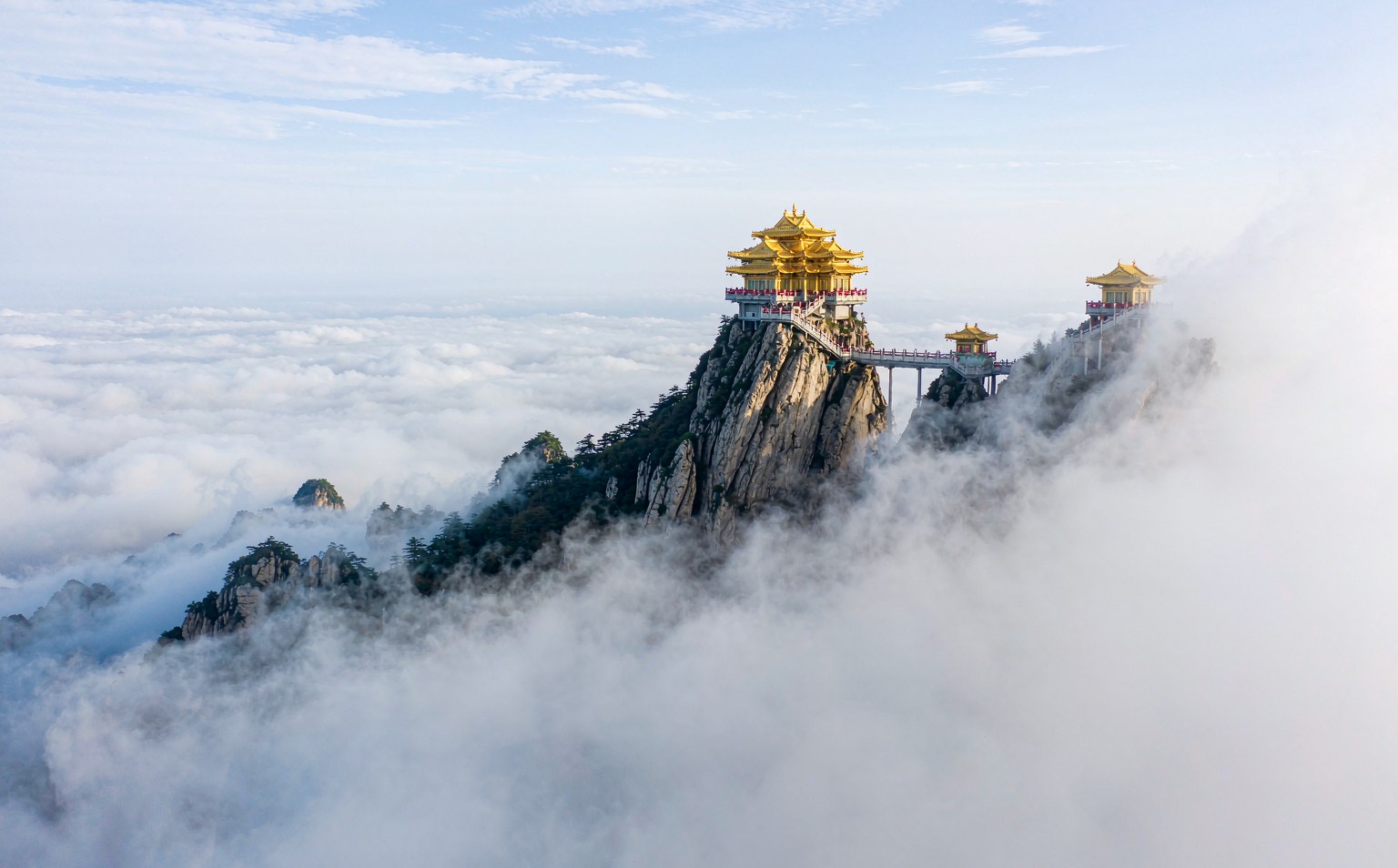
Three days from Luoyang. Two cable cars carry you to the golden summit, where autumn cloud seas arrive without warning and the lights come on around six. Then down into Yangzi Valley, one stream, gentle gradient, no sore legs.
Luoyang Departure Laojun Mountain and Longywan 3 Days
Three days from Luoyang: the first evening waiting below the golden summit for the lamps, the second climbing early for cloud, then a slow afternoon along the nine bends of Longywan. The ticket holds two days, so the mountain is never rushed.
Luoyang Departure Longmen Grottoes and White Horse Temple 3 Days
Three days from Luoyang: the carved cliff of the west bank first, then the oldest official Buddhist temple in China, then the Ming and Qing halls of Guanlin. Both nights stay inside the old city, so the lantern street is a walk away.
Luoyang to Shaolin Temple, Sanhuangzhai and Songyang Academy 5 Days
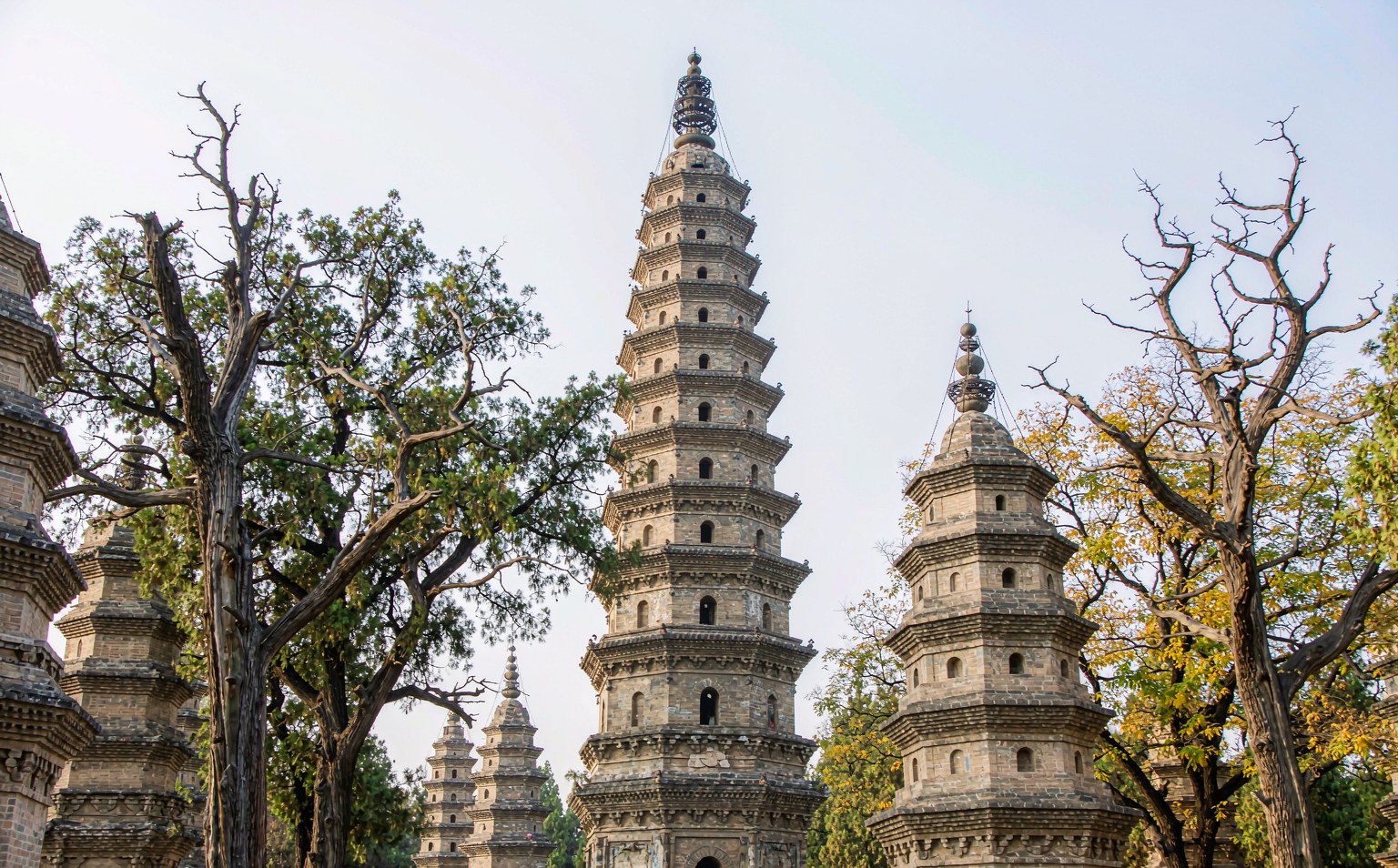
Five days from Luoyang. Songshan has two massifs, Taishi and Shaoshi: the Shaolin Temple and Sanhuangzhai sit on one, the Songyang Academy and Zhongyue Temple on the other. The 80 yuan Shaolin ticket already covers Sanhuangzhai.