
Jiaozuo 7-Day Tour: Longtan Grand Canyon & White Horse Temple
Jiaozuo 7-day tour covering Longtan Grand Canyon and White Horse Temple and Baiyun Mountain. Sightseeing tickets and shuttle bus included.
Highlights
Day 1: Longtan Grand Canyon
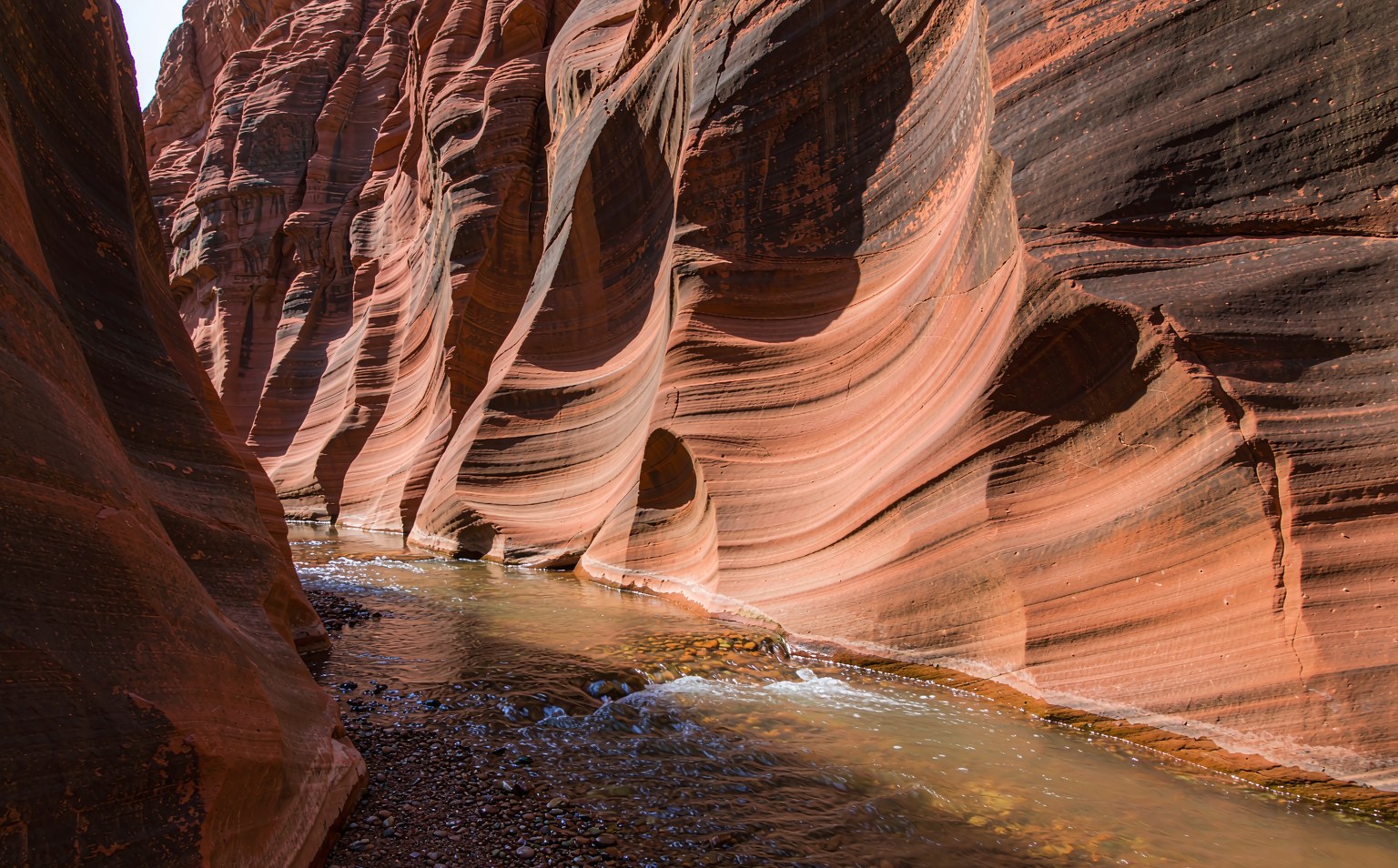
Morning sightseeing along Liubutan and Yixiantian trails, walking near the water, seeing the wonders of the Hongyanzhang Valley and the phenomenon of water flowing uphill; lunch in the scenic area, continue exploring in the afternoon, return in the evening.
Attraction Introduction: This stop is at Longtan Grand Canyon, located in Xin’an, a canyon famous for wonders such as the Hongyanzhang Valley and water flowing uphill, known as the 'Canyon Gem' and 'Natural Museum of Ancient Oceans.' Trails like Liubutan and Yixiantian are very fun for being close to the water, with red rock cliffs reflecting in clear blue pools, especially cool in summer, and a family-friendly water destination not far from Luoyang city. The canyon stretches for several kilometers, with waterfalls, deep pools, and interesting stones continuously along the way—beautiful scenery at every step. My understanding is that wearing a pair of non-slip creek shoes or sports shoes is most suitable, and to keep valuables like phones waterproof; families with children should slow down, choose flatter boardwalk sections, and not rush to complete the full path.
Friendly Tips: Water sections of the canyon are slippery, so be sure to wear non-slip creek shoes or sports shoes and keep valuables like phones waterproof. Visitors generally feedback that most think Longtan Grand Canyon is worth a special trip, suggesting to slow down, follow the guide’s explanations, and leave time for the details that move you most and the best spots for photos. In practice, for authentic food, go deeper into the alleys, as queues at the scenic area’s main entrance are long and the taste is average; check the price and compare before buying local specialties, as local supermarkets are often more reliable.
Day 2: Free activities
Start early in the morning, take advantage of the cool weather to walk along the bamboo forest trail and observe the waterfalls, which is suitable for a leisurely family outing; in the afternoon, enjoy free activities, which can include taking extra photos or resting, and return in the evening.
Helpful tip: On free activity days, getting around by taxi or on foot is convenient. Check the route to your destination in advance, and mark the shops and attractions you want to visit on the map. Visitors generally report that many feel free activity days are the most relaxed, allowing them to go at their own pace. Based on the actual situation, when taking photos, don’t focus only on getting a good shot—pay attention to your footing and surroundings, and make sure to stand securely on observation decks and along the edges of walks.
Day 3: White Horse Temple
Today’s Buddhist pilgrimage journey involves following the guide from Qiyun Pagoda to the Sutra Library, listening to explanations along the way, and understanding the two thousand years of incense offerings at China’s first ancient temple; in the afternoon, a leisurely walk around the temple, with rest in the evening.
Scenic Spot Introduction: One highlight arranged in the itinerary is White Horse Temple. White Horse Temple is located in the east of Luoyang city, originally built in the Yongping period of the Eastern Han Dynasty to commemorate the White Horse carrying scriptures and the initial spread of Buddhism to the Central Plains. It is honored as “China’s first ancient temple,” being the first state-established temple after Buddhism was introduced to China. Within the temple, Qiyun Pagoda Courtyard, the Great Buddha Hall, and the Hall of Heavenly Kings are laid out along the central axis, with red walls and green cypresses, and incense burning has continued for over two thousand years. Notably, the temple also contains exotic-style Buddhist halls donated by Myanmar, Thailand, India, and other countries, presenting a unique scene of Buddhist culture spreading eastward and returning. My understanding is that visitors should first see the main halls along the central axis, then circle around the Qiyun Pagoda Courtyard, and finally visit the exotic halls on the sides to experience cultural fusion; coming early in the morning when there are few people, with the morning light shining on the red walls and ancient cypresses, is the most picturesque and also avoids the peak of tour groups.
Tips: There are many incense-selling stalls around the temple, so buy incense as needed and consume rationally. Visitors generally report that the exotic-style halls (Thai/Myanmar/Indian courtyards) are highly photogenic and usually feel more spacious than expected; note that the international temple areas require quite a bit of walking, so save some energy. Considering actual conditions, respect local customs, dress appropriately when entering religious sites, do not point randomly, and a simple greeting can elicit goodwill.
Day 4: Baiyun Mountain
In the morning, take a vehicle up to Baiyun Mountain and climb Yuhuang Peak to see the sea of clouds; have a light meal at the mountain top at noon, and in the afternoon visit Jiulong Waterfall and the High Mountain Peony Garden, breathing in the forest's oxygen-rich air. In the evening, descend the mountain and check in to your accommodation.
Scenic Spot Introduction: This stop takes you to Baiyun Mountain. Baiyun Mountain is located in the heart of Funiu Mountain in Song County. From Yuhuang Peak, you can observe the sunrise over the sea of clouds. The area is highly forested and rich in negative oxygen ions, making it a natural oxygen bar. Within the scenic area, Jiulong Waterfall and the High Mountain Peony Garden each have their own unique features. It's a rare high-mountain resort destination, ideal for summer cooling and autumn leaf viewing. You can connect the spots via cable car or scenic shuttle. The mountain top has wide views, with mist swirling around, making it feel like a fairyland. In my understanding, visiting in summer for a cool escape is most worthwhile, as the mountain's coolness contrasts sharply with the city's intense heat. Getting up early to climb Yuhuang Peak to see the sunrise over the clouds requires a bit of luck, but even if you don't catch the sunrise, the mountain scenery in the morning mist is beautiful enough.
Tips: The hiking trails have many steps and steep slopes, so be sure to wear non-slip sports shoes. Those with mobility issues are advised to take the cable car. Visitors generally feedback that most think Baiyun Mountain is worth a special trip. It is recommended to slow your pace, listen to the guide's explanations, and leave time for the details that move you most and for the best photo spots. Considering the practical situation, joining a tour is best to avoid a rushed experience. Listening to the guide is the essence; the cultural stories behind each scenic spot are often more memorable than photos. If you don't understand something, ask the guide on the spot.
Related Tours
Luoyang Departure Laojun Mountain and Longywan 3 Days
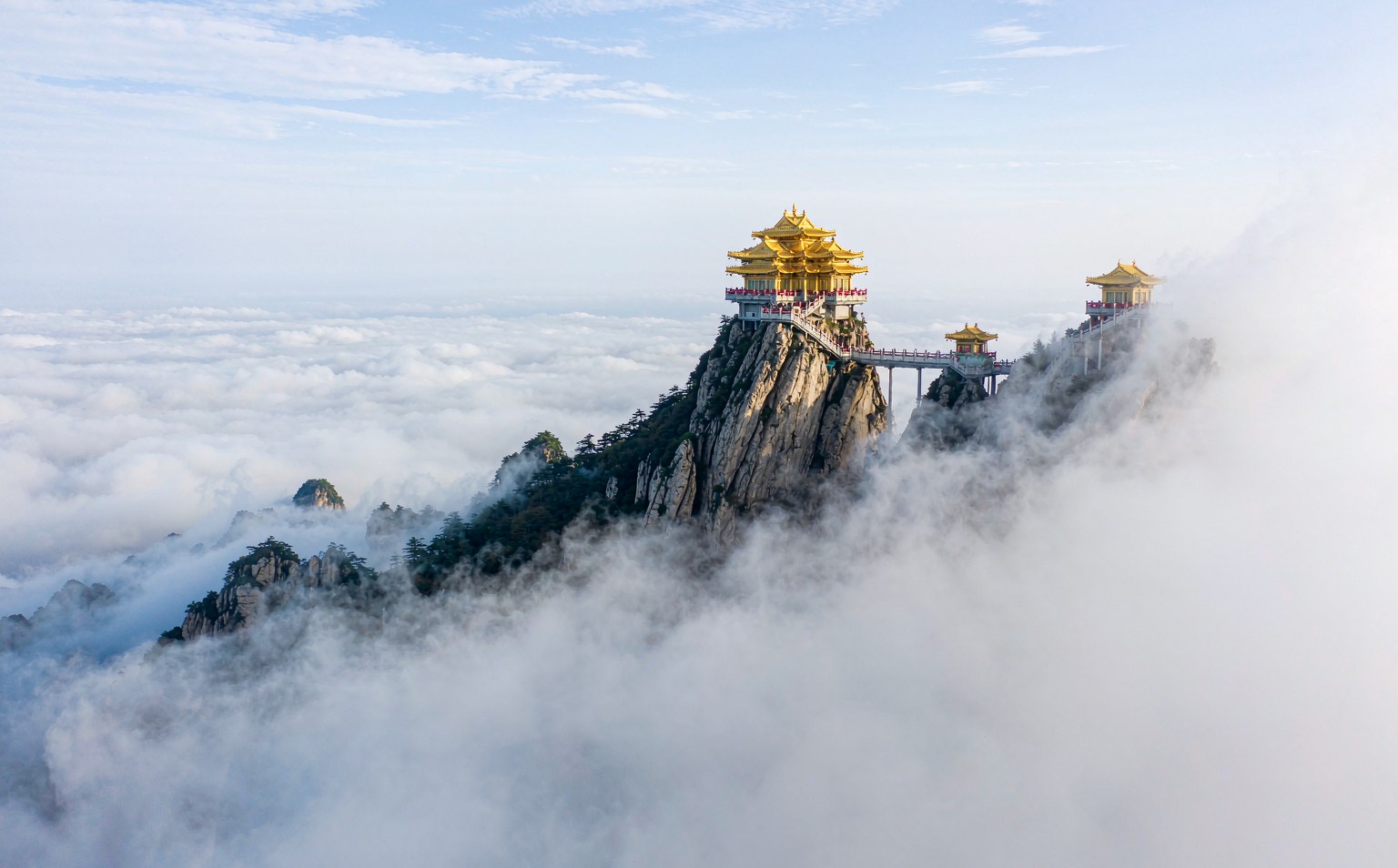
Three days from Luoyang: the first evening waiting below the golden summit for the lamps, the second climbing early for cloud, then a slow afternoon along the nine bends of Longywan. The ticket holds two days, so the mountain is never rushed.
Luoyang Departure Red Flag Canal and Taihang Cliffs 5 Days
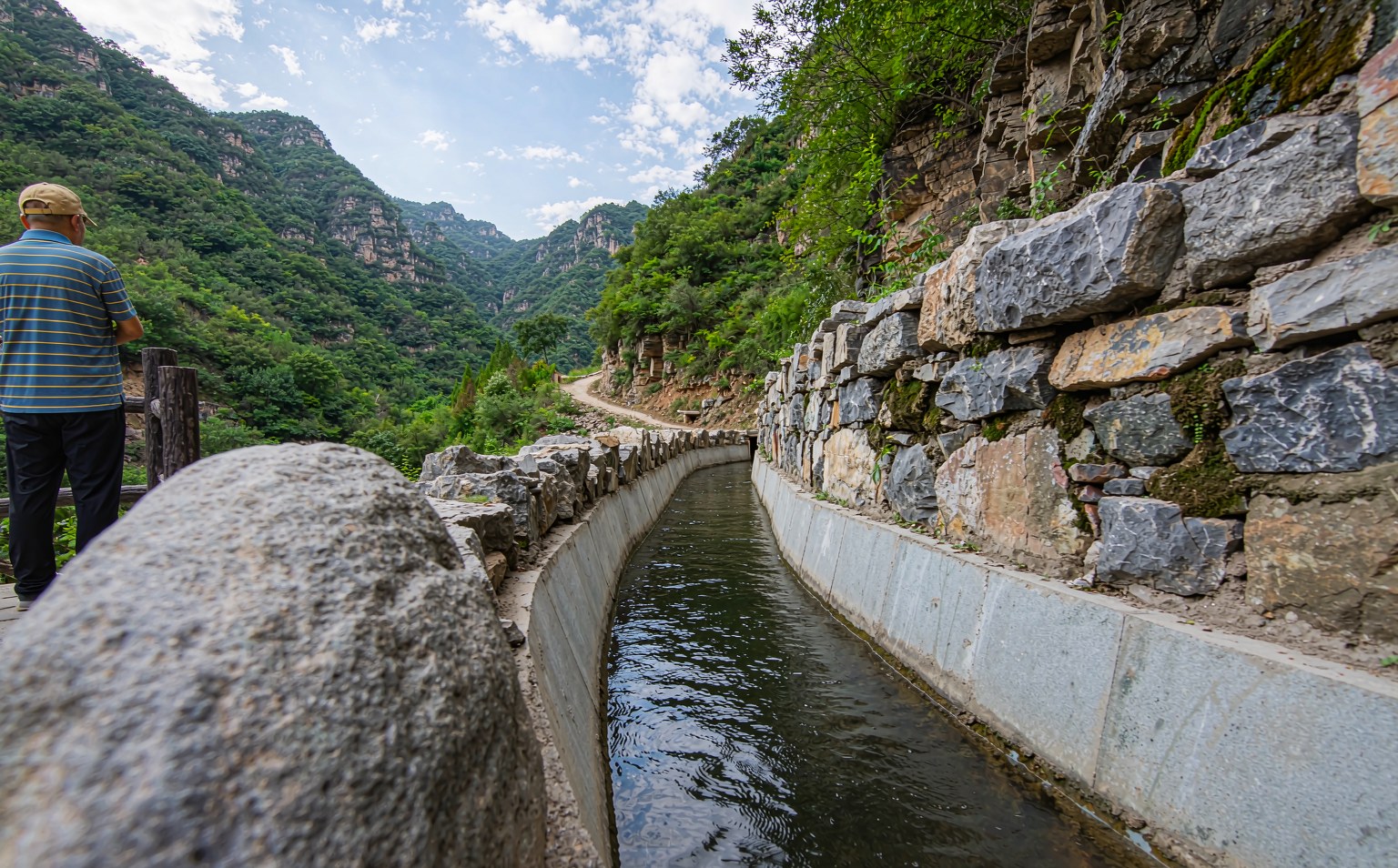
Five days along the eastern foot of the Taihang range: the canal bank and the Youth Tunnel, the ridge road and the cliff stair at Shibanyan, and the 1,250 metre tunnel road carved by hand above Guoliang village.
Luoyang Departure Yuntai Mountain, Qingtianhe and Shennong 4 Days
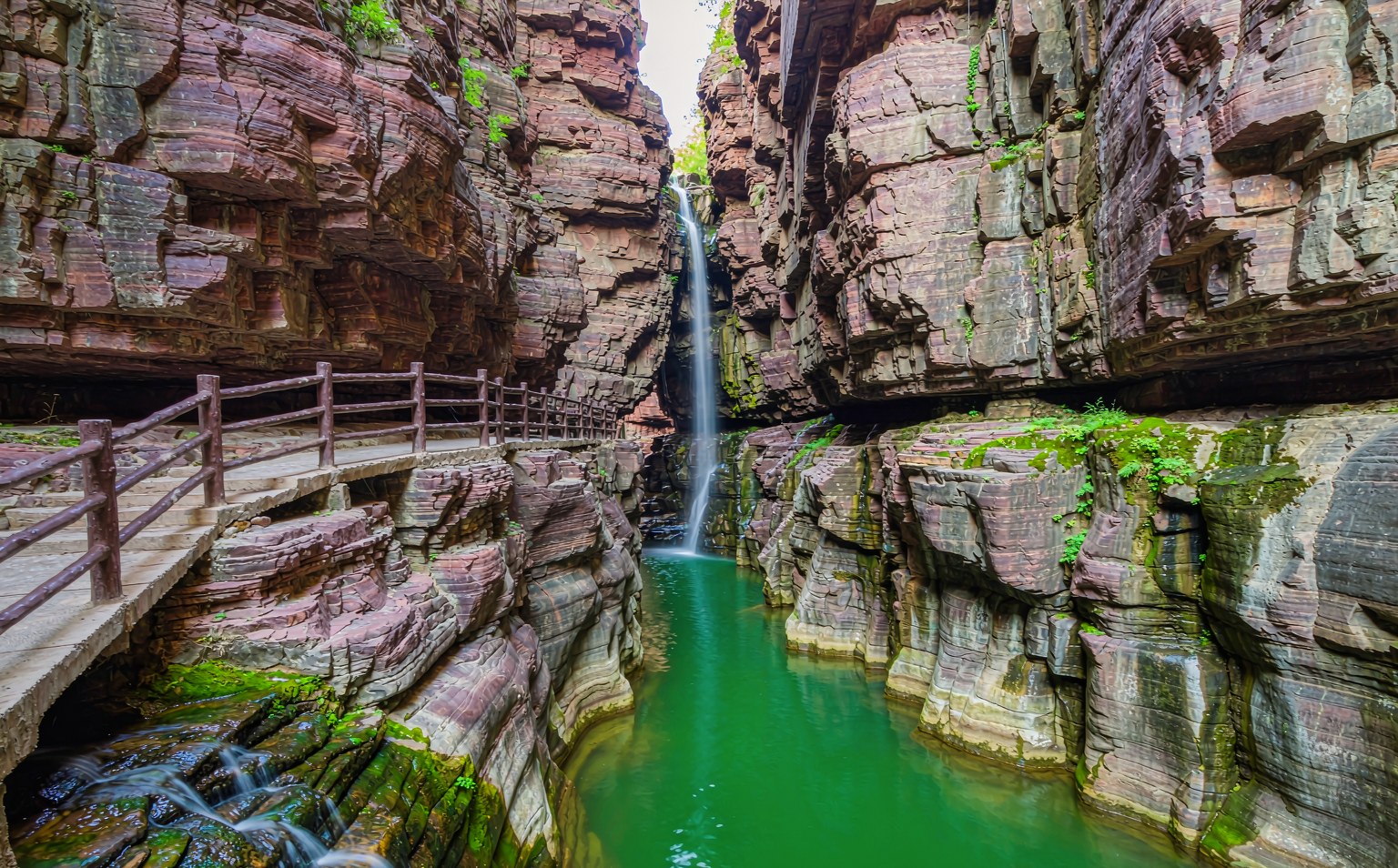
Four days from Luoyang linking three waters of the southern Taihang: the one way walkway of Red Stone Gorge, the lake and boats of Qingtianhe, and the ridge under a metre wide on Shennong Mountain. Nights stay in the village by the shuttle stop.
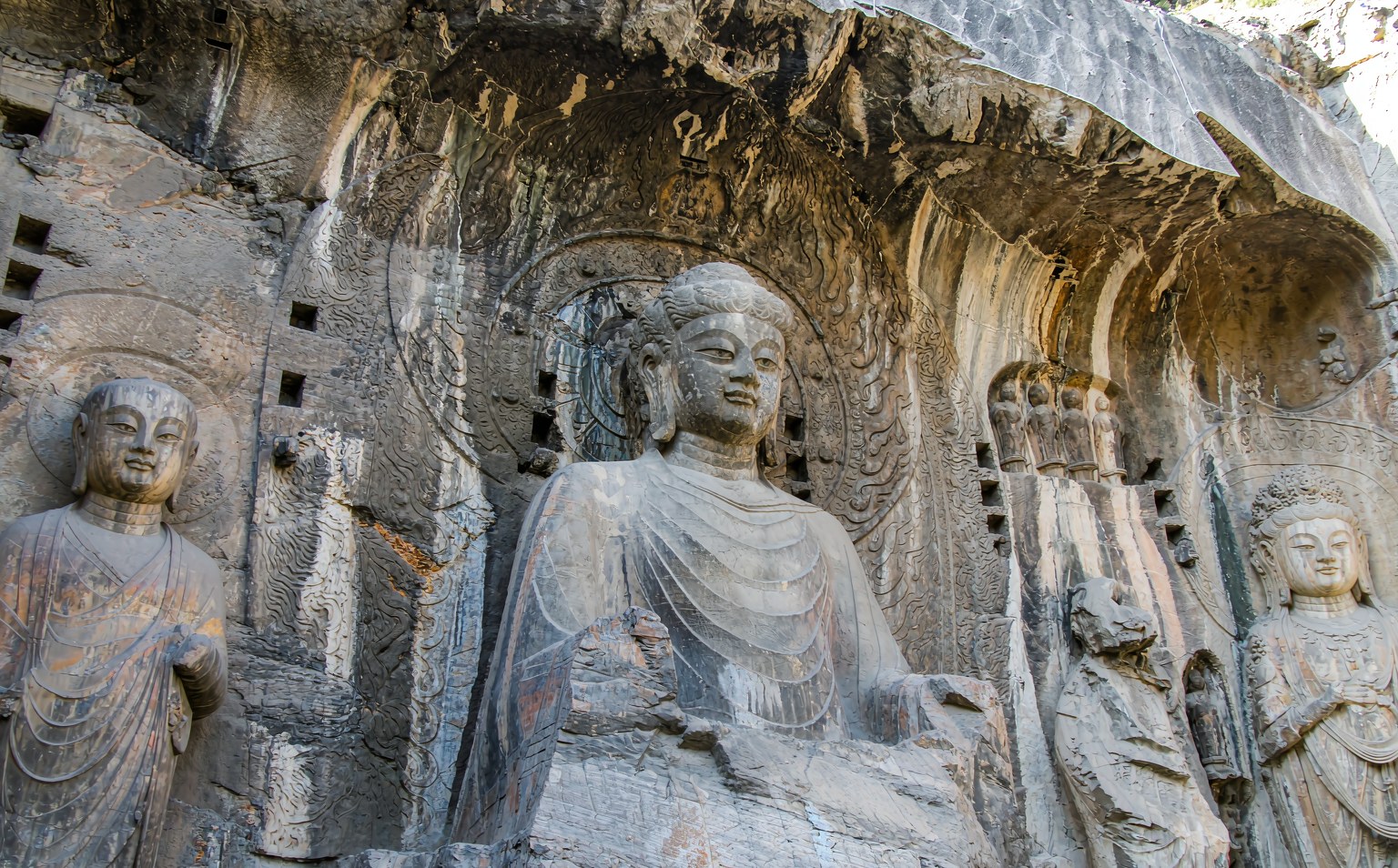
Luoyang Departure Longmen Grottoes and White Horse Temple 3 Days
Three days from Luoyang: the carved cliff of the west bank first, then the oldest official Buddhist temple in China, then the Ming and Qing halls of Guanlin. Both nights stay inside the old city, so the lantern street is a walk away.