
Kaifeng 5-Day Tour: Longmen Grottoes & Erlitou Site
Kaifeng 5-day tour covering Longmen Grottoes and Erlitou Site and White Horse Temple. Sightseeing tickets and shuttle bus included.
Highlights
Day 1: Longmen Grottoes
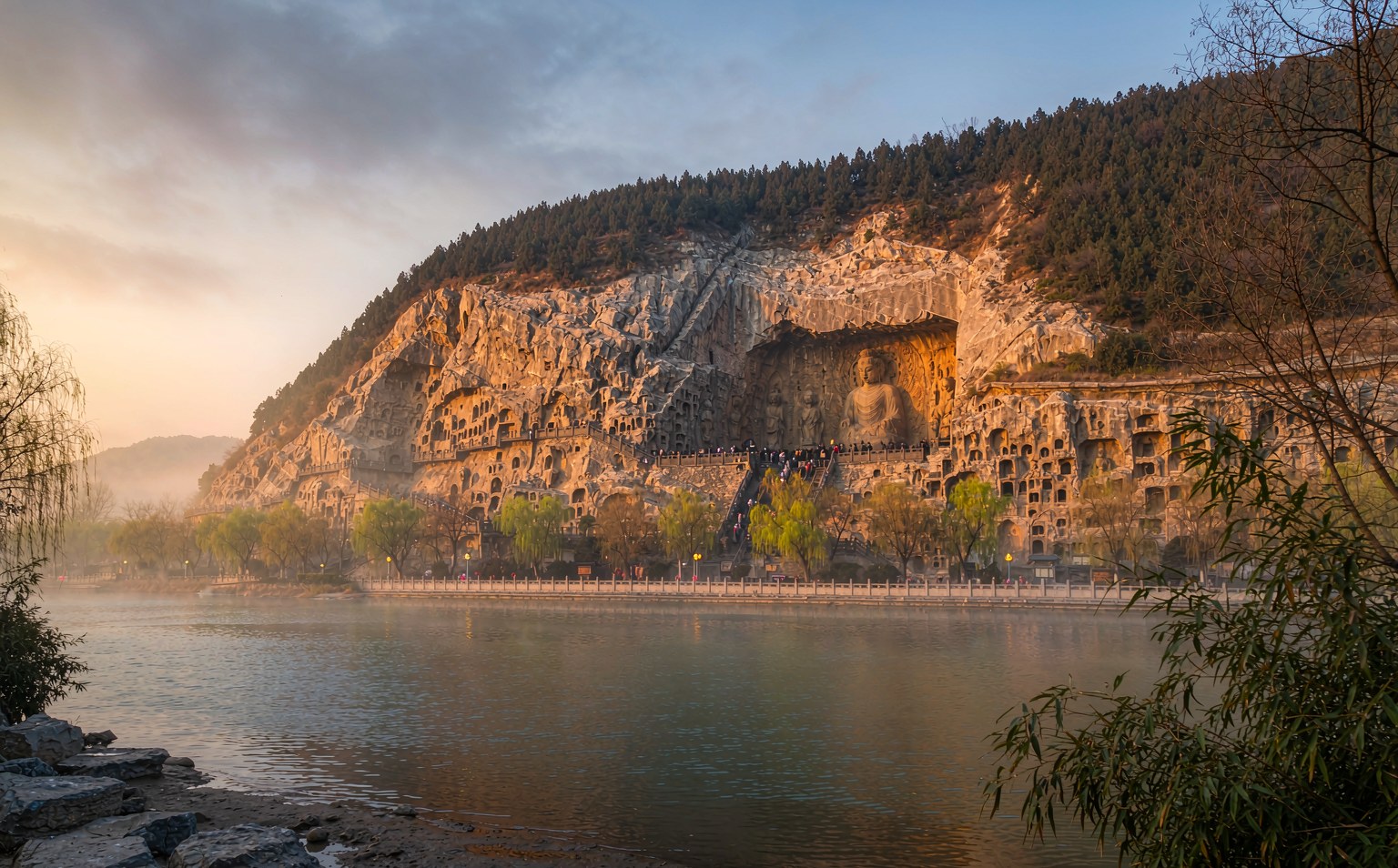
Today's visit is to Longmen Grottoes, and it is recommended to allow at least half a day: link the main cave of the West Mountain, the viewing platform of the East Mountain, and Baiyuan of Xiangshan Temple in a line, and understand the stories of the Northern Wei and High Tang behind the stone carvings by following the guide; return in the evening to rest.
Attraction Introduction: One of the highlights arranged in the itinerary is Longmen Grottoes. Longmen Grottoes was carved on the cliffs along both banks of the Yi River south of Luoyang, and has been continuously constructed since Emperor Xiaowen of Northern Wei moved the capital to Luoyang. It went through multiple dynasties including Eastern Wei, Western Wei, Northern Qi, Sui, and Tang. Currently, there are more than 2,300 niches, over 100,000 statues, and more than 2,800 engraved inscriptions. The most stunning feature is the Vairocana Buddha of Fengxian Temple, with a total height of over 17 meters, a full-faced appearance, and kind eyes, said to be carved in the likeness of Empress Wu Zetian, representing the peak of High Tang stone carving art. Along with the Dunhuang Mogao Caves and Datong Yungang Grottoes, it is known as one of China's three major grottoes and is a World Cultural Heritage site. When visiting, walk south along the Yi River trail from the West Mountain grotto; Bin Yang's Three Caves, the Ten Thousand Buddhas Cave, and the Lotus Cave each have points of interest. Crossing the bridge to the East Mountain Worship Platform offers a panoramic view. My understanding is, in the morning, first visit the main caves of the West Mountain to carefully appreciate the giant Buddha when there are fewer people, and in the afternoon go to the East Mountain viewing platform for a distant view; lighting and angles are best for photos. Walking along both banks of the Yi River involves retracing steps, so a pair of comfortable shoes can save a lot of effort.
Tips: The grottoes are mostly built along cliffs. When sightseeing, keep a distance from the cliff, hold onto the railings properly, and look after the elderly and children. Visitor feedback generally indicates that most tourists find the Vairocana Buddha the most impressive, the sunset at West Mountain provides the best lighting for photos; walking along both banks of the Yi River requires going back along the same path, so it is recommended to wear comfortable shoes and allow for half a day. Based on actual circumstances, sightseeing tours are most problematic if done in a rush; listening to the guide is the essence, as the cultural stories behind each attraction are often more memorable than photos. If there is anything you don't understand, ask the guide on the spot.
Day 2: Erlitou
Gather in the morning and set off for Erlitou, following the main route with the guide to visit all the key highlights, leaving ample time for photos and rest; enjoy a local specialty meal at noon, continue exploring in the afternoon, and check into the hotel in the evening to rest and prepare for the next day's itinerary.
Attraction Introduction: Today's itinerary includes the Erlitou attraction. The Erlitou ruins are located in Luoyang Yanshi and are acclaimed by scholars as 'the earliest China.' It is a large city site from the mid-to-late Xia Dynasty, where turquoise dragon-shaped artifacts, bronze jues, bronze ding, and other significant items have been unearthed, revealing the appearance of the first Chinese royal capital. The turquoise dragon-shaped artifact is made of over two thousand turquoise pieces and is praised as 'China's first dragon,' serving as important evidence of dragon worship in China. The Erlitou Ruins Museum presents the site with a sense of on-site archaeology and is an unavoidable stop for studying the origins of Chinese civilization. My understanding is that visiting the museum with some background knowledge about the academic debates on the 'Xia capital' before viewing the exhibits will provide a deeper understanding; the exhibits in the ruins museum are very thoughtfully curated and worth taking the time to appreciate.
Tips: The mountain path has many steps and steep slopes, so be sure to wear non-slip sports shoes; those with mobility difficulties are advised to take the cable car. Most visitors generally feel that Erlitou is worth a special trip. It is recommended to slow down, follow the guide for explanations, and leave time for the details that move you most and the best photo spots. Based on the actual situation, if you want authentic local food, go deeper into the alleys; the lines at the main entrance of the scenic area are long and the taste is average. For souvenirs, ask for prices first and compare, as local supermarkets often provide more genuine products.
Day 3: White Horse Temple
Early in the morning, enter White Horse Temple and enjoy a peaceful walk among the red walls and green cypresses in the morning light, focusing on the Qiyun Pagoda and the two exotic Buddhist halls; in the afternoon, enjoy free activities and you can retake photos along the central axis, returning to the hotel in the evening.
Attraction Introduction: One of the highlights arranged in the itinerary is White Horse Temple, located in the east of Luoyang city. It was originally built during the Yongping period of the Eastern Han Dynasty to commemorate the White Horse transporting the sutras and the initial spread of Buddhism in the Central Plains. It is revered as the 'First Ancient Temple of China' and is the first government-sponsored temple built after Buddhism was introduced to China. Within the temple, the Qiyun Pagoda Courtyard, the Great Buddha Hall, and the Heavenly King Hall are arranged along the central axis, with incense burning continuously among the red walls and green cypresses for over two thousand years. It is worth mentioning that the temple also has exotic-style Buddhist halls donated by countries such as Myanmar, Thailand, and India, presenting a unique landscape of the eastward transmission and return flow of Buddhist culture. My understanding is to first visit the main hall along the central axis, then go around to the Qiyun Pagoda Courtyard, and finally visit the exotic Buddhist halls on both sides to experience cultural integration; arriving early in the morning is ideal, as the morning light on the red walls and ancient cypresses is most atmospheric and it helps avoid the peak of tour groups.
Warm Tips: The temple has many stone steps and thresholds. Do not step on the thresholds when crossing doors. When paying respects, follow the order and do not shove. Visitors generally report that the exotic-style Buddhist halls (Thai/Myanmar/Indian Courtyards) are very photogenic, and they feel more spacious than expected; note that the international temple area requires quite a bit of walking, so conserve some energy. Based on actual conditions, allocate your energy wisely: handle the main attractions while you are energetic in the morning, slow down in the afternoon, and avoid exhausting yourself on the first day so that you still have energy for the following days.
Related Tours
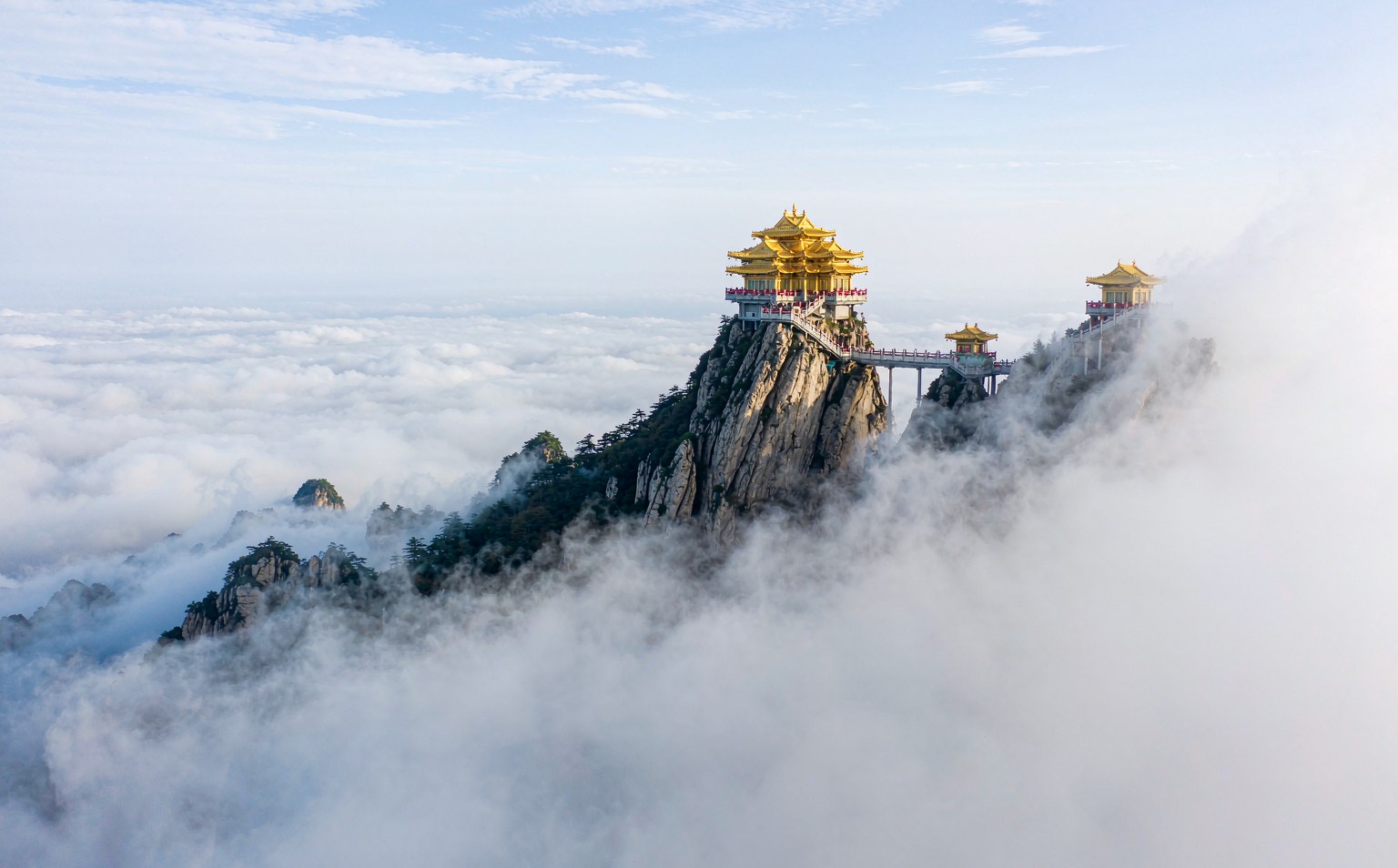
Luoyang Departure Laojun Mountain and Longywan 3 Days
Three days from Luoyang: the first evening waiting below the golden summit for the lamps, the second climbing early for cloud, then a slow afternoon along the nine bends of Longywan. The ticket holds two days, so the mountain is never rushed.
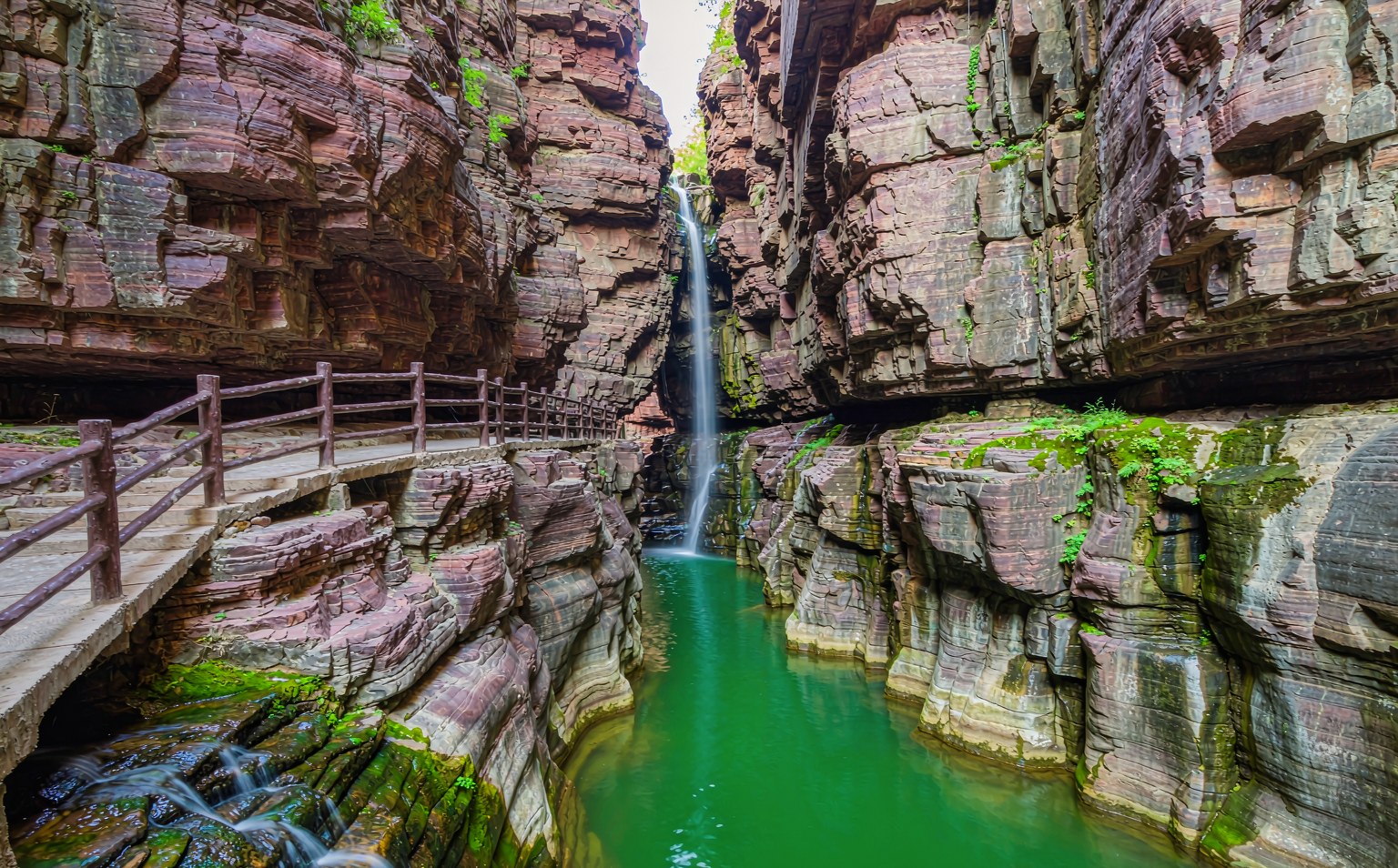
Luoyang Departure Yuntai Mountain, Qingtianhe and Shennong 4 Days
Four days from Luoyang linking three waters of the southern Taihang: the one way walkway of Red Stone Gorge, the lake and boats of Qingtianhe, and the ridge under a metre wide on Shennong Mountain. Nights stay in the village by the shuttle stop.
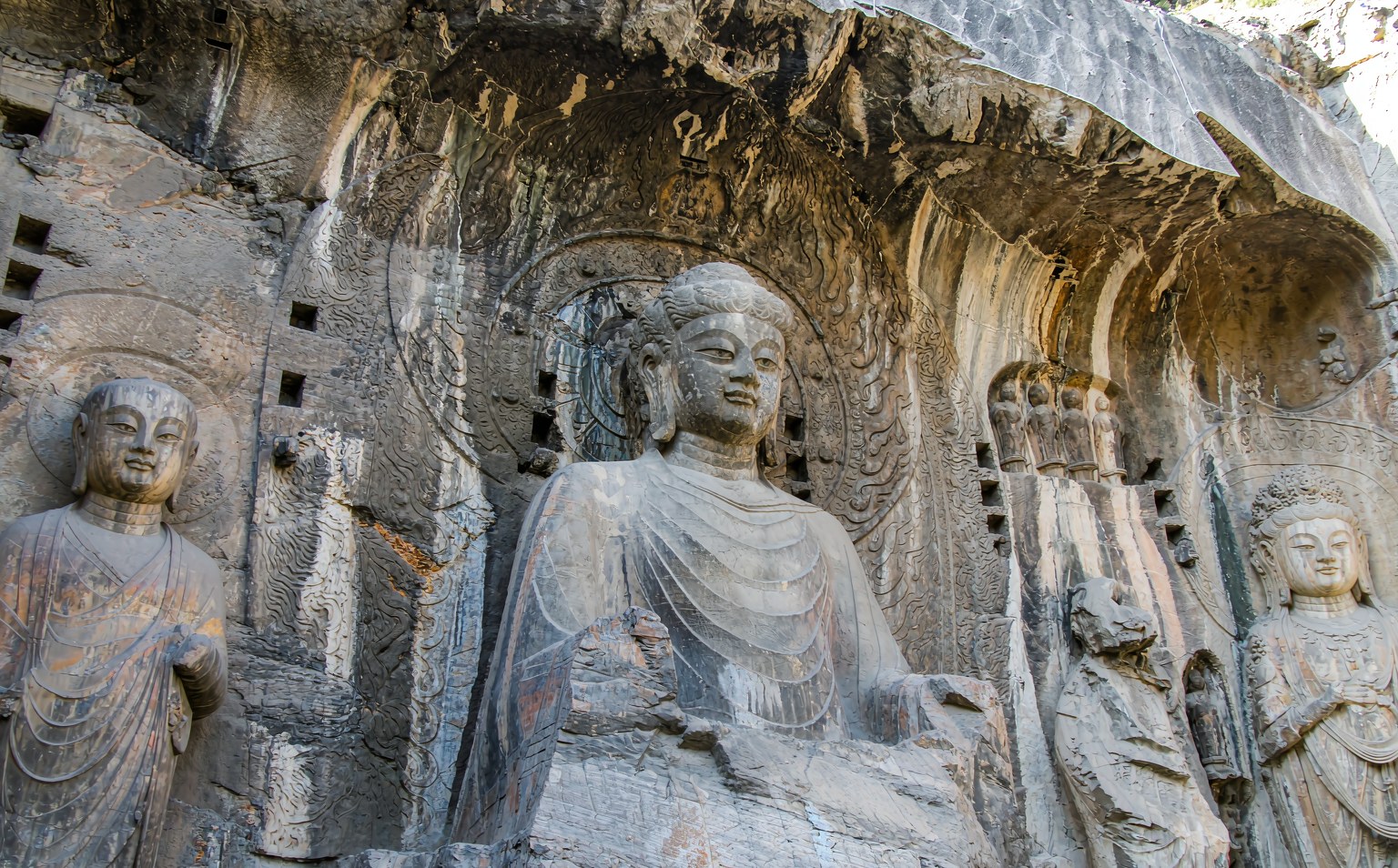
Luoyang Departure Longmen Grottoes and White Horse Temple 3 Days
Three days from Luoyang: the carved cliff of the west bank first, then the oldest official Buddhist temple in China, then the Ming and Qing halls of Guanlin. Both nights stay inside the old city, so the lantern street is a walk away.
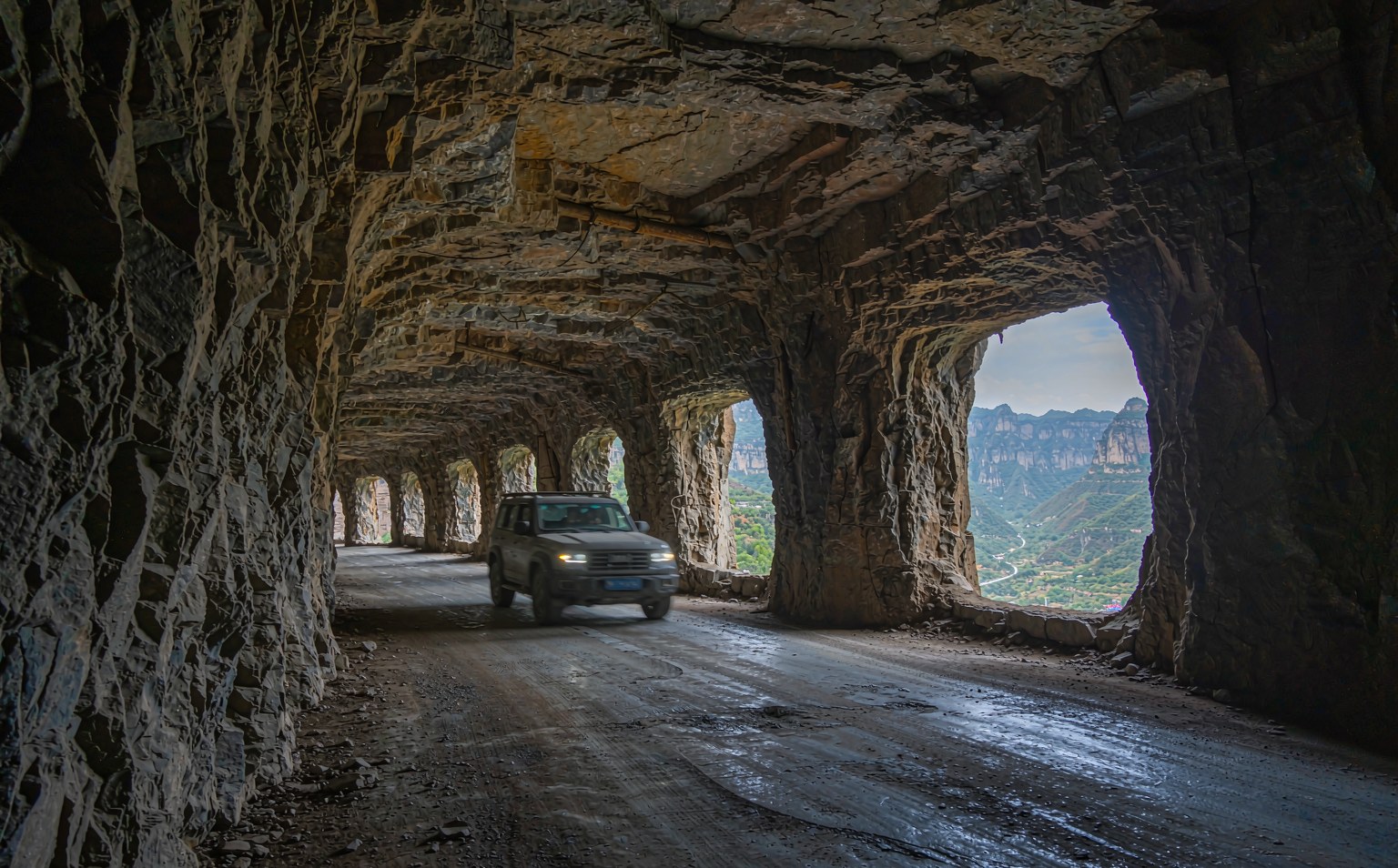
Luoyang to Wanxianshan, Guoliang Village and Baligou 6 Days
Six days from Luoyang. The Baligou ticket at 120 yuan covers Baligou, Jiulianshan and Tianjieshan for three days. Then the trip moves to Wanxianshan, where the Guoliang cliff road runs 1,250 metres with 35 windows, begun in 1972 and opened in 1977.