
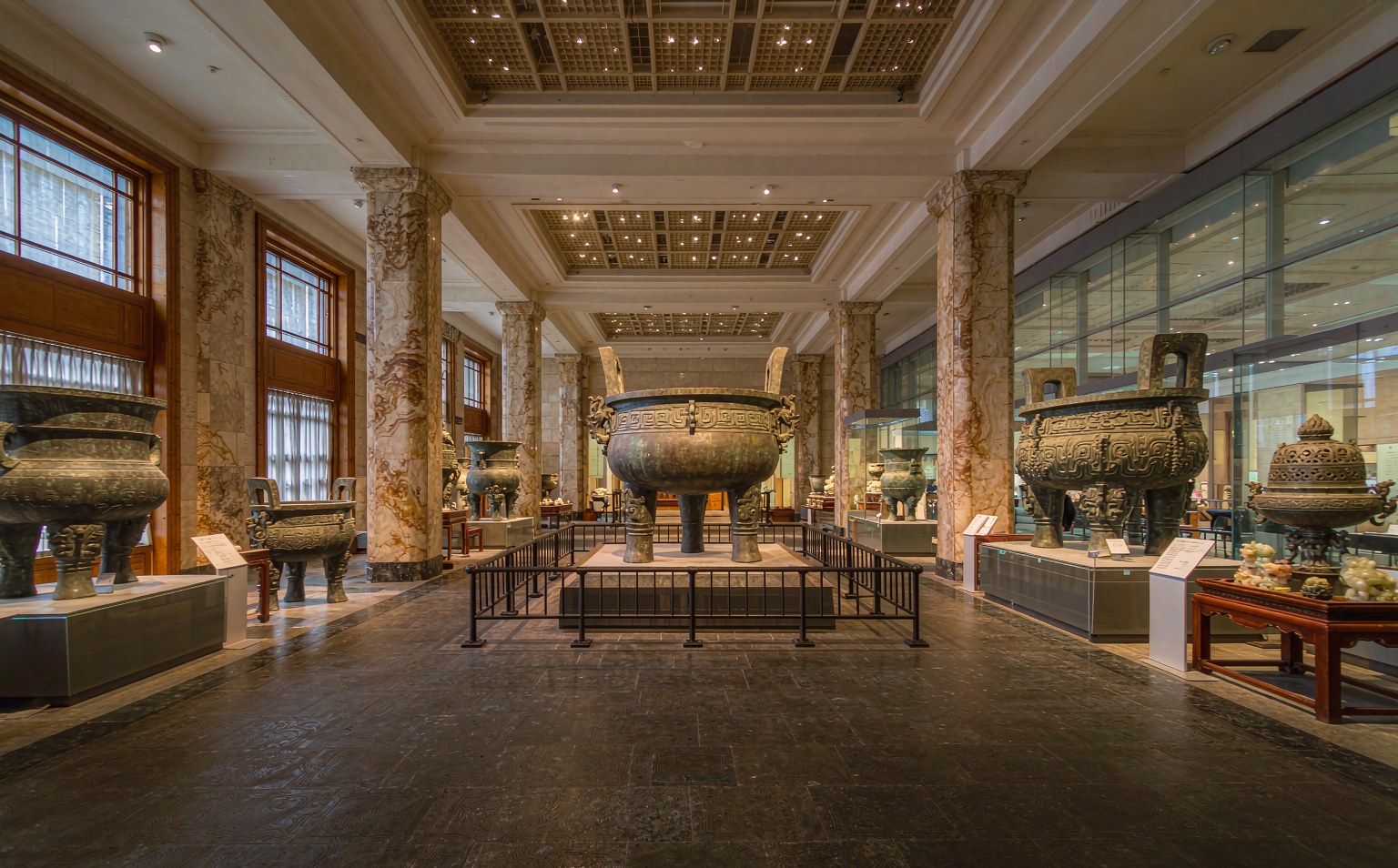
Luoyang 6-Day Tour: Sui-Tang Luoyang City & White Horse Temple
Luoyang 6-day tour covering Sui-Tang Luoyang City and White Horse Temple and Baiyun Mountain. Sightseeing tickets and shuttle bus included.
Highlights
Day 1: Sui-Tang Luoyang City
Depart early from the hotel and head straight to Sui-Tang Luoyang City. First, listen to the tour guide explain the background and highlights, then enjoy a leisurely walk and take additional photos according to your interests. After lunch, take a short rest, and return to the hotel in the evening to conserve energy for the next day.
Attraction Introduction: This stop is Sui-Tang Luoyang City. The Sui-Tang Luoyang City National Heritage Park centers around Yingtian Gate, Mingtang, and Tiantang, restoring the palace grandeur of the prosperous Tang Dynasty 'Divine Capital' Luoyang. Yingtian Gate is the south gate of Sui-Tang Luoyang City, magnificent in scale. Climbing the tower allows a view of the central axis, and at night, there is a spectacular light show. Mingtang was the 'Palace of Ten Thousand Phenomena' during Empress Wu Zetian's era, and Tiantang is a tall tower for Buddhist ceremonies. The interiors of both buildings restore the luxurious furnishings of the Tang court. The shores of Jiuzhou Pool are also suitable for a stroll, evoking the grandeur of the imperial gardens back then. This place is closely associated with films and TV series such as 'Wu Zetian' and 'The Wind Rises in Luoyang' and has become the most popular Tang cultural check-in spot in Luoyang in recent years. In my opinion, a night visit is essential—when the lights first come on, the illumination of Yingtian Gate and Mingtang Tiantang shows the true appearance of the 'Divine Capital.' By day, see the palace furnishings, and at night, enjoy the light show—a twofold experience in one day.
Tips: Popular landmarks in ancient capitals are crowded during holidays, so try to avoid peak times or book tickets in advance. Tourists generally feel that Sui-Tang Luoyang City is worth a special visit. It is recommended to slow down, follow the tour guide for explanations, and reserve time for the details that impress you most and the best photo spots. Considering the actual situation, the biggest issue with group tours is rushing through; listening to the explanations is the essence. The cultural stories behind each attraction are often more memorable than photos, so ask the guide immediately if you don’t understand something.
Day 2: White Horse Temple
Today's pilgrimage journey involved visiting the Buddha, following the guide from Qiyun Pagoda to the Sutra Repository while listening to explanations, understanding two thousand years of incense history at China's first ancient temple; in the afternoon we strolled around the temple, and in the evening we rested.
Attraction Introduction: A key highlight arranged in the itinerary is White Horse Temple. White Horse Temple is located in the eastern part of Luoyang city, originally built during the Yongping years of the Eastern Han Dynasty to commemorate the White Horse carrying the scriptures and the initial spread of Buddhism to the Central Plains. It is revered as 'China's First Ancient Temple' and is the first official temple built after Buddhism entered China. Inside the temple, the Qiyun Pagoda Courtyard, the Great Buddha Hall, and the Hall of Heavenly Kings are laid out along the central axis, with red walls and green cypresses, maintaining more than two thousand years of continuous incense offerings. It is worth mentioning that the temple also has exotically styled halls donated by countries like Myanmar, Thailand, and India, presenting a unique landscape of the eastward spread and return flow of Buddhist culture. My understanding is that one should first see the main halls along the central axis upon entering, then go around to the Qiyun Pagoda Courtyard, and finally visit the exotic halls on the sides to experience cultural integration; come early in the morning when there are fewer people, as the morning light on the red walls and ancient cypresses is most picturesque, and it also helps avoid the peak of tourist groups.
Tips: There are many incense stalls around the temple, so buy incense as needed and consume rationally. Visitors generally report that the foreign-style halls (Thai/Myanmar/Indian Courtyards) are highly photogenic and seem more spacious than expected; note that the international temple area requires a long walk, so save some energy. Depending on the situation, if you want authentic food, go deeper into the alleys; queues at the main gate of the scenic area are long, and the taste is average. For local specialties, ask for prices first and compare, as local supermarkets often offer more authentic products.
Day 3: Baiyun Mountain
In the morning, take a vehicle up to Baiyun Mountain and climb Yuhuang Peak to see the sea of clouds; have a simple lunch on the mountaintop at noon, then in the afternoon visit the Nine-Dragon Waterfall and the High Mountain Peony Garden, breathing in the forest's oxygen bar. In the evening, descend the mountain and check in.
Scenic spot introduction: This stop is Baiyun Mountain. Baiyun Mountain is located in the heart of Funiu Mountains in Song County. From Yuhuang Peak, you can enjoy the sunrise over the sea of clouds. With high forest coverage and abundant negative oxygen ions, it is a natural oxygen bar. Within the scenic area, the Nine-Dragon Waterfall and the High Mountain Peony Garden each have their own characteristics. It's a rare high-mountain resort destination for summer escapes and autumn leaf viewing. You can connect the various points via cable car or sightseeing shuttle. The mountaintop has broad views, shrouded in mist, like a fairyland. From my perspective, visiting in summer for a cool retreat is most worthwhile, as the mountain’s coolness sharply contrasts with the city's heat. Getting up early to see the sunrise over the sea of clouds at Yuhuang Peak requires a bit of luck, but even if you don't see the sunrise, the scenery in the morning fog is beautiful enough.
Tips: The mountain trails have many steps and steep slopes, so be sure to wear non-slip sports shoes. Those with mobility issues are advised to take the cable car. Visitors generally report that most think Baiyun Mountain is worth a special trip. It is recommended to slow down your pace, listen to the guide’s commentary, and leave time for the details that move you the most and the best spots for photos. According to your actual situation, manage your physical strength and leave some energy in reserve: tackle the main attractions in the morning when the spirit is high, slow down in the afternoon, and don’t exhaust yourself on the first day or you’ll have no energy for the following days.
Related Tours
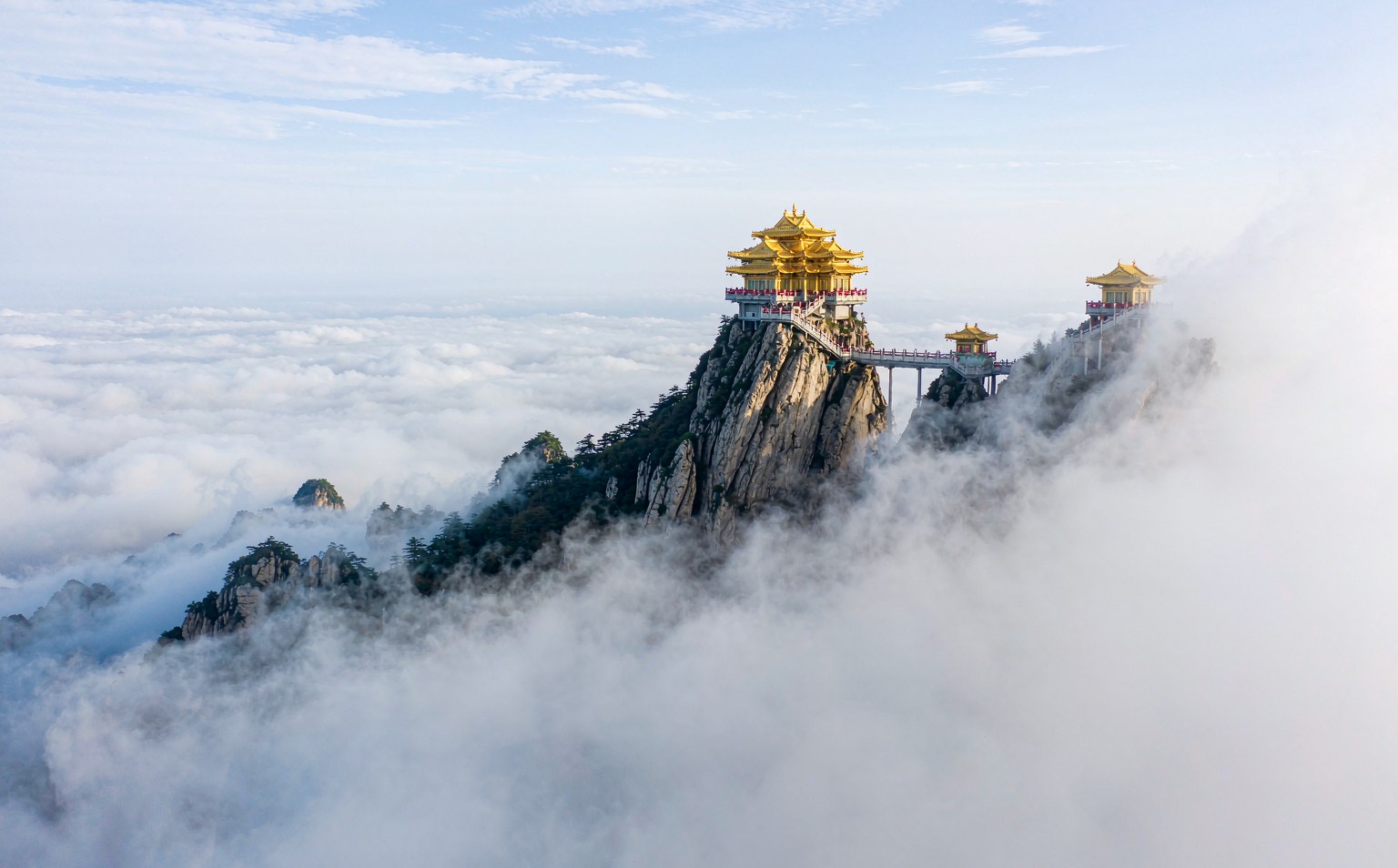
Luoyang Departure Laojun Mountain and Longywan 3 Days
Three days from Luoyang: the first evening waiting below the golden summit for the lamps, the second climbing early for cloud, then a slow afternoon along the nine bends of Longywan. The ticket holds two days, so the mountain is never rushed.
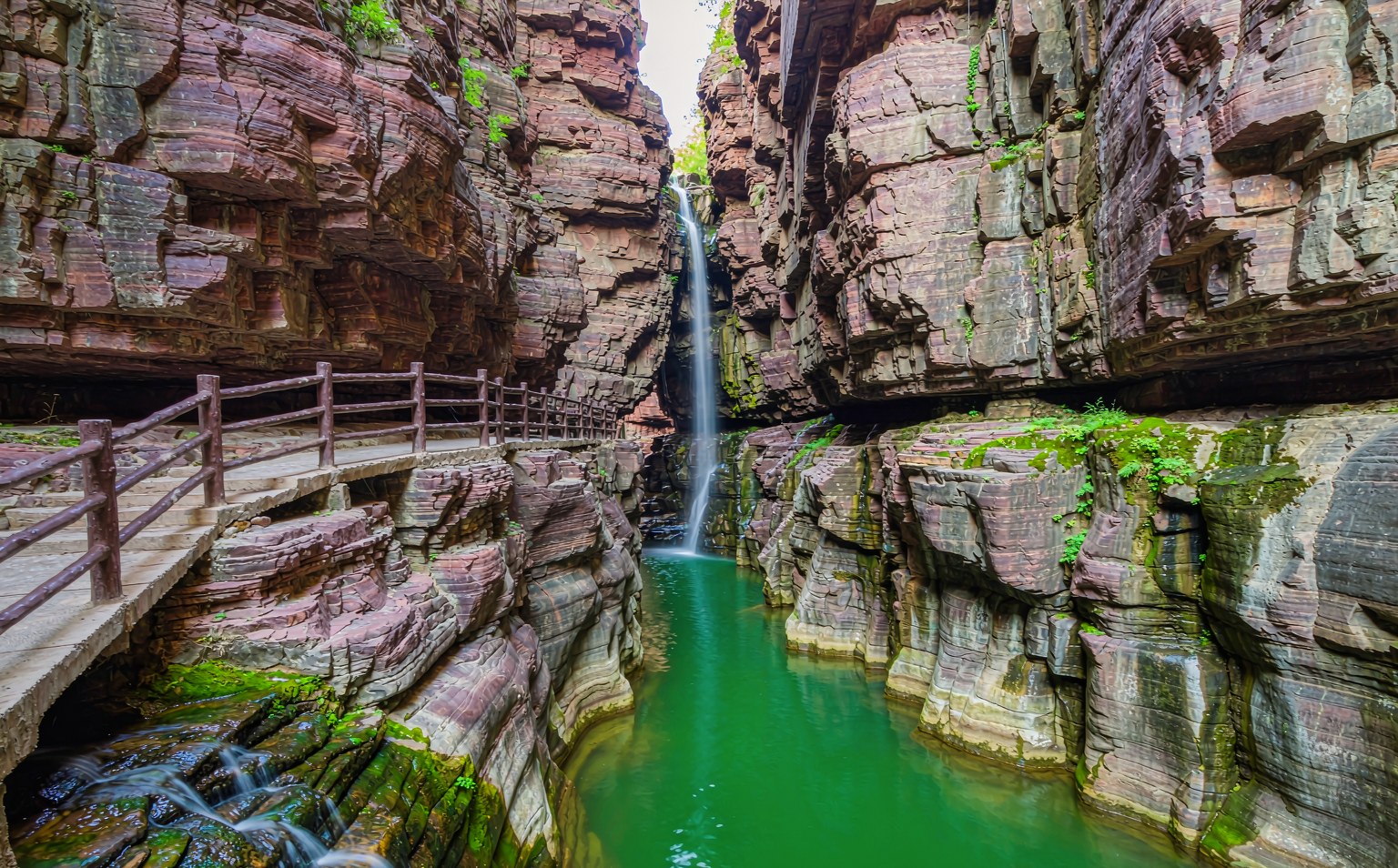
Luoyang Departure Yuntai Mountain, Qingtianhe and Shennong 4 Days
Four days from Luoyang linking three waters of the southern Taihang: the one way walkway of Red Stone Gorge, the lake and boats of Qingtianhe, and the ridge under a metre wide on Shennong Mountain. Nights stay in the village by the shuttle stop.
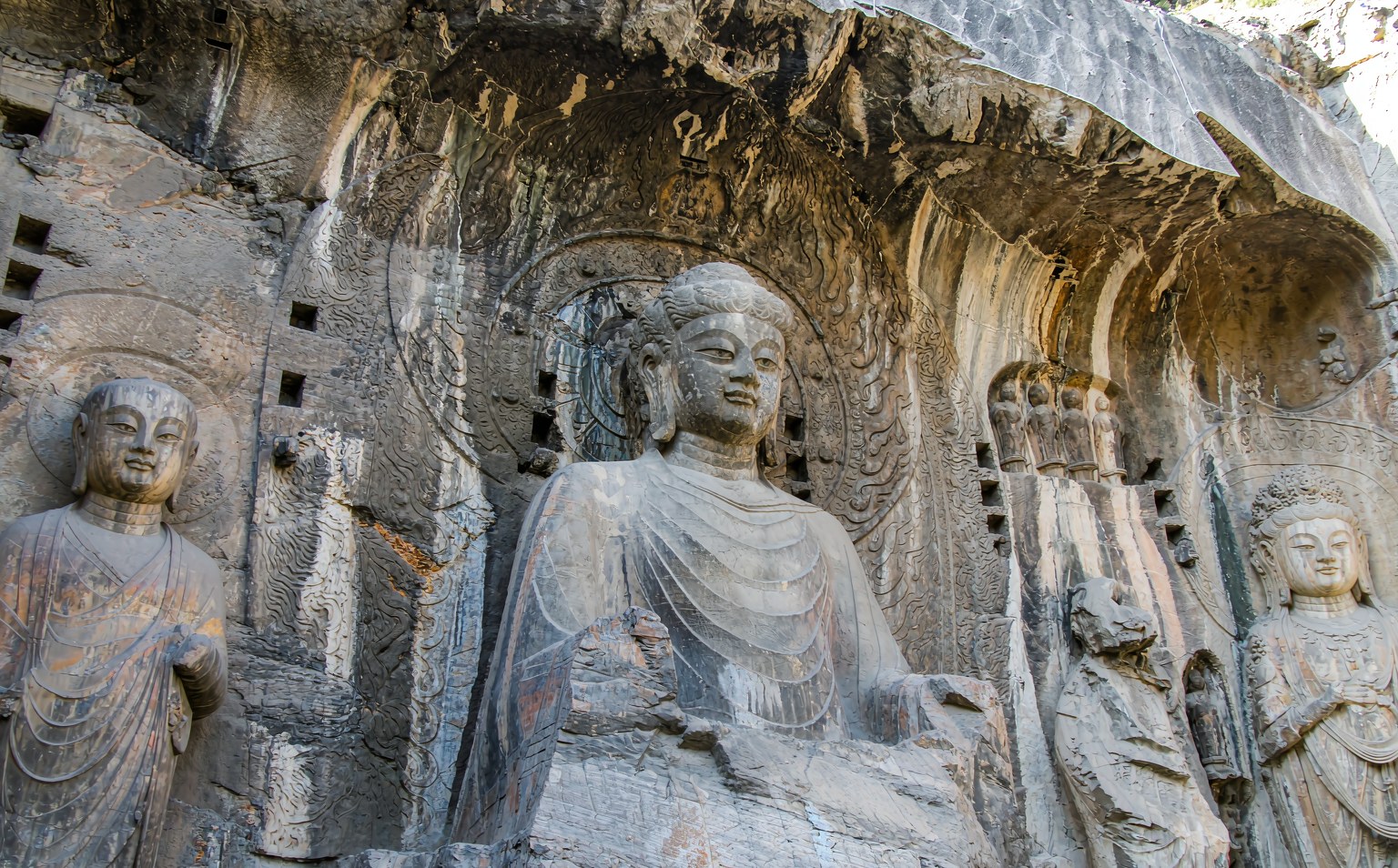
Luoyang Departure Longmen Grottoes and White Horse Temple 3 Days
Three days from Luoyang: the carved cliff of the west bank first, then the oldest official Buddhist temple in China, then the Ming and Qing halls of Guanlin. Both nights stay inside the old city, so the lantern street is a walk away.
Luoyang to Yuntai Mountain, Hongshi Gorge and Chenjiagou 5 Days
Five days from Luoyang. The Yuntai ticket at 120 yuan plus a 60 yuan shuttle pass stays valid for three days, enough for Hongshi Gorge, Tanpu Gorge and Zhuyu Peak. The fourth day turns south to Chenjiagou, the village where tai chi began.