
Luoyang 8-Day Tour: Longmen Grottoes & Chongdu Valley
Luoyang 8-day tour covering Longmen Grottoes and Chongdu Valley and Laojun Mountain. Sightseeing tickets and shuttle bus included.
Highlights
Day 1: Longmen Grottoes
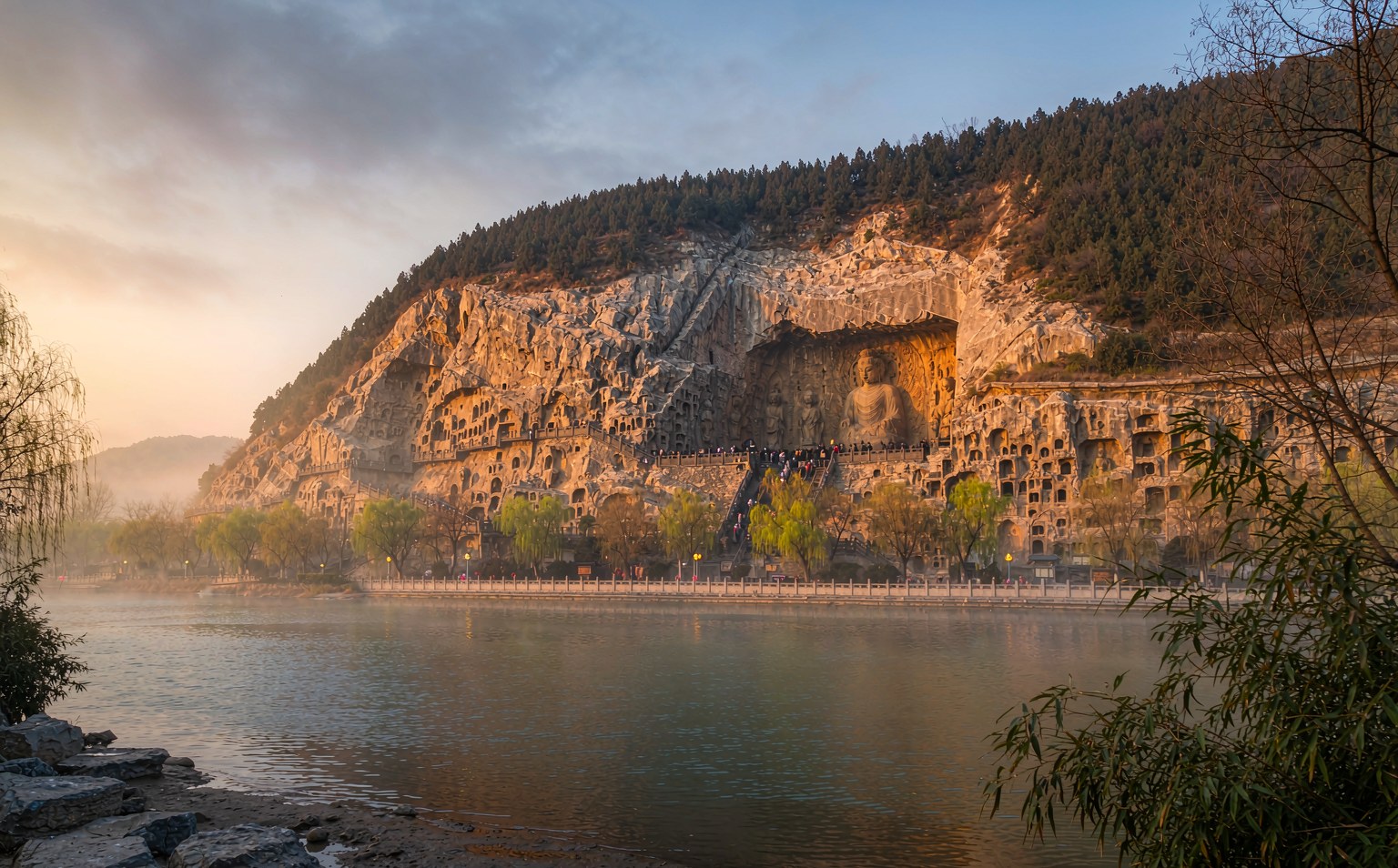
Today's sightseeing at Longmen Grottoes is recommended to reserve half a day: connecting the main cave of the Western Hills, the viewing platform of the Eastern Hills, and the Baiyuan of Xiangshan Temple in a line, following the guide to understand the Northern Wei and peak Tang stories behind the stone carvings; return in the evening to rest.
Attraction Introduction: A highlight arranged in the itinerary is Longmen Grottoes, Longmen Grottoes was carved on the cliffs along both sides of the Yi River in the south of Luoyang city, continuously constructed since Emperor Xiaowen of Northern Wei moved the capital to Luoyang, spanning multiple dynasties including Eastern Wei, Western Wei, Northern Qi, Sui, and Tang. Currently, there are more than 2,300 caves and niches, over 100,000 statues, and more than 2,800 inscriptions and steles. The most stunning is the Vairocana Buddha in Fengxian Temple, over seventeen meters high, with a plump face and compassionate eyes, said to be modeled after Empress Wu Zetian, representing the peak of Tang stone carving art. Along with the Dunhuang Mogao Caves and Datong Yungang, it is known as one of China's three major grottoes and is also a World Cultural Heritage site. When visiting, walk along the Yi River path from the Western Hills grottoes southwards; each of the Binyang Three Caves, Wanfo Cave, and Lotus Cave has its highlights. Cross the bridge to the Eastern Hills worship platform for a panoramic view. My understanding is: in the morning, first visit the main cave of the Western Hills, appreciating the Buddha statue while there are fewer people. In the afternoon, go to the Eastern Hills viewing platform for a distant view—the lighting and angles are best for photography; walking along both sides of the Yi River requires retracing one's steps, so a pair of comfortable shoes saves a lot of effort.
Warm Tips: Visiting the grottoes mainly involves walking and stairs; it is recommended to wear non-slip comfortable shoes and travel light. Pay attention to your steps along both sides of the Yi River. Tourist feedback generally indicates that most visitors find the Vairocana Buddha the most stunning, and the sunset at the Western Hills provides the best lighting for photos; walking along both sides of the Yi River requires retracing steps, so comfortable shoes and reserving half a day are recommended. According to actual conditions, for the best photos, go early or late—the morning has fewer people and soft light, and the evening has golden light; at noon, the lighting is harsh and crowded, so it's better to rest.
Day 2: Chongdugou
Morning tour, walk along the Jinji River and Dicu River to see bamboo forests and flying waterfalls; at noon, taste wild vegetables and farmhouse meals; in the afternoon, stroll through villages in western Henan, enjoying the coolness typical of Jiangnan water towns.
Scenic spot introduction: On this stop, you come to Chongdugou, located in Luanchuan. With tens of thousands of acres of bamboo forests, waterfalls and flowing streams, as well as the farming customs of western Henan, it is one of the few summer resort spots with a 'Jiangnan water town' style. The scenic area is divided into the Jinji River and Dicu River areas. Jinji River is famous for its waterfall clusters, with splashing water and pleasant coolness; Dicu River features continuous bamboo forests, with greenery as far as the eye can see while strolling through. Here you can stay in farmhouses, taste wild vegetables, and experience authentic rural village life in western Henan. The pace is relaxed, making it especially suitable for family slow travel and summer vacations. My understanding is to slow down the pace and not rush through the attractions—walking in the bamboo forests and sitting by the streams is the proper way to enjoy Chongdugou; visiting in the summer is the most comfortable, with coolness that makes you not want to leave.
Warm tips: The canyon trail is by the water and cliffside, so do not cross railings or play in dangerous areas, and keep an eye on accompanying children. Visitors generally report that most believe Chongdugou is worth a special visit. It is recommended to slow down, listen to the guide's explanations, and leave time for the details that touch you the most and the best photo spots. Considering practical situations, long trips are most prone to dehydration, so carry a water bottle and sip frequently; on the first night in the plateau or mountain area, do not wash your hair or shower for too long, giving your body some time to adjust.
Day 3: Laojun Mountain
Early in the morning, take the two-section cable car to reach the Golden Summit, check in at the temple group, and enjoy the sea of clouds and sunrise; in the afternoon, slowly descend along the Ten-Mile Screen, changing scenery step by step, and return in the evening.
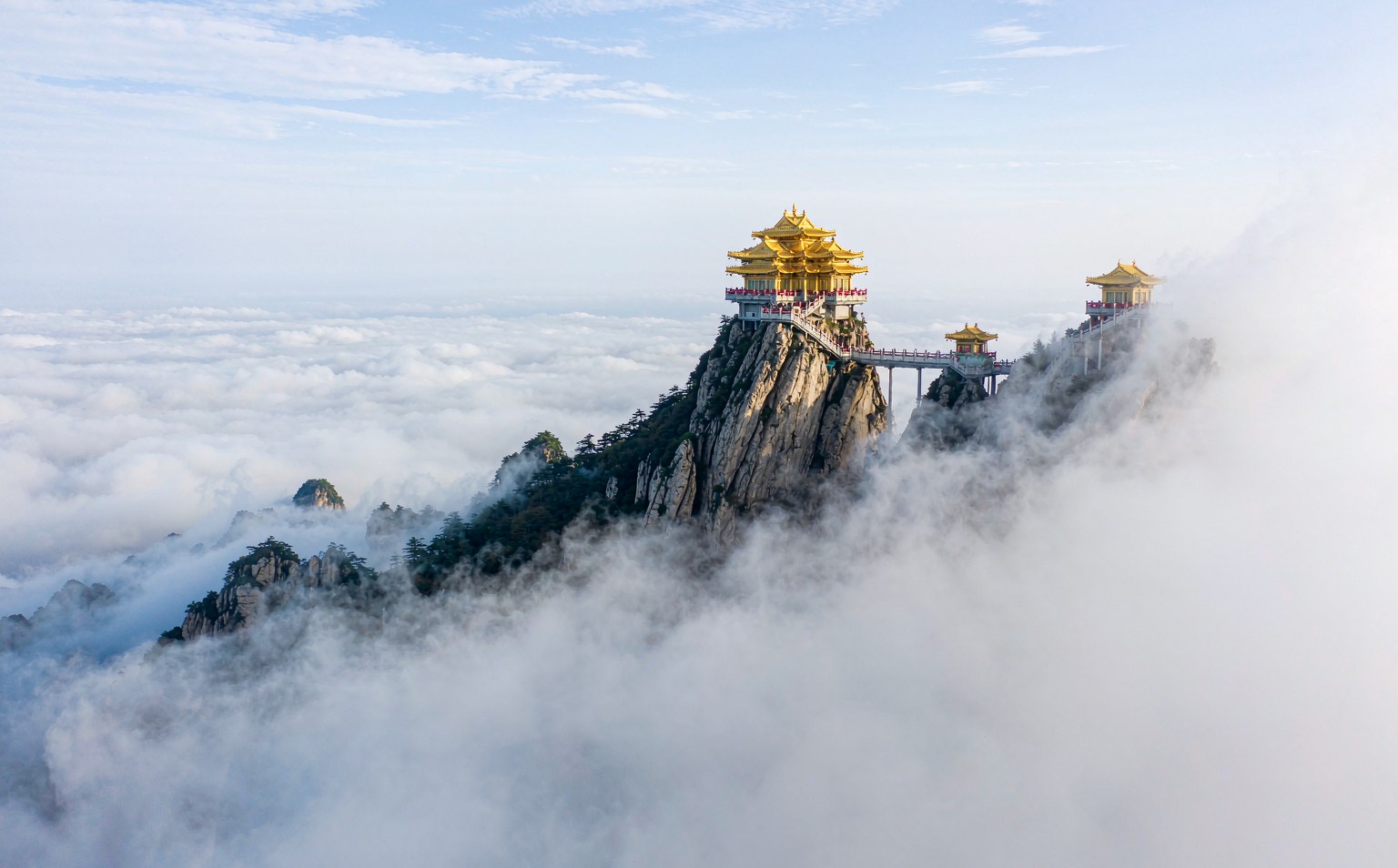
Attraction Introduction: A highlight arranged in the itinerary is the Golden Summit. The Golden Summit is located in Luanchuan County, Funiu Mountain, and is the main peak of the Funiu Mountains. It is also a famous Taoist mountain, traditionally considered the retreat and cultivation site of Laozi, the founder of Taoism. The Golden Summit temple group stands on the peak at an altitude of over two thousand meters, with golden roofs and red walls, and the rolling sea of clouds, earning the reputation of 'journeying afar for a remarkable feast on earth, and witnessing the world's splendid beauty.' The Ten-Mile Screen is the essence of the whole route, a high-altitude plank road suspended on a cliff, offering constantly changing views of the peak forest, sea of clouds, and sunrise. You can take the two-section cable car uphill; on sunny days, you can watch the sea of clouds and sunrise from the summit, while in winter it is a very popular spot for snow viewing in the Central Plains region. My understanding is that you must take the cable car early to secure the best light for the Golden Summit and Ten-Mile Screen; it is windy and cold at the top, so a windbreaker and thermos are essential, and those who are afraid of heights should avoid the glass observation deck.
Tips: Many parts of the mountain paths are slippery; be especially careful when descending by leaning back and walking slowly, and knee pads can be prepared. Visitors generally feedback that the sea of clouds and sunrise at the Golden Summit are considered the main attractions, with many people staying overnight at the top to wait for first light; remember that there is a large temperature difference at the summit and long queues for the cable car, so during peak season you must go early. Based on the actual situation, be punctual, arrive five to ten minutes early for group gatherings, as it's better for people to wait for the vehicle than the vehicle waiting for people—don’t make everyone wait for you.
Related Tours
Luoyang Departure Laojun Mountain and Longywan 3 Days
Three days from Luoyang: the first evening waiting below the golden summit for the lamps, the second climbing early for cloud, then a slow afternoon along the nine bends of Longywan. The ticket holds two days, so the mountain is never rushed.
Luoyang Departure Red Flag Canal and Taihang Cliffs 5 Days
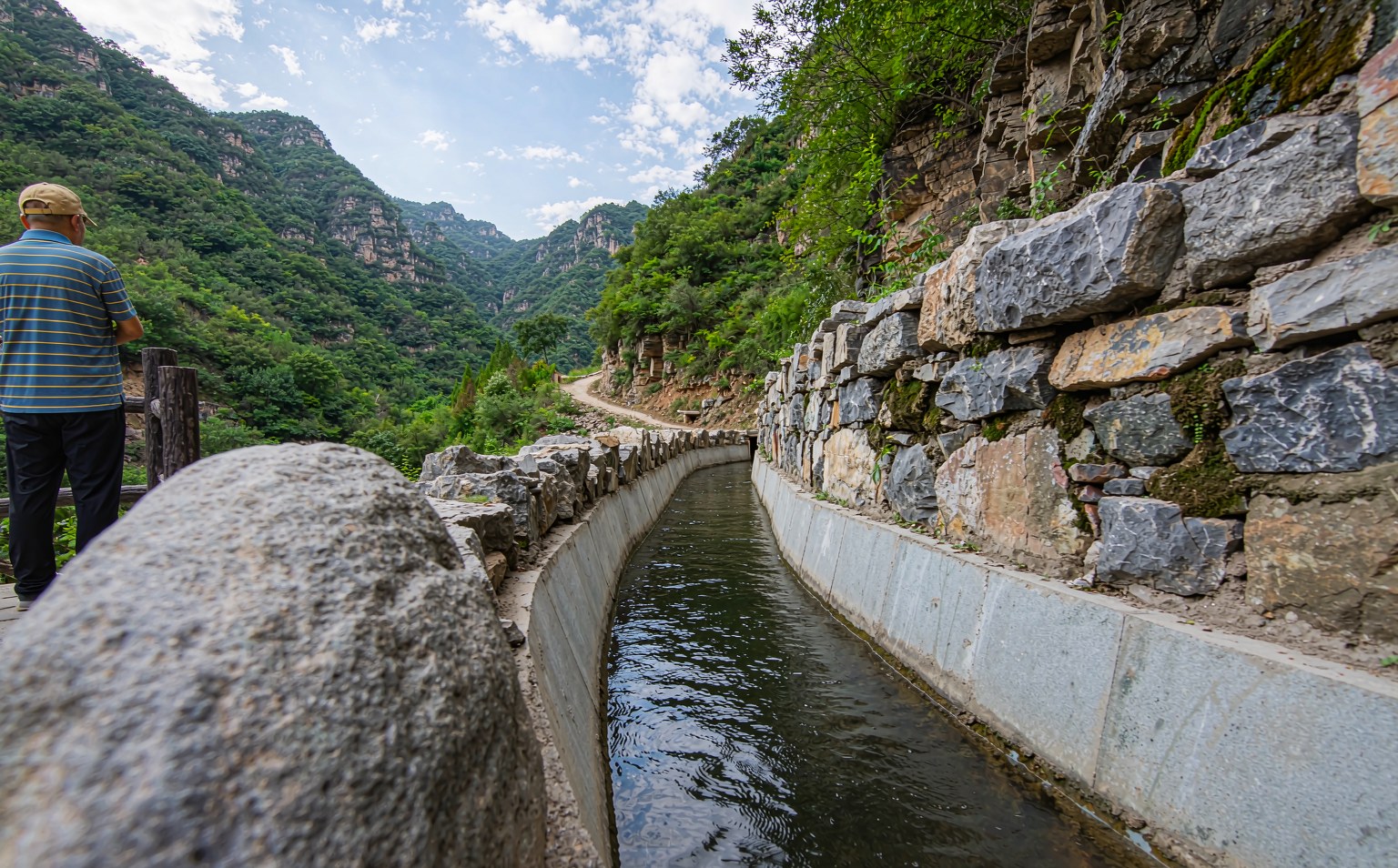
Five days along the eastern foot of the Taihang range: the canal bank and the Youth Tunnel, the ridge road and the cliff stair at Shibanyan, and the 1,250 metre tunnel road carved by hand above Guoliang village.
Luoyang Departure Longmen Grottoes and White Horse Temple 3 Days
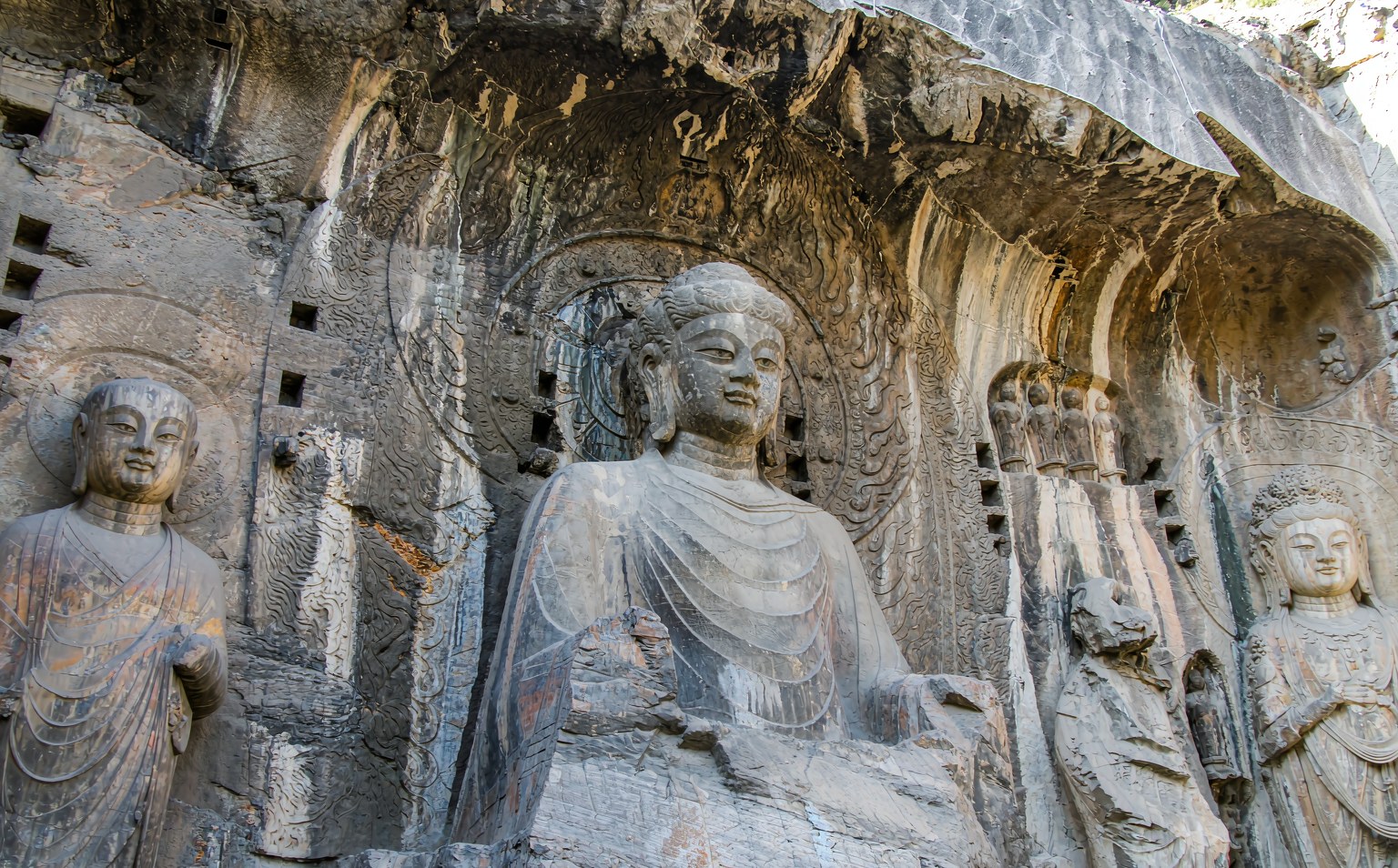
Three days from Luoyang: the carved cliff of the west bank first, then the oldest official Buddhist temple in China, then the Ming and Qing halls of Guanlin. Both nights stay inside the old city, so the lantern street is a walk away.
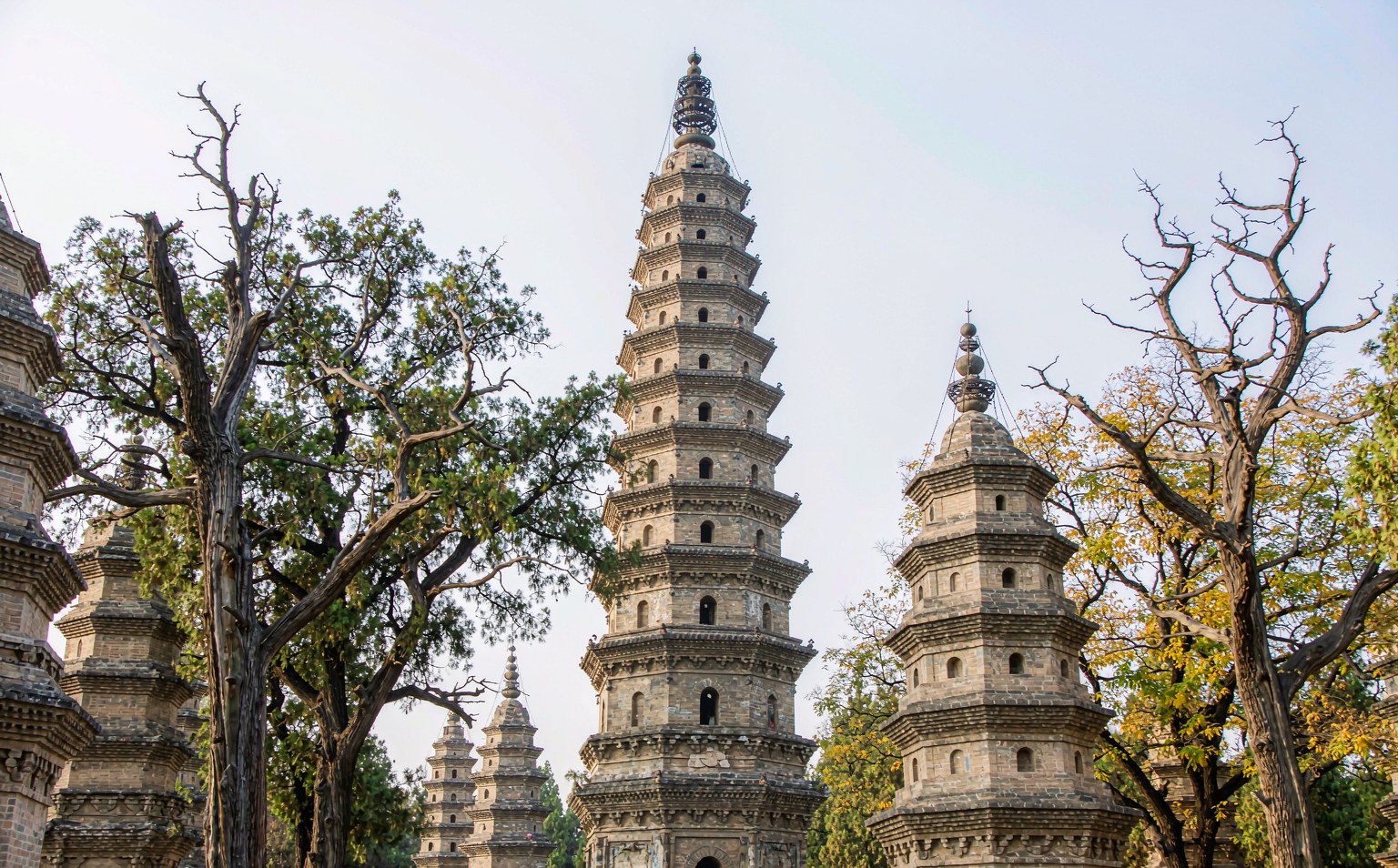
Luoyang to Shaolin Temple, Sanhuangzhai and Songyang Academy 5 Days
Five days from Luoyang. Songshan has two massifs, Taishi and Shaoshi: the Shaolin Temple and Sanhuangzhai sit on one, the Songyang Academy and Zhongyue Temple on the other. The 80 yuan Shaolin ticket already covers Sanhuangzhai.