
Anyang 7-Day Tour: Laojun Mountain & Longmen Grottoes
Anyang 7-day tour covering Laojun Mountain and Longmen Grottoes and Erlitou Site. Sightseeing tickets and shuttle bus included.
Highlights
Day 1: Laojun Mountain
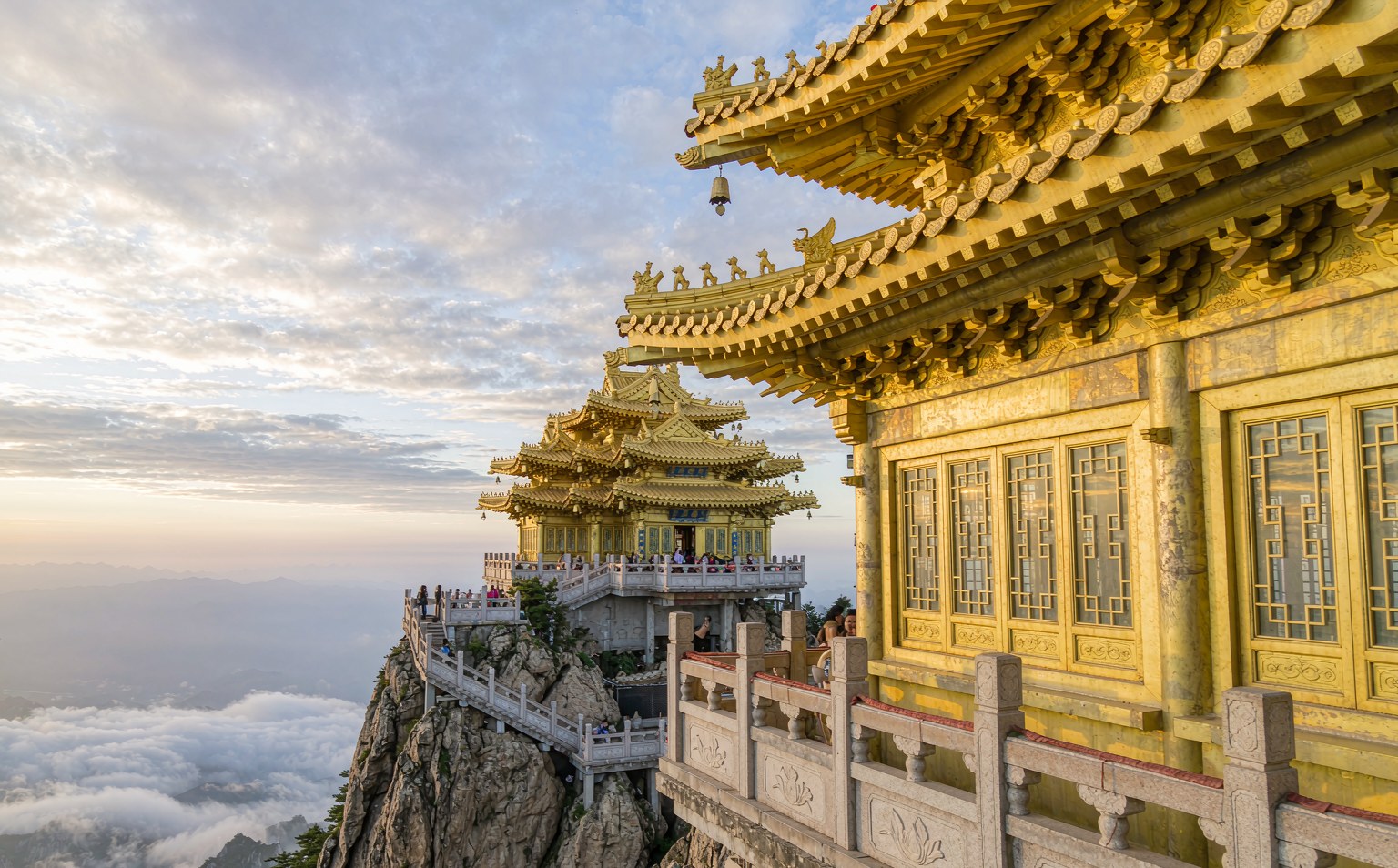
In the morning, take the cable car up Laojun Mountain and visit the Golden Summit Taoist temple complex. On a clear day, you may encounter a sea of clouds. Have a simple meal at the mountaintop at noon. In the afternoon, walk the Ten-Mile Painted Screen Trail, overlook the mountains from the glass observation deck, and descend in the evening to stay at a hotel.
Attraction Introduction: One of the highlights of this itinerary is Laojun Mountain, located in Luoyang, Luanchuan County. It is the main peak of the Funiu Mountains and a famous Taoist mountain, said to be the place where the founder of Taoism, Laozi, retired to cultivate. The Golden Summit Taoist temple complex stands atop a peak more than 2,000 meters above sea level. With golden-tiled roofs, red walls, and rolling clouds, it is renowned for the saying, 'Travel far to witness the feast of the mortal world, and behold the beauty of the earthly realm.' The Ten-Mile Painted Screen Trail is the highlight of the route: a high-altitude plank road suspended along a cliff, offering changing views of the peak forests, sea of clouds, and sunrise. You can take a two-stage cable car up the mountain. On clear days, you can enjoy the sunrise above the sea of clouds; in winter, it is a popular spot in the Central Plains for snow viewing. My advice is to take the cable car early to secure the best light for the Golden Summit and Ten-Mile Painted Screen. The mountaintop is windy and cold, so a windbreaker and thermos are essential. If you are afraid of heights, do not force yourself to visit the glass observation deck.
Warm Tips: The hiking sections have many steps and steep slopes, so be sure to wear non-slip sports shoes. Those with difficulty walking are advised to use the cable car. Visitors generally say that the cloud sea and sunrise at the Golden Summit are the main attractions; many people stay overnight on the mountain to catch the dawn. Note that there is a large temperature difference at the top and long queues for the cable car, so be sure to go early during peak season. For authentic food, venture deeper into the alleys; the food at the main entrance tends to have long lines and mediocre taste. For local specialties, compare prices and ask first; local supermarkets often offer more genuine products.
Day 2: Free activities
Enter [0] early in the morning, stroll inside the constant-temperature cave to see the stalactite wonders transformed by the lights; in the afternoon, enjoy free activities and you can also take additional photos of the vegetation outside the cave, and return in the evening.
Tips: On days for free activities, taking a taxi or walking is convenient. Check your destination routes in advance, and mark the stores and attractions you want to visit on the map. Tourists generally report that many visitors find free activity days the most relaxing, allowing them to go at their own pace. Considering the actual situation, when taking photos, don’t just focus on getting good shots—pay attention to your feet and the surrounding environment. Make sure to hold on and stand steadily at observation decks and along the edges of walkways.
Day 3: Longmen Grottoes
Today's tour is Longmen Grottoes, and it is recommended to allow at least half a day: link together the main caves of West Mountain, the viewing platform of East Mountain, and Baiyuan of Xiangshan Temple along a line, and understand the stories of the Northern Wei and Tang dynasties behind the stone carvings by following the guide; return in the evening to rest.
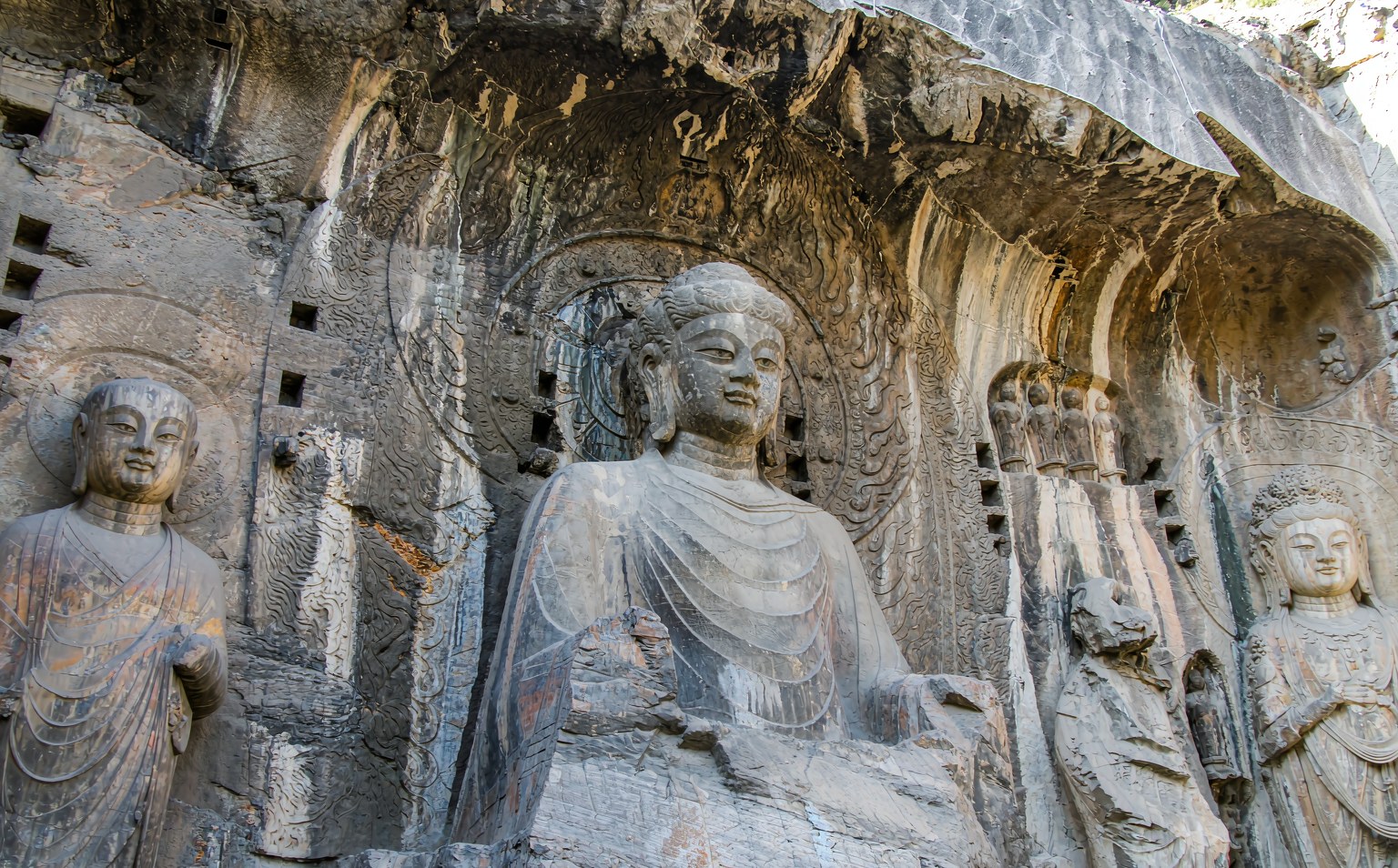
Attraction Introduction: A highlight arranged in the itinerary is Longmen Grottoes. Longmen Grottoes was carved on the cliff on both sides of the Yi River in the south of Luoyang City, and continuous construction began since Emperor Xiaowen of Northern Wei moved the capital to Luoyang. It went through the Eastern Wei, Western Wei, Northern Qi, Sui, Tang, and several other dynasties. There are currently more than 2,300 caves and niches, over 100,000 statues, and more than 2,800 steles and inscriptions. The most stunning is the Vairocana Buddha in Fengxian Temple, with a total height of over 17 meters, a full face, and compassionate eyes, said to be carved based on Wu Zetian's appearance, representing the peak of Tang dynasty stone carving art. Along with Dunhuang Mogao Caves and Yungang in Datong, it is known as one of China's three major grottoes and is also a world cultural heritage site. When visiting, start from the West Mountain Caves along the Yi River trail heading south; Binyang Three Caves, Ten Thousand Buddha Cave, and Lotus Cave each have points of interest. Cross the bridge to the East Mountain Worshiping Platform for a panoramic view. My understanding is to first see the main caves of West Mountain in the morning, enjoy the Buddha statue while there are fewer people, and in the afternoon, go to the East Mountain viewing platform for a distant view; the lighting and angles are best for photos. Walking along both sides of the Yi River requires retracing your steps, so a pair of comfortable shoes can save a lot of effort.
Tips: The grottoes are mostly built on cliffs, so when viewing, keep a distance from the cliff, hold onto the railings, and take care of the elderly and children. Visitors generally report that most feel the Vairocana Buddha is the most stunning, and the evening light at West Mountain at sunset is the best for photos; walking along both sides of the Yi River requires retracing steps, so it is recommended to wear comfortable shoes and reserve half a day. According to the actual situation, respect local customs; dress appropriately when entering religious sites and do not point casually. A simple greeting can return kindness.
Related Tours
Luoyang Departure Laojun Mountain and Longywan 3 Days
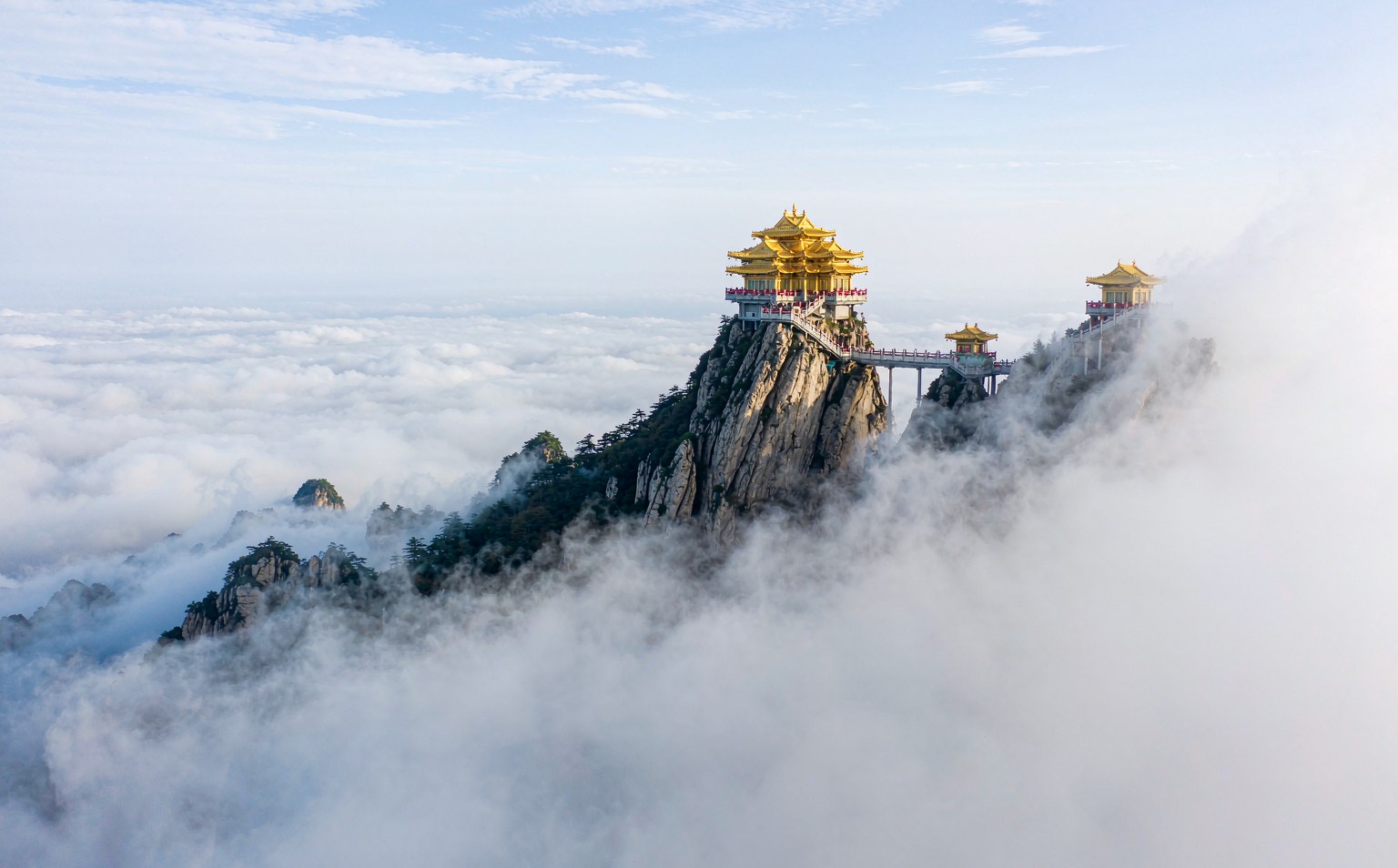
Three days from Luoyang: the first evening waiting below the golden summit for the lamps, the second climbing early for cloud, then a slow afternoon along the nine bends of Longywan. The ticket holds two days, so the mountain is never rushed.
Luoyang Departure Yuntai Mountain, Qingtianhe and Shennong 4 Days
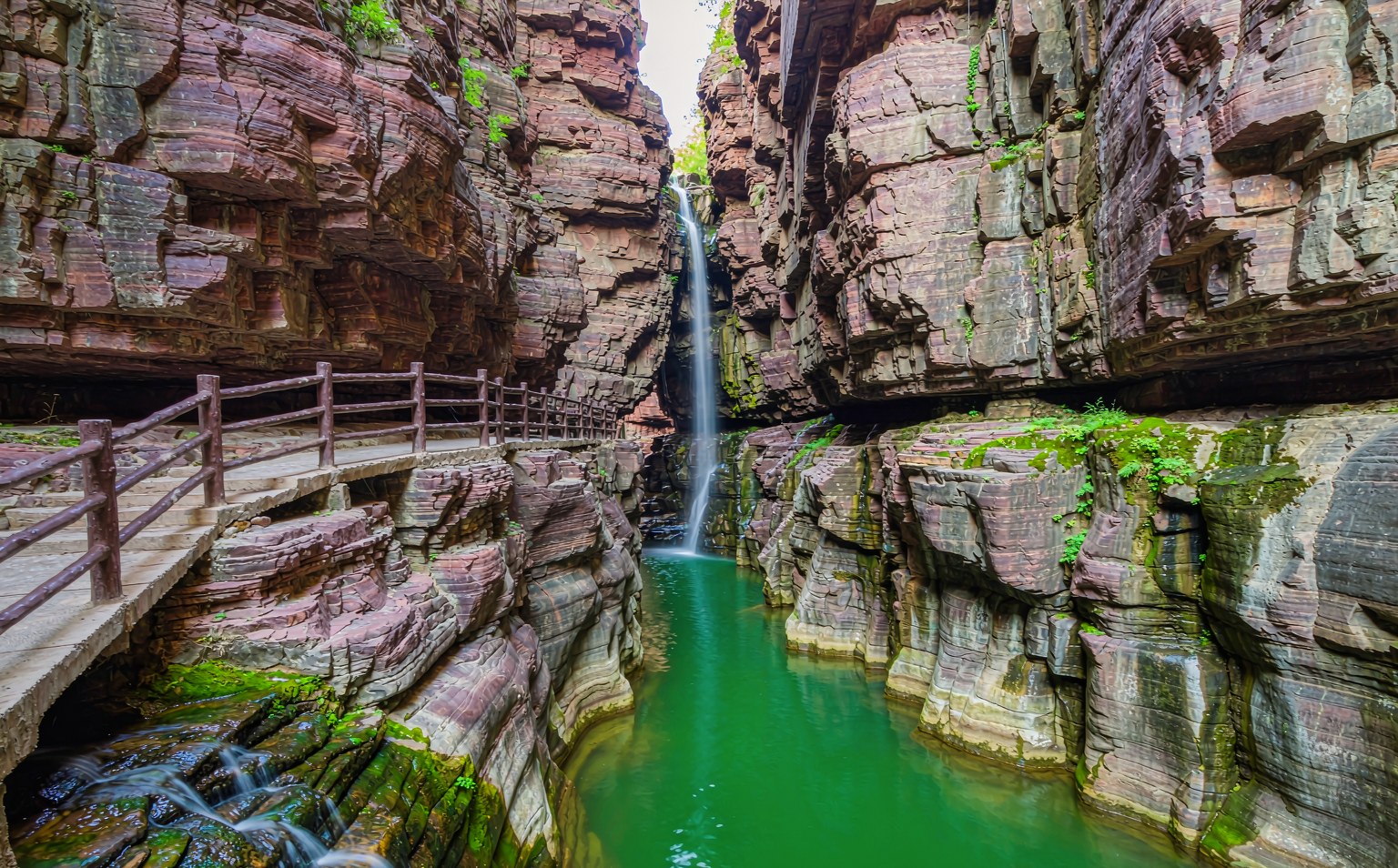
Four days from Luoyang linking three waters of the southern Taihang: the one way walkway of Red Stone Gorge, the lake and boats of Qingtianhe, and the ridge under a metre wide on Shennong Mountain. Nights stay in the village by the shuttle stop.
Luoyang Departure Longmen Grottoes and White Horse Temple 3 Days
Three days from Luoyang: the carved cliff of the west bank first, then the oldest official Buddhist temple in China, then the Ming and Qing halls of Guanlin. Both nights stay inside the old city, so the lantern street is a walk away.
Luoyang to Yuntai Mountain, Hongshi Gorge and Chenjiagou 5 Days
Five days from Luoyang. The Yuntai ticket at 120 yuan plus a 60 yuan shuttle pass stays valid for three days, enough for Hongshi Gorge, Tanpu Gorge and Zhuyu Peak. The fourth day turns south to Chenjiagou, the village where tai chi began.