
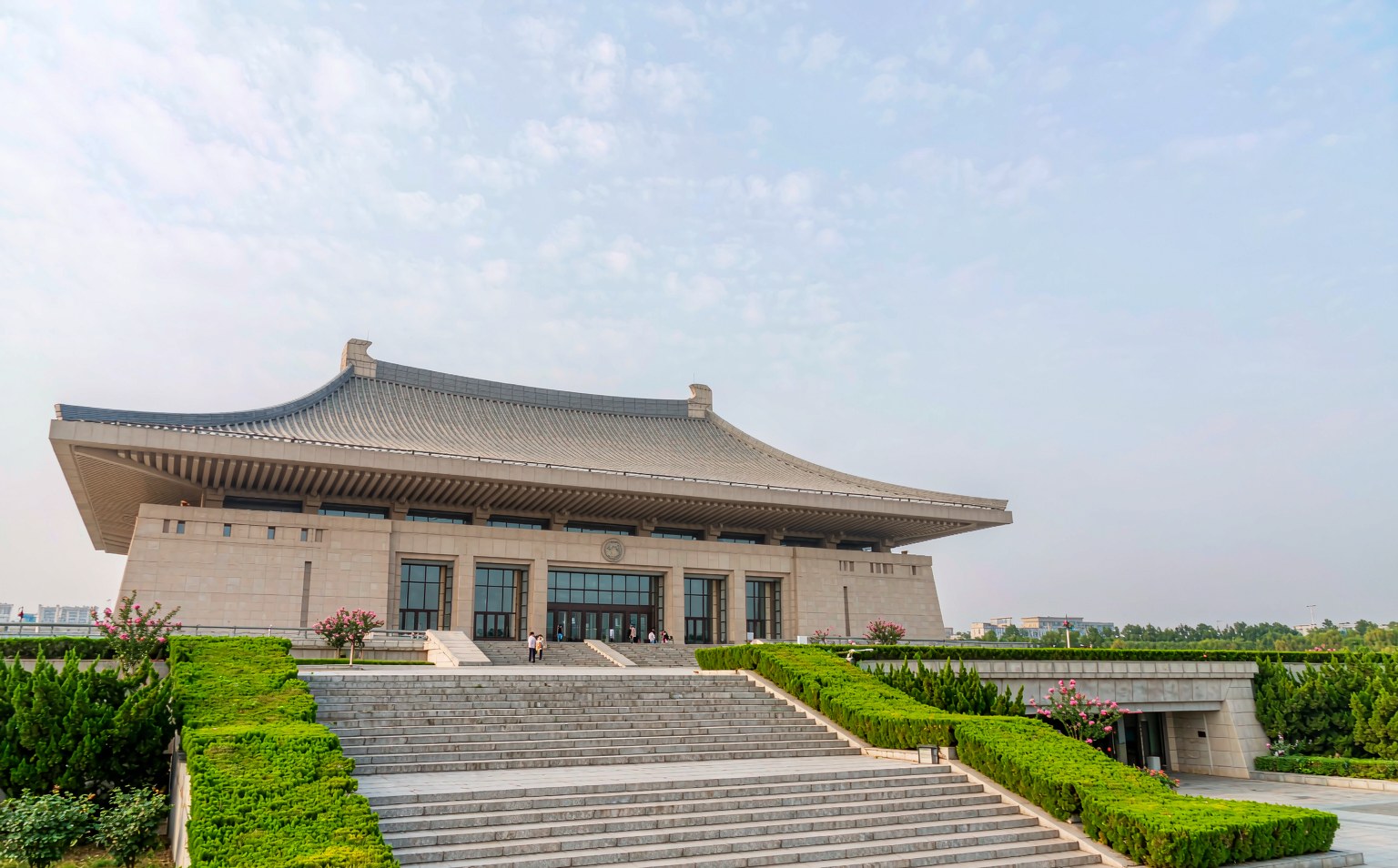
Anyang 6-Day Tour: Sui-Tang Luoyang City & Longmen Grottoes
Anyang 6-day tour covering Sui-Tang Luoyang City and Longmen Grottoes and White Horse Temple. Sightseeing tickets and shuttle bus included.
Highlights
Day 1: Sui-Tang Luoyang City
Leave the hotel early in the morning and go straight to Sui-Tang Luoyang City. First, listen to the tour guide explain the background and highlights, then explore freely at your own pace and take extra photos of spots you’re interested in. After lunch, rest for a while, then return to the hotel in the evening to save energy for the next day.
Attraction Introduction: This stop is at Sui-Tang Luoyang City. Sui-Tang Luoyang City National Heritage Park centers around Yingtian Gate, Mingtang, and Tiantang, recreating the grandeur of the palaces in the flourishing Tang Dynasty “Divine Capital” Luoyang. Yingtian Gate is the main south gate of Sui-Tang Luoyang City, imposing and majestic; by climbing the tower, you can overlook the central axis, and at night there is a stunning light show. Mingtang was the “Palace of Ten Thousand Phenomena” during Wu Zetian's reign, while Tiantang is a high tower for worship; the interiors of both buildings recreate the magnificent furnishings of Tang Dynasty palaces. The shores of Jiuzhou Pool are also worth a leisurely stroll, evoking the grandeur of the royal gardens in the past. This place is closely associated with films and TV series such as "Wu Zetian" and "The Wind Rises in Luoyang," and it has become one of the most popular Tang cultural destinations in Luoyang in recent years. My understanding is that it’s a must to visit at night—the lights of Yingtian Gate and Mingtang-Tiantang are how the “Divine Capital” should truly look when the lamps are first lit; you can see the palace interiors during the day and enjoy the light show at night, giving you two different experiences in one day.
Tips: The ancient capital offers abundant night-tour options, so keep warm and remember the meeting points for night outings. Visitors generally feel that most tourists think Sui-Tang Luoyang City is worth a special trip. It’s recommended to slow down, follow the guide’s explanations, and reserve time for the details that move you most and the best photo spots. Based on actual circumstances, when taking photos don’t just focus on getting good shots—pay attention to your surroundings and footing, and always stand steadily at observation decks or the edges of walkways.
Day 2: Longmen Grottoes
Today's visit is to Longmen Grottoes. It's recommended to allow at least half a day: you can link the main cave of the Western Hills, the viewing platform of the Eastern Hills, and the Baiyuan area of Xiangshan Temple in one go, and follow the guide to understand the stories of the Northern Wei and the flourishing Tang dynasty behind the stone carvings; return in the evening to rest.
Attraction Introduction: A highlight arranged in the itinerary is Longmen Grottoes. Longmen Grottoes was carved on the cliffs along both sides of the Yi River south of Luoyang city, continuously constructed since Emperor Xiaowen of Northern Wei moved the capital to Luoyang, and continued through the Eastern Wei, Western Wei, Northern Qi, Sui, Tang, and other dynasties. Currently, there are more than 2,300 caves and niches, over 100,000 statues, and more than 2,800 inscribed steles. The most impressive is the Vairocana Buddha of Fengxian Temple, over 17 meters tall, with a plump face and compassionate eyes, said to have been modeled after Wu Zetian's appearance, representing the pinnacle of stone carving art in the flourishing Tang period. Together with Dunhuang Mogao Caves and Datong Yungang, it is known as one of China's three major grottoes and is also a World Cultural Heritage site. When visiting, walk south along the Yi River trail from the Western Hills grotto; Bin Yang's Three Caves, the Ten Thousand Buddhas Cave, and the Lotus Cave each have their highlights. Cross the bridge to the Eastern Hills worship platform to get a panoramic view. My understanding is, in the morning, first visit the main caves of the Western Hills to carefully appreciate the giant Buddha when there are fewer people, and in the afternoon go to the Eastern Hills viewing platform for a distant view; lighting and angles are best for photos. Walking along both sides of the Yi River involves retracing your steps, so a pair of comfortable shoes can save a lot of effort.
Tips: Visiting the grottoes mainly involves walking and climbing stairs, so it is recommended to wear non-slip comfortable shoes and travel light; pay attention to your footing along the Yi River. Visitors generally report that most feel the Vairocana Buddha is most impressive, the sunset at Western Hills provides the best light for photos; walking along both sides of the Yi River requires going back the same way, so comfortable shoes and at least half a day are recommended. Depending on actual conditions, for taking photos, go early in the morning or late in the afternoon — mornings have fewer people and soft light, evenings have golden light, while noon is crowded and the light is flat, so saving that time for rest is more worthwhile.
Day 3: White Horse Temple
Morning visit: Starting from the Shanmen Gate and the Hall of Heavenly Kings to the Great Buddha Hall along the central axis for a detailed look, then to the Qiyun Pagoda Courtyard; at noon, try local dishes. In the afternoon, visit Buddhist halls in Myanmar and Indian styles to experience the exotic charm of this thousand-year-old temple.
Attraction Introduction: A highlight arranged in the itinerary is White Horse Temple, located in the east of Luoyang city. It was first built during the Yongping era of the Eastern Han Dynasty to commemorate the white horse carrying the Buddhist scriptures and the initial transmission of Buddhism to the Central Plains. It is honored as "China's first ancient temple" and is the first official temple built after Buddhism was introduced to China. Within the temple, the Qiyun Pagoda Courtyard, the Great Buddha Hall, and the Hall of Heavenly Kings are laid out along the central axis, with incense burning amid red walls and green cypress trees for over two thousand years. Notably, the temple also has Buddhist halls built with donations from Myanmar, Thailand, India, and other countries in exotic styles, showcasing the unique landscape of Buddhism's eastward transmission and return. My understanding is to first see the main halls along the central axis when entering the temple, then circle to the Qiyun Pagoda Courtyard, and finally visit the side exotic halls to experience cultural integration; visiting early in the morning when there are fewer people is most poetic, with the morning light shining on the red walls and ancient cypresses, and it also avoids the peak hours of tour groups.
Tips: The temple has many stone steps and thresholds, so do not step on the thresholds; when worshiping, follow the order and avoid pushing. Visitors generally report that the exotic-style halls (Thai/Myanmar/Indian courtyards) are very photogenic and surprisingly spacious. Note that the international temple area requires a fair amount of walking, so save some energy. In practice, on long journeys, dehydration is a concern; carry a water bottle and drink small amounts frequently. When arriving at highlands or mountainous areas, do not spend too long washing hair or bathing on the first night to give your body some time to adapt.
Related Tours
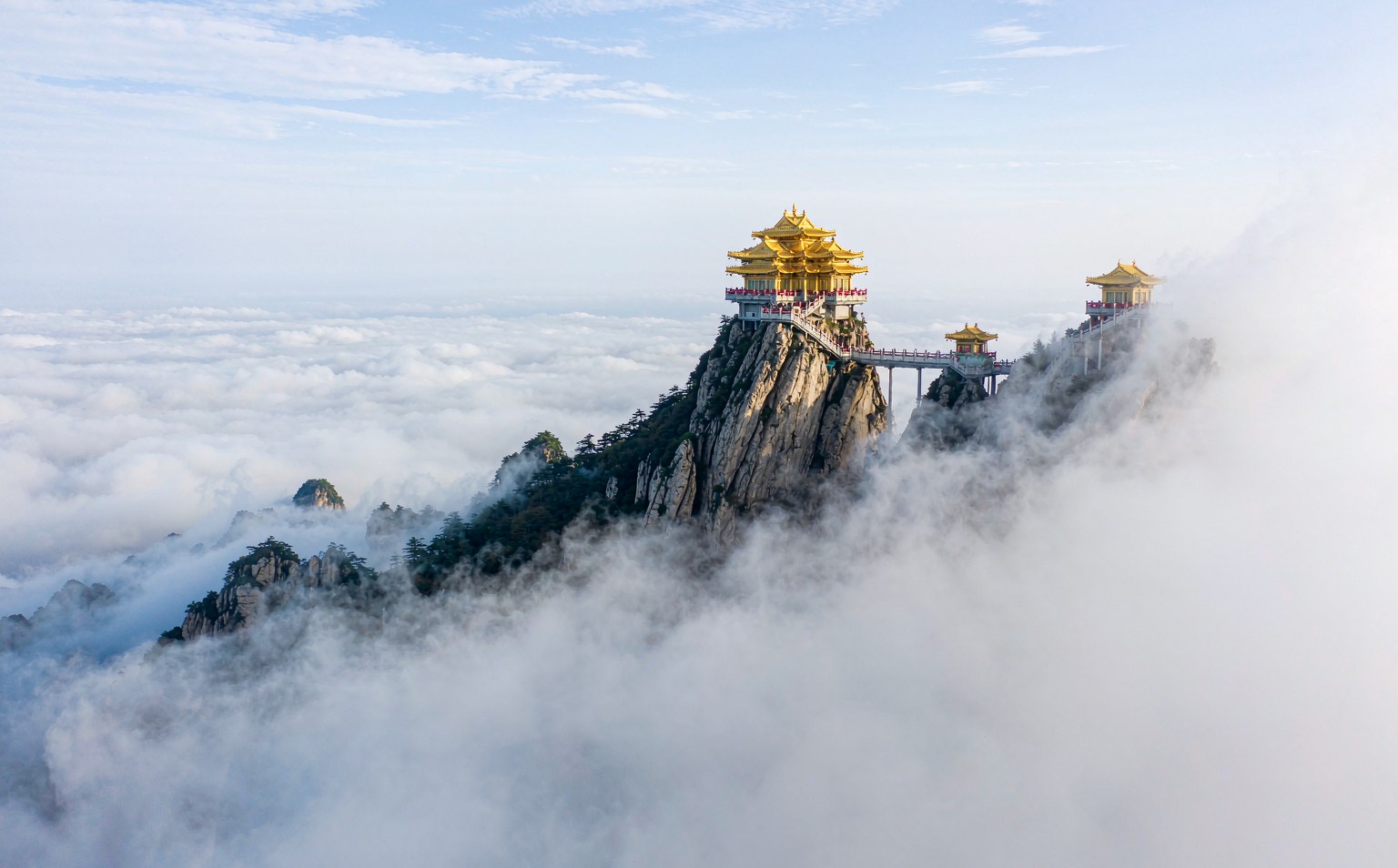
Luoyang Departure Laojun Mountain and Longywan 3 Days
Three days from Luoyang: the first evening waiting below the golden summit for the lamps, the second climbing early for cloud, then a slow afternoon along the nine bends of Longywan. The ticket holds two days, so the mountain is never rushed.
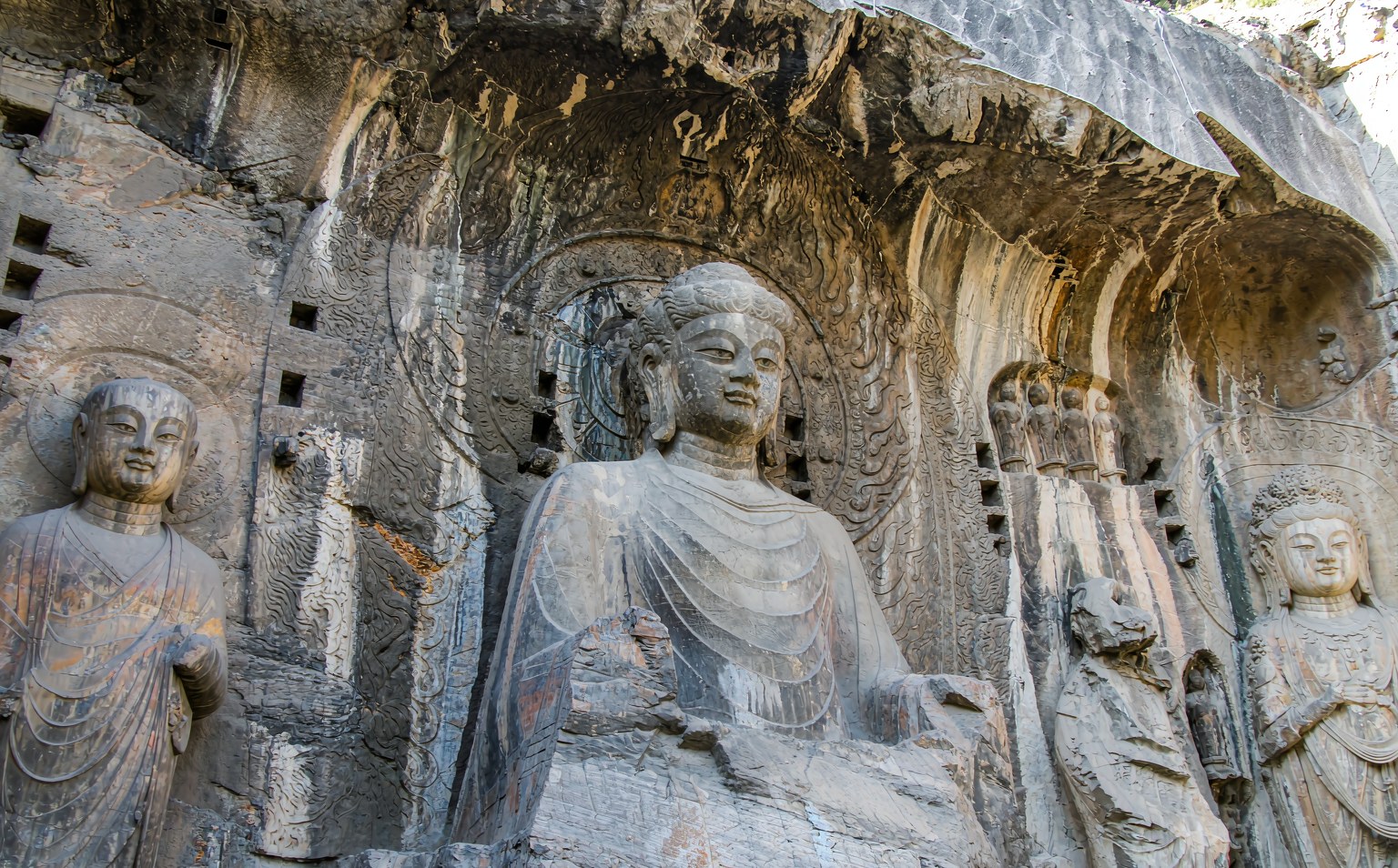
Luoyang Departure Longmen Grottoes and White Horse Temple 3 Days
Three days from Luoyang: the carved cliff of the west bank first, then the oldest official Buddhist temple in China, then the Ming and Qing halls of Guanlin. Both nights stay inside the old city, so the lantern street is a walk away.
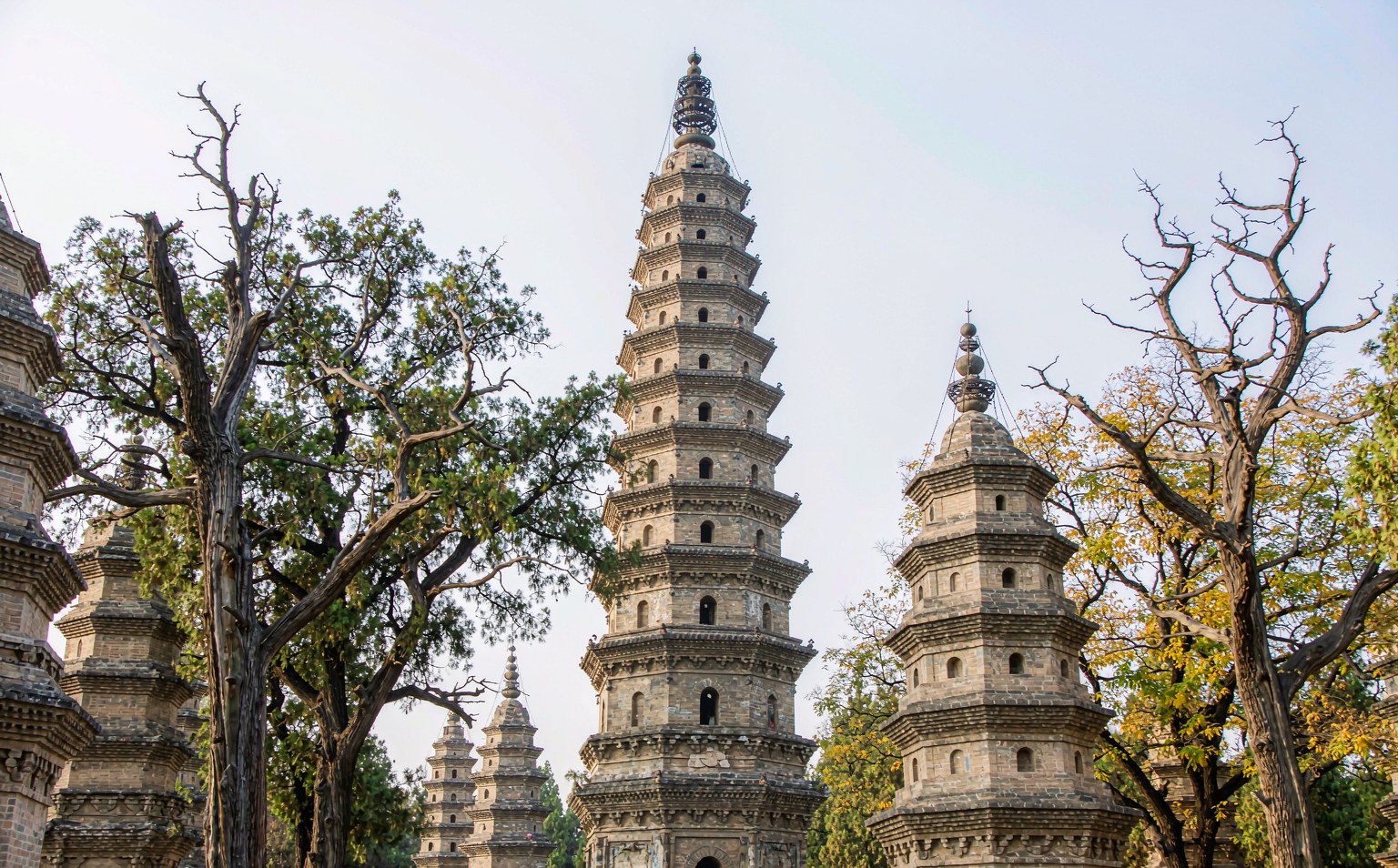
Luoyang to Shaolin Temple, Sanhuangzhai and Songyang Academy 5 Days
Five days from Luoyang. Songshan has two massifs, Taishi and Shaoshi: the Shaolin Temple and Sanhuangzhai sit on one, the Songyang Academy and Zhongyue Temple on the other. The 80 yuan Shaolin ticket already covers Sanhuangzhai.
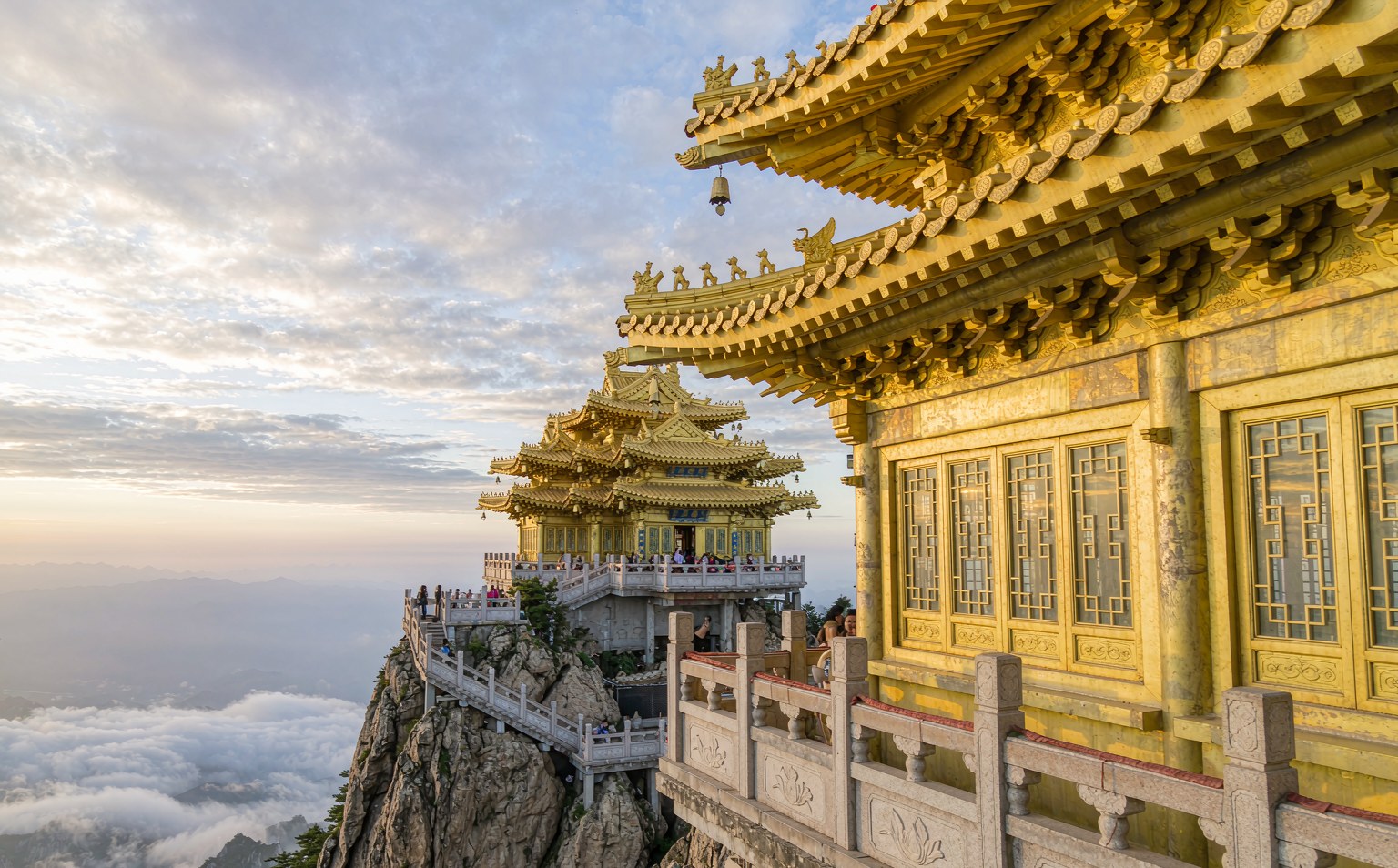
Luoyang to Laojunshan, Chongdugou, Jiguan Cave and Yangzigou 6 Days
Six days from Luoyang. The Laojunshan ticket stays valid for two days, so the golden summit comes first and a second climb chases the morning cloud sea. Jiguan Cave runs 1,800 metres at a constant 18 degrees, and Chongdugou still has green bamboo in November.