
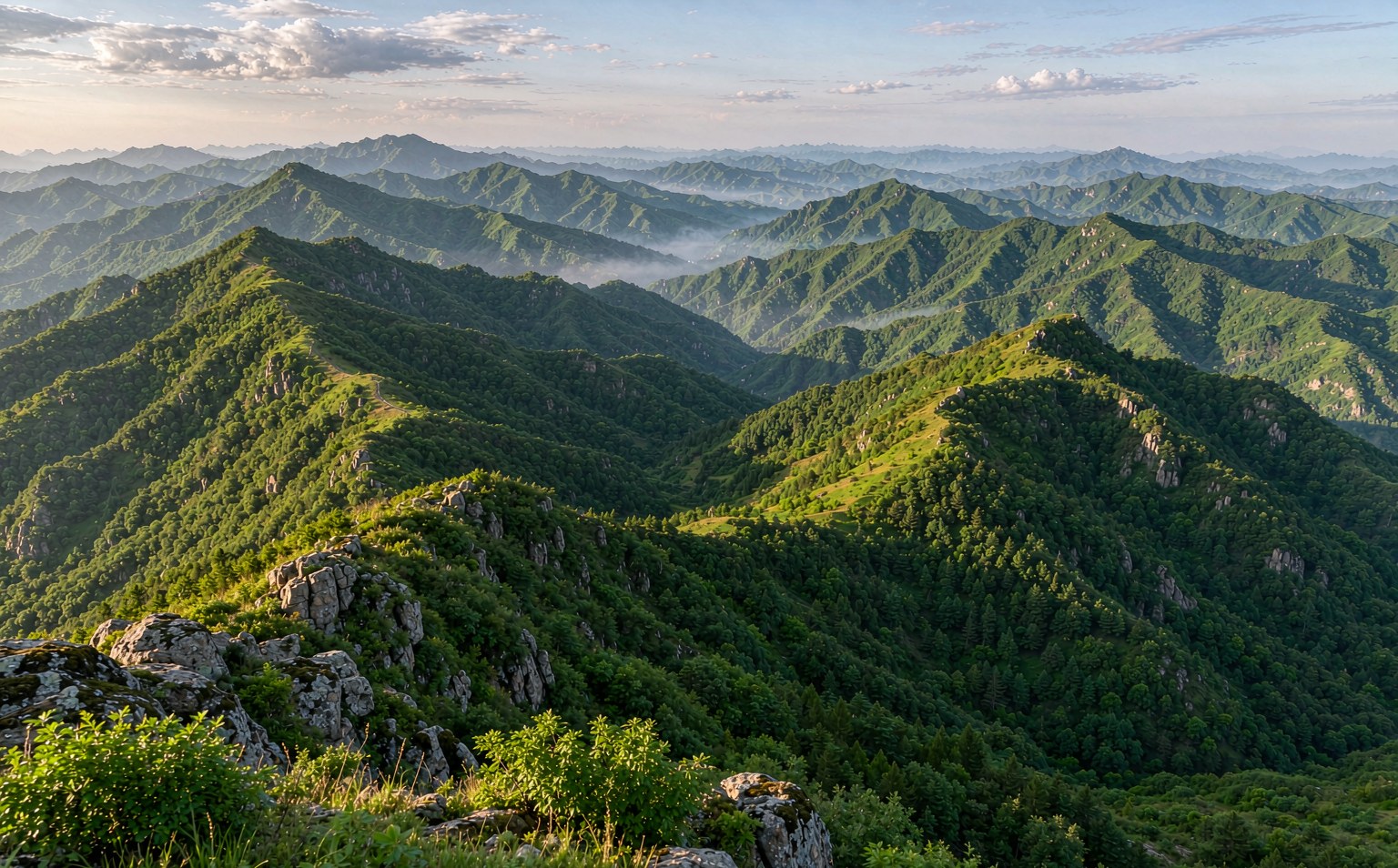
Luoyang 6-Day Tour: Chongdu Valley & White Horse Temple
Luoyang 6-day tour covering Chongdu Valley and White Horse Temple and Jiguan Cave. Sightseeing tickets and shuttle bus included.
Highlights
Day 1: Chongdugou
Morning tour Chongdugou, watching bamboo forests and waterfalls along Jinji River and Dicui River; Have wild vegetables and farmhouse meals at noon, and stroll through western Henan villages in the afternoon, enjoying the coolness of a Jiangnan water town.
Attraction introduction: This stop is Chongdugou. Chongdugou is located in Luanchuan, famous for its vast bamboo forests, waterfalls, and the agricultural charm of western Henan. It is one of the few "Jiangnan water town" style summer leisure spots in Henan. The scenic area is divided into Jinji River and Dicui River. Jinji River is famous for its clusters of waterfalls, with splashing water that is cool and pleasant; Dicui River is a continuous bamboo forest, with lush greenery stretching through. Here, you can stay in farmhouses, taste wild vegetables, and experience authentic mountain village life in western Henan. The pace is relaxed, making it especially suitable for family trips and summer vacations. My understanding is that slowing down the pace and not rushing to see attractions — walking through the bamboo forest or sitting by the stream is the right way to experience Chongdugou; Summer is the most comfortable, so cool you don't want to walk.
Friendly reminder: Signal in the canyon may be poor. Agree on the meeting point with the guide in advance and don't go alone. Visitors generally report that most think Chongdugou is worth a special trip. It's recommended to slow down and follow the guide to listen to the explanation, saving time for the most impressive details and the most photogenic camera spots. Based on actual circumstances, be punctual. Gather five to ten minutes early. Better to wait for the bus than for the car—don't make everyone wait for you.
Day 2: White Horse Temple
Enter White Horse Temple early and take advantage of the morning light to quietly explore among the red walls and green cypresses, focusing on the Qiyun Pagoda and two exotic Buddhist halls; In the afternoon, have free time; you can take photos of the central axis camera position, then return to the hotel in the evening.
Attraction introduction: One highlight of the itinerary is White Horse Temple, located east of Luoyang city. It was first built during the Yongping era of the Eastern Han Dynasty to commemorate the White Horse Carrying Scriptures and the early introduction of Buddhism to the Central Plains. It is honored as "China's First Ancient Temple" and the first government-run temple built after Buddhism was introduced to China. Inside the temple, the Qiyun Pagoda Courtyard, the Great Buddha Hall, and the Heavenly King Hall are arranged along the central axis, with red walls and green cypress trees where incense offerings have continued for over two thousand years. It is worth mentioning that the temple also features exotic-style Buddhist halls donated by countries such as Myanmar, Thailand, and India, showcasing the unique landscape of Buddhist culture flowing eastward and backward. My understanding is that when entering the temple, first see the main hall along the central axis, then circle around to the Qiyun Pagoda Courtyard, and finally visit the foreign Buddhist halls on both sides to experience cultural fusion; Come early in the morning when there are fewer people; the sunlight shining on the red walls and ancient cypress trees creates the most poetic atmosphere, and you can also avoid the peak of tour groups.
Friendly reminder: Please keep quiet and dress neatly when entering the temple. Generally, no photography or touching ritual objects inside the hall. Celebrate the merit. Visitors generally report that the foreign style Buddhist halls (Thai/Burmese/Seal Temple) have a high photo rate and feel more spacious than expected; Remind the international temple area to be quite far on foot, so leave some footlight. Based on actual conditions, don't just focus on taking photos; pay attention to your footing and the surrounding environment. Be sure to stand firmly at the edge of the viewing platform and boardwalk.
Day 3: Jiguan Cave
Today's Jiguan Cave Geological tour, followed by explanations to understand the causes of karst caves and the wonders of stalactites; In the afternoon, you can also visit the surrounding area and rest in the evening.
Attraction introduction: Today's itinerary includes Jiguan Cave attractions. Jiguan Cave is the karst cave in Luanchuan, where stalactites in the cave are varied in shape. Stalagmites, pillars, and stone flowers transform into magnificent colors under the lights, maintaining a pleasant temperature year-round and staying warm in winter and cool in summer. The cave is densely packed with scenic spots, with changing views as you walk. With explanations, you can understand the wonders of geological changes over hundreds of millions of years. It complements Longtan Grand Canyon with a cave and a gorge, forming a classic geological wonder route in western Henan. My understanding is that when entering the cave, remember to follow the guide. The formation and naming of stalactites are quite interesting, and it's easy to miss the highlights when you watch on your own; The cave floor is slippery and some areas are low; wear non-slip shoes and watch your head.
Friendly reminder: The mountain area has large temperature differences between morning and evening, and the wind at the summit is strong. A windproof jacket and warm inner layer are very necessary. Visitors generally report that Jiguan Cave is worth a special trip. It is recommended to slow down and follow the guide to listen to the explanation, saving time for the most impressive details and photogenic camera angles. Depending on the situation, shoot early or late—early mornings with few people and soft light, golden glow at dusk for best photos; noon peak light is cramped and flat, so it's more cost-effective to rest.
Related Tours
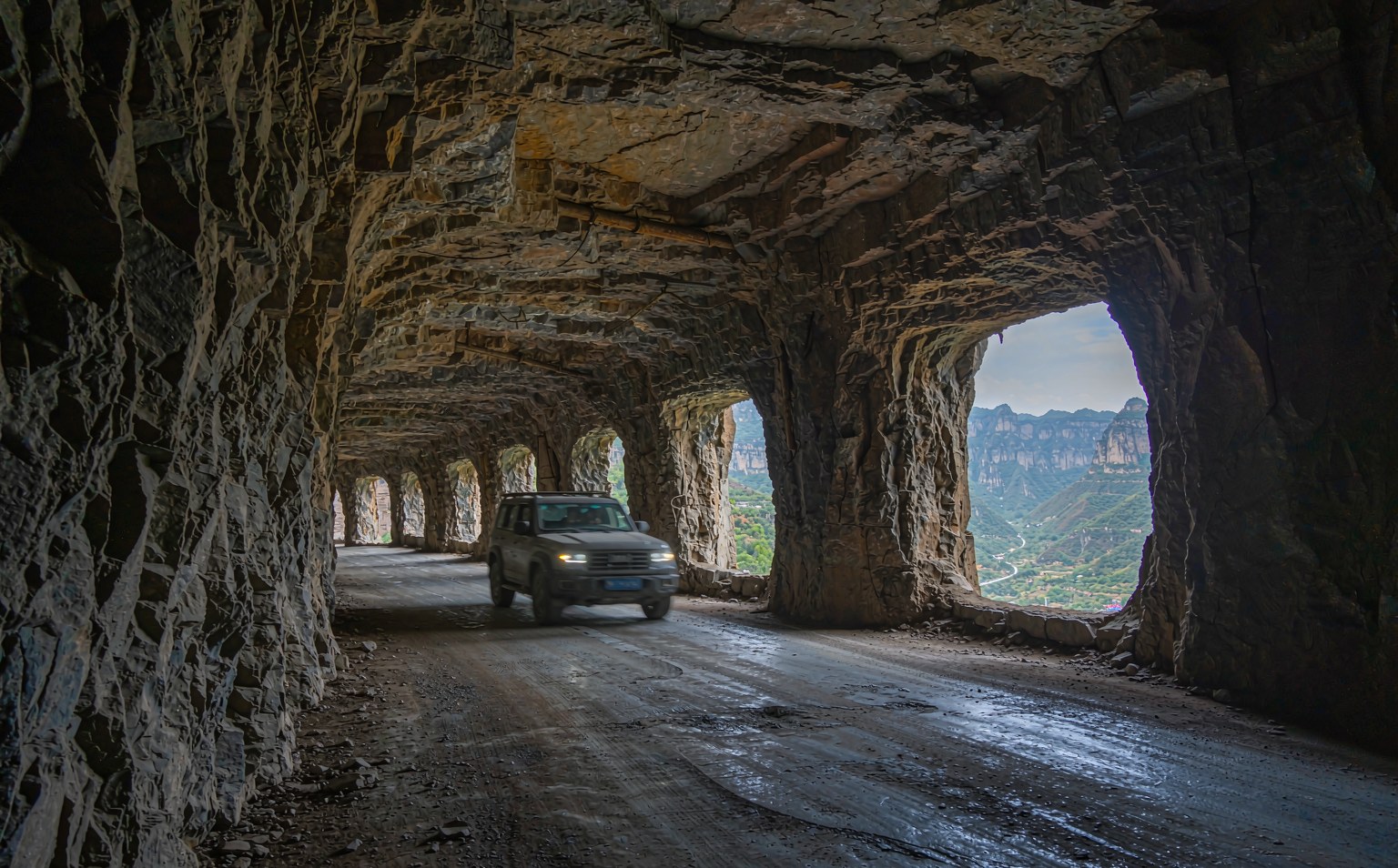
Luoyang to Wanxianshan, Guoliang Village and Baligou 6 Days
Six days from Luoyang. The Baligou ticket at 120 yuan covers Baligou, Jiulianshan and Tianjieshan for three days. Then the trip moves to Wanxianshan, where the Guoliang cliff road runs 1,250 metres with 35 windows, begun in 1972 and opened in 1977.
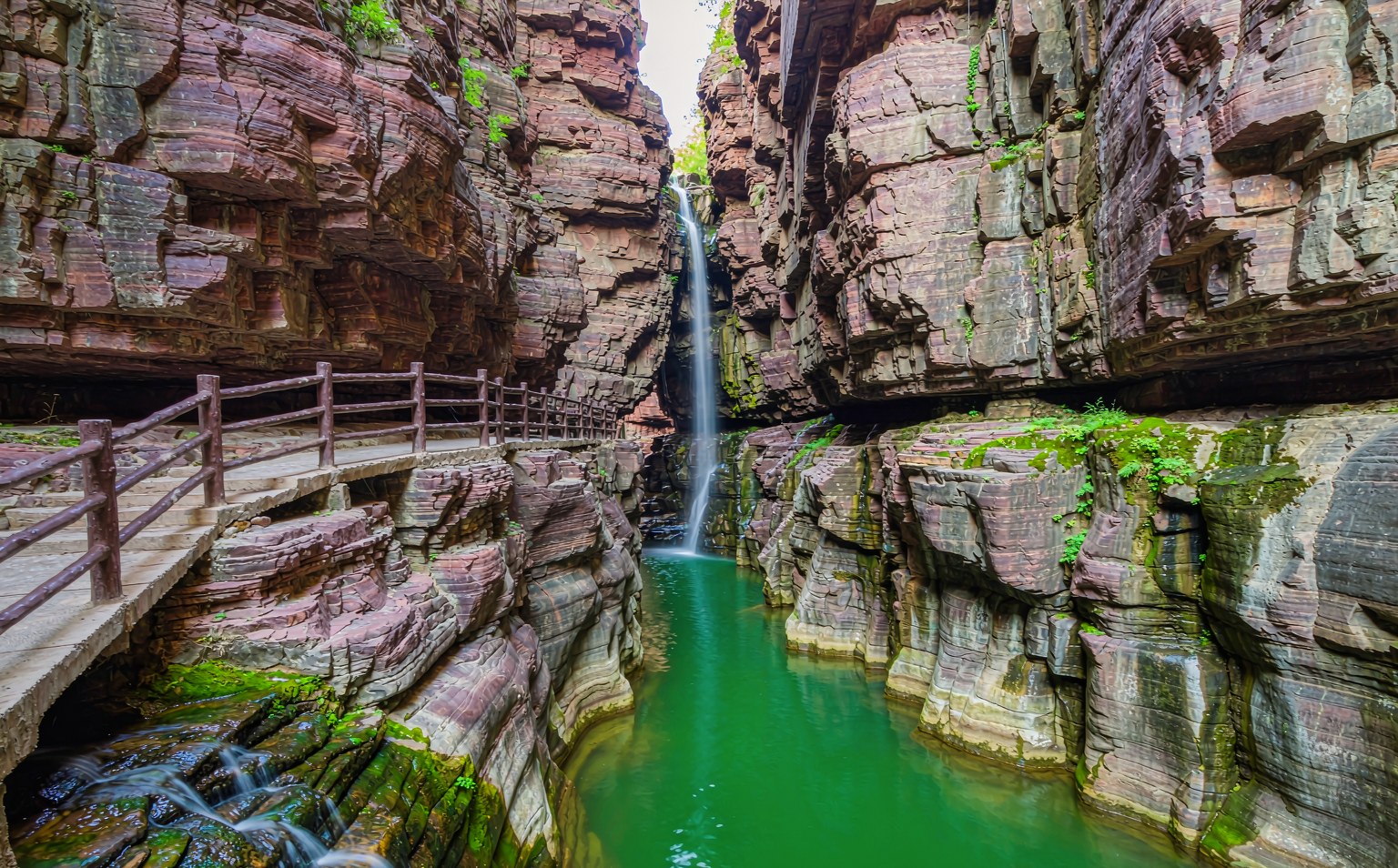
Luoyang to Yuntai Mountain, Hongshi Gorge and Chenjiagou 5 Days
Five days from Luoyang. The Yuntai ticket at 120 yuan plus a 60 yuan shuttle pass stays valid for three days, enough for Hongshi Gorge, Tanpu Gorge and Zhuyu Peak. The fourth day turns south to Chenjiagou, the village where tai chi began.
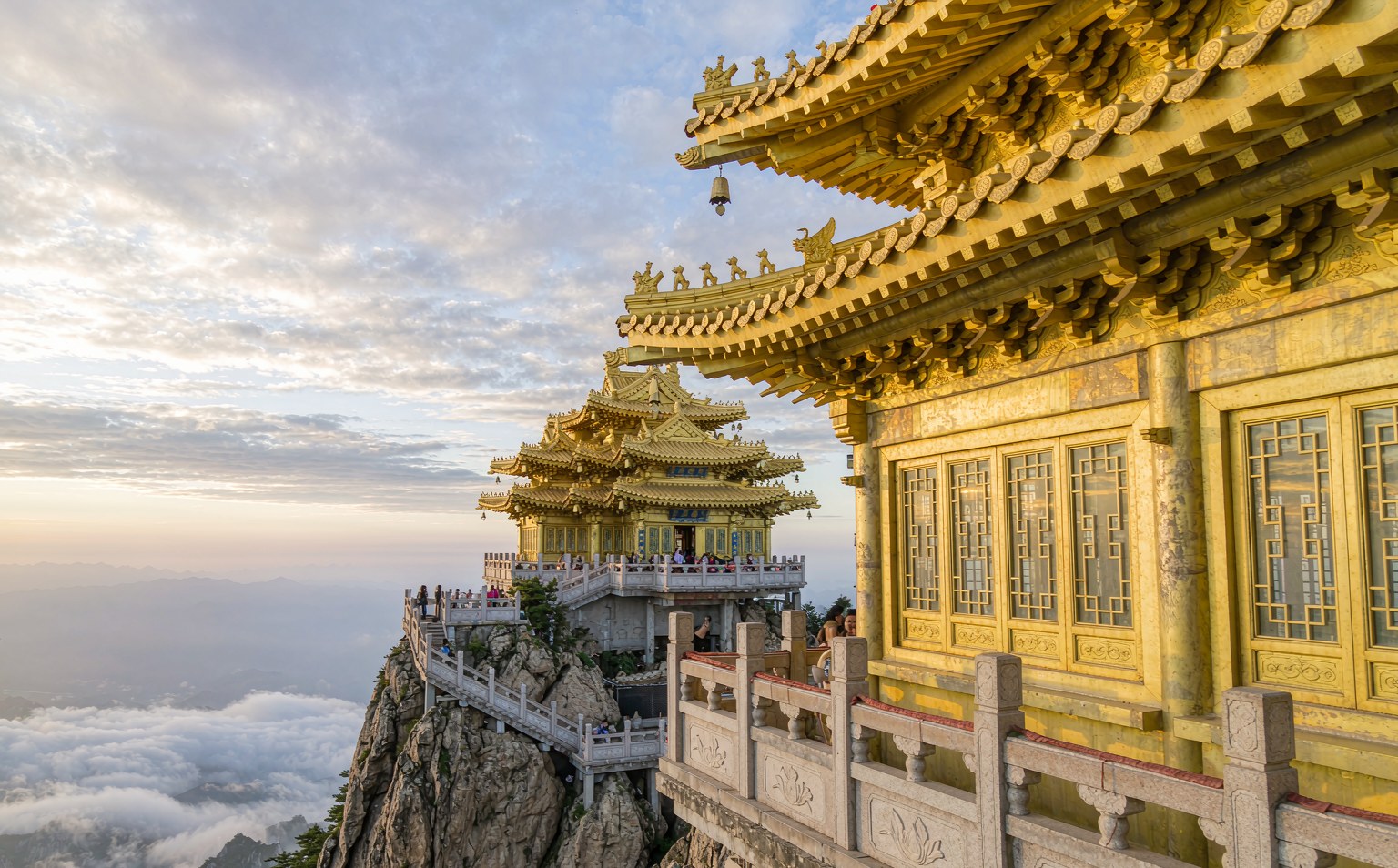
Luoyang to Laojunshan, Chongdugou, Jiguan Cave and Yangzigou 6 Days
Six days from Luoyang. The Laojunshan ticket stays valid for two days, so the golden summit comes first and a second climb chases the morning cloud sea. Jiguan Cave runs 1,800 metres at a constant 18 degrees, and Chongdugou still has green bamboo in November.
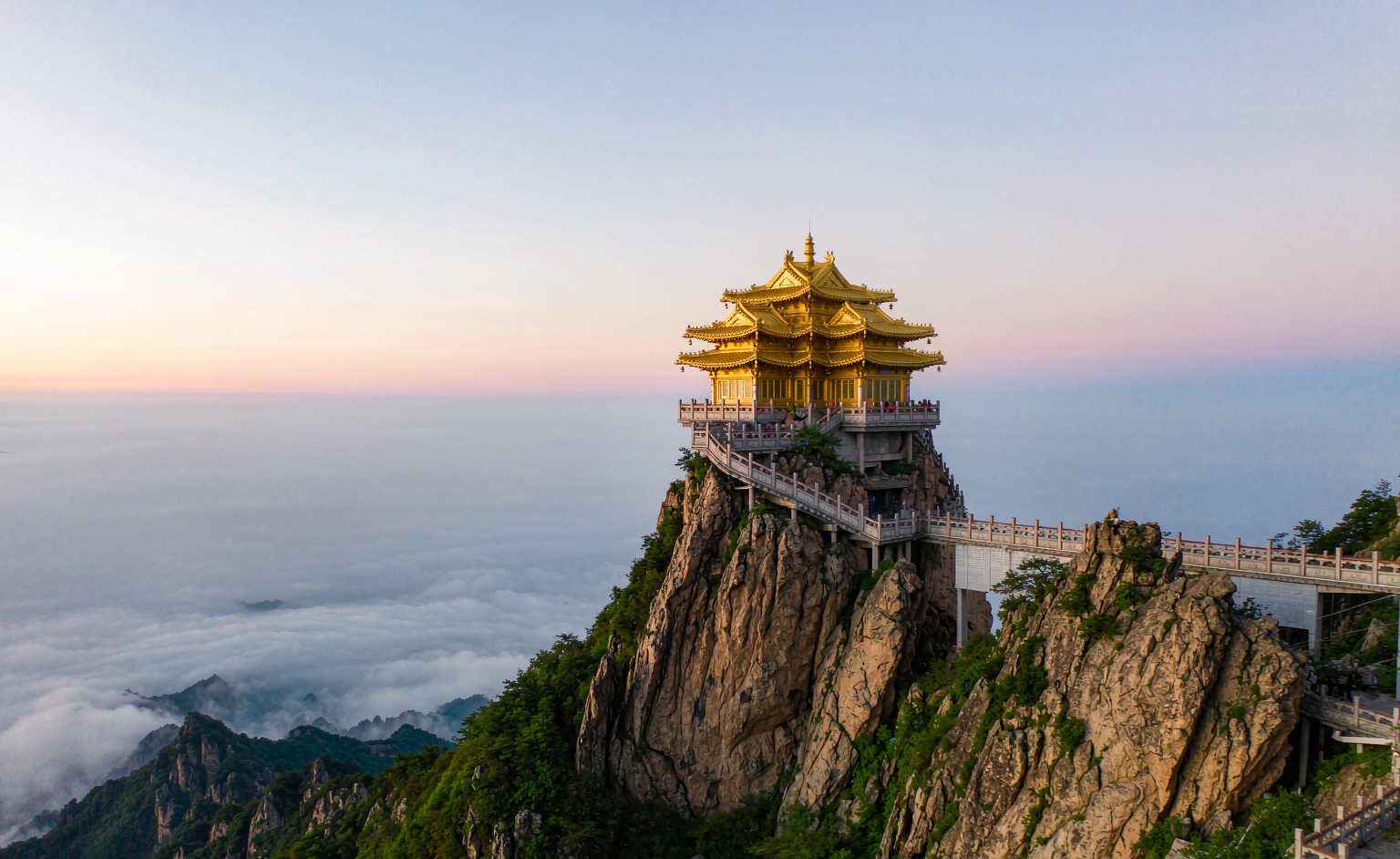
Luoyang Departure: Laojun Mountain, Jiguan Cave and Longtan Canyon, 5 Days 4 Nights
Five days from Luoyang. The Laojun Mountain ticket holds for two days, so the mountain is climbed twice: the painted rock forest first, then the summit to wait for the lamps. The second half runs west to Xinan, through a cave that stays at 18 degrees and a red gorge cut by water.