
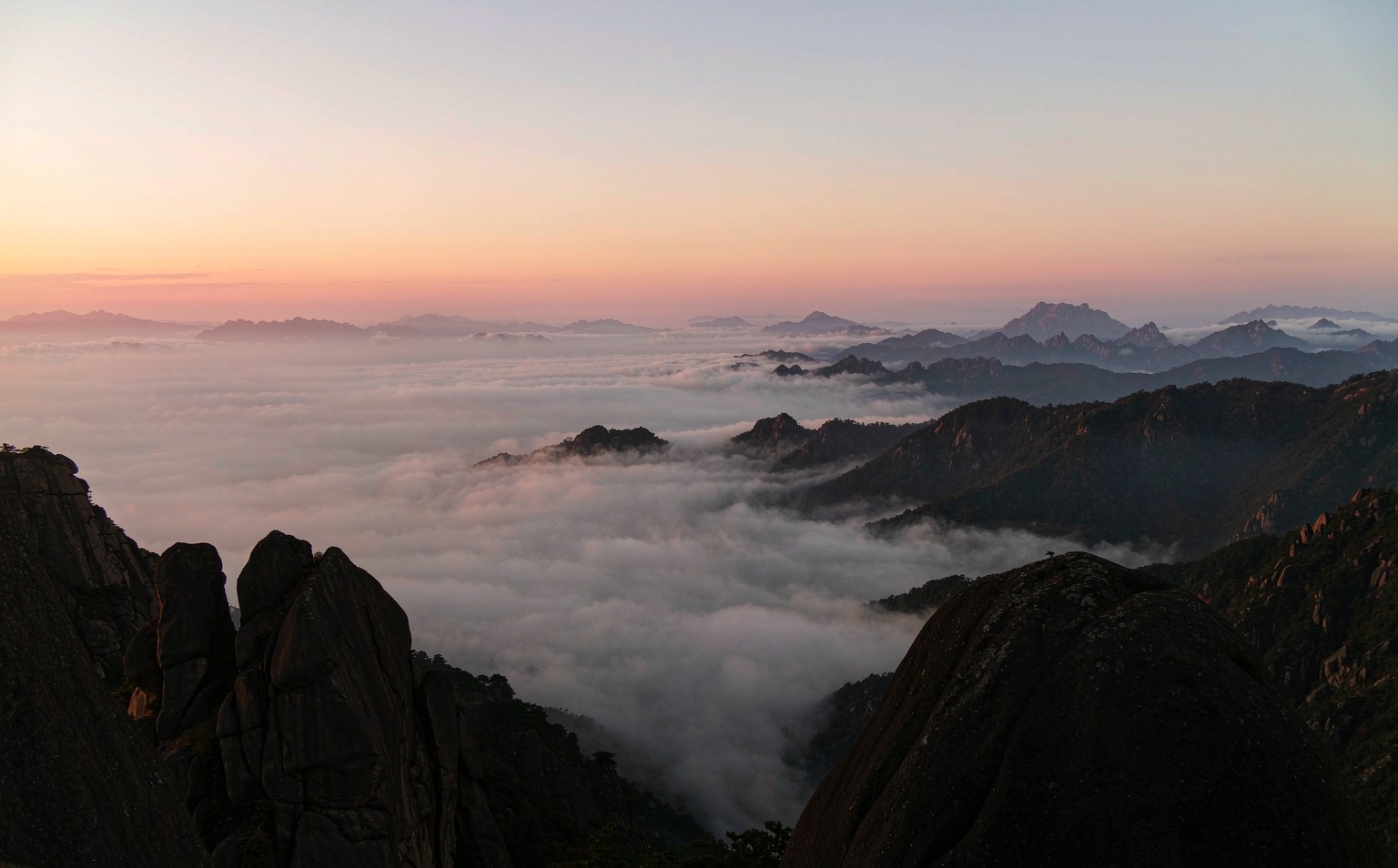
Jiaozuo 4-Day Tour: Scenic Area & Yuntai Mountain
Jiaozuo 4-day tour covering Scenic Area and Yuntai Mountain and Wanxianshan. Sightseeing tickets and shuttle bus included.
Highlights
Day 1: Mount Song
Assemble in the morning and set off for Mount Song, following the main route with the guide to explore all the key points, leaving ample time for photography and rest; at noon, enjoy a local specialty meal, then continue exploring in the afternoon, and check in at the hotel in the evening to recharge for the next day's activities.
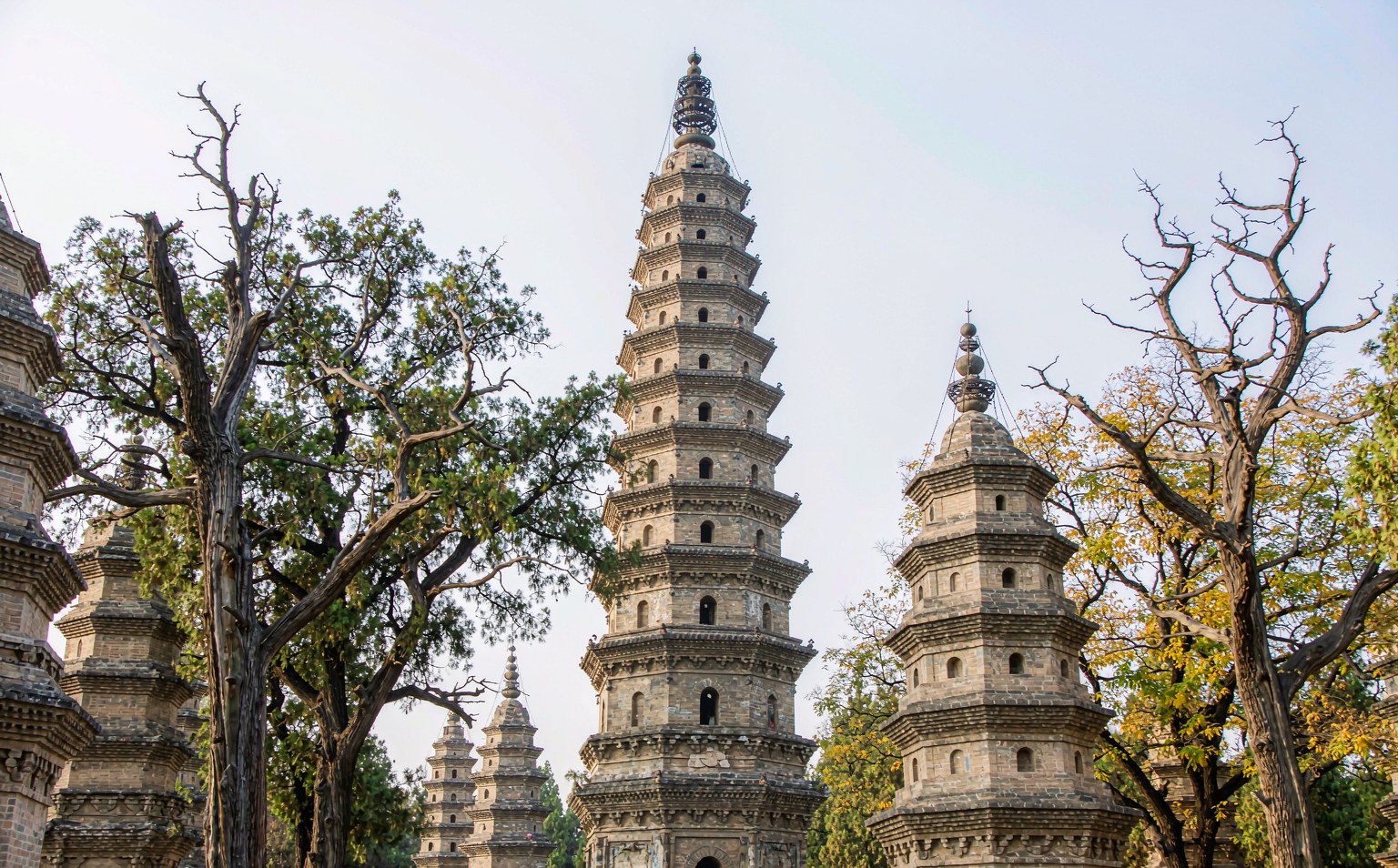
Attraction Introduction: A highlight arranged in the itinerary is Mount Song. Mount Song is the Central Mountain among the Five Great Mountains, with its main area located in Dengfeng City, divided into Taishi and Shaoshi Mountains, with the main peak, Junji Peak, reaching about 1,492 meters above sea level. What makes it particularly special is the coexistence of Confucianism, Buddhism, and Taoism on the same mountain for over a thousand years: Songyang Academy was a center of Neo-Confucianism during the Song Dynasty, where the famous story of "Chengmen Lixue" took place; Zhongyue Temple is one of the largest and best-preserved temple complexes among the Five Great Mountains; the Guoxing Platform in Gaocheng Town was constructed under the supervision of Guo Shoujing in the Yuan Dynasty and is one of the oldest surviving astronomical observation buildings. In 2010, the historical architectural complex representing "The Center of Heaven and Earth," including Songyang Academy, Zhongyue Temple, Songyue Temple Pagoda, Shaolin Temple Permanent Residence, the Pagoda Forest, Chuzu Nunnery, and Guoxing Platform, was inscribed on the World Heritage List. My understanding is that on the first day there is no need to see everything—first visit the academy and Zhongyue Temple to understand the ritual context of "The Center of Heaven and Earth," and save your energy for climbing later; if time allows, watching the sunset from the plank path of Sanhuang Fortress on Shaoshi Mountain in the evening is the most photogenic part of the trip.
Tips: Temperature differences in the mountains are significant in the morning and evening, and the wind is strong at the summit, so a windproof jacket and warm inner layers are necessary. Visitors generally feedback that most people think Mount Song is worth going specially, and it is recommended to slow down, listen to the guide's explanations, and allow time for the details that touch you the most and the most photogenic spots. Depending on your situation, when taking photos, do not focus only on getting good shots; pay attention to your footing and surroundings, and make sure to stand securely at viewing platforms and plank path edges.
Day 2: Yuntai Mountain
Early in the morning, take advantage of the cool weather to first visit Hongshi Gorge and Tanpu Gorge, to experience the wonder of water flowing uphill; in the afternoon, you can take the cable car up to Zhuyu Peak to overlook the Taihang Mountains, and descend in the evening.
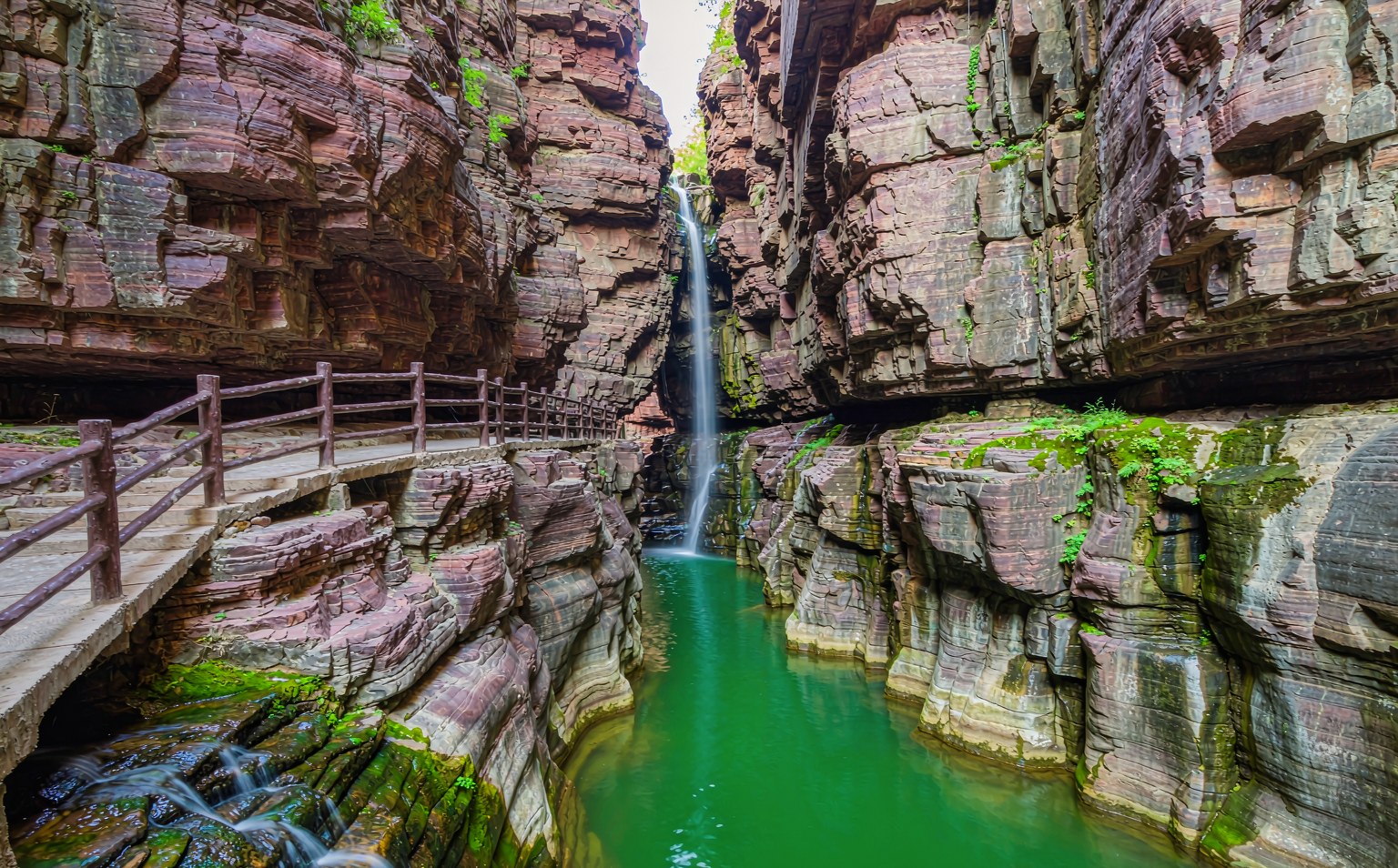
Attractions introduction: Today's itinerary includes several attractions, located in Xiuwu. It is one of the first batch of World Geoparks, famous for the red cliffs and emerald waters of Hongshi Gorge, the waterfalls and streams of Tanpu Gorge, the 'Asia's tallest waterfall' Yuntai Tian Waterfall in Quanpu Gorge, and the sea of clouds sunrise at Zhuyu Peak. It represents the most iconic mountains and waters of the southern Taihang foothills. Hongshi Gorge is the essence of the essence, a 2-kilometer-long red quartz sandstone canyon with winding turquoise waters at the valley bottom and crimson cliffs like rosy clouds; Zhuyu Peak is famous because of the Tang Dynasty poet Wang Wei's poem 'Planting zhuyu everywhere, only one person is missing.' Taking the cable car to the top offers a panoramic view of the Taihang peaks. Shuttle buses link various spots within the scenic area, the trails are gentle, making it suitable for family outings. In my understanding, one day is not enough to cover everything, so it's best to prioritize Hongshi Gorge and Monkey Valley as the core spots, and allow enough time for the long shuttle bus queues; summer is cool and suitable for water activities, while autumn is adorned with colorful foliage, each season offers its own charm.
Tips: The mountain roads are often slippery, especially when going downhill, pay attention to shifting your center of gravity back and slowing your pace; a pair of knee pads is advisable. Visitors generally recommend that Hongshi Gorge is recognized as the most photo-worthy section, and the sea of clouds at Zhuyu Peak is also worth seeing; note that shuttle bus queues are long, so prioritize Hongshi Gorge and Monkey Valley if you cannot cover everything in one day. Considering actual conditions, the best times for photography are early morning or late afternoon—fewer people and soft light in the morning, golden glow at dusk most picturesque, while noon has harsh light and crowded conditions, so it's better to rest during that time.
Day 3: Wanxian Mountain
Today's theme is Wanxian Mountain. Avoid peak crowds and enter the park during off-peak times, follow the recommended route for an in-depth tour; enjoy local cuisine nearby at noon, have free time in the afternoon or join the guide for additional sightseeing, and stay at a hotel in the evening to rest.
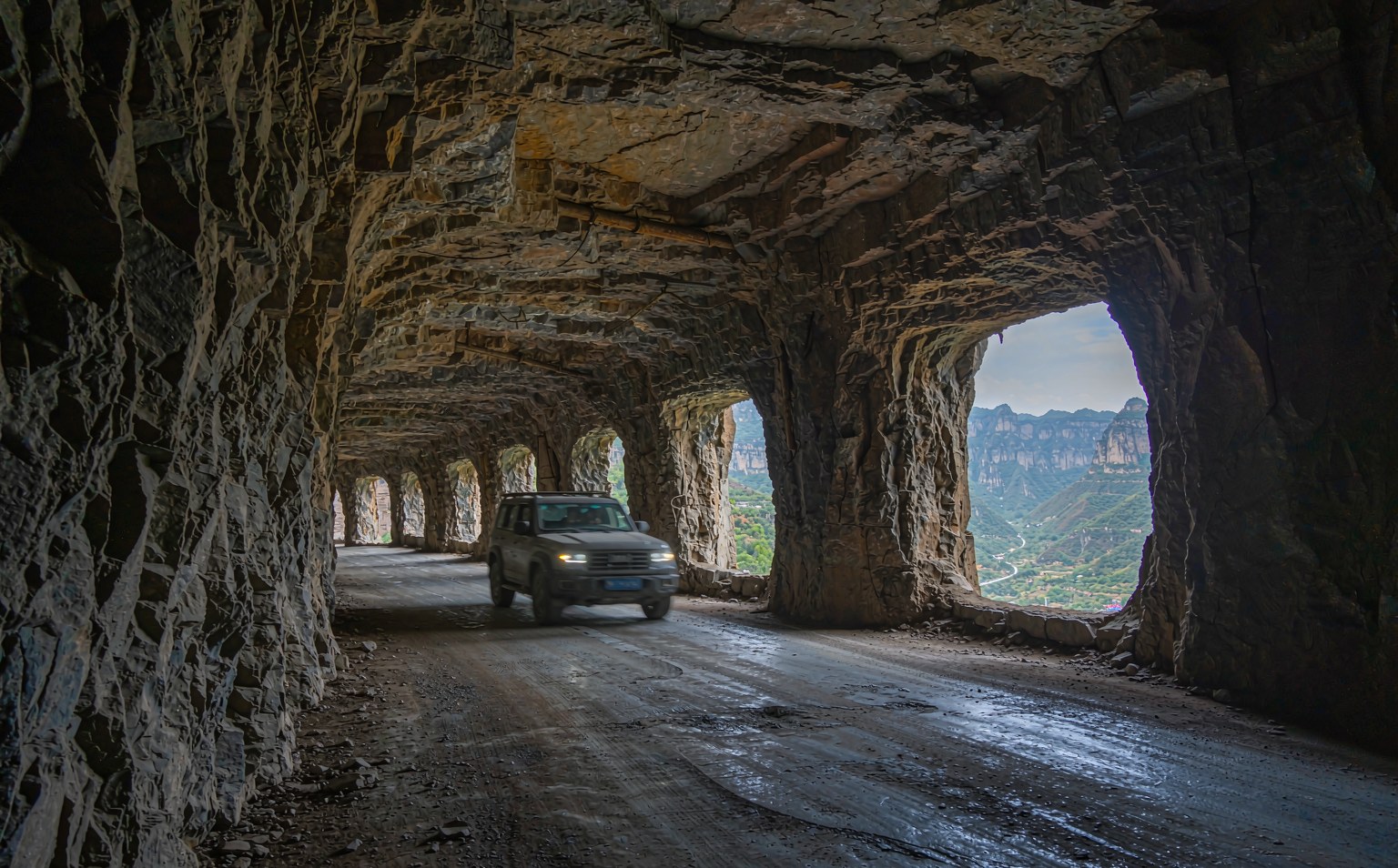
Attraction introduction: A highlight of the itinerary is Wanxian Mountain. The Wanxian Mountain scenic area is located deep in Huixian Taihang Mountains, including Guoliang Cliff Road and Nanping Danfeng Valley. Red rock cliffs and clear waterfalls intertwine, making it one of the most representative landscapes of the Taihang Mountains. It is famous for being a filming location for many movies and TV dramas. Attractions such as Guoliang Village, Tianchi, and the watchtower form an impressive Taihang hiking route. The average summer temperature is pleasant, making it a place to experience the Taihang scenery not far from Zhengzhou and Luoyang. In my understanding, the hiking involves a lot of walking and many steps, so wearing non-slip shoes is essential; be cautious of passing vehicles on the cliff road, and the red rock cliffs are most photogenic in the morning and evening light.
Tips: There are many steps and steep slopes on the mountain trails, so wearing non-slip sports shoes is essential. For those with mobility issues, it is recommended to take the cable car. Visitors generally find the cliff road (Guoliang Tunnel) the most impressive and photogenic. Mountain roads can cause car sickness, so it is advised to bring motion sickness medicine and walk slowly on observation decks. Practically, long trips are prone to dehydration, so carry a water bottle and sip small amounts frequently. On the first night at high altitudes or mountain areas, avoid washing your hair or showering for too long to give your body time to adjust.
Day 4: Return
Transfer to the departure terminal per your booked train or flight; keep travel documents and tickets in your carry-on.
Related Tours
Luoyang to Wanxianshan, Guoliang Village and Baligou 6 Days
Six days from Luoyang. The Baligou ticket at 120 yuan covers Baligou, Jiulianshan and Tianjieshan for three days. Then the trip moves to Wanxianshan, where the Guoliang cliff road runs 1,250 metres with 35 windows, begun in 1972 and opened in 1977.
Luoyang to Yuntai Mountain, Hongshi Gorge and Chenjiagou 5 Days
Five days from Luoyang. The Yuntai ticket at 120 yuan plus a 60 yuan shuttle pass stays valid for three days, enough for Hongshi Gorge, Tanpu Gorge and Zhuyu Peak. The fourth day turns south to Chenjiagou, the village where tai chi began.
Luoyang to Shaolin Temple, Sanhuangzhai and Songyang Academy 5 Days
Five days from Luoyang. Songshan has two massifs, Taishi and Shaoshi: the Shaolin Temple and Sanhuangzhai sit on one, the Songyang Academy and Zhongyue Temple on the other. The 80 yuan Shaolin ticket already covers Sanhuangzhai.

Luoyang Departure: Shaolin Temple, Songyang Academy, Zhongyue Temple and Gaocheng Observatory, 4 Days 3 Nights
Four days from Luoyang. One 80-yuan Shaolin ticket covers the temple compound, the pagoda forest and Sanhuangzhai with its cliff walkway. The rest goes to the foot of Taishi Mountain: Han-dynasty cypresses, Song iron figures, and an observatory in Gaocheng town.