
Luoyang 4-Day Tour: Sui-Tang Luoyang City & Erlitou Site
Luoyang 4-day tour covering Sui-Tang Luoyang City and Erlitou Site and White Horse Temple. Sightseeing tickets and shuttle bus included.
Highlights
Day 1: Sui-Tang Luoyang City
Today, with Sui-Tang Luoyang City as the theme, avoid peak crowds and visit the park during off-peak hours, following the recommended route for an in-depth tour; have lunch nearby enjoying local flavors, then spend the afternoon in free activities or join the guide for additional sightseeing, and stay at a hotel in the evening to rest.
Attraction introduction: This stop is Sui-Tang Luoyang City. Sui-Tang Luoyang City National Heritage Park centers around Ying Tian Gate, Ming Tang, and Tian Tang, recreating the grandeur of the palaces in the prosperous Tang Dynasty 'Divine Capital' Luoyang. Ying Tian Gate is the main southern gate of Sui-Tang Luoyang City, majestic in scale; climbing the tower offers a view of the central axis, and at night there is a stunning light show. Ming Tang was the 'Palace of Ten Thousand Phenomena' during Empress Wu Zetian's time, while Tian Tang is a high tower for worshiping Buddha. The interiors of both buildings have been restored to show the luxurious court furnishings of the High Tang period. It is also pleasant to stroll along Jiuzhou Pool and imagine the grandeur of the royal gardens in the past. This place is closely associated with TV dramas such as "Wu Zetian" and "Wind Rises Luoyang," making it one of the most popular Tang culture attractions in Luoyang in recent years. My understanding is that it is essential to visit at night—the lights of Ying Tian Gate and Ming Tang/Tian Tang at dusk show what the 'Divine Capital' truly looks like; see the palace furnishings by day, and enjoy the light show at night—two experiences in one day.
Tips: Ancient capital attractions are spread out, requiring a lot of walking and transfers, so it is recommended to wear comfortable flat shoes and plan your route well. Visitor feedback generally indicates that most people think Sui-Tang Luoyang City is worth a special visit, so it is advisable to slow down, follow the guide, and listen to explanations, leaving time for the details that move you most and the best photo spots. Practically speaking, the worst thing on a group tour is to rush through attractions; listening to the guide provides the essence. The cultural stories behind each site are often more memorable than the photos, so ask the guide any questions you don’t understand on the spot.
Day 2: Erlitou
In the morning, gather and depart for Erlitou. Follow the tour guide along the main route, visiting all the key highlights one by one, leaving ample time for photos and rest. At noon, enjoy a meal of local specialties. In the afternoon, continue exploring in depth. In the evening, check into the hotel to recharge for the next day's itinerary.
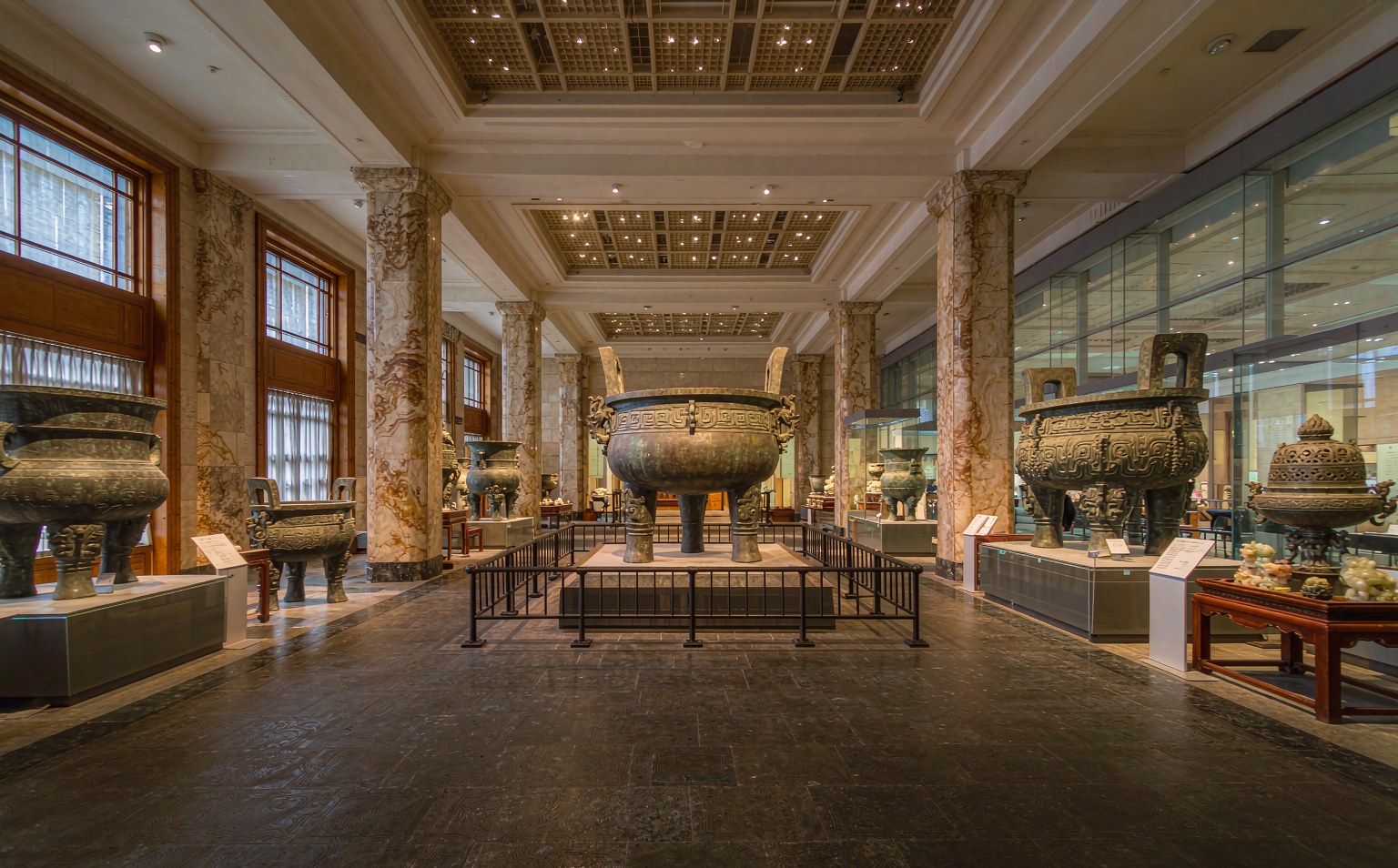
Attraction Introduction: Today's itinerary includes Erlitou attractions. The Erlitou ruins are located in Luoyang Yanshi and are praised by academics as 'the earliest China'. It is a large urban site from the middle to late Xia Dynasty, where turquoise dragon-shaped artifacts, bronze jues, bronze ding, and other significant items have been unearthed, revealing the appearance of the first Chinese royal capital. The turquoise dragon-shaped artifact is made of over two thousand turquoise pieces and is known as 'China's First Dragon', serving as important evidence of dragon worship in China. The Erlitou Ruins Museum presents the site with a sense of on-site archaeology and is an unavoidable stop for studying the origins of Chinese civilization. My understanding is that visiting the museum with some background knowledge about the academic debates on the 'Xia capital' before viewing the exhibits will provide a deeper understanding. The exhibits in the ruins museum are carefully curated and worth taking time to appreciate.
Tips: Mountain areas have significant temperature differences between morning and evening, and the windy peaks make it necessary to have a windproof jacket and warm inner layers. Visitor feedback generally indicates that most tourists believe Erlitou is worth a special visit. It is recommended to slow down, listen to the tour guide's explanations, and leave time for the details that move you most and the best photo spots. Based on practical experience, for authentic food, venture deeper into the alleyways; the main entrance of the scenic area tends to have long queues and average taste. For local specialties, ask for prices and compare; local supermarkets often offer more genuine products.
Day 3: White Horse Temple
Arrive early in the morning at White Horse Temple, take advantage of the morning light to quietly explore among the red walls and cypresses, focusing on Qiyun Pagoda and the two foreign-style Buddhist halls; in the afternoon, enjoy free activities and you can take additional photos along the central axis, then return to the hotel in the evening.
Attraction Introduction: A highlight arranged in the itinerary is White Horse Temple, which is located in the eastern part of Luoyang city. It was originally built during the Yongping period of the Eastern Han Dynasty to commemorate the White Horse carrying scriptures and the initial transmission of Buddhism to central China. It is revered as 'China’s first ancient temple' and is the first state-established temple built after Buddhism was introduced to China. Inside the temple, Qiyun Pagoda Courtyard, the Great Buddha Hall, and the Hall of Heavenly Kings are laid out along the central axis, with incense burning continuously among the red walls and green cypresses for over two thousand years. It is worth mentioning that the temple also has foreign-style halls built with donations from countries such as Myanmar, Thailand, and India, presenting a unique landscape that reflects both the eastward transmission and return flow of Buddhist culture. My understanding is that upon entering the temple, you first view the main halls along the central axis, then circle to Qiyun Pagoda Courtyard, and finally visit the side foreign-style halls to feel the cultural fusion; coming early in the morning with fewer people and morning light illuminating the red walls and ancient cypresses is the most atmospheric, and it also helps avoid the peak of tour groups.
Warm Tips: There are many incense stalls around the temple, so buy incense as needed and consume rationally. Visitors generally feedback that the foreign-style Buddhist halls (Thai/Myanmar/Indian courtyards) are highly photogenic and often feel more spacious than expected; please note that the international temple area involves considerable walking, so save some energy for it. Based on actual circumstances, allocate your energy wisely: tackle the major highlights in the morning when you are fresh and slow down in the afternoon; don’t exhaust yourself on the first day, or you will feel drained for the remaining days.
Day 4: Return
Transfer to the departure terminal per your booked train or flight; keep travel documents and tickets in your carry-on.
Related Tours
Luoyang Departure Laojun Mountain and Longywan 3 Days
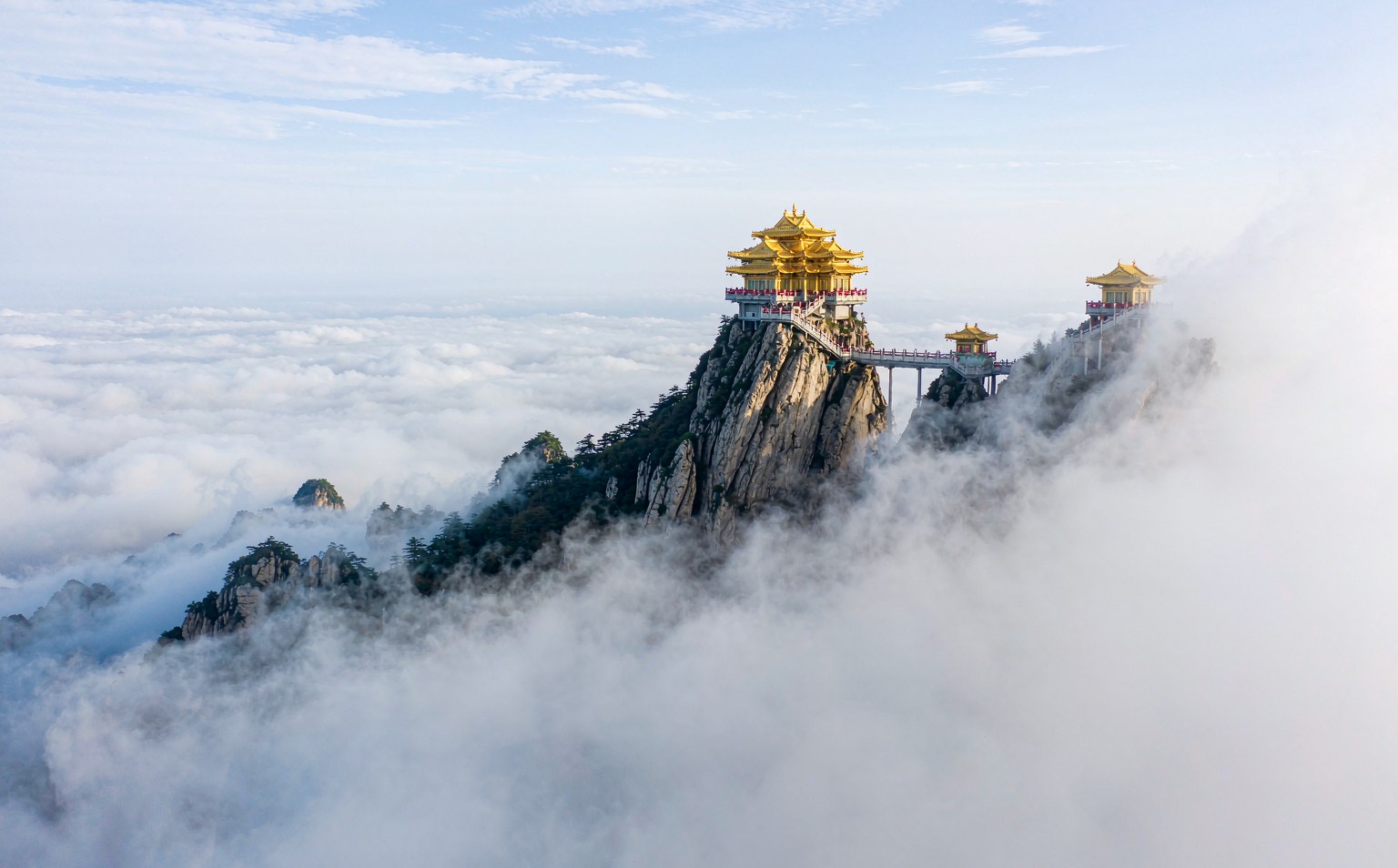
Three days from Luoyang: the first evening waiting below the golden summit for the lamps, the second climbing early for cloud, then a slow afternoon along the nine bends of Longywan. The ticket holds two days, so the mountain is never rushed.
Luoyang Departure Yuntai Mountain, Qingtianhe and Shennong 4 Days
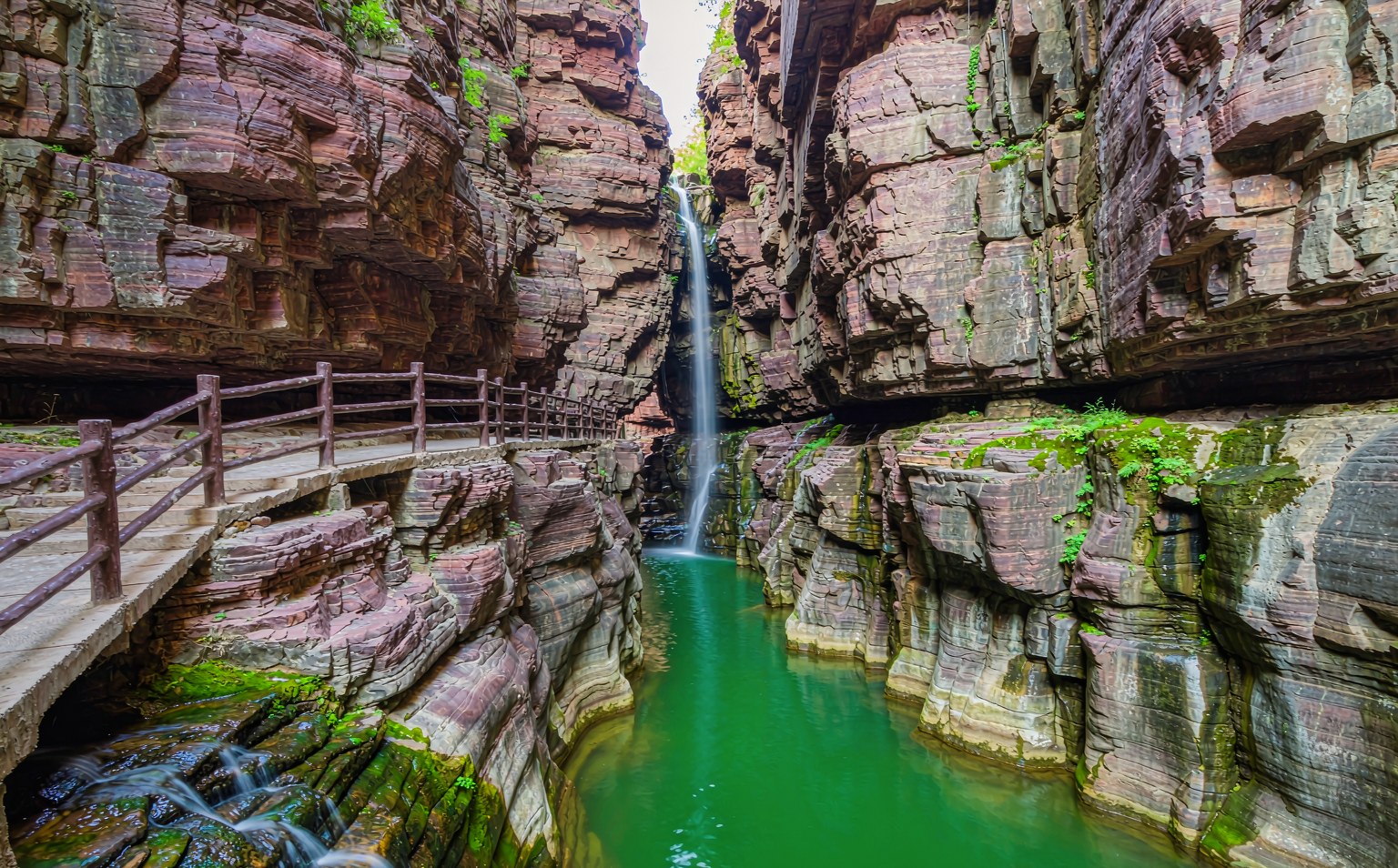
Four days from Luoyang linking three waters of the southern Taihang: the one way walkway of Red Stone Gorge, the lake and boats of Qingtianhe, and the ridge under a metre wide on Shennong Mountain. Nights stay in the village by the shuttle stop.
Luoyang Departure Longmen Grottoes and White Horse Temple 3 Days
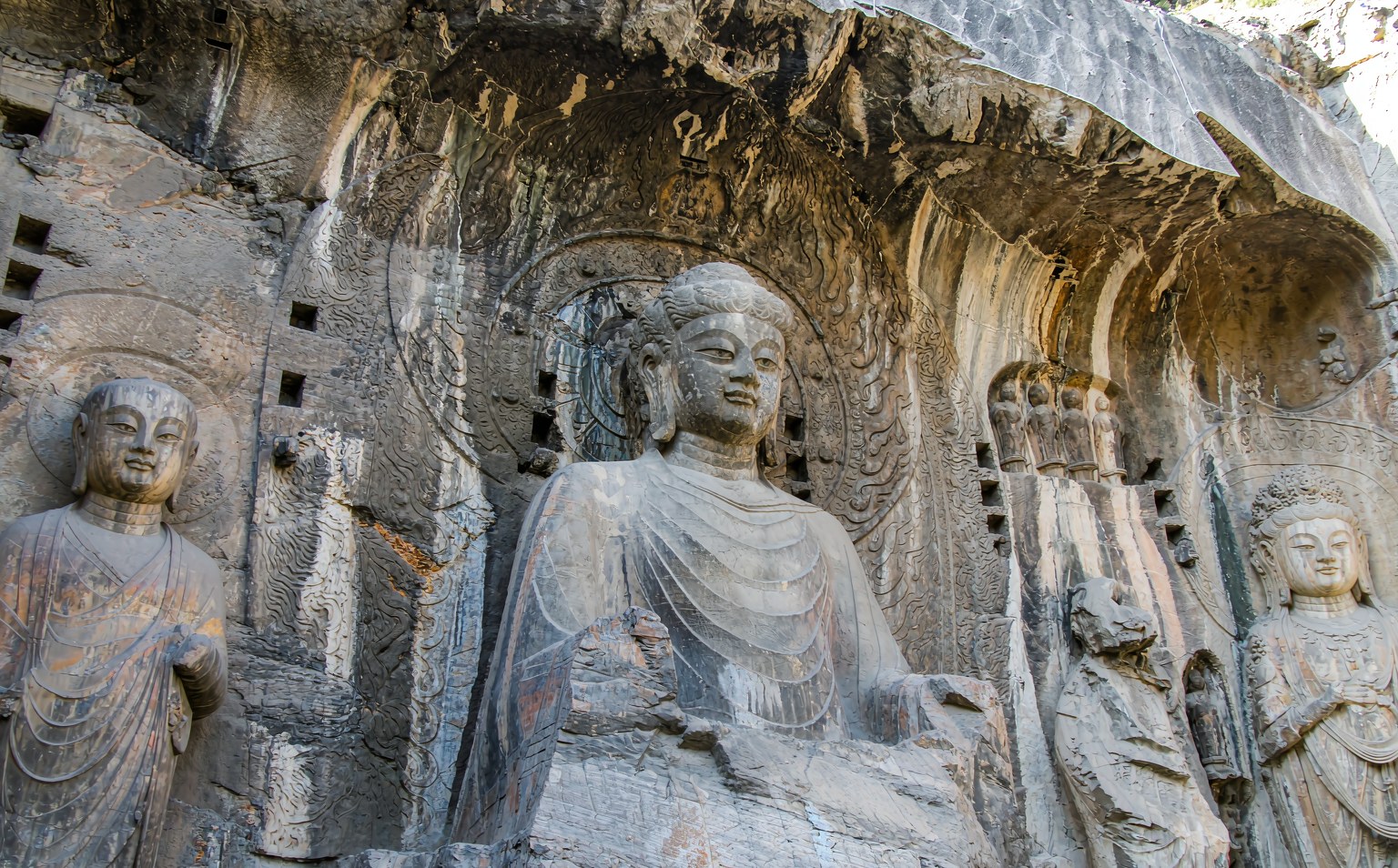
Three days from Luoyang: the carved cliff of the west bank first, then the oldest official Buddhist temple in China, then the Ming and Qing halls of Guanlin. Both nights stay inside the old city, so the lantern street is a walk away.
Luoyang to Yuntai Mountain, Hongshi Gorge and Chenjiagou 5 Days
Five days from Luoyang. The Yuntai ticket at 120 yuan plus a 60 yuan shuttle pass stays valid for three days, enough for Hongshi Gorge, Tanpu Gorge and Zhuyu Peak. The fourth day turns south to Chenjiagou, the village where tai chi began.