
Jiaozuo 7-Day Tour: White Horse Temple & Wangcheng Park
Jiaozuo 7-day tour covering White Horse Temple and Wangcheng Park and Shaolin Temple. Sightseeing tickets and shuttle bus included.
Highlights
Day 1: White Horse Temple
Morning tourWhite Horse Temple, from the mountain gate and Hall of Heavenly Kings to the Grand Buddha Hall along the central axis, then visit Qiyun Pagoda Courtyard; At noon, try local cuisine; in the afternoon, visit Burmese and Indian-style Buddhist halls to experience the exotic charm of a thousand-year-old temple.
Attraction introduction: One highlight of the itinerary is White Horse Temple, located east of Luoyang city. It was first built during the Yongping era of the Eastern Han Dynasty to commemorate the White Horse Carrying Scriptures and the early introduction of Buddhism to the Central Plains. It is honored as "China's First Ancient Temple" and the first government-run temple built after Buddhism was introduced to China. Inside the temple, the Qiyun Pagoda Courtyard, the Great Buddha Hall, and the Heavenly King Hall are arranged along the central axis, with red walls and green cypress trees where incense offerings have continued for over two thousand years. It is worth mentioning that the temple also features exotic-style Buddhist halls donated by countries such as Myanmar, Thailand, and India, showcasing the unique landscape of Buddhist culture flowing eastward and backward. My understanding is that when entering the temple, first see the main hall along the central axis, then circle around to the Qiyun Pagoda Courtyard, and finally visit the foreign Buddhist halls on both sides to experience cultural fusion; Come early in the morning when there are fewer people; the sunlight shining on the red walls and ancient cypress trees creates the most poetic atmosphere, and you can also avoid the peak of tour groups.
Friendly reminder: Please keep quiet and dress neatly when entering the temple. Generally, no photography or touching ritual objects inside the hall—just enjoy the merit. Visitors generally report that exotic-style Buddhist halls (Thai/Burmese/Seal Temple) have a high rate of photo shoots, and they generally feel it's more spacious than expected; Reminder: The international temple area is quite far to walk in, so leave some room for your footing. Based on actual conditions, if you want authentic food, head deeper into the alleys. The main entrance has long lines and average taste; Ask about prices for local specialties before comparing; local supermarkets are often more authentic.
Day 2: Wangcheng Park
Depart from the hotel early in the morning and head straight to the royal city. First, listen to the guide's explanation of the background and highlights, then enjoy a leisurely tour and take photos based on your interests. After lunch, take a short rest, then return to the hotel in the evening to recharge for the next day.
Attraction introduction: A highlight of the itinerary is Wangcheng Park. Wangcheng Park is located on Luoyang, named for its location atop the ruins of the Eastern Zhou royal city. It has been one of the main venues for the China Luoyang Peony Culture Festival and is the most familiar city park to Luoyang residents. Every April, famous peonies such as Yao Huang, Wei Purple, and Zhao Pink bloom in a dazzling display of vibrant colors; The park also preserves the ruins of Zhou King's City and a zoo, combining historical heritage with leisure functions, making it a classic spot for visitors to check in at the "Peony Flower City." My understanding is that if you visit during peony season (April), you must make this a must-visit spot. Early mornings with fewer people and peonies with dew are most vibrant; Outside the flowering season, it's more suitable for leisurely walks.
Friendly reminder: Food and drinks inside the park are relatively expensive, so bring your own water and snacks, and keep your belongings safe. Visitors generally report that most think Wangcheng Park is worth a special trip. It's recommended to slow down and follow the guide to listen to the explanations, saving time for the most impressive details and the best camera angles. Based on actual conditions, make sure to allocate your energy to some room. Focus on the main event in the morning and slow down in the afternoon to avoid overexertion on the first day and feel exhausted in the following days.
Day 3: Shaolin Temple
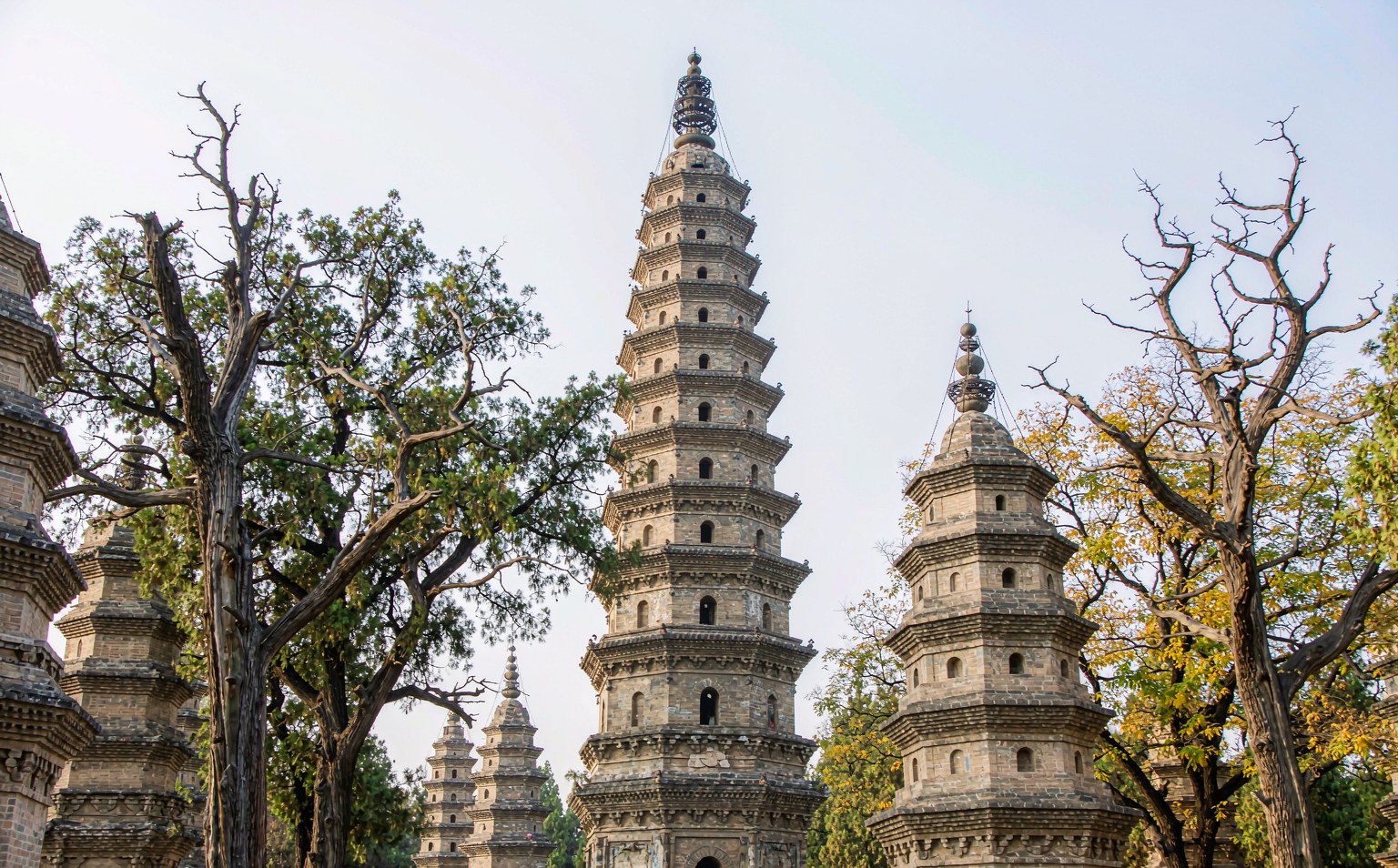
Today's Shaolin Temple trip involves a close look from the mountain gate to the Sutra Pavilion, focusing on the solemnity of the tower forest and the awe of the martial arts performances; In the afternoon, visit the surrounding area, then check into the hotel in the evening.
Attraction introduction: Today's itinerary includes Shaolin Temple attractions. Shaolin Temple is located at the foot of Wuru Peak on Shaoshi Mountain in Dengfeng. It was first built in the 19th year of Taihe of the Northern Wei Dynasty (495 AD). It is both the ancestral temple of Chan Buddhism and the birthplace of Shaolin martial arts, with a history of over 1,500 years. The core highlights are concentrated in three places: the main temple is lined with the central axis as the mountain gate, Hall of Heavenly Kings, Mahavira Hall, Sutra Library, and Snow Pavilion, with halls and ancient steles lined up; The Pagoda Forest is the largest existing ancient pagoda complex in China, with over 200 brick and stone tomb pagodas from the Tang, Song, to Qing dynasties, each with a different form, corresponding to a high monk; The Bodhidharma Cave on Wuru Peak is said to be where Bodhidharma faced the wall for nine years. The martial arts hall hosts Shaolin martial arts performances at scheduled times every day, showcasing the true skills of boxing, weapons, and hard qigong. My understanding is that before entering the temple, you should first follow the guide along the central axis before freely exploring the area; Please keep quiet and tour the pagoda forest area; Enter the martial arts show fifteen minutes early to secure a good spot.
Friendly reminder: There are many incense stalls around the temple; please buy incense as needed and spend rationally. Visitors generally report that martial arts performances are most popular with families with children, while the Pagoda Forest and Chuzu Nunnery are often overlooked along the way; Reminder: The scenic area is highly commercialized, so ask about prices for vegetarian meals and surrounding areas first. Based on actual circumstances, respect local customs, dress appropriately when entering religious venues, avoid casual advice, and a simple greeting can earn goodwill.
Related Tours
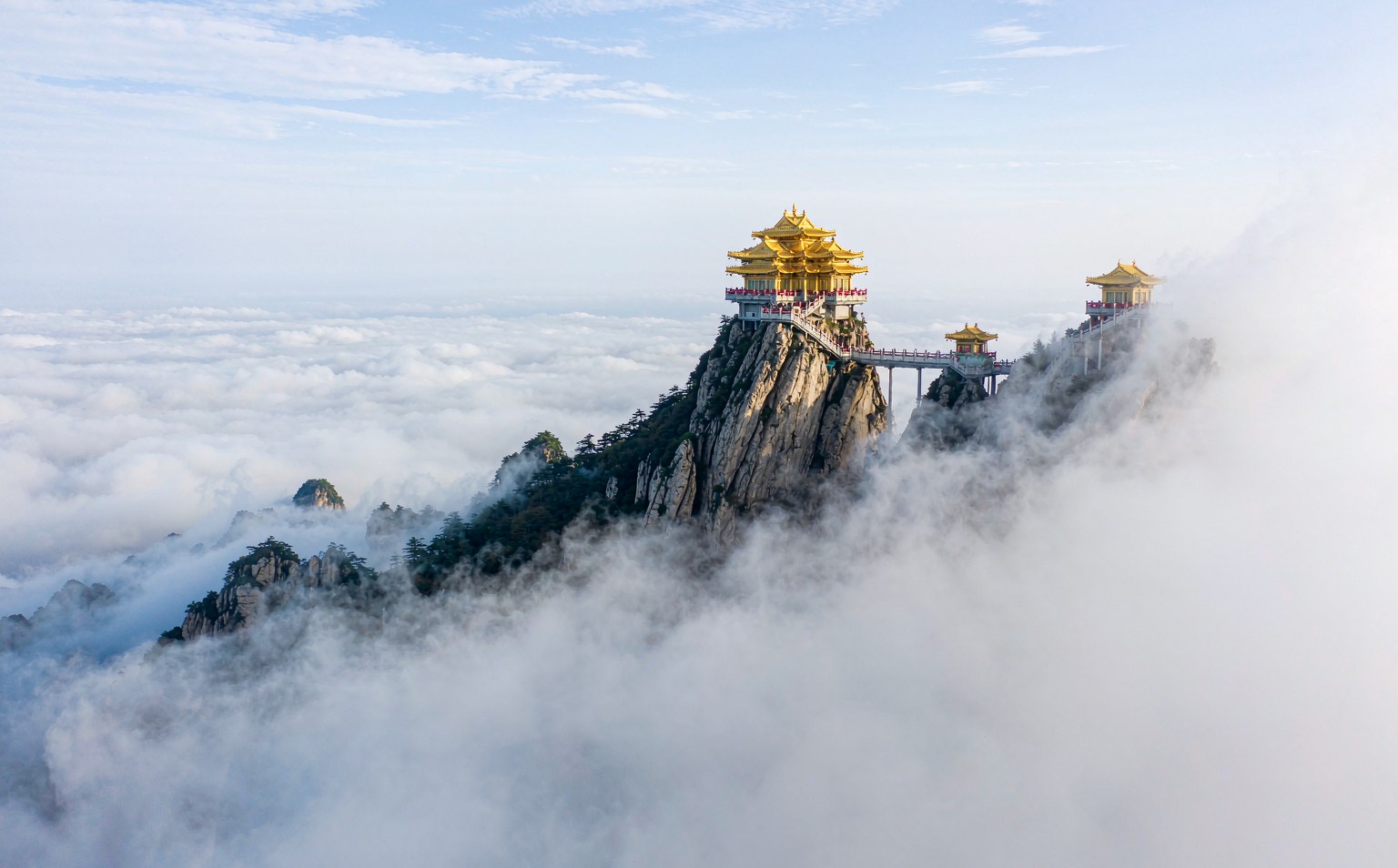
Luoyang Departure Laojun Mountain and Longywan 3 Days
Three days from Luoyang: the first evening waiting below the golden summit for the lamps, the second climbing early for cloud, then a slow afternoon along the nine bends of Longywan. The ticket holds two days, so the mountain is never rushed.
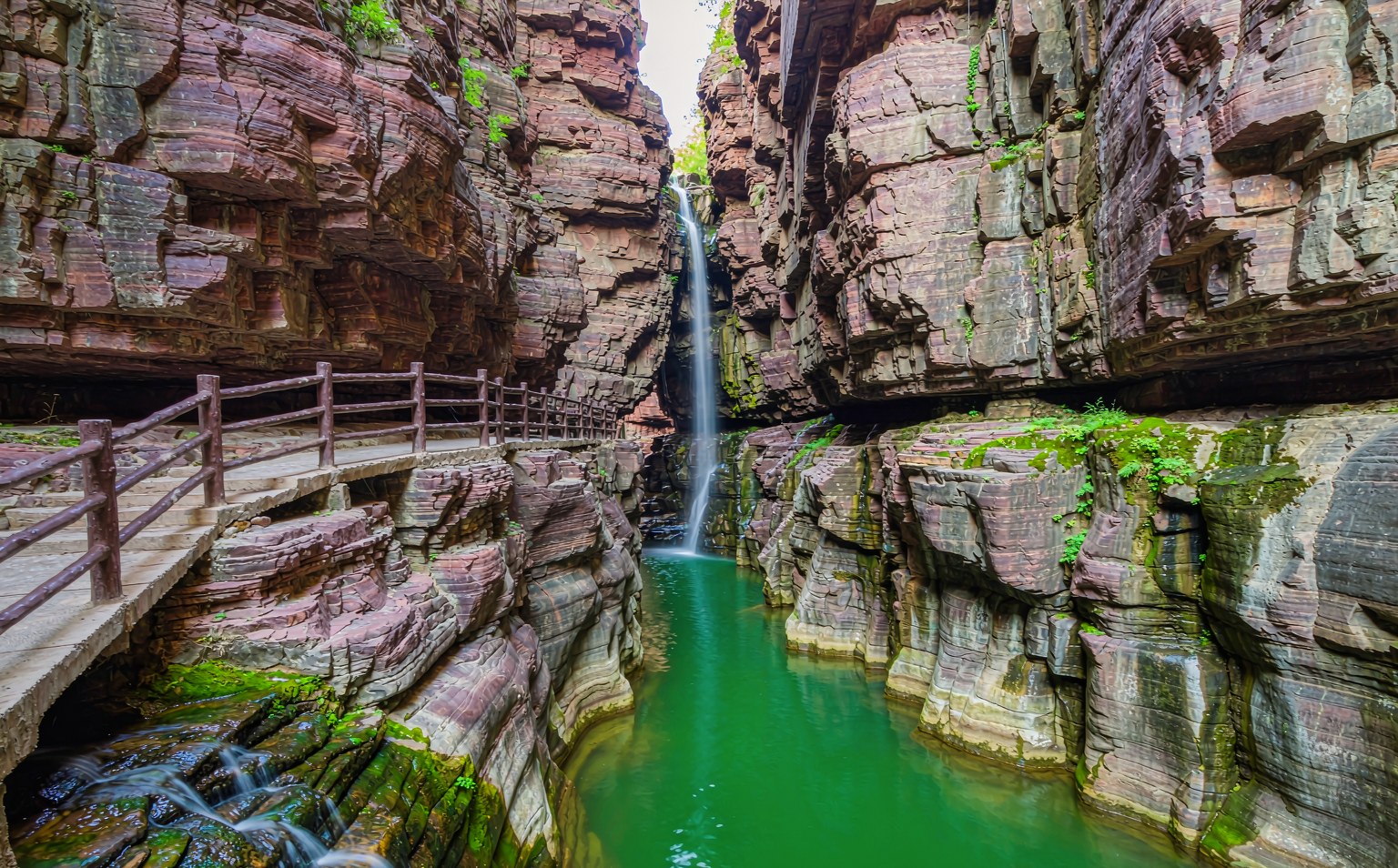
Luoyang Departure Yuntai Mountain, Qingtianhe and Shennong 4 Days
Four days from Luoyang linking three waters of the southern Taihang: the one way walkway of Red Stone Gorge, the lake and boats of Qingtianhe, and the ridge under a metre wide on Shennong Mountain. Nights stay in the village by the shuttle stop.
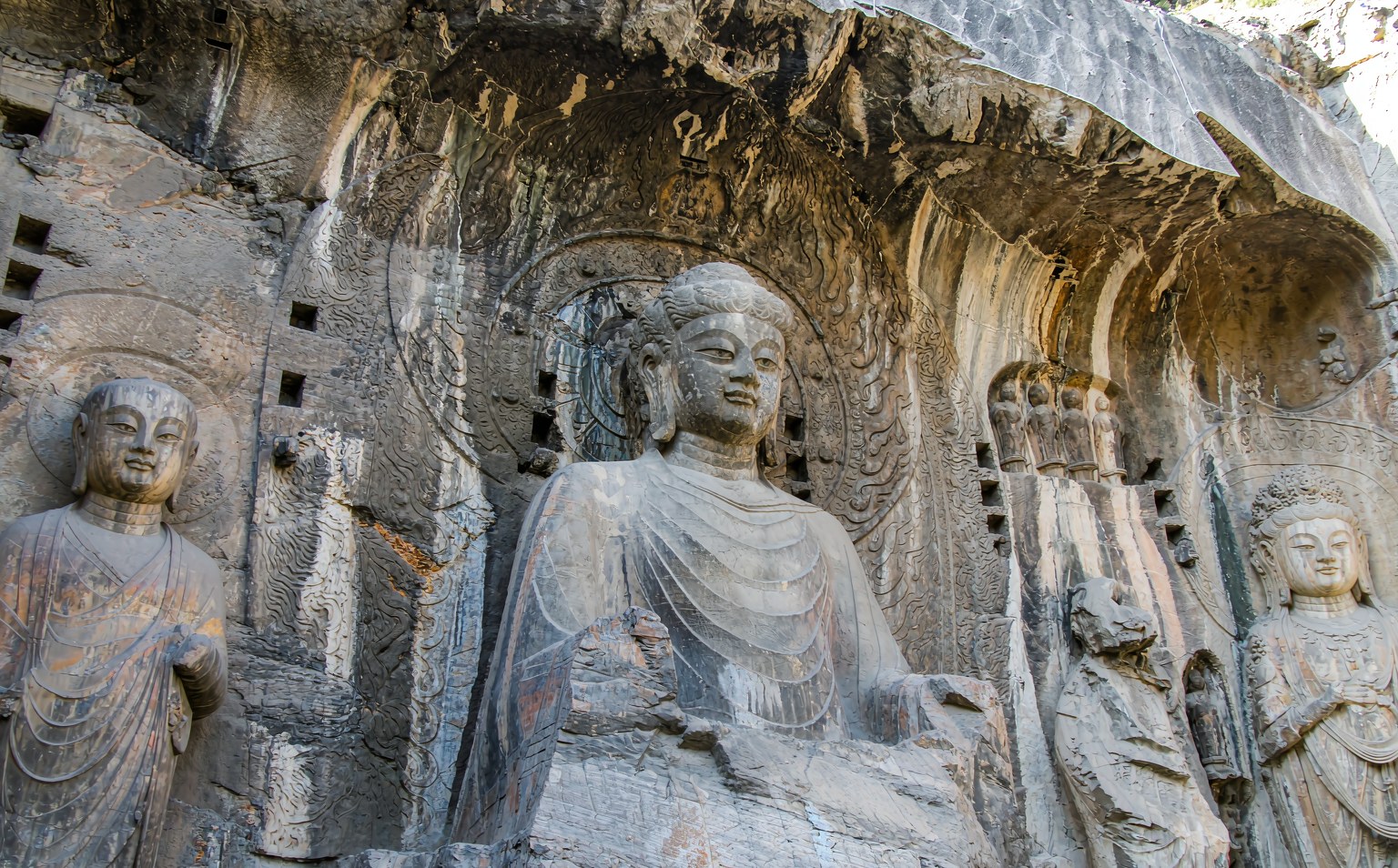
Luoyang Departure Longmen Grottoes and White Horse Temple 3 Days
Three days from Luoyang: the carved cliff of the west bank first, then the oldest official Buddhist temple in China, then the Ming and Qing halls of Guanlin. Both nights stay inside the old city, so the lantern street is a walk away.
Luoyang to Yuntai Mountain, Hongshi Gorge and Chenjiagou 5 Days
Five days from Luoyang. The Yuntai ticket at 120 yuan plus a 60 yuan shuttle pass stays valid for three days, enough for Hongshi Gorge, Tanpu Gorge and Zhuyu Peak. The fourth day turns south to Chenjiagou, the village where tai chi began.