
Anyang 7-Day Tour: Laojun Mountain & Longmen Grottoes
Anyang 7-day tour covering Laojun Mountain and Longmen Grottoes and Wangcheng Park. Sightseeing tickets and shuttle bus included.
Highlights
Day 1: Laojun Mountain
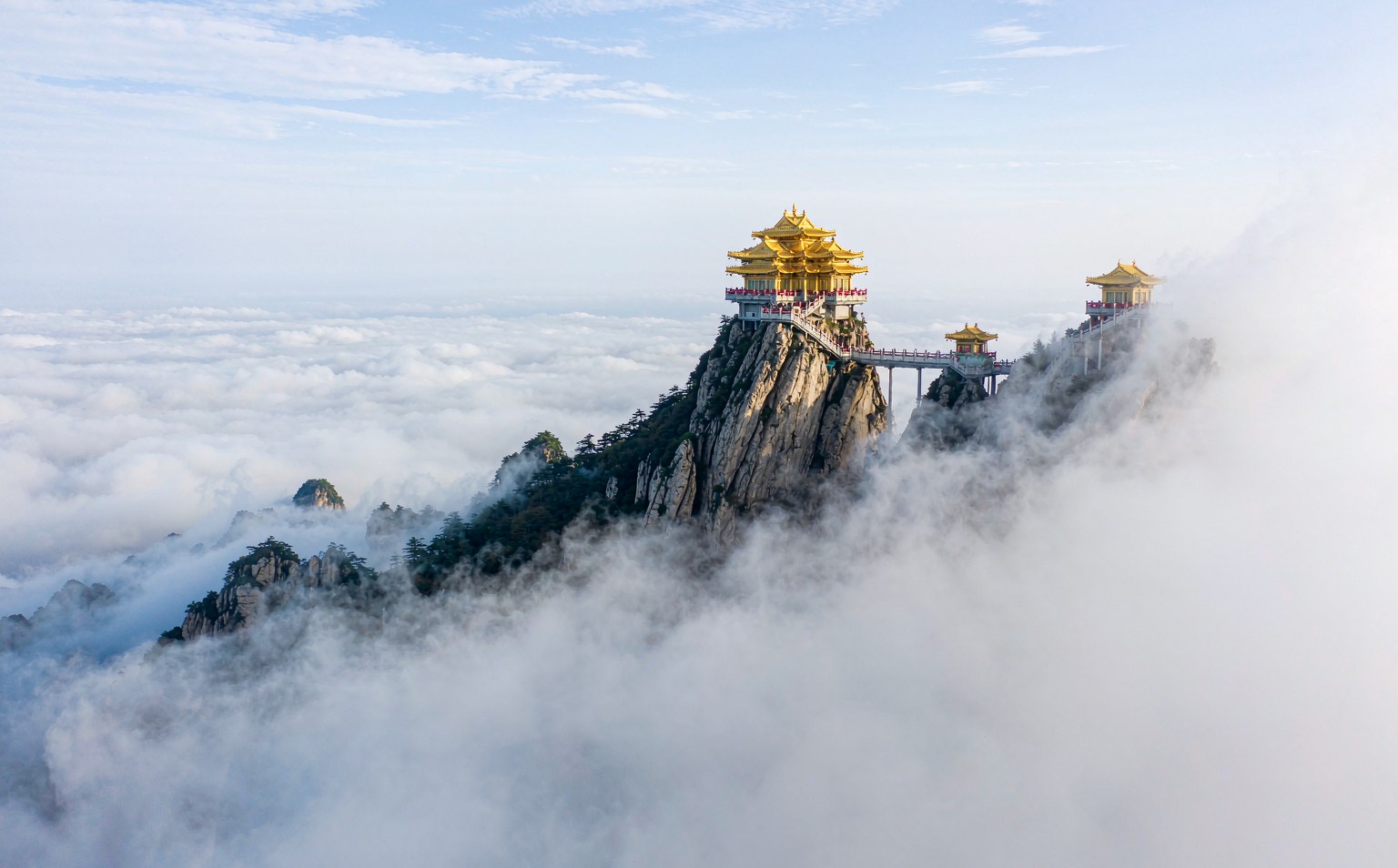
Today's in-depth tour: After taking the cable car up the mountain, we will focus on visiting the Golden Summit, the Ten-Mile Painted Screen, and the Glass Viewing Platform, while following the guide to learn about Taoist culture and the geology of the Funiu Mountains. In the afternoon, we will descend and rest to prepare for the next day.
Attraction introduction: One of the highlights arranged in the itinerary is the Golden Summit, located in Luanchuan County, which is the main peak of the Funiu Mountains and a famous Taoist mountain. It is said to be the place where the founder of Taoism, Laozi, once secluded himself for cultivation. The Daoist temple complex on the Golden Summit stands atop a peak over 2,000 meters above sea level, with golden tiles and red walls, surrounded by a sea of clouds, earning the reputation of "a dazzling feast in the mortal world, a glimpse of the splendor of the human world." The Ten-Mile Painted Screen is the highlight of the entire trip—a high-altitude walkway suspended on a cliff that changes perspective with every step, offering a full view of the peak forest, sea of clouds, and sunrise. You can take a two-stage cable car to ascend; on a clear day, you can watch the sunrise over the sea of clouds from the summit, and in winter it is a very popular spot in central China for snow-viewing. My understanding is that you must take the cable car early to get the best light for the Golden Summit and Ten-Mile Painted Screen; the summit is windy and cold, so a windbreaker and a thermos are standard. If you are faint-hearted, do not force yourself on the glass viewing platform.
Tips: Many parts of the mountain trail are slippery; pay special attention to shifting your center of gravity back and slowing down when descending, and bring knee pads if needed. Visitors generally agree that the sea of clouds and sunrise at the Golden Summit are the main highlights, and many people specifically stay on the summit overnight to see dawn. Note that the summit has large temperature differences and long queues for the cable car, so it’s essential to arrive early during peak season. Depending on your actual situation, avoid impulsive shopping; when you see "limited-time offers," stay calm for three minutes. If you really want to buy souvenirs, make sure to shop at official stores and keep the receipts for peace of mind.
Day 2: Longmen Grottoes
In the morning, head to Longmen Grottoes, strolling along the Yi River trail from the West Hill Grottoes to carefully view the Leshan Giant Buddha at Fengxian Temple, then cross the bridge to the East Hill Pilgrimage Platform to overlook the entire panorama; at noon, enjoy a Luoyang water banquet, in the afternoon visit Xiangshan Temple and Bai Garden, and return to the hotel in the evening.
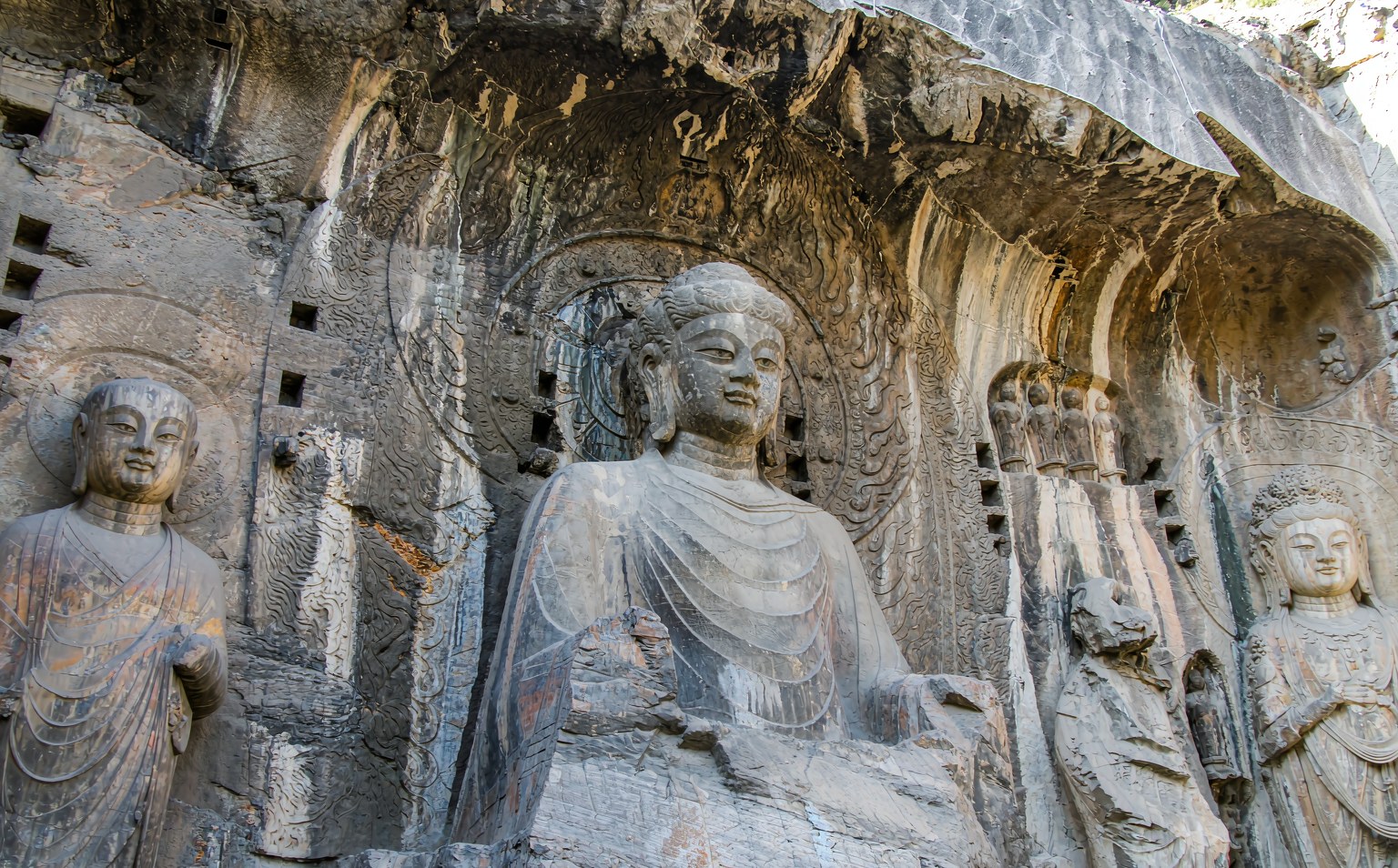
Attraction Introduction: A highlight arranged in the itinerary is Longmen Grottoes. Longmen Grottoes was carved on the cliffs along both sides of the Yi River south of Luoyang city. Construction continued after Emperor Xiaowen of Northern Wei moved the capital to Luoyang, spanning the Eastern Wei, Western Wei, Northern Qi, Sui, Tang, and other dynasties. Currently, there are more than 2,300 niches, over 100,000 statues, and more than 2,800 epigraphs and inscriptions. The most breathtaking is the Leshan Giant Buddha at Fengxian Temple, over seventeen meters tall, with a plump face and compassionate eyes, said to be carved based on Empress Wu Zetian’s likeness, representing the peak of Tang Dynasty stone carving art. Along with Dunhuang Mogao Caves and the Yungang Grottoes in Datong, it is considered one of China's three major grottoes and is also a World Cultural Heritage site. When visiting, walk south from the West Hill Grottoes along the Yi River trail. Bin Yang Three Caves, Ten Thousand Buddhas Cave, and Lotus Cave each have points of interest. Crossing the bridge to the East Hill Pilgrimage Platform offers a full panoramic view. My understanding is, in the morning, first see the main grottoes of the West Hill and savor the Giant Buddha when there are fewer people; in the afternoon, go to the East Hill Platform for a long-distance view—the light and angles are best for photos; walking along both sides of the Yi River requires backtracking, so a comfortable pair of shoes can save a lot of effort.
Tips: Visiting the grottoes mainly involves walking and climbing stairs, so it's recommended to wear non-slip, comfortable shoes and travel light. Be careful of your footing along both sides of the Yi River. Visitors generally feel that the Leshan Giant Buddha is the most impressive, and the sunset at West Hill offers the best light for photos; walking along both sides of the Yi River requires backtracking, so wear comfortable shoes and reserve half a day. Based on actual circumstances, keep your ID and wallet separate. Take photos of important documents to store on your phone as a backup, so in case of loss, you can quickly reissue them without delaying your trip.
Day 3: Wangcheng Park
Set off early from the hotel directly to the royal city, first listen to the guide explain the background and highlights, then take a leisurely walk according to your interests and retake photos of locations; after lunch, take a short break, return to the hotel in the evening to accumulate energy for the next day.
Attraction Introduction: One of the highlights arranged in the itinerary is Wangcheng Park. Wangcheng Park is located in Luoyang, and it is named as such because it is situated on the ruins of the Eastern Zhou royal city. It is one of the main venues for the Peony Culture Festival in Luoyang over the years, and also the city park most familiar to the residents of Luoyang. Every April, famous peony varieties like Yao Huang, Wei Zi, and Zhao Fen bloom in the park, displaying a spectacular array of colors; the park also preserves the ruins of the Zhou royal city and a zoo, combining historical depth with leisure functions. It is a classic spot for tourists to check in at the 'Peony Flower City.' My understanding is that if you come during peony season (April), you must include this place as a must-visit; early in the morning there are fewer people, and the dewy peonies are most beautiful; outside the flowering season, it is more suitable for a leisurely walk.
Warm Tips: Food in the park is relatively expensive, so it is advisable to bring some water and small snacks, and keep your personal belongings safe. According to general tourist feedback, most visitors think Wangcheng Park is worth a special trip. It is recommended to slow down, listen to the guide's explanations, and spend time on the details and photo spots that move you the most. Depending on the actual situation, carry some small change and small-packaged snacks; they will be useful if the signal in the scenic area is poor or if you need temporary supplies. Don't wait until you're hungry to look for food.
Related Tours
Luoyang Departure Laojun Mountain and Longywan 3 Days
Three days from Luoyang: the first evening waiting below the golden summit for the lamps, the second climbing early for cloud, then a slow afternoon along the nine bends of Longywan. The ticket holds two days, so the mountain is never rushed.
Luoyang Departure Yuntai Mountain, Qingtianhe and Shennong 4 Days
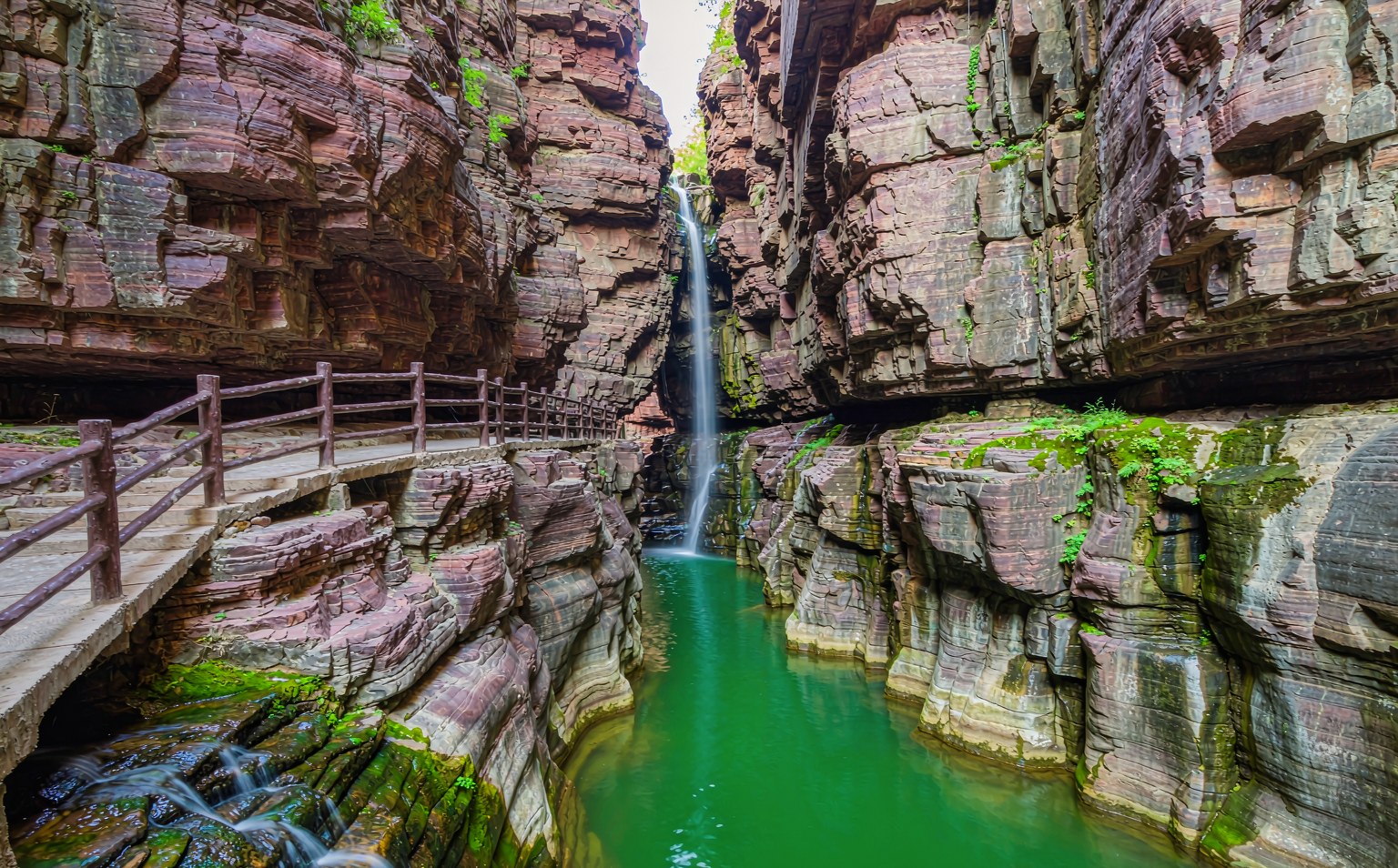
Four days from Luoyang linking three waters of the southern Taihang: the one way walkway of Red Stone Gorge, the lake and boats of Qingtianhe, and the ridge under a metre wide on Shennong Mountain. Nights stay in the village by the shuttle stop.
Luoyang Departure Longmen Grottoes and White Horse Temple 3 Days
Three days from Luoyang: the carved cliff of the west bank first, then the oldest official Buddhist temple in China, then the Ming and Qing halls of Guanlin. Both nights stay inside the old city, so the lantern street is a walk away.
Luoyang to Yuntai Mountain, Hongshi Gorge and Chenjiagou 5 Days
Five days from Luoyang. The Yuntai ticket at 120 yuan plus a 60 yuan shuttle pass stays valid for three days, enough for Hongshi Gorge, Tanpu Gorge and Zhuyu Peak. The fourth day turns south to Chenjiagou, the village where tai chi began.