
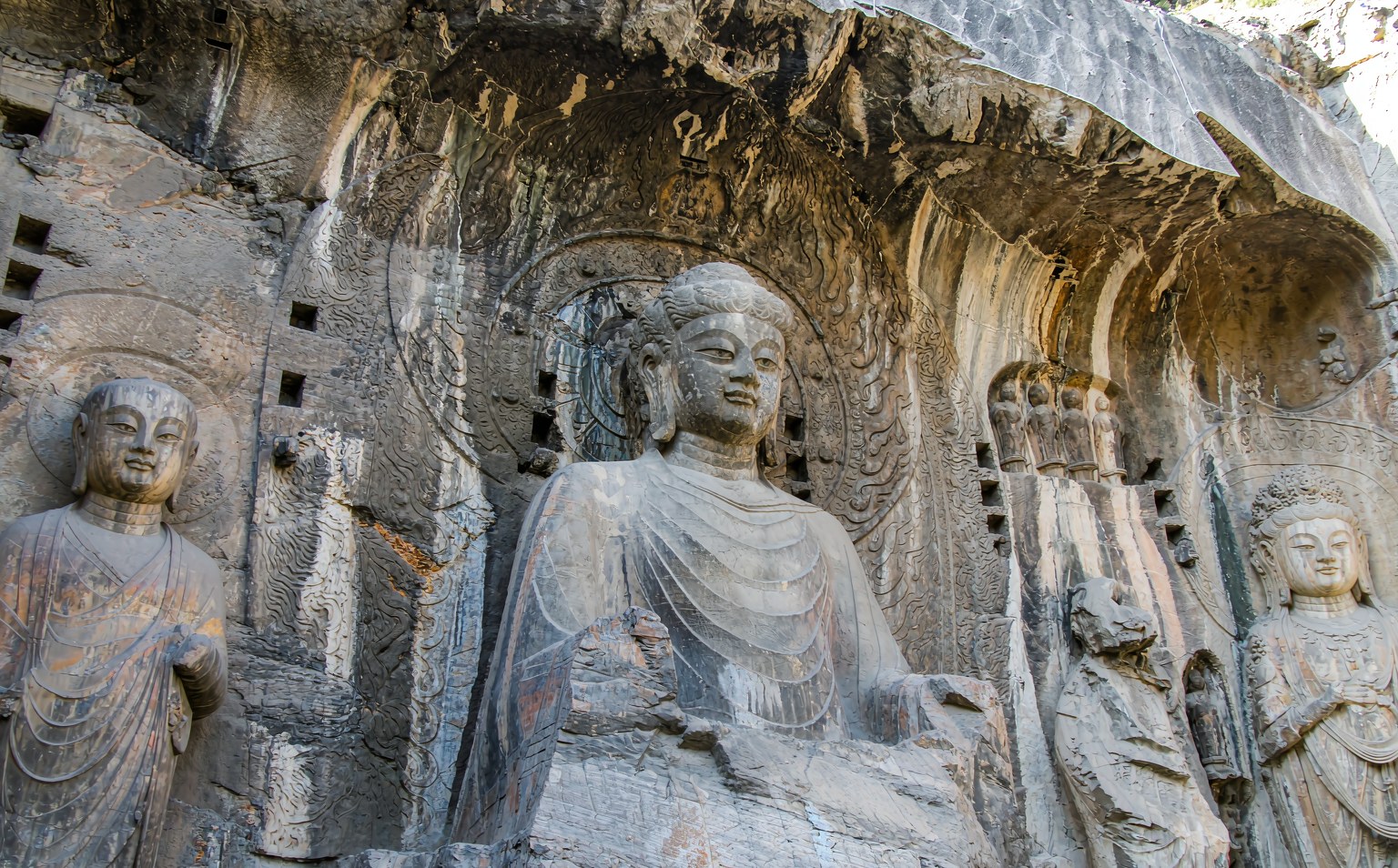
Jiaozuo 4-Day Tour: Longmen Grottoes & Laojun Mountain
Jiaozuo 4-day tour covering Longmen Grottoes and Laojun Mountain and Chongdu Valley. Sightseeing tickets and shuttle bus included.
Highlights
Day 1: Longmen Grottoes
Arrive early in the morning, take advantage of fewer people to first visit the Binyang Three Caves and Lotus Cave, then climb Fengxian Temple to admire the Great Buddha; have a nearby lunch at noon, in the afternoon visit Dongshan Grottoes and Xiangshan Temple, and at sunset take photos by the Yi River, ending a fulfilling day.
Attraction Introduction: A highlight arranged in the itinerary is Longmen Grottoes. Longmen Grottoes was carved on the cliff walls along both sides of the Yi River in the south of Luoyang city. Construction continued after Emperor Xiaowen of Northern Wei moved the capital to Luoyang, spanning several dynasties including Eastern Wei, Western Wei, Northern Qi, Sui, and Tang. There are currently more than 2,300 grottoes, over 100,000 statues, and more than 2,800 inscription plaques. The most stunning is the Vairocana Buddha of Fengxian Temple, which is over seventeen meters tall, with a full face and compassionate eyes, said to be carved in the likeness of Wu Zetian. It represents the pinnacle of Tang dynasty stone carving art. Together with Dunhuang Mogao Caves and Datong Yungang, it is considered one of China's three major grottoes and a World Cultural Heritage site. During the visit, start from the West Mountain Grottoes along the Yi River walkway heading south; Binyang Three Caves, Wanfo Cave, and Lotus Cave each have interesting features. After crossing the bridge to the East Mountain Worship Terrace, you can overlook the full panorama. My understanding is that in the morning, it's best to first see the main grotto of the West Mountain and take time to appreciate the Great Buddha when there are fewer people, and in the afternoon visit the East Mountain terrace for distant views, which offer the best light and angles for photos. Walking along both sides of the Yi River requires retracing your steps, so a comfortable pair of shoes can save a lot of effort.
Tips: The grotto area has strong UV radiation, so bring a sun hat and sunscreen on sunny days. The visiting route is relatively long, so remember to stay hydrated. Most tourists have reported that the Vairocana Buddha is the most impressive, and the sunset at West Mountain provides the best lighting for photos. Walking along both sides of the Yi River requires retracing your steps, so it is recommended to wear comfortable shoes and reserve half a day. Depending on the situation, don't just focus on getting good photos; pay attention to your footing and surroundings, and make sure to hold on securely on viewing platforms and walkway edges.
Day 2: Laojun Mountain
Today's in-depth tour: After taking the cable car up the mountain, the focus is on the Golden Summit, the Ten-Mile Painted Screen, and the Glass Viewing Platform. Follow the guide to learn about Taoist culture and the geology of the Funiu Mountains; in the afternoon, descend the mountain to rest and recharge for the next day.
Attraction Introduction: One of the highlights of the itinerary is the Golden Summit, located in Luanchuan County, the main peak of the Funiu Mountains and a famous Taoist mountain. It is said to be the place where the founder of Taoism, Laozi, retired for cultivation. The Golden Summit temple complex stands atop a peak over 2,000 meters above sea level, with golden-tiled temples and red walls amidst surging clouds, earning a reputation of "a breathtaking feast on Earth, a glimpse of the world's grandeur." The Ten-Mile Painted Screen is the essence of the trip, a high-altitude plank road on a cliff offering ever-changing views, capturing forests of peaks, sea of clouds, and sunrises. One can ascend via a two-stage cable car; on clear days, the summit provides a view of the sunrise over the clouds, while in winter, it is a popular snow-viewing spot in Central China. My understanding is to make sure to take the cable car early to catch the best light at the Golden Summit and the Ten-Mile Painted Screen; the summit is windy and cold, so a windproof jacket and thermos are essential, and those afraid of heights should avoid the glass viewing platform.
Tips: The mountain trails are often slippery, especially downhill, so keep your center of gravity back and slow your pace; knee pads are recommended. Visitors generally agree that the cloud sea and sunrise at the Golden Summit are the main highlights, with many staying overnight on the summit for dawn. Note that the summit experiences large temperature differences and long cable car queues; during peak season, it's essential to go early. Depending on your situation, for photography, aim for early morning or late afternoon—fewer people and soft morning light, or golden evening light, produce the best shots; midday light is harsh and crowded, better to rest at that time.
Day 3: Chongdugou
Morning: Take a walk along the Jinji River and Dicui River to see bamboo forests and flying waterfalls; at noon, try wild vegetable farmhouse meals; in the afternoon, stroll through villages in western Henan, enjoying the cooling atmosphere of a Jiangnan-style water town.
Attraction Introduction: This stop is Chongdugou, located in Luanchuan. Chongdugou is famous for its ten-thousand-acre bamboo forests, flying waterfalls, flowing springs, and western Henan farming scenery, making it a rare Jiangnan-style summer retreat in Henan. The scenic area is divided into the Jinji River and Dicui River areas. Jinji River is known for its waterfalls, with splashing water and refreshing coolness; Dicui River is lined with continuous bamboo forests, and strolling through them is a feast of green. Here, you can stay at a farmhouse, try wild vegetables, and experience authentic life in a western Henan mountain village. The pace is slow, making it especially suitable for parent-child leisure trips and summer vacations. My understanding is to slow down and not rush to see attractions—walking in the bamboo forest and sitting by the stream is the proper way to enjoy Chongdugou; visiting in summer is the most comfortable, with refreshing coolness that makes you reluctant to leave.
Tips: The canyon water paths are slippery, so be sure to wear non-slip hiking or sports shoes, and protect valuables like your phone from water. Visitors generally feel that most of them think Chongdugou is worth a special trip. It is recommended to slow down, listen to the tour guide’s explanations, and leave time for the details that touch you most and the best photo spots. Based on actual conditions, the greatest risk on long trips is dehydration—carry a water bottle and drink small amounts frequently; on the first night at a plateau or mountainous area, do not wash your hair or take long showers, giving your body some time to adapt.
Day 4: Return
Transfer to the departure terminal per your booked train or flight; keep travel documents and tickets in your carry-on.
Related Tours
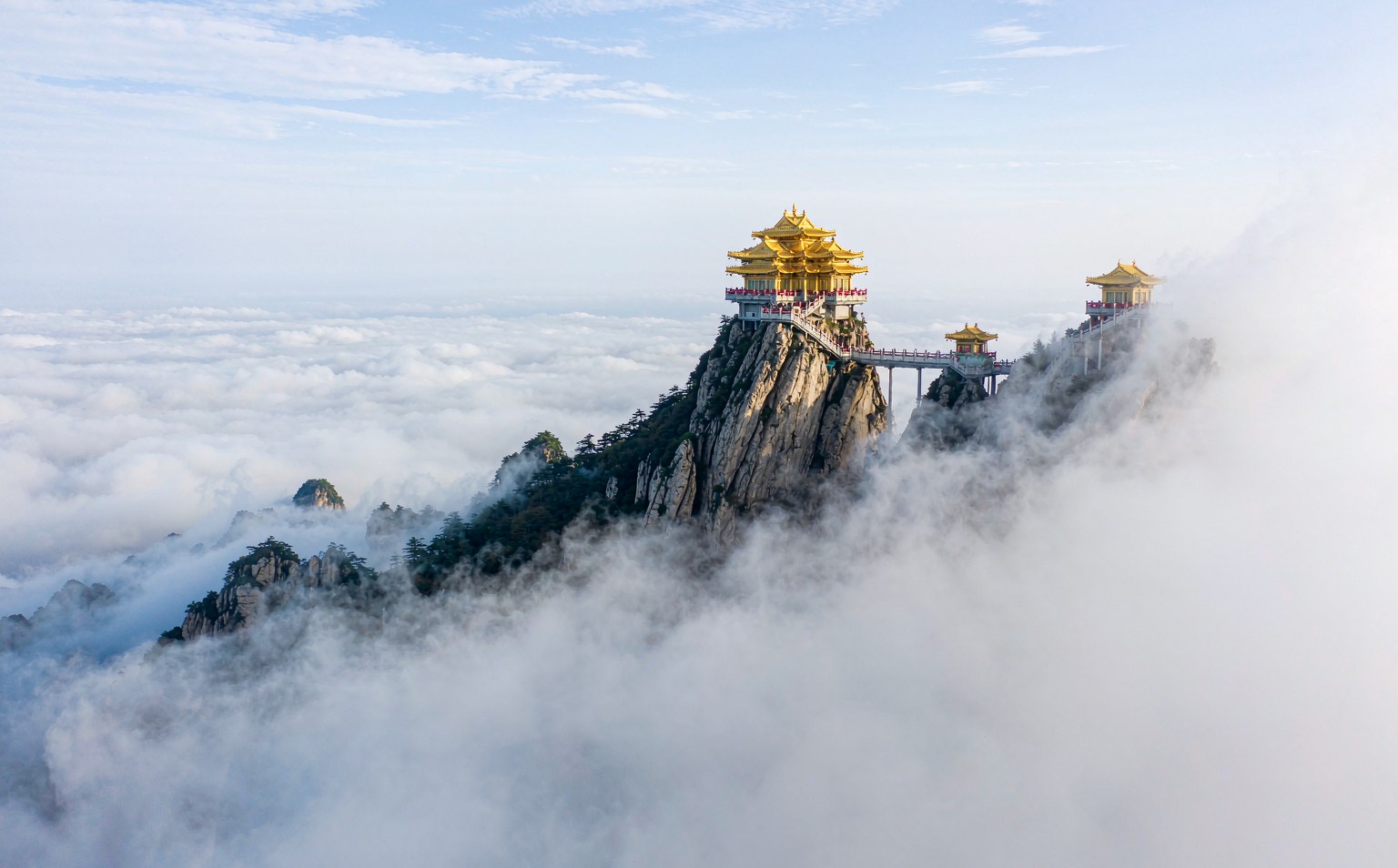
Luoyang Departure Laojun Mountain and Longywan 3 Days
Three days from Luoyang: the first evening waiting below the golden summit for the lamps, the second climbing early for cloud, then a slow afternoon along the nine bends of Longywan. The ticket holds two days, so the mountain is never rushed.
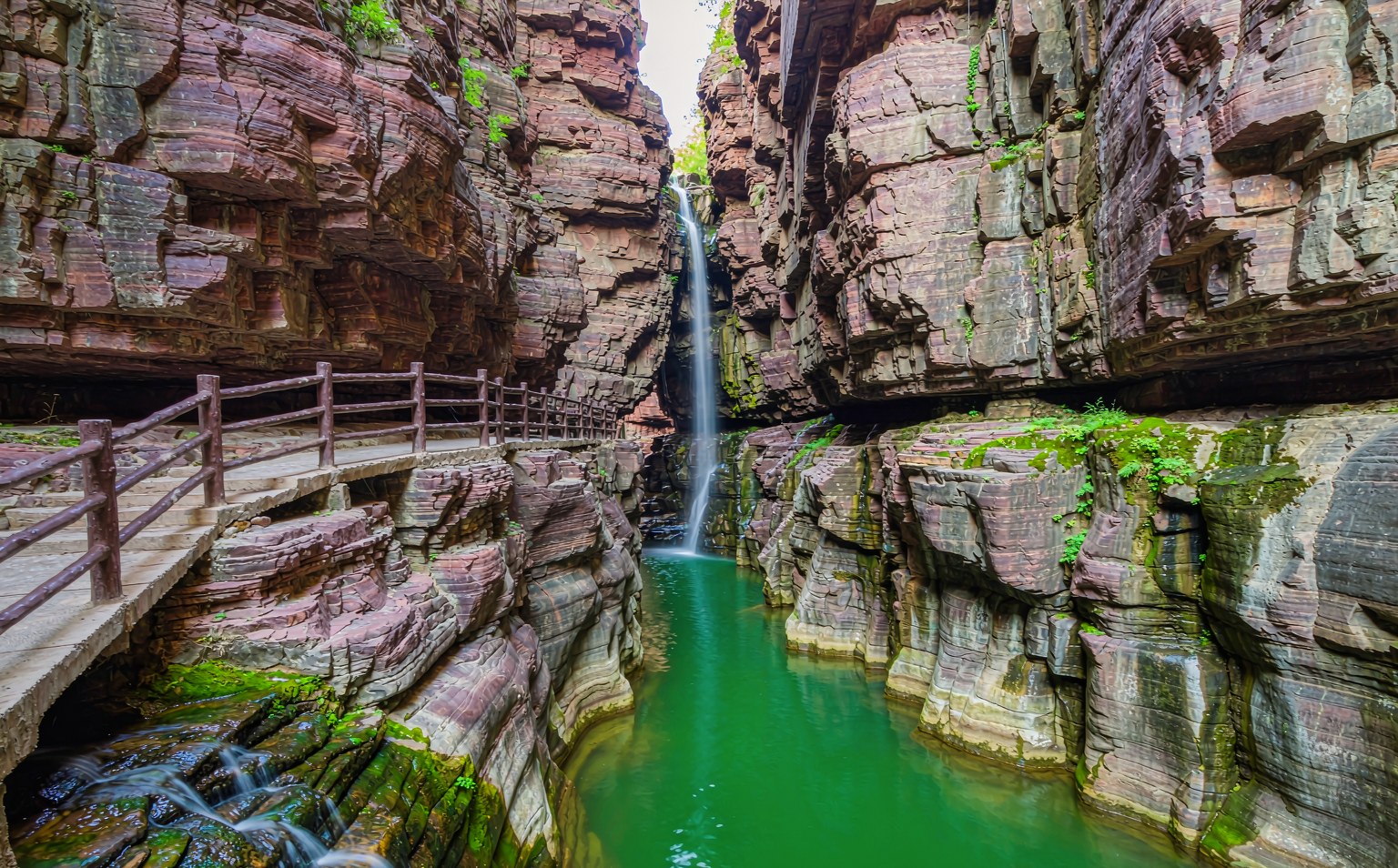
Luoyang Departure Yuntai Mountain, Qingtianhe and Shennong 4 Days
Four days from Luoyang linking three waters of the southern Taihang: the one way walkway of Red Stone Gorge, the lake and boats of Qingtianhe, and the ridge under a metre wide on Shennong Mountain. Nights stay in the village by the shuttle stop.
Luoyang Departure Longmen Grottoes and White Horse Temple 3 Days
Three days from Luoyang: the carved cliff of the west bank first, then the oldest official Buddhist temple in China, then the Ming and Qing halls of Guanlin. Both nights stay inside the old city, so the lantern street is a walk away.
Luoyang to Yuntai Mountain, Hongshi Gorge and Chenjiagou 5 Days
Five days from Luoyang. The Yuntai ticket at 120 yuan plus a 60 yuan shuttle pass stays valid for three days, enough for Hongshi Gorge, Tanpu Gorge and Zhuyu Peak. The fourth day turns south to Chenjiagou, the village where tai chi began.