
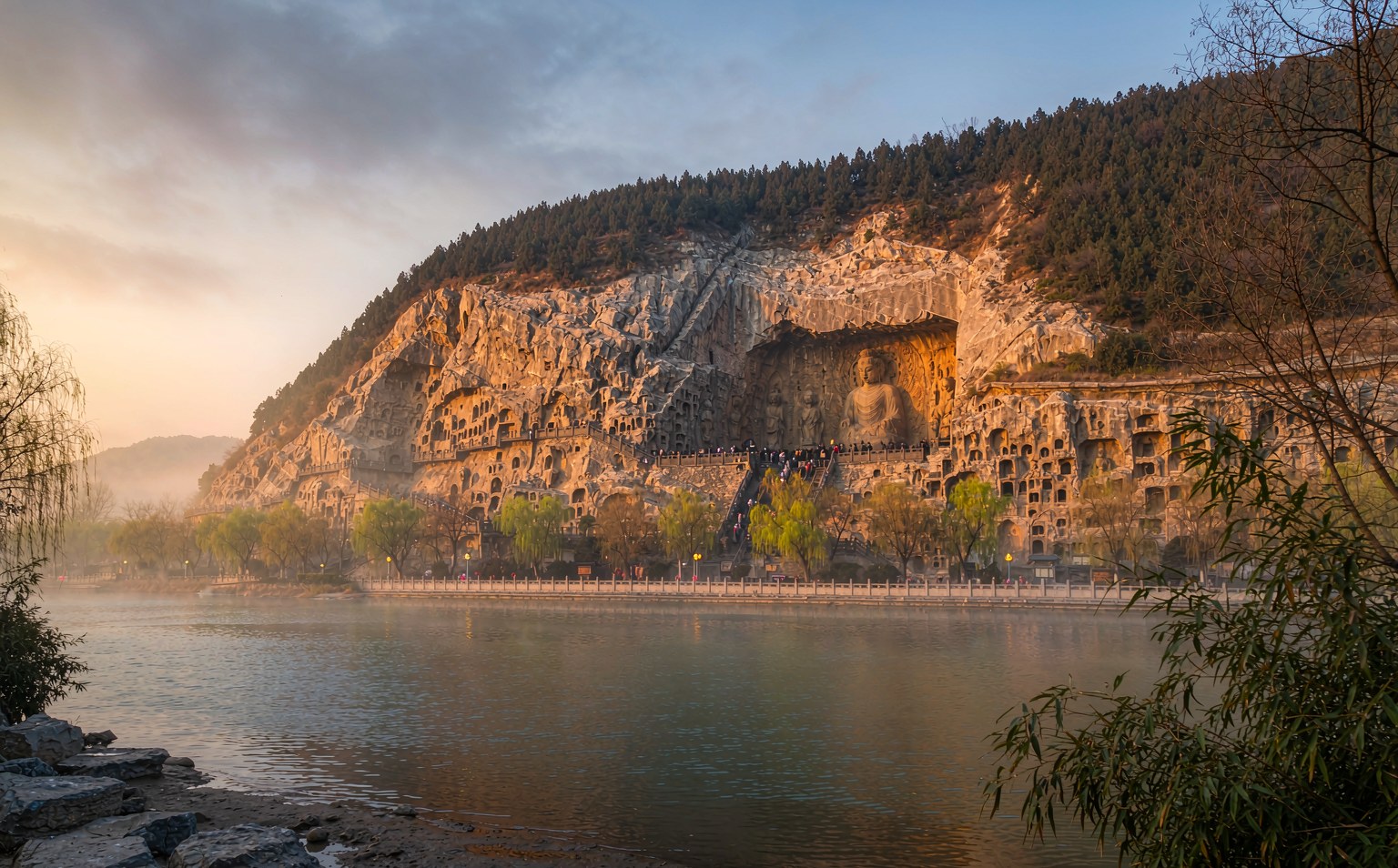
Luoyang 6-Day Tour: Longmen Grottoes & Laojun Mountain
Luoyang 6-day tour covering Longmen Grottoes and Laojun Mountain and Wangcheng Park. Sightseeing tickets and shuttle bus included.
Highlights
Day 1: Longmen Grottoes
Today's tour of Longmen Grottoes is recommended to reserve half a day: connect the main cave of the West Mountain, the viewing platform of the East Mountain, and the Baiyuan of Xiangshan Temple in one line, and understand the stories of the Northern Wei and the flourishing Tang Dynasty behind the stone carvings by following the guide; return in the evening to rest.
Attraction Introduction: A highlight arranged in the itinerary is Longmen Grottoes, Longmen Grottoes was carved on the cliffs along both sides of the Yi River in the south of Luoyang city, continuously constructed since Emperor Xiaowen of Northern Wei moved the capital to Luoyang, and went through the Eastern Wei, Western Wei, Northern Qi, Sui, Tang, and several other dynasties. There are currently more than 2,300 grottoes, over 100,000 statues, and more than 2,800 inscription plaques. The most spectacular is the Vairocana Buddha of Fenshansi Temple, over seventeen meters high, with a plump face and compassionate eyes, said to be carved in the likeness of Wu Zetian, representing the pinnacle of stone carving art in the flourishing Tang Dynasty. Along with Dunhuang Mogao Caves and Yungang in Datong, it is known as one of the three major grottoes in China and a World Cultural Heritage site. When visiting, walk south along the Yi River path from the West Mountain Grotto, with Binyang Three Caves, Ten Thousand Buddhas Cave, and Lotus Cave each having highlights, then cross the bridge to the East Mountain Worship Platform for a panoramic view. My understanding is that in the morning, first see the main cave of the West Mountain and savor the Buddha while there are fewer people; in the afternoon, go to the East Mountain viewing platform for a distant view, as the light and angle are best for photos; walking along both sides of the Yi River requires retracing steps, so a pair of comfortable shoes can save a lot of effort.
Tips: The grotto scenic area has strong UV rays; on sunny days, bring a sun hat and sunscreen. The visit route is long, so remember to drink water. Visitors generally feedback that most people find the Vairocana Buddha most impressive, the light during sunset at the West Mountain is best for photos; walking along both sides of the Yi River requires retracing steps, so it is recommended to wear comfortable shoes and reserve half a day. Considering actual conditions, leave some energy in your physical plan: tackle the highlights in the morning when feeling fresh, slow down in the afternoon, and avoid exhausting yourself on the first day, so that the following days are not fatigued.
Day 2: Laojun Mountain
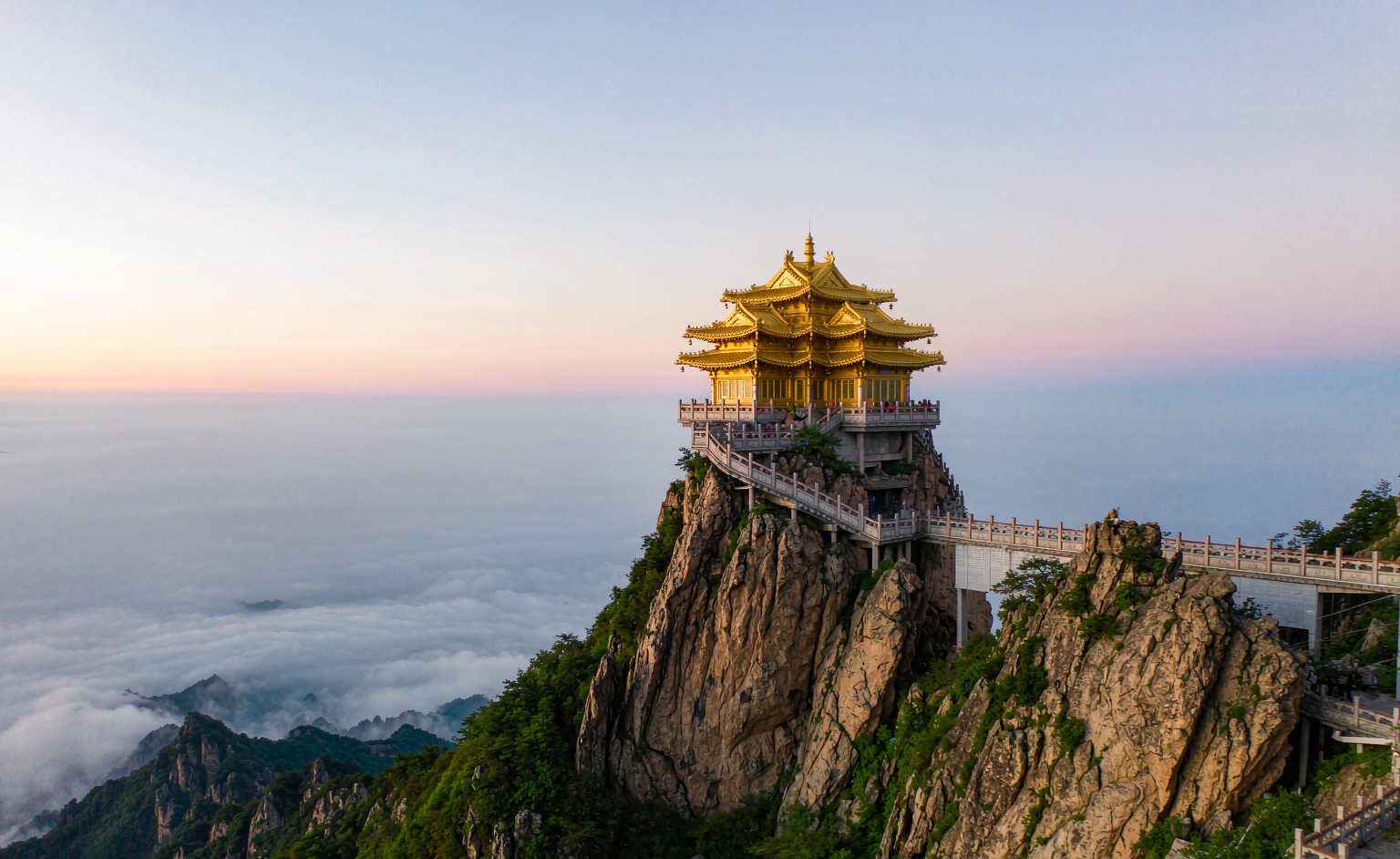
In the morning, take the cable car up Laojun Mountain and visit the Jin Ding Taoist Temple complex. On clear days, you may encounter a sea of clouds. Have a light meal at the mountaintop at noon. In the afternoon, walk along the Ten-Mile Painting Screen Trail and overlook the mountains from the glass observation deck. In the evening, descend the mountain and check into a hotel.
Attraction Introduction: One highlight of the itinerary is Laojun Mountain, located in Luoyang Luanchuan County. It is the main peak of the Funiu Mountains and a famous Taoist mountain, traditionally considered the place where the founder of Taoism, Laozi, went into seclusion for cultivation. The Jin Ding Taoist Temple complex stands atop a peak over 2,000 meters above sea level. With its golden tiles and red walls, and the rolling sea of clouds, it is praised as “a feast for the eyes beyond the world, a glimpse of earthly beauty.” The Ten-Mile Painting Screen Trail is the essence of the journey. This sky-high plank path, suspended on a cliff, offers changing views of peak forests, the sea of clouds, and the sunrise. Visitors can take a two-stage cable car up the mountain; on sunny days, the summit offers a beautiful view of the sunrise over the cloud sea, while in winter it is a very popular snow-viewing spot in the Central Plains. My understanding is that it is essential to take the cable car early to secure the best light at Jin Ding and the Ten-Mile Painting Screen. The summit is windy and cold, so a windbreaker and thermos are must-haves. The glass observation deck is not recommended for the faint-hearted.
Tips: Many parts of the mountain path are slippery, especially downhill, so keep your center of gravity back and slow your pace. Knee pads are recommended. Visitors generally report that the cloud sea and sunrise at Jin Ding are the biggest highlights, and many stay on the summit specifically to watch the dawn. Take note that the summit temperature varies greatly and cable car lines can be long, so it is crucial to go early during peak season. Respect local customs, and dress appropriately when entering religious sites. A simple greeting can go a long way in receiving goodwill.
Day 3: Wangcheng Park
Set off early from the hotel straight to the royal city. First, listen to the guide explain the background and highlights, then explore freely at a leisurely pace and take extra photos according to your interests. After lunch, take a short rest, return to the hotel in the evening, and conserve energy for the next day.
Attraction Introduction: One of the main attractions arranged in the itinerary is Wangcheng Park. Wangcheng Park is located in Luoyang and is named after the fact that it sits atop the Eastern Zhou royal city ruins. It has been one of the main venues for the Peony Cultural Festival in Luoyang over the years and is also the city park most familiar to Luoyang residents. Every April, famous peony varieties such as Yao Huang, Wei Zi, and Zhao Fen bloom in competition, displaying a spectacular array of colors. The park also preserves the Zhou royal city ruins and a zoo, combining historical significance with recreational functions, making it a classic destination for tourists visiting the 'Peony Flower City.' In my understanding, if you come during the peony season (April), you should definitely make this a must-visit spot. Early mornings have fewer people, and the peonies are most vibrant with dew. Outside of the flowering season, it is more suitable for a leisurely walk.
Tips: Popular attractions in the park have long queues. Upon entering, first get a map and the performance schedule, and prioritize the must-try attractions. Tourists generally feel that Wangcheng Park is worth visiting specifically. It is recommended to slow down, listen to the guide’s explanations, and leave time for the details that touch you the most and the best photo spots. Considering practical circumstances, the biggest drawback of joining a tour is just rushing through attractions. Listening to explanations is the essence; the cultural stories behind each site are often more memorable than photos. If you don't understand something, ask the guide on the spot.
Related Tours
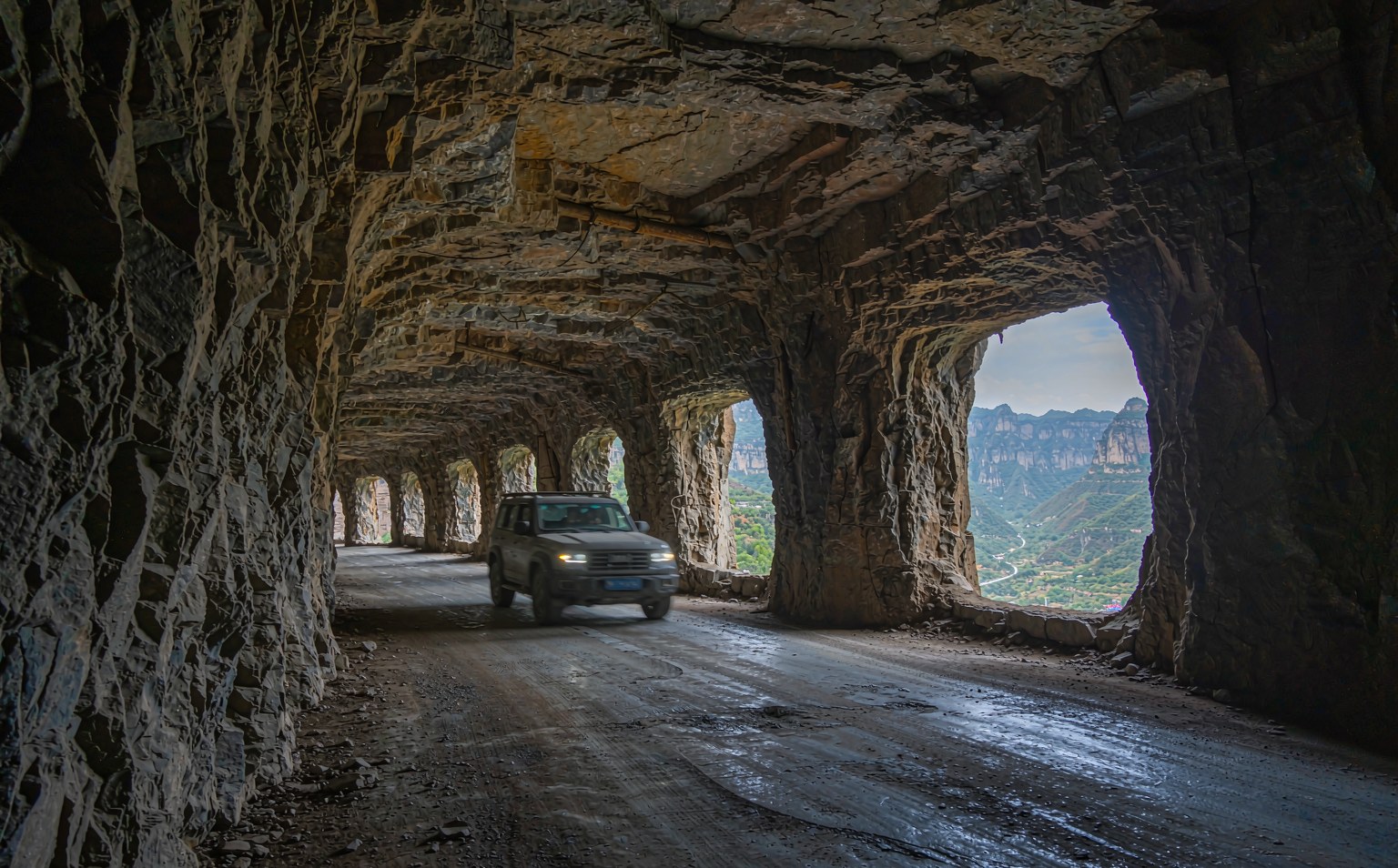
Luoyang to Wanxianshan, Guoliang Village and Baligou 6 Days
Six days from Luoyang. The Baligou ticket at 120 yuan covers Baligou, Jiulianshan and Tianjieshan for three days. Then the trip moves to Wanxianshan, where the Guoliang cliff road runs 1,250 metres with 35 windows, begun in 1972 and opened in 1977.
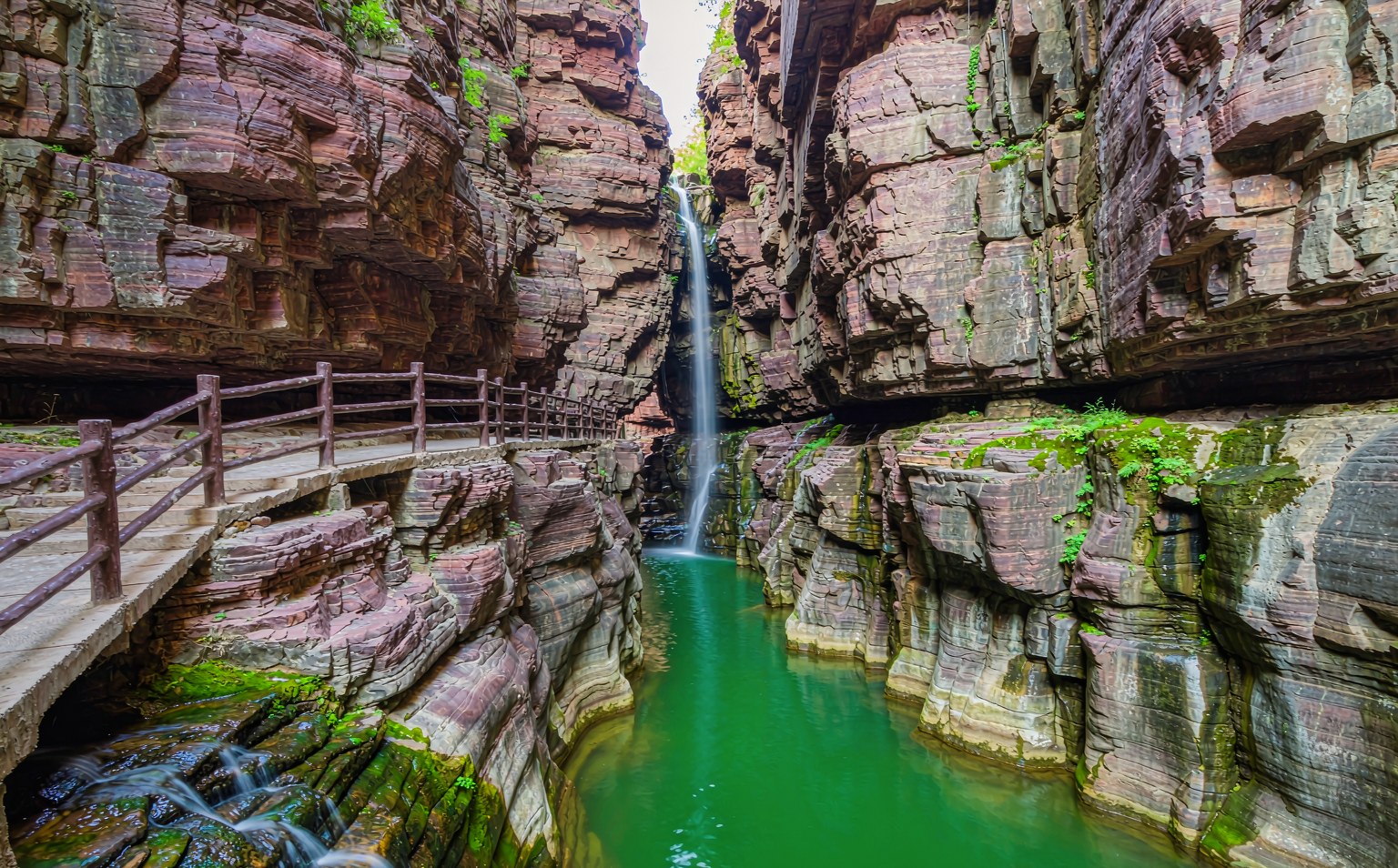
Luoyang to Yuntai Mountain, Hongshi Gorge and Chenjiagou 5 Days
Five days from Luoyang. The Yuntai ticket at 120 yuan plus a 60 yuan shuttle pass stays valid for three days, enough for Hongshi Gorge, Tanpu Gorge and Zhuyu Peak. The fourth day turns south to Chenjiagou, the village where tai chi began.
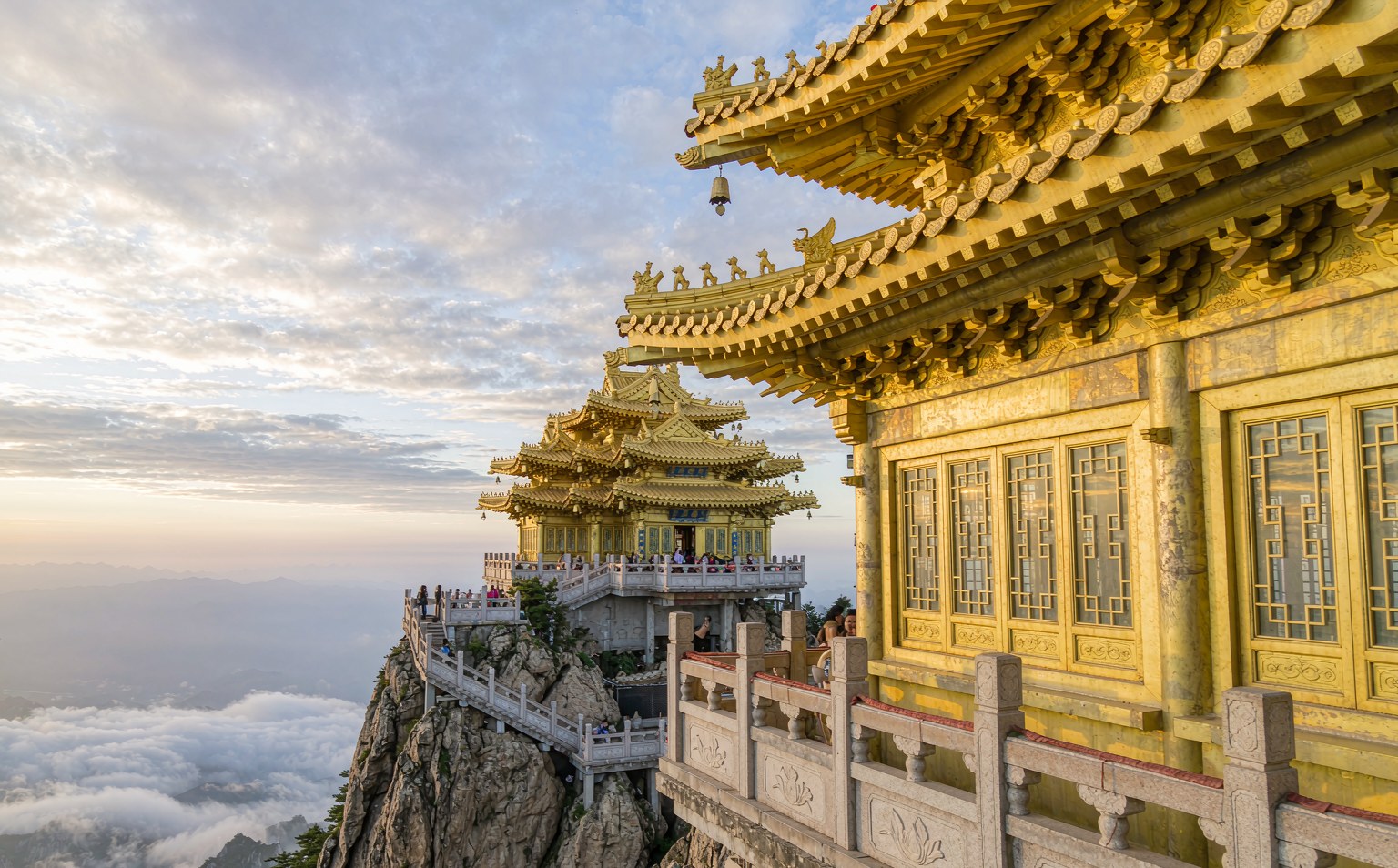
Luoyang to Laojunshan, Chongdugou, Jiguan Cave and Yangzigou 6 Days
Six days from Luoyang. The Laojunshan ticket stays valid for two days, so the golden summit comes first and a second climb chases the morning cloud sea. Jiguan Cave runs 1,800 metres at a constant 18 degrees, and Chongdugou still has green bamboo in November.
Luoyang Departure: Laojun Mountain, Jiguan Cave and Longtan Canyon, 5 Days 4 Nights
Five days from Luoyang. The Laojun Mountain ticket holds for two days, so the mountain is climbed twice: the painted rock forest first, then the summit to wait for the lamps. The second half runs west to Xinan, through a cave that stays at 18 degrees and a red gorge cut by water.