
Kaifeng 4-Day Tour: Shaolin Temple & Henan Museum
Kaifeng 4-day tour covering Shaolin Temple and Henan Museum and Yin Xu. Sightseeing tickets and shuttle bus included.
Highlights
Day 1: Shaolin Temple
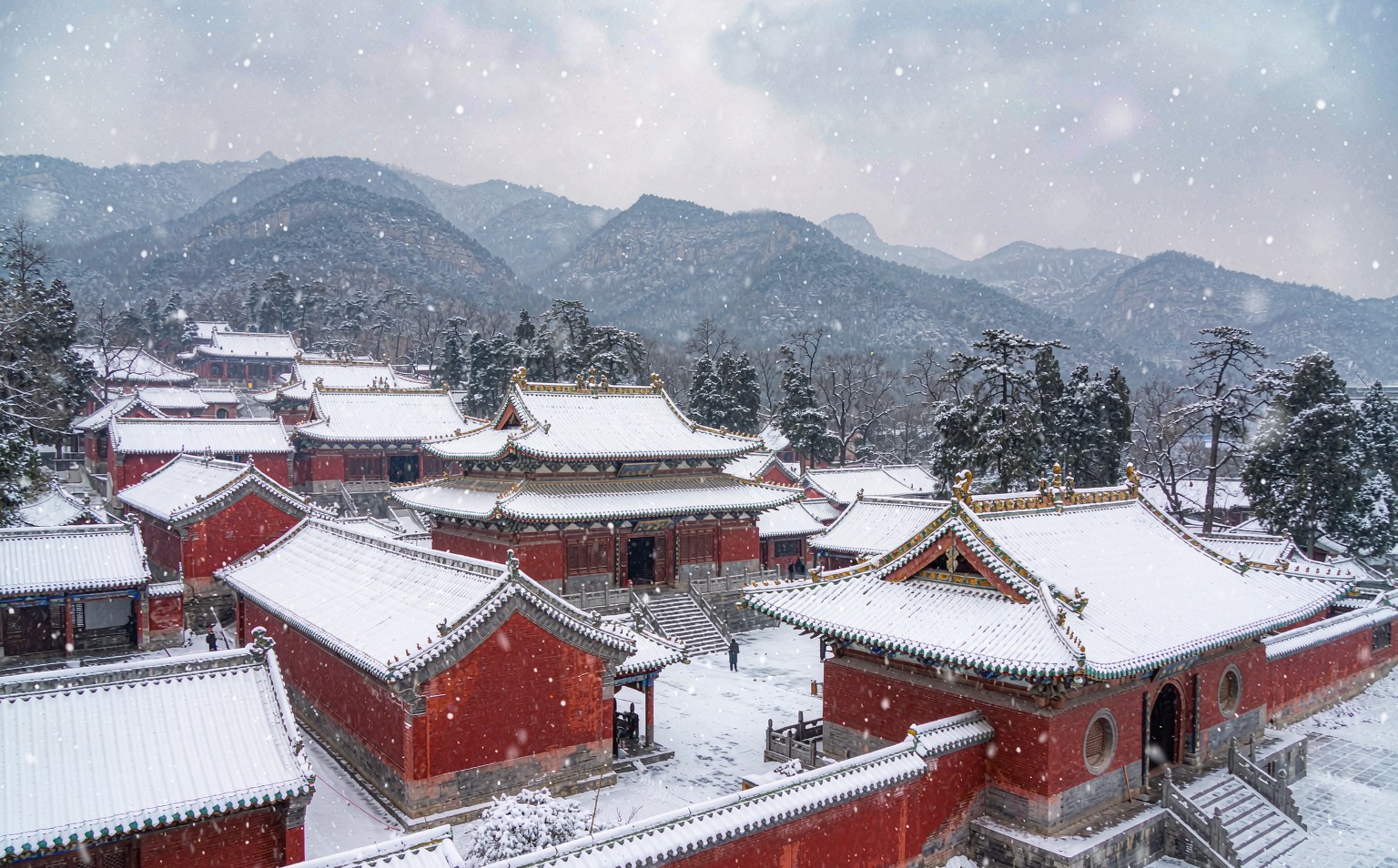
Today's Shaolin Temple trip took a close look from the mountain gate to the Sutra Pavilion, focusing on the solemnity of the pagoda forest and the awe of the martial arts performance; In the afternoon, we toured the surrounding area, then checked into the hotel in the evening.
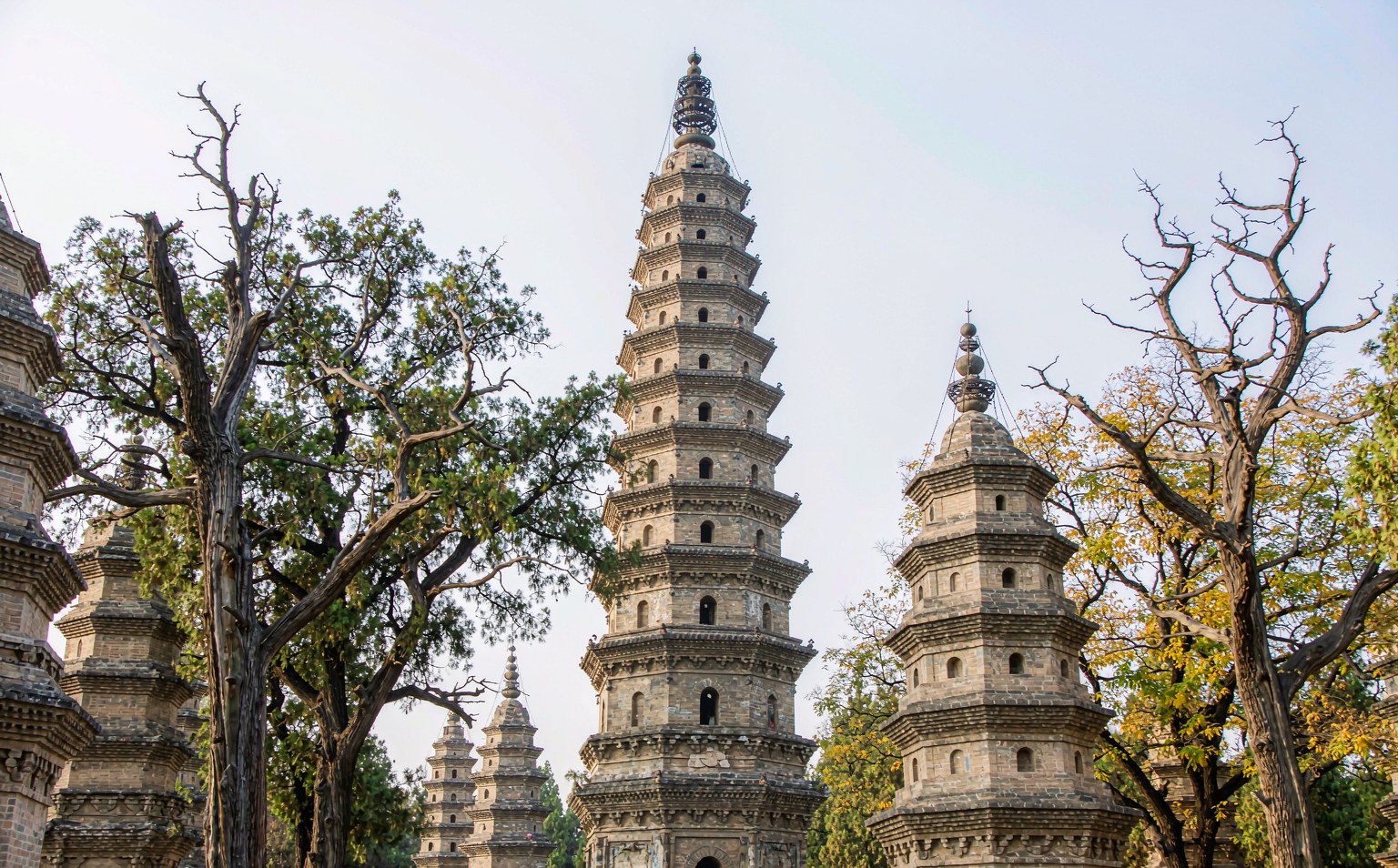
Attraction introduction: Today's itinerary includes Shaolin Temple attractions. Shaolin Temple is located at the foot of Wuru Peak on Shaoshi Mountain in Dengfeng. It was first built in the 19th year of Taihe of the Northern Wei Dynasty (495 AD). It is both the ancestral temple of Chan Buddhism and the birthplace of Shaolin martial arts, with a history of over 1,500 years. The core highlights are concentrated in three places: the main temple is lined with the central axis as the mountain gate, Hall of Heavenly Kings, Mahavira Hall, Sutra Library, and Snow Pavilion, with halls and ancient steles lined up; The Pagoda Forest is the largest existing ancient pagoda complex in China, with over 200 brick and stone tomb pagodas from the Tang, Song, to Qing dynasties, each with a different form, corresponding to a high monk; The Bodhidharma Cave on Wuru Peak is said to be where Bodhidharma faced the wall for nine years. The martial arts hall hosts Shaolin martial arts performances at scheduled times every day, showcasing the true skills of boxing, weapons, and hard qigong. My understanding is that before entering the temple, you should first follow the guide along the central axis before freely exploring the area; Please keep quiet and tour the pagoda forest area; Enter the martial arts show fifteen minutes early to secure a good spot.
Friendly reminder: There are many incense stalls around the temple. Please buy incense as needed and spend rationally. Visitors generally report that martial arts performances are most popular with families with children, while the pagoda forest and Chuzu Nunnery are often overlooked along the way. Reminder: The scenic area is highly commercialized, so ask about prices for vegetarian meals and surrounding areas first. Based on actual conditions, documents and wallets are separate; important documents can be stored in photos and saved on your phone for backup. If lost, you can quickly reissue them without delaying your trip.
Day 2: Henan Museum
Visit Henan Museum in the morning, followed by an explanation to see treasures like the Jiahu bone flute and the Fuhao Owl Zun; At noon, try local dishes; in the afternoon, visit the Shang Capital ruins or Yellow River scenic area, and return in the evening.
Attraction introduction: A highlight of the itinerary is Henan Museum, which is a coordinates of Central Plains civilization. The museum houses over 170,000 artifacts, presenting 'Early China' with the main theme of 'Vast China, Choosing the Central Capital for Capitalization.' Among the museum's treasures, the Jiahu bone flute is the earliest discovered playable instrument, rewriting the history of Chinese music; The Duling square ding and cloud-patterned bronze jin are the pinnacle of Shang and Zhou bronze casting; The Lady Hao Owl Zun is grandly shaped, telling the legend of Fu Hao, wife of King Wu Ding; There are also national treasure-level artifacts such as the lotus-crane square pot and Wu Zetian's golden slips. It is recommended to follow the guide or rent an interpreter to gain a two-hour overview of the main lineage of Chinese civilization. My understanding is that first go straight to a few treasures to enjoy yourself, then browse according to the timeline system—this is the most efficient way to grasp the main storyline; It's normal for people to be crowded in front of the national treasure display cabinets, so knowing the location of the treasures in advance saves you time by heading straight to the main topic.
Friendly reminder: Museums generally require reservations or ticket exchanges with ID card. Please confirm opening hours and reservation methods in advance. Visitors generally report that Henan Museum is worth a special visit. It is recommended to slow down and follow the guide to listen to the explanations, saving time for the most impressive details and camera angles. Depending on the situation, bring some change and small packs of snacks to help with poor signal or temporary supplies at scenic spots. Don't wait until hungry to find them.
Day 3: Yin Ruins
Early in the morning, enter Yin Ruins, first see the palace area and carriage pits, then visit the royal tomb area, and follow the explanation to understand the opening chapter of the historical records; Visit the new museum in the afternoon and return in the evening.
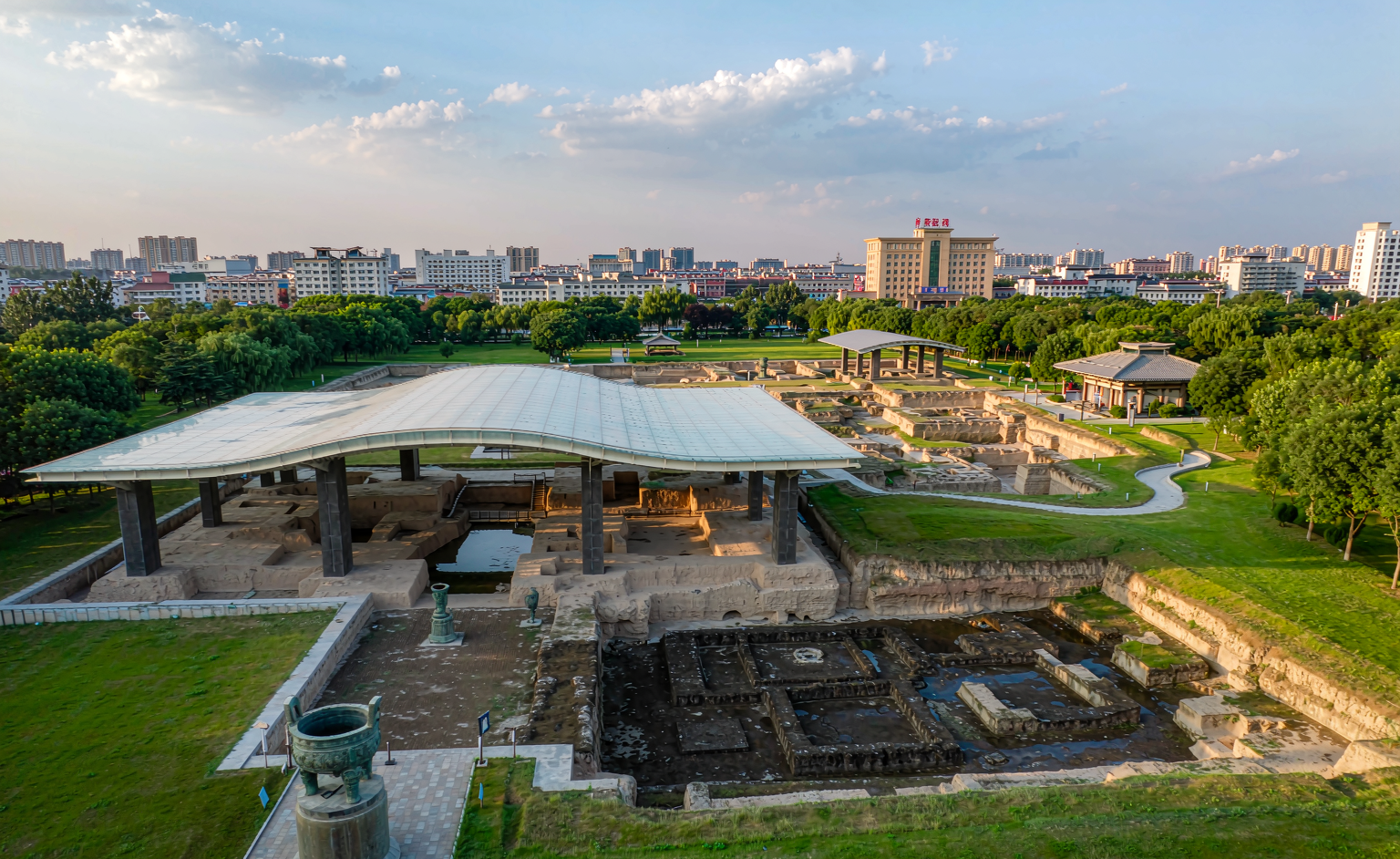
Attraction introduction: Today's itinerary includes Yin Ruins attractions. Yin Ruins is the ruins of the late Shang capital located at Anyang, the hometown of oracle bone inscriptions, and the excavation site of the Houmuwu Ding (originally called Simuwu Ding). It was listed as a World Cultural Heritage site in 2006. This was once the capital of the Shang Dynasty after Pan Geng moved to Yin, lasting over 270 years. Palace and ancestral temple ruins, royal tombs, and chariot pits are clearly visible. Oracle bone script was first discovered here, tracing China's trusted history back to the Shang dynasty; The new building of the Yin Ruins Museum systematically displays bronzes, jade, oracle bones, and other artifacts, serving as the most direct classroom for understanding Shang civilization. My understanding is that first visit palaces, ancestral temple sites, and chariot pits to establish spatial concepts, then visit museums to appreciate artifacts in detail; only when these two lines connect is it complete; Oracle bone script and bronze artifacts are the essence; walking through the explanation is far better than just skimming through.
Friendly reminder: In mountainous areas, temperature differences between morning and evening are large, and winds are strong at the summit, so a windproof jacket and warm inner layer are very necessary. Visitors generally report that oracle bone script and Simuwu Ding bring history to life, and visitors say the new museum is more valuable than the open-air site; Reminders are only understood when combined with explanations. Considering actual conditions, mountain weather changes quickly, and a windproof jacket is more practical than anything; Always choose shoes that are non-slip and comfortable; avoid taking a few photos to avoid twisting your ankle.
Day 4: Return
Transfer to the departure terminal per your booked train or flight; keep travel documents and tickets in your carry-on.
Related Tours
Luoyang to Shaolin Temple, Sanhuangzhai and Songyang Academy 5 Days
Five days from Luoyang. Songshan has two massifs, Taishi and Shaoshi: the Shaolin Temple and Sanhuangzhai sit on one, the Songyang Academy and Zhongyue Temple on the other. The 80 yuan Shaolin ticket already covers Sanhuangzhai.

Luoyang Departure: Shaolin Temple, Songyang Academy, Zhongyue Temple and Gaocheng Observatory, 4 Days 3 Nights
Four days from Luoyang. One 80-yuan Shaolin ticket covers the temple compound, the pagoda forest and Sanhuangzhai with its cliff walkway. The rest goes to the foot of Taishi Mountain: Han-dynasty cypresses, Song iron figures, and an observatory in Gaocheng town.
Luoyang Departure: Shaolin Temple and Sanhuangzhai Cliff Walk, 3 Days 2 Nights
Three days from Luoyang. One for the halls and the pagoda forest, one for the plank walk pinned to the cliff at Sanhuangzhai where the rock stands in shelves like books, one for the quiet hermitage above.
Luoyang Departure: Yin Ruins, Chinese Character Museum and Youli City, 3 Days 2 Nights
Three days from Luoyang into the Shang world: oracle bones scratched with questions, a museum that follows those marks into modern characters, and the earth platform where King Wen worked out the hexagrams.