
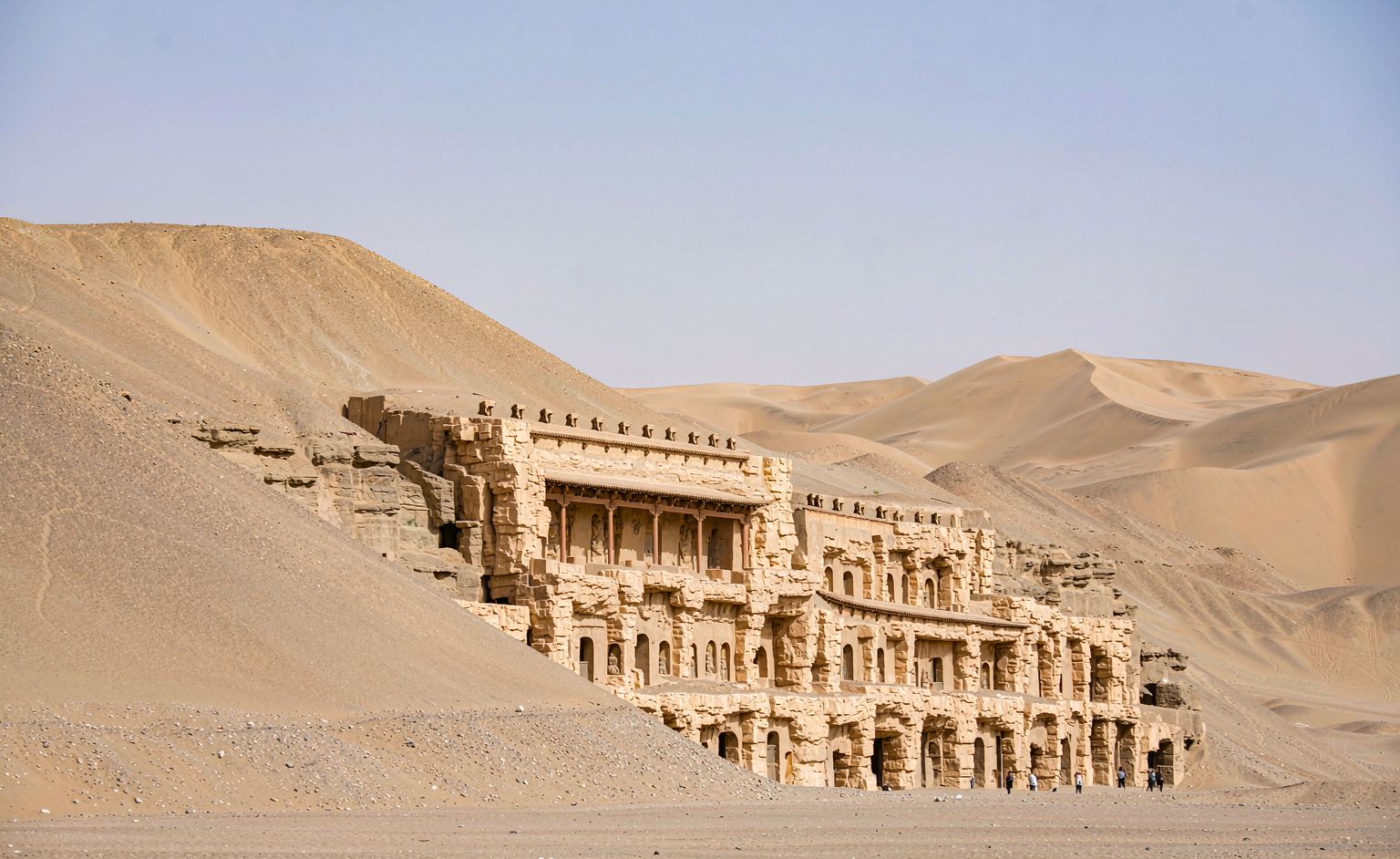
Luoyang Departure: Jiayuguan, Mogao Caves and Crescent Spring, 7 Days 6 Nights
Seven days from Luoyang. On the Hexi Corridor the riding matters more than the rushing: a while under the gate tower at Jiayuguan, the flying figures inside the Mogao caves, and one sunset waited out on the Singing Sand Dunes. November is low season, so the caves are quiet.
Highlights
Day 1: Luoyang to Lanzhou, wind off the Yellow River
A morning train west from Luoyang Longmen, along the Longhai line past Xian and Tianshui, and Lanzhou West by afternoon. Drop the bags and walk to the river, where the iron frame of Zhongshan Bridge is a late Qing survivor and rafts of inflated sheepskin still run the current below. Toward evening, Zhengning Road, where the queue at the fermented rice stall never shortens and the pot keeps rolling.
Attraction introduction: Zhongshan Bridge was built in the last years of the Qing with German contractors and was the first true iron bridge across the Yellow River; it now carries only pedestrians. The river crosses Lanzhou in a wide, fast channel with walkways on both banks. The Zhengning Road night market is one narrow street of food stalls in Chengguan district.
Tips: Lanzhou sits about fifteen hundred metres up and most people feel nothing, but skip alcohol and sprinting on the first night. Guests generally find the riverbank windy after sundown, so carry a jacket. In practice, this day holds only the bridge and the market, which loosens up the legs after a long train.
Day 2: By train to Jiayuguan, the pass first
A morning train west past Zhangye, the window alternating bare gobi and snow line, and Jiayuguan by noon. The afternoon goes to the pass, entering through the eastern gate and walking inward past the Guanghua and Rouyuan towers, the wall circuit closed and walkable. From the western tower the gobi runs to the horizon and the wind comes through the crenellations. Back in town for twisted noodles and roast lamb.
Attraction introduction: The pass was built in the fifth year of the Hongwu reign of the Ming and marks the western end of the Ming wall, defended in three lines of inner city, outer city and moat. Its gate tower is three storeys of five bays under a hip and gable roof. Beyond the gate the corridor between the Qilian and Hei mountains carried the Silk Road westward, and the crenellations and ramps survive intact.
Tips: The pass costs 88 yuan and the shuttle 10 one way, and since the car park sits a fair walk from the gate arch, take the shuttle if walking is hard. Ultraviolet light on the gobi is strong, so hat and sunglasses are not optional. Guests generally find the western face of the tower best around four. In practice, the pass comes in the afternoon and dinner follows in town.
Day 3: Into Dunhuang, the museum first
West from Jiayuguan in the morning, the window a single sheet of gobi broken now and then by a beacon tower. Dunhuang by noon and straight to the hotel. The afternoon goes to the Dunhuang Museum, where Han slips, Wei and Jin picture bricks and the documents from the library cave run one after another, and by evening the caves will make more sense. After dark, Shazhou night market, apricot juice with donkey meat noodles.
Attraction introduction: The museum sits in the city centre and enters free with a booking, its collection built on Han bamboo slips, picture bricks, silk and the documents found in the library cave, tracing Dunhuang from the Han commandery to the Yuan. The night market runs along Yangguan East Road with apricot juice, noodles, skewers and jade cups.
Tips: Dunhuang is dry enough to crack lips and nose, so bring lip balm and moisturiser and put a basin of water in the room. Guests generally find the caves far easier to read after the museum. In practice, this day carries no long drive; half of it was spent on the train, and the afternoon belongs to the museum and the market.
Day 4: The Mogao Caves, a full day
Start at the digital centre, where two dome-screen films enlarge the structure of the caves and the detail of the painting, then take the shuttle to the cliff. The guide carries a torch and lights each panel in turn, saying this is high Tang and this is Northern Wei, and the ribbons of the flying figures come out of the dark. No photographs inside, no water either, so sit under the poplars outside afterwards.
Attraction introduction: The caves were begun in 366 and built over the following thousand years, leaving several hundred chambers, tens of thousands of square metres of mural and more than two thousand painted figures, one of the largest surviving Buddhist art sites in the world. The library cave is number seventeen, opened in 1900 and yielding tens of thousands of documents. The nine-storey facade is the landmark of the site, wrapping the great Buddha of cave ninety-six.
Tips: The A ticket covers eight caves and the guide follows whichever are open that day; photography and video are forbidden inside, and flash damages the paint. The cliff runs cooler than town, so carry a jacket. Guests generally find the low-season pace slower, with a few extra minutes in front of each panel. In practice, Mogao takes a whole day of its own, films in the morning and caves in the afternoon.
Day 5: The dunes, and a sunset waited out
Sleep in, then hand-pulled mutton for lunch. Into the dunes at four, when the sand has been warm all day underfoot. Up the ridge, and the Crescent Spring lies below in its hollow, bent into a green crescent. Camel strings pass beneath with bells all the way. The sun drops behind the sand hills and the whole field turns to red gold; a gust comes and the surface is smooth again.
Attraction introduction: The Singing Sand Dunes begin five kilometres south of Dunhuang, running east to west in fine even grain that hums when a body slides down a slope. The Crescent Spring sits in a hollow ringed by dunes, its water below the surrounding level and never dry in a thousand years. The pavilions and corridors beside it were built in the Qing.
Tips: The ticket is 110 yuan and allows re-entry over three days once your face is registered at the gate. The sand burns at midday, so do not enter then, and use the boardwalk up the ridge, since bare sand swallows a step. Guests generally find the surface cools quickly after sunset, so bring a jacket. In practice, we enter at four, stay for the sunset, and anyone who wants a second look simply walks in again.
Day 6: Back to Lanzhou, a day on the train
East from Dunhuang in the morning past Guazhou, Yumen, Jiayuguan and Zhangye, the country shifting from sand to gobi to farmland. Lunch on board, Lanzhou by afternoon. In the evening the riverbank again, this time sitting down to a bowl of three-bubble tea.
Attraction introduction: The Dunhuang to Lanzhou line is the spine of the Hexi Corridor, the Qilian mountains to the south, the Heli and Longshou ranges to the north, and a single flat strip between them that carried the caravans. Yumen and Guazhou were frontier garrisons of Han and Tang, and rammed earth walls still stand by the modern road. Three-bubble tea is the Lanzhou lidded bowl, with rock sugar, longan, goji and leaf tea.
Tips: This day runs about seven hours on board, so bring a book or download something, and station stops are short, so do not wander far. Guests generally find the return leg is mostly about drinking water, since the gobi dries you out. In practice, the journey home is split in two with a night in Lanzhou, rather than one long push.
Day 7: Lanzhou to Luoyang
A bowl of beef noodles in the morning, thin cut, chilli oil on the side. Then to the station and east past Tianshui and Xian, reaching Luoyang by evening.
Attraction introduction: Lanzhou beef noodles are judged on clear broth, white radish, red chilli oil and green herbs, and the strands are pulled to order from hair-fine to wide ribbon. Tianshui, between Lanzhou and Xian, is the hometown of Fuxi, with the Maijishan caves southeast of the city. After Baoji the line enters the Guanzhong plain with the Qinling on the right hand side.
Tips: Beef noodles must be eaten at once and turn to paste in a box, so allow half an hour before the train. Guests generally find the queue at Lanzhou West lengthens in the morning peak, so arrive an hour early. In practice, the return train is booked after ten so the morning still holds a proper breakfast.
Related Tours
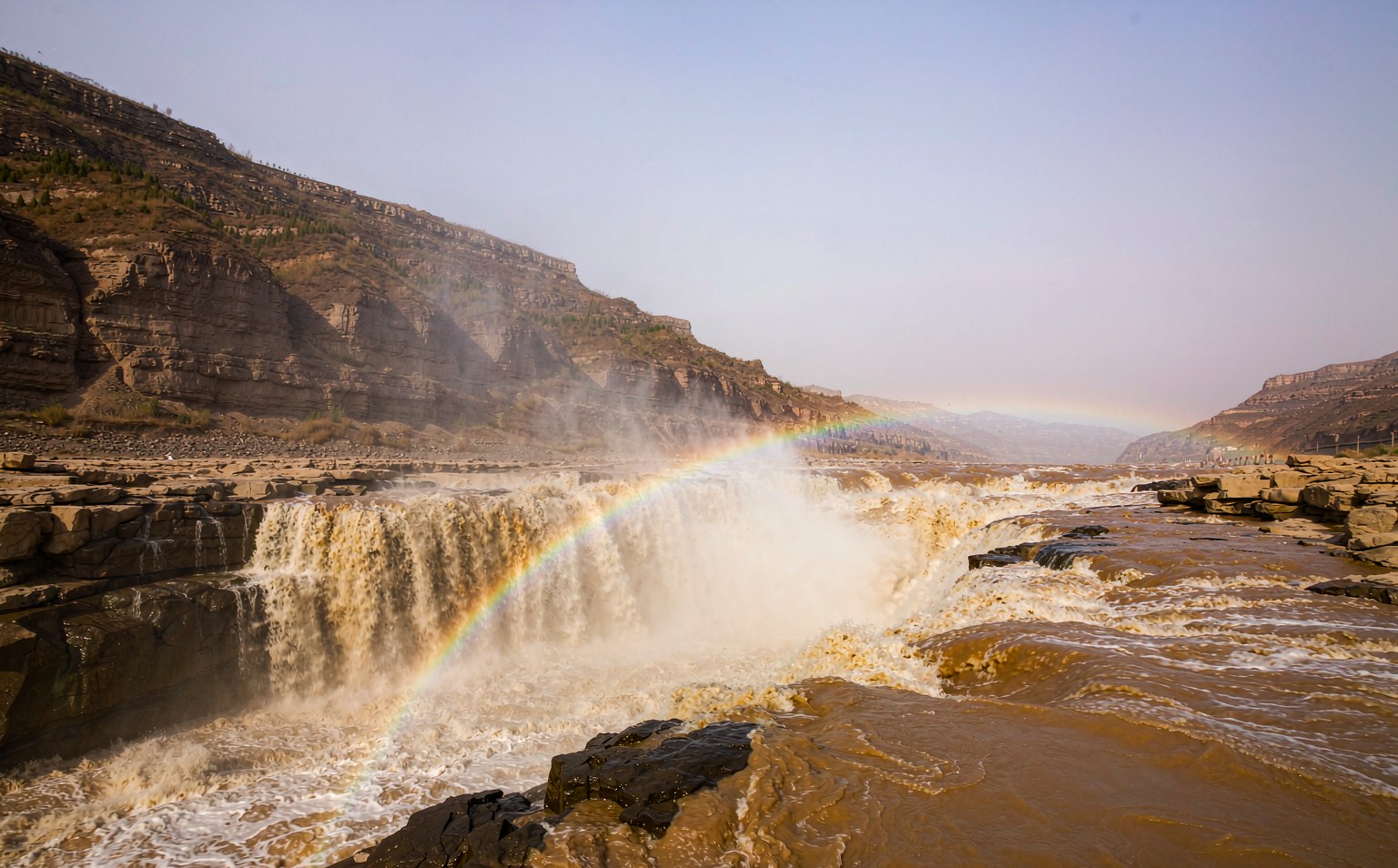
Luoyang Departure: Hukou Waterfall, Yanan and the Yellow Emperor Tomb, 6 Days 5 Nights
Six days from Luoyang. West first, where the Yellow River squeezes into a narrow gap at Hukou and the roar carries for miles, then north to Yanan with its cave dwellings and the pagoda hill, and south at the end to Huangling for a cypress said to be planted by the Yellow Emperor himself.
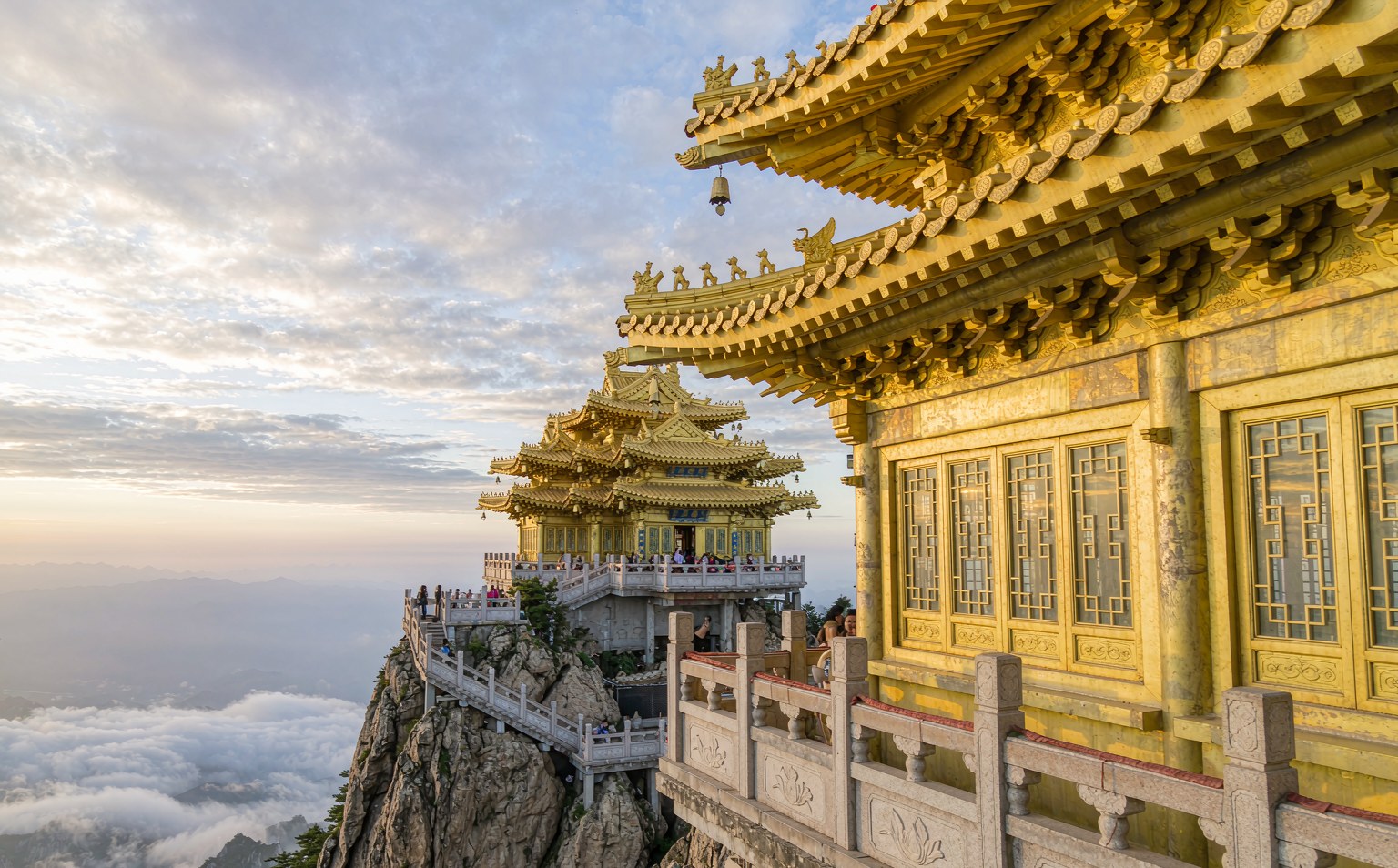
Luoyang Departure: Emei Summit, Leshan Buddha and Qingyin Pavilion, 5 Days 4 Nights
Five days from Luoyang. A night in Chengdu first, then the Leshan Buddha, then Emei Mountain. The summit sits above the cloud and the cable car takes minutes. The lower slopes are a different matter: the brick vault of Wannian Temple and the twin bridges at Qingyin.
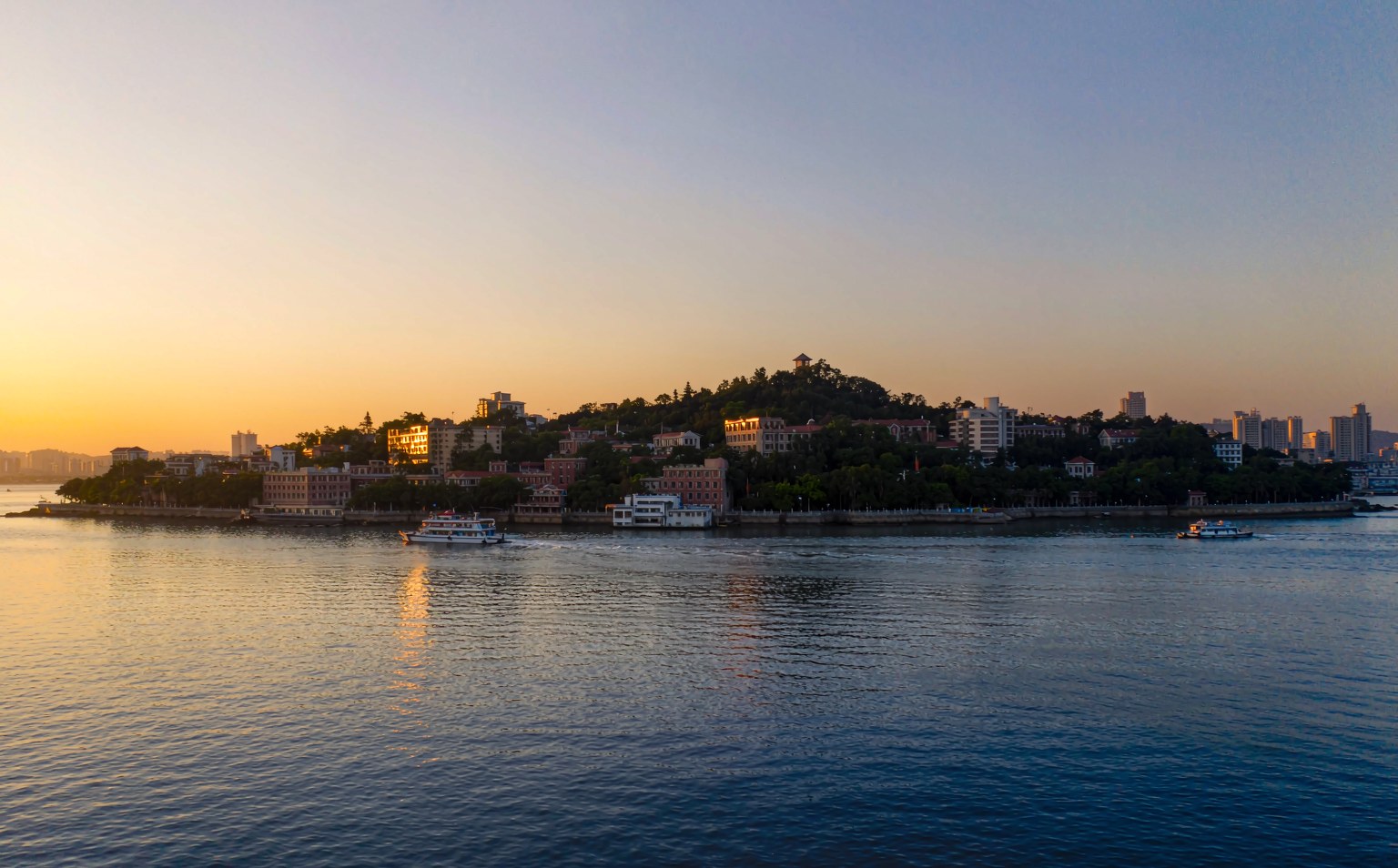
Luoyang Departure: Gulangyu, Sunlight Rock and Shuzhuang Garden, 5 Days 4 Nights
Five days from Luoyang. November is the good window: the sea wind is dry and the bougainvillea still out. The ferry is 35 yuan return and stays valid for 20 days, so nothing is rushed. One full day on the island, one for the temples and the coast, and a slow last morning in Jimei.
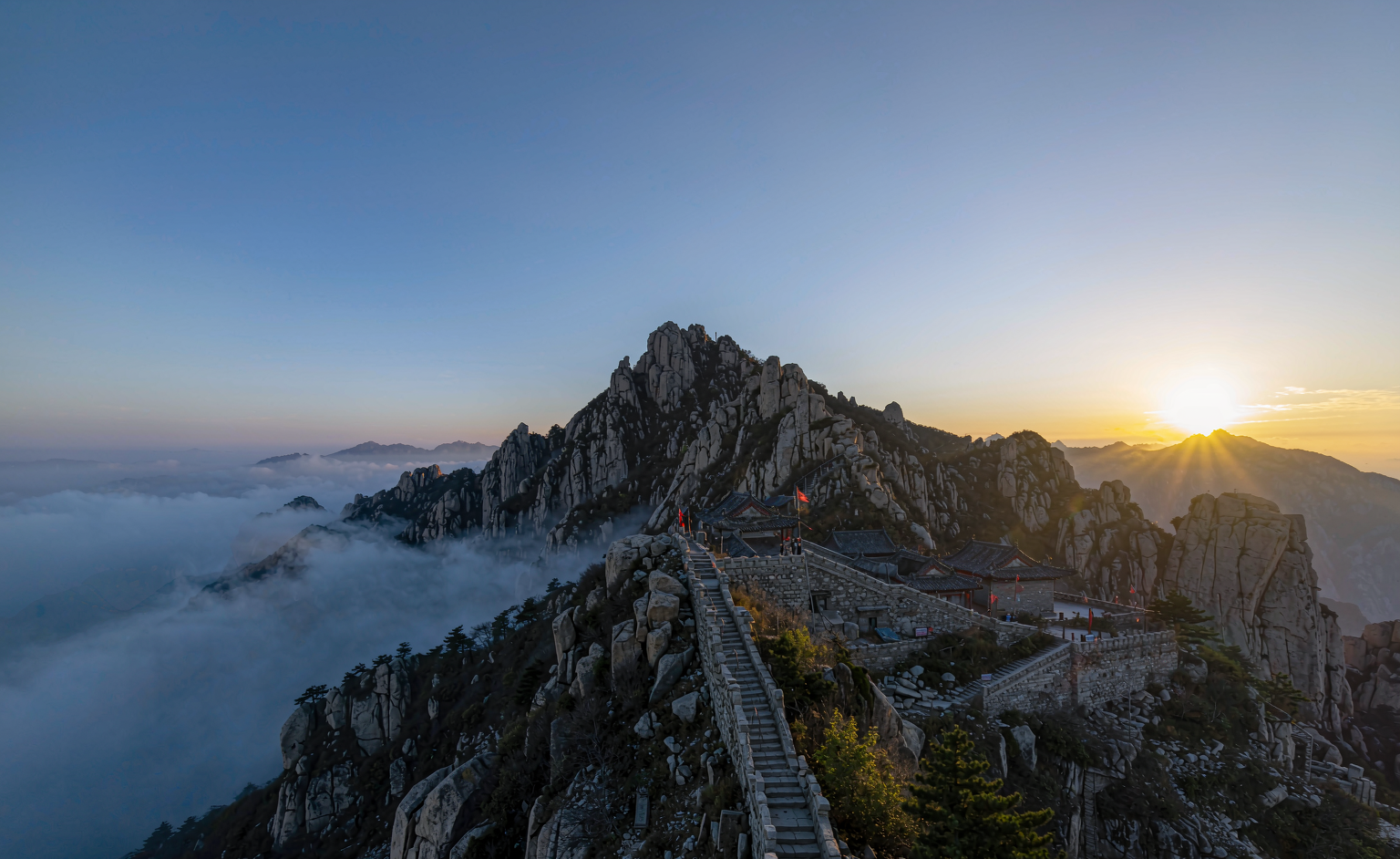
Luoyang Departure: Mount Tai, Daimiao Temple and the Eighteen Bends, 4 Days 3 Nights
Four days from Luoyang. Mount Tai does not have to be rushed in one push: the Han cypresses and temple murals first, then the old stone stairway from Hongmen to Nantianmen, a night on the summit, and sunrise at Riguan Peak. The ticket holds three days.