
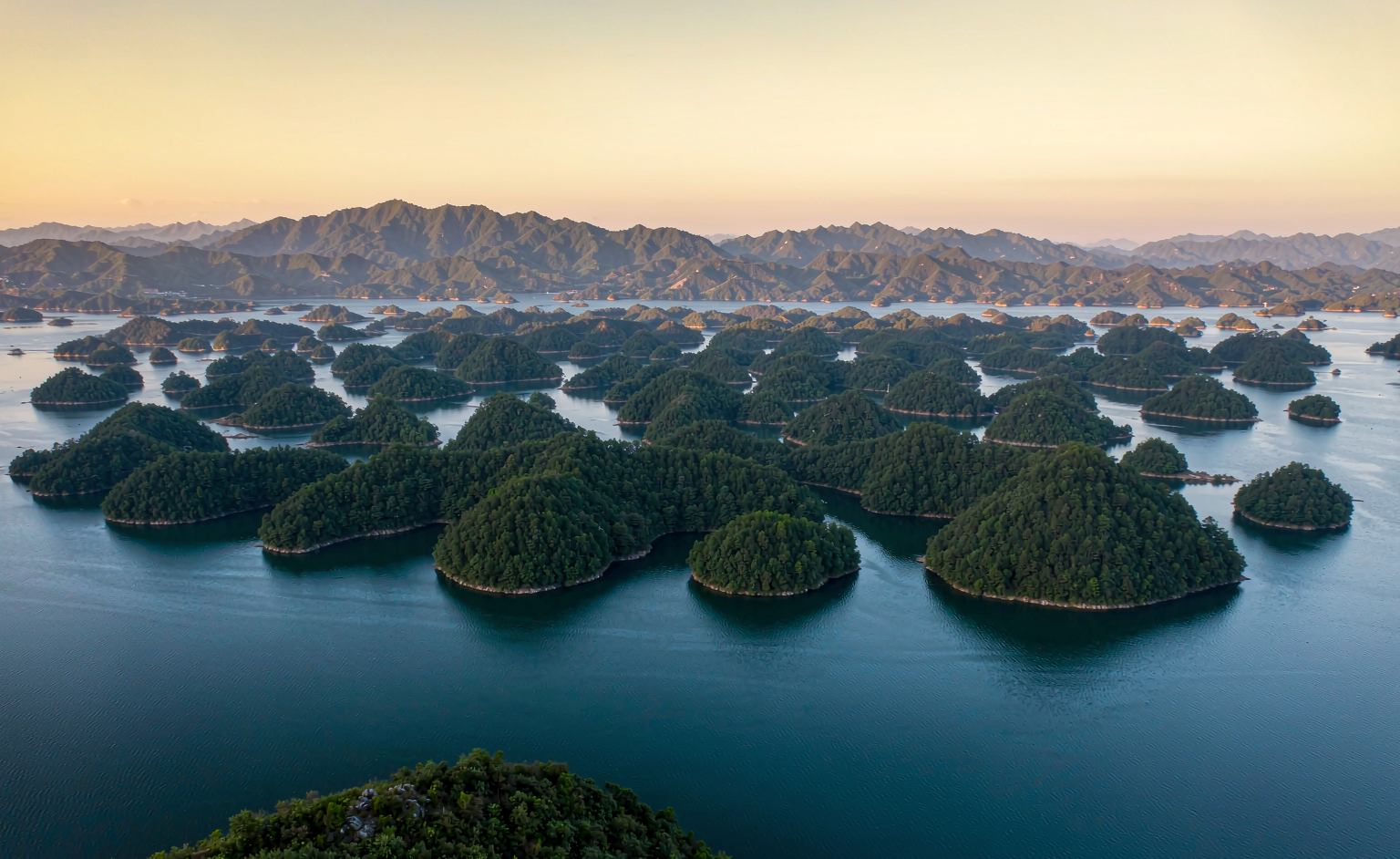
Luoyang 4-Day Tour: Qiandao Lake
Board at Shexian and the Xin an River runs southeast past whitewashed Huizhou walls, tallow trees turning red in November.
Highlights
Day 1: Rail to Huangshan North, then Shexian old town
Leave Luoyang Longmen in the morning, change at Zhengzhou East and Hefei South, and reach Huangshan North just after two. Shexian is half an hour away by road. Leave the bags at a guesthouse inside the old town and step out onto flagstone streets with timber shop signs still hanging. Go first to the Xu Guo archway, eight columns carrying four sides of carved characters, raised in the Ming for a grand secretary. At dusk walk to the Yuliang dam.
Attraction introduction: Shexian was the seat of the old Huizhou prefecture, established under the Qin, and the point from which Huizhou merchants went out in the Ming and Qing. The Xu Guo archway of 1584 is a four-column three-bay structure known as the eight-legged arch for its eight supports, one of the few Ming stone archways left in the country. The Yuliang dam on the Lian River was first built in the Tang, rebuilt in the Ming, and stacked from cut stone to hold water and carry boats.
Tips: The lanes are too narrow for cars, so expect to carry luggage a short way. Guests generally find the dam best at dusk when the water throws light back onto the stone. In practice the first day stays inside the town, since tomorrow is a boat day.
Day 2: Boat from Shendu down the Xin an River
At half past eight reach Shendu pier and board at nine. The banks fall back as the boat moves, the river narrowing to a few dozen metres in places, whitewashed villages on one side and bamboo on the other. In November the tallow and sweetgum have turned red among the green. Stop at Zhangtan to see the camphor tree said to be over a thousand years old, its trunk needing six or seven people with arms joined. Lunch on board, ashore at two, then by road to Qiandao Lake town.
Attraction introduction: The Xin an River rises in Xiuning, Anhui, and runs east into Zhejiang as the headwater of the Qiantang. Below Shendu the channel twists between close hillsides and is marketed as a gallery of landscape. Zhangtan, Miantan and Yuetan along the bank are Huizhou villages known for loquats and old camphors. The nine-surname fishing demonstration preserves a cormorant and net method once used by river families.
Tips: It is windy on deck and standing out too long gets cold. Guests generally find the glare off the water strong and photographs need the exposure pulled down. In practice we take the boat in the morning, when the light rakes across the surface and the banks read in layers.
Day 3: Central lake, Meifeng Island and the archipelago
At eight board the water bus from the central lake pier. The first stop is Meifeng Island, where a stone stair of over four hundred steps climbs to the viewing deck and the water opens below with islands scattered like thrown beans, near and far overlapping. Lunch at the pier, then the afternoon boat to Longshan Island and the small shrine to Hai Rui, its courtyard modest and the beam carvings intact. Back in town by half past four, and fish head stew for dinner on Qilong Lane.
Attraction introduction: With the reservoir level stable, most islands are the tops of former ridges. Meifeng is among the higher ones in the central lake and its deck looks over more than three hundred. Longshan Island holds the shrine to Hai Rui, the Ming official who governed Chun an, with steles and timberwork preserved inside. Water quality stays at class two or better, and the pale blue colour comes from depth and low suspended solids.
Tips: The island paths are all steps and need grippy soles, especially after rain. Guests generally find the deck windy enough to take hats. In practice we take the first boat, which beats the queues and the crowds.
Day 4: A stretch of lakeside path, then home
No sights this morning. Walk or rent a bicycle along the lakeside greenway, built tight against the water with tea terraces on the inland side still green though the pickers have mostly gone. Back at half past nine to pack, check out at half past ten. One last meal in town, and the fish head soup needs ordering early since it takes time to turn milky. The one o clock train runs from Qiandao Lake station via Hangzhou East and Hefei South.
Attraction introduction: The greenway follows the shoreline for hundreds of kilometres, with the Chun an section paved and level, dotted with viewing platforms and rest stops. The fish head is bighead carp, called fathead locally, raised in the deep slow water of the reservoir; the flesh is thick and the soup needs little seasoning beyond the collagen in the fish.
Tips: Local cyclists use the greenway too, so keep right and do not ride abreast. Guests generally find the soup needs forty minutes and is not worth ordering in a hurry. In practice lunch sits at half past eleven with departure at one.
Related Tours
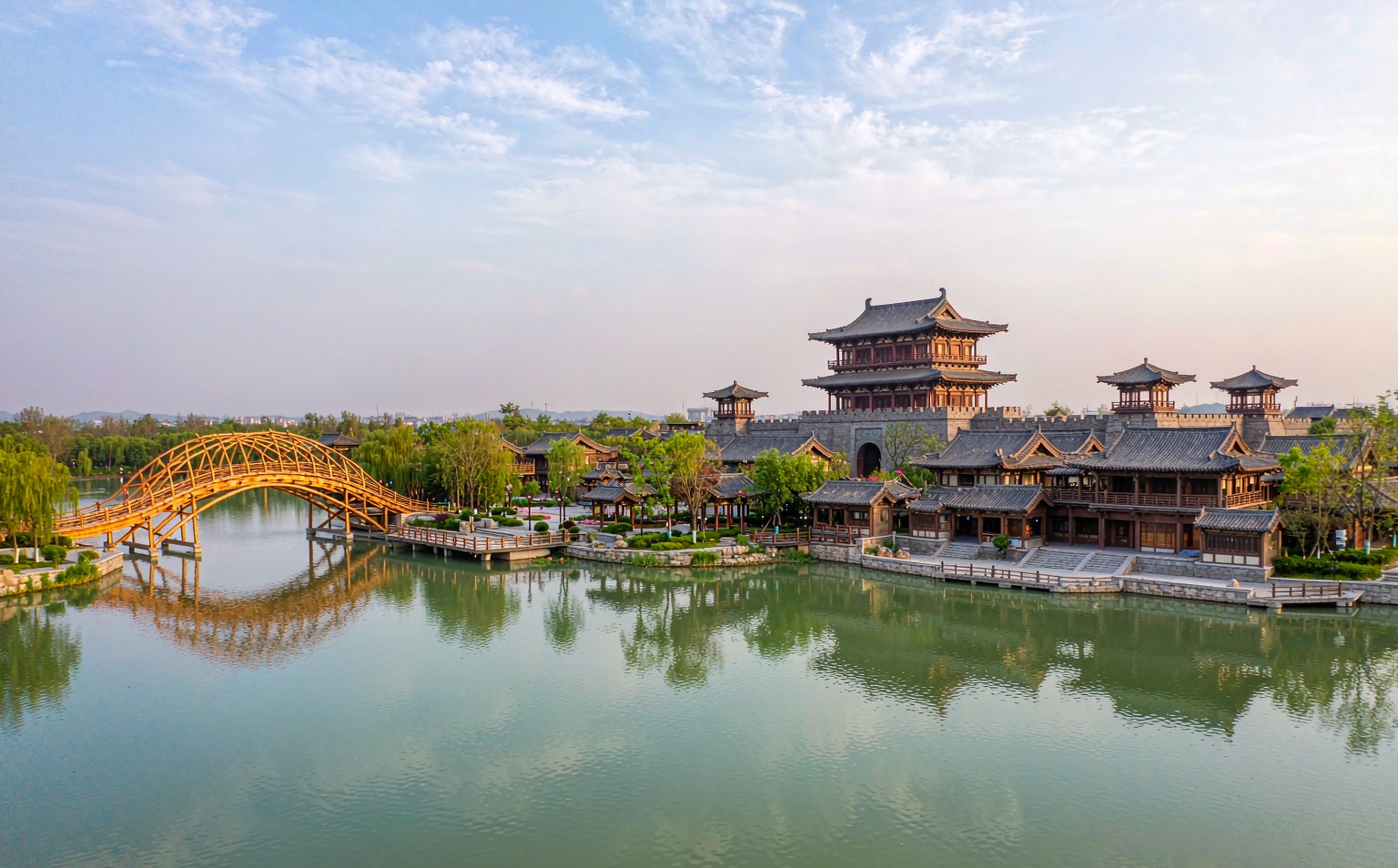
Kaifeng in Four Days: Qingming Riverside Garden, Dragon Pavilion and Kaifeng Prefecture, 4 Days 3 Nights
Four days of Kaifeng in autumn. The chrysanthemum festival fills the imperial approach at Dragon Pavilion until 17 November, Qingming Riverside Garden runs its shows from morning to the night performance on the water, and justice is still being served in the prefecture hall.
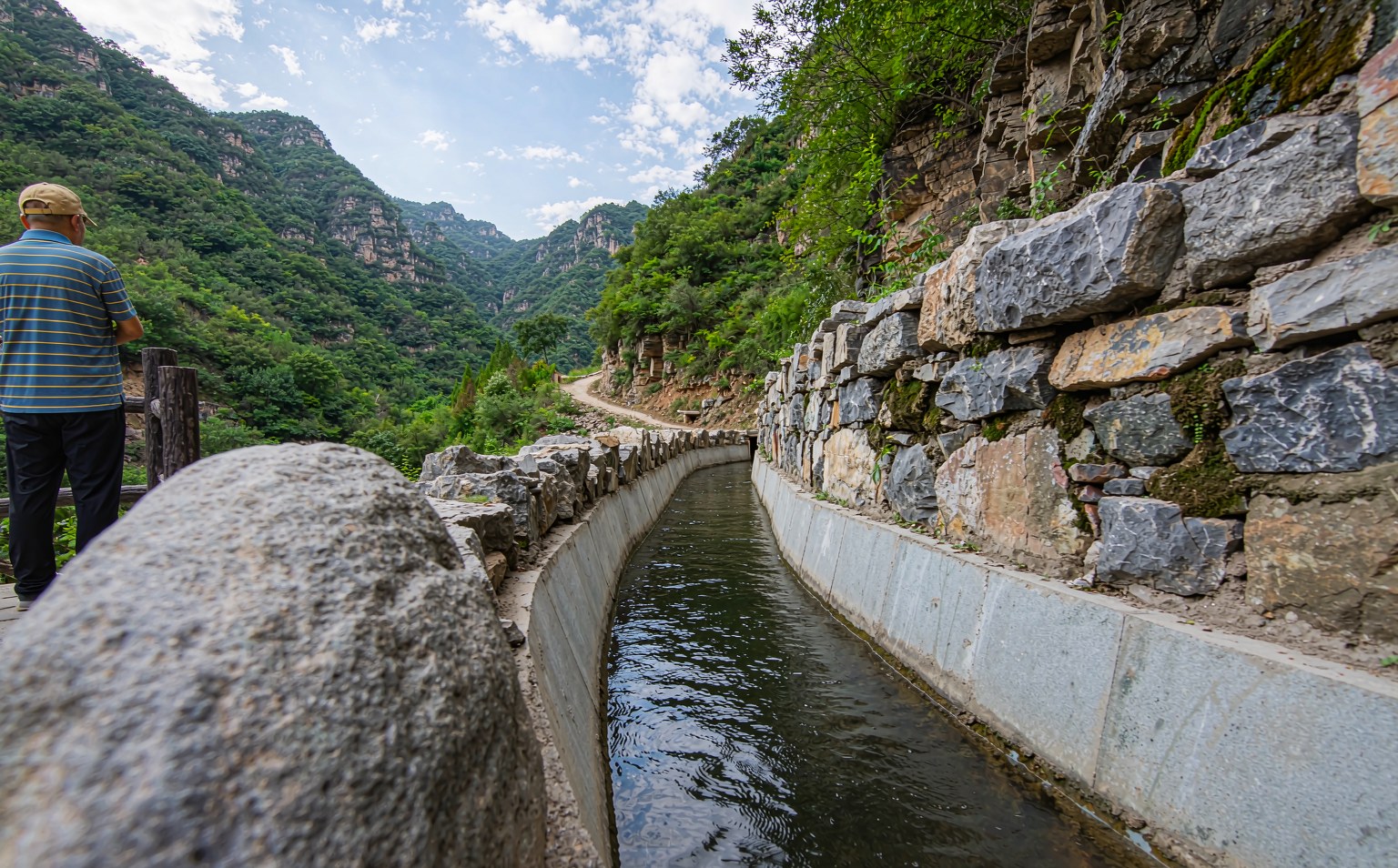
Taihang in Six Days: Red Flag Canal, Grand Canyon and Wanxian Mountain, 6 Days 5 Nights
Six days north along the eastern foot of the Taihang range. The Red Flag Canal cut into the cliff by hand, water dropping through Taohua Valley, the vertical steps of Wangxiangyan, and two days at Guoliang counting the thirty five windows of the cliff road.
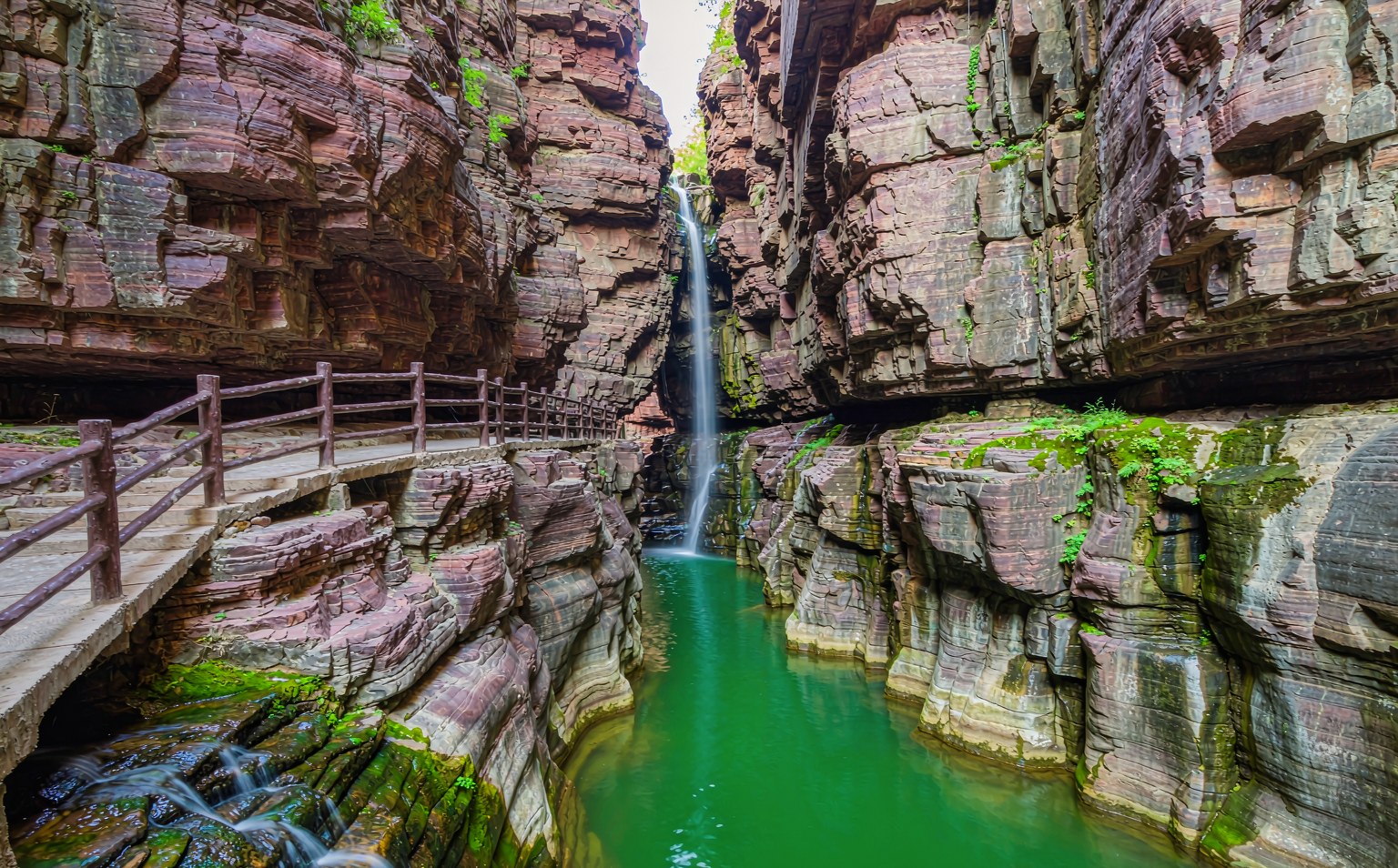
Yuntai Mountain in Four Days: Red Stone Gorge, Tanpu Gorge and Zhuyu Peak, 4 Days 3 Nights
Four days inside the gorges of Yuntai Mountain. Red Stone Gorge walked one way between dark red walls and green water, two flat kilometres of springs in Tanpu, then the cable car up Zhuyu Peak at 1,308 metres.
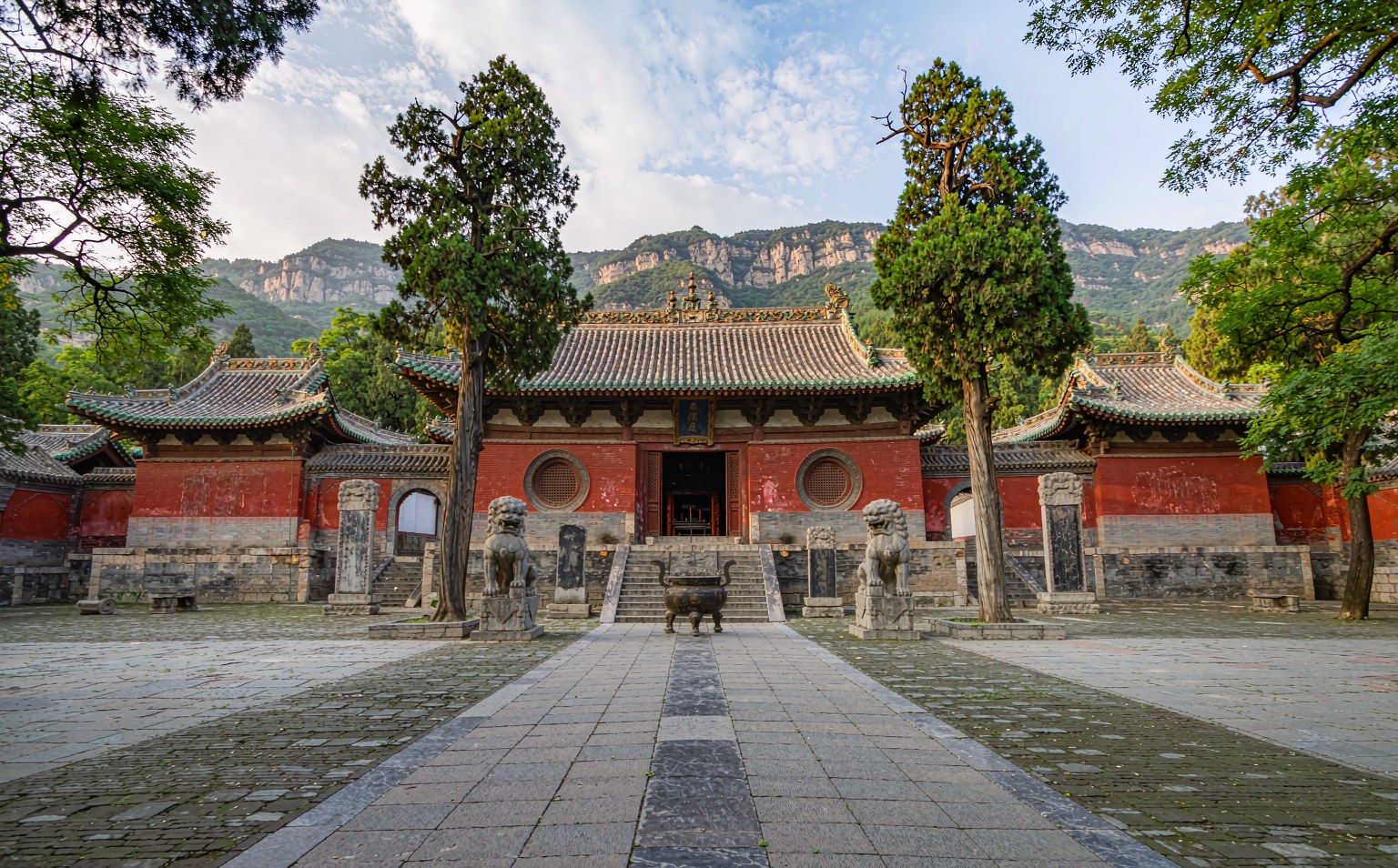
Songshan in Five Days: Shaolin Temple, Songyang Academy, Zhongyue Temple and the Observatory, 5 Days 4 Nights
Five days across both slopes of Songshan. Shaolin for the foot pits worn by standing monks, Sanhuangzhai for a plank road on the cliff and the upright Book Cliff, then the red walls of Zhongyue Temple and the Yuan observatory at Gaocheng.